Fishing Breaks
Verified34 fishing beats available
Fishing Breaks
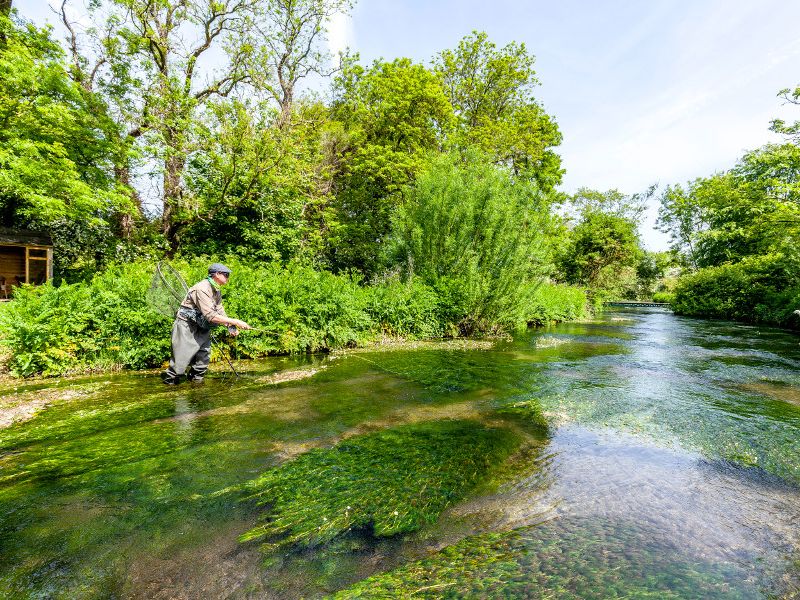
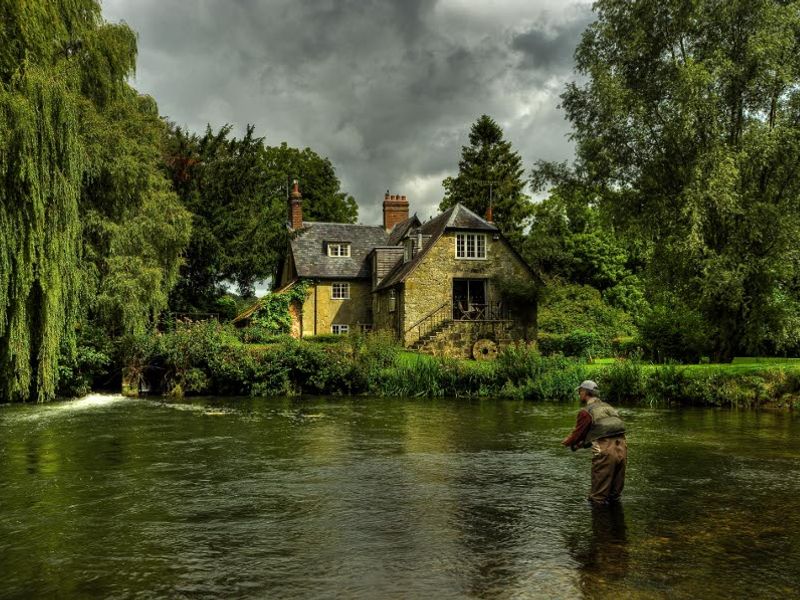
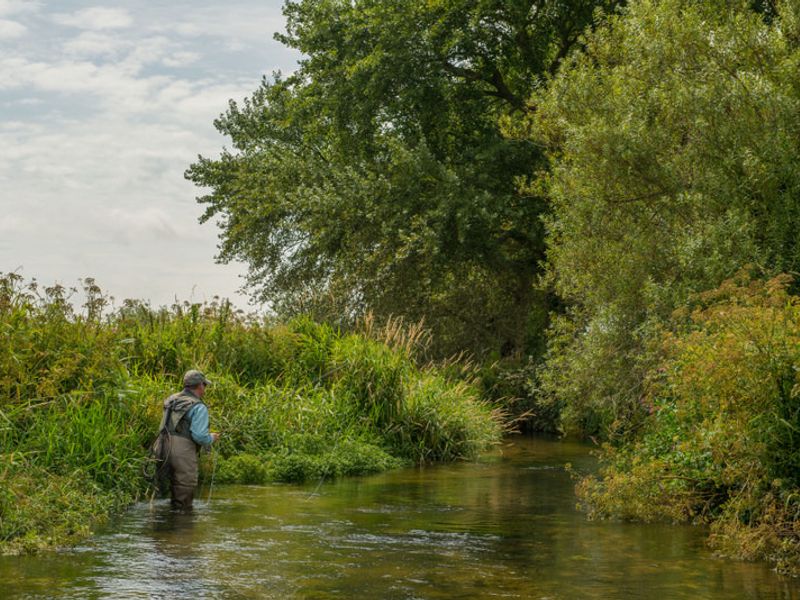
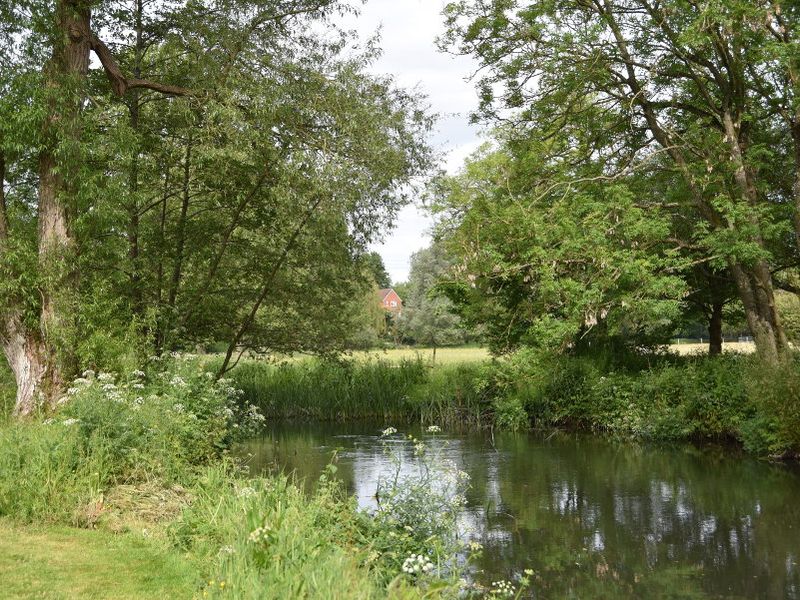
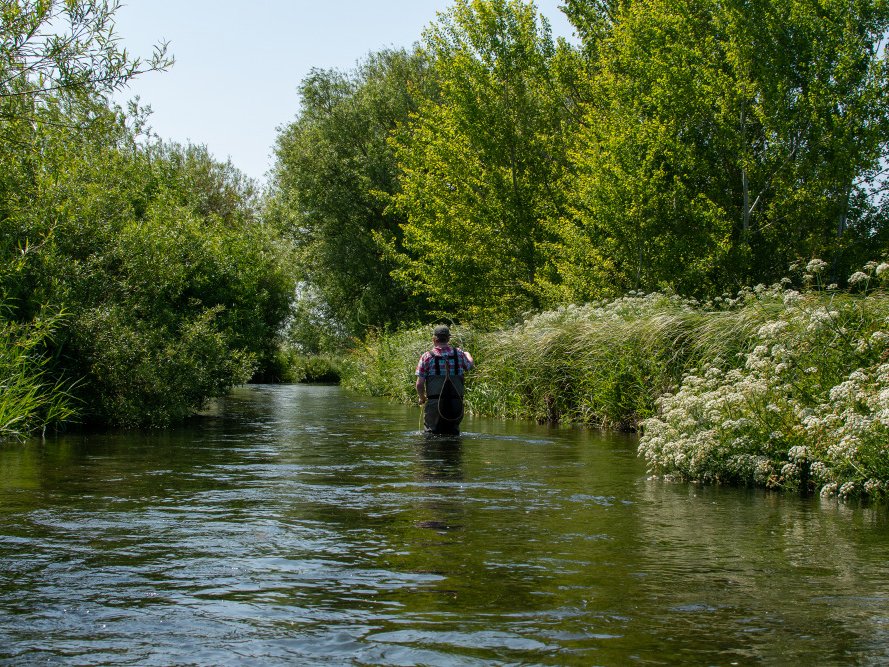
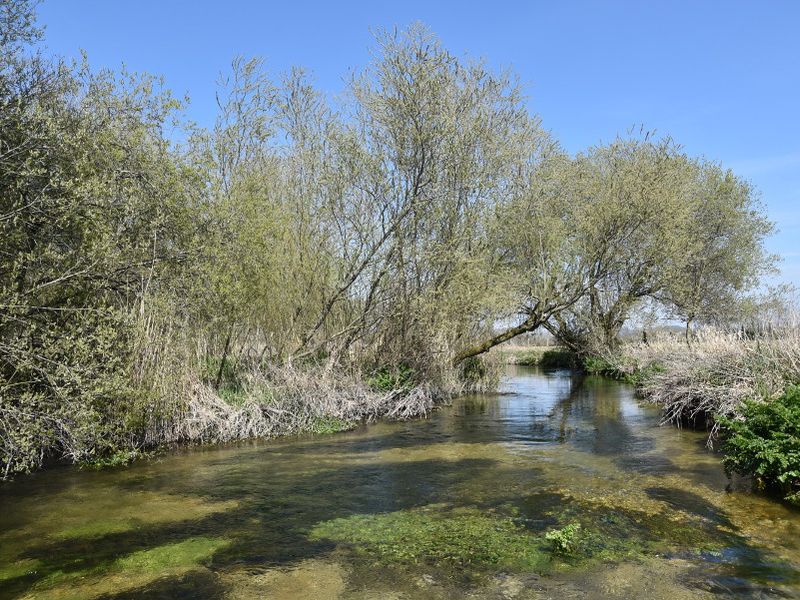
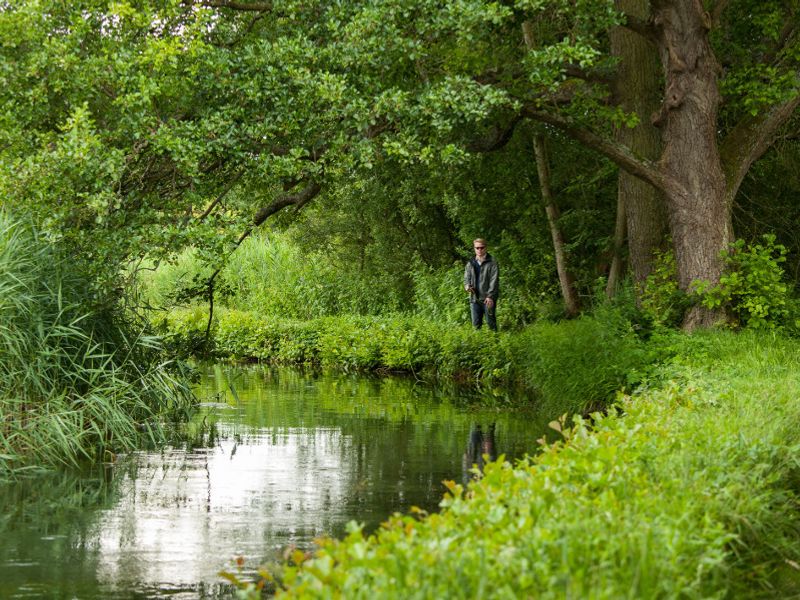
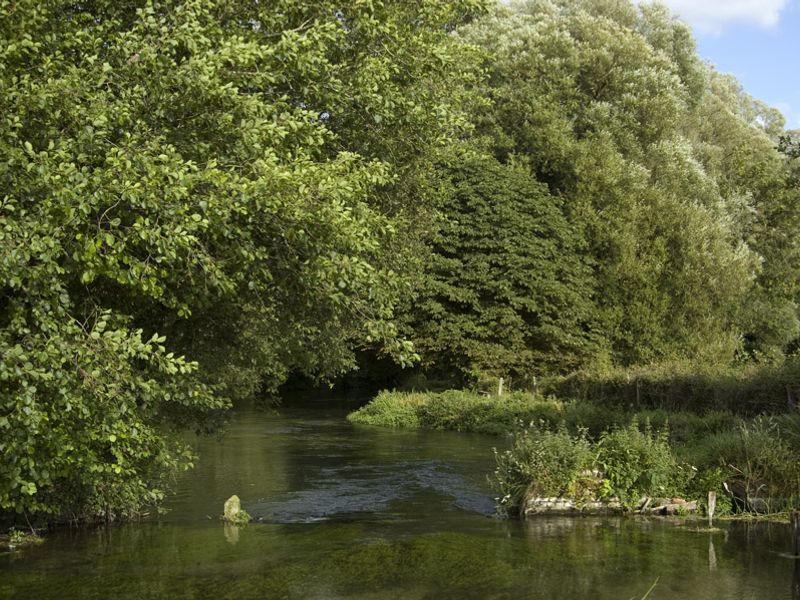
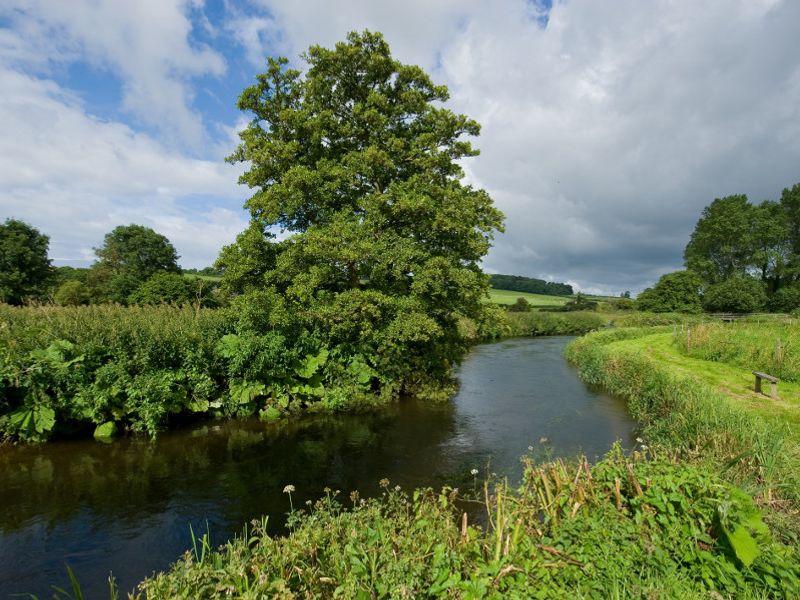
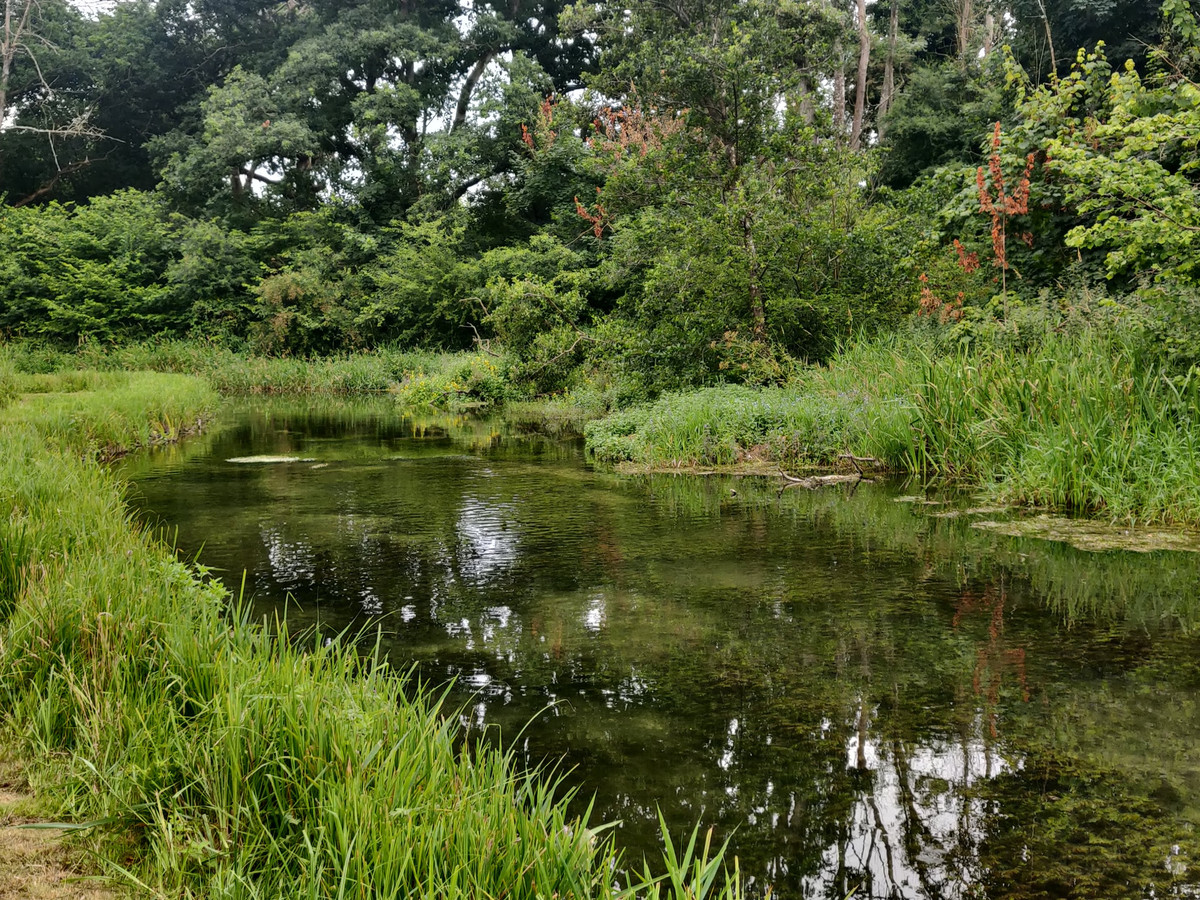
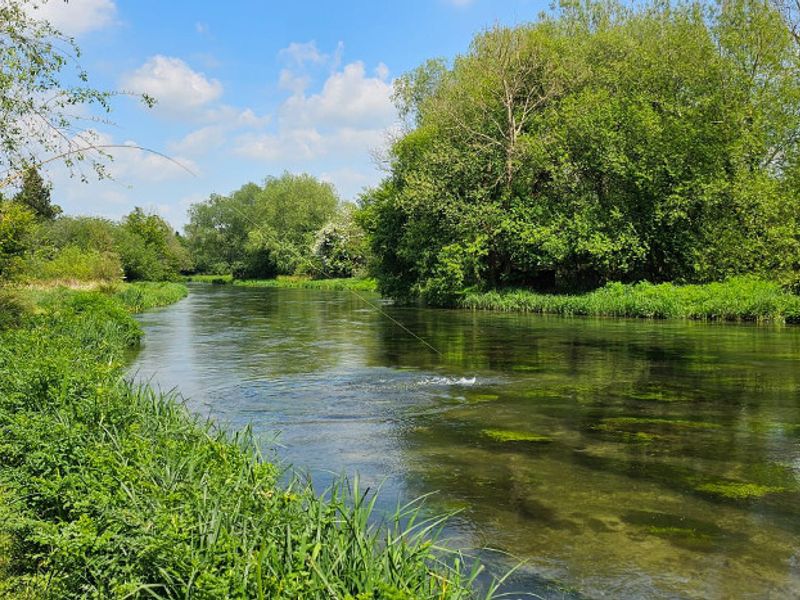
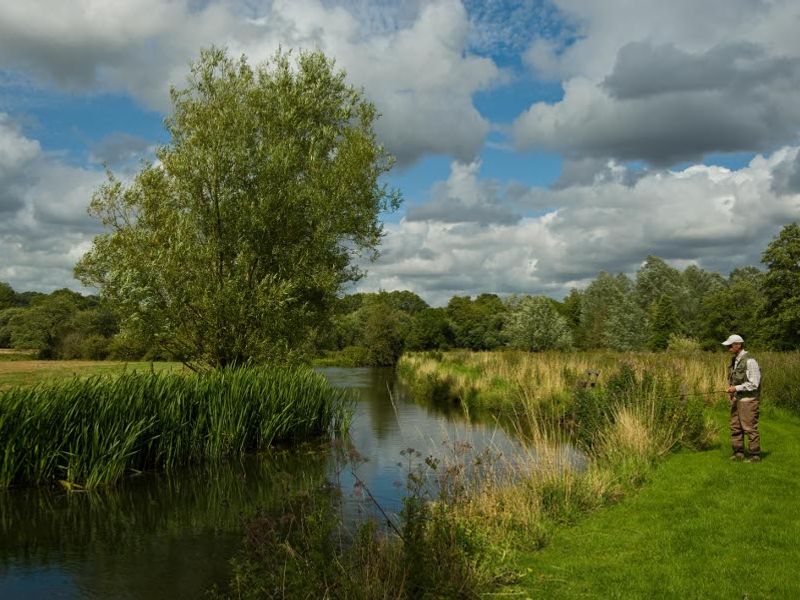
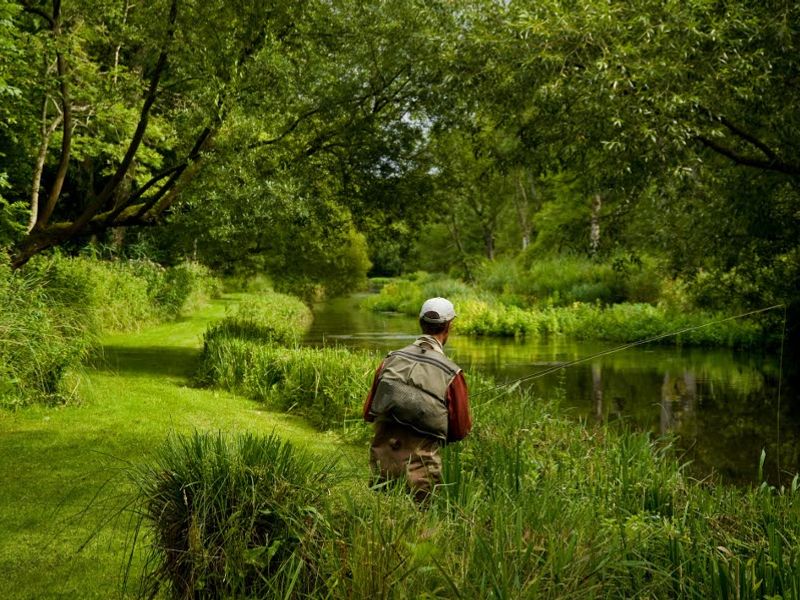
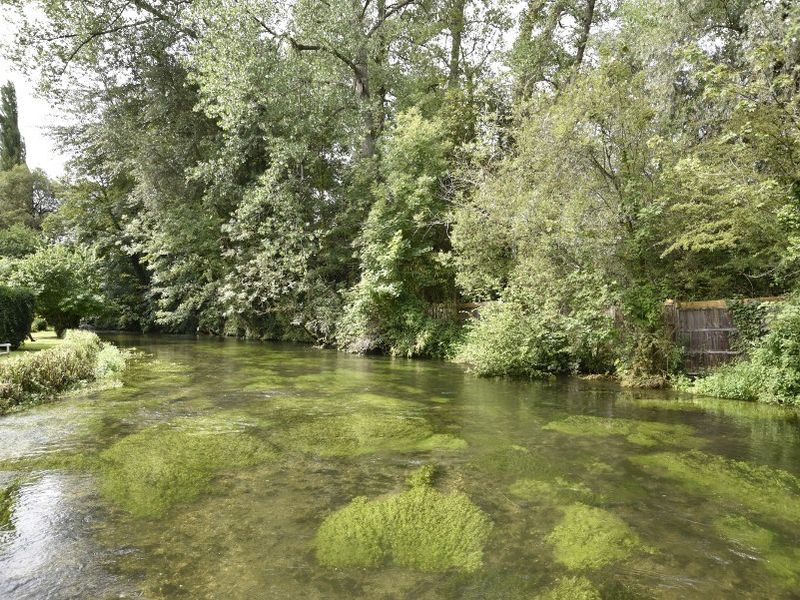
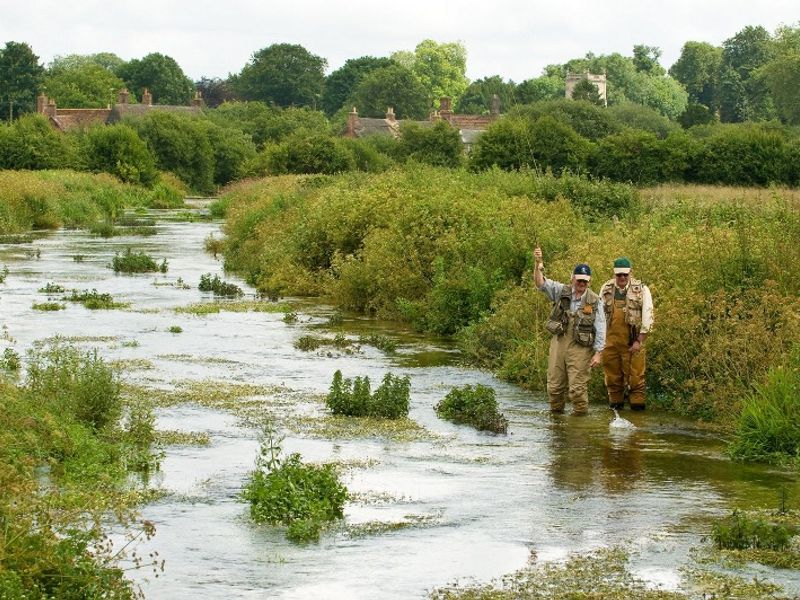
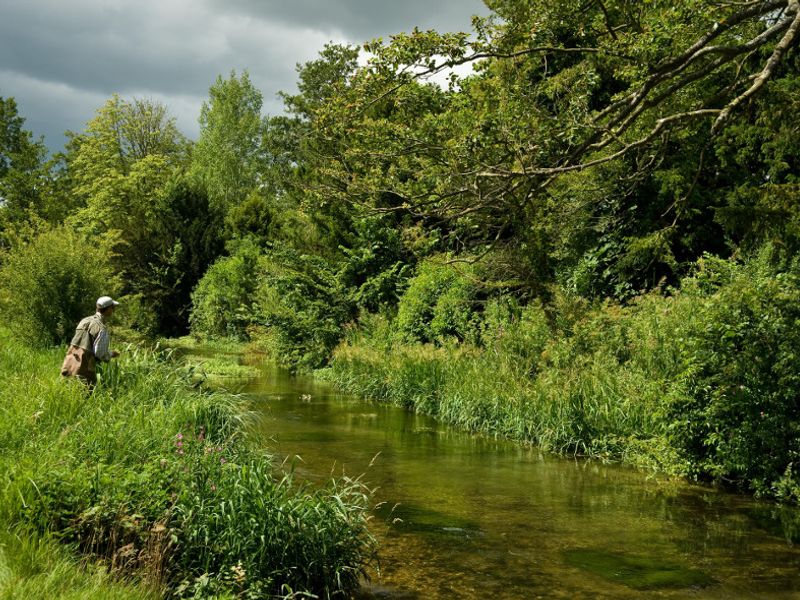
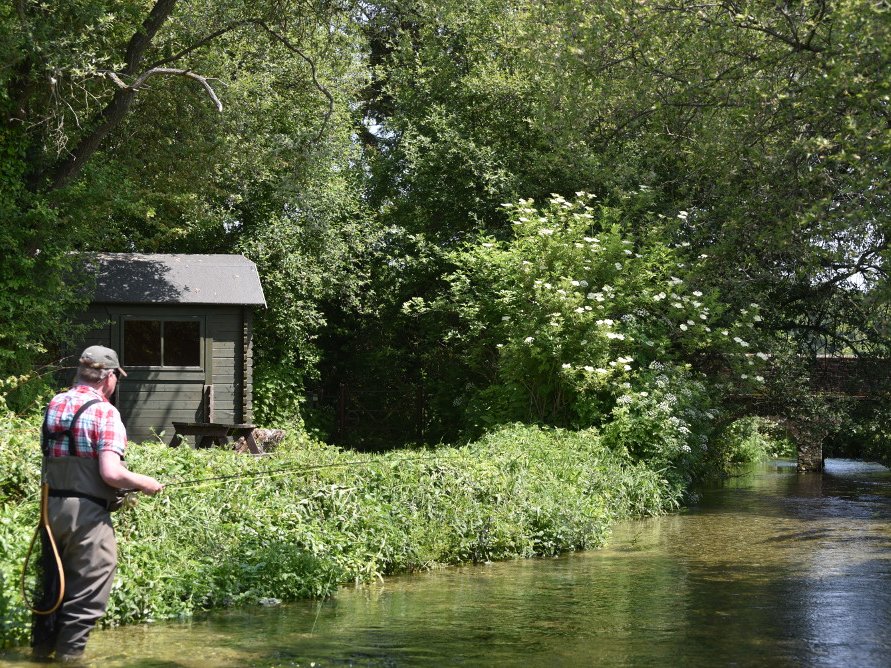
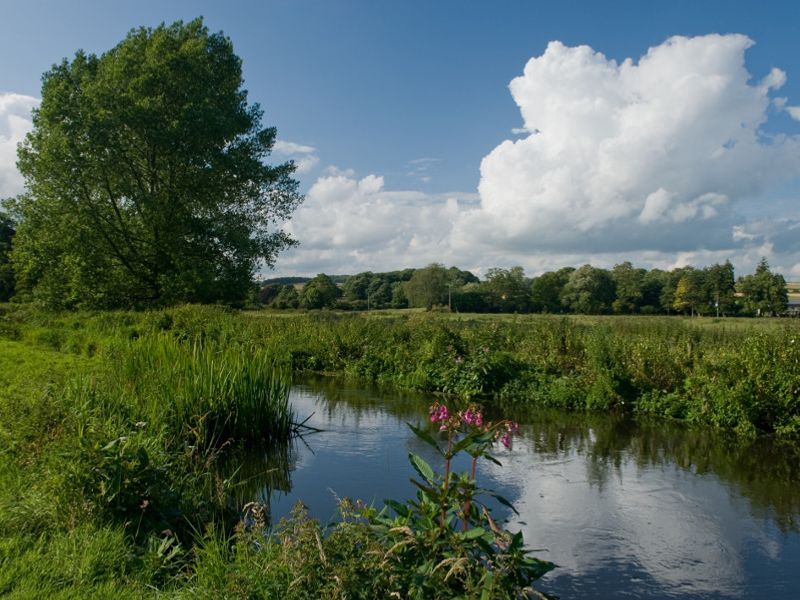
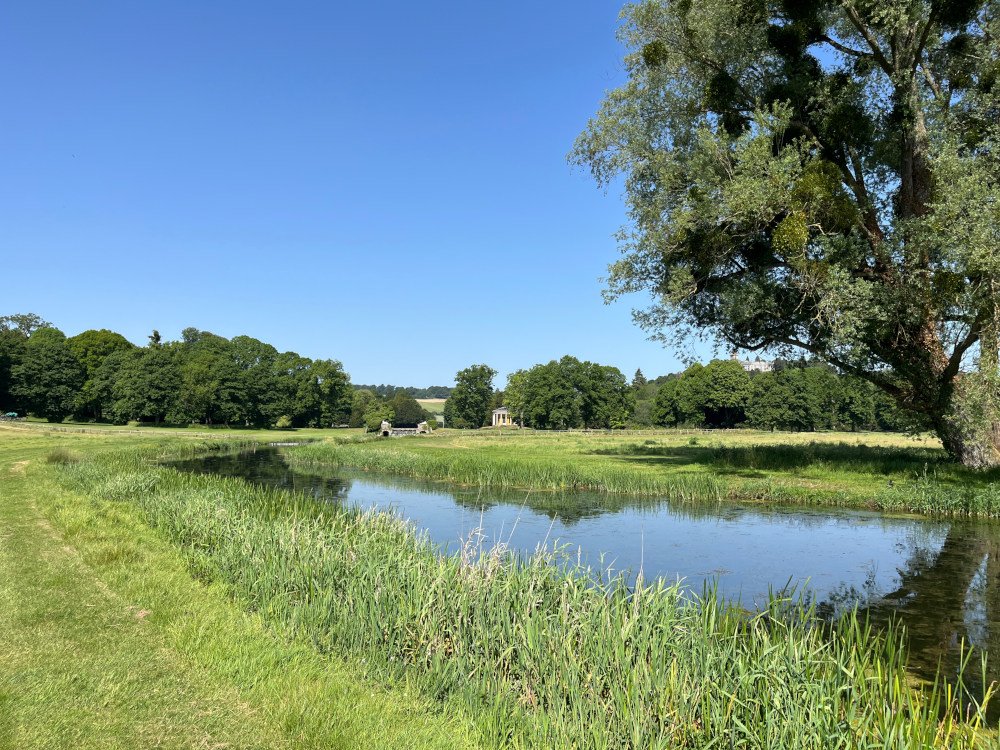
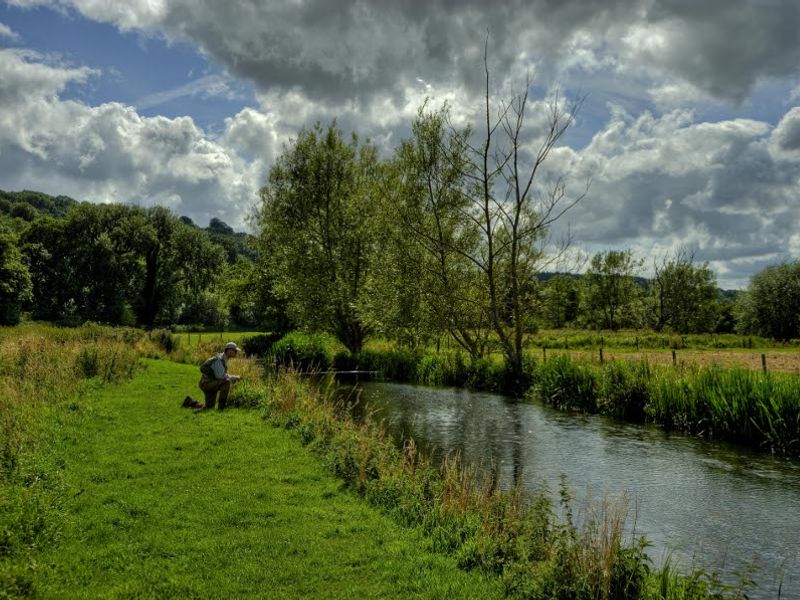
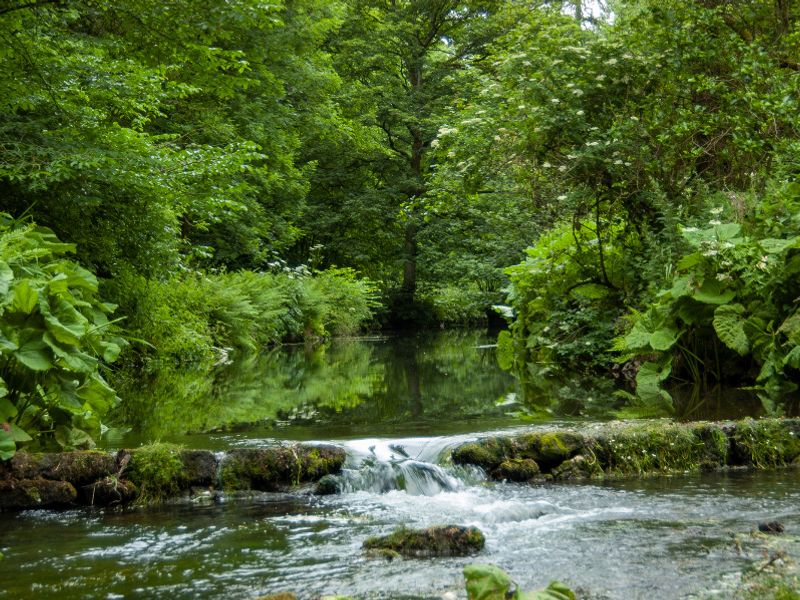
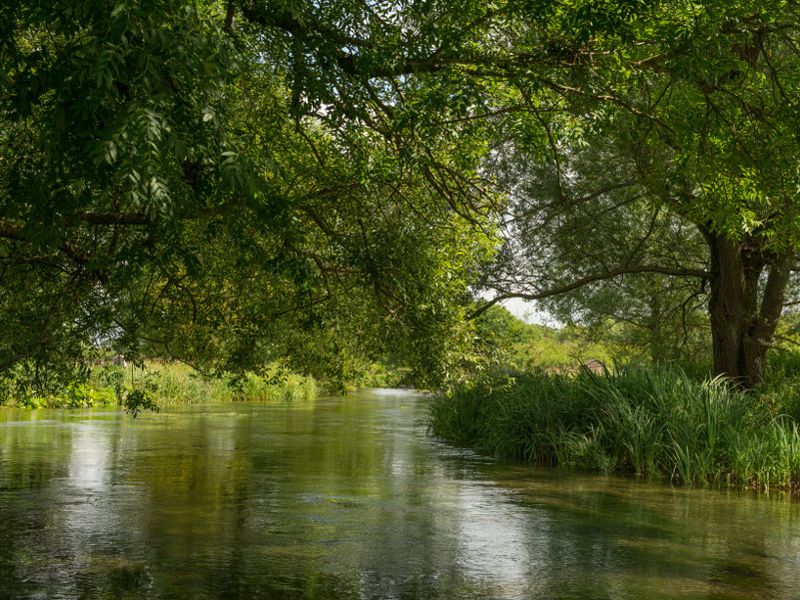
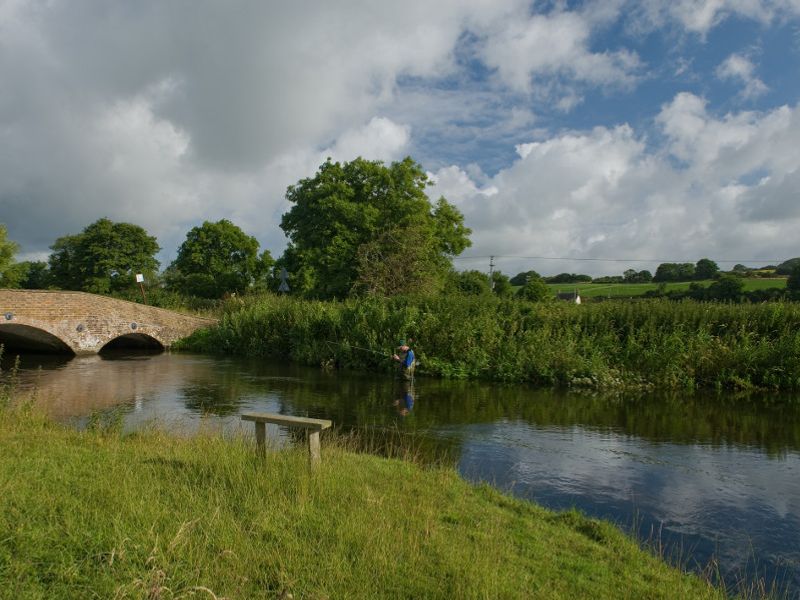
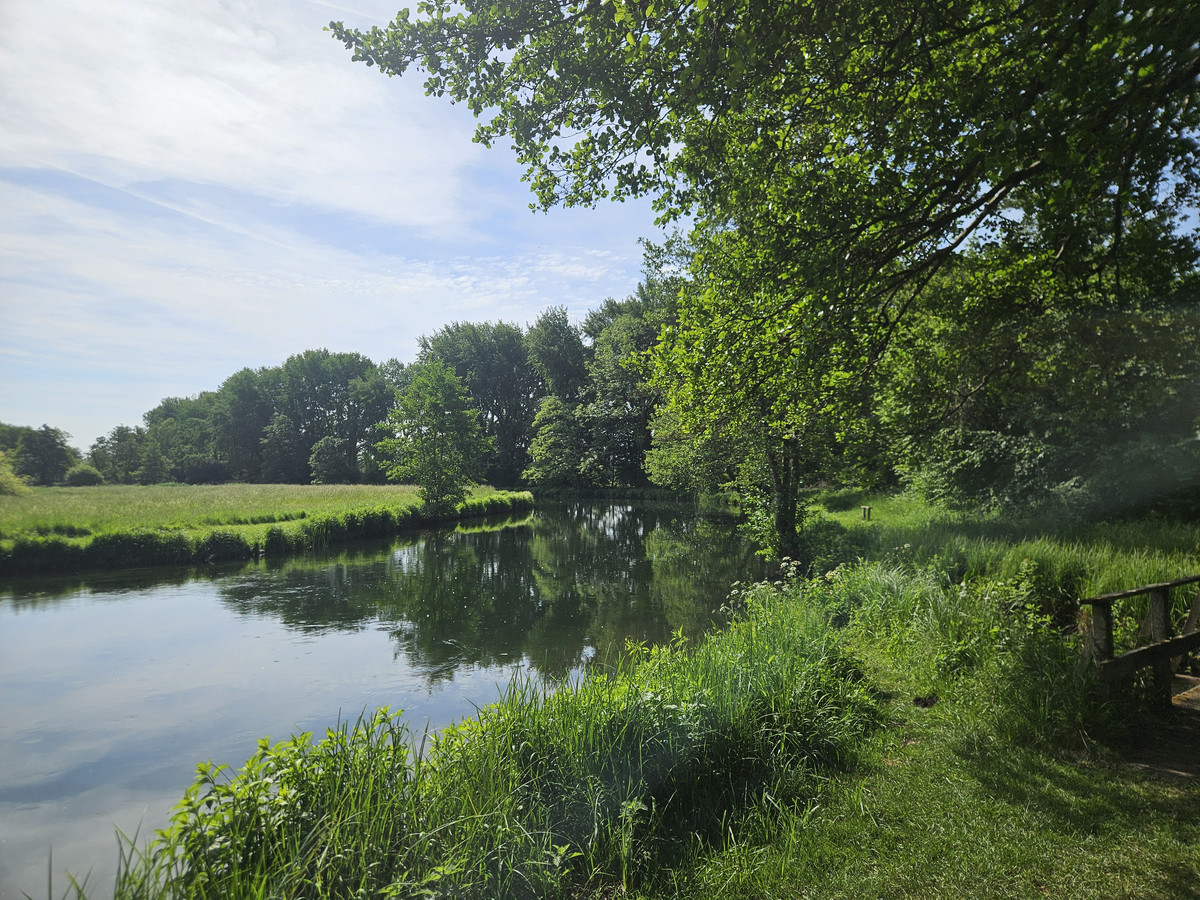
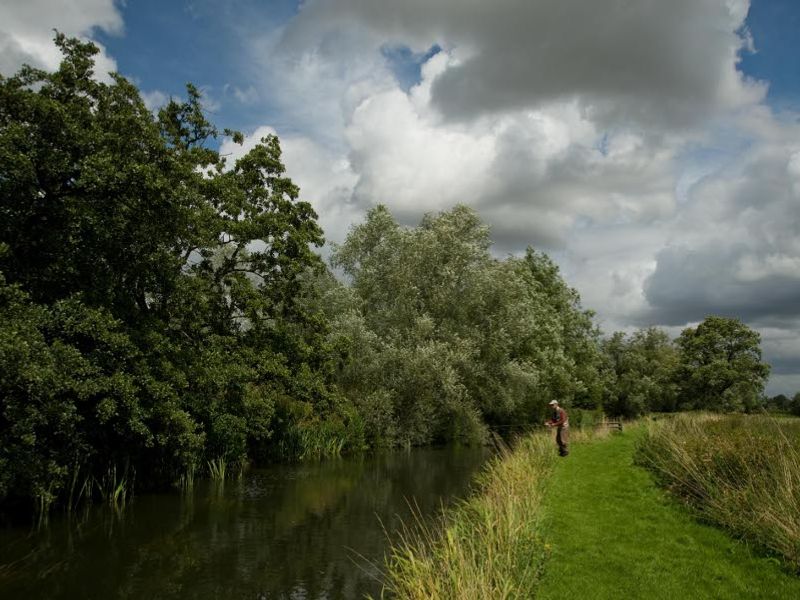
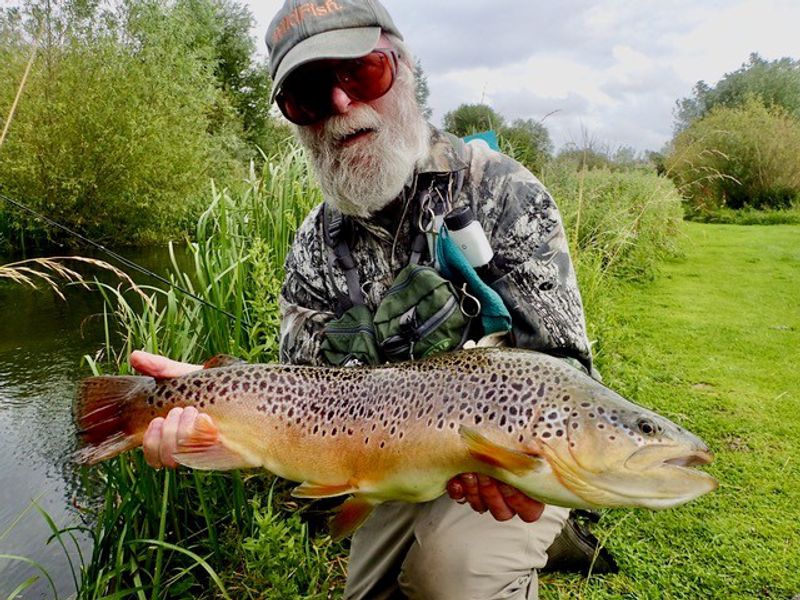
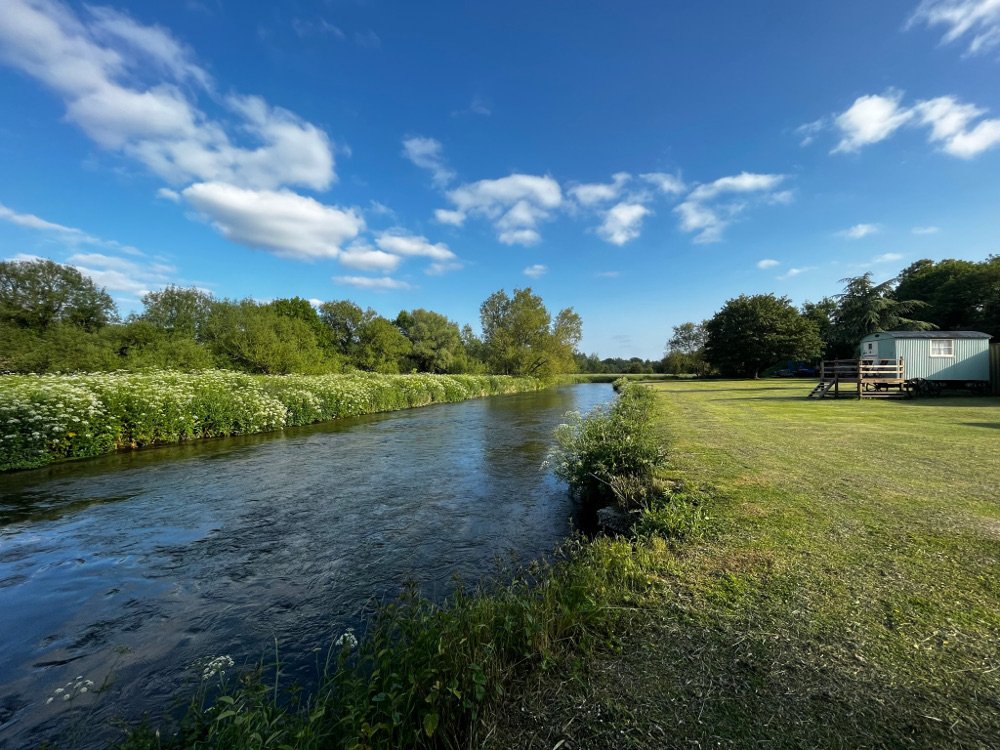
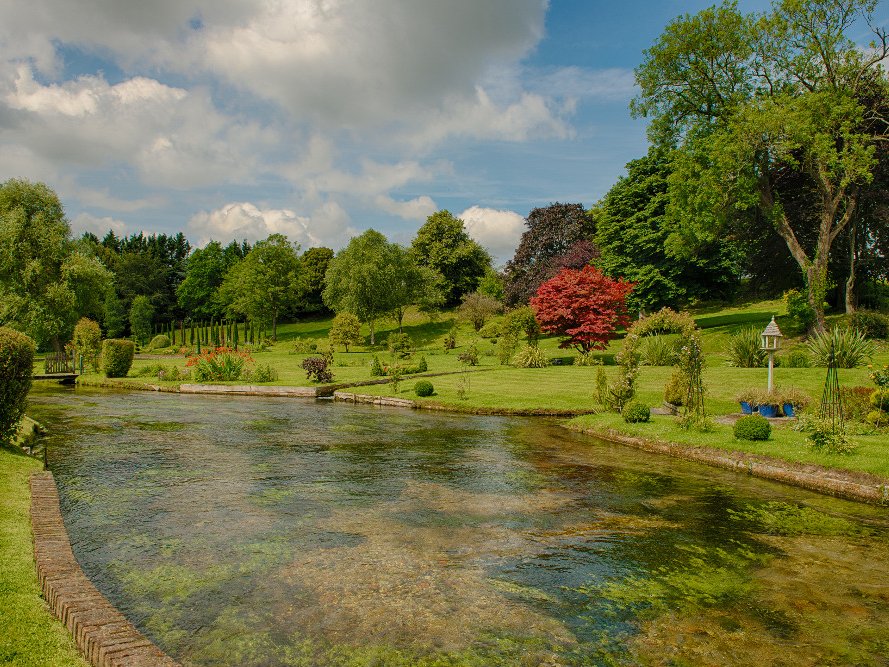
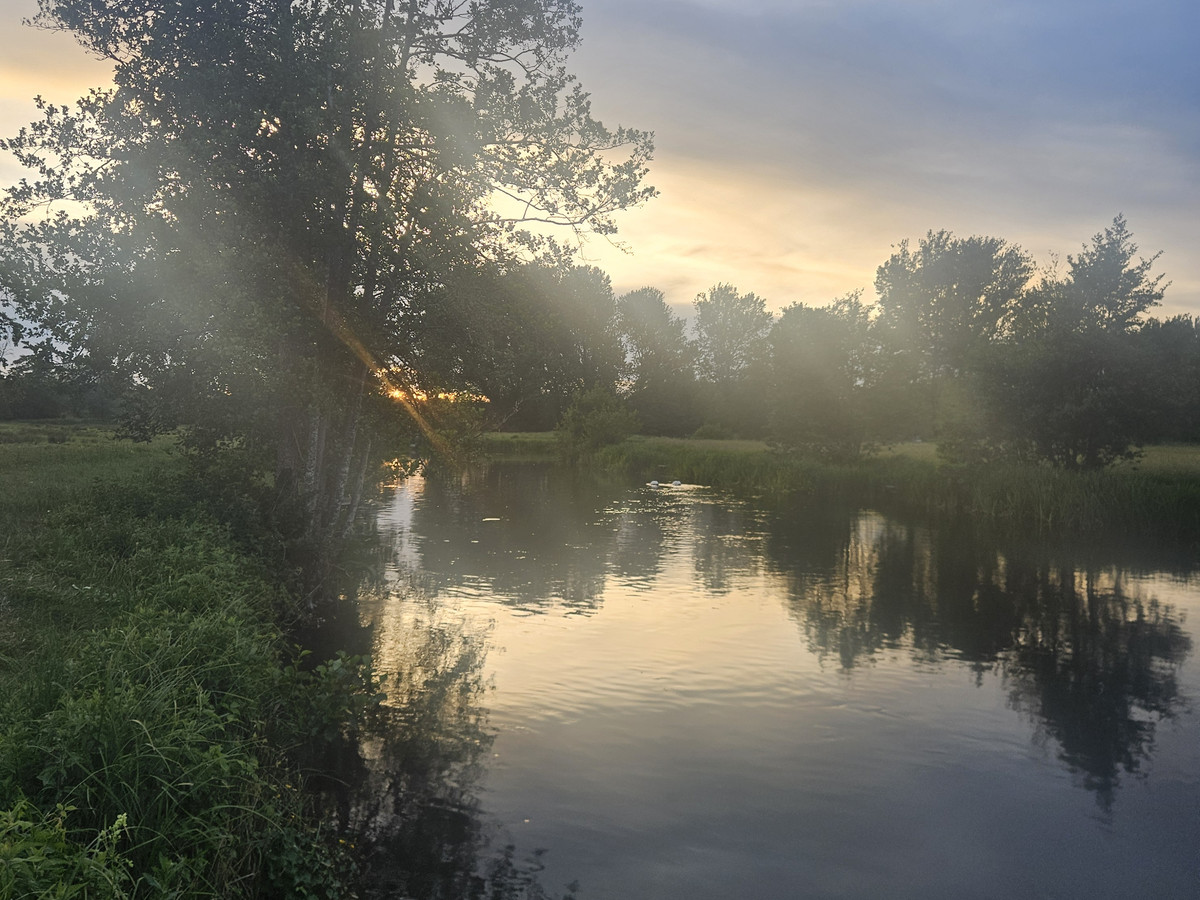
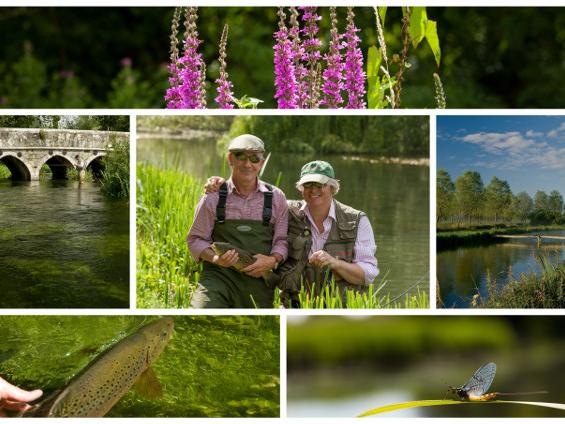
Fishing Breaks offers day-rod and multi-rod chalk stream fly fishing across 39 beats in southern England, covering the Rivers Test, Itchen, Kennet, Lambourn, Dever, Anton, Dun, Meon, Allen, Hampshire Avon, Frome, River Wye (Buckinghamshire), and River Dove. Fishing targets native brown trout on dry fly and nymph, with grayling regularly taken on the fly — the trout season runs broadly from April to early October, with grayling fishing continuing until Christmas.
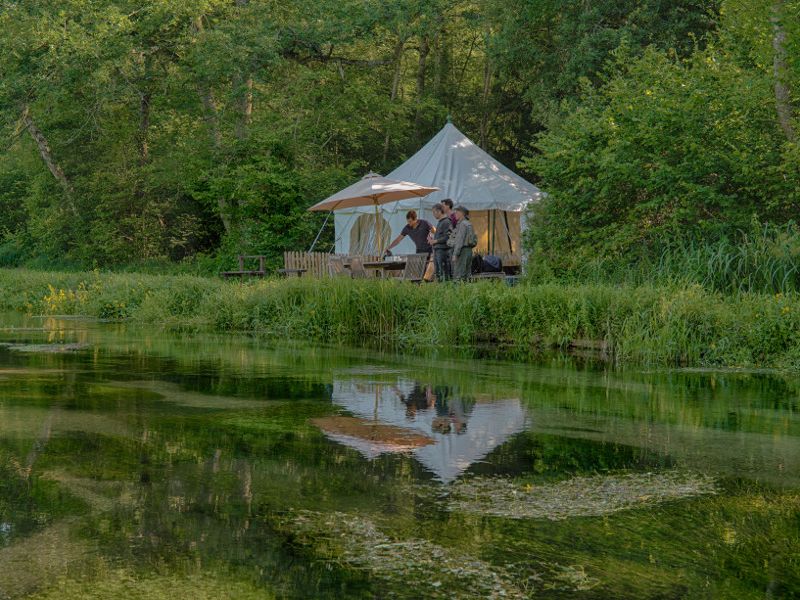
Beats can be booked unguided as day rods or with one of Fishing Breaks' own guides; guides act as knowledgeable fishing companions and provide all tackle and equipment. In Berkshire, beats include Barton Court and Benham Estate on the River Kennet, and Donnington Grove on the River Lambourn, while Hampshire waters span the Test and Itchen valleys. The River Frome offers wild brown trout fishing on the main river and carriers running to nearly five miles, with options to fish from the bank or wade. Fishing Breaks is based at Nether Wallop Mill near Stockbridge and also offers cottages, lodges, and huts that include fishing, bookable for a short stay or by the week.
What Fishing Breaks offers
Tuition & guiding
Access & membership
Packages & stays
Get the newsletter
Exciting new features, fresh beats, season news, and chalk stream tips, straight to your inbox.
Follow on Instagram
Behind-the-scenes from England's chalk streams: beats, hatches, and the rivers we love.
Follow @fishingbeatsFishing Beats offered by Fishing Breaks

River Test
Whitchurch Fulling Mill
The higher you venture up the River Test, the better the hatches, the clearer the water and the wilder the fish — and there is no better way of summing up Whitchurch Fulling Mill. Sitting on the upper Test as it flows through the town of Whitchurch in north Hampshire, this beat covers just under 0.6 miles of main chalk stream channel. The fishing divides into three sections: the Garden beat and a Side Stream downstream of the mill, and an Upper section above it. Wading is welcome throughout, though bank fishing is only practical for part of the Garden section. The Test here is a groundwater-fed chalk stream rising from the Upper Chalk aquifer, maintaining stable, cool, clear flows with consistent water levels averaging 0.5 to 1 metre in channelised sections. The water runs gin-clear and fast, with lovely rafts of ranunculus and ideal conditions for sight fishing — particularly for those who like to wade. Wild trout thrive here alongside grayling, and with that three-way mix of wild, lightly stocked and grayling, there is usually something on the feed. The season opens 30 May and runs to 30 December, with dry fly only the rule until 1 August — after which nymphs come into play for both brown trout and grayling. The mayfly typically runs from mid-May to early June, meaning the Mayfly Season day rate of £425 puts you on the water just as that hatch peaks. Grayling fishing from autumn through to late December is available from £125 per rod. The beat is rated as adventurer-level: the water is exceptionally clear and generally not too deep, so fish are easy to spot but equally easy to spook, demanding careful approach and accurate presentation. Up to two rods share the water. A 9 ft 5-weight is the baseline rod for chalk stream fishing of this kind. Fishing runs from 9.30 am until dusk. A rod room with tea and coffee facilities is available on site, and anglers are welcome to use the summer house in the garden for relaxing and picnicking. The White Hart Hotel in Whitchurch, half a mile away on Newbury Street, serves food and has rooms.

River Meon
Exton Manor Farm
Just under a third of a mile of single-bank dry fly and nymph water on the River Meon at Exton, in Hampshire's South Downs National Park. The Meon is the most easterly of the Hampshire chalk streams, rising at East Meon and reaching the Solent 15 miles to the south — in many respects a smaller version of the Itchen, just as clear but perhaps a little faster flowing. It is a varied river, reflecting the patchwork nature of the surrounding farmland, with gravel shallows, deep pools, open meadows and woodland within a typical half-mile section. At Exton Manor Farm, the water runs in front of a fishing hut before opening up on the right with a hedge on the left; a steel gate and cattle crossing mark roughly two-thirds of the way up the beat, which ends at a road bridge shaded by a stand of trees. The fishing is for wild brown trout on a catch-and-release basis, and it earns its "legend" difficulty rating. The river is a tapestry of weaving gravel courses and white-flowering crowfoot, and drag is a thorny issue where competing, swirling currents demand precise presentation. The chalk-filtered water supports over half a dozen species of stonefly, twenty-two species of mayfly, and nearly forty species of caddisfly — olives and mayfly feature through the main season, with surface activity peaking in summer. Nymph fishing is permitted alongside the dry fly, and sight-fishing to individual fish with a small pheasant tail nymph is a viable and exciting approach. This beat appeared on the cover of the April 2019 issue of *Trout & Salmon* magazine. The season runs 2 April to 29 September, priced at £110 early season, £145 through the main season and £100 late season. A fishing hut on the bank provides shelter and a base for the day. A 7–8ft rod rated for a #3 or #4 line suits the intimate scale of the river; fine tippet and careful wading are essential on water this clear. The whole river carries protection under Hampshire County Council's Sites of Interest for Nature Conservation designation.

River Itchen
Kanara
Kanara is a well-established beat on the River Itchen, situated below Winchester near Otterbourne, with around 640 yards of double-bank chalk stream running downstream from the bridge on Kiln Lane. It sits roughly ten minutes south of Twyford and is easily reached from the M3 at Junction 12 — making it a practical day-trip from London in under two hours. The water combines a quick-flowing upper section with deeper, slower pools towards the bottom of the beat, and is largely a wading stretch that holds both stocked and wild brown trout alongside a noted winter grayling population. Hatches of blue-winged olive and sedge are prolific on the Itchen, providing reliable dry fly action across the season, while the mayfly — typically peaking in late May and early June — commands the highest day-rod prices here at £225. Summer rods are priced at £194, with grayling days available from £114 through the back end of the season to 30 November. The lower section is best fished over the left shoulder or with side and roll casts, and will test anyone without a solid command of their casting. There are some large-sized browns on the beat, so a strong leader is advisable, though wild browns and grayling are spread throughout and a light rod suits much of the fishing. The beat is rated expert — both the casting and the approach to shy fish in crystal-clear chalk stream water demand real experience. One to two rods fish the beat comfortably. The Itchen is the river where G.E.M. Skues developed the concept of nymph fishing, and that tradition of precise, technical fly fishing remains very much alive at Kanara. A fishing cabin and car parking are provided on site. A valid Environment Agency rod licence is required, and anglers should note that sea trout and salmon are present in the lower Itchen corridor — check beat-specific rules on retained fish and method restrictions before your visit.

Hampshire Avon
Coombe Mill
Just under a mile of single-bank dry fly and nymph water on the Hampshire Avon, Coombe Mill sits on the upper chalk stream reach of this historic Wiltshire river. The Avon rises near the Wiltshire/Berkshire border and flows southward for over 40 miles, and for trout fishermen the pick of the beats are upstream of Salisbury, especially over Salisbury Plain — the country where Frank Sawyer keepered and developed the Pheasant Tail Nymph. One of the most varied chalk streams in the UK, with over 180 species of aquatic plant recorded, it also has one of the most diverse populations of fish, plant and wildlife. Persistent heavy rain early in the season can leave the river a little coloured, but it clears quickly, and from summer through to the end of the season the water clarity is comparable to that of many chalk streams. The beat targets wild brown trout and grayling on a fly-only, catch-and-release basis, rated as explorer-level water — expect fish that have seen pressure and reward careful presentation over brute-force casting. The trout season opens in time to catch hatches of grannom and large dark olives, and consistently good fly hatches — especially mayfly (Greendrake), which once started can continue for many weeks — make the Avon a firm favourite for fly fishermen. The classic Wessex chalk streams such as the Avon, Test and Itchen have mayfly hatches starting at the end of May and carrying on to early June. Blue-winged olives and sedges carry the fishing through summer and into autumn. Grayling in the Hampshire Avon are thought to be an original, native population, and on the chalk streams they are usually only targeted from October through to the end of December. The grayling season here runs to 30 December, making this a genuinely year-round beat. Up to three rods fish the bank simultaneously. Rods of between 7½ and 9 ft rated from 3# to 5# lines are the norm, with the longer and slightly heavier outfits suited to wider stretches of the Avon. A 9 ft leader is a sensible minimum. Day-rod pricing runs from £81 in the grayling season to £232 during the mayfly, with main-season days at £156. A fishing hut and toilets are on site. Wading is not permitted; all fishing is from the bank.

River Test
Timsbury 5

River Frome
Ilsington
Six miles of fly-only chalk stream on the River Frome, the Ilsington beat sits downstream of Dorchester in the heart of Dorset, on the river's course between West Stafford and Bovington — a section where the Frome, at 30 miles long, is considered the major chalk stream of southwest England. Long held as a private syndicate, Ilsington has only recently become available to visiting rods, with close to five miles to discover. The river carries classic chalk stream features: riffles, pools, glides and overhanging trees, with sight fishing in crystal-clear water throughout. Wild brown trout and grayling are the primary quarry. Trout over 3lb are regularly caught, and parties will often land thirty fish or more between them. The fish most closely associated with the Frome is the grayling — the river has previously produced record fish, and specimens approaching the four-pound mark are caught most seasons. Over the years, the Frome has thrice laid claim to the British grayling record, each fish weighing over 4lb. The lower river also sees reasonable runs of salmon and sea trout. The season runs 1 April to 30 November. The Frome is less affected by abstraction than any other chalk stream, so the fishing holds up well throughout: upwinged flies dominate April and early May, mayfly hatches are excellent from mid-May until mid-June, and high summer evenings in July and August can be surprisingly productive with hatches of Pale Wateries, Blue-Winged Olives and sedges extending well into autumn. The beat accepts one to four rods and is rated suitable for beginners, making it a practical choice for a group or a guided day. A 7.5ft rod with a 3–4wt floating line is the recommended trout outfit for dry fly and nymph work; a longer 9ft rod suits the deeper glides and grayling nymphing later in the season. Day ticket prices run from £100 for a grayling day to £131 in summer, rising to £236 during the mayfly. Car parking and a fishing hut are on site. All wild fish are returned.

River Allen
Deans Court
Running through the grounds of the Deans Court estate on the southern edge of Wimborne Minster, this roughly half-mile beat occupies the lowest reach of the River Allen in Dorset, where the Allen meets the Stour just south of the town before the combined river rolls on to the sea at Christchurch. The river carries an abundance of macrophytes — principally common water-crowfoot (*Ranunculus aquatilis*) — which support a healthy invertebrate population and keep the water well oxygenated. Gin-clear and fast-flowing, it rewards anglers who enjoy sight fishing to fish that come from nowhere to grab a dry fly drifting along weed margins; wading is generally the most effective approach, though bank fishing is possible in sections. Rods are limited to one or two, keeping the beat quiet and unhurried. The Allen is strictly managed to support a thriving, self-sustaining population of entirely wild brown trout, and there is no stocking on this beat. Because the Deans Court stretch lies on the confluence with the Stour, grayling are also well represented alongside the trout. Dry fly and nymph are both permitted, and the beat is rated suitable for beginners — the open character of the water, aided by an ongoing Landscape Recovery Scheme that has seen fencing removed to open up casting lines across the beat, makes presentation straightforward. The mayfly hatch can be spectacular and is the highlight of the early season; the Dorset Stour system has a reputation for early mayfly hatches relative to the classic Wessex rivers, so expect activity from the first weeks of May. The season runs 1 May to 30 September, with grayling providing a focus through the later months on nymph. A 3- or 4-weight rod of 8–9ft suits the scale of the stream. Day tickets run from £95 (late season) to £145 (main season). A fishing cabin sits 30 metres from the bank and is equipped with a bunk bed, basic kitchen with gas hob, WC, fire pit and BBQ — well suited to an overnight stay for two. Car parking is on site, and the centre of Wimborne is only a few minutes' walk for an evening meal.

River Anton
Upper Clatford
A short stretch of the River Anton — a classic Hampshire chalk stream and one of the four main tributaries to the River Test — the Upper Clatford beat sits in the Anton valley, 3.5 miles upstream from where the river meets the Test. At just over a fifth of a mile, this is an intimate piece of water, and its tributary character means the river here is narrow and intimate, with narrow, fast-flowing gravel sections home to feisty wild trout. The Pillhill Brook, the Anton's principal tributary, joins the river at Upper Clatford, adding extra flow and variety to the beat. Banks are kept clear for walkways while streamside vegetation is encouraged, and the surrounds are largely made up of pasture land and old English woodland that have remained relatively unchanged for generations. The Anton is known for its prolific fly life and holds some very large wild brown trout and grayling. The beat is rated as adventurer difficulty — expect overhanging trees, tight casting angles, and fish that have seen pressure. The river flows crystal clear for almost the whole season, making it a genuine sight-fishery where you can target specific fish. Stocking is light, so the emphasis is on wild fish. Luscious beds of ranunculus support an abundance of fly life with good hatches visible almost year-round — mayfly brings the peak Mayfly Season rate in late May and early June, while small olives trickle off through mid-morning to mid-afternoon in autumn, and evening sedge hatches extend well into the summer months. Even in winter the river runs exceptionally clear, offering fine grayling fishing — challenging, but with a good population of big fish the rewards are worth the effort. The beat takes one to two rods and is open from 30 April to 30 December, covering trout through to grayling season. Day tickets run from £75 in the grayling season to £284 during mayfly. Wading is permitted, though on a river this clear and compact it is rarely necessary. The Anton is easily accessed, under an hour's drive from Junction 12 on the M25, making it a practical day-trip destination from London or the wider south-east.

River Allen
Hemsworth Huts
Around half a mile of single-bank dry fly and nymph water on the River Allen, Hemsworth Huts sits within one of the most secluded chalk stream valleys in Dorset. The Allen rises as a winterbourne on the chalk downland of Cranborne Chase and flows southwards through Wimborne St Giles, and of all the English chalk streams it is one of the most private, with nearly its entire length under the ownership of just two large estates. The river here is narrow and intimate, with an abundance of macrophytes — principally common water-crowfoot (*Ranunculus aquatilis*) — supporting rich fly life and gin-clear water that rewards careful approach work. The beat is rated expert-level, suited to anglers comfortable with tight, overgrown banks and selective fish. The Allen has a well-established reputation as an excellent fishery carrying good stocks of wild brown trout, alongside grayling and indigenous coarse fish. All fish are returned. The trout season opens in April with the grannom hatch dominating the early weeks; mayfly follows from late May into June, with summer bringing olives, sedges, ants and daddy long legs. Upstream dry fly is the primary method, with nymphing coming into its own through mid-summer and into the grayling months. One or two rods fish the beat; the season runs 1 April to 30 September. The beat is booked as an overnight package covering both shepherd's huts, with car parking, a wood-fired hot tub, BBQ, fire pit and fishing hut on site. Pricing runs from £532 for a shoulder-season weekend (two nights, Friday–Sunday) to £801 for a peak midweek stay (three nights, Monday–Thursday). No wi-fi and limited mobile signal keep the focus where it belongs.
River Dever
Dever Springs
Dever Springs sits near Barton Stacey in Hampshire, combining two spring-fed lakes totalling six acres and a half-mile stretch of the River Dever — a chalk stream that rises near Micheldever and flows westwards for 11 miles to meet the River Test. The lakes are gin-clear, fed directly from chalk aquifers, and the banks are kept well-trimmed for easy casting, with platforms and seats at regular intervals. The river beat runs alongside the lakes and, while the chalk stream requires some stealth and patience, the reward is brown trout and grayling in classic chalk stream surroundings. The fishery is open year-round and caters to all abilities, with tackle and qualified instruction provided. The minimum stocking size is 4 lb, with 6 lb 8 oz being the current average, and specimen fish taken at Dever include a British record brown of 28 lb 2 oz. The trout are for the most part caught on nymphs and lures using a medium-weight fly rod, though at certain times of year the dry fly action can be spectacular as fish rise to the surface. The lakes are well-established and abounding with aquatic fly life, including an abundant mayfly hatch in season, most especially in May and June when the epic mayfly hatch occurs. The River Dever also has good hatches of the main groups of upwinged flies, and in recent years grannom have reportedly made a reappearance. Day rods are sold in groups of 10–20, with per-head pricing ranging from £125 for a grayling day to £395 during the mayfly. The fishing lodge features a spacious seating area, bar, fire pit, a large safari-style dining room and a veranda overlooking the lakes. After a morning on the lake and river, a three-course lunch is prepared by in-house caterers using local produce, with fine wines and spirits available. Breakfast and afternoon tea are included, and parking is on site.

River Dever
Bullington Manor Beat 1
The River Dever is a Hampshire chalk stream and is also known locally as the Bullington Stream. Bullington Manor Beat 1 sits on the upper Dever near Upper Bullington, a village the river passes through on its westward course from its source near Micheldever. The beat runs double-bank from just upstream of the old mill, though only one bank is prepared for fishing at any given point — anglers work the left bank upstream to the midway mark, then cross to fish the opposite bank back down, making it a particularly comfortable draw for left-handers. It is the narrowest of the Bullington Manor beats, with two well-defined hatch pools and a quieter, rarely pressured section beyond a disused railway viaduct. Up to six rods can be accommodated, though the intimate scale of the water suits smaller parties well. Like the other upper Test tributaries, the Dever is known for the clarity of its water, with fish highly visible as they hang in front of beds of starwort and tip up to sip passing insects. Brown trout, rainbow trout, and grayling are all present. The clear water lends itself to sight fishing with both dry fly and nymph, and the beat is rated suitable for beginners — the relatively straightforward bank configuration and visible fish make it a sound introduction to chalk stream fly fishing. The hawthorn hatch arrives in late April, the mayfly runs from mid-May to early June, and summer brings a variety of caddis, olives, and terrestrials. Grayling fishing extends the season through to 14 December. An 8½ ft rod with a 3–5wt floating line is the recommended outfit, with tippet down to 2lb/6x. Day rod prices run from £125 (grayling only) to £395 during the mayfly window. The beat shares a mill cabin with Beat 2, and car parking is on site. Additional cabin accommodation — including the Buckingham Palace fishing cabin and Dever Castle cabin — is available at the fishery.

River Kennet
Benham Estate
At 3.5 miles, the Benham Estate is one of the most extensive private chalk stream fisheries in Berkshire, sitting on the River Kennet near Kintbury. The estate encompasses two fisheries — the Park and the Wilderness — each with its own full-time river keeper, run independently despite being under the same ownership. Between Hungerford and Kintbury, the river offers a range of wider open sections and wilder narrow sections, providing genuine variety across the day. The main river is criss-crossed by carriers and side streams, and the river flows crystal clear for almost the whole season, making it a true sight-fishery where you can target specific fish. A river restoration scheme was implemented on this reach, including narrowing the Kennet, restoring a side drain with added gravel, and creating fish spawning habitat. The beat is fly only, bank fishing throughout, and rated for experienced anglers. There is an excellent head of wild fish supplemented by brown trout stocking only. The season runs 30 April to 29 September, accepting one to four rods, with brown trout and grayling the primary quarry. Olive hatches in spring combine with grannom and hawthorn to keep fish looking up from the outset, and the river below Hungerford near Kintbury usually experiences massive hatches of mayfly. The mayfly hatch arrives comparatively late compared to other rivers, with the best sport often found in the first few weeks of June. Excellent evening fishing follows through summer as caddis gather and adult olives return to lay eggs, and September can be a rewarding month for stalking wary risers — though with water levels often low, a stealthy approach is required. The Park can on occasion suffer poor visibility due to algal blooms or murky water entering from the Kennet and Avon Canal, which joins the river just upstream — worth factoring into your timing. A 9 ft rod with a 4–5wt floating line and tippet to 6x suits most situations on the main river; drop lighter for the carriers. Keeper Gary Allen has been on the river for 30-plus years and is available on site. A traditional fishing hut adjacent to a former Victorian bathing pool is provided for rods, with toilets and parking immediately adjacent. Day rod prices run from £212 in late season to £347 during mayfly.

River Frome
Wrackleford Home Beat
Three-quarters of a mile of double-bank fly fishing on the River Frome, the Wrackleford Home Beat sits on the Wrackleford Estate just north of Dorchester in Dorset — the most westerly of the English chalk streams, the Frome having matured into a fine trout river by the time it reaches Wrackleford. The Sydling Brook joins the Frome just upstream of Wrackleford, adding volume and clarity to the water. The beat divides into two distinct characters: above the central thatched fishing hut the river runs smooth, with slow meanders and deep pools; below it the water quickens into shallow runs and faster glides, with a substantial pool a third of the way down — a layout that gives two rods genuinely different fishing without overlap. Brown trout and grayling are the target species, with the beat regularly stocked to complement any resident wild fish. The Frome is less affected by abstraction than most chalk streams, and the season opens with fine hatches of upwinged flies in April and early May, building to an excellent mayfly from mid-May until mid-June, followed by Pale Wateries, Blue-Winged Olives and sedges through summer and into autumn. The season opens with a grannom hatch, progressing through hawthorn, mayfly and blue-winged olives, with sedges rounding off the year. Grayling fishing extends the season to 31 January, making this a productive winter destination too. Waders are helpful but not essential — the double bank gives good access throughout. The beat is rated suitable for beginners and takes a maximum of two rods, priced from £100 in April rising to £190 during the mayfly, with grayling days at £75. It can be grouped with the Gaston Bridge Beat to extend the fishing for a larger party. The thatched fishing hut at the beat's centre provides shelter and a base for the day.

Hampshire Avon
Avon Springs
Avon Springs sits beside the Hampshire Avon near Salisbury in Wiltshire, offering a mile of upper chalk stream river fishing on one of southern England's most characterful game rivers. The Hampshire Avon is fed by two headwater streams rising in the Vale of Pewsey — the East Avon from chalk and the West Avon from greensand — which means it sits slightly outside the strictest definition of a chalk stream, but persistent colour from early-season rain clears quickly, and from summer through to season's end the water clarity is comparable to many true chalk streams. The beat accommodates up to four rods and carries a high proportion of wild fish, alongside fish reared on site that are the progeny of the original Avon native strain. The target species are brown trout, rainbow trout, and grayling, with grayling running to 3 lb. Hatches are a genuine draw: early season brings grannom and large dark olives, while the mayfly (Greendrake) — once it starts — can continue for many weeks. The Avon and Wylye can carry mayfly hatching off into July, giving this beat an extended window for the classic dry fly. The river also sees hatches of damselfly and sedge throughout the season. The beat is rated as explorer-level — expect fish that have seen flies before and reward careful presentation. Dry fly only is in force until 1 June, after which traditional nymphs may be used. The season runs 13 April to 13 March, covering both the trout and grayling seasons. Day rod prices run from £71 in the grayling season to £130 during the mayfly window, with early and main season rods at £102 — accessible pricing for a well-managed chalk stream beat. A fishing hut and toilets are on site. The Hampshire Avon is around 90 minutes from London Waterloo to Salisbury, making Avon Springs a practical choice for anglers travelling from London or across the south.

River Itchen
Abbots Worthy
Sitting on the upper River Itchen just three miles north of Winchester, the Abbots Worthy beat offers around a third of a mile of single and double-bank chalk stream fly fishing on one of Hampshire's most historically significant stretches of water. John Keats walked these very water meadows in 1819, and the Itchen's clear flows and harvest-season landscapes are said to have inspired his ode *To Autumn*. The river here carries a main channel alongside a mill stream, with a chalk bottom, good ranunculus weed beds, and clear water that makes sight fishing the primary approach. Fishing is predominantly from the right bank looking upstream, though parts of the beat can be fished from both banks, and wading is possible in places. The beat holds grayling to over 3 lbs alongside a lightly supplemented wild brown trout population — above Easton, the upper Itchen is managed primarily for wild trout, and this beat reflects that ethos. Most of the River Itchen is managed as an SSSI, and catch and release is encouraged to preserve native brown trout. Fly life is good throughout the season, with reliable hatches of Iron Blue and Large Dark Olive in good numbers, and even the occasional Turkey Brown. May brings the first mayfly of the year, while mayfly hatches on the Itchen are generally lighter than on the Test — olives, sedge, and BWO carry the season through to autumn. The grayling fishing runs to 14 December, priced at £55 per rod. The beat suits one to three rods and is well set up for a day's independent fishing, with a fishing hut on site for lunch breaks and shelter, a feature of many chalk stream beats in this valley. Car parking is available on site. Access is straightforward via the A33, M3, and A34, and Winchester is reachable by train from London Waterloo — making this a practical day-trip destination from the capital as well as a natural base for exploring the wider Itchen valley.

River Itchen
Breach Farm
South of Winchester, the Itchen flows through water meadow pastures — and Breach Farm sits squarely in this open, pastoral section of the river. The river here runs westerly through largely open ground before turning south past Winchester, giving the beat a wide, gliding character with few bankside obstructions to interfere with a back cast. Both banks are available, and the beat suits up to three rods without crowding. A short walk of around 200 yards from the car park brings you to a fishing shelter beside the water. Dry fly remains the most productive method on this stretch, with sensitive stocking programmes maintaining quality fishing for brown trout and grayling through the season, which runs from 16 April to 31 December. The open meadow setting means the Mayfly hatch — typically at its best through May — is well worth planning around, and insect hatches, particularly the blue-winged olive and sedge, are prolific and offer reliable dry fly action from early summer into autumn. Broadly speaking, the warmer months favour trout fishing while the cooler months shift focus to grayling, making Breach Farm a genuinely year-round proposition. The beat is rated as beginner-friendly, and the uncluttered banks make it a good choice for anglers still building their casting confidence. Traditional chalk stream dry fly patterns work well on the Itchen — sizes 18 and 20 in Medium Olive, Iron Blue, and Blue-Winged Olive duns, along with size 16 sedge patterns, will cover most situations. A 9-ft rod in a 4- or 5-weight is a sensible all-round choice. Wading is optional; if you do wade, chest waders and a buoyancy aid are advised. Day ticket prices run from £75 for grayling days to £165 in summer and £175 in the early season. On-site car parking and a fishing shelter are provided.

River Dever
Bullington Manor Beat 4
Half a mile of fly-only water on the River Dever near Bullington, Beat 4 sits on one of the Test's most characterful major tributaries — a chalk stream that rises near West Stratton and flows for nearly ten miles before joining the main river between Wherwell and Barton Stacey. Much narrower and more tightly enclosed than the main Test, the Dever demands stealth, light tackle, and precise upstream presentations — and the Bullington stretch, fished from the bank only, exemplifies that character. Like the other upper Test tributaries, the Dever is known for the clarity of its water, with fish highly visible, hanging in front of big beds of starwort and tipping up to sip passing insects. The beat holds brown trout, rainbow trout, and grayling, and is heavily stocked through the season. Fishing is dry fly and nymph only. Grannom is the first sedge to hatch in spring, emerging in April and lasting around two weeks — a useful early-season trigger on a beat that opens 20 April. The mayfly hatch in late May and early June is the headline event, reflected in the Mayfly Season day ticket of £395. Through summer, the Dever comes alive during evening hatches of olives, and the blue-winged olive can be found on the water all summer, with June and September known for the heaviest hatches, the emergence typically beginning in the late afternoon or early evening and continuing until dark. Grayling extend the season to 13 December, with day tickets from £125. The beat is rated Adventurer difficulty — the Dever's intimate, enclosed nature rewards experienced anglers who can read the water and place a fly accurately. Up to six rods can fish the beat on any given day, with a fishing hut on site providing shelter and a base for the day. A 9ft 3- or 4-weight rod with a long, fine leader suits the conditions well. Day tickets run from £125 in the grayling-only period to £395 during mayfly. The Dever is around one hour thirty minutes by road or train from London, making it a practical destination from most of southern England.

Hampshire Avon
Upavon Farm
Upavon Farm sits right at the point where the two headwater streams of the Hampshire Avon converge, placing this 0.3-mile beat at the very top of the main river as it begins its chalk-filtered run southward across Salisbury Plain. To fish this stretch effectively, wading is required — the river here is intimate and heavily vegetated, demanding careful approach and precise presentation. One to two rods are accommodated, keeping the beat uncrowded. This challenging chalk stream offers the keen fly fisher a superb opportunity to fish for quality wild brown trout from April through to early October. From October, the focus shifts to wild grayling as they become more dominant throughout the winter months. The season runs from 14 April to 30 December on a strict catch-and-release, fly-only basis. Dry fly only applies until 30 June; nymphing is permitted thereafter, making the beat particularly well suited to targeting grayling on deep-sunk patterns through autumn and winter. The trout season opens in time to catch early hatches of grannom and large dark olives, and consistently good fly hatches — especially mayfly (greendrake) — make the Avon a firm favourite for fly fishermen. Olives, duns, spinners, caenis, and sedges feature throughout the season; on tippets of 3–6 lb, klinkhammers and parachute-hackled dries in sizes 16–20 work well. For trout fishermen, the pick of the Avon beats are upstream of Salisbury, especially over Salisbury Plain where Frank Sawyer — inventor of the Pheasant Tail Nymph — lived and keepered all his life. A rod between 7 ft and 8 ft 6 in (7 ft favoured) with a floating line rated #3/4/5 depending on wind conditions is recommended for the Upavon stretch. Day rod pricing runs from £74 in the grayling season to £111–£137 in peak summer, with toilet facilities on site. Upavon also hosts two local inns — the Ship and the Antelope — both within two minutes' walk, making it straightforward to base a day's fishing around the village. This is expert-level water: the clarity, the wading, and the dry-fly-only restriction through June demand experience, but the reward is access to some of the most historically significant wild-trout fishing on the upper Avon.

River Itchen
Shawford Park
Shawford Park sits on the lower River Itchen in Hampshire, just south of Winchester, where the river heads south through a series of water meadows passing the village of Shawford. The beat covers 0.85 miles of main chalk stream — the Itchen is designated a Special Area of Conservation, renowned for its fast-flowing, clear water and prized for its brown trout and grayling fishing. Below Easton the river carries more commercial fisheries where trout are stocked, and Shawford Park is heavily stocked accordingly. Wading is permitted, which helps anglers work the water thoroughly on this single-bank stretch. The season runs 16 April to 2 October, targeting brown trout and grayling on dry fly and nymph. Dry fly only applies until mid-June — a rule that sharpens the focus during the most productive hatches. The Mayfly period typically begins around 15 May and is known as 'duffers fortnight', though the hatch can be early or late. The Itchen's steady flow and nutrient-rich water support a thriving ecosystem, and hatches of blue-winged olive and sedge are prolific, offering reliable dry fly action through summer and into September. As the season moves into mid-summer and river height drops, fish become noticeably spooky with angler pressure high on most beats. This beat is rated expert — the clarity of the water demands precise presentation and a careful upstream approach. The gin-clear water is a plus for the angler, but your approach needs to be silent and considered: if you can see the trout, they can see you. Up to four rods fish the beat, with day rod prices running from £185 in the late season to £371 during the Mayfly window. Dropping from the standard 9 ft 5-weight to a 10 ft 3-weight can make a significant difference in low summer flows. A fishing hut, WC and car parking are provided on site. Shawford station offers mainline services to London Waterloo, making the beat straightforwardly accessible for visiting anglers travelling without a car.

River Dever
Bullington Manor Beat 2
Half a mile of single-bank chalk stream on the River Dever near Bullington in Hampshire, Beat 2 at Bullington Manor sits on one of the Test's most characterful tributaries. The Dever rises near West Stratton and flows for nearly 10 miles before joining the main river between Wherwell and Barton Stacey. Much narrower and more tightly enclosed than the main Test, the Dever demands stealth, light tackle, and precise upstream presentations. Like the other upper Test tributaries it is known for the clarity of its water, with fish highly visible, hanging in front of big beds of starwort and lazily tipping up to sip passing insects. This is intimate, exploratory water — the "adventurer" difficulty rating reflects a stream that rewards careful reading and punishes a heavy footfall. The beat holds brown trout, rainbow trout, and grayling, with moderate stocking supplementing resident fish through a season running 20 April to 14 October. The mayfly is the most celebrated hatch of the chalk stream season, a hatch that drives all river life crazy — ducks, dragonflies, and of course big trout — and Mayfly Season pricing (£395) reflects the premium those weeks command. The Large Dark Olive is one of the first main hatches of the season, usually brief each day but quite prolific, and these hatches inevitably get good trout moving. As August slips into September, cooler and damper weather spurs fresh hatches of olives, including the Blue-Winged Olive — a key period for both trout and grayling before the season closes. Dry fly and nymph are both permitted; fly only throughout. A fishing hut is on site. Up to six rods can be accommodated, making this a viable option for a small group day. A 9ft 3- or 4-weight is the practical choice for a river of this scale. Early and late-season day tickets start from £125 for grayling-only fishing, rising through £175 for the combined trout and grayling period.

River Dun
Dunbridge
A third of a mile of single-bank dry fly water on the lower River Dun, the Dunbridge beat sits just upstream of the hamlet of Dunbridge in Hampshire's Test Valley, a short distance before the river joins the Test near Kimbridge. The Dun runs for around 11 miles in a generally easterly direction through rural parts of Wiltshire and Hampshire, and is smaller and less prolific than other rivers in Hampshire, but can be quieter during busy periods — a genuine advantage on a beat limited to one or two rods. The water here has classic chalk stream character: a long glide of relatively shallow water upstream of a footbridge, and a deep pool midway up where the river takes a left turn. From the car park, it is a walk of around 100 metres through a meadow to reach the river. A survey of all the Test's tributaries reportedly found that the Dun holds the highest numbers of wild trout of any of them, and the Dunbridge beat carries moderate stocking alongside that wild population. Brown trout and grayling are both present. Like the Itchen, the Dun is home to protected species including the great crested newt, so the environment is carefully managed. The season runs 1 May to 30 September, covering the full chalk stream hatch calendar. The hawthorn hatch falls in late April, with the mayfly running from mid-May to early June — the latter priced at £395 per rod. Medium olive and blue-winged olive hatches carry the fishing through summer, with dry fly the primary method throughout; nymphing is also permitted. The intimate scale and clear water make accurate presentation essential, and the beat is rated as adventurer difficulty. A 9ft 4–5wt rod with a fine tippet suits the conditions. Day rods are priced from £225 (early season) to £275 (main season). The fishing hut is sited near the top of the beat and is well appointed, with WC and car parking on site. The hamlet is served by Mottisfont & Dunbridge station on the Wessex Main Line, making this one of the more accessible chalk stream beats in Hampshire for car-free anglers.

River Dever
Bullington Manor Beat 3
Half a mile of single-bank dry fly and nymph water on the River Dever near Bullington, Hampshire, Beat 3 at Bullington Manor sits on one of the most intimate chalk stream tributaries in the Test system. The Dever rises at West Stratton near Micheldever and flows westwards for 11 miles to meet the Test at Wherwell, passing through Upper and Lower Bullington along the way. Narrower and more tightly enclosed than the main Test, the Dever demands stealth, light tackle, and precise upstream presentations. At Bullington the river is an exquisite example of a chalk stream — its water astonishingly clear and gentle-flowing, allowing individual fish to be observed in detail. Fish are highly visible, hanging in front of beds of starwort and tipping up from time to time to sip passing insects. The beat targets brown trout, rainbow trout, and grayling on a fly-only, lightly stocked basis, and is rated expert — this is sight-fishing water where presentation and reading the fish matter far more than covering the bank. The river has good hatches of the main groups of upwinged flies, and in recent years Grannom have reportedly made a reappearance. Mayfly season (priced at £395) is the peak window, with olives and blue-winged olives carrying the fishing through summer and into the grayling season from late September. The season runs 20 April to 14 Oct, with day rod prices ranging from £125 for grayling-only days up to £395 during Mayfly. Habitat restoration work near Bullington has created pools with gravel glides at their tails, new riffles, and pinched channel sections that give the beat varied character and defined lies. Up to six rods can be accommodated, and a fishing hut is available on site. Bank fishing only; waders are not required but are useful for approaching fish on the far bank.

River Allen
Wimborne St. Giles (Village Water)
Around a mile of single-bank dry fly and nymph water on the upper River Allen, the Village Water beat sits within the parkland of the Shaftesbury Estate at Wimborne St. Giles in east Dorset — where the Allen rises as a winterbourne on the chalk downland of Cranborne Chase and flows roughly southwards through the village before picking up its main tributaries further downstream. At this point the river carries the character of a true headwater: an abundance of macrophytes, including common water-crowfoot (*Ranunculus aquatilis*), lines the channel, and the water runs clear over white gravel. Bankside vegetation has been left pleasingly wild, and the corridor of cover it provides must work in the fish's favour. The Allen is a remarkable conservation success story, and the river now holds a healthy, self-sustaining wild brown trout population — there is no stocking on this beat. The season runs 1 May to 30 June, placing you squarely in the best of the hatches: fly hatches occur consistently through the season, including a strong mayfly appearance in early June, followed by blue-winged olives and sedges through the back half of the season. The Allen runs gin-clear, so you shouldn't have problems seeing your quarry — if you take your time so they don't see you first. This is rated as expert-level water; the beats are not what you would term easy fishing in some parts, and fish will be lying in tricky spots. A single rod fishes this beat at £85 per day. A longer rod — around 10 ft in a 4-weight — helps reach over bankside vegetation for cleaner drifts, though there are open sections where a shorter outfit works well. Fine tippet is essential on water this clear. Booking is available online, and the wider fishery offers a hatch calendar, weekly river updates, a fly shop, and car parking on most beats.

River Itchen
Qing Ya Xi
Qing Ya Xi (pronounced "king-yah-zee") sits on the lower River Itchen at Brambridge, Hampshire, roughly six miles south of Winchester. The beat offers approximately 1,522 metres of double-bank fly fishing on the Itchen Navigation — a modified channel of the river and former canal running just over ten miles from Winchester to Southampton. The Itchen is classified as both a Site of Special Scientific Interest (SSSI) and a Special Area of Conservation (SAC), its clear waters, steady flow, and high levels of dissolved minerals creating a unique ecosystem that sustains an abundance of invertebrates. The beat divides into distinct sections: the top 200 metres of fast water offers what one member of the English Fly Fishing Team described as "possibly the best Grayling fishing in Hampshire"; the first sluice down to the old lock gates provides classic dry fly fishing, and the turning pool below provides gravel spawning grounds with an abundance of smaller trout, grayling, and salmon parr; below this lies a slower-flowing length where the larger fish abound and may still be caught when fish are proving challenging in the top two sections. Target species are brown trout, grayling, and — given the beat's proximity to tidal water — the occasional Atlantic salmon. The Navigation supports a wild population of brown trout together with good numbers of grayling, supplemented by regular and controlled stockings of brown trout sourced from local suppliers. April hatches include the Large Dark Olive, Grannom Caddis, and Hawthorn, with Mayfly from mid-May to early June. Blue-winged olive and sedge are prolific through summer, and September sees the return of the Large Dark Olive to close the season on 30 September. The open-banked calmer sections suit beginners well, with straightforward upstream presentation; the hatch pool and faster carrier will test more experienced rods. Up to three rods fish the beat, priced from £211 in summer, £245 in early season, and £358 during Mayfly. A fishing room with electricity, running water, WC, and car parking are on site. The beat sits within easy reach of Winchester (six miles) and Southampton (eight miles), with M3 junction 12 just 1.5 miles away and mainline trains to London Waterloo from nearby Shawford in around 70 minutes.

River Frome
The Bricks Beat
The Bricks Beat occupies the original course of the River Frome — a carrier reduced in flow by a mill diversion — running for half a mile of single-bank water on the Wrackleford Estate just north of Dorchester, Dorset. The channel is narrow but deceptively deep, with tight twisting bends that make for a sporting stretch demanding accurate presentation and careful reading of the water. A fishing hut sits at the midway point on the left bank, useful when Dorset weather turns. The Frome is less affected by abstraction than any other chalk stream, which means consistent flows and reliable hatches throughout the season. The season opens with a grannom hatch, followed by hawthorn, mayfly and blue-winged olives as the season progresses, with sedges rounding off the year. Mayfly hatches are excellent from mid-May until mid-June, and the high summer evenings fish well with hatches of pale wateries, blue-winged olives and sedges extending well into autumn. The beat is lightly stocked and rated suitable for beginners, making it a practical introduction to chalk stream dry fly and nymph fishing without the pressure of a busier main-river rod. The River Frome has a growing reputation as one of the best rivers in the country to target big grayling, and the long season — 1 April to 31 January — gives ample time to pursue both trout and grayling on the same water. Day tickets run from £80 in April to £140 during the mayfly window, with summer rates at £95. One rod only is permitted, and fishing is from the bank throughout. Day tickets can be booked online through the Wrackleford reservations page, with the estate also offering equipment hire, accommodation, and guiding to complement a day on the water. A short rod — 7 to 8 ft in a 3–4 weight — suits the confined nature of the carrier well.

River Lambourn
Donnington Grove
Donnington Grove offers just under two-thirds of a mile of single-bank chalk stream fishing on the River Lambourn, near the village of Donnington in Berkshire. The Lambourn is a classic chalk stream — small and fast-flowing, and this beat reflects that character: powered entirely from chalk springs, which produces exceptionally clear water and year-round stable temperatures. The river's flow regime remains near-natural in form, not being significantly modified by groundwater abstraction — a rarity among southern chalk streams that keeps the water quality and aquatic life in excellent condition. The Lambourn sits in the top 10% for England and Wales for the number of macroinvertebrate families recorded, which underpins the quality of hatches throughout the season. The river supports one of the best and most productive fisheries for brown trout in the area, with natural populations of grayling also present. Stocking is light, so the fish are predominantly wild and accordingly wary — this beat is rated legend difficulty, and while the nutrient-rich water allows trout and grayling to grow to large sizes, the clarity makes them hard to tempt. Dry fly and nymph are the only permitted methods. The hawthorn hatch happens around the end of April, with the mayfly running from mid-May to the end of the second week in June — reflected in the dedicated Mayfly Season day rod at £124. In the second half of the season, small flies delicately fished are the key. Grayling fishing extends the season well into winter at £63 per rod. Wading is permitted, which is often essential on this intimate stream. A fishing hut and toilets are on site.

River Allen
Wimborne St. Giles - Home Beats
Three beats — Bowerswaine, Upper Brockington and Lower Brockington — make up the Home Beats on the Shaftesbury Estate section of the River Allen, covering 1.6 miles of intimate Dorset chalk stream water near Wimborne St Giles. The Allen starts as a winterbourne on the chalk downland of Cranborne Chase and flows roughly southwards through Wimborne St Giles, arriving at the Home Beats as a clear, manageable stream with a mix of bank fishing and wading sections. Nearly its entire length is under the ownership of just two large estates that have been in the same family for many generations, which keeps pressure low and the water in good condition. The river holds a strong wild brown trout population and is well suited to dry fly fishing, with grayling also present through the season. The Home Beats are lightly stocked to complement the wild fish, and the season runs 1 May to 30 September. The opening weeks are dominated by the grannom hatch, with mayfly following in late May into June, and summer fishing turning to olives, sedges, ants and daddy long legs. The water runs very clear, so stealth is essential — the fish are visible, and so are you. The beat is rated beginner-friendly in terms of access and wading, but the clarity demands a careful approach regardless of experience. A 7.5 ft rod with a 3–4 wt floating line covers most situations, with tippet down to 6x. Up to three rods fish the combined beats, keeping the water uncrowded. Day rod prices run from £75 in late season to £165 in early season, making this one of the more accessible entry points onto a genuinely private Dorset chalk stream. The water has been carefully tended by river keeper Stewart Hand for over twenty years, and on-site parking is available.

River Wye (Buckinghamshire)
West Wycombe Park
Just under 0.7 miles of double-bank fly fishing on the River Wye, set within the 18th-century landscaped grounds of West Wycombe Park in Buckinghamshire. The Wye runs out from the estate lake over a cascade and flows downstream to Sawmill Pond, with the entire river section fished from both banks. The river is one of six chalk streams in Buckinghamshire, fed by winter rain filling the aquifers beneath the Chiltern Hills. The beat sits close to the river's source, which keeps the water exceptionally clear even by chalk stream standards. The fishing is for brown and rainbow trout on a fly-only, catch-and-release basis with light stocking throughout the season (31 March to 29 September). The water is typically gin clear, which allows anglers to spot and stalk individual fish and watch them take the fly — but those same fish spook readily. The river holds abundant invertebrate life, with weed beds carrying good populations of snail and natural shrimp. Both dry fly and nymph are permitted, though anglers should note that the current can be slow in places, making traditional dry fly presentation challenging on parts of the river, and there is no mayfly hatch. Small nymphs and emerger patterns are the reliable year-round approach. The beat is rated as adventurer difficulty — tight bankside vegetation, slow clear water and wary fish demand careful presentation and accurate casting. The public are permitted to visit the park in the afternoon during summer, so morning sessions tend to offer the most undisturbed fishing. A fishing hut and toilets are available on site. Season rods are priced at £295 for a single rod or £275 per rod for two or more, making this one of the more accessible syndicate chalk stream beats in the Chilterns. West Wycombe Park sits just 29 miles from Hyde Park Corner, making it a practical option for London-based anglers.

River Dove
Cotton's Fishing Temple
Sitting on a narrow meander of the River Dove in Beresford Dale, Derbyshire, Cotton's Fishing Temple beat carries more angling history than almost anywhere else in England. Charles Cotton built his fishing house here in 1674, its stone doorway inscribed with the entwined initials of Cotton and Izaak Walton — *Piscatoribus Sacrum*, a sacred place for anglers — and Cotton's account of fishing the Dove remains one of the finest early treatises on modern fly fishing. The beat runs for just under 0.68 miles through this limestone gorge, where the tree-lined river tumbles over weirs and through pools on the upper Dove, close to Hartington. The fishing is predominantly for wild brown trout and grayling, lightly stocked and fished on a strict catch-and-release basis. This is expert-level water: the temperature and clarity of the limestone-fed river are ideal for both species, but the clear water and educated fish demand precise presentation. Flies revolve around olives, caddis, and terrestrials, with a worthwhile mayfly hatch in late spring — reflected in the beat's higher Mayfly Season day-rod price of £125. Grayling hold station on the shallow, clean gravel beds and fish well into the winter on nymph and dry fly, with a dedicated Grayling Season rod available from £35. Up to three rods fish the beat, with a fishing hut on site for shelter. A #5 or #6 weight outfit is ideal, with general patterns in sizes 12 to 16. Early Season rods are priced at £75, with the Main Season at £65. The beat is accessed near Hartington in the Peak District — just under a mile from the village — and the season runs from 31 March through to 27 February, covering both the trout and grayling seasons in full.

River Test
Middleton Estate
The Middleton Estate beat flows through the hamlet of Forton, just downstream of Longparish in Hampshire — 1.1 miles of main chalk stream on the upper River Test, where the river passes through some of its most intimate and characterful reaches. Fishing is from the bank only, with up to three rods on the water at any one time. The Test here supports one of the richest aquatic environments of any lowland river in England, with more than 232 invertebrate taxa recorded in the river — a natural larder that underpins the quality of the fish. The upper river is narrower and more enclosed than the beats downstream of Stockbridge, and bankside vegetation means this is not open-meadow fishing: the adventurer rating reflects real casting demands, with overhanging trees and dense margins requiring accuracy over distance. The beat is lightly stocked and managed for wild fish, with brown trout and grayling holding in clear, shallow runs where sight-fishing is the primary approach. Both dry fly and nymph are permitted. May brings the first mayfly hatch of the year alongside other upwinged species, and June sees an abundance of new flies hatching, including the blue-winged olive and medium olives. The chalk stream's water quality produces extensive aquatic life including mayfly, olives, and shrimp, making weighted nymph patterns effective throughout the season when fish are not visibly rising. September sees the return of the large dark olive, with cooler weather and less sunlight improving the fishing as the season draws to a close on 30 September. All fish are returned. A 9ft 5-weight covers most situations, though a shorter rod can be an advantage in tighter lies. Day rods are priced from £265 in late season to £451 during the mayfly window, with a fishing hut on site for shelter and breaks between sessions.

River Test
School Farm
School Farm offers just under half a mile of single-bank fly fishing on a tributary of the River Test in Hampshire — the intimate, carrier-style water that characterises so much of the Test valley, where the river exists as an amalgam of main channel, tributaries, carriers, and side streams. The stream runs clear and steady year-round, as chalk streams fed primarily by aquifers show less seasonal variation in flow rate and temperature than other rivers, giving consistent conditions from the April opening through to the 4 October close. Brown and rainbow trout are both present and the beat is heavily stocked, making it a sound choice for less experienced fly fishers getting to grips with chalk stream technique. Dry fly and nymph are both permitted, and there is plenty of opportunity for each across the season. In April, expect Large Dark Olive, Grannom Caddis, and Hawthorn on the water. May brings the first mayfly hatch of the year alongside other up-wings and terrestrials, while June sees Blue-Winged Olive and Medium Olives coming through. The mayfly window — priced at £559 per rod — is the most sought-after period on any Test water. On bright summer days, nymph fishing comes into its own when nothing is visibly rising. Early season rods are available from £308 and summer days from £388. The beat accommodates two to three rods, keeping the water uncrowded. A fishing cabin, WC, and car parking are all on site, so a full day's fishing needs no additional logistics. A 9-ft rod for a 4- or 5-weight line suits the intimate scale of tributary water well. A valid EA rod licence is required before fishing.

River Test
Ginger Beer
Sitting on the middle River Test at Kimbridge, Hampshire — between the towns of Romsey and Stockbridge — Ginger Beer is a third of a mile of single-bank chalk stream fishing on one of England's most historically significant rivers. The beat opens with a deep hatch pool at its head before becoming significantly shallower downstream, and away from that upper pool the river bed is clearly visible, along with the fish holding above it. The Test's high alkalinity and clarity, combined with rich aquatic insect and shrimp life, sustain a flourishing ecosystem that keeps fish in condition and feeding throughout the season. The beat holds brown trout, rainbow trout, and grayling, all heavily stocked, making it well suited to anglers new to chalk stream fishing. Fishing for trout is restricted to dry fly or nymph, presented upstream only. April sees hatches of Large Dark Olive, Grannom Caddis, and Hawthorn, with the mayfly running from mid-May through to early June. June brings Blue-Winged Olive and Medium Olives, while the grayling season extends the fishing well into autumn and winter. The season runs 2 April to 13 December, with day rod prices of £250 in the main season, £300 during the mayfly window, and £95 for grayling-only days. Up to four rods can book the beat exclusively. All fishing is catch and release. A thatched fishing hut with a well-tended lawn sits right on the water, with toilet facilities on site. A 9-ft, 4- or 5-weight rod covers most situations; carry a selection of upstream nymphs alongside your dry fly box for brighter days when fish are reluctant to rise to the surface.

River Frome
Gaston Bridge Beat
Three-quarters of a mile of single-rod chalk stream on the River Frome, the Gaston Bridge Beat sits within the Wrackleford Estate just north of Dorchester in Dorset. The Frome is the most westerly of the famous English chalk streams, rising in the chalk downs of west Dorset and maturing into a fine trout river by the time it reaches Wrackleford. The section downstream from the ford is best fished from the left bank — where the fishing hut sits at its centre — with a short walk through the farmyard giving access to the upper section, which leads to the garden of Wrackleford House. Two weirs punctuate the beat, one close to the hut and one at the start of the garden section; both create reliable fish-holding areas, and the deep pool beside the hut deserves particular attention. The Frome is less affected by abstraction than any other chalk stream, and as a result the fishing holds up well throughout the season. The trout season opens in April with a grannom hatch, the mayfly follows from late May into June, and glorious summer action with olives, sedges, ants and daddy-long-legs extends the dry fly fishing well into autumn. The Frome has also built a growing reputation for big grayling, targeted through the late summer and autumn primarily by sight nymphing, with deeper nymphing techniques coming into their own through winter. The beat is well tended and lightly stocked, making it a sound choice for less experienced fly fishers getting to grips with chalk stream technique. The season runs from 1 April to 31 January, with day ticket prices from £80 in April to £140 during the mayfly peak. A 7.5 ft rod with a 3–4 weight floating line and tippet to 6x suits the intimate nature of this water. Waders are helpful but not essential. Day tickets run from dawn till dusk, and a fishing hut is on site for shelter. A freshly prepared luncheon hamper can be delivered to the beat by prior arrangement with the estate.

River Test
The Parsonage
Situated on the magnificent Middle River Test just downstream of Timsbury, The Parsonage Beat offers a wonderfully diverse and secluded chalk stream experience. This highly regarded fishery provides the perfect "best of both worlds" scenario, combining the classic, beginner-friendly dimensions of the main river with the engaging waters of a long carrier stream, making it an absolutely idyllic setting for a relaxed family day out. The expansive main river section provides a highly accessible and forgiving environment, making it an excellent place for novices and younger family members to hone their casting skills and build confidence. It features sweeping glides and notably deep holding water beneath wooded far banks. Because of this depth, sight-fishing is not the easiest, but the open nature of the river presents a wonderfully relaxed environment to practice reading the water and covering likely lies without the stress of tight, technical casting. In wonderful contrast, the expansive carrier stream offers a more intimate chalk stream environment. Its peaty banks and clean gravel sections provide richly varied sport and a slightly different pace alongside the main flow. Complete with excellent facilities for entertaining, the beat boasts a comfortable riverside Cabin, a BBQ area perfect for a family riverside lunch, and a quaint thatched shelter at the top boundary. Whether you are introducing beginners to the sport on the forgiving main river or simply enjoying a group outing, The Parsonage provides a deeply relaxing day of dry fly and nymph fishing tailored for all ability levels.
Listing details are compiled by FishingBeats and may change or contain mistakes. Some services, such as tuition, ghillies, or accommodation, may only apply to certain packages and not to standard day tickets. Always confirm pricing, access, and what is included directly with the beat before you book. Spotted something wrong? Email hello@fishingbeats.com and we will correct it.