Fly Fishing in Dorset
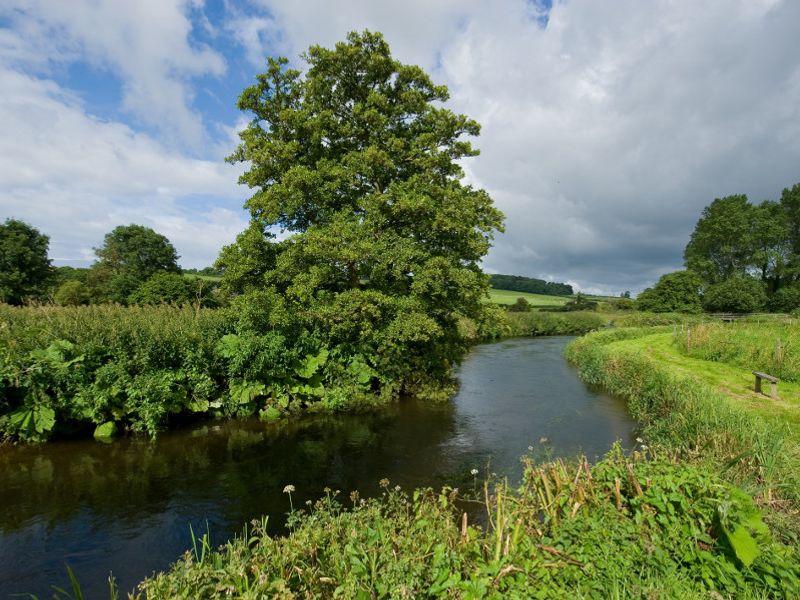
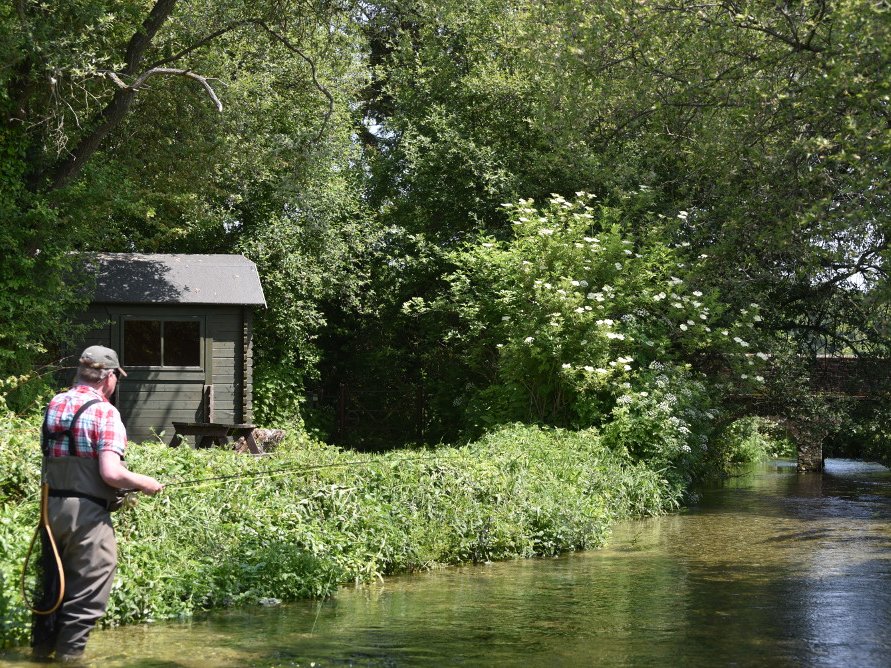
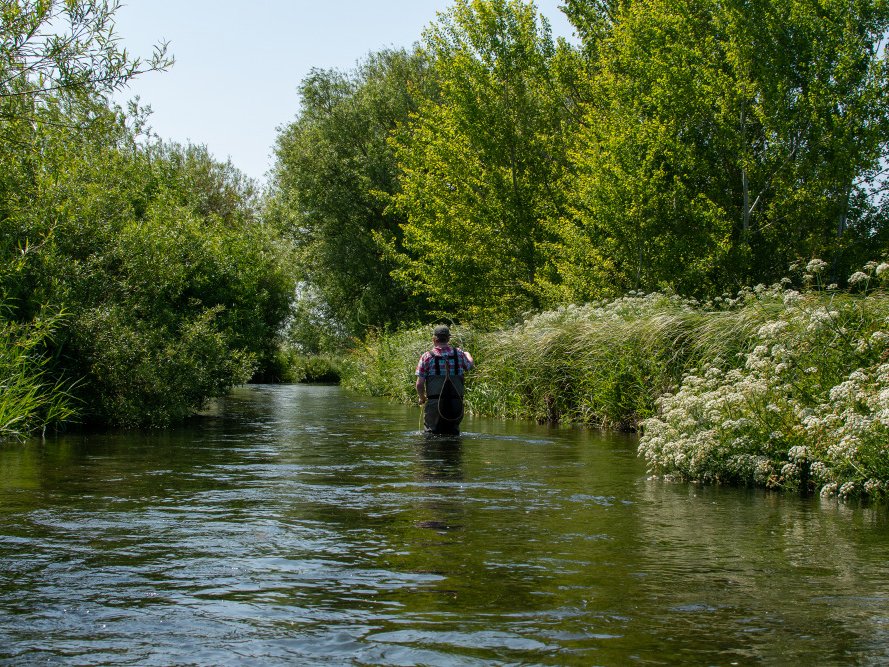
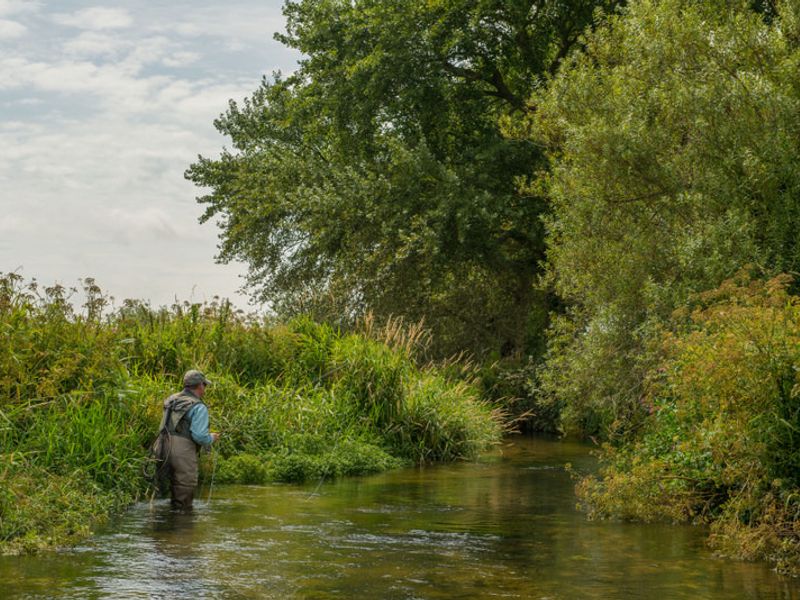
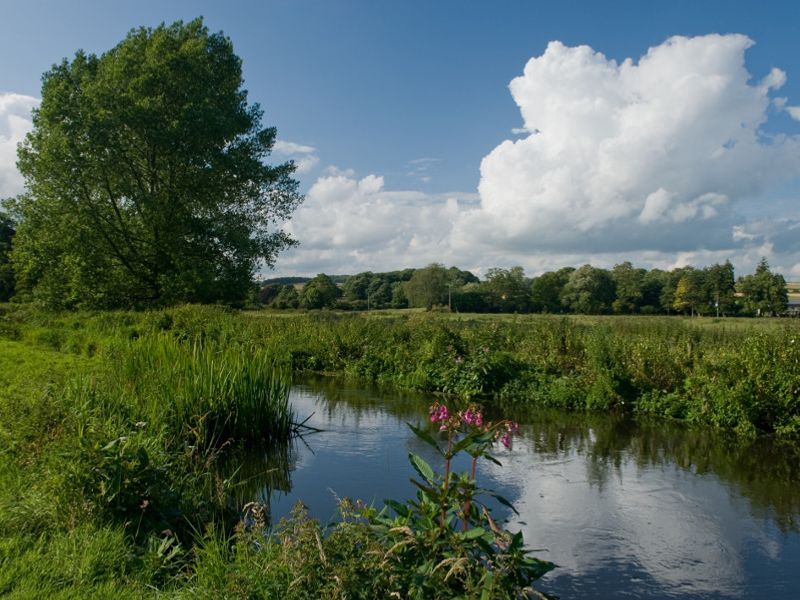
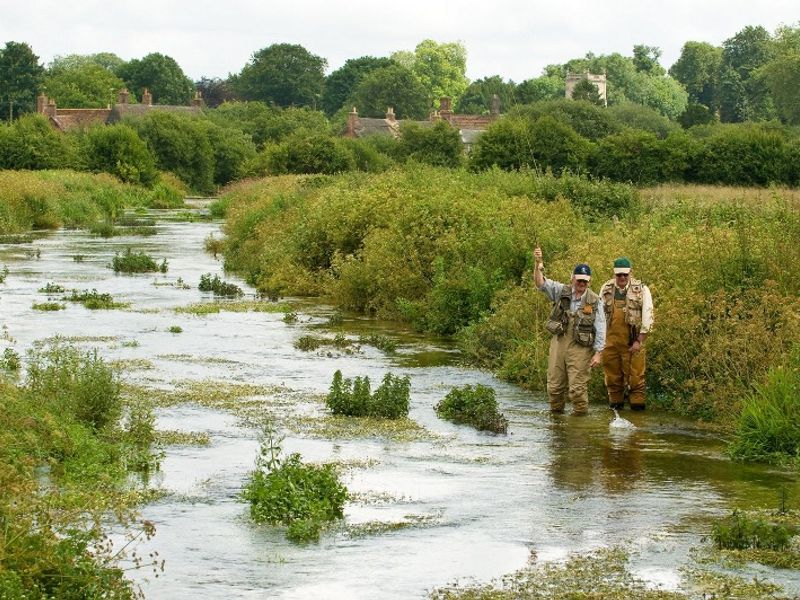
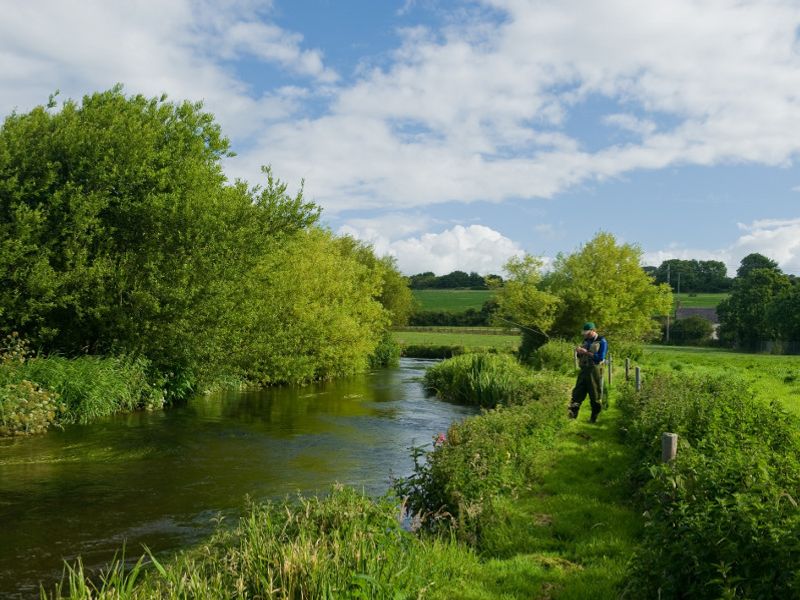
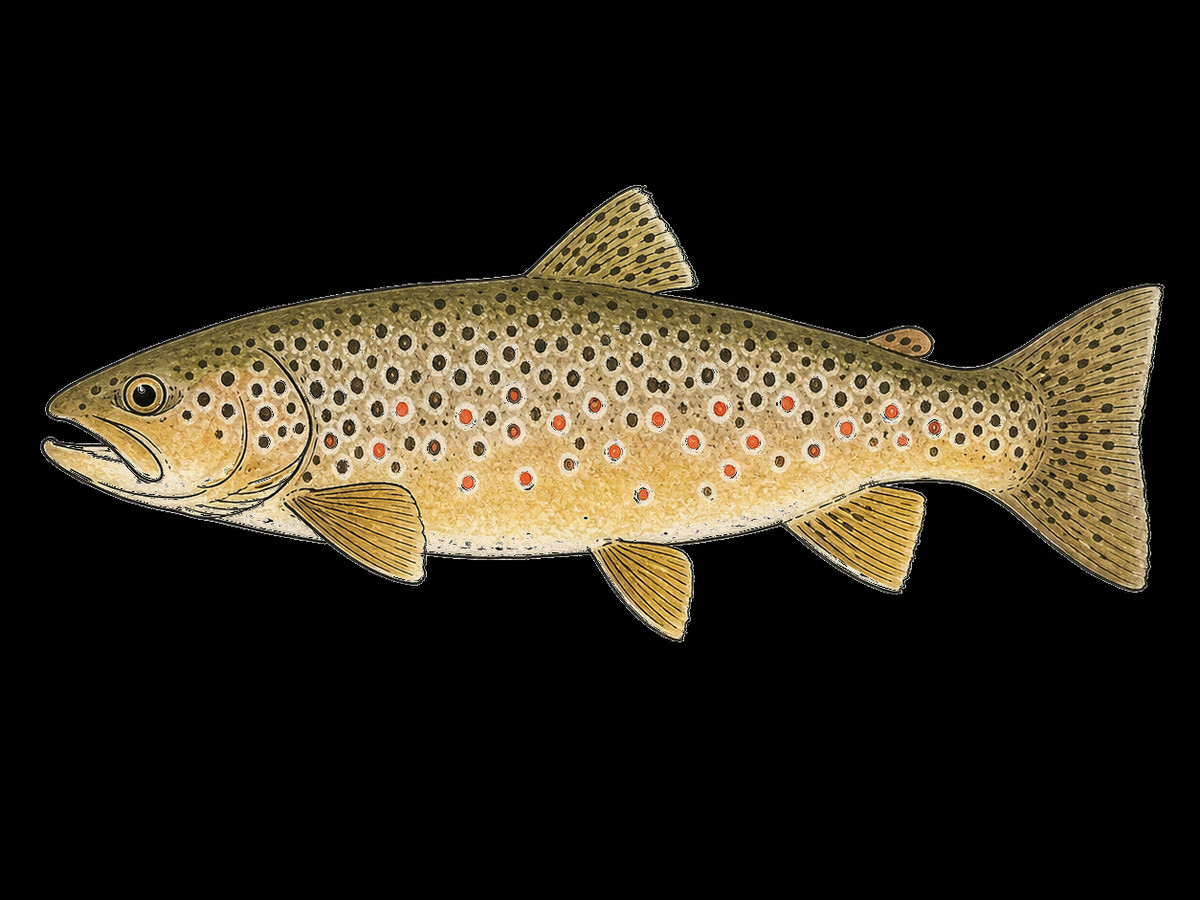
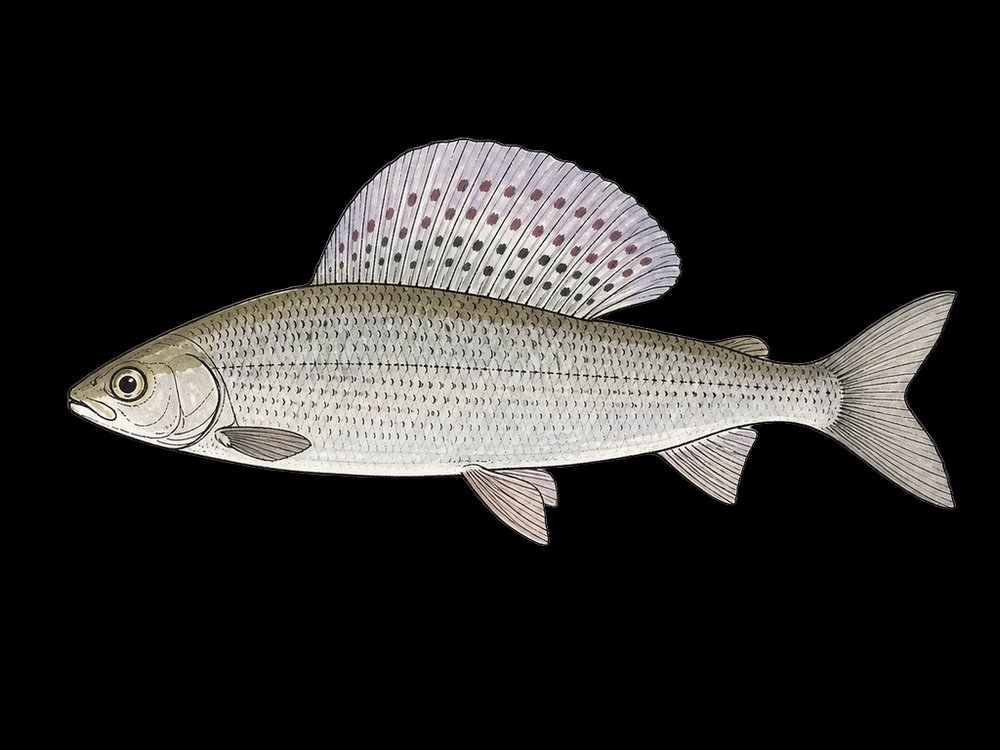
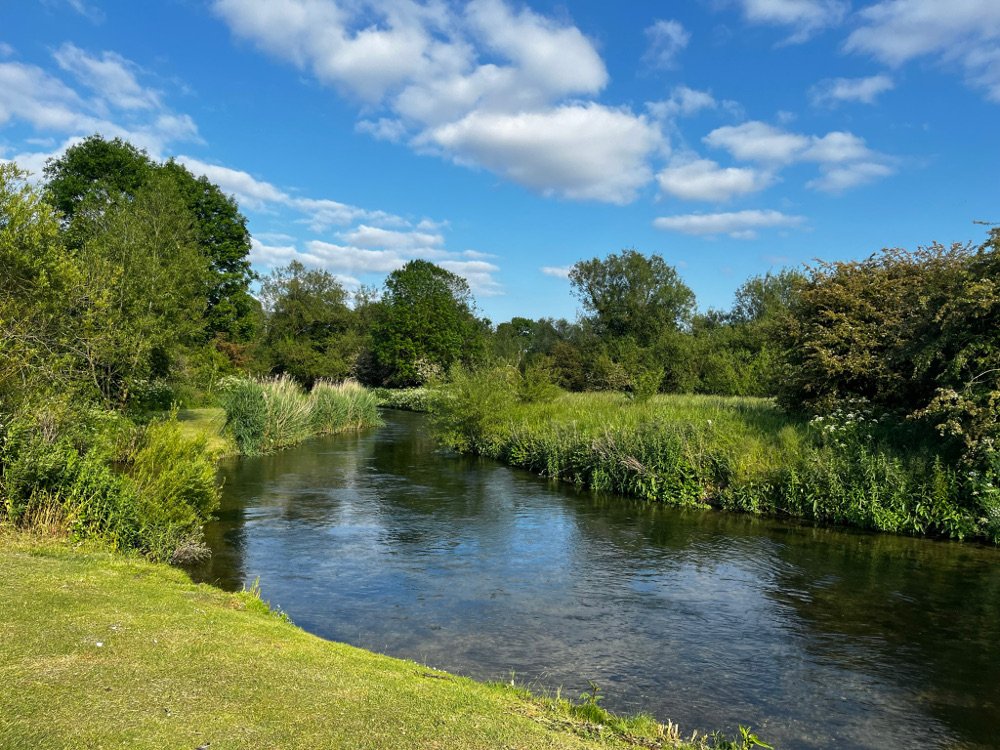
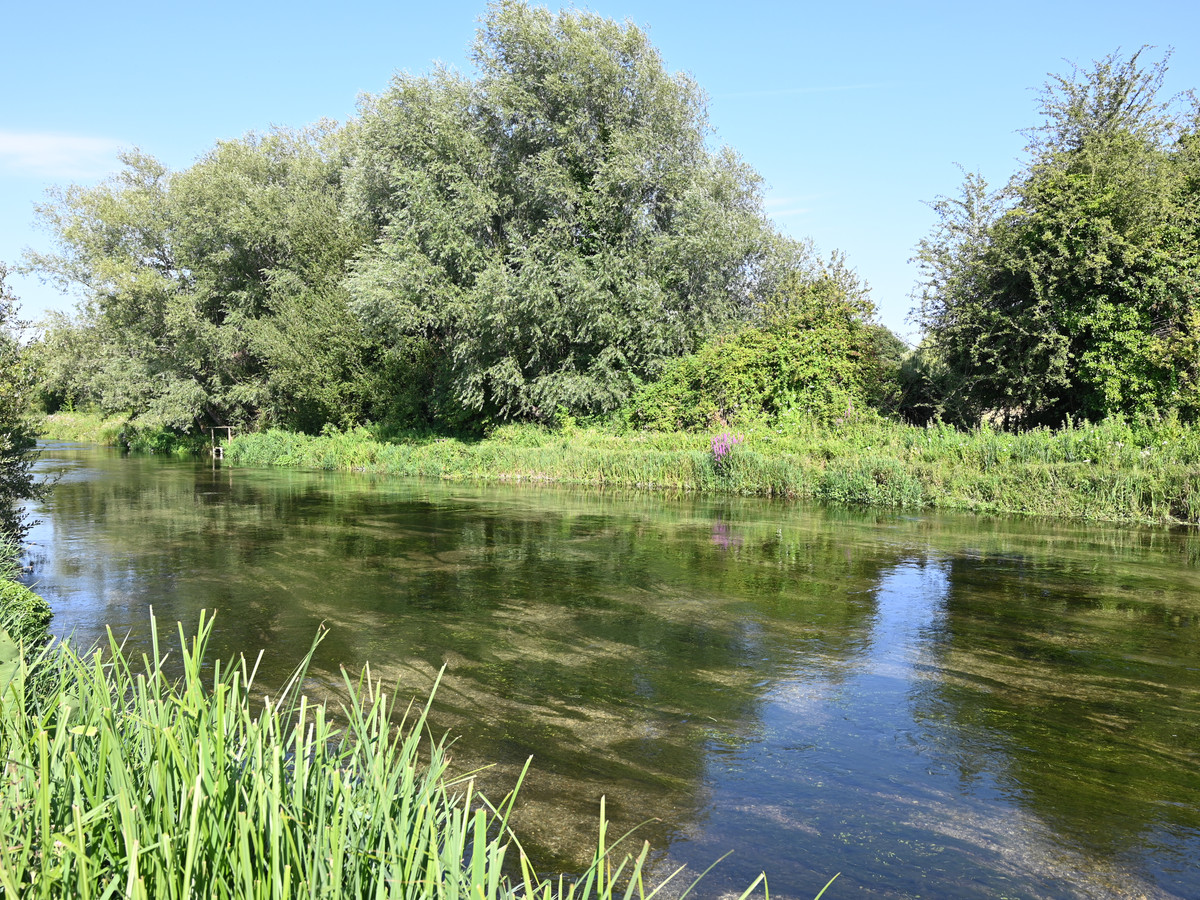
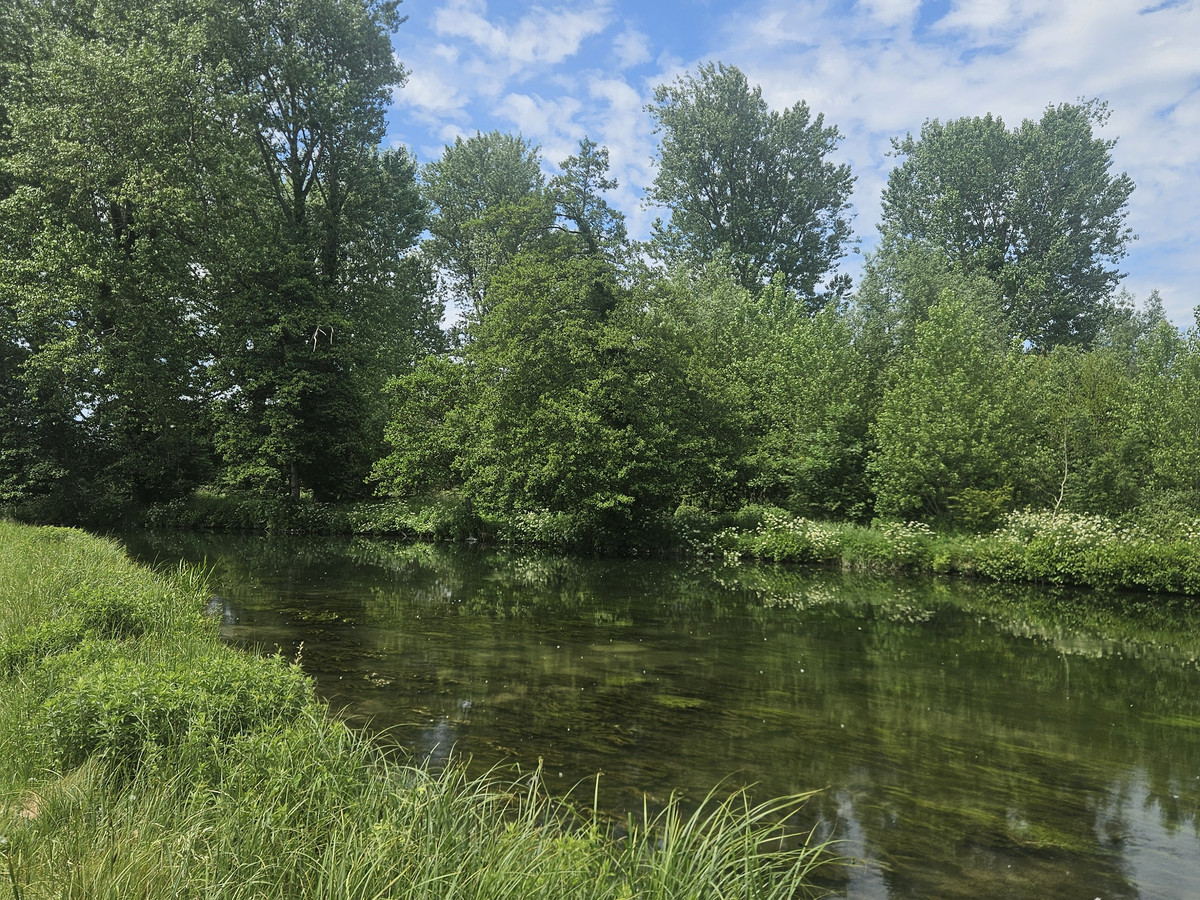
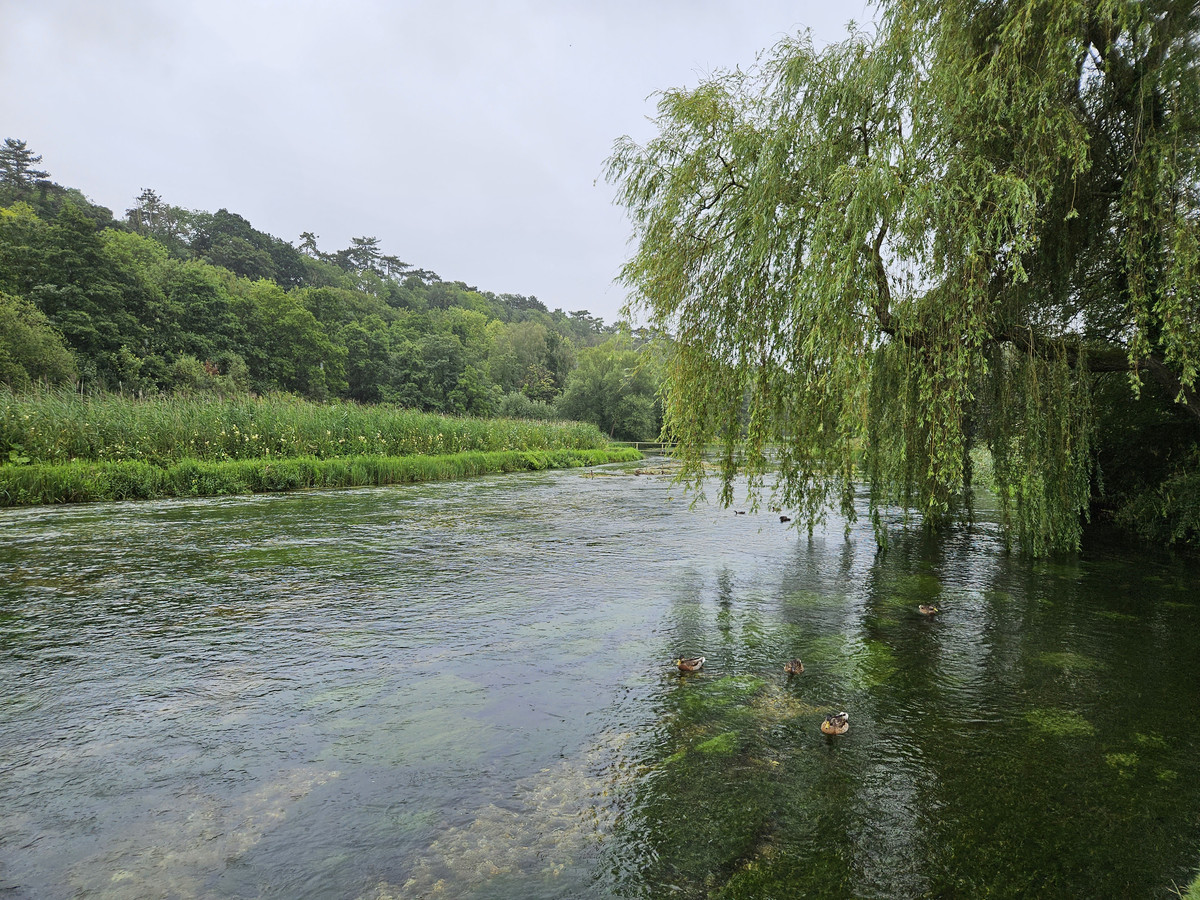
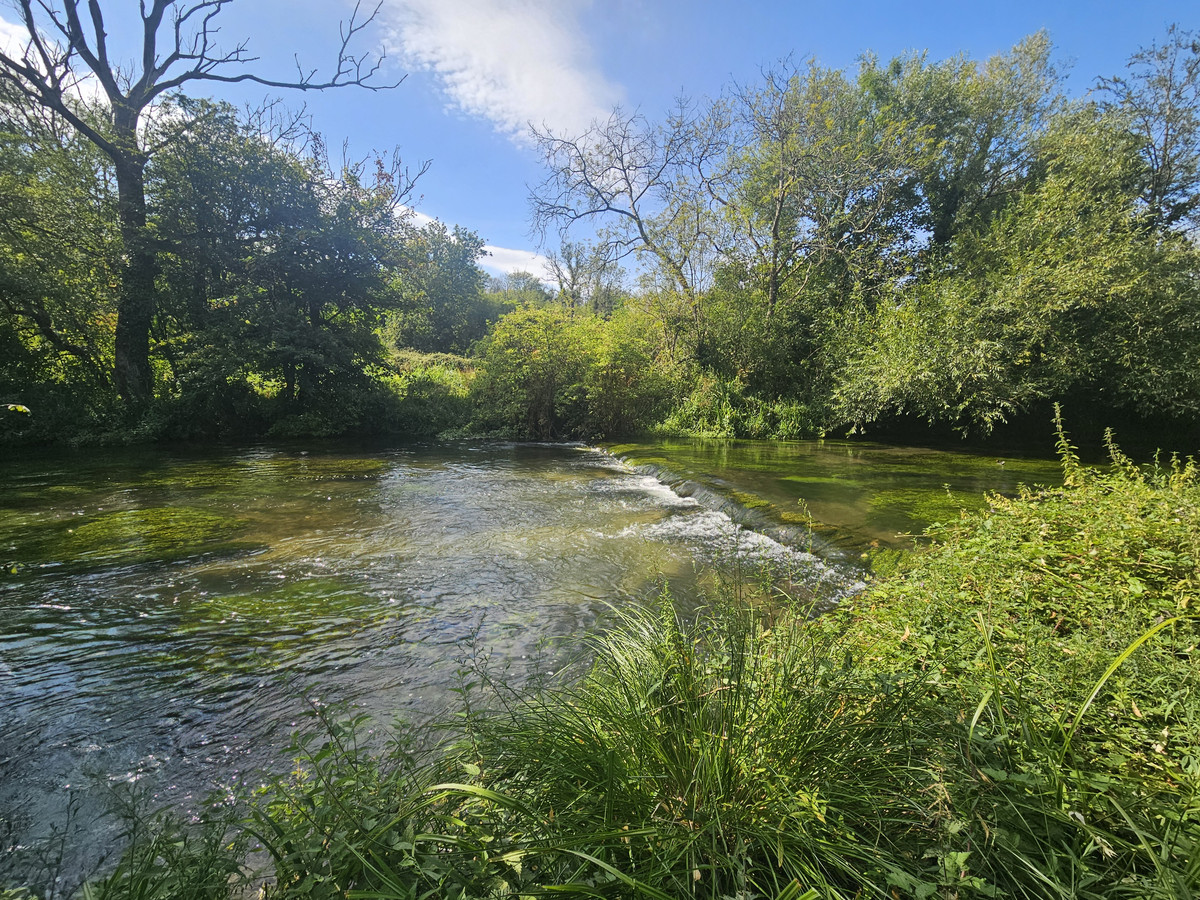
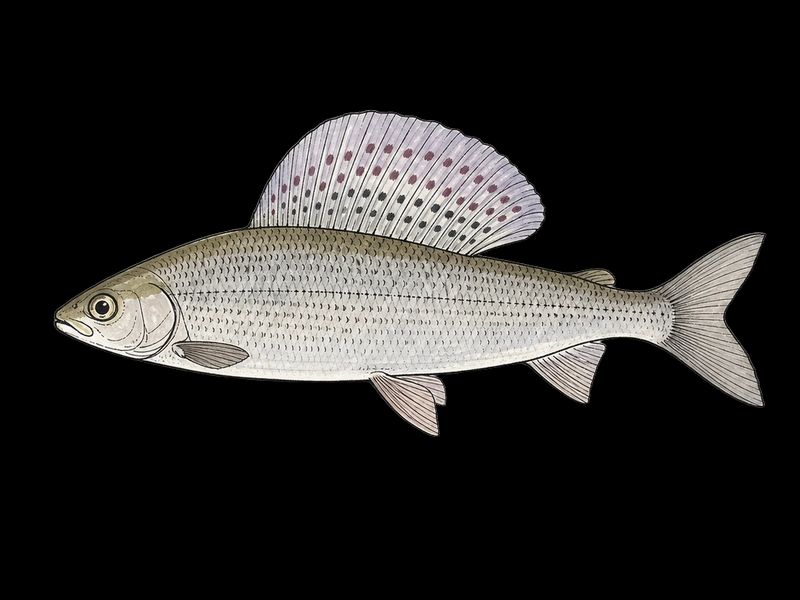
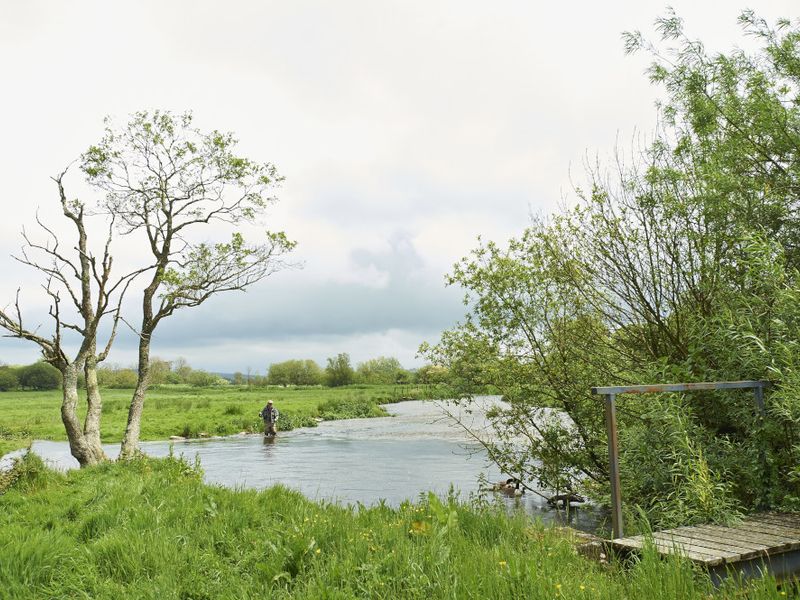
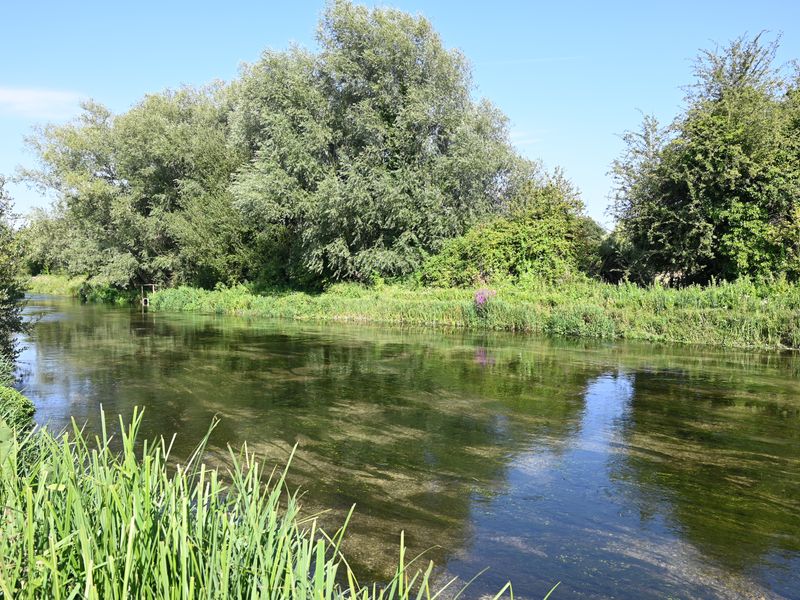
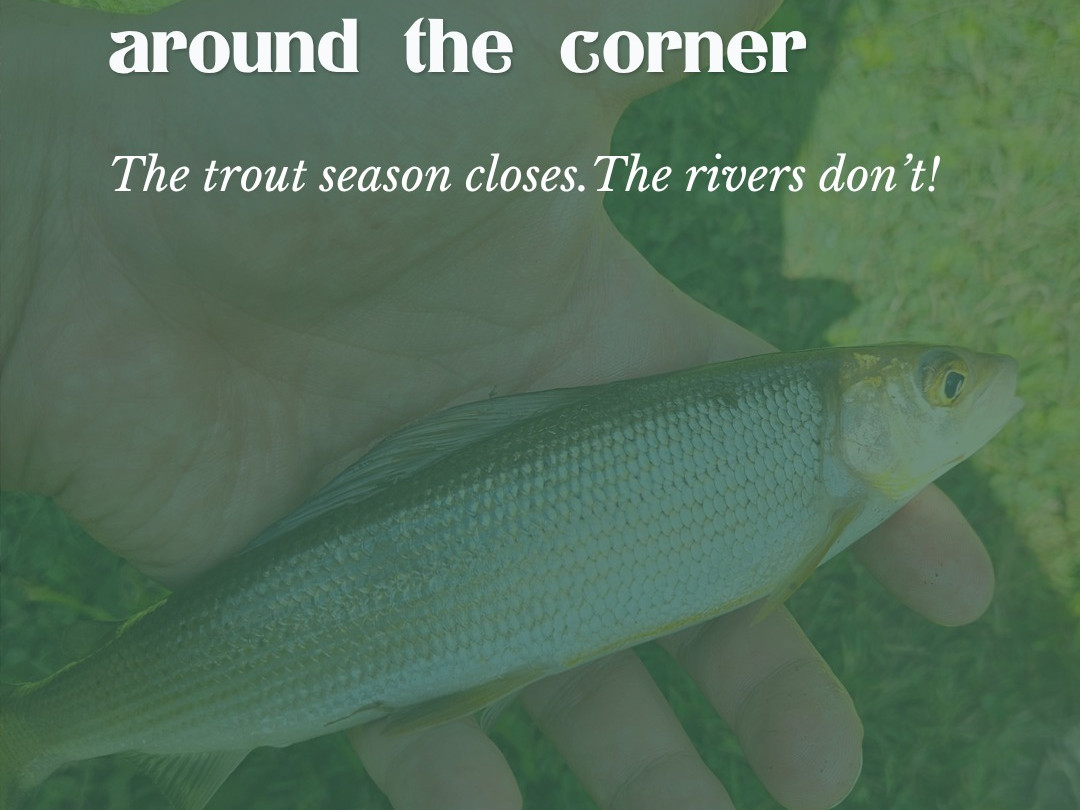
Dorset holds some of England's least pressured chalk stream fishing. The River Frome is the county's main draw: the most westerly of the famous English chalk streams, it rises in the chalk downs of west Dorset and matures into a fine trout river before flowing east toward Poole Harbour. Stocking is virtually non-existent along most of the river, which allows wild trout and grayling to thrive. Over recent years the Frome has built a growing reputation as one of the best rivers in the country to target big grayling. The lower Frome also sees runs of salmon and sea trout.
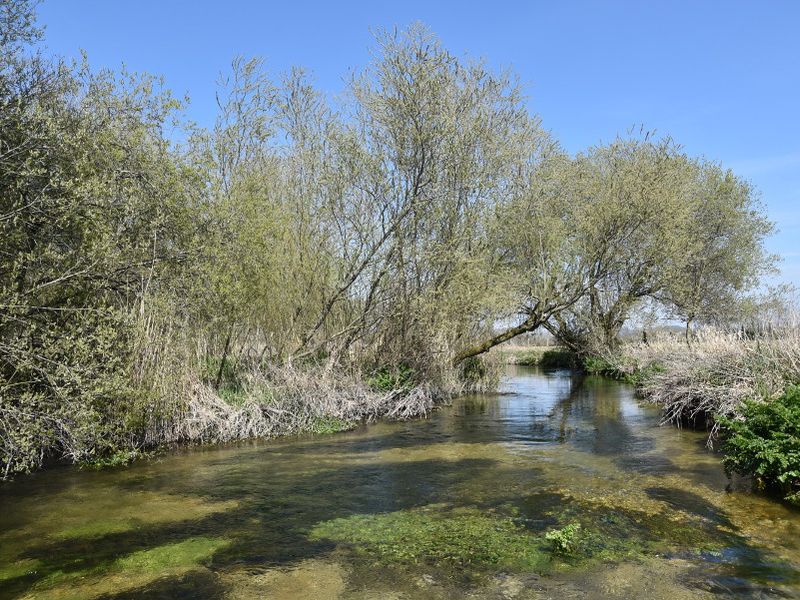
The River Allen is a smaller chalk stream and one of the more private in England. Nearly its entire 13-mile length is under the ownership of just two large estates. It holds a strong wild brown trout population and suits dry fly purists. The fishing can be technical, with clear water and tight bankside cover demanding a careful approach. The Hampshire Avon enters Dorset in its lower reaches, and is known mainly for its trout and grayling fishing.
The trout season runs from April to September, with the opening weeks dominated by the grannom hatch. Mayfly hatches from late May into June, followed by summer action with olives and sedges. Grayling fishing extends the season well into winter, worth checking beat by beat. The Dorset rivers are less visited than Hampshire's chalk streams, which can mean quieter water, though availability on the Allen in particular can be limited.
Dorset on the map
Beats with day tickets
11 beats in DorsetDay-ticket and permit access on Dorset's rivers. Each listing includes pricing, species, and booking details.
River Frome
Gaston Bridge Beat
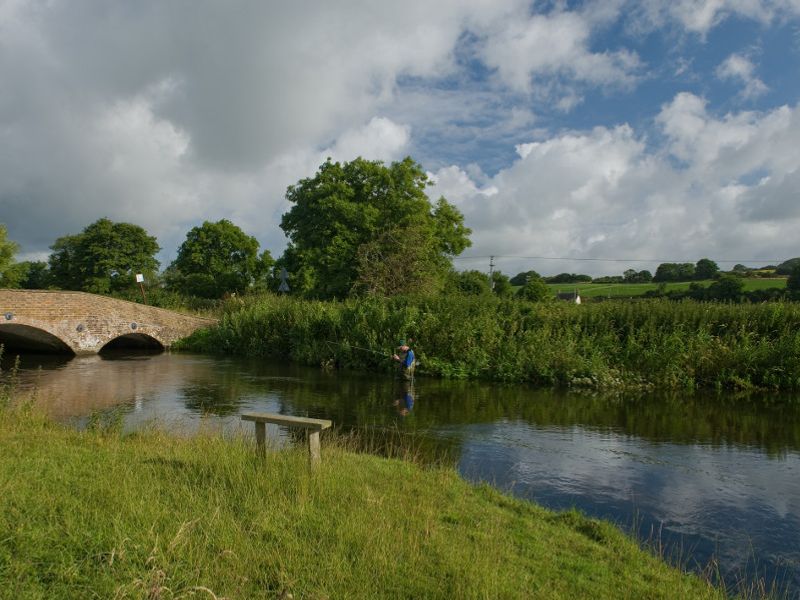
Three-quarters of a mile of single-rod chalk stream on the River Frome, the Gaston Bridge Beat sits within the Wrackleford Estate just north of Dorchester in Dorset. The Frome is the most westerly of the famous English chalk streams, rising in the chalk downs of west Dorset and maturing into a fine trout river by the time it reaches Wrackleford. The section downstream from the ford is best fished from the left bank — where the fishing hut sits at its centre — with a short walk through the farmyard giving access to the upper section, which leads to the garden of Wrackleford House. Two weirs punctuate the beat, one close to the hut and one at the start of the garden section; both create reliable fish-holding areas, and the deep pool beside the hut deserves particular attention. The Frome is less affected by abstraction than any other chalk stream, and as a result the fishing holds up well throughout the season. The trout season opens in April with a grannom hatch, the mayfly follows from late May into June, and glorious summer action with olives, sedges, ants and daddy-long-legs extends the dry fly fishing well into autumn. The Frome has also built a growing reputation for big grayling, targeted through the late summer and autumn primarily by sight nymphing, with deeper nymphing techniques coming into their own through winter. The beat is well tended and lightly stocked, making it a sound choice for less experienced fly fishers getting to grips with chalk stream technique. The season runs from 1 April to 31 January, with day ticket prices from £80 in April to £140 during the mayfly peak. A 7.5 ft rod with a 3–4 weight floating line and tippet to 6x suits the intimate nature of this water. Waders are helpful but not essential. Day tickets run from dawn till dusk, and a fishing hut is on site for shelter. A freshly prepared luncheon hamper can be delivered to the beat by prior arrangement with the estate.

River Frome
Wrackleford Home Beat
Three-quarters of a mile of double-bank fly fishing on the River Frome, the Wrackleford Home Beat sits on the Wrackleford Estate just north of Dorchester in Dorset — the most westerly of the English chalk streams, the Frome having matured into a fine trout river by the time it reaches Wrackleford. The Sydling Brook joins the Frome just upstream of Wrackleford, adding volume and clarity to the water. The beat divides into two distinct characters: above the central thatched fishing hut the river runs smooth, with slow meanders and deep pools; below it the water quickens into shallow runs and faster glides, with a substantial pool a third of the way down — a layout that gives two rods genuinely different fishing without overlap. Brown trout and grayling are the target species, with the beat regularly stocked to complement any resident wild fish. The Frome is less affected by abstraction than most chalk streams, and the season opens with fine hatches of upwinged flies in April and early May, building to an excellent mayfly from mid-May until mid-June, followed by Pale Wateries, Blue-Winged Olives and sedges through summer and into autumn. The season opens with a grannom hatch, progressing through hawthorn, mayfly and blue-winged olives, with sedges rounding off the year. Grayling fishing extends the season to 31 January, making this a productive winter destination too. Waders are helpful but not essential — the double bank gives good access throughout. The beat is rated suitable for beginners and takes a maximum of two rods, priced from £100 in April rising to £190 during the mayfly, with grayling days at £75. It can be grouped with the Gaston Bridge Beat to extend the fishing for a larger party. The thatched fishing hut at the beat's centre provides shelter and a base for the day.

River Allen
Wimborne St. Giles - Home Beats
Three beats — Bowerswaine, Upper Brockington and Lower Brockington — make up the Home Beats on the Shaftesbury Estate section of the River Allen, covering 1.6 miles of intimate Dorset chalk stream water near Wimborne St Giles. The Allen starts as a winterbourne on the chalk downland of Cranborne Chase and flows roughly southwards through Wimborne St Giles, arriving at the Home Beats as a clear, manageable stream with a mix of bank fishing and wading sections. Nearly its entire length is under the ownership of just two large estates that have been in the same family for many generations, which keeps pressure low and the water in good condition. The river holds a strong wild brown trout population and is well suited to dry fly fishing, with grayling also present through the season. The Home Beats are lightly stocked to complement the wild fish, and the season runs 1 May to 30 September. The opening weeks are dominated by the grannom hatch, with mayfly following in late May into June, and summer fishing turning to olives, sedges, ants and daddy long legs. The water runs very clear, so stealth is essential — the fish are visible, and so are you. The beat is rated beginner-friendly in terms of access and wading, but the clarity demands a careful approach regardless of experience. A 7.5 ft rod with a 3–4 wt floating line covers most situations, with tippet down to 6x. Up to three rods fish the combined beats, keeping the water uncrowded. Day rod prices run from £75 in late season to £165 in early season, making this one of the more accessible entry points onto a genuinely private Dorset chalk stream. The water has been carefully tended by river keeper Stewart Hand for over twenty years, and on-site parking is available.

River Allen
Deans Court
Running through the grounds of the Deans Court estate on the southern edge of Wimborne Minster, this roughly half-mile beat occupies the lowest reach of the River Allen in Dorset, where the Allen meets the Stour just south of the town before the combined river rolls on to the sea at Christchurch. The river carries an abundance of macrophytes — principally common water-crowfoot (*Ranunculus aquatilis*) — which support a healthy invertebrate population and keep the water well oxygenated. Gin-clear and fast-flowing, it rewards anglers who enjoy sight fishing to fish that come from nowhere to grab a dry fly drifting along weed margins; wading is generally the most effective approach, though bank fishing is possible in sections. Rods are limited to one or two, keeping the beat quiet and unhurried. The Allen is strictly managed to support a thriving, self-sustaining population of entirely wild brown trout, and there is no stocking on this beat. Because the Deans Court stretch lies on the confluence with the Stour, grayling are also well represented alongside the trout. Dry fly and nymph are both permitted, and the beat is rated suitable for beginners — the open character of the water, aided by an ongoing Landscape Recovery Scheme that has seen fencing removed to open up casting lines across the beat, makes presentation straightforward. The mayfly hatch can be spectacular and is the highlight of the early season; the Dorset Stour system has a reputation for early mayfly hatches relative to the classic Wessex rivers, so expect activity from the first weeks of May. The season runs 1 May to 30 September, with grayling providing a focus through the later months on nymph. A 3- or 4-weight rod of 8–9ft suits the scale of the stream. Day tickets run from £95 (late season) to £145 (main season). A fishing cabin sits 30 metres from the bank and is equipped with a bunk bed, basic kitchen with gas hob, WC, fire pit and BBQ — well suited to an overnight stay for two. Car parking is on site, and the centre of Wimborne is only a few minutes' walk for an evening meal.

River Allen
Hemsworth Huts
Around half a mile of single-bank dry fly and nymph water on the River Allen, Hemsworth Huts sits within one of the most secluded chalk stream valleys in Dorset. The Allen rises as a winterbourne on the chalk downland of Cranborne Chase and flows southwards through Wimborne St Giles, and of all the English chalk streams it is one of the most private, with nearly its entire length under the ownership of just two large estates. The river here is narrow and intimate, with an abundance of macrophytes — principally common water-crowfoot (*Ranunculus aquatilis*) — supporting rich fly life and gin-clear water that rewards careful approach work. The beat is rated expert-level, suited to anglers comfortable with tight, overgrown banks and selective fish. The Allen has a well-established reputation as an excellent fishery carrying good stocks of wild brown trout, alongside grayling and indigenous coarse fish. All fish are returned. The trout season opens in April with the grannom hatch dominating the early weeks; mayfly follows from late May into June, with summer bringing olives, sedges, ants and daddy long legs. Upstream dry fly is the primary method, with nymphing coming into its own through mid-summer and into the grayling months. One or two rods fish the beat; the season runs 1 April to 30 September. The beat is booked as an overnight package covering both shepherd's huts, with car parking, a wood-fired hot tub, BBQ, fire pit and fishing hut on site. Pricing runs from £532 for a shoulder-season weekend (two nights, Friday–Sunday) to £801 for a peak midweek stay (three nights, Monday–Thursday). No wi-fi and limited mobile signal keep the focus where it belongs.

River Frome
Ilsington
Six miles of fly-only chalk stream on the River Frome, the Ilsington beat sits downstream of Dorchester in the heart of Dorset, on the river's course between West Stafford and Bovington — a section where the Frome, at 30 miles long, is considered the major chalk stream of southwest England. Long held as a private syndicate, Ilsington has only recently become available to visiting rods, with close to five miles to discover. The river carries classic chalk stream features: riffles, pools, glides and overhanging trees, with sight fishing in crystal-clear water throughout. Wild brown trout and grayling are the primary quarry. Trout over 3lb are regularly caught, and parties will often land thirty fish or more between them. The fish most closely associated with the Frome is the grayling — the river has previously produced record fish, and specimens approaching the four-pound mark are caught most seasons. Over the years, the Frome has thrice laid claim to the British grayling record, each fish weighing over 4lb. The lower river also sees reasonable runs of salmon and sea trout. The season runs 1 April to 30 November. The Frome is less affected by abstraction than any other chalk stream, so the fishing holds up well throughout: upwinged flies dominate April and early May, mayfly hatches are excellent from mid-May until mid-June, and high summer evenings in July and August can be surprisingly productive with hatches of Pale Wateries, Blue-Winged Olives and sedges extending well into autumn. The beat accepts one to four rods and is rated suitable for beginners, making it a practical choice for a group or a guided day. A 7.5ft rod with a 3–4wt floating line is the recommended trout outfit for dry fly and nymph work; a longer 9ft rod suits the deeper glides and grayling nymphing later in the season. Day ticket prices run from £100 for a grayling day to £131 in summer, rising to £236 during the mayfly. Car parking and a fishing hut are on site. All wild fish are returned.

River Frome
The Bricks Beat
The Bricks Beat occupies the original course of the River Frome — a carrier reduced in flow by a mill diversion — running for half a mile of single-bank water on the Wrackleford Estate just north of Dorchester, Dorset. The channel is narrow but deceptively deep, with tight twisting bends that make for a sporting stretch demanding accurate presentation and careful reading of the water. A fishing hut sits at the midway point on the left bank, useful when Dorset weather turns. The Frome is less affected by abstraction than any other chalk stream, which means consistent flows and reliable hatches throughout the season. The season opens with a grannom hatch, followed by hawthorn, mayfly and blue-winged olives as the season progresses, with sedges rounding off the year. Mayfly hatches are excellent from mid-May until mid-June, and the high summer evenings fish well with hatches of pale wateries, blue-winged olives and sedges extending well into autumn. The beat is lightly stocked and rated suitable for beginners, making it a practical introduction to chalk stream dry fly and nymph fishing without the pressure of a busier main-river rod. The River Frome has a growing reputation as one of the best rivers in the country to target big grayling, and the long season — 1 April to 31 January — gives ample time to pursue both trout and grayling on the same water. Day tickets run from £80 in April to £140 during the mayfly window, with summer rates at £95. One rod only is permitted, and fishing is from the bank throughout. Day tickets can be booked online through the Wrackleford reservations page, with the estate also offering equipment hire, accommodation, and guiding to complement a day on the water. A short rod — 7 to 8 ft in a 3–4 weight — suits the confined nature of the carrier well.

River Allen
Wimborne St. Giles (Village Water)
Around a mile of single-bank dry fly and nymph water on the upper River Allen, the Village Water beat sits within the parkland of the Shaftesbury Estate at Wimborne St. Giles in east Dorset — where the Allen rises as a winterbourne on the chalk downland of Cranborne Chase and flows roughly southwards through the village before picking up its main tributaries further downstream. At this point the river carries the character of a true headwater: an abundance of macrophytes, including common water-crowfoot (*Ranunculus aquatilis*), lines the channel, and the water runs clear over white gravel. Bankside vegetation has been left pleasingly wild, and the corridor of cover it provides must work in the fish's favour. The Allen is a remarkable conservation success story, and the river now holds a healthy, self-sustaining wild brown trout population — there is no stocking on this beat. The season runs 1 May to 30 June, placing you squarely in the best of the hatches: fly hatches occur consistently through the season, including a strong mayfly appearance in early June, followed by blue-winged olives and sedges through the back half of the season. The Allen runs gin-clear, so you shouldn't have problems seeing your quarry — if you take your time so they don't see you first. This is rated as expert-level water; the beats are not what you would term easy fishing in some parts, and fish will be lying in tricky spots. A single rod fishes this beat at £85 per day. A longer rod — around 10 ft in a 4-weight — helps reach over bankside vegetation for cleaner drifts, though there are open sections where a shorter outfit works well. Fine tippet is essential on water this clear. Booking is available online, and the wider fishery offers a hatch calendar, weekly river updates, a fly shop, and car parking on most beats.

River Frome
Stratton Beat
Just under two-thirds of a mile of double-bank dry fly and nymph water on the River Frome, the major chalk stream of southwest England, the Stratton Beat sits on the quiet water meadows south of Stratton village in Dorset. The beat opens with straighter, faster water near the top before the river broadens into long, sweeping bends with deep pools running down to the bottom boundary — a varied character that suits up to two rods without crowding. The Frome and its tributaries provide a rich habitat for wild brown trout and grayling, and stocking is virtually non-existent along much of the river, which allows wild trout and grayling to thrive. The Frome is less affected by abstraction than most chalk streams, and the season opens with fine hatches of upwinged flies in April and early May; mayfly hatches are excellent from mid-May until mid-June, with high-summer evenings producing pale wateries, blue-winged olives and sedges extending well into autumn. The season opens with a grannom hatch, followed by hawthorn, mayfly and blue-winged olives as the season progresses, with sedges rounding off the year. The beat's long trout season runs from 1 April, with grayling fishing continuing through to 31 January — late summer and autumn grayling fishing is primarily sight nymphing, with methods turning to deeper nymphing techniques through winter. Day ticket prices range from £75 for grayling to £190 during the mayfly window, reflecting the beat's seasonal variety. A thatched fishing hut with toilet facilities is on site, and accommodation is available, making Stratton a practical base for a multi-day visit. A 7–9 ft rod with a 3–4 weight floating line and fine tippet down to 6x covers most situations on this accessible, beginner-friendly beat.

River Frome
Muckleford Beat
Half a mile of double-bank fly fishing on the River Frome in Dorset, the Muckleford Beat offers a single rod a varied and manageable stretch of clear, slow-flowing chalk stream over gravelly bottoms and beds of ranunculus — well suited to an angler building confidence on moving water. The beat divides naturally into three distinct sections: a deep, slow lower pool with enticing lies along the far bank, a mid-section of reed-lined runs where shallow water conceals surprisingly deep holes and larger fish, and a top pool beneath a bridge that draws curious onlookers — an informal reminder that the Frome's crystal clarity makes every cast visible. The Frome is considered the major chalk stream of southwest England, and it is less affected by abstraction than any other chalk stream, meaning the fishing holds up well throughout the season. The trout season opens in April with a grannom hatch, the mayfly arrives from late May into June, followed by summer action with olives, sedges, ants and daddy-long-legs. Long summer evenings bring good hatches of olives and sedges, and the Frome has built a growing reputation as one of the best rivers in the country for big grayling, with sight nymphing the primary method through late summer and autumn. The beat runs from 1 April to 31 January, covering both the trout and grayling seasons. Day ticket prices range from £75 for grayling to £190 during the mayfly peak — the premium reflecting the Frome's record-breaking grayling history, having thrice produced fish over 4 lb. A fishing hut sits at the base of the beat. A 7.5 ft rod with a 3–4 wt floating line and tippet down to 6x suits this water well. The beat can be combined with the adjacent 7 Hatches Beat for parties requiring additional rods.

River Frome
7 Hatches
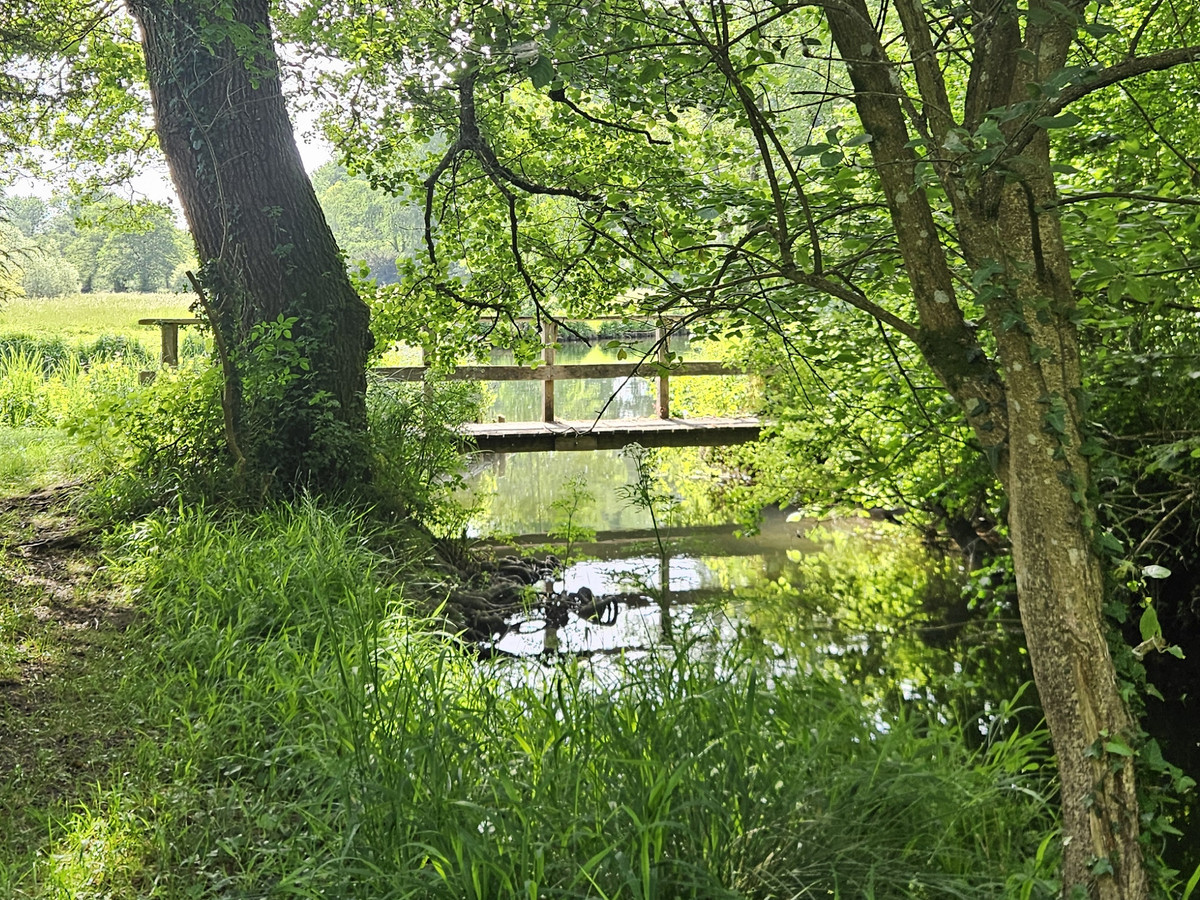
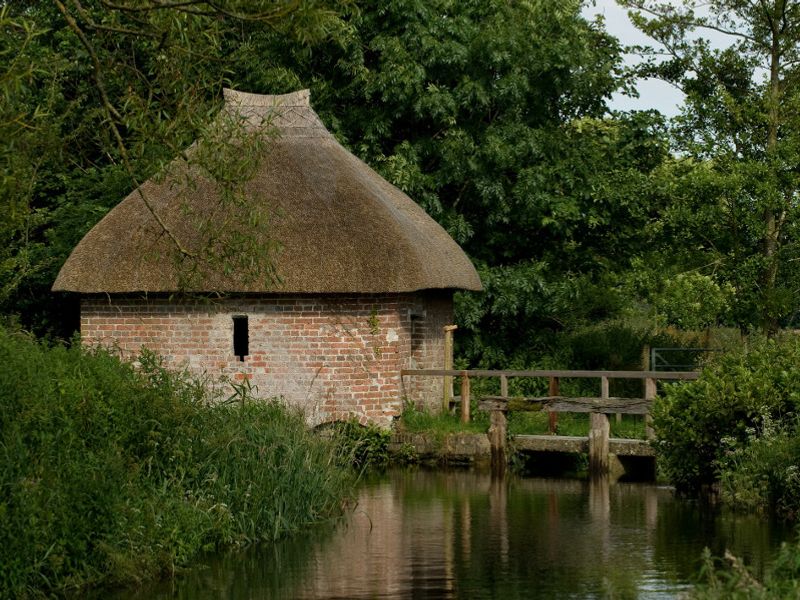
Seven Hatches is a half-mile, double-bank day-ticket beat on the River Frome at Wrackleford Estate, set just north of Dorchester in Dorset. The estate waters sit on the Frome just north of Dorchester, and the estate occupies the lush Frome valley, with the river flowing through a series of water meadows and withybeds. The beat runs from a road bridge at the lower end upstream to a footbridge, taking in a varied mix of character: the lower section carries faster, more complex currents with eddies and braided flow, while the river narrows and deepens as it moves upstream, finishing in a broad, slow pool just below the footbridge. The decline of migratory fish on the Frome has been matched by a rise in brown trout fishing, with the river and its tributaries gaining a reputation for a thriving wild trout population. Over recent years, the Frome has also built a growing reputation as one of the best rivers in the country to target big grayling, making this beat fishable well beyond the trout season — the ticket runs from 1 April through to 31 January. The Frome is less affected by abstraction than most chalk streams, and fishing holds up well throughout the season. It opens with a grannom hatch, followed by hawthorn, mayfly and blue-winged olives, with sedges rounding off the year. Mayfly day tickets are priced at £190, reflecting the quality of the hatch; grayling days are available from £75. The beat is rated suitable for beginners and is limited to a single rod, keeping the water uncrowded. Wrackleford offers a good blend of wild fish supplemented by healthy stocking, and in recent years the estate has improved access with banks that are groomed without being over-manicured. A thatched fishing hut sits roughly 50 metres from the parking area overlooking the river. A 7.5 ft rod with a 3–4 weight floating line and tippet to 6x suits the Frome well.
Fisheries in Dorset
Fishery operators offering bookable access on Dorset's rivers. Each listing covers tickets, accommodation, and equipment hire where available.
Agents & booking
Agents and operators offering bookings on Dorset chalk stream beats.
Explore other counties
Berkshire
Upper Kennet chalk-stream beats — solid fishing, less competition than Hampshire.
Explore Berkshire fishing →Buckinghamshire
The Chilterns chalk streams - the rare, spring-fed Chess and Misbourne.
Explore Buckinghamshire fishing →Derbyshire
Peak District limestone rivers — wild rainbows on the Wye, and the historic Dove.
Explore Derbyshire fishing →Hampshire
The Test and Itchen, England's most sought-after chalk stream fishing.
Explore Hampshire fishing →Wiltshire
Quieter chalk-stream country on the Wylye, Avon and upper Kennet.
Explore Wiltshire fishing →