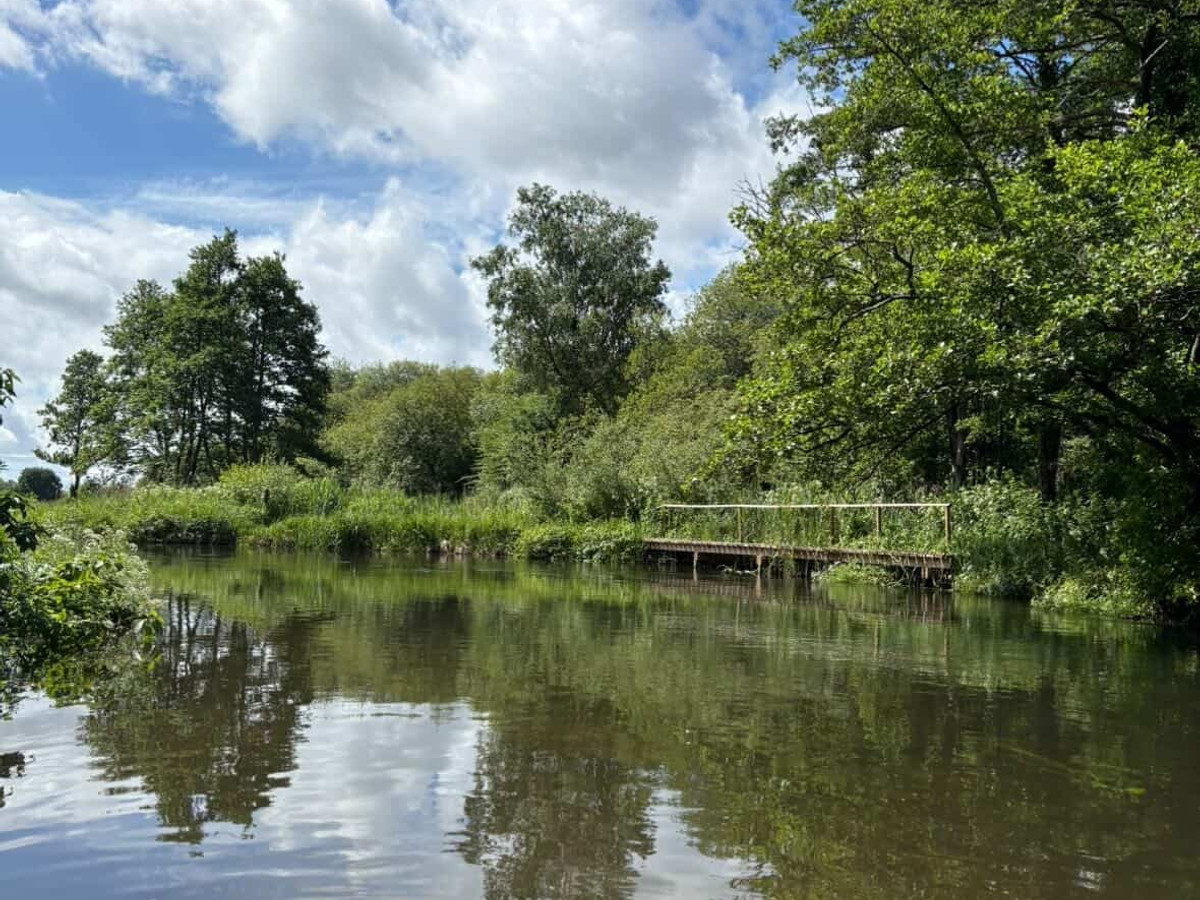
River Itchen
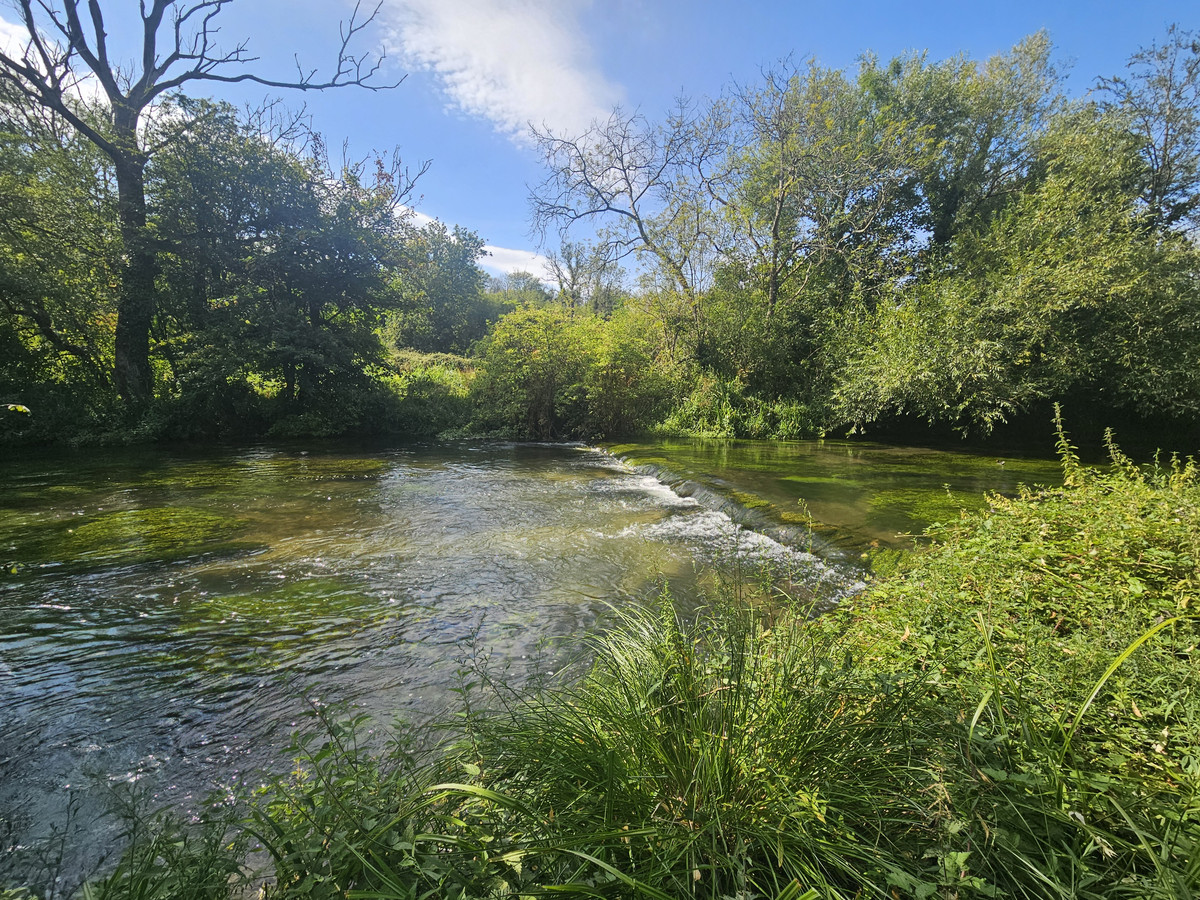
The River Itchen in Hampshire, United Kingdom is one of the UK's most celebrated chalk streams. Browse 10 fishing beats along its 28-mile course, or explore the hatches, fish species, and seasons below.
River Itchen
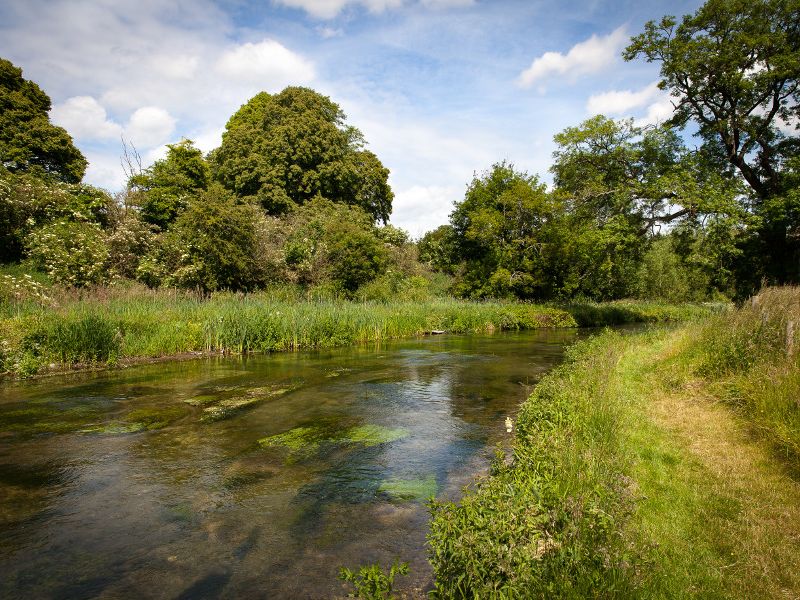
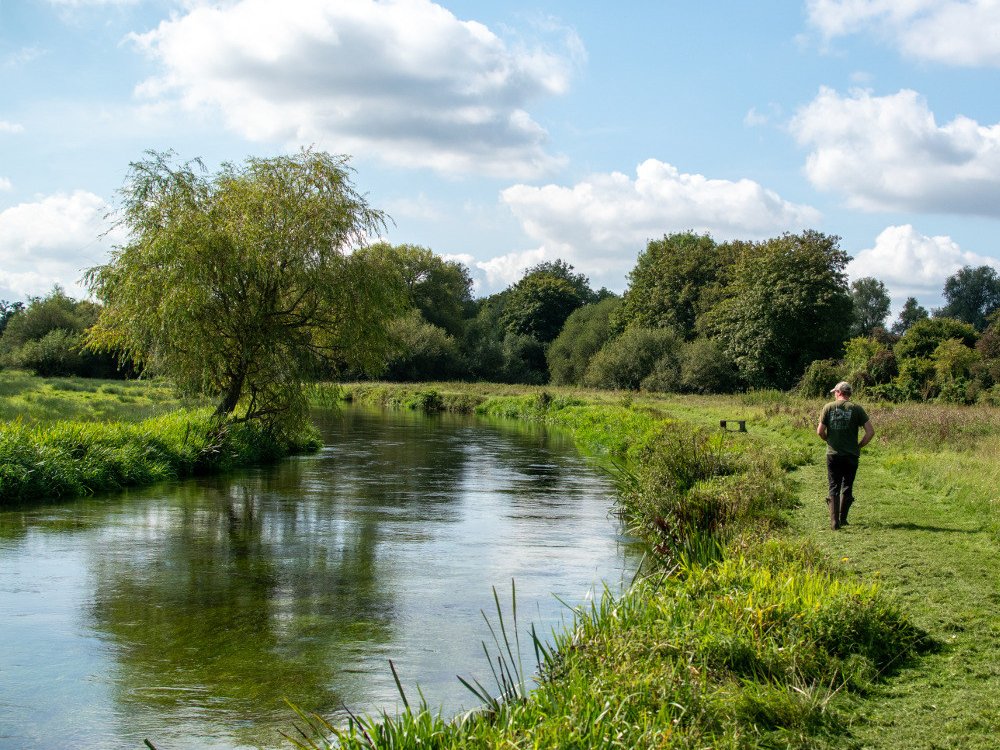
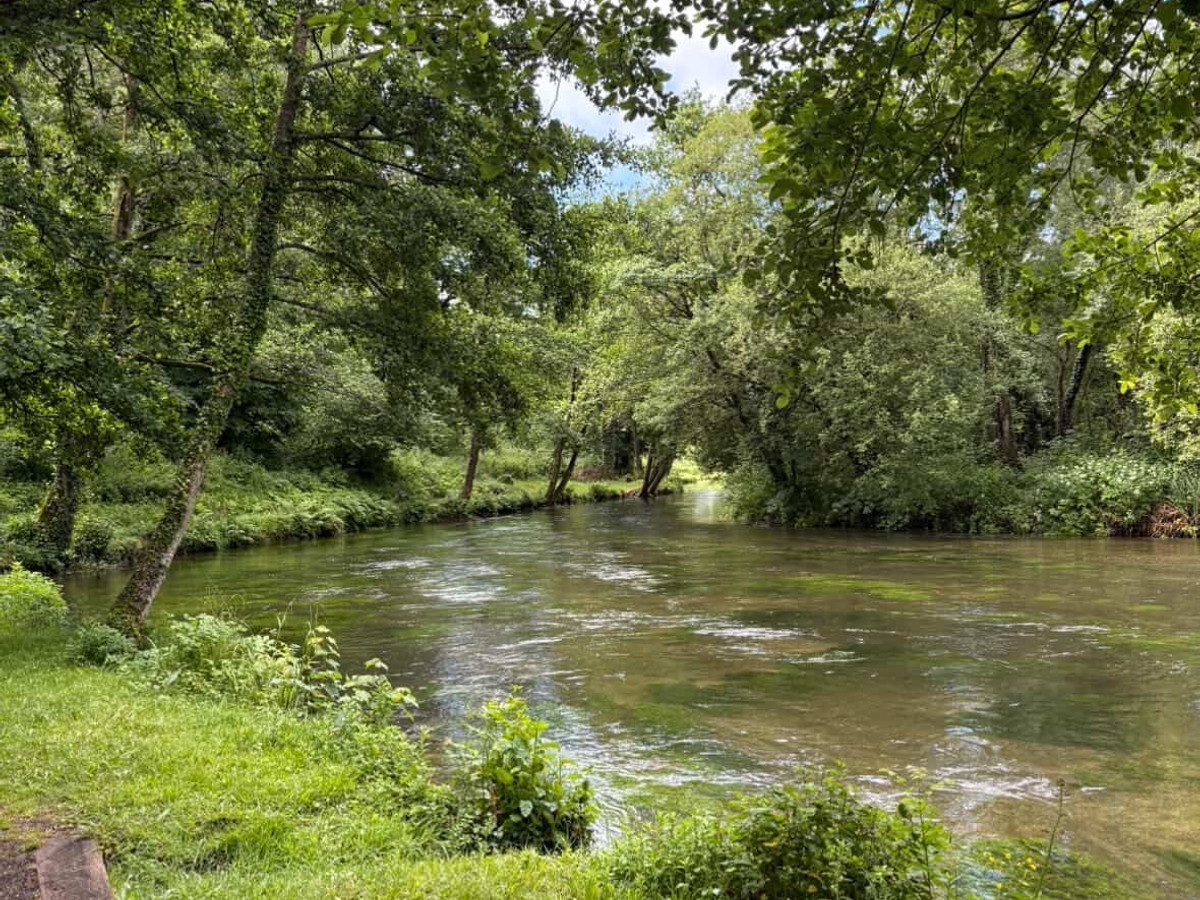
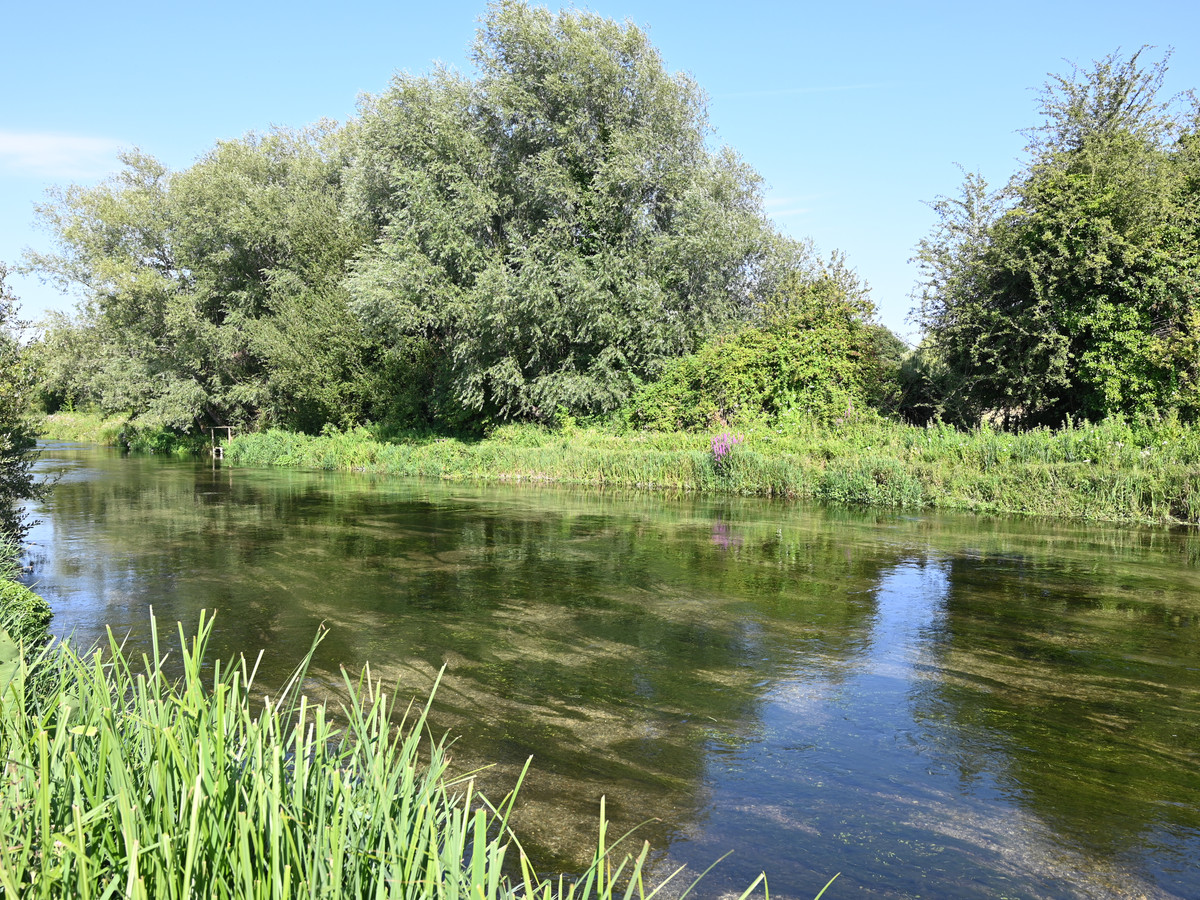
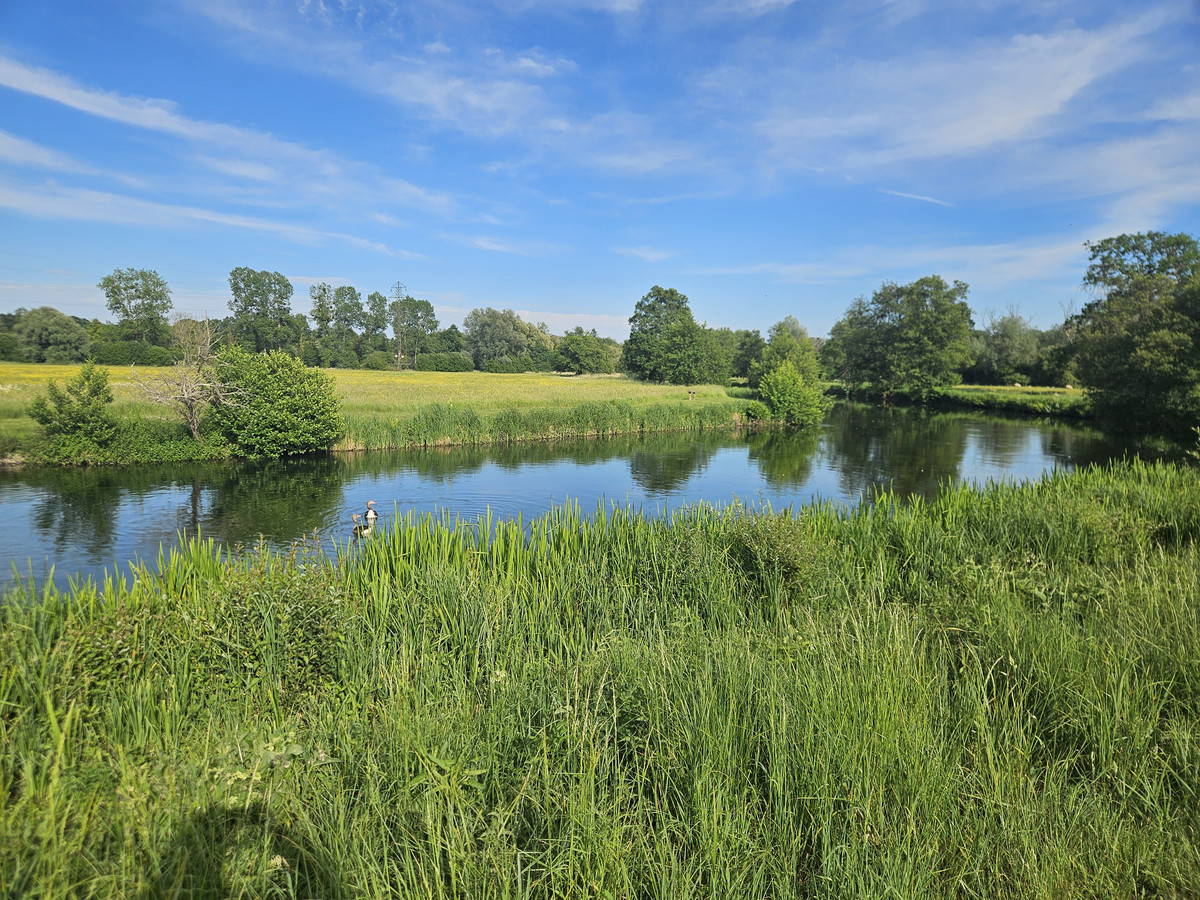
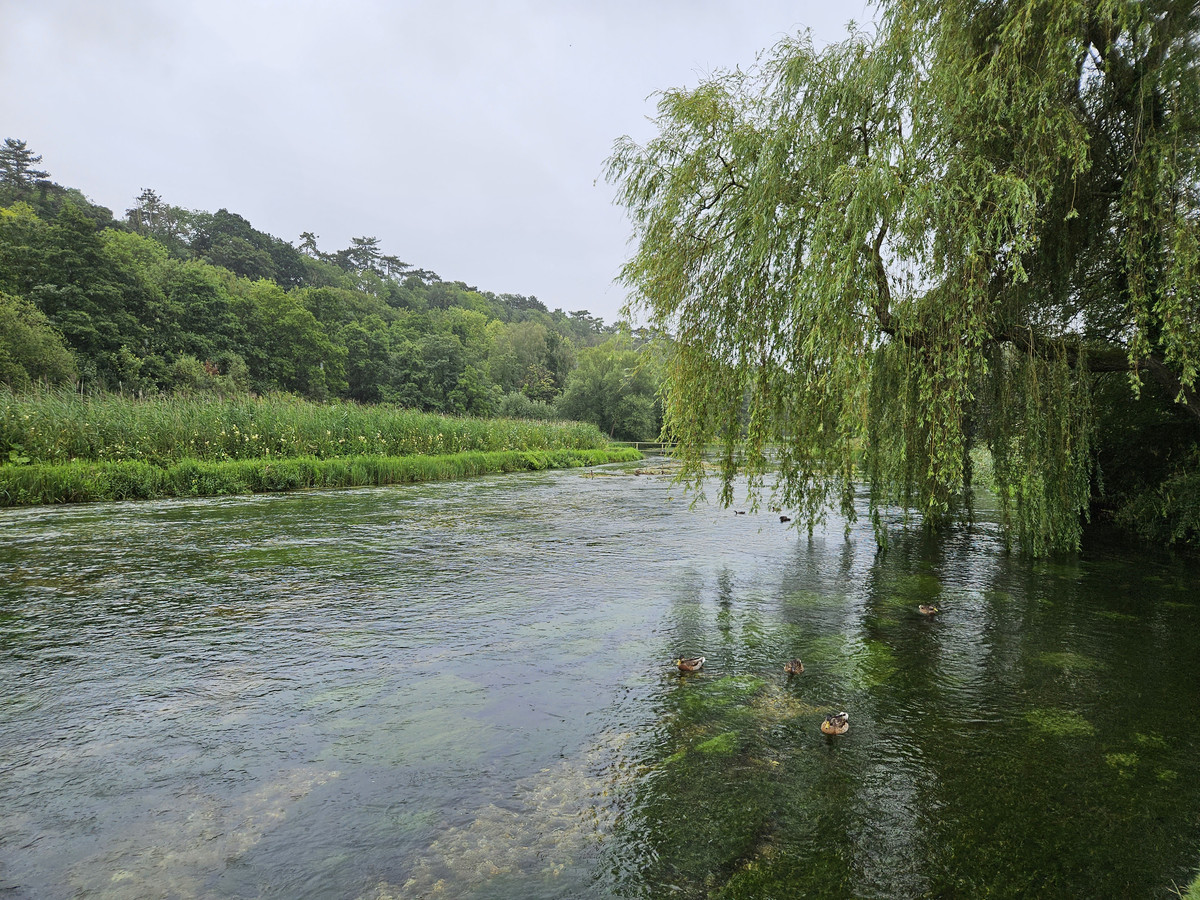
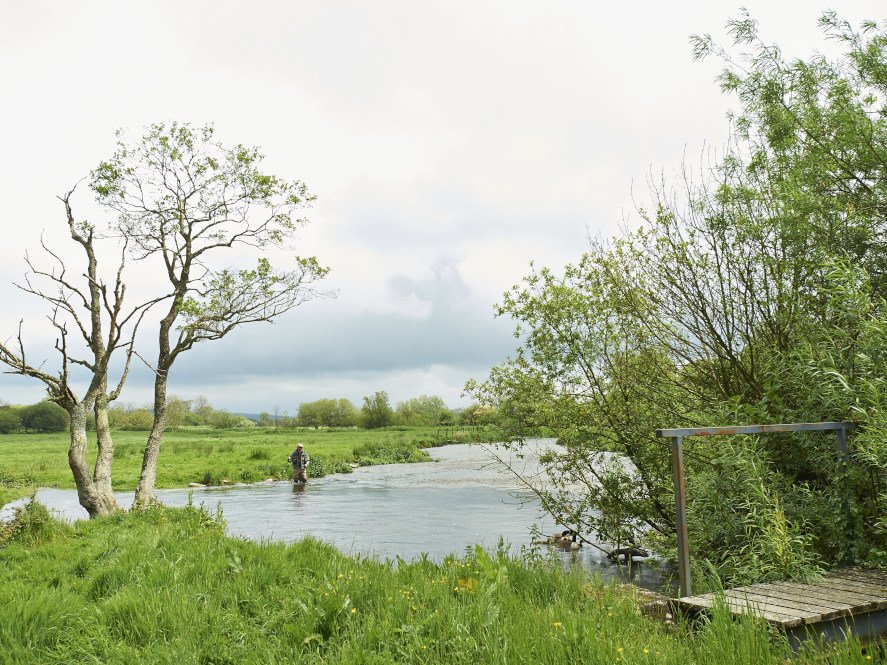
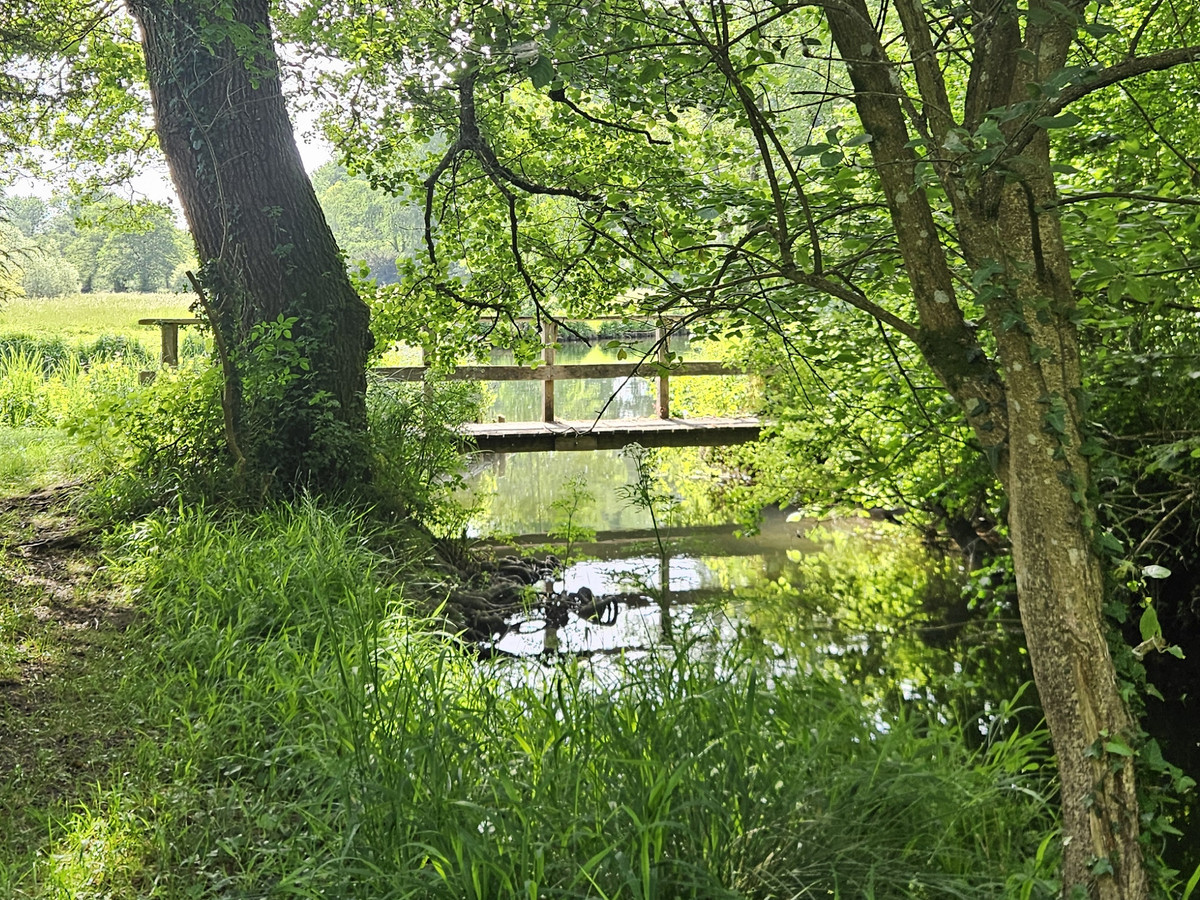
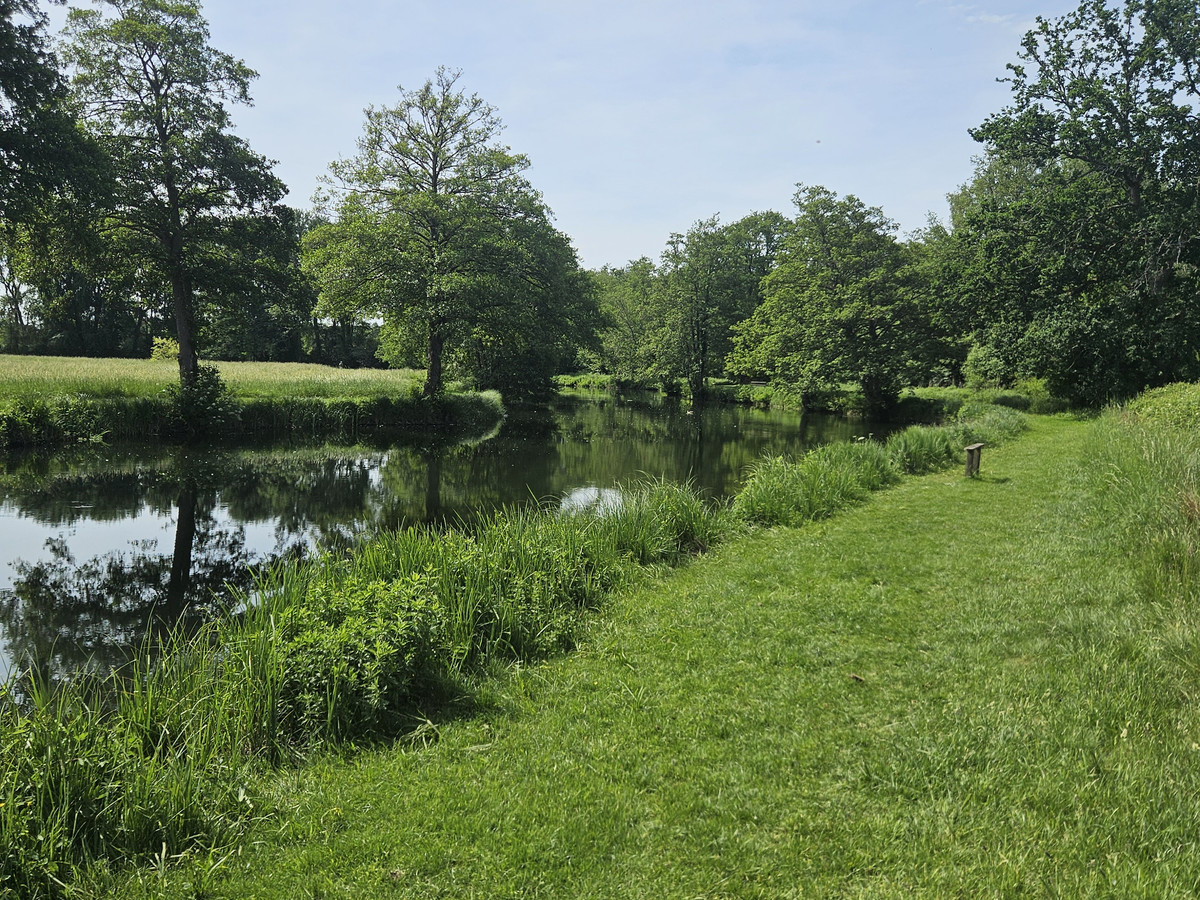
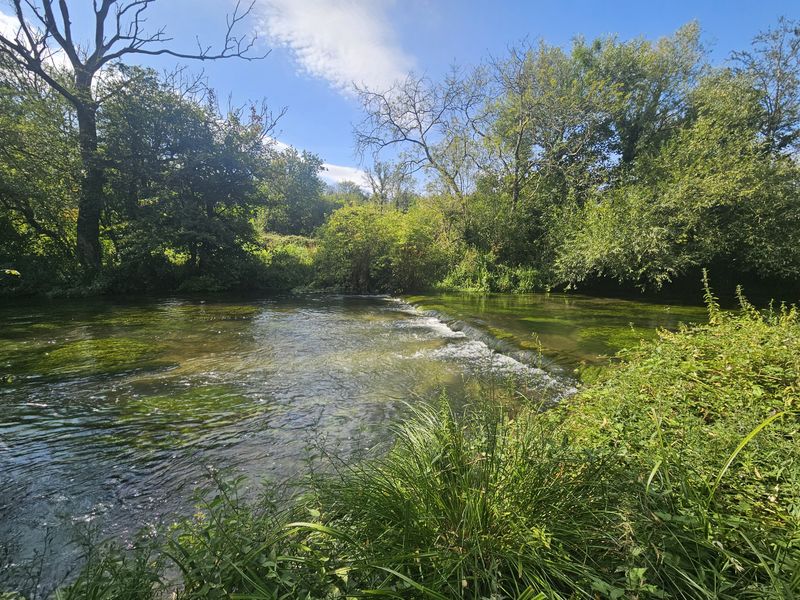
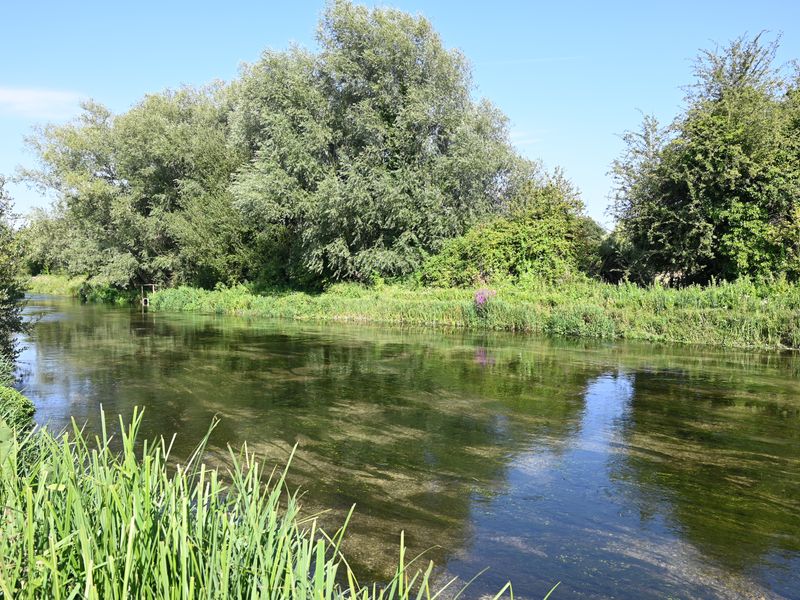
Rising from chalk springs south of New Cheriton, the Itchen runs 28 miles through the Hampshire Downs before winding through the villages of Itchen Abbas and Itchen Stoke, entering the cathedral city of Winchester via ancient water meadows, and continuing south past Mansbridge to its tidal mouth at Southampton Water. Fed by the Candover Stream, River Alre, and Cheriton Stream, the river emerges from porous chalk bedrock, creating a stable, nutrient-rich habitat that filters water over millennia. The Itchen is designated both a Site of Special Scientific Interest (SSSI) and a Special Area of Conservation (SAC), and recent monitoring has identified phosphorus concentrations exceeding targets in parts of the catchment — a pressure that conservation bodies and riparian owners are actively working to address.
The practice of modern fly fishing developed along these waters in the 19th century, with the river serving as a testing ground for dry-fly techniques that were revolutionary at the time. F. M. Halford fished here, alongside the enigmatic G. S. Marryat, who is believed to have greatly influenced Halford's ideas and thinking. That heritage still shapes how the river is fished today. Fly selection revolves around olives, caddis, terrestrials, and a prolific mayfly hatch, with most anglers preferring to stalk rising fish on the dry fly, though nymphs also perform well where the rules allow. Hatches of blue-winged olive and sedge are particularly prolific, offering reliable dry fly action throughout the season. Mayfly hatches are generally lighter here than on the Test or Avon systems, but the river holds strong populations of wild brown trout and grayling, with Atlantic salmon and sea trout present in the lower reaches.
The river between source and Winchester is primarily run by clubs and syndicates, with day rods only occasionally available. Below Winchester, the river continues to Southampton through a mixture of private estates and syndicates. FishingBeats currently lists 11 beats on the Itchen, covering a range of access types suited to visiting rods looking to fish one of Hampshire's most historically significant chalk streams.
Fish Species
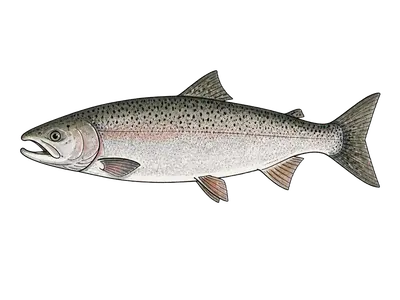
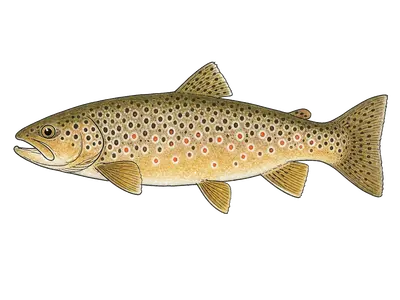
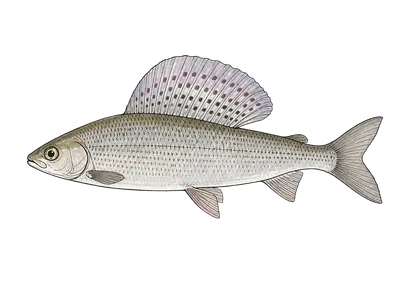
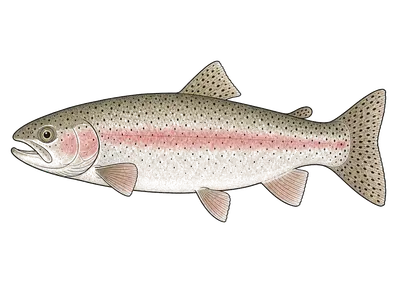
Anglers on the River Itchen can target sea trout, brown trout, rainbow trout, atlantic salmon and grayling. Brown trout dominate most chalk stream beats; grayling, sea trout, and salmon appear on certain rivers and seasons.


River Details
- Length
- 28 miles
- Source
- New Cheriton
- Mouth
- Southampton Water
- Country
- United Kingdom
- Water Type
- chalk stream
- Website
- Visit website →
Get the newsletter
Exciting new features, fresh beats, season news, and chalk stream tips, straight to your inbox.
Follow on Instagram
Behind-the-scenes from England's chalk streams: beats, hatches, and the rivers we love.
Follow @fishingbeatsTributaries
Fishing Beats on the River Itchen
10 beats availableBrowse day tickets, syndicate access, and permit fishing on the River Itchen. Each beat listing includes pricing, species, and booking details.
Abbots Worthy
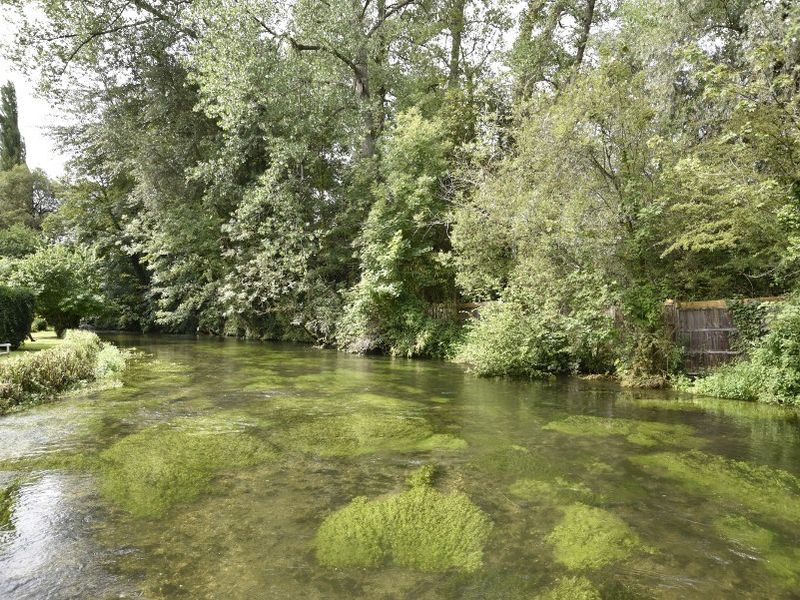
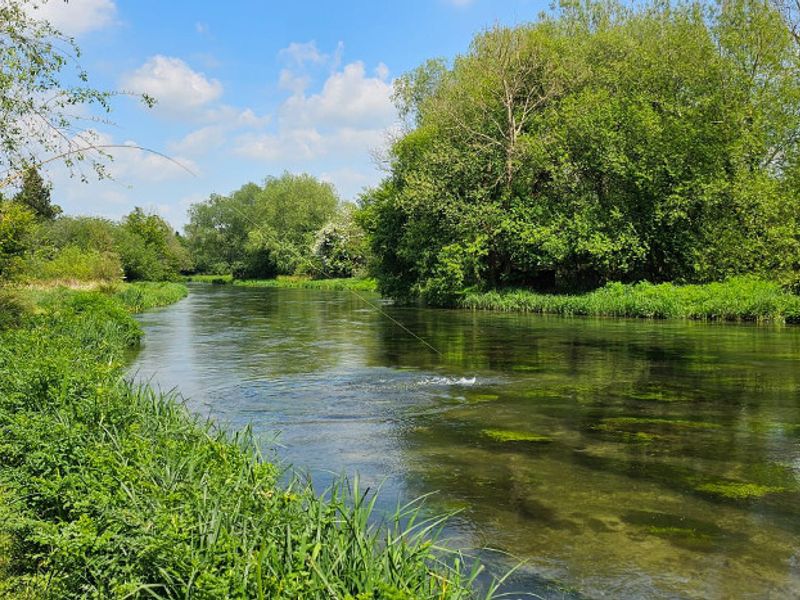
Sitting on the upper River Itchen just three miles north of Winchester, the Abbots Worthy beat offers around a third of a mile of single and double-bank chalk stream fly fishing on one of Hampshire's most historically significant stretches of water. John Keats walked these very water meadows in 1819, and the Itchen's clear flows and harvest-season landscapes are said to have inspired his ode *To Autumn*. The river here carries a main channel alongside a mill stream, with a chalk bottom, good ranunculus weed beds, and clear water that makes sight fishing the primary approach. Fishing is predominantly from the right bank looking upstream, though parts of the beat can be fished from both banks, and wading is possible in places. The beat holds grayling to over 3 lbs alongside a lightly supplemented wild brown trout population — above Easton, the upper Itchen is managed primarily for wild trout, and this beat reflects that ethos. Most of the River Itchen is managed as an SSSI, and catch and release is encouraged to preserve native brown trout. Fly life is good throughout the season, with reliable hatches of Iron Blue and Large Dark Olive in good numbers, and even the occasional Turkey Brown. May brings the first mayfly of the year, while mayfly hatches on the Itchen are generally lighter than on the Test — olives, sedge, and BWO carry the season through to autumn. The grayling fishing runs to 14 December, priced at £55 per rod. The beat suits one to three rods and is well set up for a day's independent fishing, with a fishing hut on site for lunch breaks and shelter, a feature of many chalk stream beats in this valley. Car parking is available on site. Access is straightforward via the A33, M3, and A34, and Winchester is reachable by train from London Waterloo — making this a practical day-trip destination from the capital as well as a natural base for exploring the wider Itchen valley.

Breach Farm
South of Winchester, the Itchen flows through water meadow pastures — and Breach Farm sits squarely in this open, pastoral section of the river. The river here runs westerly through largely open ground before turning south past Winchester, giving the beat a wide, gliding character with few bankside obstructions to interfere with a back cast. Both banks are available, and the beat suits up to three rods without crowding. A short walk of around 200 yards from the car park brings you to a fishing shelter beside the water. Dry fly remains the most productive method on this stretch, with sensitive stocking programmes maintaining quality fishing for brown trout and grayling through the season, which runs from 16 April to 31 December. The open meadow setting means the Mayfly hatch — typically at its best through May — is well worth planning around, and insect hatches, particularly the blue-winged olive and sedge, are prolific and offer reliable dry fly action from early summer into autumn. Broadly speaking, the warmer months favour trout fishing while the cooler months shift focus to grayling, making Breach Farm a genuinely year-round proposition. The beat is rated as beginner-friendly, and the uncluttered banks make it a good choice for anglers still building their casting confidence. Traditional chalk stream dry fly patterns work well on the Itchen — sizes 18 and 20 in Medium Olive, Iron Blue, and Blue-Winged Olive duns, along with size 16 sedge patterns, will cover most situations. A 9-ft rod in a 4- or 5-weight is a sensible all-round choice. Wading is optional; if you do wade, chest waders and a buoyancy aid are advised. Day ticket prices run from £75 for grayling days to £165 in summer and £175 in the early season. On-site car parking and a fishing shelter are provided.
East Lodge Beat
Set just south of Twyford in Hampshire, East Lodge is a beat on the River Itchen with a fishing history stretching back to the 17th century. The estate water covers two miles of double-bank chalk stream, comprising both the main river and a fast-flowing side stream called Rosemary's Leat, which bisects the surrounding water meadows. The Itchen carries the highest conservation designations, being both a Site of Special Scientific Interest (SSSI) and a Special Area of Conservation (SAC), typifying the classic chalk river with only a narrow range of seasonal variation in physical and chemical characteristics — the water is naturally base-rich, of great clarity, and maintains a relatively constant temperature with dissolved oxygen levels at or near saturation. The water is varied and suits both novice and expert. The river is stocked with brown trout only, but also supports a very large population of wild trout and grayling, testament to the quality of habitat management on the beat. Insect hatches, particularly blue-winged olive and sedge, are prolific throughout the season, offering reliable dry fly action, while the mayfly period typically begins around 15 May and represents the most sought-after weeks on the water. As a general rule, warmer months favour trout fishing and the cooler months grayling. Mayfly hatches on the Itchen are generally lighter than on the River Test, but the river is well blessed with fly life throughout the season. The beat accommodates up to ten rods and is well set up for corporate and group days, with a fishing lodge, on-site catering, and equipment hire available — making it a practical choice for less experienced anglers coming to chalk stream fly fishing for the first time. The Itchen has its own place in fly fishing history: it was here that George Skues developed the principles of nymph fishing that remain central to the sport today. A 9 ft 5-weight is a sensible starting point; the gin-clear water rewards a careful, upstream approach — if you can see the trout, they can see you.
Elm Stream Beat
The Elm Stream Beat puts a single rod on a carrier stream of the River Itchen in Hampshire — a braided section where the carrier runs parallel to the main river, offering a more intimate and sheltered piece of water than the main channel. Above Easton is considered the upper Itchen, where much of the fishing is managed for wild trout, and this beat sits firmly within that tradition: all fish are wild, unstocked, and well rested. Wading is required to fish it effectively, making it an engaging and active experience rather than a bank-side one. The target species is wild brown trout, taken on upstream dry fly or upstream nymph. The main flies hatching on the Itchen in April are the Large Dark Olive, the Grannom Caddis, and the Hawthorn; the classic mayfly hatch on the Itchen runs from the end of May through to early June; and June brings an abundance of Blue-Winged Olives and Medium Olives. September sees the return of the Large Dark Olive, with cooler weather and less sunlight improving the fishing. The beat is rated suitable for beginners, and guided fishing days with AAPGAI/GAIA-qualified instructors are available — a practical option for those new to chalk stream technique or unfamiliar with reading carrier water. An 8'6" rod for a 4 or 5-weight floating line is the recognised all-round chalk stream setup, though the intimate nature of a carrier stream makes a lighter 3 or 4-weight equally at home. This is a single-rod beat available exclusively in conjunction with holiday accommodation on the estate — it cannot be booked as a standalone day ticket. The wider estate offers catered riverside luncheons, corporate and group events, private lake fishing, and overseas fishing trips, making it a well-supported base for a dedicated fishing stay in Hampshire.

Kanara
Kanara is a well-established beat on the River Itchen, situated below Winchester near Otterbourne, with around 640 yards of double-bank chalk stream running downstream from the bridge on Kiln Lane. It sits roughly ten minutes south of Twyford and is easily reached from the M3 at Junction 12 — making it a practical day-trip from London in under two hours. The water combines a quick-flowing upper section with deeper, slower pools towards the bottom of the beat, and is largely a wading stretch that holds both stocked and wild brown trout alongside a noted winter grayling population. Hatches of blue-winged olive and sedge are prolific on the Itchen, providing reliable dry fly action across the season, while the mayfly — typically peaking in late May and early June — commands the highest day-rod prices here at £225. Summer rods are priced at £194, with grayling days available from £114 through the back end of the season to 30 November. The lower section is best fished over the left shoulder or with side and roll casts, and will test anyone without a solid command of their casting. There are some large-sized browns on the beat, so a strong leader is advisable, though wild browns and grayling are spread throughout and a light rod suits much of the fishing. The beat is rated expert — both the casting and the approach to shy fish in crystal-clear chalk stream water demand real experience. One to two rods fish the beat comfortably. The Itchen is the river where G.E.M. Skues developed the concept of nymph fishing, and that tradition of precise, technical fly fishing remains very much alive at Kanara. A fishing cabin and car parking are provided on site. A valid Environment Agency rod licence is required, and anglers should note that sea trout and salmon are present in the lower Itchen corridor — check beat-specific rules on retained fish and method restrictions before your visit.
Lower Bishopstoke Fishery
Half a mile of double-bank chalk stream on the lower River Itchen, just south of Bishopstoke in Hampshire, the Lower Bishopstoke Fishery runs through open wildflower meadows with the right bank fished exclusively and the left bank left entirely to nature. That undisturbed margin provides rich invertebrate habitat and juvenile fish cover — a deliberate choice that pays dividends in the quality of the rises you'll find. Sea trout run this lower section of the Itchen below Bishopstoke, and a short section of the old Itchen Navigation adds variety to the water types on offer. Fly selection on the Itchen revolves around olives, caddis, terrestrials, and a prolific mayfly hatch. April opens with large dark olives, grannom caddis, and hawthorn; the mayfly follows from mid-May to early June; summer brings a variety of caddis, olives, and terrestrials. The beat is stocked regularly with brown trout and is rated beginner-friendly, making it a sound introduction to Itchen chalk stream fishing without sacrificing the chance of a genuine sea trout encounter. Sea trout are targeted after dark using downstream skated and surface patterns, from dusk to midnight. All fishing is catch and release, upstream dry fly and upstream natural nymph during daylight hours, with a maximum of two rods. The season runs 3 April to 31 October. Day rod prices range from £100 during weed-cut periods to £120 in low season and £175 at peak. A rod of 8½ ft rated 3–5wt with a floating line and fine tippet down to 6x suits the river well. A fishing hut, benches at intervals along the bank, and a private car park are all on site.
Fisheries on the River Itchen
1 fishery availableFishery operators offering bookable access on the River Itchen. Each listing covers tickets, accommodation, tuition, and equipment hire where available.