Fly Fishing in Berkshire
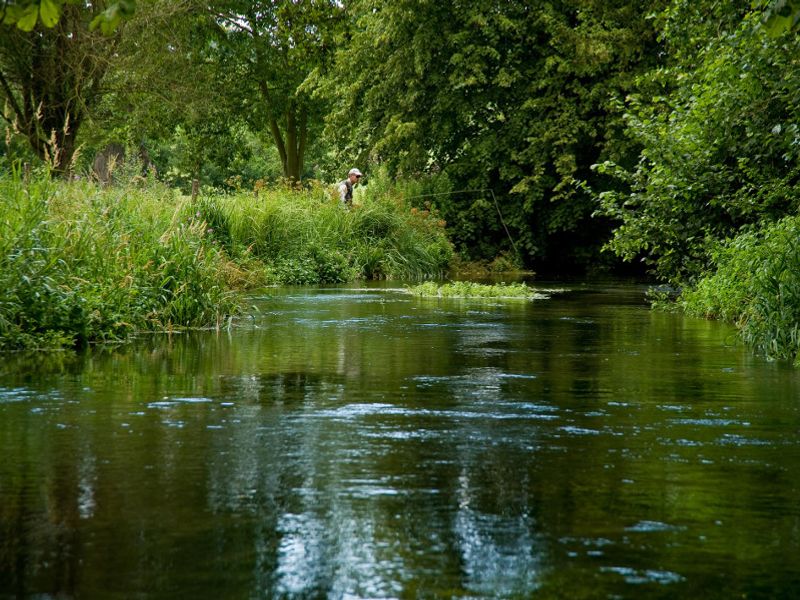
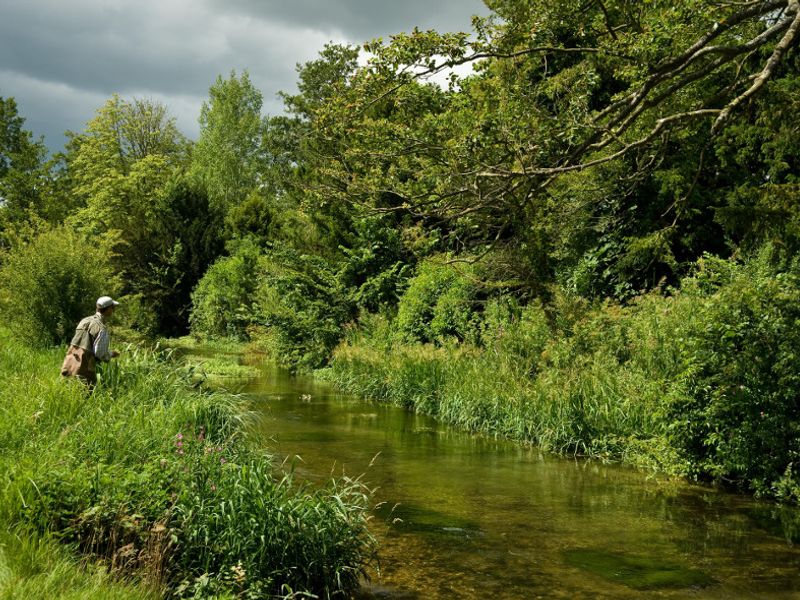
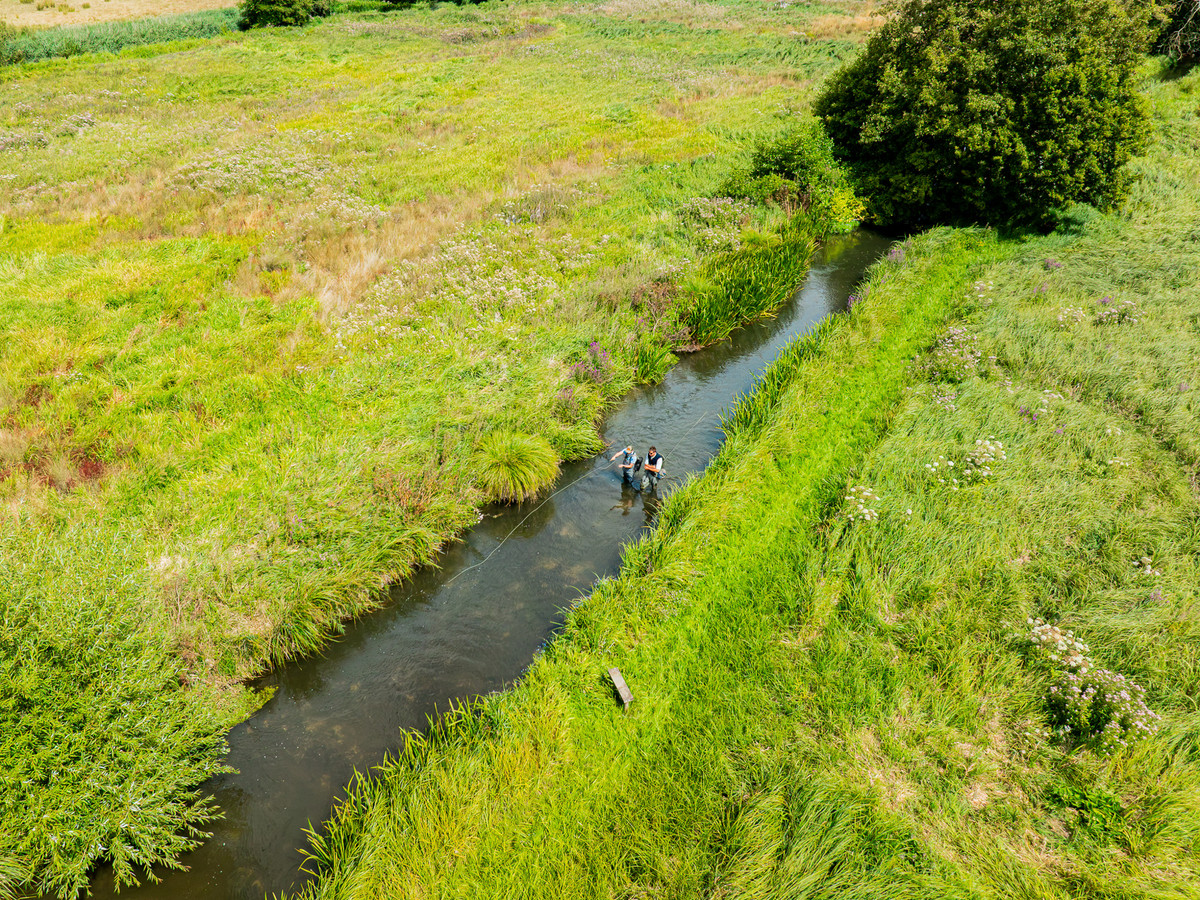
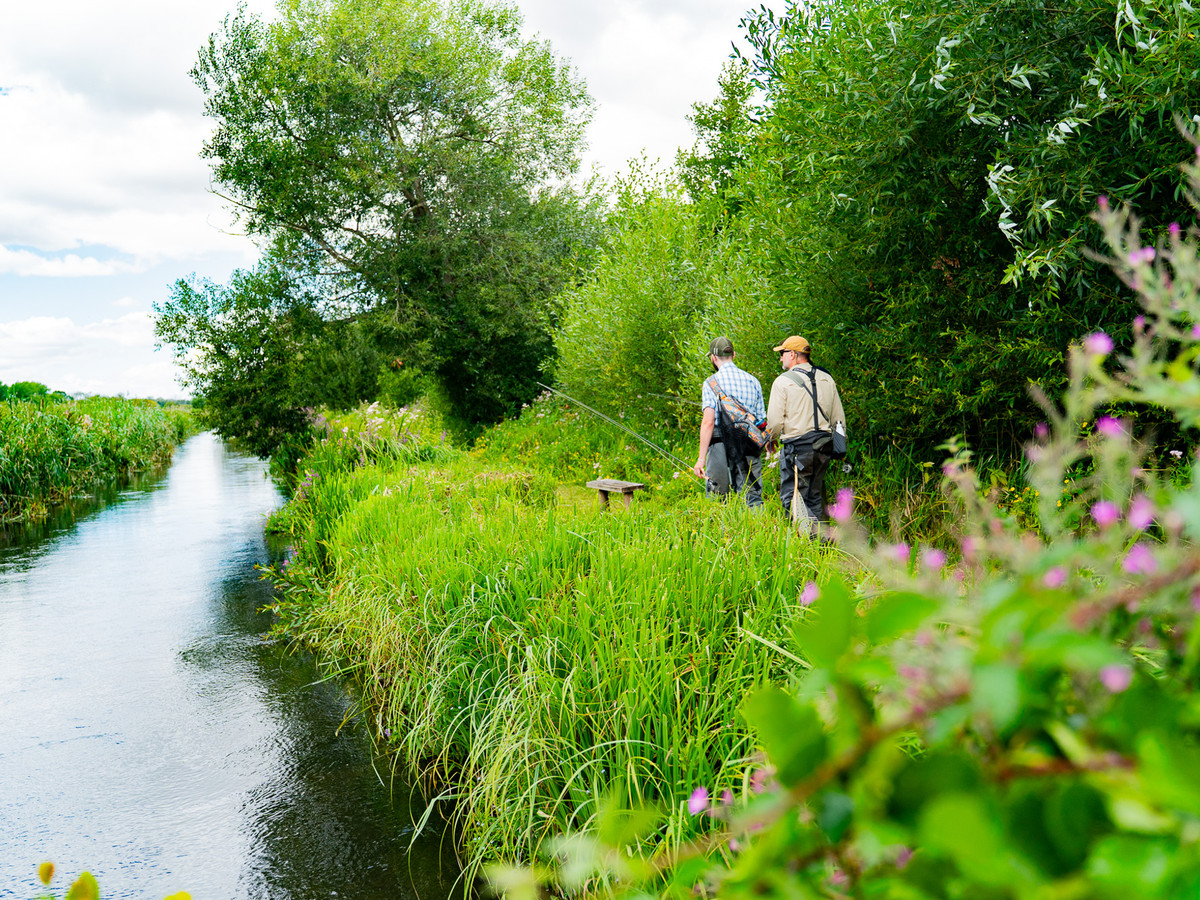
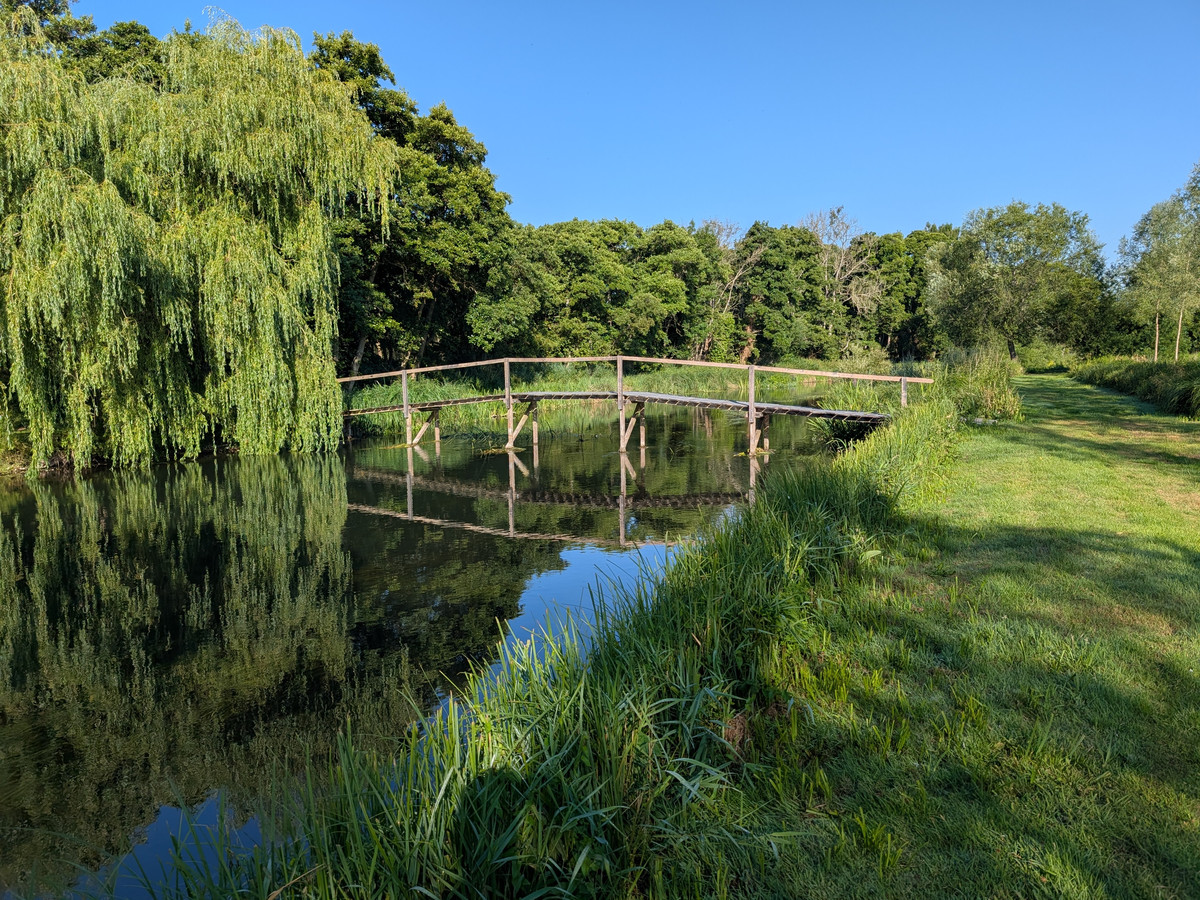
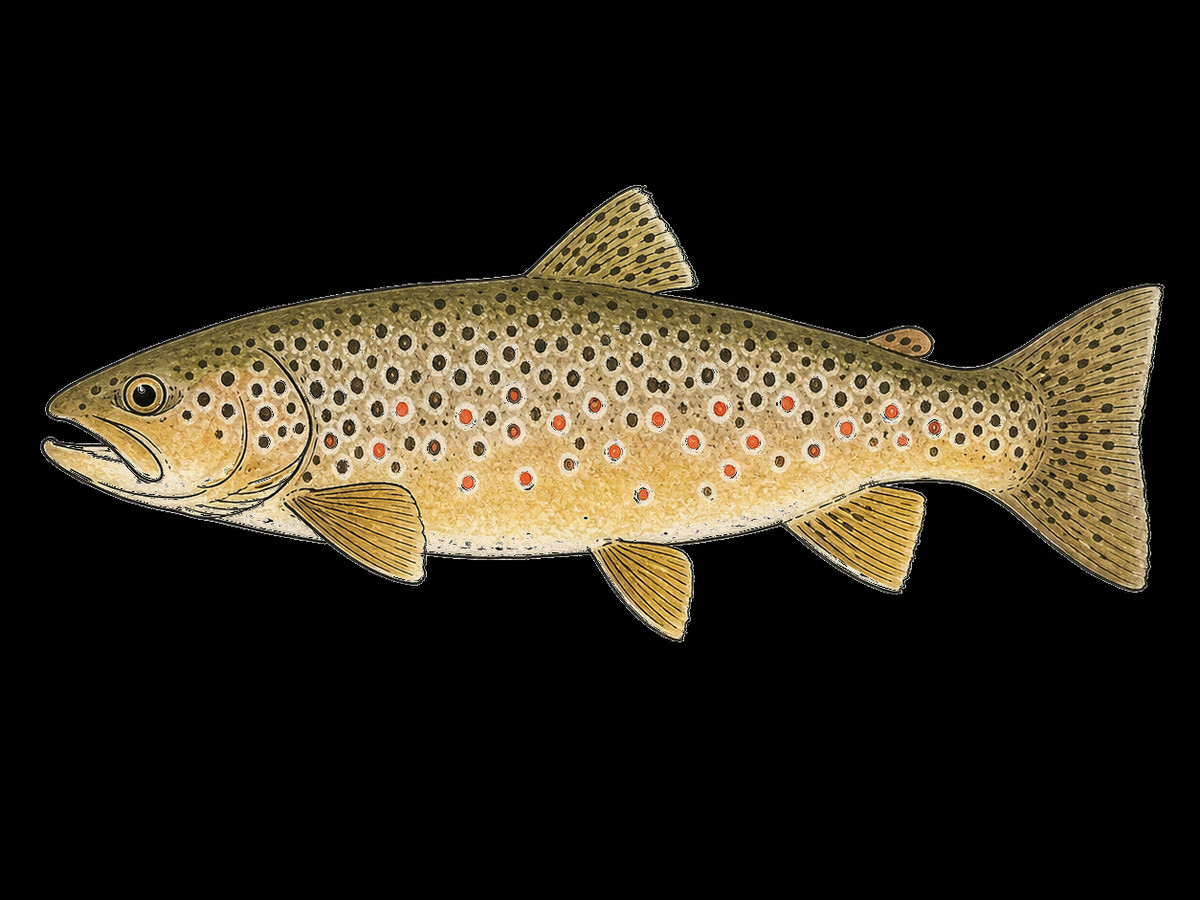
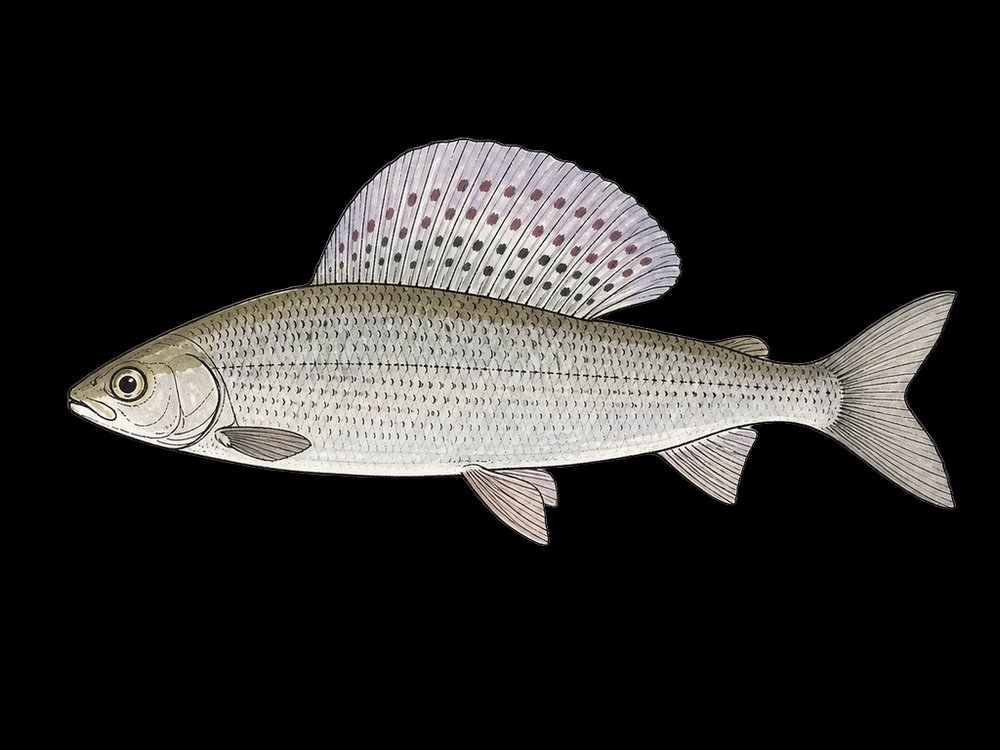
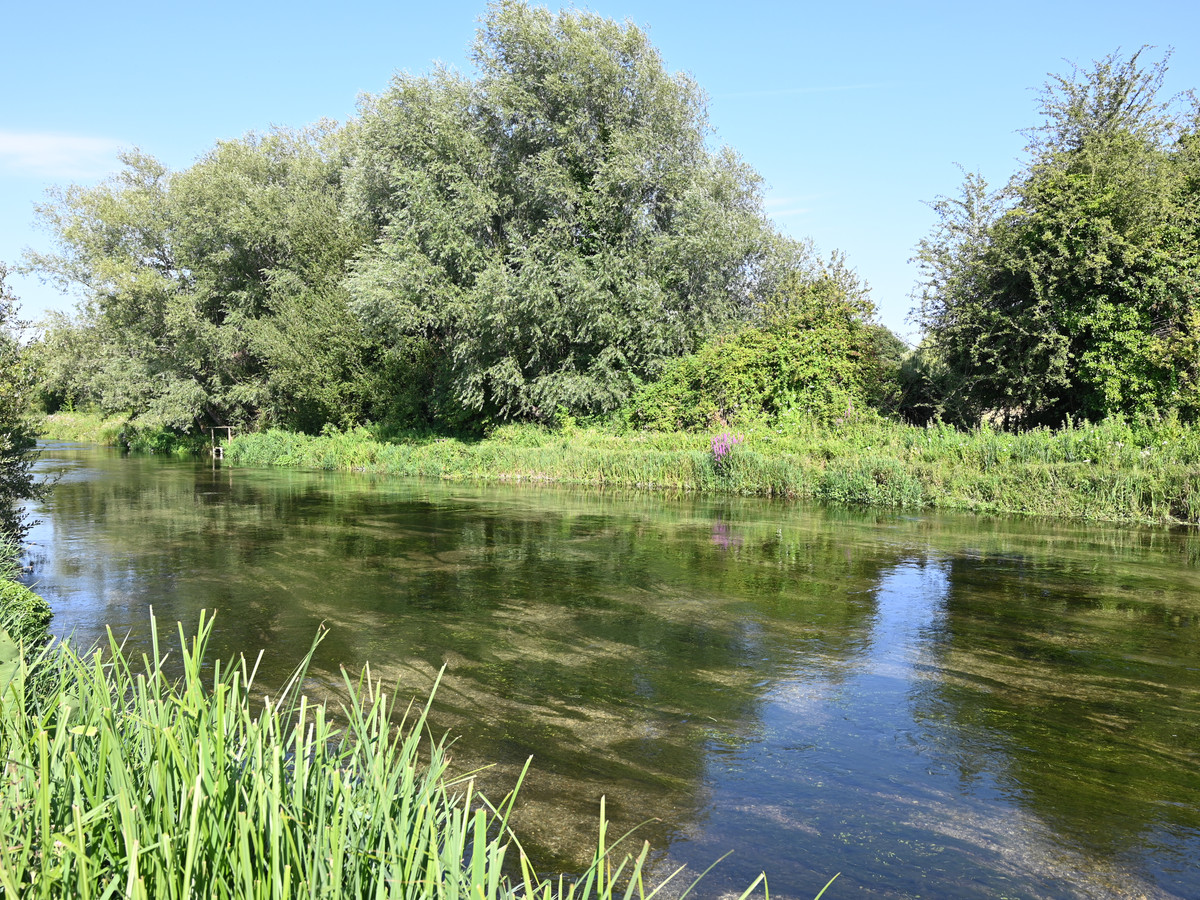
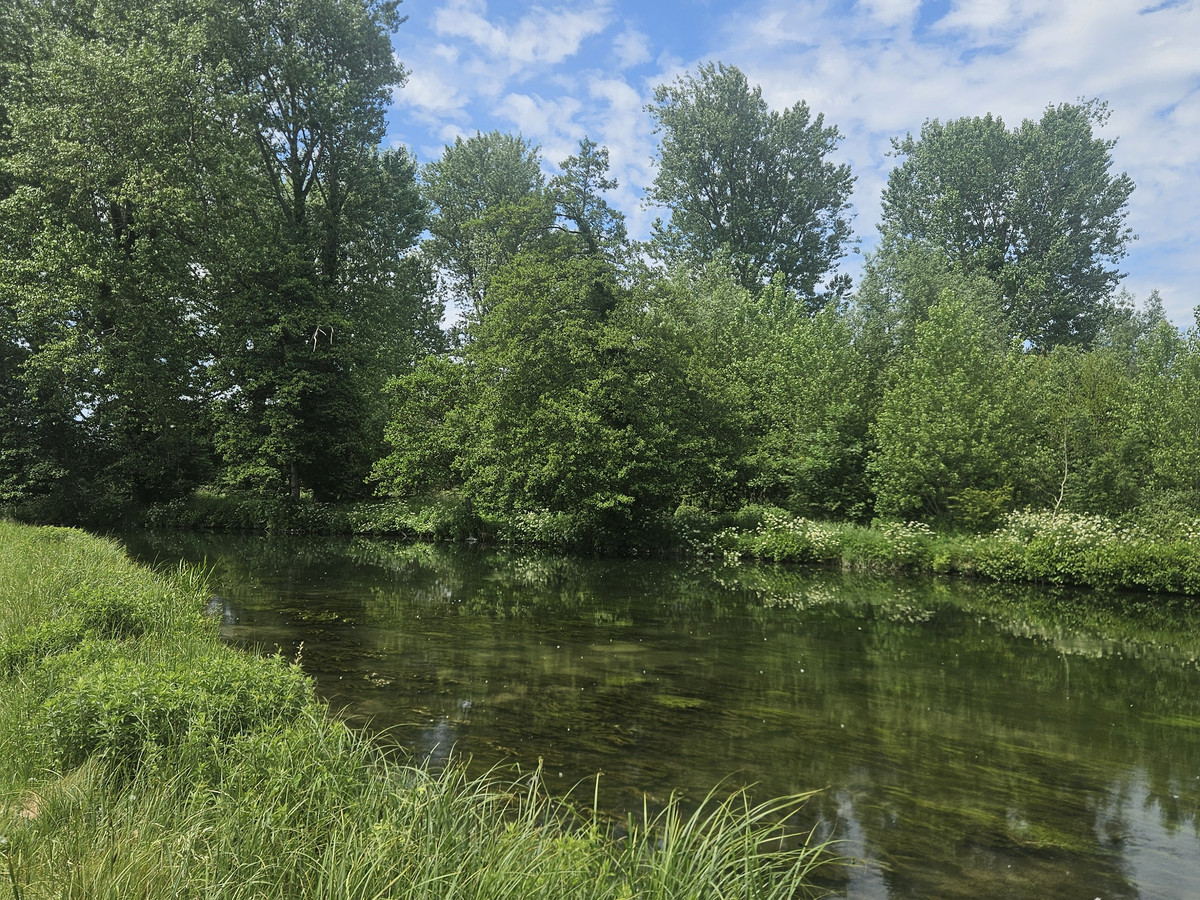
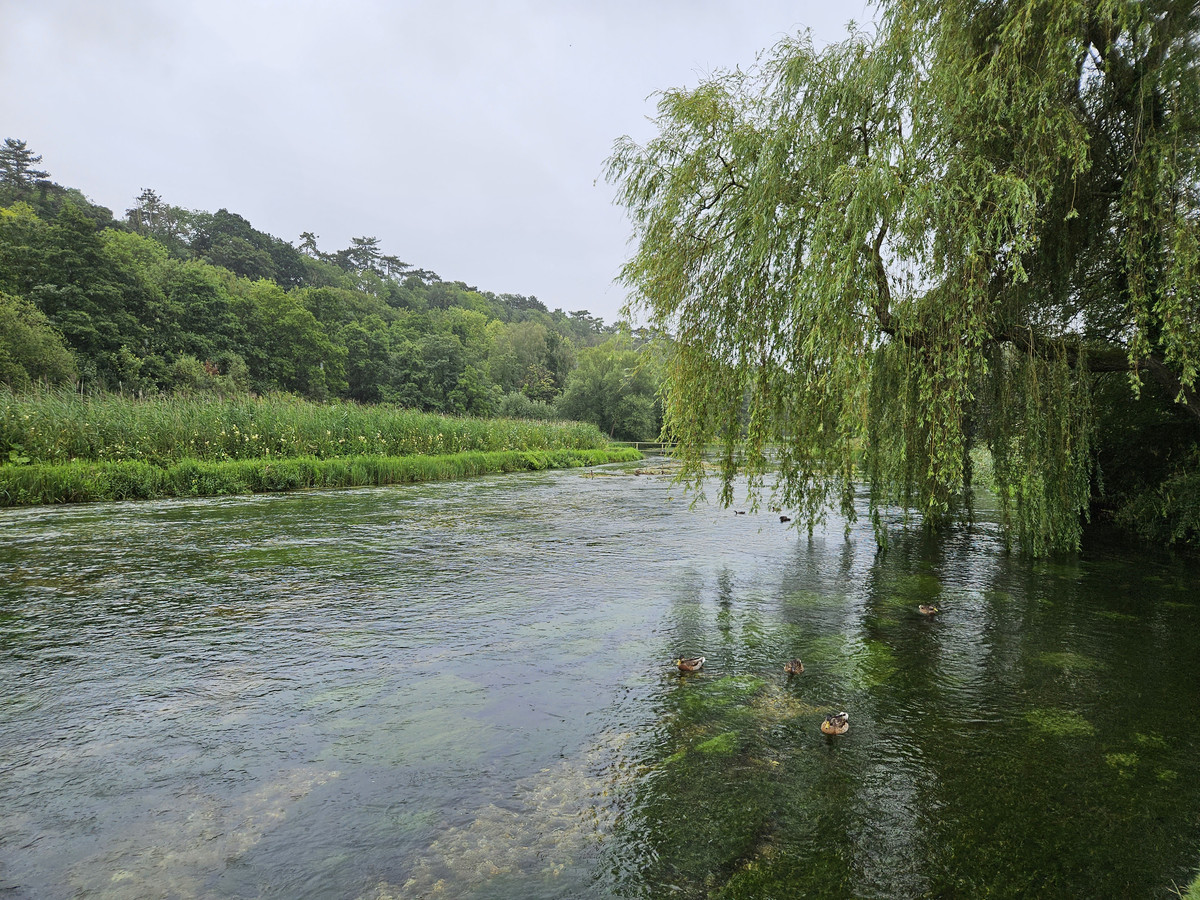
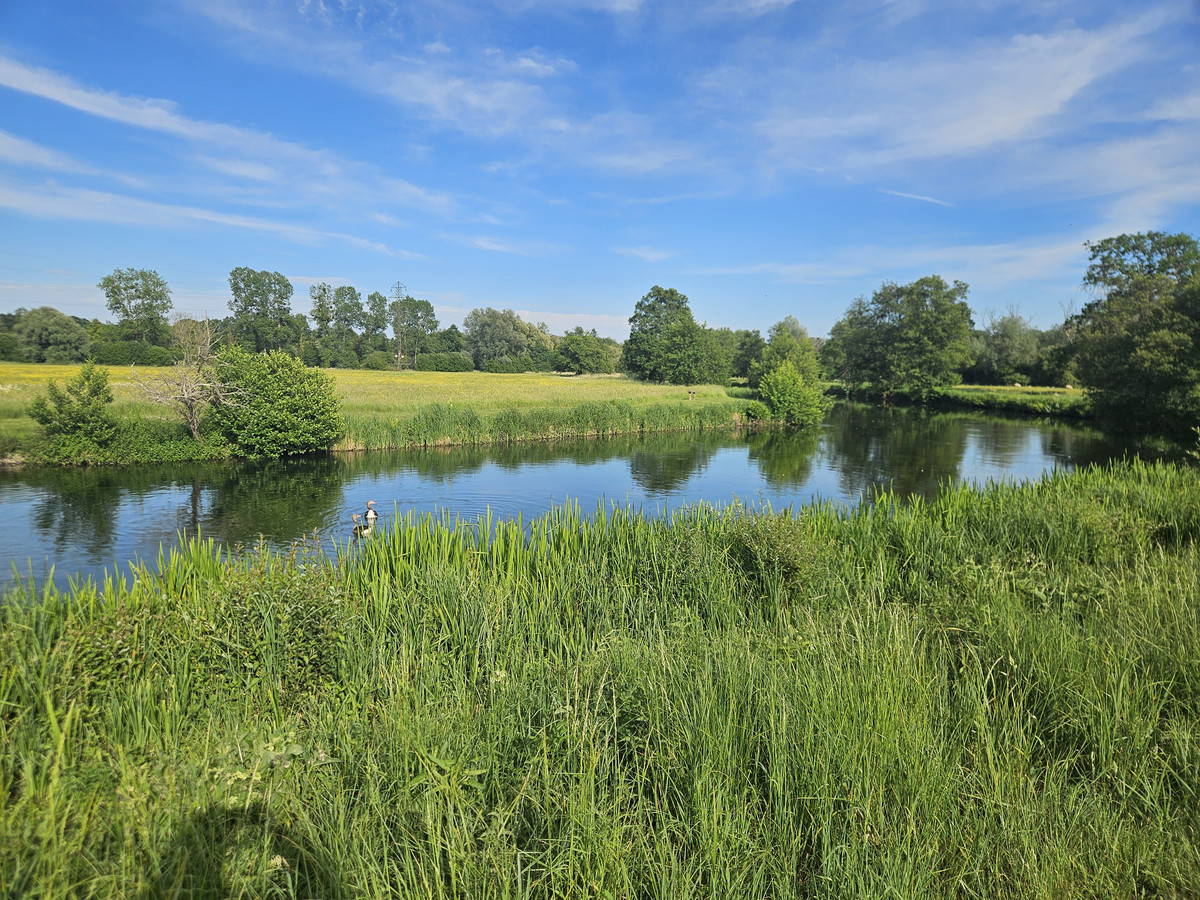
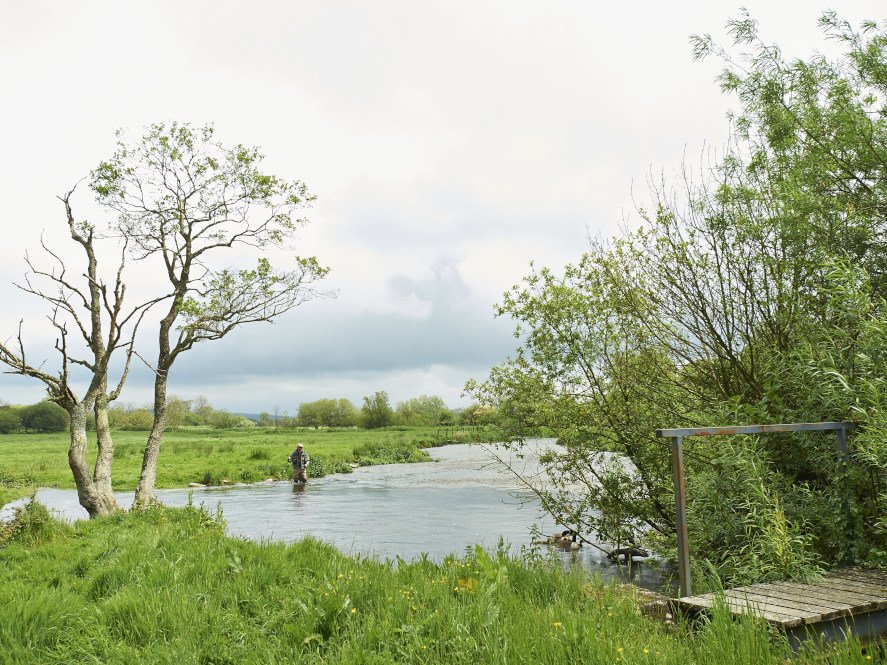
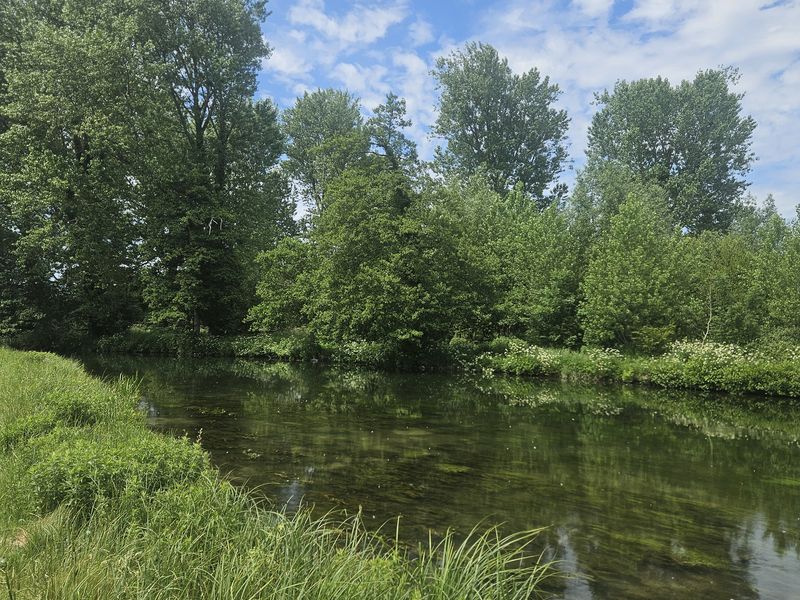
Berkshire's fly fishing centres on two chalk streams: the River Kennet and its tributary, the River Lambourn. Both rivers carry wild brown trout and grayling, and both fish as classic dry fly and nymph water for most of the season.
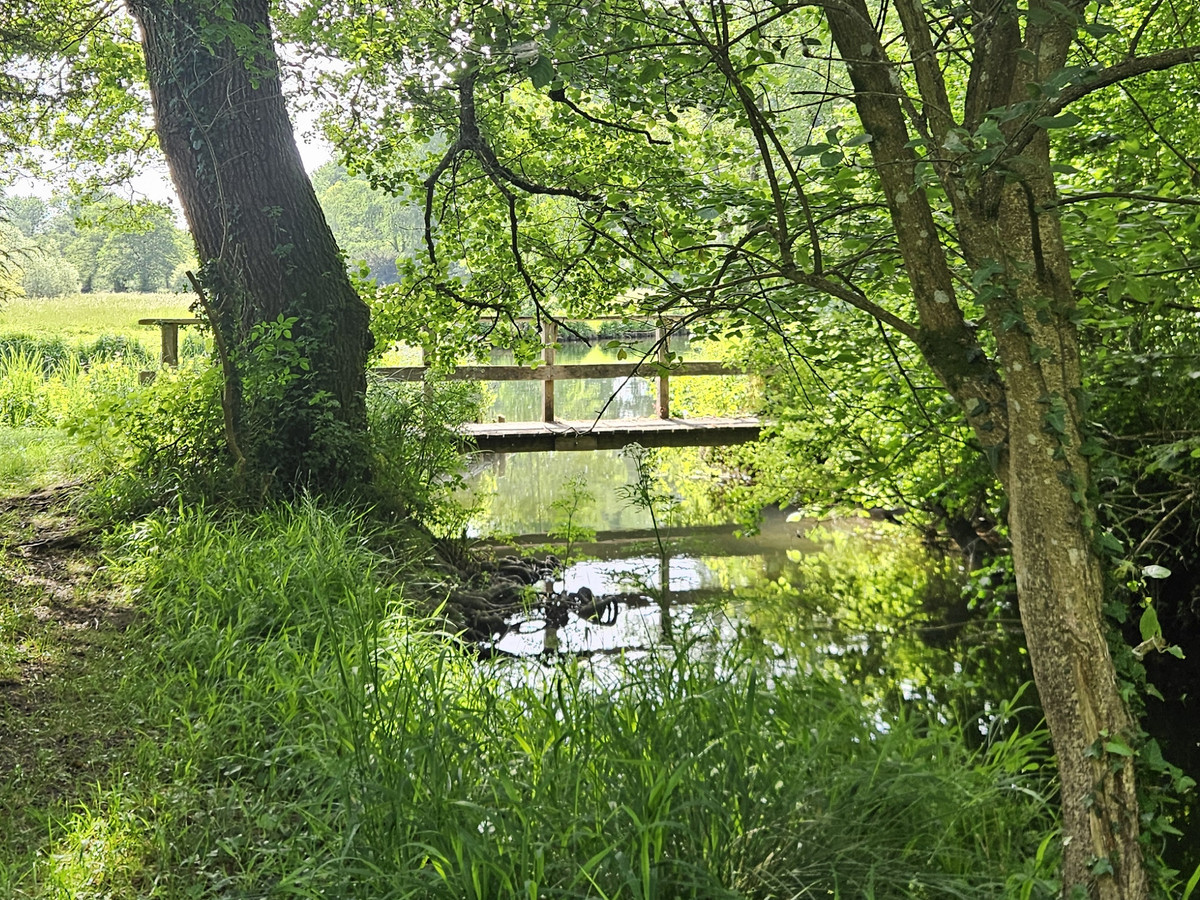
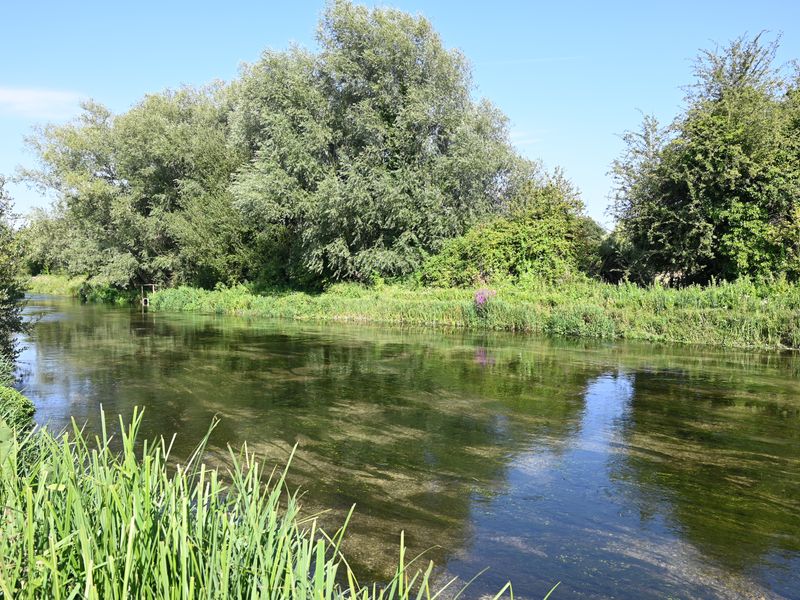
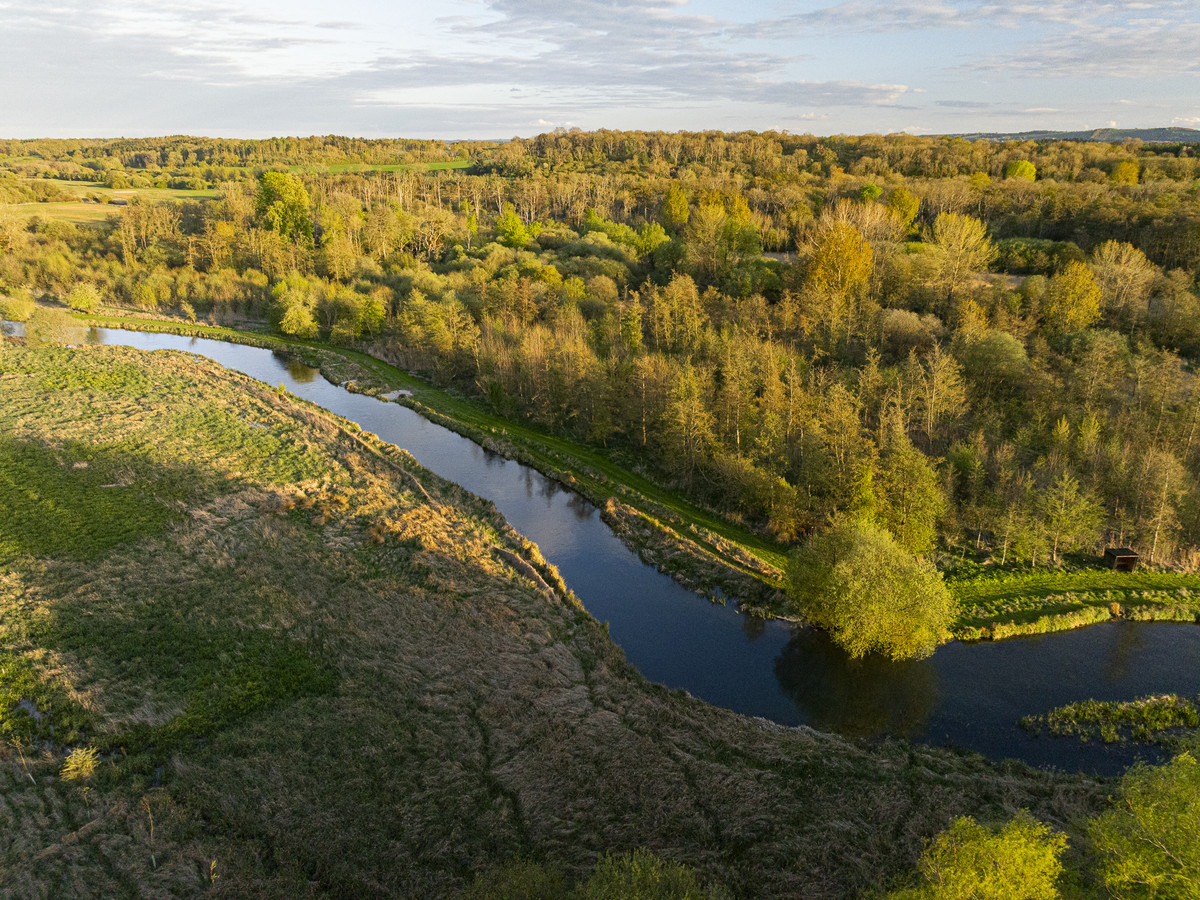
The Kennet runs from its upper reaches in Wiltshire through to Reading, where it joins the Thames. Though it is only 22 miles from source to Newbury, there are more than 80 miles of fishable water, thanks to a network of carriers created by 18th-century water engineers. The river runs clear for most of the season, making it a good sight-fishery. There is a solid wild population of brown trout and grayling, with some supplementary stocking on certain beats. The Kennet carries more available water than the Lambourn, with 12 beats listed here, and the mix of syndicate and day-ticket options means it suits a range of budgets, though the better beats can be expensive.
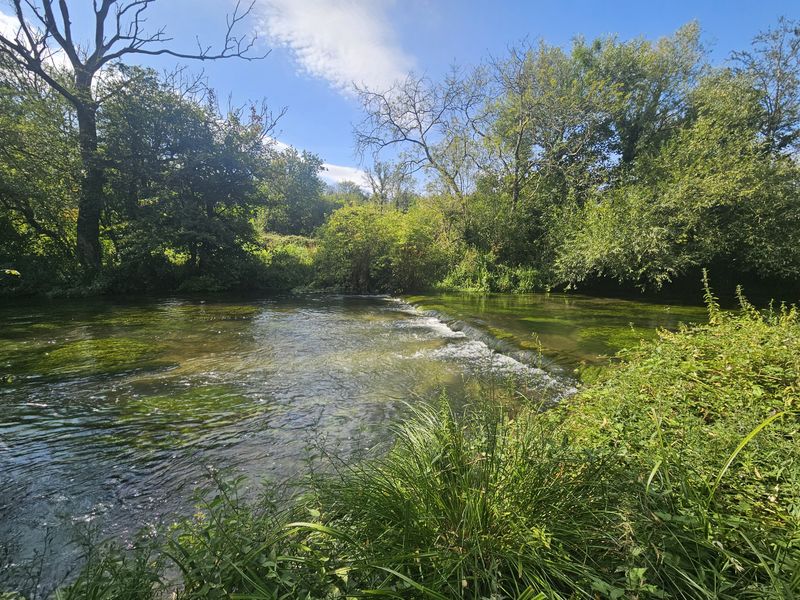
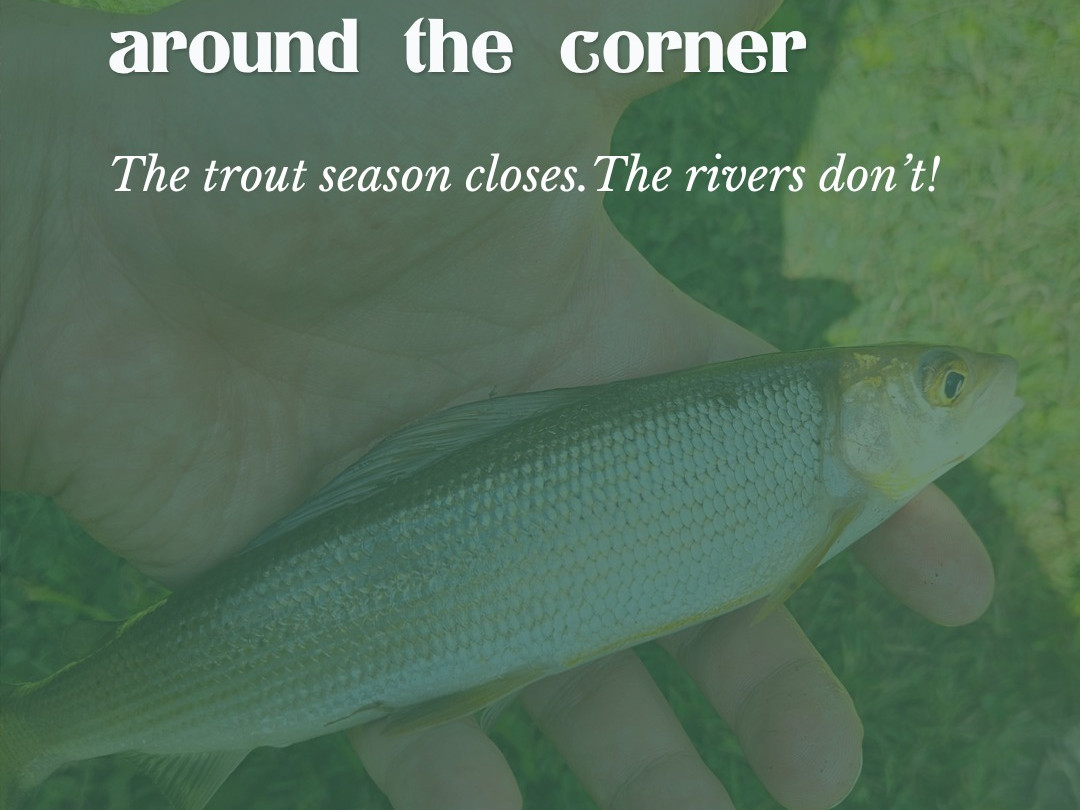
The River Lambourn offers some of the clearest and coldest water of all the southern chalk streams. It supports one of the best fisheries for brown trout in the area, with natural populations of grayling also present. The Lambourn runs as a syndicate through the trout season, so day-ticket availability is worth confirming with the fishery directly. Grayling fishing continues through the winter on the Lambourn, making it a useful option once the trout season closes in October.
Berkshire on the map
Beats with day tickets
11 beats in BerkshireDay-ticket and permit access on Berkshire's rivers. Each listing includes pricing, species, and booking details.
River Kennet
Benham Estate
At 3.5 miles, the Benham Estate is one of the most extensive private chalk stream fisheries in Berkshire, sitting on the River Kennet near Kintbury. The estate encompasses two fisheries — the Park and the Wilderness — each with its own full-time river keeper, run independently despite being under the same ownership. Between Hungerford and Kintbury, the river offers a range of wider open sections and wilder narrow sections, providing genuine variety across the day. The main river is criss-crossed by carriers and side streams, and the river flows crystal clear for almost the whole season, making it a true sight-fishery where you can target specific fish. A river restoration scheme was implemented on this reach, including narrowing the Kennet, restoring a side drain with added gravel, and creating fish spawning habitat. The beat is fly only, bank fishing throughout, and rated for experienced anglers. There is an excellent head of wild fish supplemented by brown trout stocking only. The season runs 30 April to 29 September, accepting one to four rods, with brown trout and grayling the primary quarry. Olive hatches in spring combine with grannom and hawthorn to keep fish looking up from the outset, and the river below Hungerford near Kintbury usually experiences massive hatches of mayfly. The mayfly hatch arrives comparatively late compared to other rivers, with the best sport often found in the first few weeks of June. Excellent evening fishing follows through summer as caddis gather and adult olives return to lay eggs, and September can be a rewarding month for stalking wary risers — though with water levels often low, a stealthy approach is required. The Park can on occasion suffer poor visibility due to algal blooms or murky water entering from the Kennet and Avon Canal, which joins the river just upstream — worth factoring into your timing. A 9 ft rod with a 4–5wt floating line and tippet to 6x suits most situations on the main river; drop lighter for the carriers. Keeper Gary Allen has been on the river for 30-plus years and is available on site. A traditional fishing hut adjacent to a former Victorian bathing pool is provided for rods, with toilets and parking immediately adjacent. Day rod prices run from £212 in late season to £347 during mayfly.

River Lambourn
Donnington Grove
Donnington Grove offers just under two-thirds of a mile of single-bank chalk stream fishing on the River Lambourn, near the village of Donnington in Berkshire. The Lambourn is a classic chalk stream — small and fast-flowing, and this beat reflects that character: powered entirely from chalk springs, which produces exceptionally clear water and year-round stable temperatures. The river's flow regime remains near-natural in form, not being significantly modified by groundwater abstraction — a rarity among southern chalk streams that keeps the water quality and aquatic life in excellent condition. The Lambourn sits in the top 10% for England and Wales for the number of macroinvertebrate families recorded, which underpins the quality of hatches throughout the season. The river supports one of the best and most productive fisheries for brown trout in the area, with natural populations of grayling also present. Stocking is light, so the fish are predominantly wild and accordingly wary — this beat is rated legend difficulty, and while the nutrient-rich water allows trout and grayling to grow to large sizes, the clarity makes them hard to tempt. Dry fly and nymph are the only permitted methods. The hawthorn hatch happens around the end of April, with the mayfly running from mid-May to the end of the second week in June — reflected in the dedicated Mayfly Season day rod at £124. In the second half of the season, small flies delicately fished are the key. Grayling fishing extends the season well into winter at £63 per rod. Wading is permitted, which is often essential on this intimate stream. A fishing hut and toilets are on site.

River Kennet
Avington Estate Beat
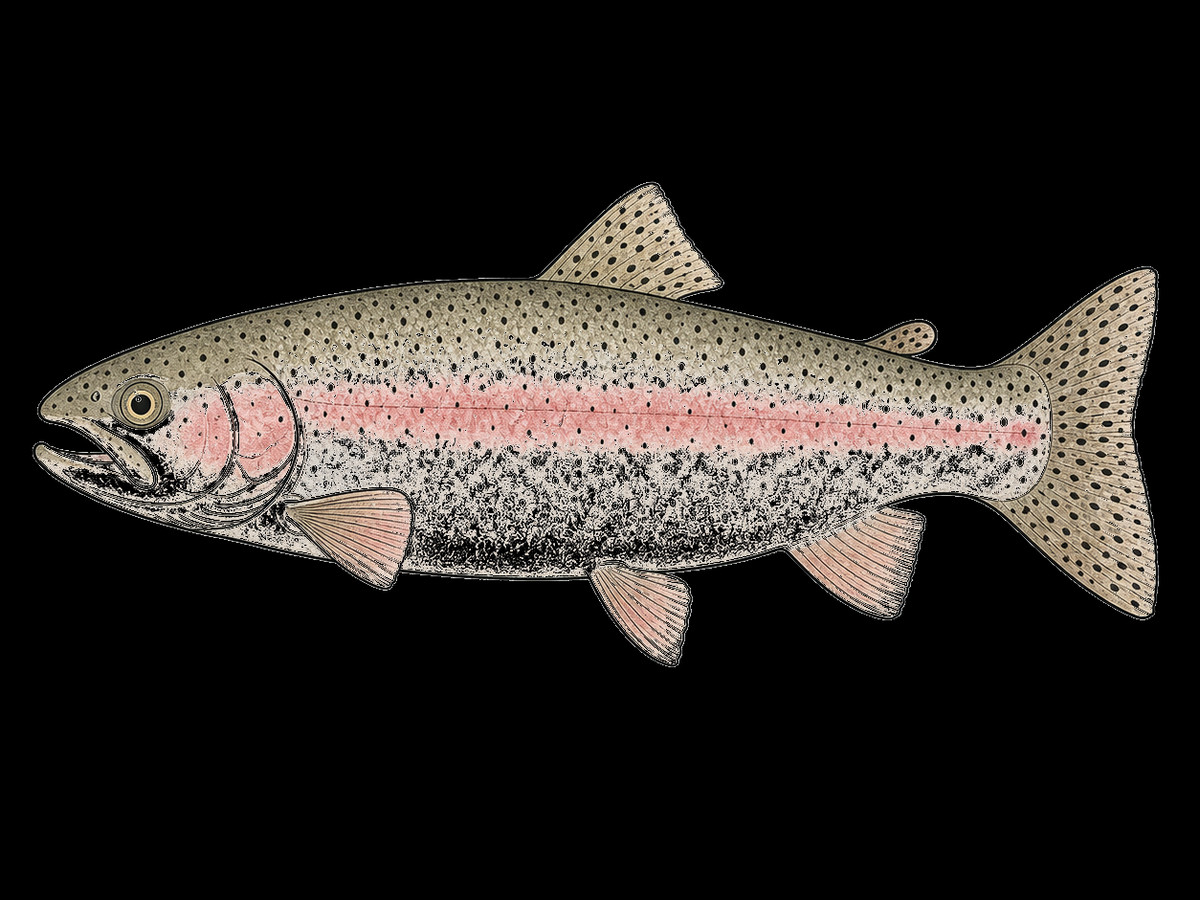
Four miles of chalk stream on the Avington Estate near Hungerford, Berkshire, covering the main River Kennet and an intricate network of carriers — the kind of labyrinthine system created by 18th-century water engineers that gives the Kennet far more than its road-map length suggests. The fishery comprises the Kennet and its twisting carriers, and the water is fished on an exclusive-use basis, with all rods sharing the full four miles rather than rotating through individual beats. The Kennet here is a fairly big river by chalk stream standards, offering a mix of open glides, faster riffles, and intimate carrier channels. Brown and rainbow trout are the target species, fished upstream on dry fly and nymph. The season at Avington runs from 1 April through to 30 September. There is a great variety of fishing to suit all levels of experience throughout the season, including what is most often a spectacular mayfly hatch. Olive hatches in spring are combined with grannom, and the mayfly is followed by some excellent evening fishing through the summer months as caddis flies gather. Because the Kennet runs slightly cooler than most other chalk streams, the mayfly hatch tends to start a little later, creating a longer and more sustained hatch throughout late spring and early summer. The beat is well stocked and suited to beginners, with the carrier network offering sheltered, manageable water alongside the more demanding main river. Avington offers one of the best fishing lodges on the whole of the Kennet — once a cricket pavilion, it was dismantled and moved to its current riverside location, and is filled with old fishing rods, cased fish, and trophy pictures of many happy anglers. A fully catered riverside luncheon is included. Group bookings and corporate days can be arranged on a limited number of Mondays throughout the season, with the fishery and hut able to accommodate groups of up to twelve. A 9 ft four-weight rod is the standard tool for this water.
River Lambourn
Bagnor Fishery
Bagnor Fishery sits on the River Lambourn near the village of Bagnor, just north of Newbury in west Berkshire. The fishery comprises just over 3,000 metres of double-bank fishing on a classic chalk stream — small and fast-flowing, typical of an upstream English waterway. The river is powered entirely from chalk springs, producing exceptionally clear water and year-round stable temperatures. The estate stretch is split into beats and offers a rural, narrow chalk stream setting well suited to fly fishing. The Lambourn supports one of the most productive fisheries for wild brown trout in the area, with natural populations of grayling also present. The river ranks in the top 10% for England and Wales for the number of macroinvertebrate families recorded — a strong foundation for consistent hatches throughout the season. Expect hawthorn early on, followed by a mayfly hatch, then a mixture of olives, sedges and terrestrials later in the year. Fishing is by upstream dry fly and Skues-style nymph only; no weighted nymphs of any type are permitted. The clear water and sight-fishing nature of the beat make it accessible to beginners while still demanding careful presentation. The fishery is open from 1 April to 1 November. The fishery is open six days a week — closed on Wednesdays for maintenance — and limited wading is permitted within four feet of the bank. On-site amenities include a heated fishing hut with facilities to make drinks, a dedicated car park, and toilet facilities. Newbury station offers a 40-minute rail link to London Paddington, making this a practical day-trip option for anglers travelling from the capital.
River Kennet
Craven Fishery Beat
The Craven Fishery sits on the River Kennet at Hampstead Marshall in Berkshire, offering around 1.2 miles of chalk stream fishing across a mix of main river and a historic milling channel. The character of the water changes noticeably along the beat — shallow riffles and gravel runs give way to slower, deeper glides downstream — while a large top weir, originally constructed to provide a head of water for milling, now creates a notable pool that holds bigger fish. The surrounding landscape runs through gardens, water meadows and riparian woodland, and the fishery has a long and illustrious past that has at one time or another hosted all the angling greats. The beat holds mainly brown trout and is carefully managed by a full-time riverkeeper. A dry fly only rule applies until the first of July, after which upstream nymphing is permitted — making this a good beat for anglers learning to read and present to rising fish. Spring brings olive hatches combined with grannom and hawthorn, before an impressive mayfly hatch leads into excellent evening fishing through summer as caddis and adult olives return to the water. Because the Kennet runs slightly cooler than most other chalk streams, the mayfly hatch tends to start a little later, producing a longer and more sustained hatch through late spring and early summer. The river has also benefited from ongoing habitat improvement work carried out through a collaboration between riverkeeper Josh Purton and Action for the River Kennet. The fishery's layout — main river plus a former milling channel — gives anglers genuine variety within a single day. A casting pond on site makes this a practical choice for less experienced rods wanting to warm up before stepping onto the river. The historic fishing lodge serves as a fine base for the day, its walls lined with memorabilia from fishing days past and present. The nearest train station is Kintbury, just a short walk away, and the beat is around 15 minutes by road from Newbury.
River Kennet
Dog Kennels
Dog Kennels is one of the named beats within the Barton Court Estate on the River Kennet, set within a private family estate between Hungerford and Kintbury in Berkshire. The estate encompasses main river, carriers, and side streams across over three miles of bank, with each section criss-crossing and interlocking through classic Berkshire water meadows. This beat sits within that carrier network — a narrower, more intimate stretch of chalk stream where wild trout spawning redds have been recorded on the gravels, and the water runs clear and steady over classic chalk-stream substrate. The fishery is now purely a fly-fishing venue, with an excellent head of wild brown trout. Among them is the elusive Kennet "greenback" — one of the last indigenous native trout strains remaining in southern England, sporting fewer spots than any brown trout you are likely to encounter elsewhere. Fishing is restricted to single dry fly and traditional upstream nymph, making it well suited to beginners learning to read chalk-stream water. The Kennet season opens in May; expect hawthorn early on, followed by a mayfly hatch, then a mixture of olives, sedges, and terrestrials through the back end. Because the Kennet's waters run slightly cooler than most other chalk streams, the mayfly hatch tends to start a little later, creating a longer and more sustained hatch through late spring and early summer. Up to six rods fish the beat. On-site facilities include a brand-new shepherd's hut and a dedicated fishing hut available for exclusive group use. Guided fishing, tackle hire, and catering by local chefs — either riverbank or prepared in advance — are all available to book. Parking is at Station Road, with an alternative near the Dundas Arms. Kintbury station sits just 64 metres from the fishery entrance, making this one of the more straightforwardly accessible chalk-stream beats in Berkshire for those travelling without a car.
River Kennet
Middle Cut
Middle Cut is a carrier beat within the Barton Court Estate water meadow network, sitting on the Berkshire/Wiltshire border near Kintbury — where the River Kennet idles through the grounds of a private family estate between Hungerford and Kintbury. The beat runs along one of the estate's chalk stream carriers, a narrower side channel cut from the main river, with dense hawthorn lines along both banks that define the character of the water and provide natural cover for fish. Barton Court has a host of main river, carriers and side streams, with over three miles of bank, and no two sections are the same as they criss-cross and interlock along classic Berkshire water meadows. Brown and rainbow trout are the target species, and the beat is well suited to beginners — the carrier format keeps the fishing intimate and readable. Methods are restricted to single dry fly and traditional upstream nymph. The Kennet season opens in May, with a good hawthorn hatch early on, followed by a mayfly hatch and then a mixture of olives, sedges and terrestrials later in the year. The hawthorn hatch is particularly productive on Middle Cut, where the bankside trees drop flies directly onto the water. Because the Kennet's waters run slightly cooler than most other chalk streams, the mayfly hatch tends to start a little later, creating a longer and more sustained hatch throughout late spring and early summer. As the season progresses, sedge, olive and terrestrial hatches can be excellent, with beetles, ants and hoppers providing surface sport in the late summer months. Up to six rods can fish the beat. Barton Court offers day-rod access as well as exclusive-use or group days, with guides, catering and tackle hire to suit all abilities, plus a brand-new shepherd's hut and a dedicated fishing hut for exclusive group use. Parking is available on Station Road or near the Dundas Arms. Kintbury station is just 64 metres from the entrance to the fishery, making Middle Cut one of the most straightforward chalk stream beats to reach from London by train.
River Kennet
Old River
The Old River beat sits on the River Kennet within the Barton Court Estate, between Hungerford and Kintbury in Berkshire, where the Kennet runs not as a single channel but as a network of main river, carriers, and side streams twisting through old water meadows — one moment you're stalking a trout in a narrow carrier under overhanging sedge, the next casting to a steady rise in the main river. The Old River section is characterised by dense hawthorn trees lining the banks, making it particularly productive when terrestrials are on the water, and the weed-rich channels of the 'old' river hold good fish that can be encouraged into the open. The estate is designated a Site of Special Scientific Interest (SSSI), and the water runs with the clarity typical of a well-managed Berkshire chalk stream. Brown and rainbow trout are present, with fish of three pounds and over regularly caught and a population of wild fish that increases year on year. The beat is rated suitable for beginners, and guided fishing is available on-site. Spring brings olive hatches combined with grannom and hawthorn; the mayfly follows, and through summer, caddis and adult olives return to the water in the evenings. Because the Kennet runs slightly cooler than most other chalk streams, the mayfly hatch tends to start a little later, producing a longer and more sustained hatch through late spring and early summer. As the season progresses, sedge, olive, and terrestrial hatches can be excellent, with beetles, ants, and hoppers providing good surface sport into late summer. Methods are restricted to single dry fly and traditional upstream nymph, with up to six rods on the water. On-site facilities include a brand-new shepherd's hut and a dedicated fishing hut for exclusive group use, with guided fishing, tackle hire, and catering from local chefs all available. Kintbury station sits just 64 metres from the fishery entrance, with additional parking available on Station Road or near the Dundas Arms.
River Kennet
Park Stream
Park Stream is one of the named carrier streams winding through the Barton Court Estate on the River Kennet near Kintbury, Berkshire — part of a network of main river, carriers, and side streams that criss-cross and interlock along classic Berkshire water meadows, with over three miles of bank across the estate. As a chalk stream side channel, it carries the hallmarks of the Kennet system: crystal-clear water for almost the whole season, making it a genuine sight-fishery where you can target specific fish. Wild brown trout redds have been observed here, a sign that the population of fish born in the river increases year by year. Fishing is single dry fly or traditional upstream nymph, and the beat is well suited to beginners finding their feet on chalk stream water. Olive hatches in spring are combined with grannom and followed by hawthorn, while the mayfly can be impressive, followed by excellent evening fishing through summer as caddis flies gather and adult olives return to lay their eggs. Barton Court offers one of the better mayfly hatches on the southern chalk streams, with the hatch arriving comparatively late — the best sport often falling in the first weeks of June. Keep an eye out for the Kennet Greenback, a unique form of wild brown trout with green flanks and few spots, found nowhere else on the chalk streams. Up to six rods can fish Park Stream, with the beat available on an exclusive group basis. On-site facilities include a brand-new shepherd's hut and a dedicated fishing hut for exclusive group use, and guided fishing, tackle hire, and catering from local chefs — riverbank or prepared in advance — can all be arranged. Barton Court has the unusual advantage of a train station just 64 metres from the fishery entrance, with parking available on Station Road or near the Dundas Arms at the lower end of the beat.
River Kennet
Parsons Ditch
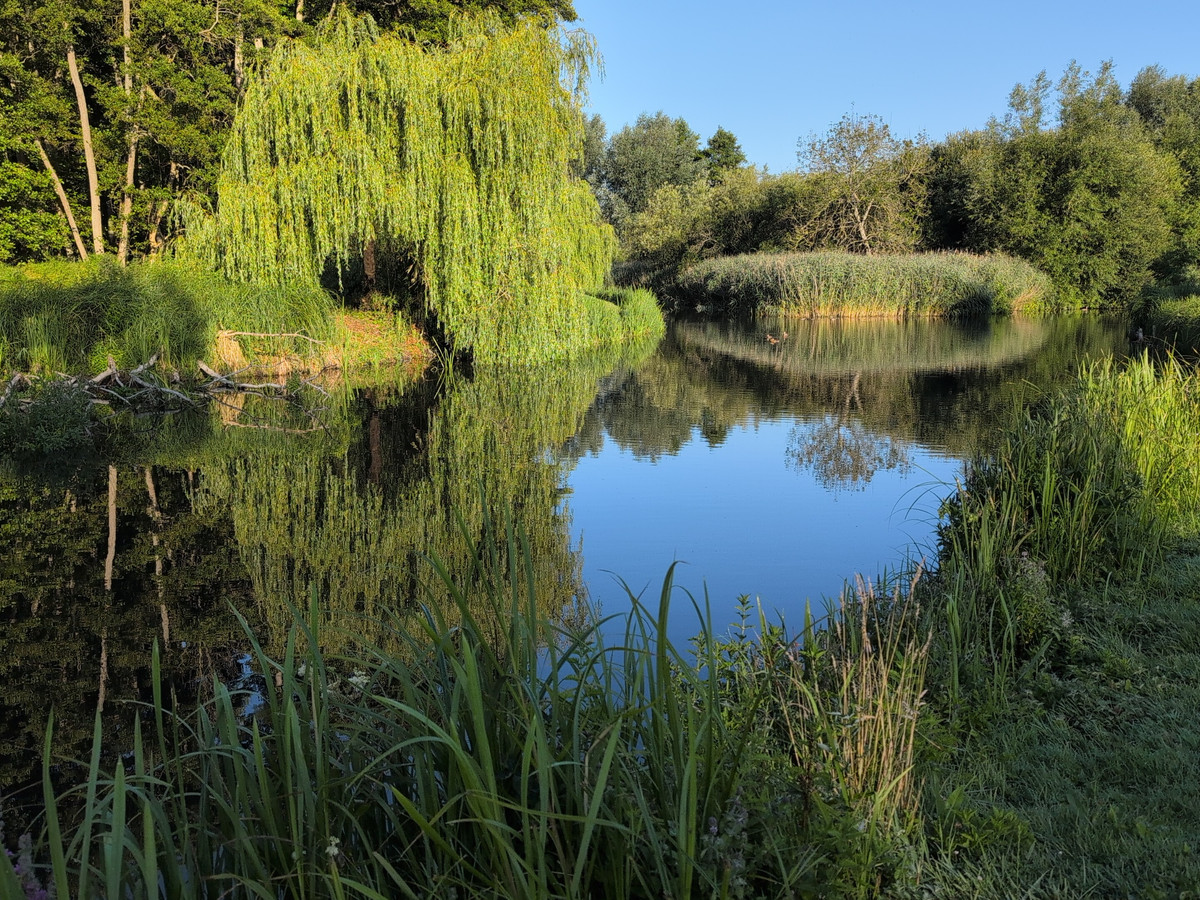
Parsons Ditch is a named carrier stream within the Barton Court Estate, set in the historic water meadow network between Hungerford and Kintbury in West Berkshire. The estate carries over three miles of bank across main river, carriers, and side streams, all criss-crossing and interlocking through classic Berkshire water meadows. Parsons Ditch itself is a willow-lined channel — the willows pollarded annually — that forms part of a restored and actively managed system. The wider estate is designated a Site of Special Scientific Interest (SSSI). Fishing is single dry fly and traditional upstream nymph for wild brown trout, and the beat is well suited to beginners. The estate is now purely a fly-fishing venue with an excellent head of wild brown trout. Olive hatches in spring are combined with grannom and followed by hawthorn, while the mayfly can be impressive and summer evenings bring caddis and adult olives returning to lay eggs. Barton Court is noted for one of the better mayfly hatches on the southern chalkstreams, arriving comparatively late, with the best sport often found in the first weeks of June. Keep an eye out for the Kennet 'greenback' — a green-flanked, near-spotless brown trout found nowhere else on the chalkstreams. Up to six rods can fish Parsons Ditch on an exclusive group basis. The estate offers guided fishing, tackle hire, and catering, with a dedicated fishing hut for exclusive group use and an on-site shepherd's hut. Parking is available on Station Road or near the Dundas Arms. Kintbury station is just 64 metres from the fishery entrance, making this one of the more straightforward chalk stream beats to reach by train from London or the wider south of England.
River Kennet
Upper Park
The Upper Park beat sits on the Barton Court Estate on the River Kennet near Kintbury, Berkshire, where the Kennet runs not as a single channel but as a network of main river, carriers, and side streams twisting through old water meadows. This section carries a piece of angling history: it still holds the River Kennet pike record at 33lb 2oz. The beat is now fished exclusively as fly water, and up to six rods can fish it at once, making it well suited to group days. The fishery now offers an excellent head of wild brown trout, where anglers can experience authentic Kennet trout fishing. Methods are restricted to single dry fly and traditional upstream nymph — the classic chalk stream approach — and the beat is rated suitable for beginners, with varied sections that criss-cross through classic Berkshire water meadows, making it perfect for both confident chalkstream fishermen and those easing into the sport. Spring brings olive hatches combined with grannom and hawthorn, while the mayfly can be impressive, followed by good evening fishing through summer as caddis flies gather. The mayfly hatch arrives comparatively late compared to other rivers, with the best sport often found in the first weeks of June. Keep an eye out for the Kennet Greenback — a green-flanked, near-spotless brown trout found nowhere else on the chalkstreams. On-site facilities include a brand-new shepherd's hut and a dedicated fishing hut for exclusive group use. Guided fishing, tackle hire, and catering from local chefs — riverbank or prepared in advance — are all available to book. Parking is on Station Road, with an alternative near the Dundas Arms, a two-minute walk from the lower end of the fishery. The estate has the unusual advantage of a train station just 64 metres from the fishery entrance, making it one of the most accessible chalk stream beats in Berkshire for those travelling without a car.
Fisheries in Berkshire
Fishery operators offering bookable access on Berkshire's rivers. Each listing covers tickets, accommodation, and equipment hire where available.
Agents & booking
Agents and operators offering bookings on Berkshire chalk stream beats.
Explore other counties
Buckinghamshire
The Chilterns chalk streams - the rare, spring-fed Chess and Misbourne.
Explore Buckinghamshire fishing →Derbyshire
Peak District limestone rivers — wild rainbows on the Wye, and the historic Dove.
Explore Derbyshire fishing →Dorset
The Frome and lower Avon, with good grayling and summer sea trout.
Explore Dorset fishing →Hampshire
The Test and Itchen, England's most sought-after chalk stream fishing.
Explore Hampshire fishing →Wiltshire
Quieter chalk-stream country on the Wylye, Avon and upper Kennet.
Explore Wiltshire fishing →