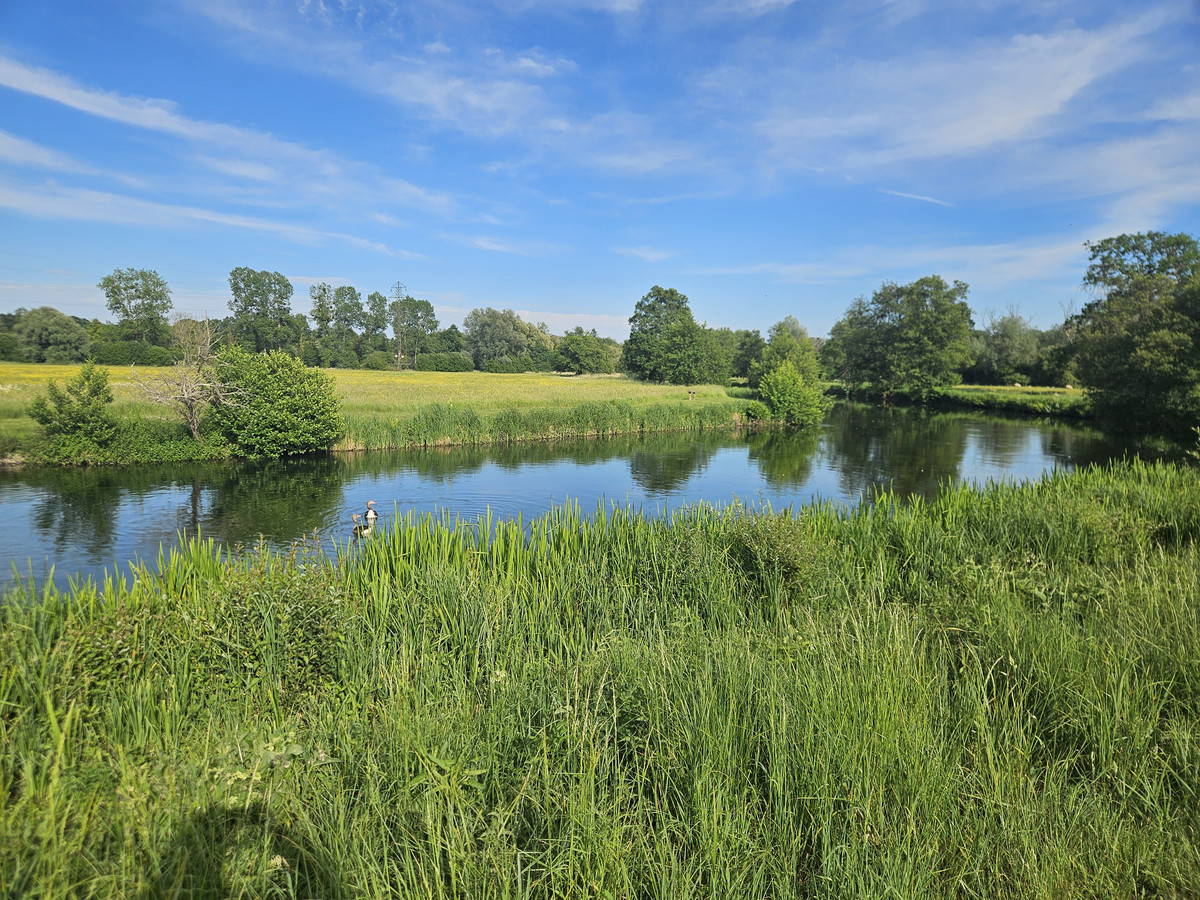
Fly Fishing on the River Test
The River Test in Hampshire, United Kingdom is one of the UK's most celebrated chalk streams. Browse 55 fishing beats along its 40-mile course, or explore the hatches, fish species, and seasons below.
River Test
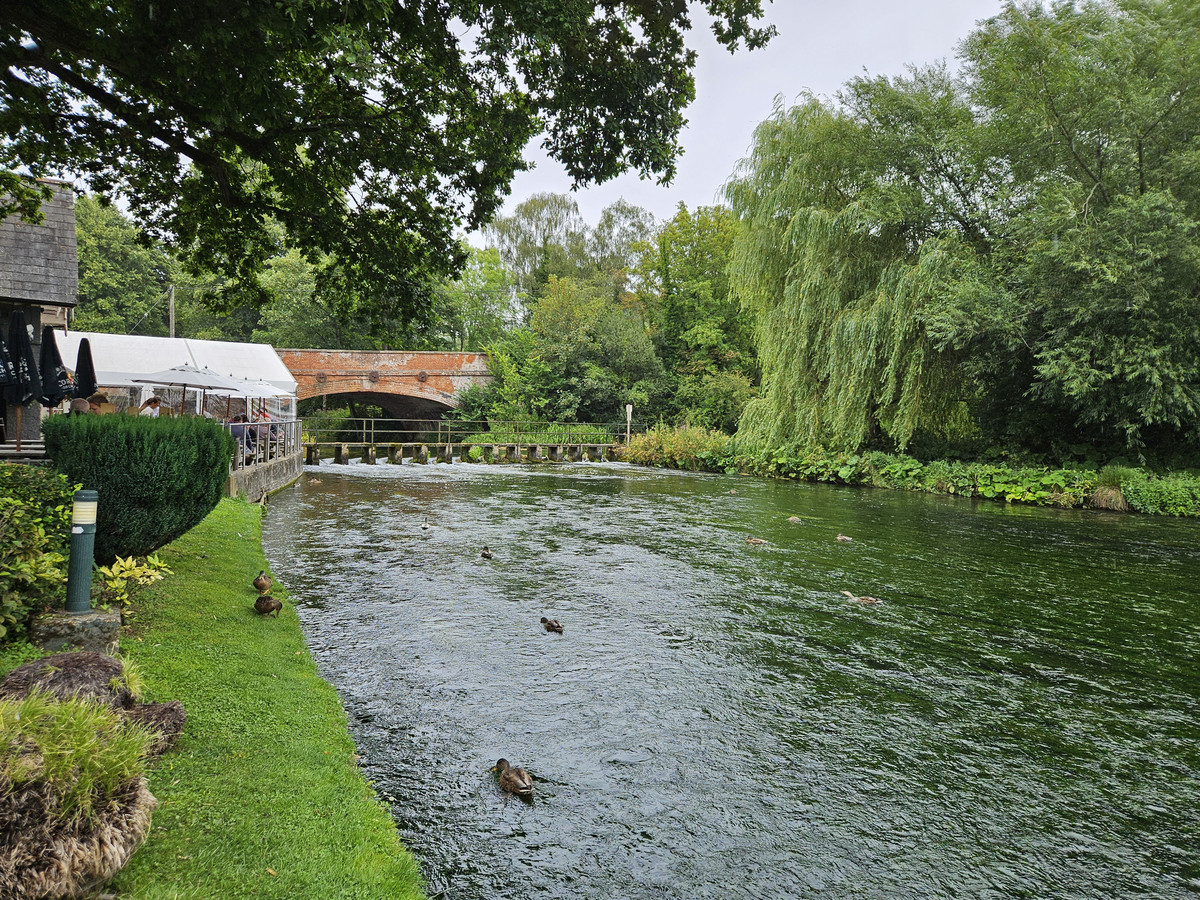
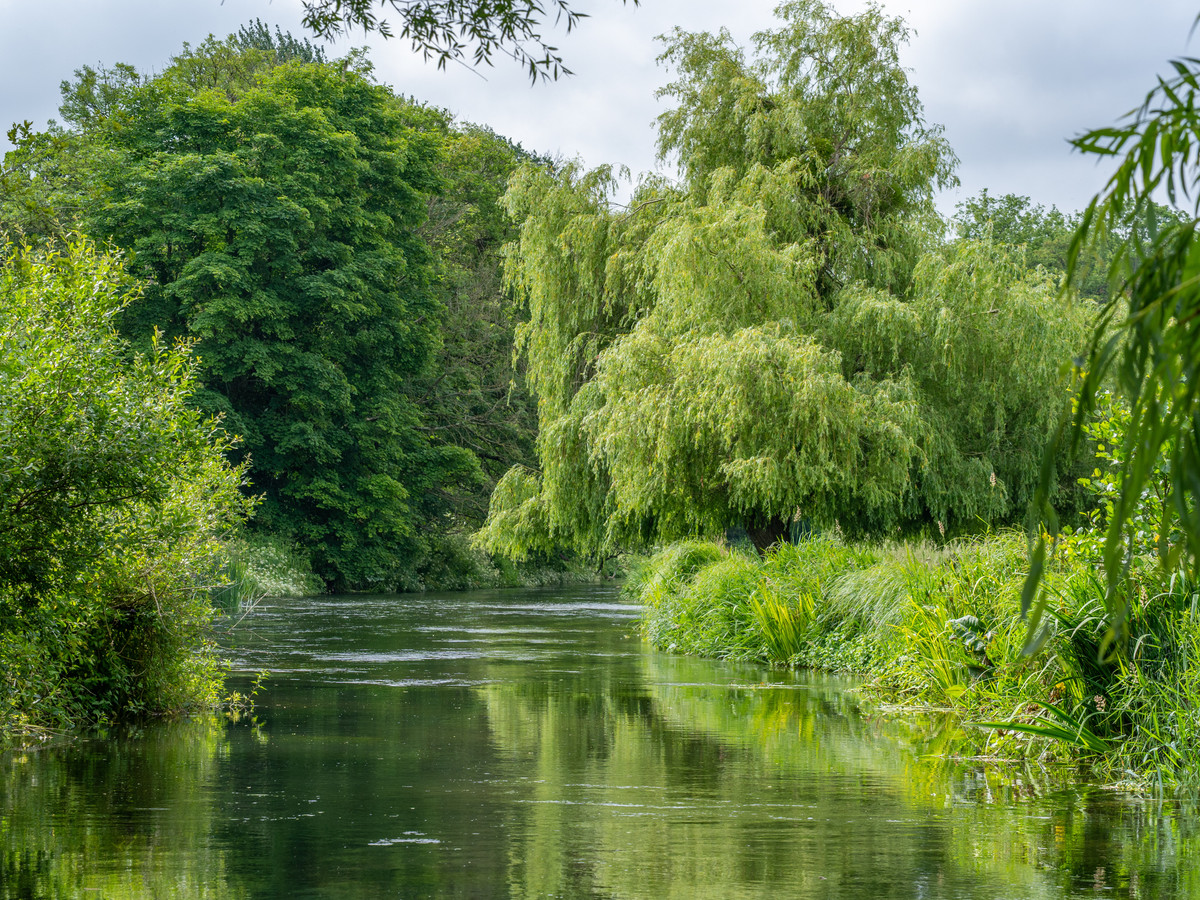
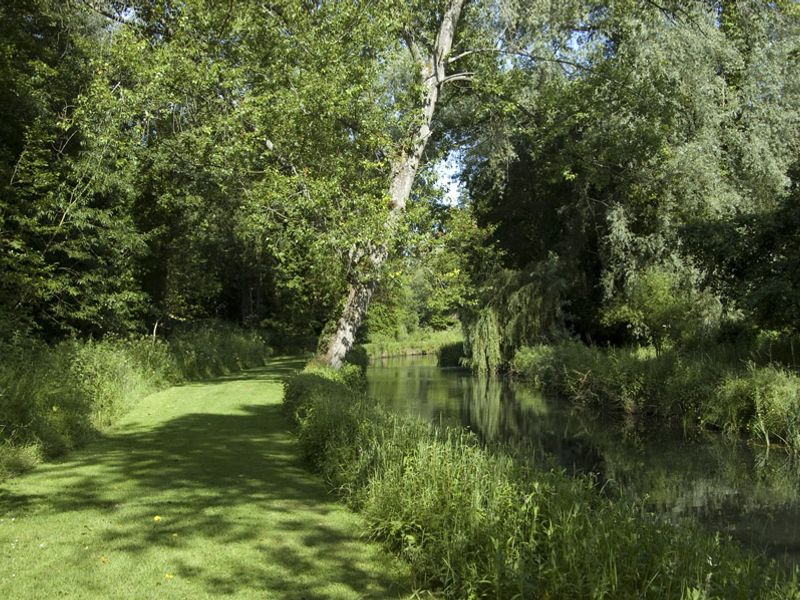
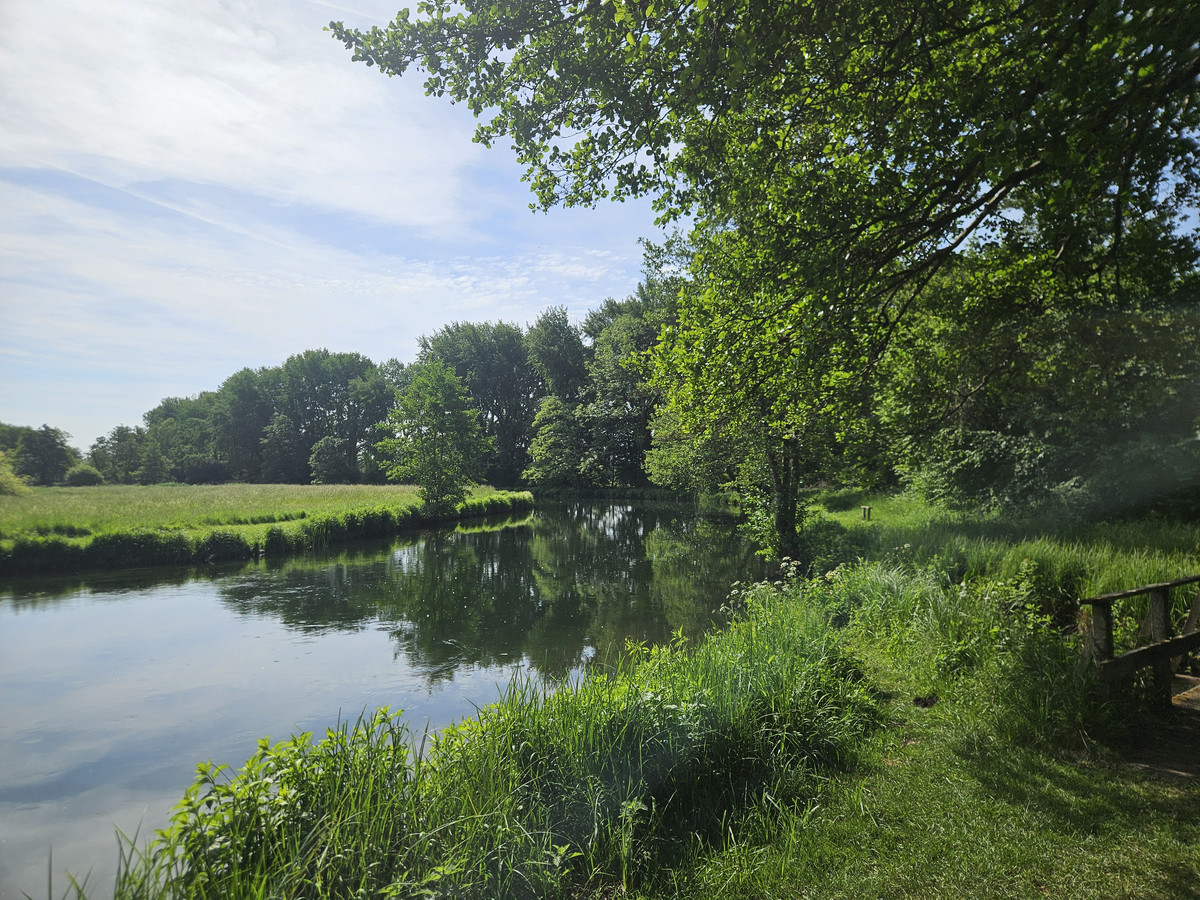
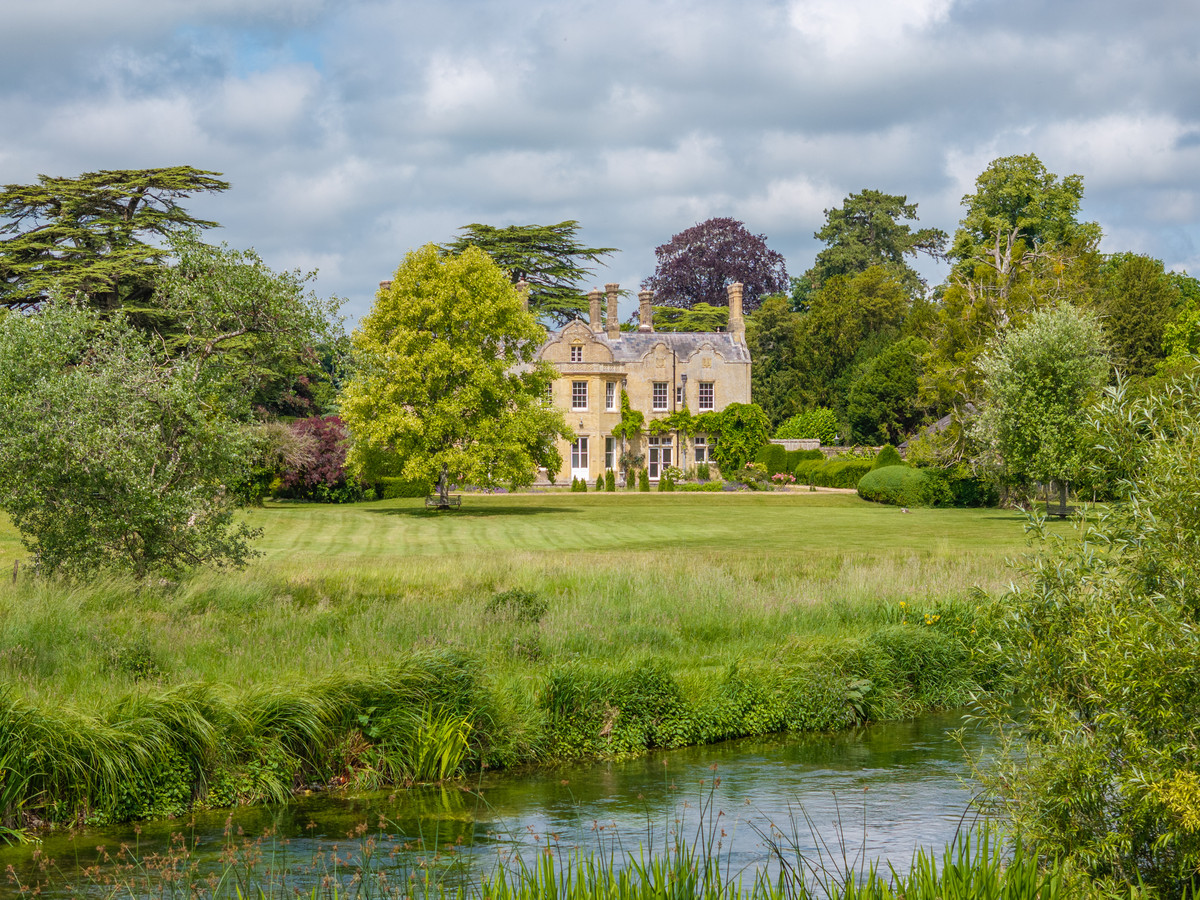
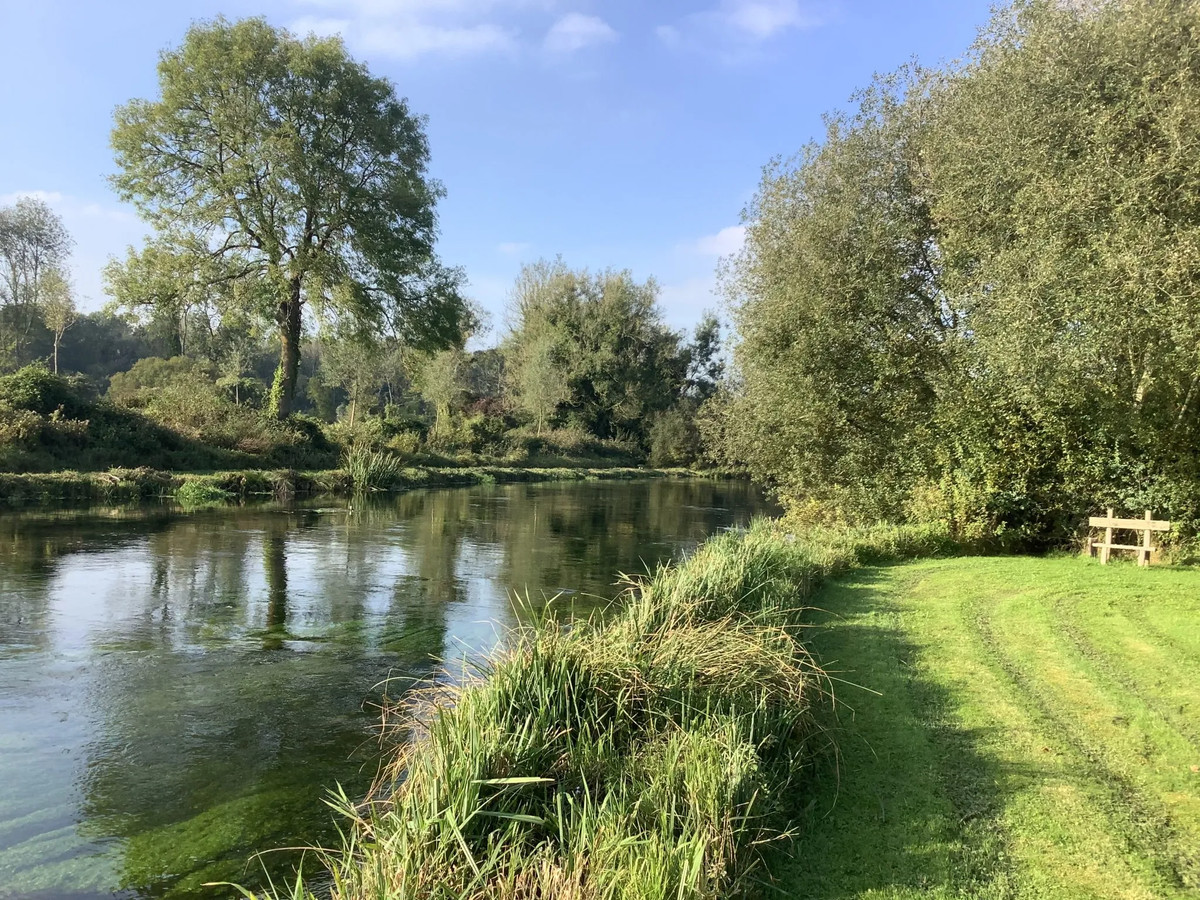
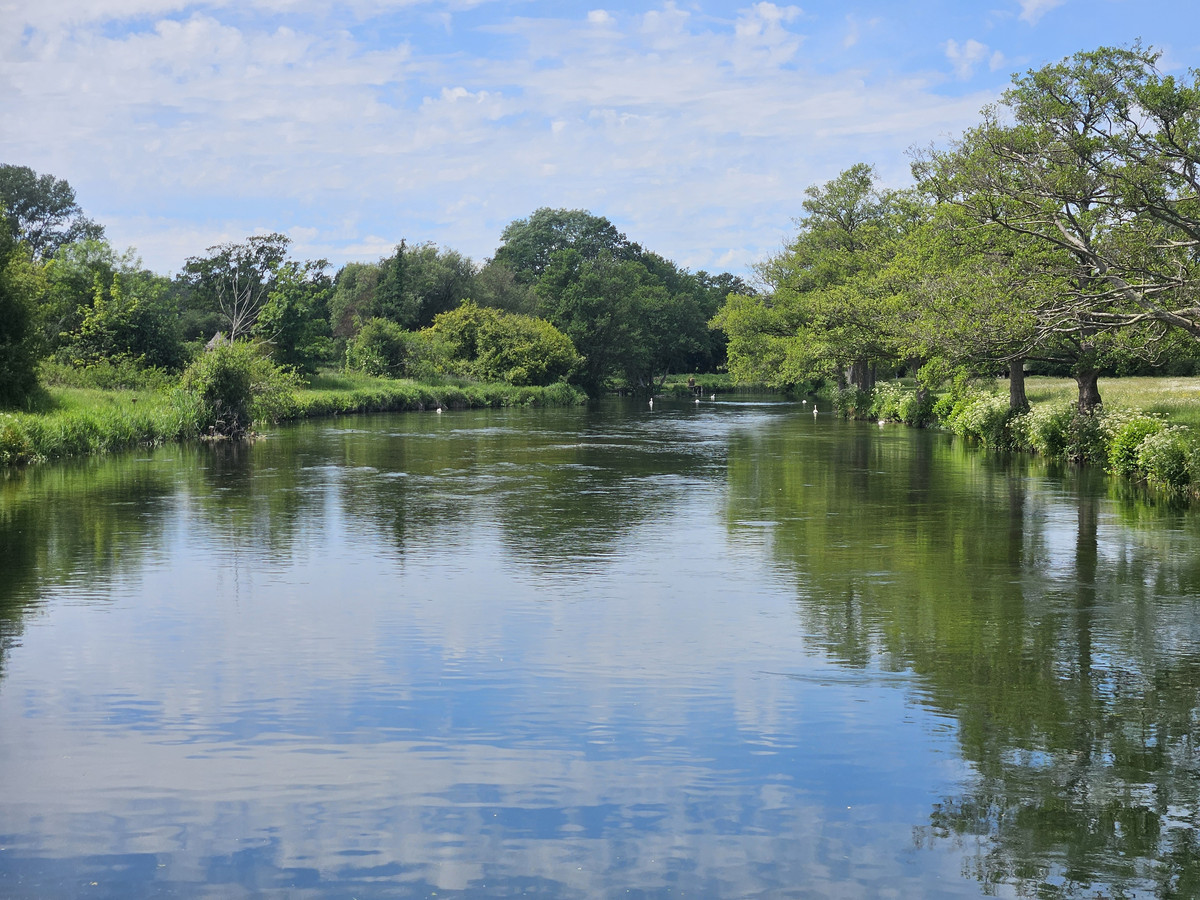
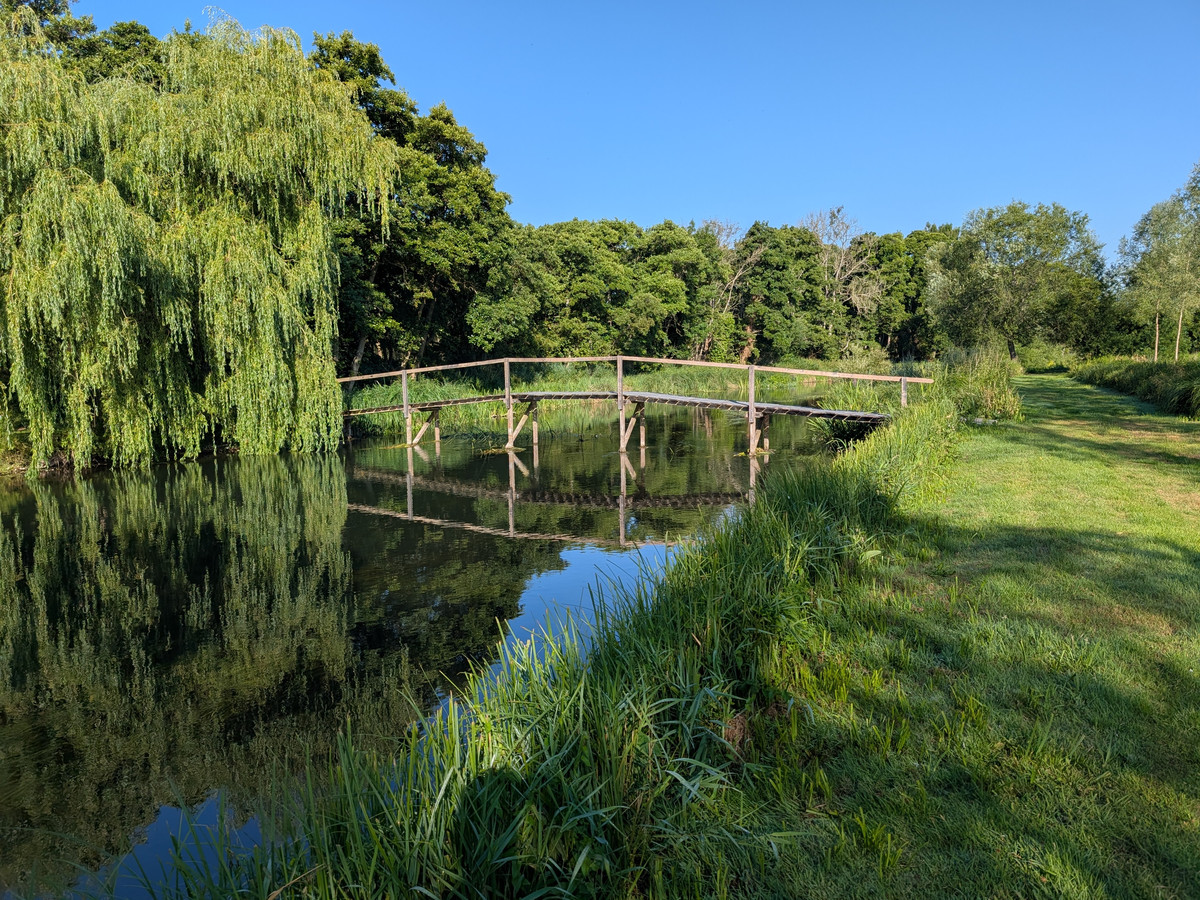
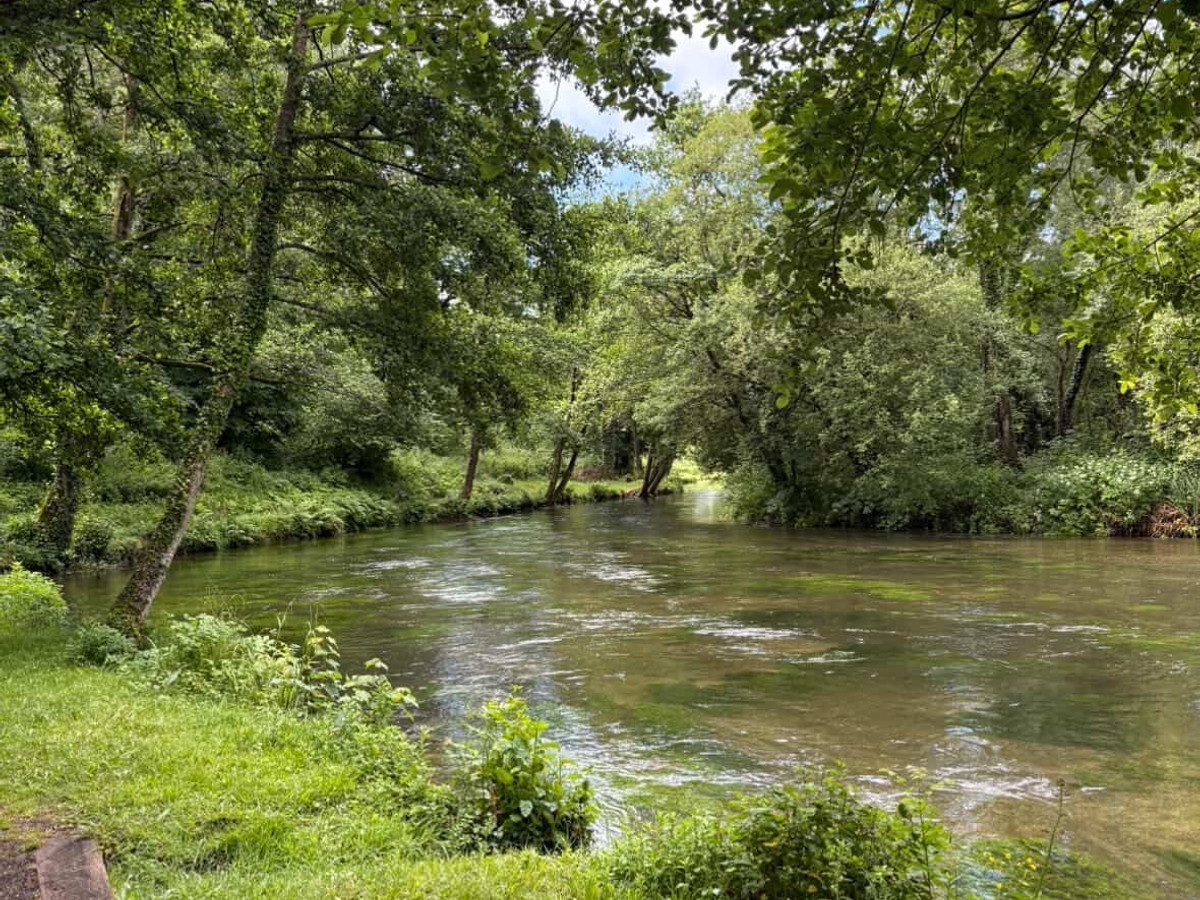
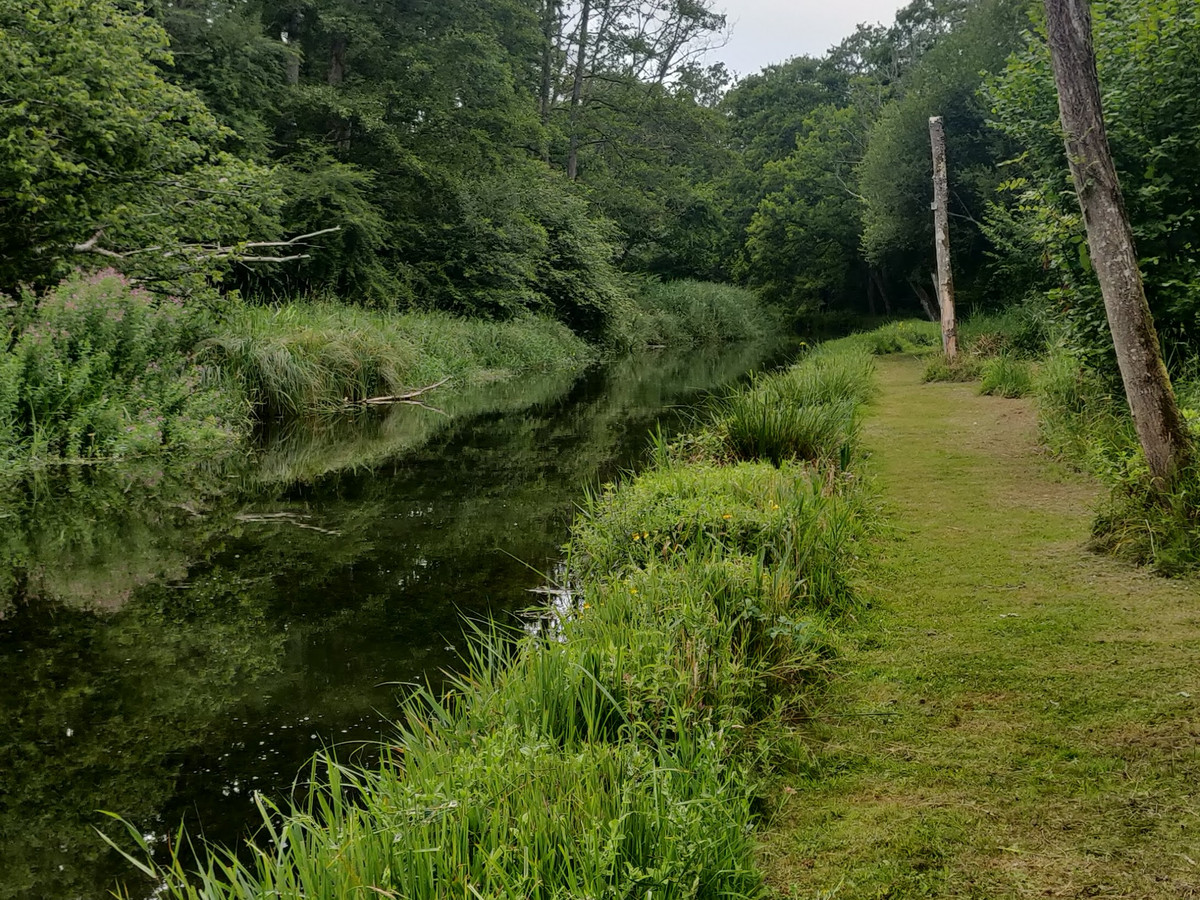
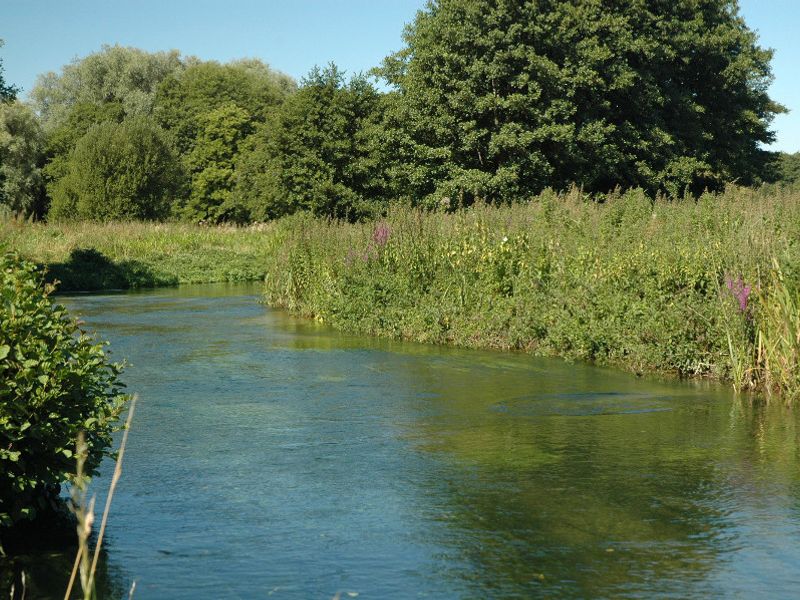
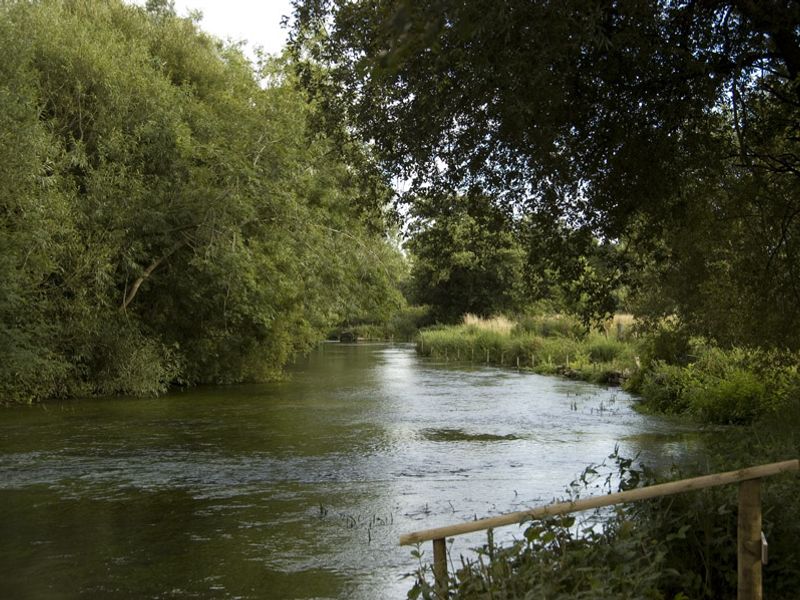
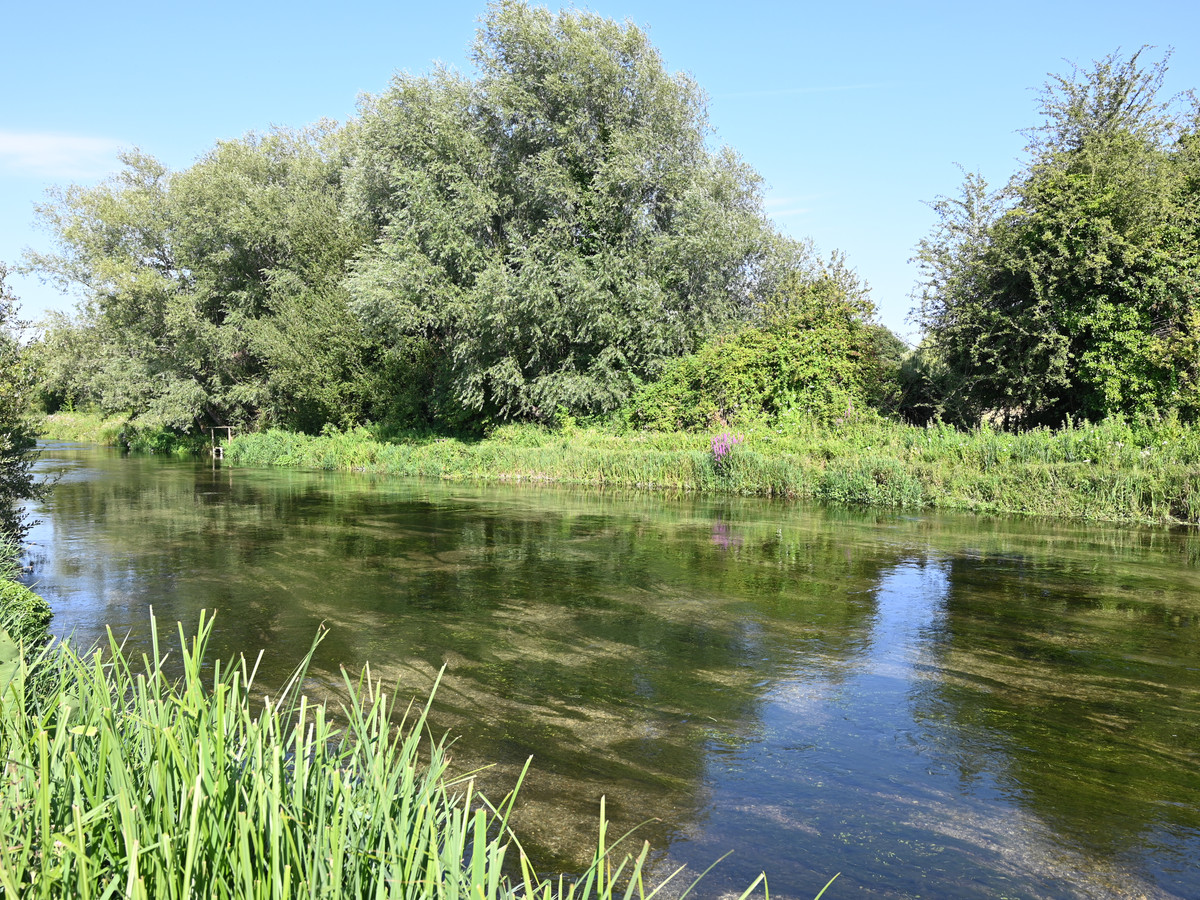
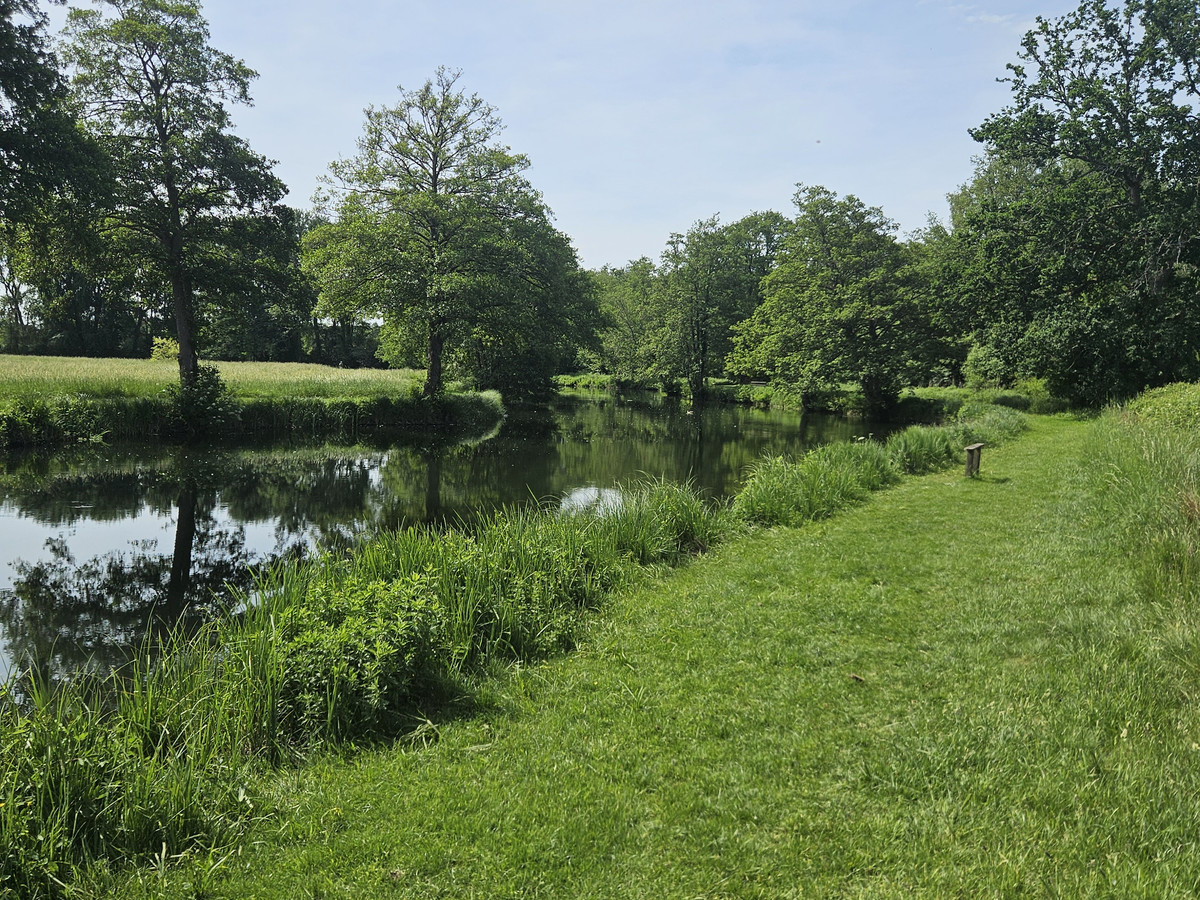
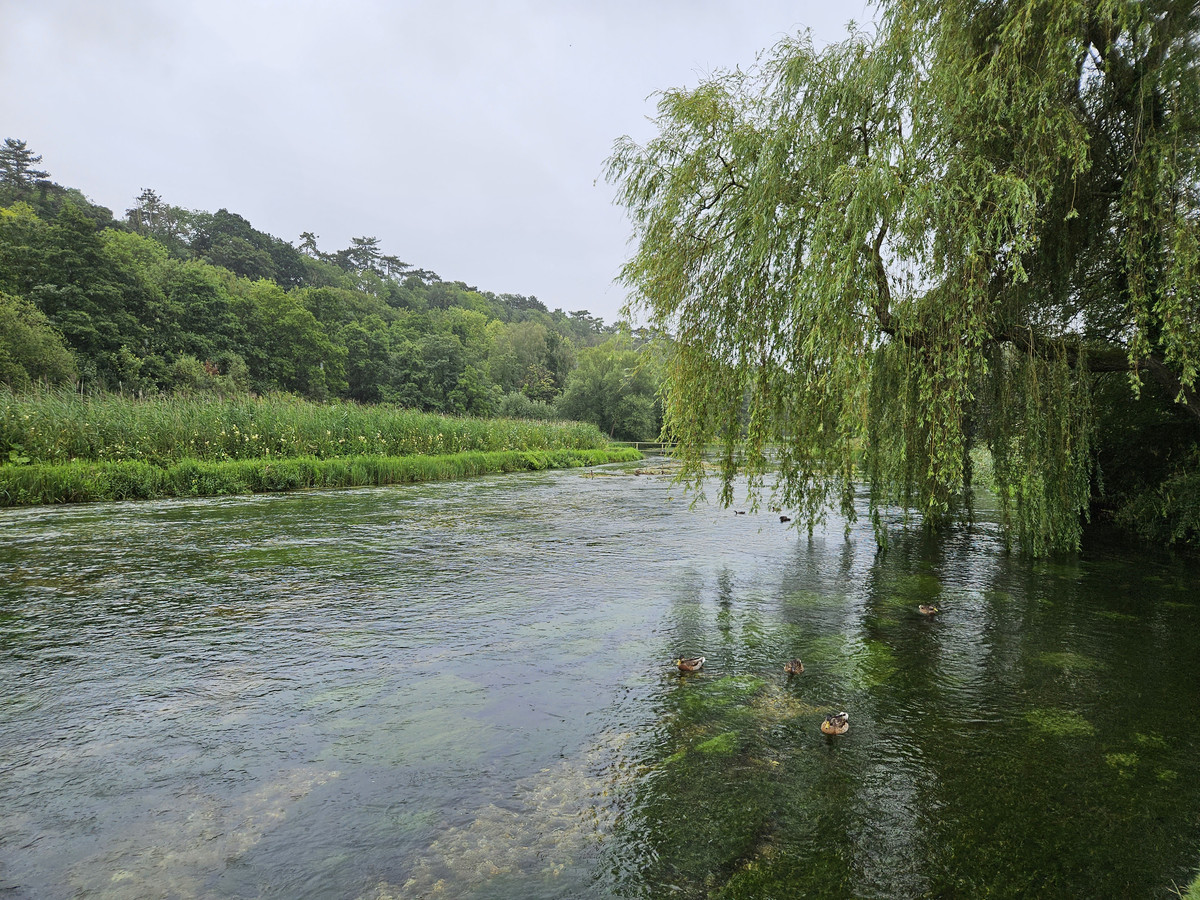
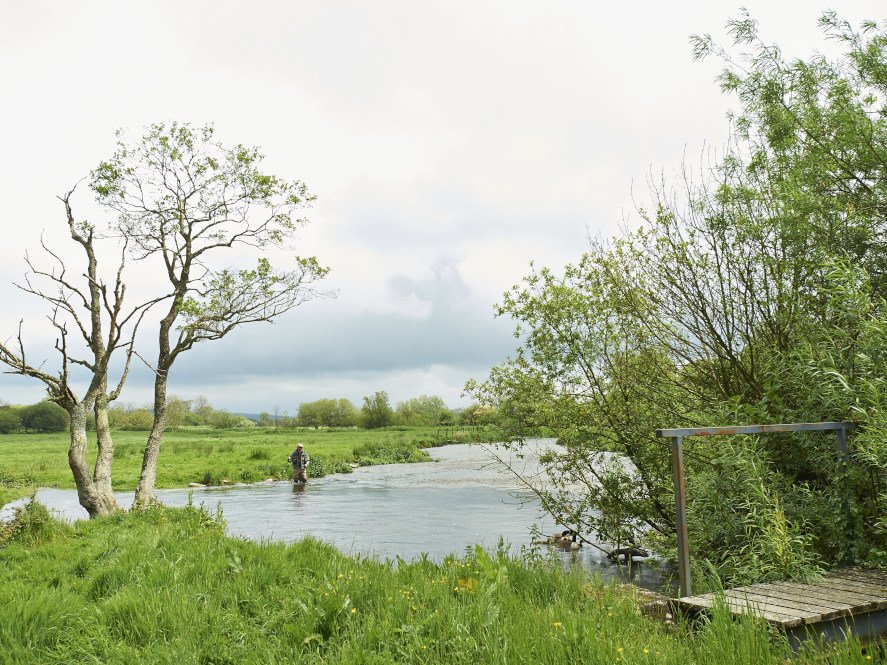
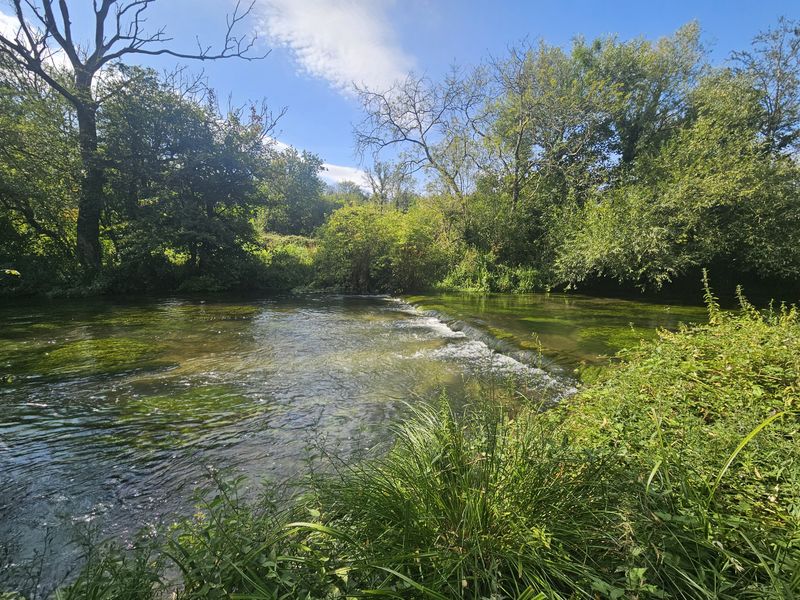
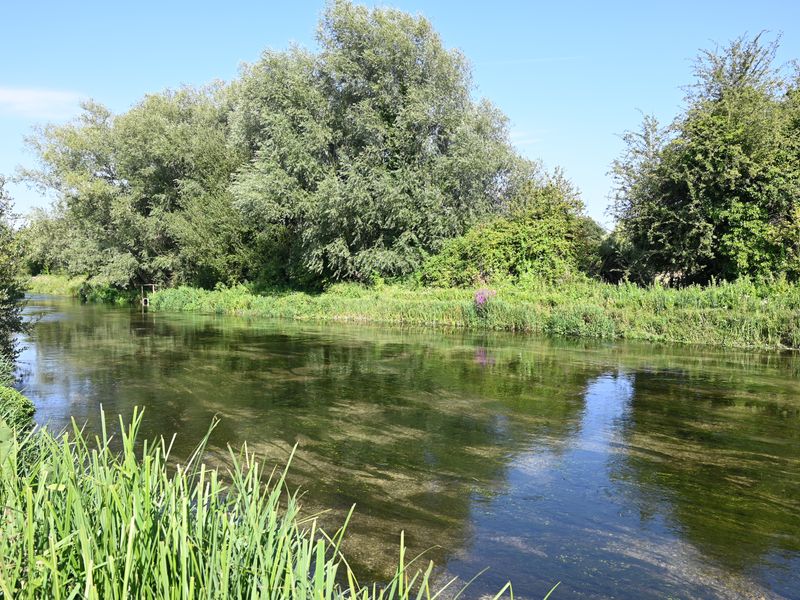
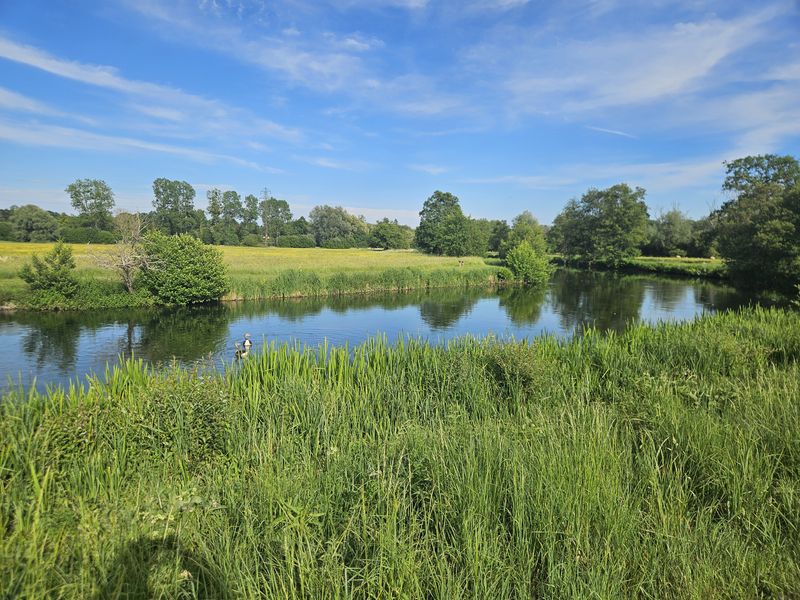
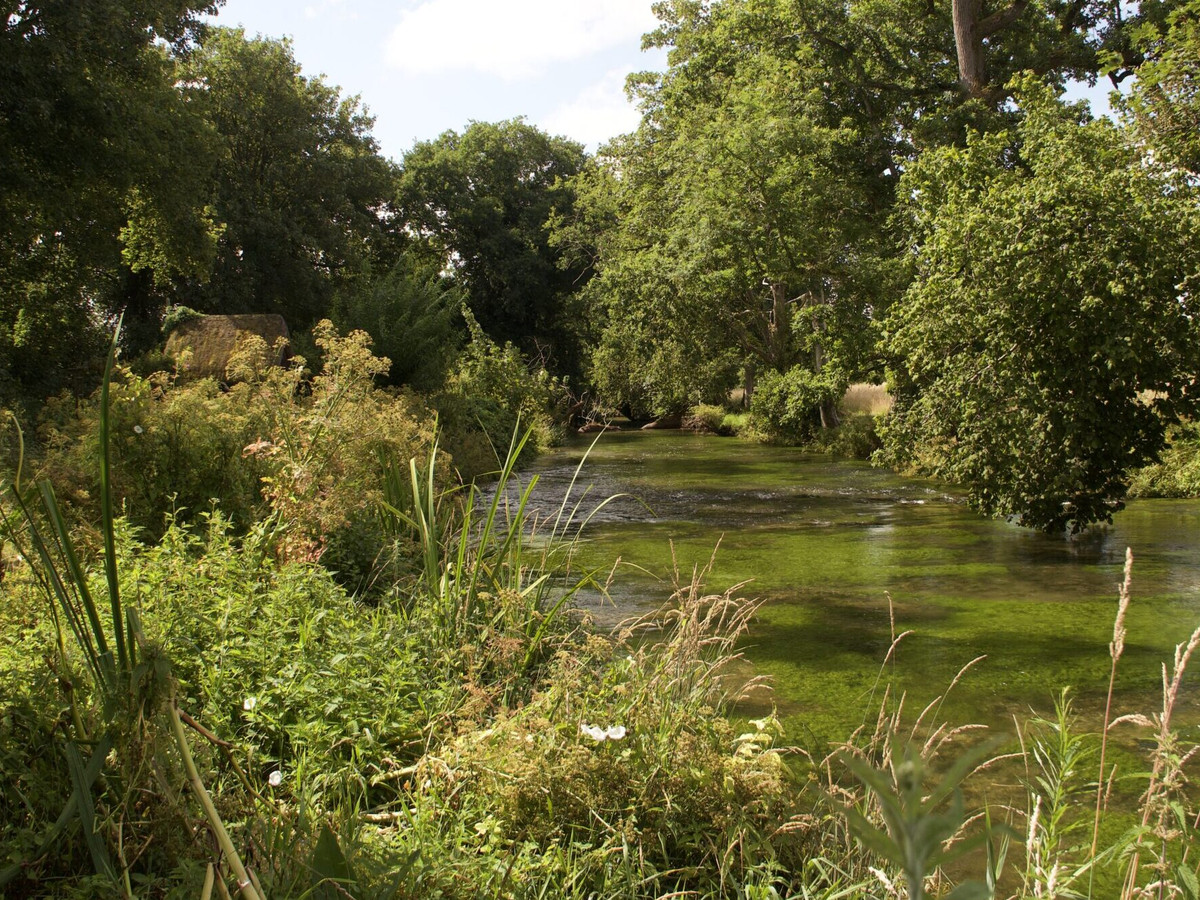
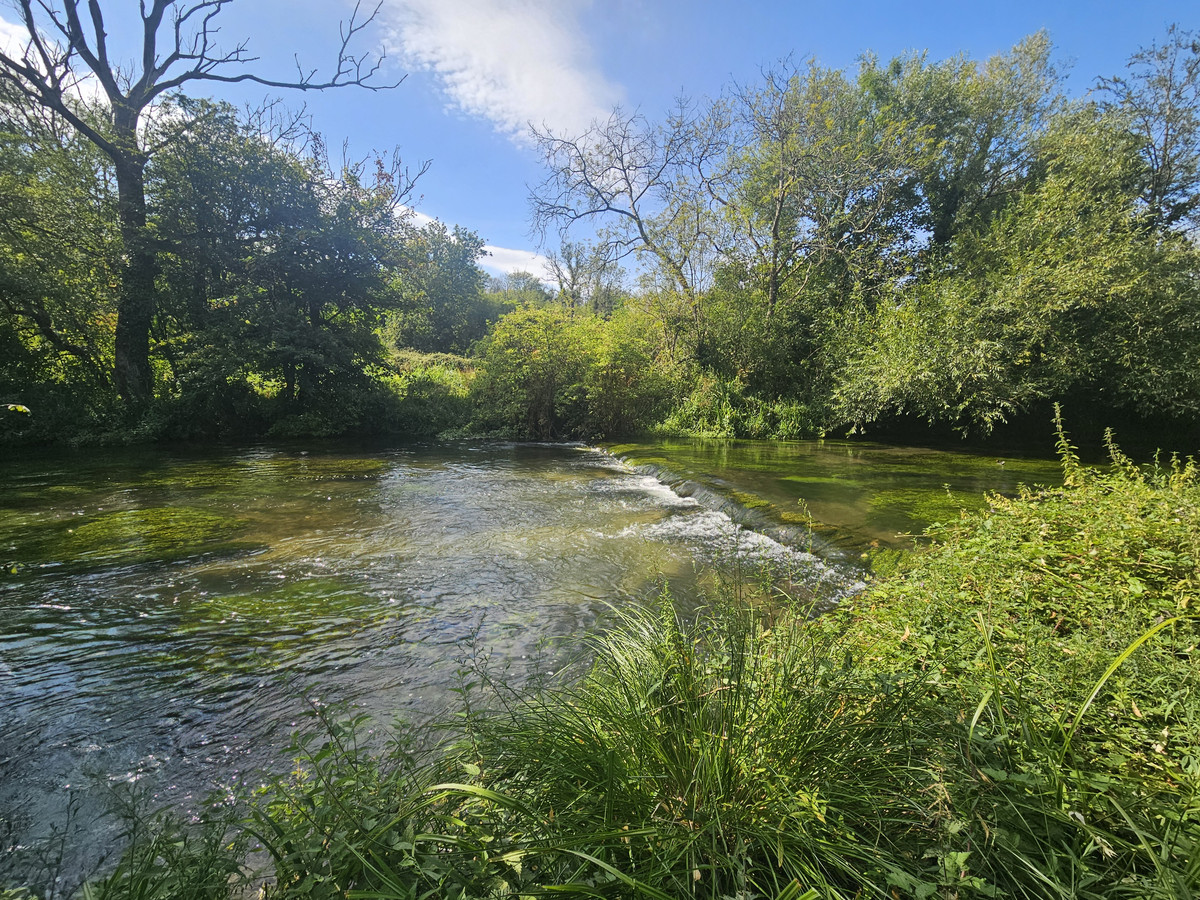
Rising at Ashe, near Overton, the River Test runs for 40 miles through Hampshire, flowing south through Whitchurch, Longparish, and Wherwell before the Rivers Dever and Anton join the main channel near Chilbolton. For much of its length the Test is not one river but an amalgam of main channel, mill leats, carriers, and side streams, with two, three, or even four streams running parallel, all fishable, and it can be difficult to distinguish carrier from main river. The valley broadens through Stockbridge and Houghton before the Wallop Brook and River Dun add their flow near Kimbridge and Romsey, with the Test finally becoming a single channel only south of Romsey, a few miles from the sea. The river is one of only 12 chalk streams classified as a Site of Special Scientific Interest and one of only six that supports Atlantic salmon. It is recognised as being particularly sensitive to phosphate pollution, and conservation work by riparian owners, river keepers, and the Test and Itchen Association remains central to maintaining its ecology.
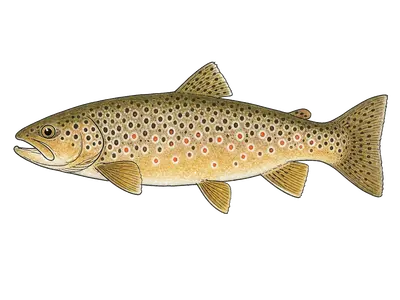
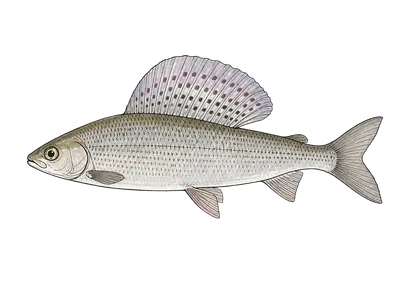
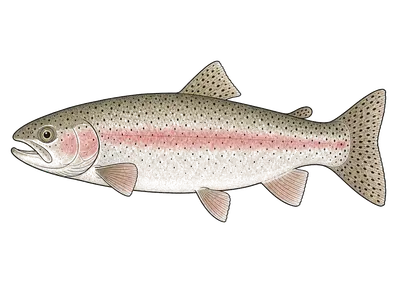
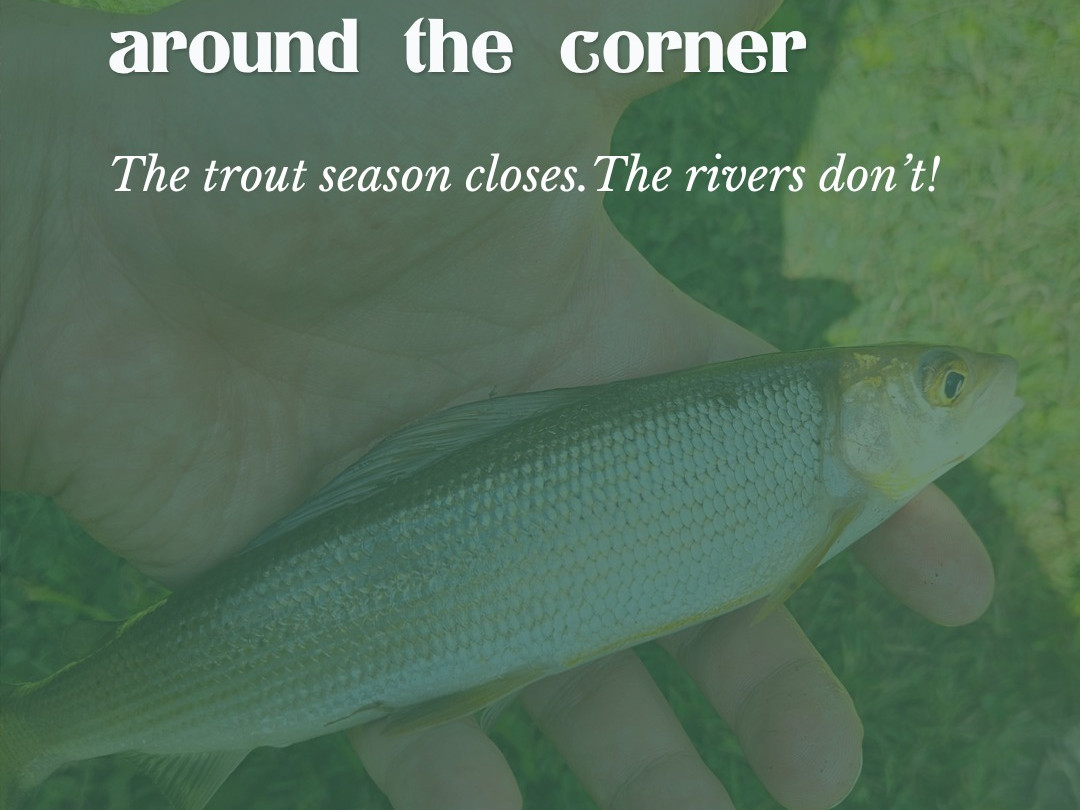
It was on the banks of the River Test that Frederick Halford honed his ground-breaking ideas that effectively invented modern dry fly fishing in the late 1800s. That tradition still defines how most beats are fished: upstream dry fly and nymph, presented to visible, rising fish. The river supports over half a dozen species of stonefly, twenty-two species of mayfly, and nearly forty species of caddis fly, with grannom and hawthorn fly opening the season in spring and the mayfly hatch in late May drawing anglers from across the country. Wild brown trout are the primary quarry through the trout season, with Sea Trout, Atlantic Salmon, Grayling, Brown Trout, Rainbow Trout all present across the valley. The river holds good populations of wild brown trout and grayling alongside stocked fish, and the salmon beats carry genuine holding pools. Grayling provide sport on dry fly and nymph into winter once the trout season closes.
With 55 beats across 9 fisheries listed on FishingBeats, access to the River Test is broader than its private reputation might suggest. Kimbridge Estate offers seven miles of fishable bank managed to maintain a purist upstream dry fly fishery, while the Broadlands Estate extends for two and a half miles divided into dedicated trout beats and salmon beats. The Leckford Estate on the middle Test, north of Stockbridge, has 16 fishing beats open to anglers from May to October. Day tickets, season rods, and syndicate shares are all available across the valley. Day tickets start from £125.
Fish Species
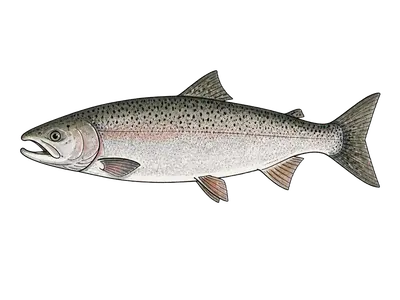
Anglers on the River Test can target sea trout, atlantic salmon, grayling, brown trout and rainbow trout. Brown trout dominate most chalk stream beats; grayling, sea trout, and salmon appear on certain rivers and seasons.
River Details
- Length
- 40 miles
- Source
- Ashe, near Overton
- Mouth
- Southampton Water
- Country
- United Kingdom
- Water Type
- chalk stream
- Website
- Visit website →
Fishing Beats on the River Test
55 beats availableBrowse day tickets, syndicate access, and permit fishing on the River Test. Each beat listing includes pricing, species, and booking details.
Chilbolton Fishing Beat
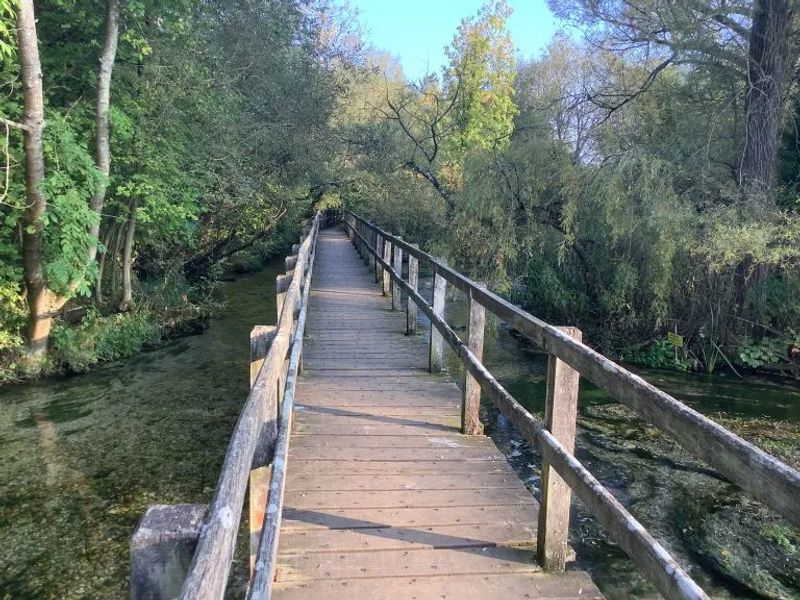
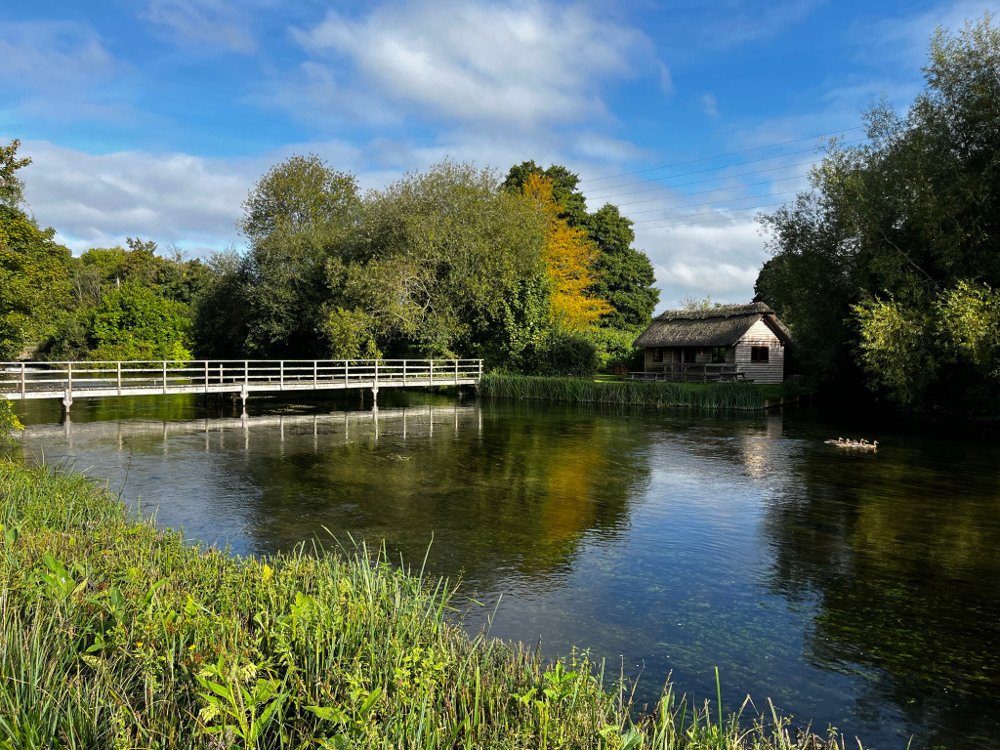
A 280-metre stretch of the main River Test adjacent to Chilbolton Common in Hampshire, this single-bank beat offers one or two rods a private day on one of England's most significant chalk streams. The beat has two mid-stream islands, which break the flow into varied current seams, slacker inside bends, and defined lies that reward careful reading before the first cast. During the winter of 2021, the Wessex Rivers Trust carried out extensive bank improvements resulting in better access and a more sinuous river profile. The beat is reached via an 800-metre walk across the flat, open common and is fished from the left bank only; no wading is permitted. The fishing is for brown trout and grayling on upstream dry fly and nymph only. April brings Large Dark Olive, Grannom Caddis, and Hawthorn to the surface, while mayfly can be expected from mid-May to June — the most productive fortnight of the chalk stream calendar. The latter half of the season is largely dominated by hatches of various caddis flies, with olives and terrestrials filling the gaps through summer. The beat is rated beginner-friendly — open banks and readable water make it a sound introduction to chalk stream technique. All grayling must be returned, as must all trout under 12 inches. The season runs 31 March to 30 October. Day tickets are priced at £175 for a single rod and £330 for two rods during the main trout season; grayling-only days are available at £55. On site there is a rustic fishing hut with tables and chairs, a BBQ, and a selection of wellies and hire tackle, along with a fishing jetty, an outside fishing table, and a composting toilet — everything needed for a full day without leaving the water.

Old Station Beat
Old Station Beat is a restored 450-metre length of main River Test on Bossington Estate, situated immediately below the hallowed Houghton Club water near the village of Houghton in Hampshire. Following an ambitious habitat restoration programme carried out in collaboration with the Environment Agency, the beat was transformed from an over-wide, over-deep channel into a free-flowing chalk stream, and today offers a varied mix of runs, riffles and pools on a single bank. Up to twelve rods can fish the beat across the season, which runs from mid-April to mid-October. The beat is at its best during the Mayfly and offers a plentiful mix of stocked and wild fish throughout the season. Stocked brown trout run from two pounds upwards, with wild trout and the occasional grayling also present. In April, look for Large Dark Olive, Grannom Caddis and Hawthorn on the surface; May brings the first Mayfly hatch of the year alongside other upwings and terrestrials, while June sees Blue-Winged Olive and Medium Olives come through. Dry fly and nymph are the primary methods, and the beat is rated suitable for beginners — a good choice for an angler new to chalk stream fishing who wants to learn the basics of presentation and reading water on the Test. All fishing is catch and release. GAIA- and AAPGAI-qualified instructors are available for one-to-one or group tuition covering fly-fishing fieldcraft and casting, and guided days can also be arranged to accompany you on the river, particularly useful for a novice angler. A good supply of high-quality tackle, clothing, sunglasses and flies is available to hire on the day. Catering runs from picnic hampers supplied by a local deli through to full corporate lunches, with options available through the Estate office. Day rod prices are £328 across all periods of the season.

School Farm
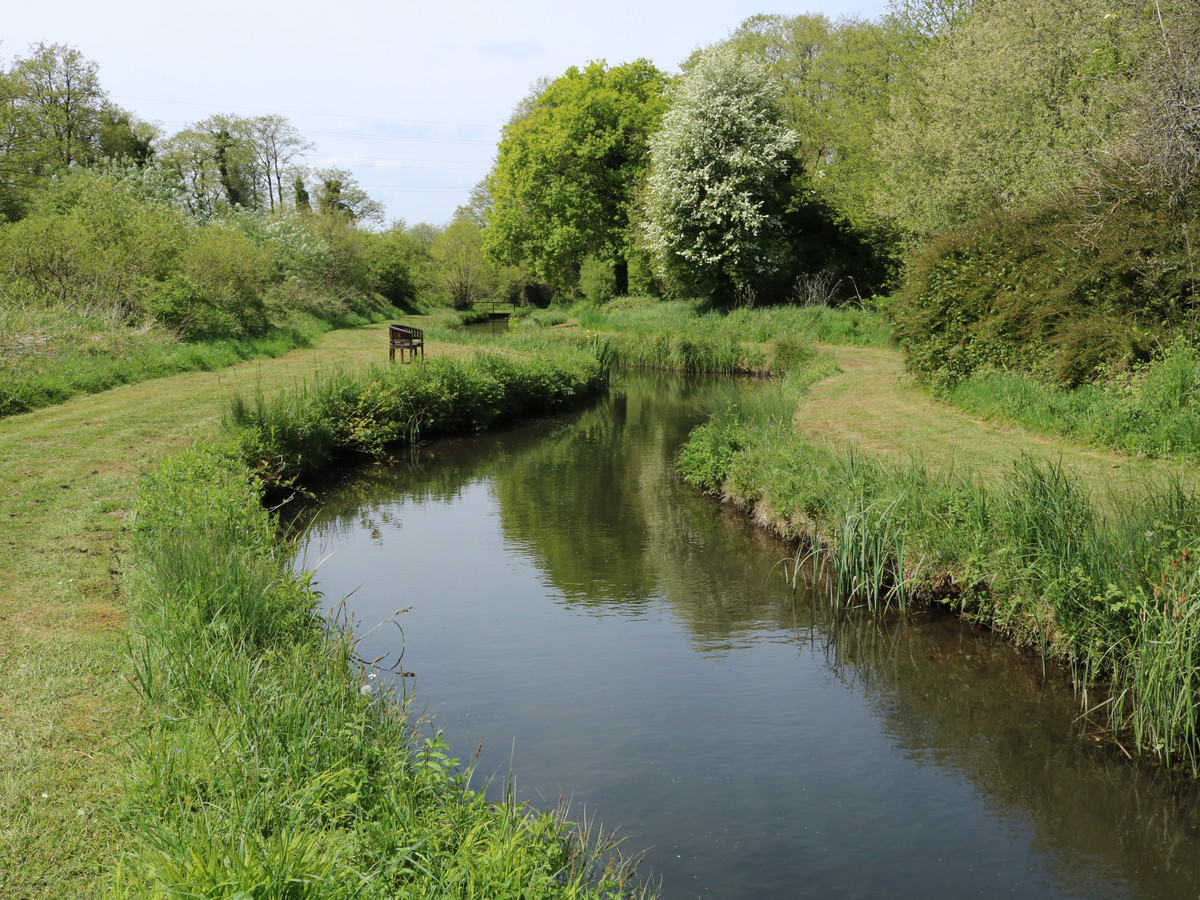
School Farm offers just under half a mile of single-bank fly fishing on a tributary of the River Test in Hampshire — the intimate, carrier-style water that characterises so much of the Test valley, where the river exists as an amalgam of main channel, tributaries, carriers, and side streams. The stream runs clear and steady year-round, as chalk streams fed primarily by aquifers show less seasonal variation in flow rate and temperature than other rivers, giving consistent conditions from the April opening through to the 4 October close. Brown and rainbow trout are both present and the beat is heavily stocked, making it a sound choice for less experienced fly fishers getting to grips with chalk stream technique. Dry fly and nymph are both permitted, and there is plenty of opportunity for each across the season. In April, expect Large Dark Olive, Grannom Caddis, and Hawthorn on the water. May brings the first mayfly hatch of the year alongside other up-wings and terrestrials, while June sees Blue-Winged Olive and Medium Olives coming through. The mayfly window — priced at £559 per rod — is the most sought-after period on any Test water. On bright summer days, nymph fishing comes into its own when nothing is visibly rising. Early season rods are available from £308 and summer days from £388. The beat accommodates two to three rods, keeping the water uncrowded. A fishing cabin, WC, and car parking are all on site, so a full day's fishing needs no additional logistics. A 9-ft rod for a 4- or 5-weight line suits the intimate scale of tributary water well. A valid EA rod licence is required before fishing.

Timsbury 5
Timsbury 5 sits on the middle and lower Test, between the towns of Romsey and Stockbridge in Hampshire. The beat covers just over half a mile of single-bank main river chalk stream, with a medium flow speed and a mix of shallow and very deep sections that give anglers a genuine variety of water to read and work through in a day. Set a few kilometres below the Kimbridge beat, the river here is noticeably wider and significantly deeper in places, with fish holding in heavy weed that obscures the bottom in the deeper runs. The primary quarry is brown trout, stocked with fish carefully selected locally from River Test stock. The fishery stocks both rainbow and brown trout, with rainbows averaging around 3 lb, and the long-term average sits at three fish caught per rod per day. In the latter part of the season salmon regularly roll in the deeper pools, and there is always a chance of sea trout. The season runs from 30 April to 29 September, with fly-only rules throughout: upstream dry fly and nymph are the methods. The beat carries a good mayfly population, and large numbers of caddis flies hatch through late summer, making it worth carrying sedge patterns from July onwards alongside your standard olive and mayfly imitations. Up to five rods share the water, rated as explorer level and suited to anglers still building their chalk stream experience. Banks are regularly mown and strimmed, and weed cutting takes place through summer, keeping casting lanes open. A fishing hut is on the beat. Day-rod pricing runs at £245 in the main season and £180 in the late season.

Wallop Brook
Two miles of double-bank chalk stream running from its confluence with the River Test up to the village of Broughton, the Wallop Brook is a Hampshire tributary of the middle Test managed by Bossington Estate Fly Fishery, near Houghton. The beat divides into two distinct sections: the lower part flows through riparian woodland, while the upstream reach opens out across traditional ridge and furrow water meadows. The brook is narrow and intimate — a different proposition to the manicured main-river beats — and fishes like any true chalk stream, rewarding patience and stealth. The Wallop Brook is wild trout fishing with no stocking and all catch and release. Good olive hatches occur most days, and the trout, while willing to look up, sit deep and take the dry fly quickly — be prepared to miss a few. April brings Large Dark Olive, Grannom Caddis and Hawthorn, while May sees the first mayfly hatch of the year alongside other upwings — the mayfly period carries a £398 day rod rate, reflecting the quality of sport on offer. June brings Blue-Winged Olive and Medium Olives, with the season running through to 31 August. The wooded lower section demands a compact casting stroke and a careful approach; a short brook rod in the 7–8 ft range suits the tighter lies. Up to 12 rods fish the brook at £328 per rod for most of the season. GAIA and AAPGAI-qualified instructors are available for one-to-one or group tuition covering fly-fishing fieldcraft and casting, making this a practical option for anglers new to wild-fish chalk stream technique. A good supply of high-quality tackle, clothing, sunglasses and flies is available to hire, and the beat has a fishing hut and toilet facilities on site. Catering and picnic hampers can be arranged, and the estate regularly hosts corporate days with full catering.

Ginger Beer
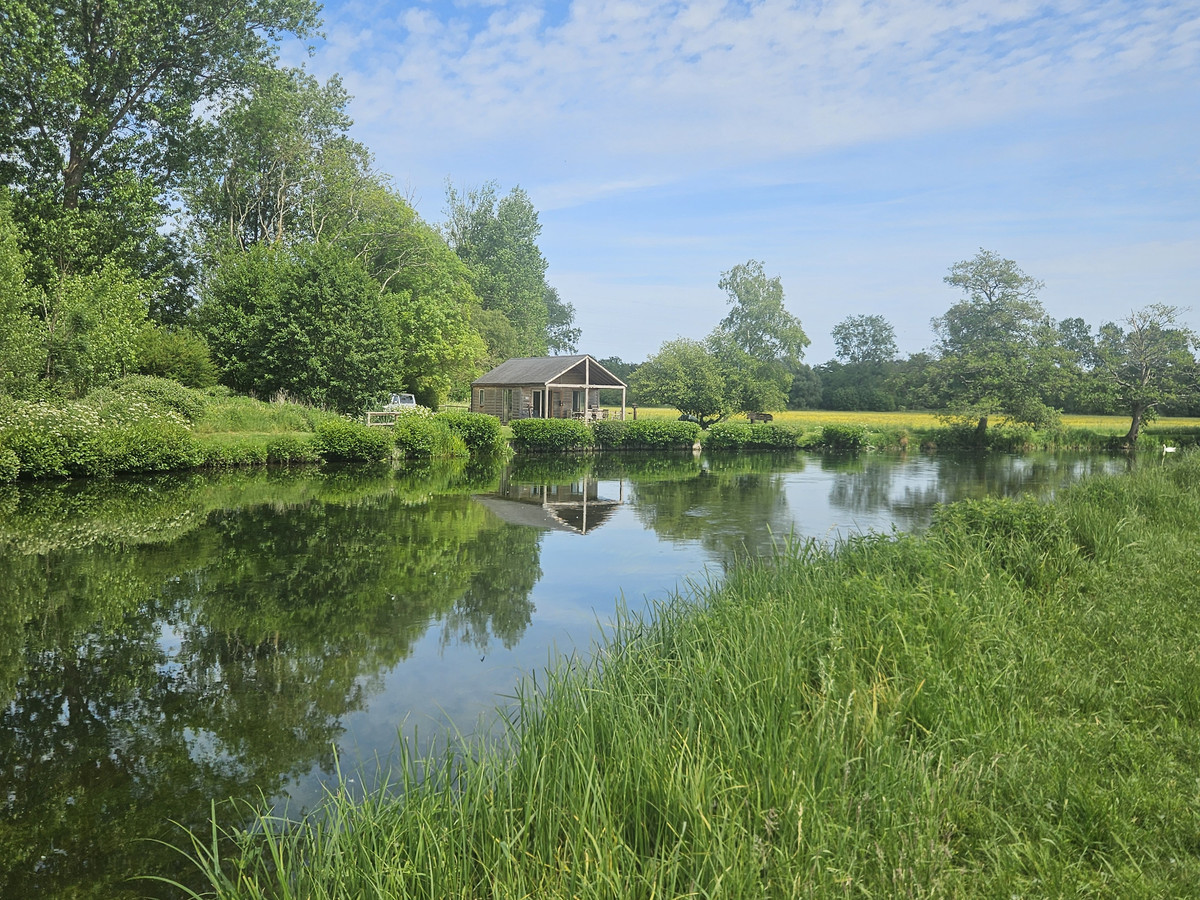
Sitting on the middle River Test at Kimbridge, Hampshire — between the towns of Romsey and Stockbridge — Ginger Beer is a third of a mile of single-bank chalk stream fishing on one of England's most historically significant rivers. The beat opens with a deep hatch pool at its head before becoming significantly shallower downstream, and away from that upper pool the river bed is clearly visible, along with the fish holding above it. The Test's high alkalinity and clarity, combined with rich aquatic insect and shrimp life, sustain a flourishing ecosystem that keeps fish in condition and feeding throughout the season. The beat holds brown trout, rainbow trout, and grayling, all heavily stocked, making it well suited to anglers new to chalk stream fishing. Fishing for trout is restricted to dry fly or nymph, presented upstream only. April sees hatches of Large Dark Olive, Grannom Caddis, and Hawthorn, with the mayfly running from mid-May through to early June. June brings Blue-Winged Olive and Medium Olives, while the grayling season extends the fishing well into autumn and winter. The season runs 2 April to 13 December, with day rod prices of £250 in the main season, £300 during the mayfly window, and £95 for grayling-only days. Up to four rods can book the beat exclusively. All fishing is catch and release. A thatched fishing hut with a well-tended lawn sits right on the water, with toilet facilities on site. A 9-ft, 4- or 5-weight rod covers most situations; carry a selection of upstream nymphs alongside your dry fly box for brighter days when fish are reluctant to rise to the surface.
Fisheries on the River Test
9 fisheries availableFishery operators offering bookable access on the River Test. Each listing covers tickets, accommodation, tuition, and equipment hire where available.
River Test
Bossington Estate
Sitting on the middle River Test, south of Houghton near Stockbridge, Bossington Estate lies in a catchment well known as the birthplace of dry fly fishing — it was on the banks of the River Test that Frederick Halford honed the ground-breaking thoughts that effectively invented modern dry fly fishing in the late 1800s. The fishery offers seven beats across the estate: six on the main river — Rushams, Home, Old Stews, Home Stream, House, and Old Station — plus two miles of the Wallop Brook, a lively tributary of the Test. The river beats each have their own individuality, with deep pools, riffled water and gravel beds, while the Wallop Brook fishes like a true chalk stream, rewarding patience and stealth. The iconic Home Beat is the most famous of all Bossington beats, where a Victorian thatched fishing hut offers magnificent views downstream. Every beat has its own fishing hut, and a secluded self-catering hut serves Horsebridge Lake, a spring-fed still water stocked with rainbow trout. Day tickets are available on all beats, and the estate provides GAIA and AAPGAI-qualified instructors for one-to-one or group tuition covering fly-fishing fieldcraft and casting. Equipment hire covers rods, tackle, clothing and flies, and corporate days with full catering and picnic hampers can be arranged through the estate office.

River Test
Chilbolton Fishery
A private, secluded 280-metre stretch of the main River Test, Chilbolton Fishery sits beside Chilbolton Cow Common in the Test Valley, Hampshire, at the point where the rivers Dever and Anton join the Test. This family-owned fishery is not run as a commercial enterprise; the ethos is to enjoy a day on the River Test with the knowledge that when you book, you have the whole place to yourself. The single beat has two islands, a comfortable rustic fishing hut, and numerous seats and jetties. During the winter of 2021, the Wessex River Trust carried out extensive bank improvements resulting in better access and a more sinuous river profile. Anglers fish for brown trout and grayling under a strict upstream dry fly and nymph-only rule, with no wading permitted. The beat offers variation — slower stretches suited to dry fly work and faster runs ideal for nymphing. Day tickets are available, and a selection of tackle is available to hire on site. All grayling must be returned, trout under 12 inches returned, and the brown trout limit is five fish per day. For visiting fly fishers who want a quiet, unpressured day on a genuine Hampshire chalk stream, Chilbolton Fishing delivers exactly that.

Fed by the River Test
Kimbridge Meadow Fishery
Kimbridge Meadow Fishery sits on the middle River Test in Hampshire, between Romsey and Stockbridge, on a man-made fishery created in the early 1980s, when water from the main River Test was diverted through water meadows and woodland. The fishery is split into four named carrier beats — Cottage Stream, Garden Stream, Alder Stream, and Woodland Stream — with a day ticket giving access to all four. A total of 2.17 miles of riverbank can be fished, and most of the fishing is double bank, with Cottage Stream the only single-bank beat. The fishery operates as a purist upstream dry fly venue; upstream nymphing is permitted from 1 August. The clear water, steady flow, and high levels of dissolved minerals create a unique ecosystem that sustains an abundance of invertebrates, making sight fishing for brown trout the primary draw. The season runs from 1 May to 12 October, with a maximum of four individual rods on any day, or up to six for an exclusive group booking. Day tickets and equipment hire are available, and the fishery is well equipped with a fishing hut, riverside benches, a picnic area, a BBQ area and toilet facilities.

River Test
Timsbury Fishery
Located on the middle reaches of the world-famous River Test, perfectly situated between Romsey and Stockbridge, Timsbury Fishery offers a truly historic chalk stream fly fishing experience. Spanning over three miles of meticulously maintained water, the fishery is divided into four exclusive two-rod beats. Each beat provides a captivating variety of fishing, incorporating stretches of both the wide, glassy main river and the intimate, challenging carrier streams. Managed primarily as a highly sought-after syndicate, Timsbury also accommodates select day ticket rods and guided experiences. Anglers are treated to classic upstream dry fly and nymph fishing for exceptional wild brown trout, complemented by a careful stocking of premium rainbow and brown trout. During the winter months, the fishery transforms into a highly regarded destination for specimen grayling and quality coarse fishing. Beyond the water, Timsbury delivers a superb level of comfort and hospitality. At the heart of the estate sits a fully equipped, modern fishing lodge featuring a kitchen, secure rod room, and a spacious patio overlooking the main river—perfect for relaxing with fellow rods. With additional huts stationed strategically across the beats, Timsbury Fishery provides a complete, premium sporting day on the legendary River Test.
River Test
Leckford Estate Fishing
Sitting on the middle River Test, north of Stockbridge, Leckford Estate Fishing is managed as part of the John Lewis Partnership and offers one of the most accessible stretches of Hampshire chalk stream fly fishing available on day ticket. Eleven miles of the River Test are covered across nine bookable beats, with both single and double bank options and clear, nutrient-rich water holding brown trout, rainbow trout, and grayling. The Test at this point is not a single channel — carriers, side streams, and the main river run in parallel, giving each beat its own character, from carrier-focused beats with shorter main river sections to double-bank main river with shallow glides deepening into holding pools. A team of full-time riverkeepers maintains the fishery, which sits within the Test Valley SSSI, surrounded by water meadows and reed beds. Visiting anglers can book day tickets or membership, and the estate supports beginners and improvers with tuition and beginners' courses on the lakes. Two stillwater options — Testside Lakes and Longstock Park Lake — round out the offer, with fishing lodges at each. Equipment hire, ghillie services, accommodation, and corporate packages are also available, making Leckford Estate a practical base for a full chalk stream trip in Hampshire.
River Test
Wherwell Estate Fishing
Wherwell Estate Fishing sits on the upper River Test in Hampshire, within northwest Hampshire's rolling chalkland, owned and cared for by the same family for over 100 years. The fishery covers around three miles of river across open water meadows, with beats typically comprising carrier streams alongside tree-lined pools and gravel runs. Seven numbered beats are available — Beats Nine, Ten and Eleven fish the main river, while Beats Three, Four, Five and Seven cover the smaller carriers. Located on the upper Test, the river width is manageable for casting, with the majority of fishing done by overhead cast. The river holds good populations of wild brown trout and grayling alongside stocked fish. Trout fishing runs from the start of May through mid-October, with grayling fishing from mid-October through to mid-March. Day tickets and membership are both available. Each beat has its own fishing hut, suitable for a group to take lunch, and the estate also provides a lakeside fishing hut with a kitchen, catch returns folders, and electronic gates. A secluded lake stocked with rainbow trout accommodates up to six rods per day and is open for year-round booking, offering an alternative for groups or families alongside the river beats.
River Test
Houghton Lodge
Houghton Lodge is a historic fishing lodge set above the River Test near Stockbridge in Hampshire, offering day-ticket fly fishing on two beats. The Lower Beat covers approximately 350 yards of the main river, while the Upper Beat runs for around two thirds of a mile along a main carrier of the Test. Fishing is from the true right-hand bank. Both beats have a fishing hut for anglers' use. The Upper Beat is stocked with brown trout from local fisheries, and this area of the Test also holds a good head of wild brown trout and good-sized grayling. The water is stocked with brown trout, and the estate encourages catch-and-release, asking all rods to fish with barbless hooks. The clear water, steady flow, and high levels of dissolved minerals create a unique ecosystem that sustains an abundance of invertebrates, making the Test a prime location for dry fly fishing.
River Test
Broadlands Estates Fishing
Sitting on the lower River Test just downstream from Romsey, Broadlands Estates Fishing offers one of Hampshire's most varied chalk stream experiences. The estate carries 4.5 kilometres of the River Test, divided into six beats — three focused on trout and three on salmon, including Moorcourt, Grove, Rookery & Lord Louis, Tanyard's, Lee Park and Longbridge. This is a wide, fast and open section of river, with lovely pools and long riffles, some broken up by islands, giving each beat a distinct character. The river holds good populations of wild brown trout and grayling alongside stocked trout, and the salmon beats offer well-defined holding pools and taking spots. Trout fishing runs from 3rd April to 15th October, with upstream dry fly and nymph only. The estate is blessed with big mayfly hatches each season, and being lower in the valley, the hatch typically arrives a little earlier — usually from the first weeks of May through to mid to late May. In winter, grayling and pike fly fishing are also available. Day tickets, membership and tuition are on offer, with fishing huts, a lodge, parking and toilet facilities on site. The Nissen Hut, a well-known retreat for Broadlands anglers, is lined with photographs and trophies from decades of notable visits. Ghillying can also be arranged with the riverkeeper.
River Test
Testcombe Beat
Sitting on the River Test between the Mayfly Pub bridge and the village of Chilbolton, Testcombe Beat is a well-established fly fishing fishery in Hampshire offering three named beats — the Upper Beat, the Home Beat, and the Lower Beat. The fishery covers approximately 900 yards of main river and around 1,000 yards of carrier streams, giving anglers a genuine variety of water to work through in a single day. The chalk stream fishing suits all abilities, with the wide main river and more intimate carriers offering deep holes, overhangs, and shallow glides — the kind of mixed character that rewards both methodical dry fly presentation and careful nymph work. Native brown trout are the primary quarry from April through to the end of October, with the annual mayfly hatch drawing particular attention during that period. Day tickets, guided lessons, and equipment hire are all available, making Testcombe a practical choice for first-timers and returning chalk stream anglers alike. The Grade II listed fishing hut, built in 1888, serves as the day's headquarters and also functions as a venue for exclusive private events.
FAQ
River Test FAQs
Common questions about fishing the River Test, from day tickets and seasons to what to expect on the bank.
01Can I fish the River Test?
02How much does it cost to fish the River Test?
03When is the fishing season on the River Test?
04What fish can I catch in the River Test?
05Do I need a licence to fish the River Test?
Articles about the River Test

Guides
Where to find affordable chalk stream fishing
A mayfly day on the middle Test earns its price. But the same clear water, the same insects, and the same quality of fish are available for well under £100 on the smaller rivers, at the season edges.

Guides
Affordable fishing on the River Test
The Test is the river people picture when they picture expensive chalk stream fishing. At the top end, that picture is fair. But nine beats on the river itself carry a trout-season day rate below £200

Locations
Dog-friendly fishing beats on the River Test
Not every chalk stream beat welcomes dogs. On the River Test, 28+ do - from the upper chalk reaches at Whitchurch to the lower beats at Broadlands. Here's what's available.