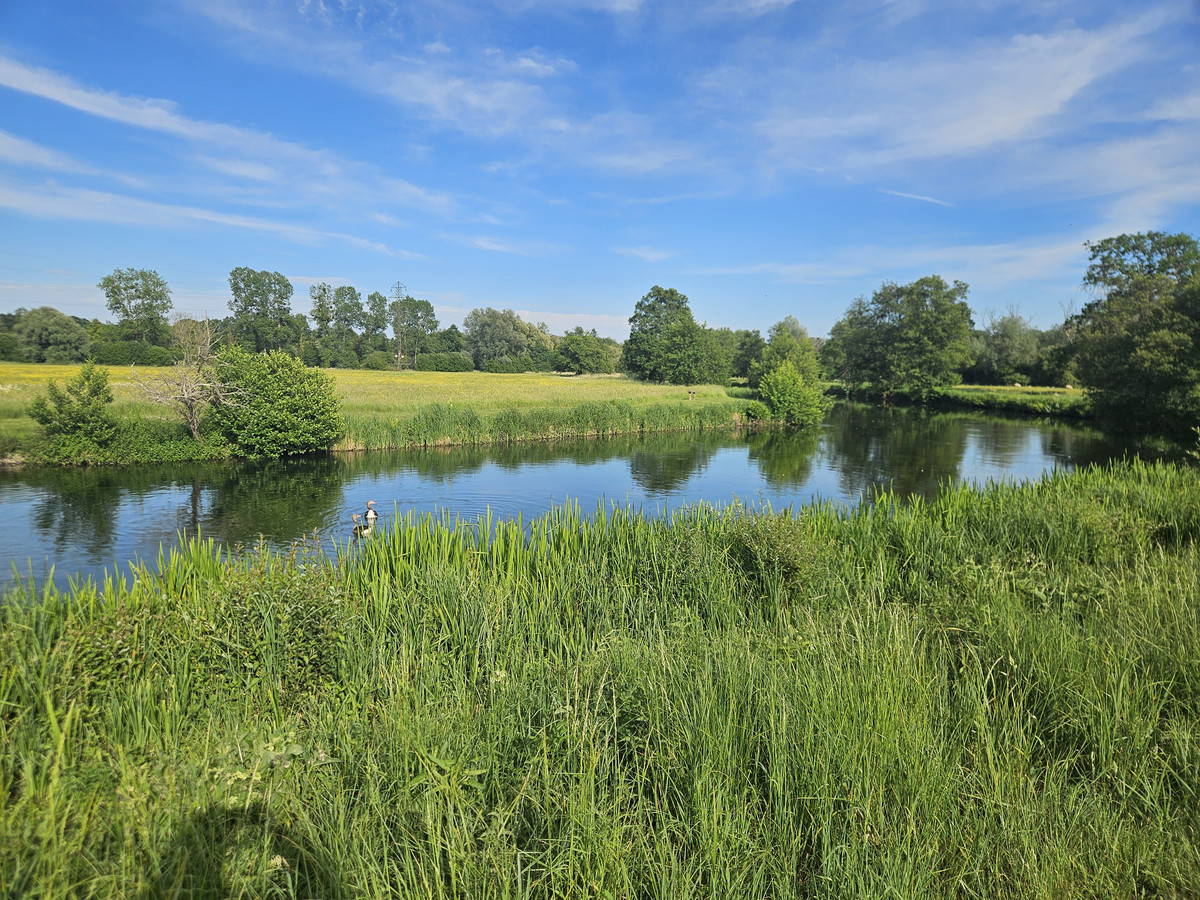
Fly Fishing in Hampshire
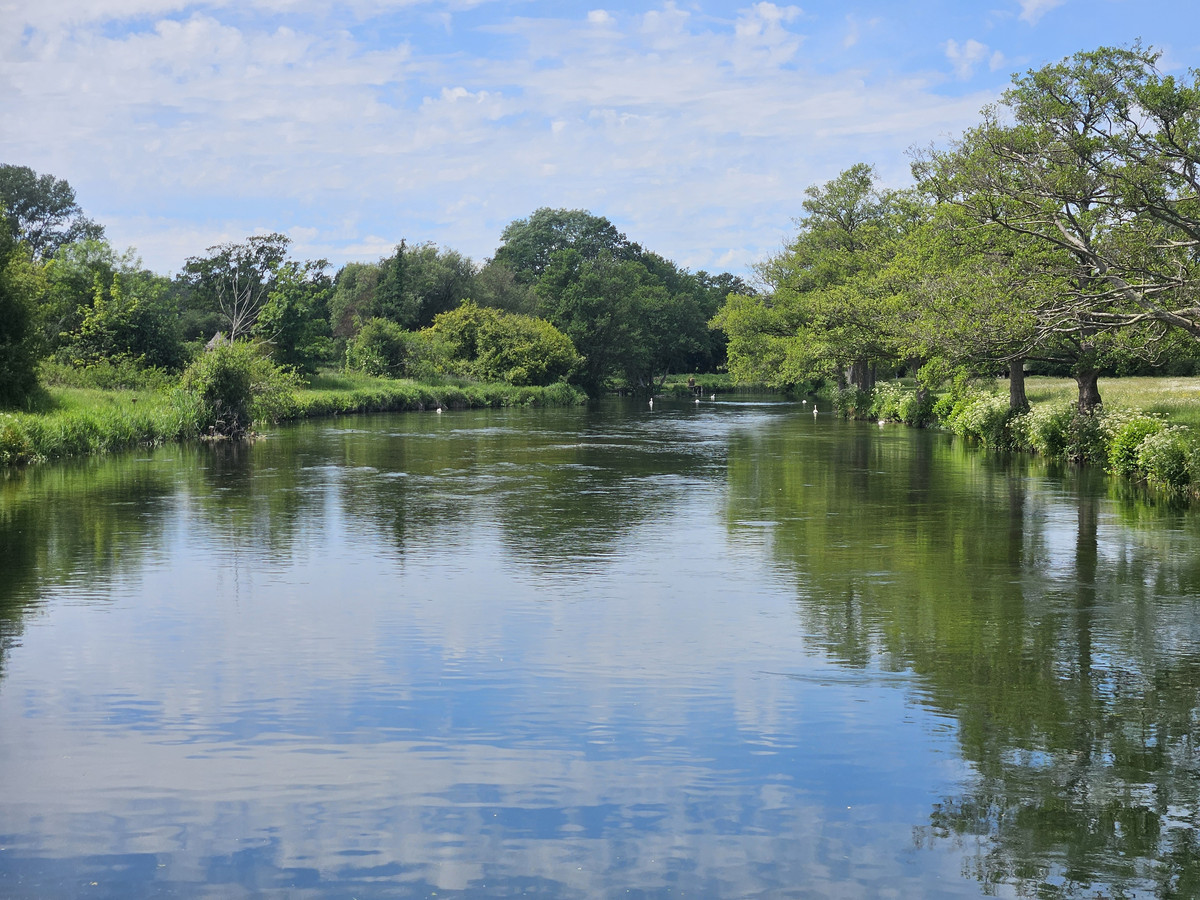
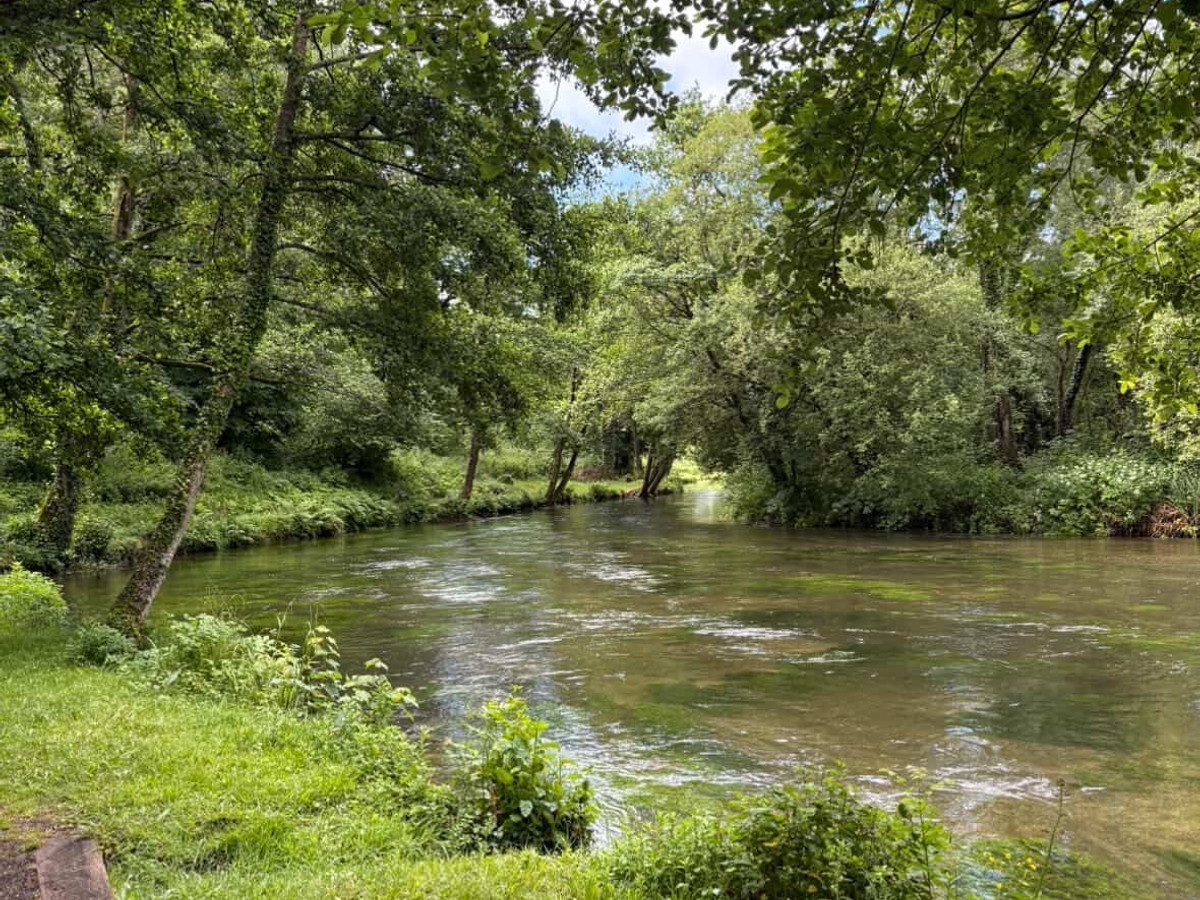
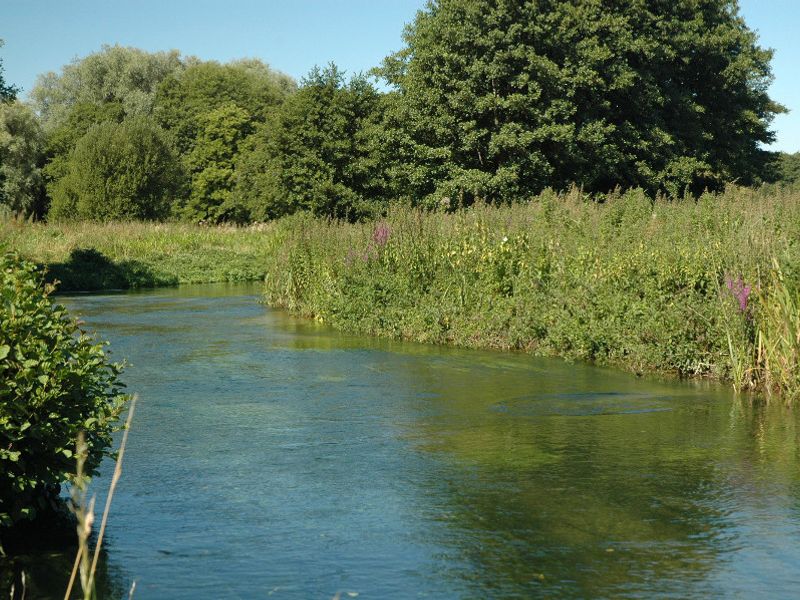
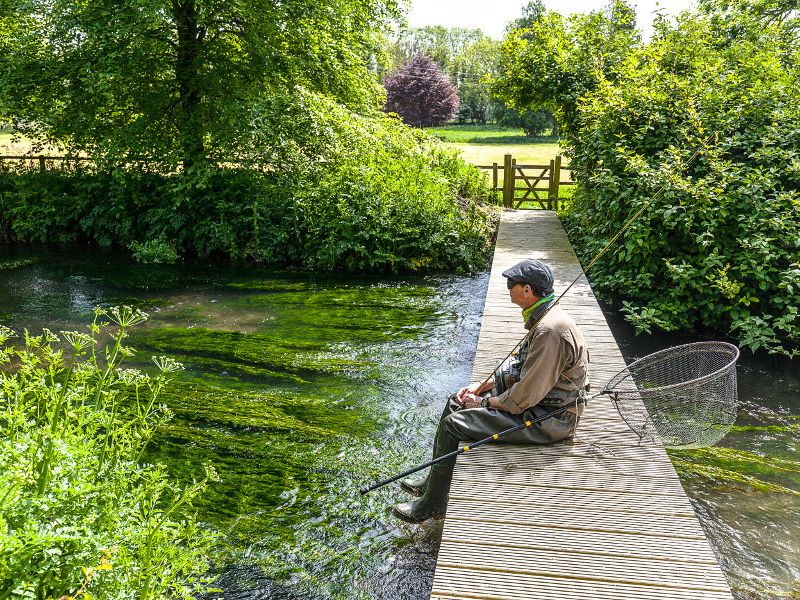
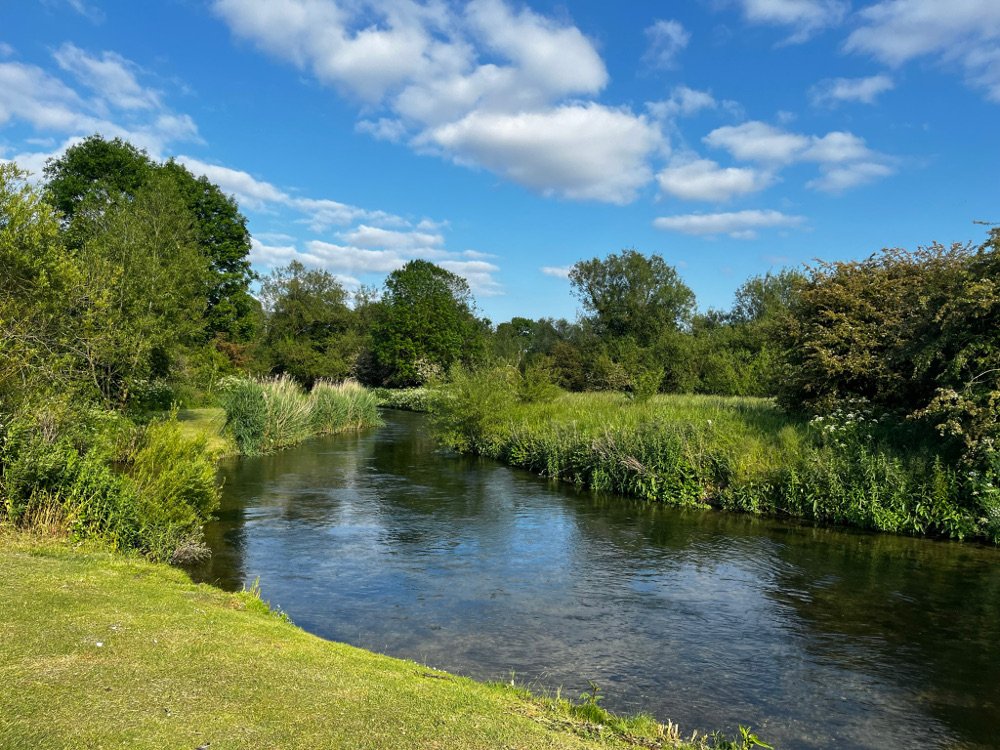
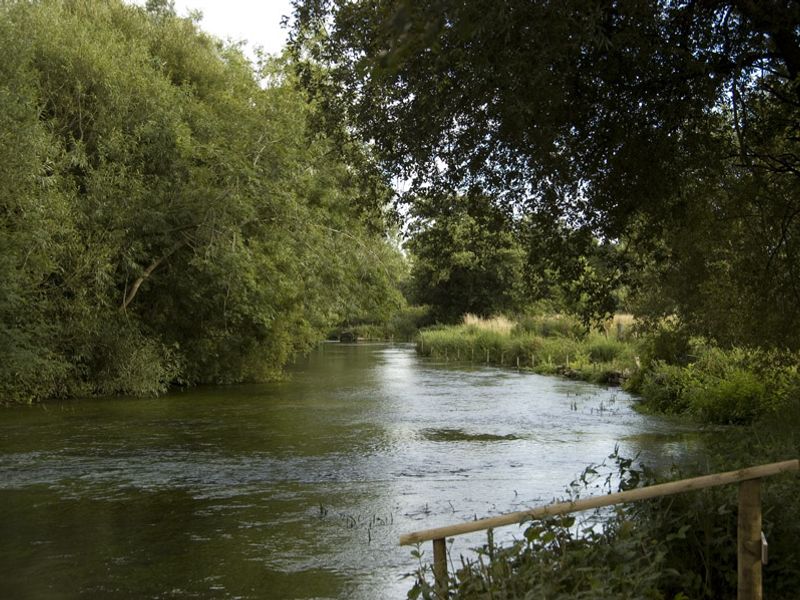
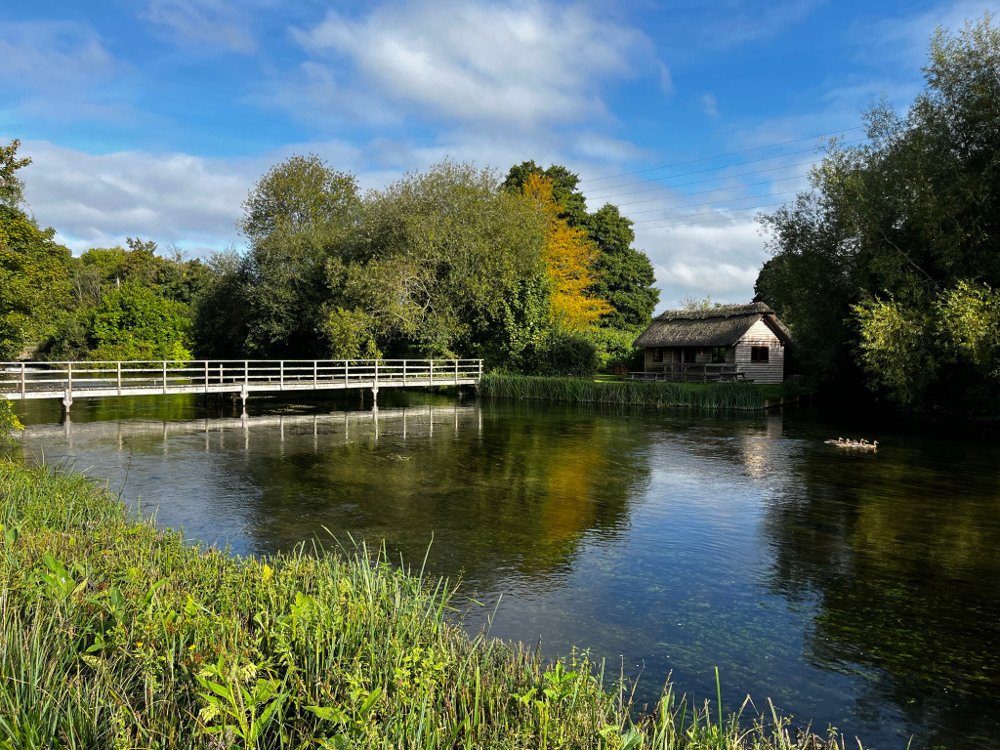
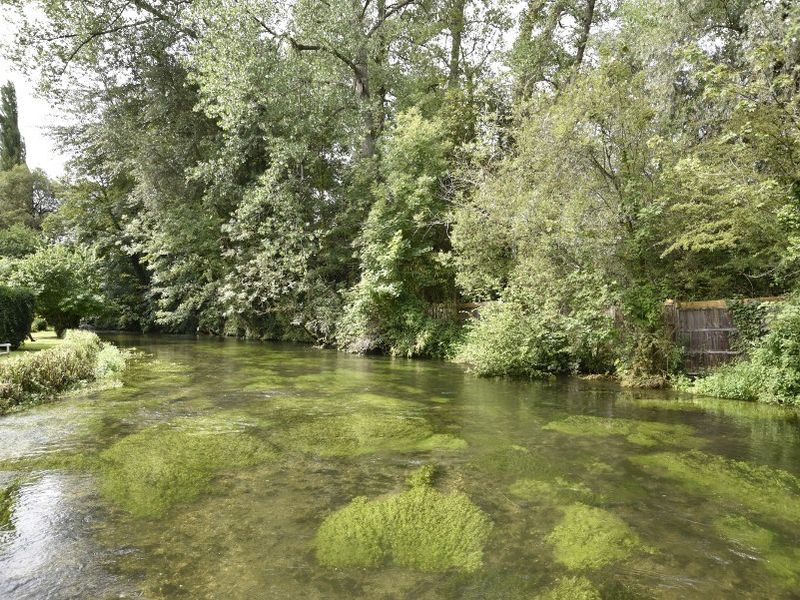
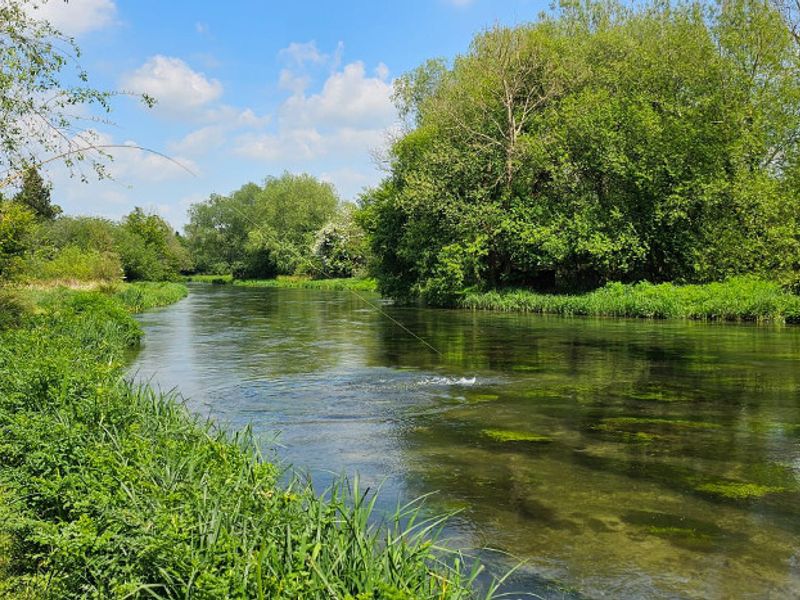
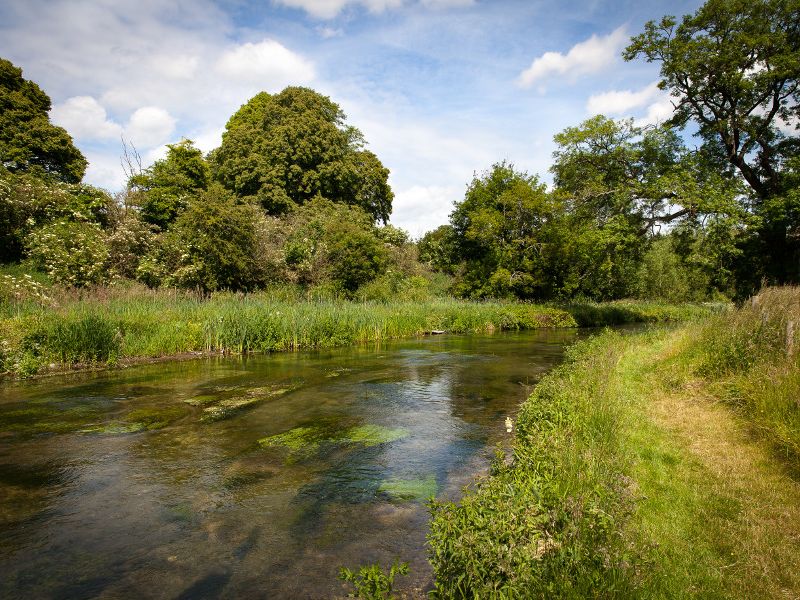
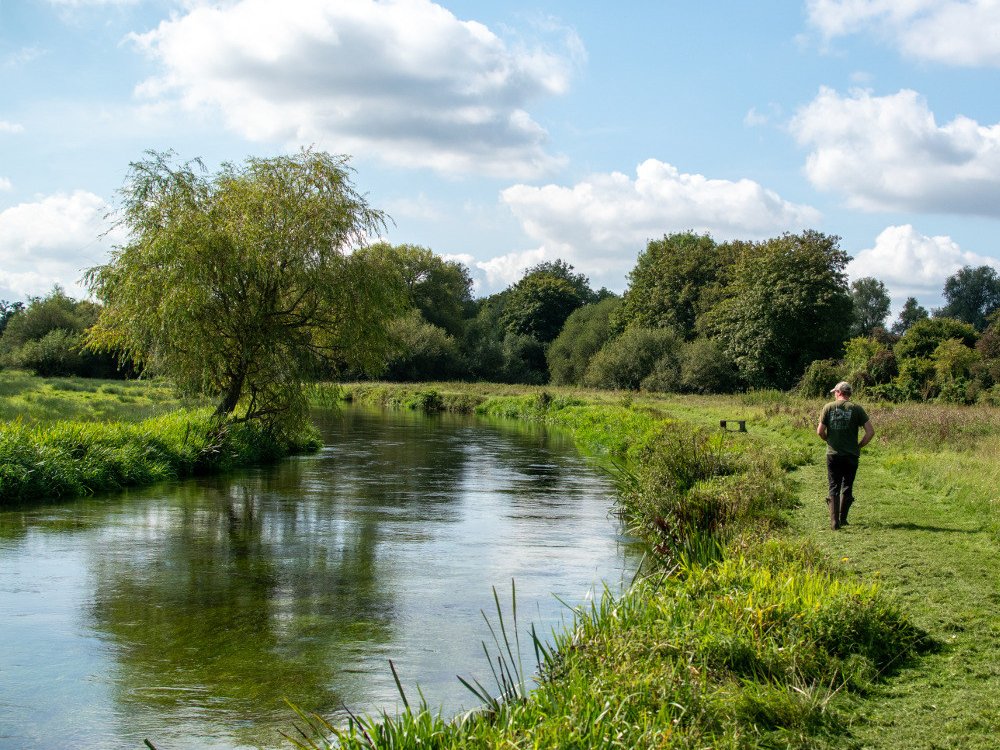
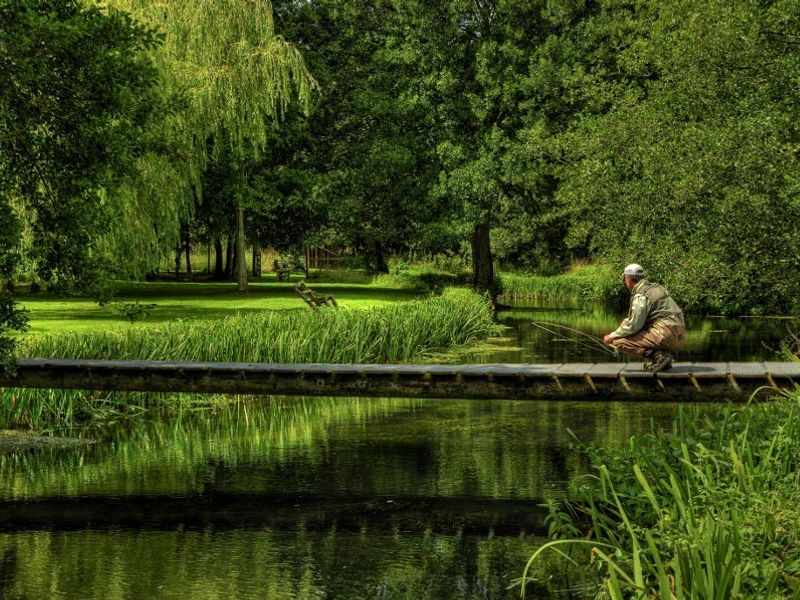
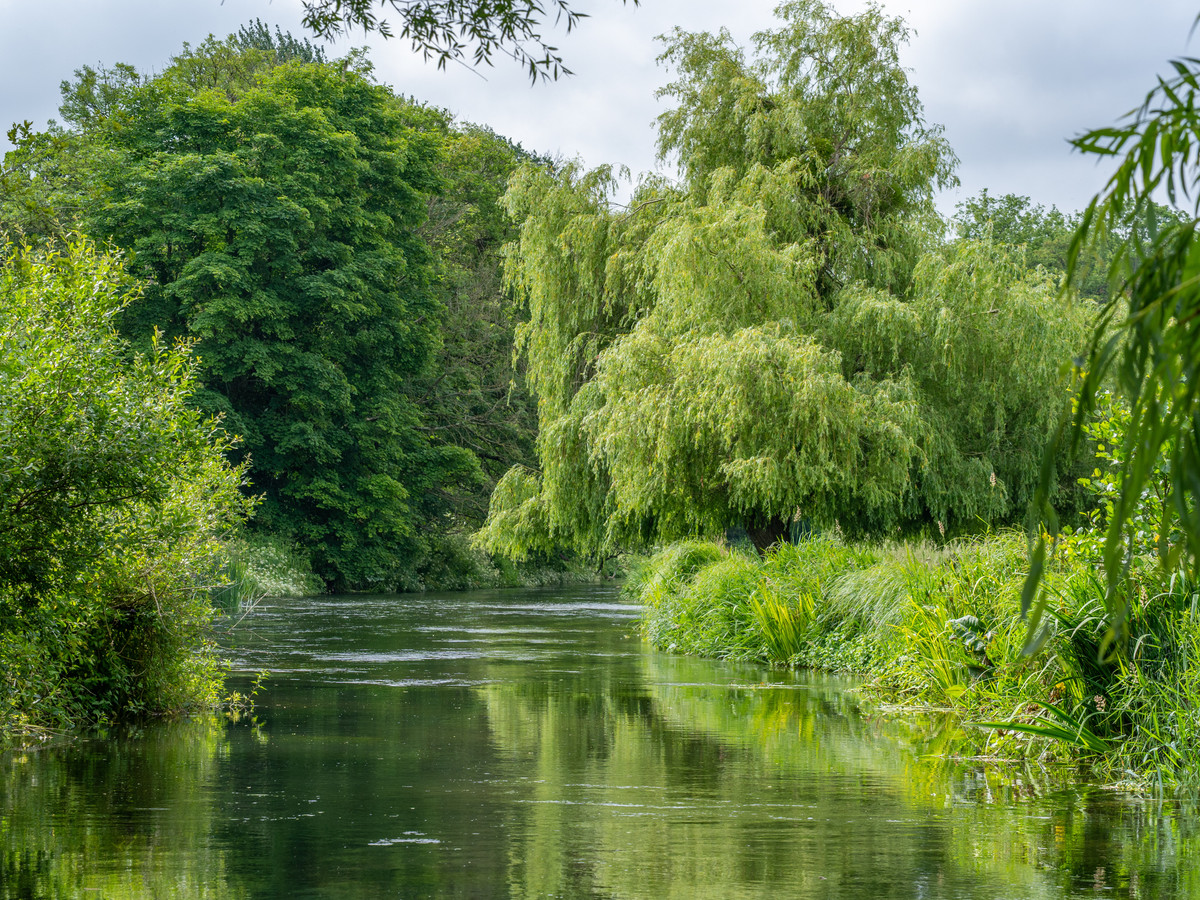
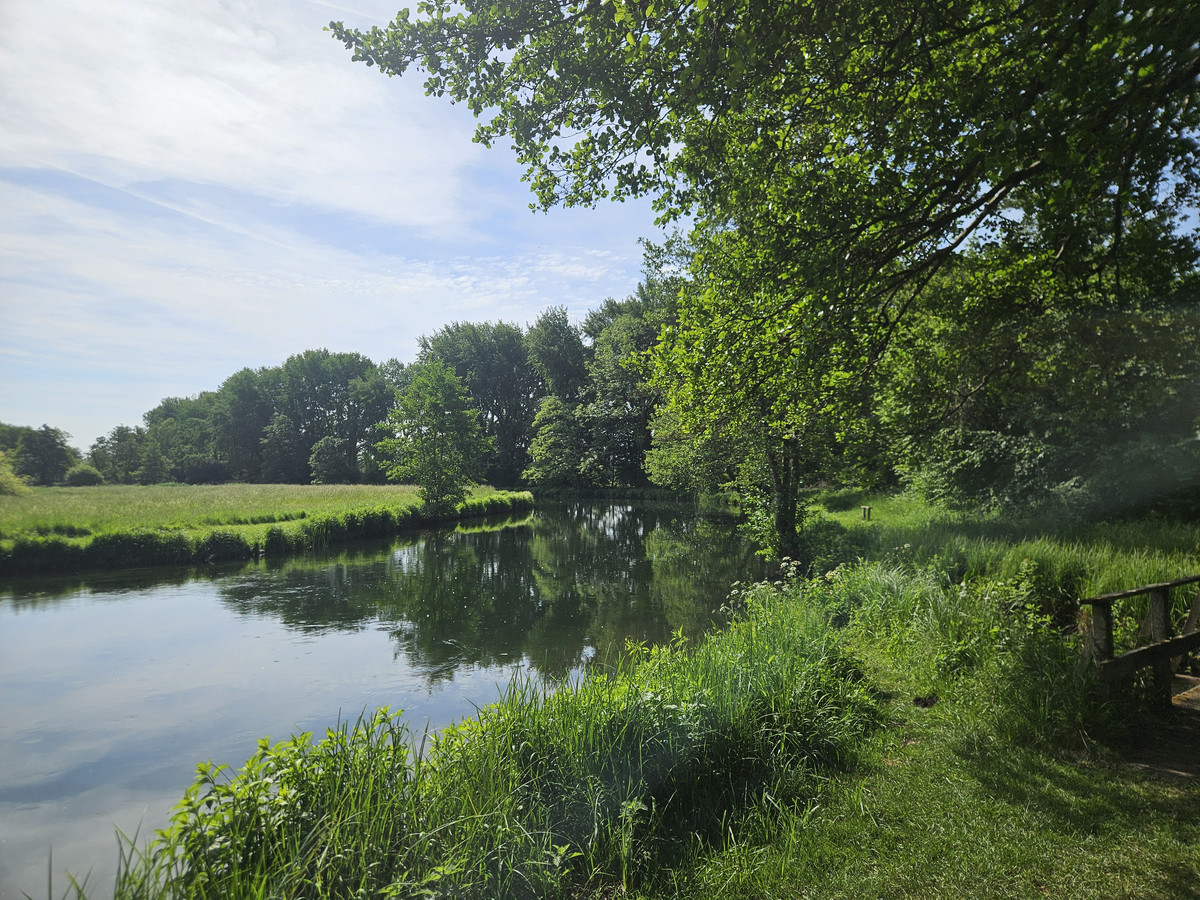
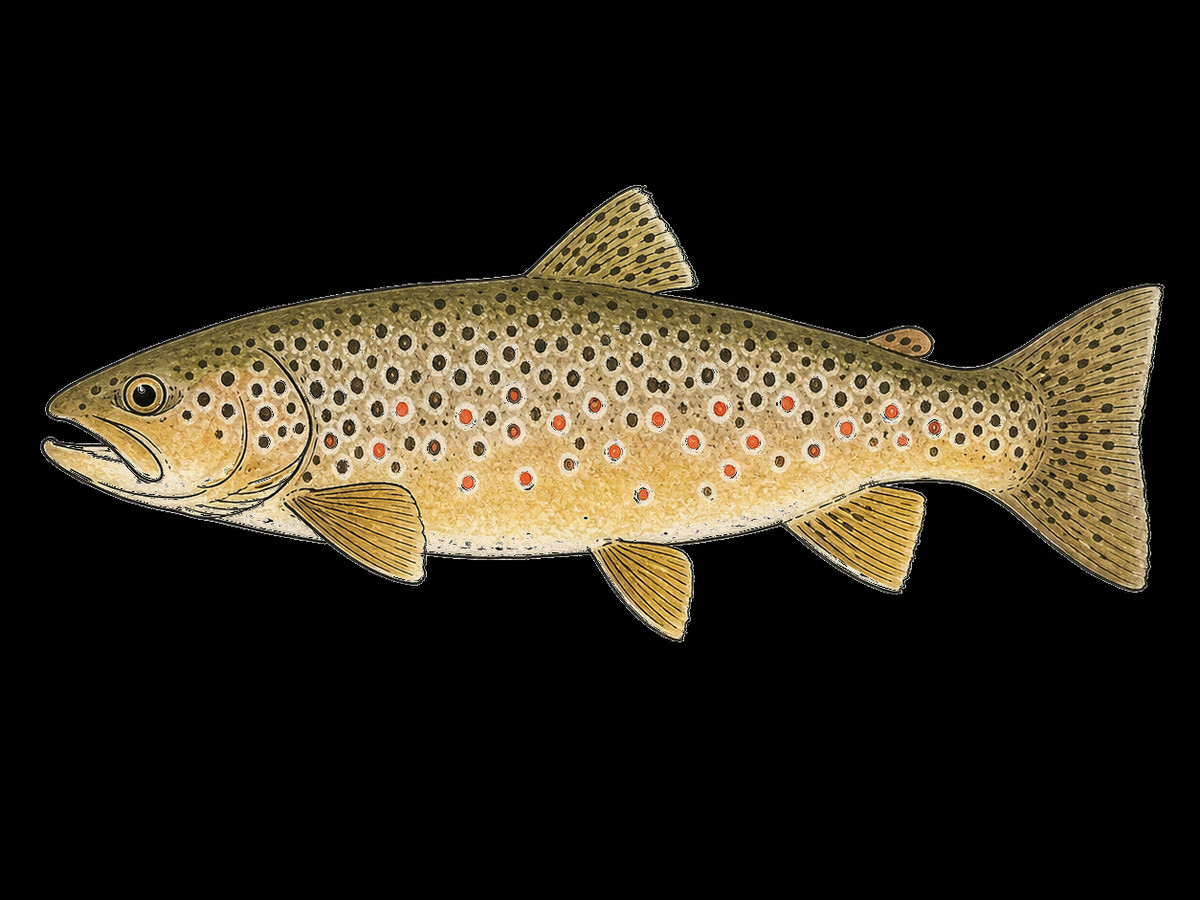
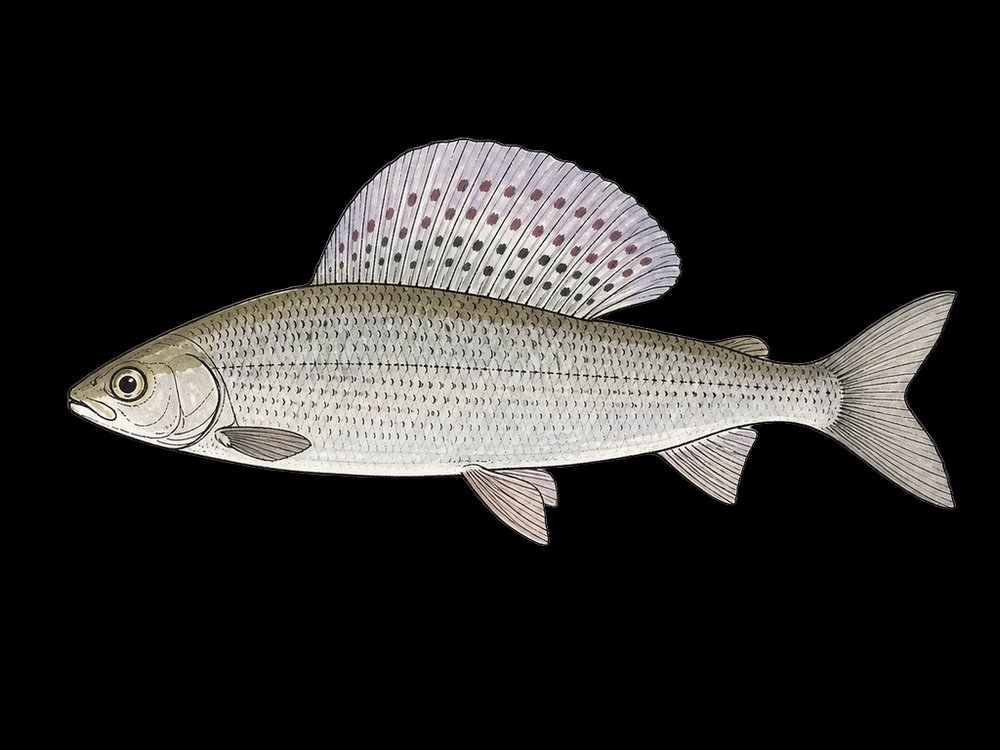
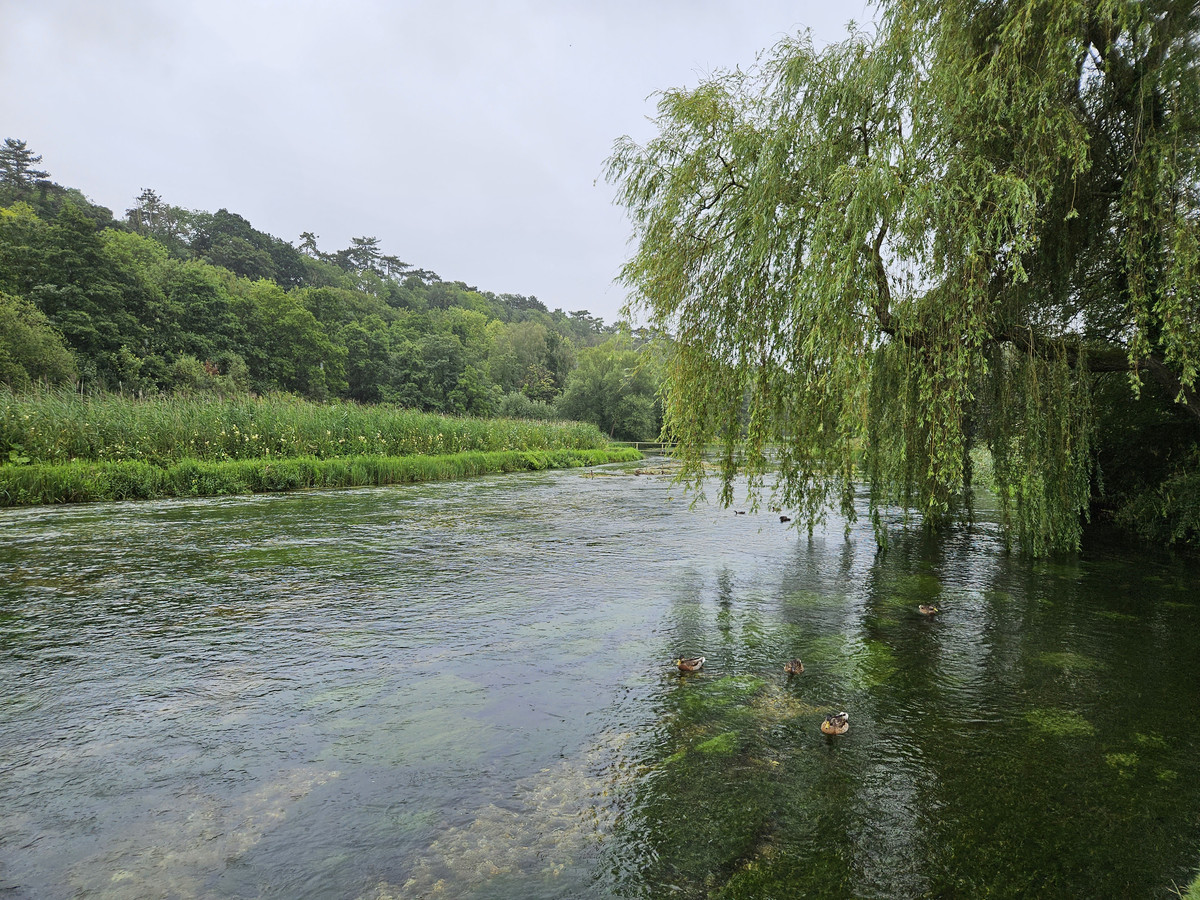
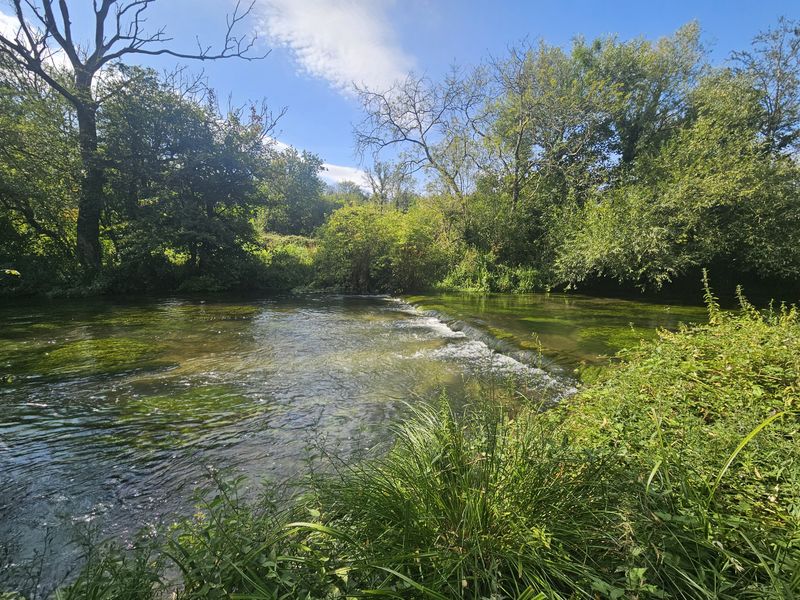
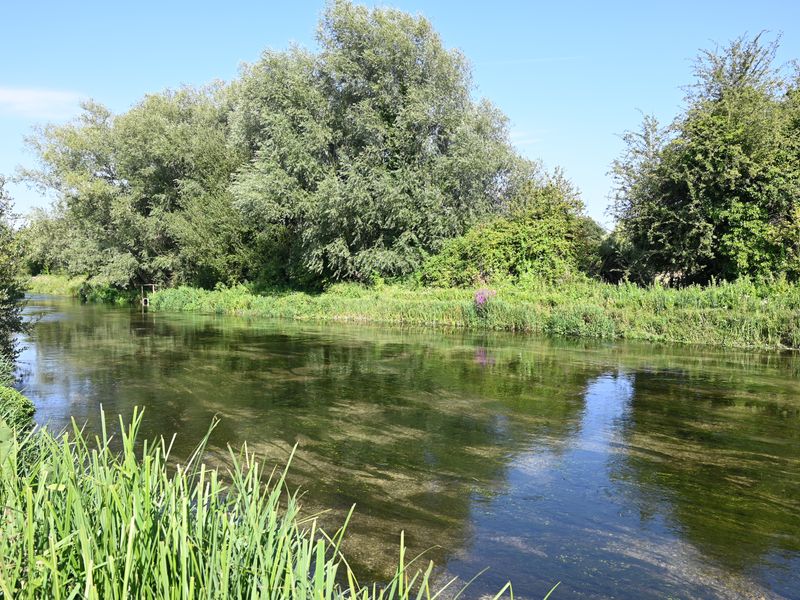
Hampshire holds more chalk stream fly fishing than any other county in England. The River Test is often regarded as the birthplace of modern dry fly fishing, and with 66 beats listed here it offers more variety than anywhere else on the platform. The Test runs for around 40 miles and varies considerably along its length, starting as a small stream before growing into a river of significant proportions through its middle and lower reaches. The River Itchen sits to the east. It is seen by many as the more natural of the two, smaller but highly regarded among upstream dry-fly anglers as a traditional wild brown trout river. Both carry brown trout and grayling. Both can be expensive, particularly on the better-known beats.
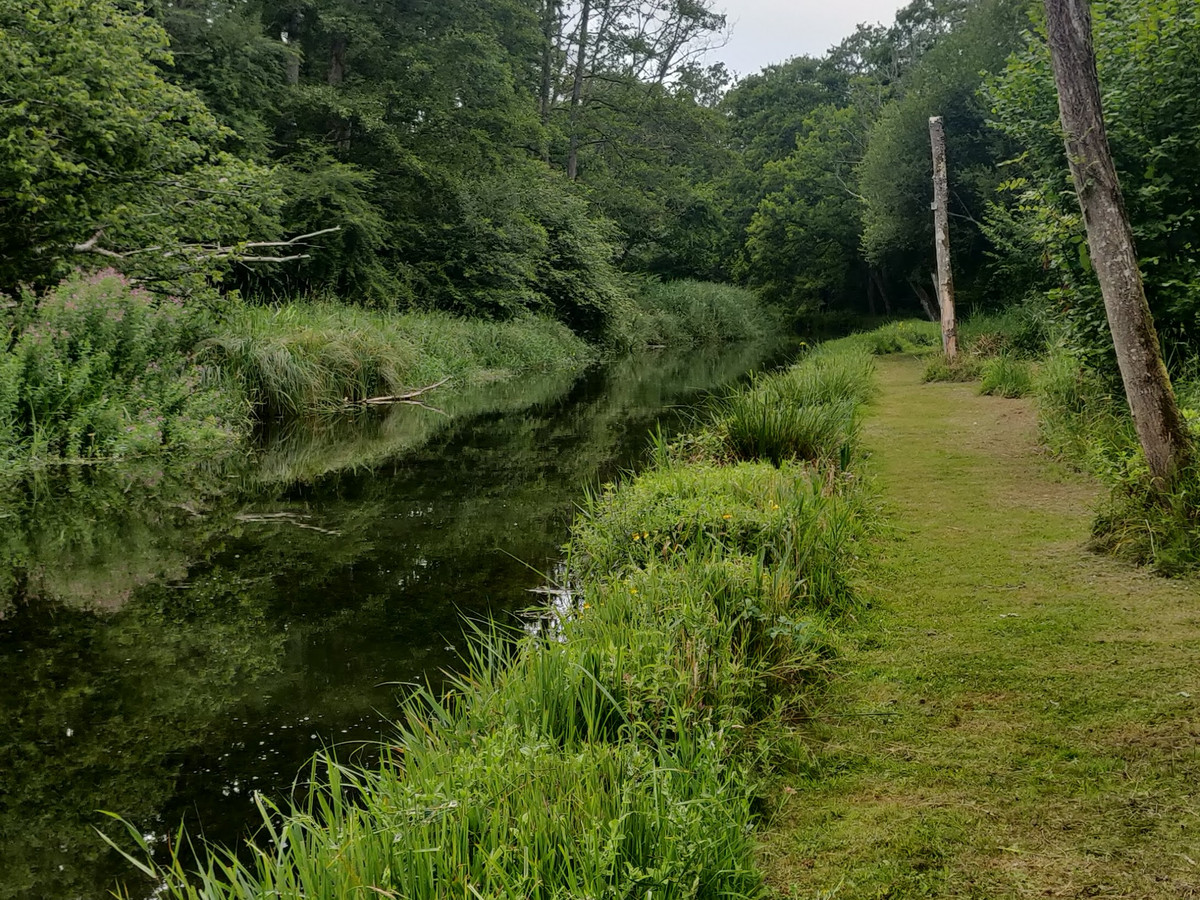
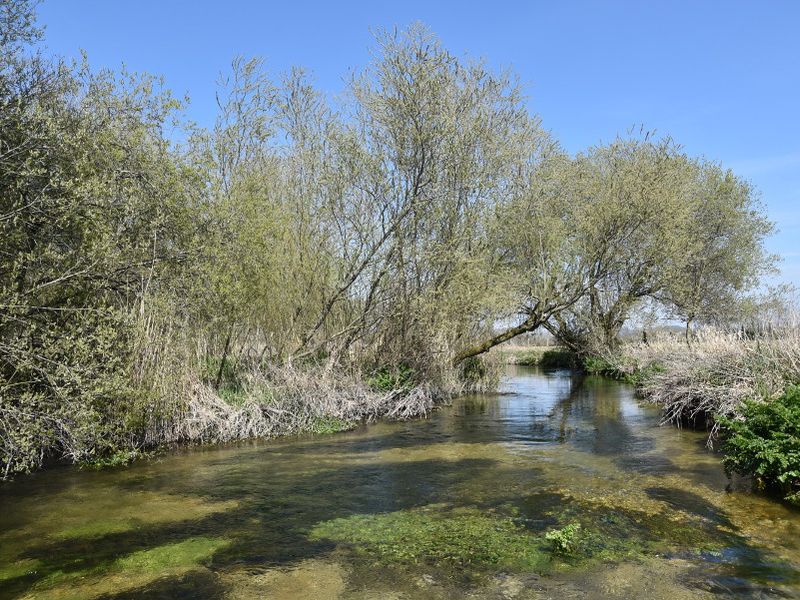
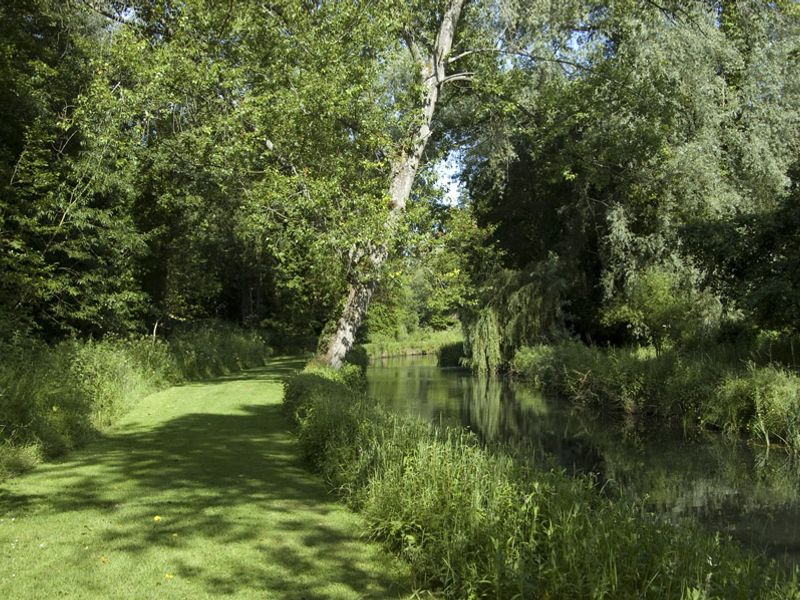
The county's other chalk streams are worth serious consideration. The River Anton is a classic, intimate Test tributary supporting healthy populations of brown trout that feed freely on surface insects. The River Dever is one of the most revered tributaries of the Test, characterised by clear water, rich ranunculus beds, and good fly life. The River Dun is smaller and less prolific than the headline rivers, but can be quieter during busy periods. The Hampshire Avon, Wallop Brook, River Meon, River Alre, and Candover Brook round out a county with more fishable chalk stream mileage than most anglers realise.
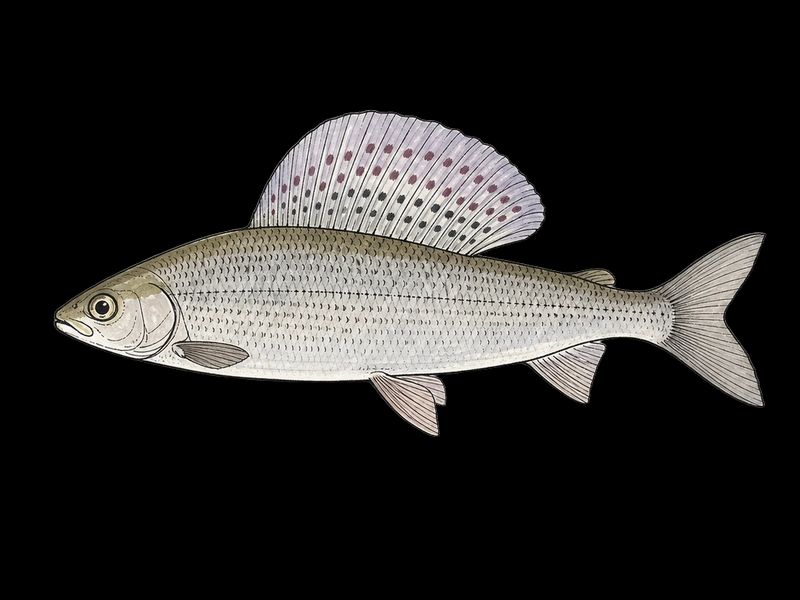
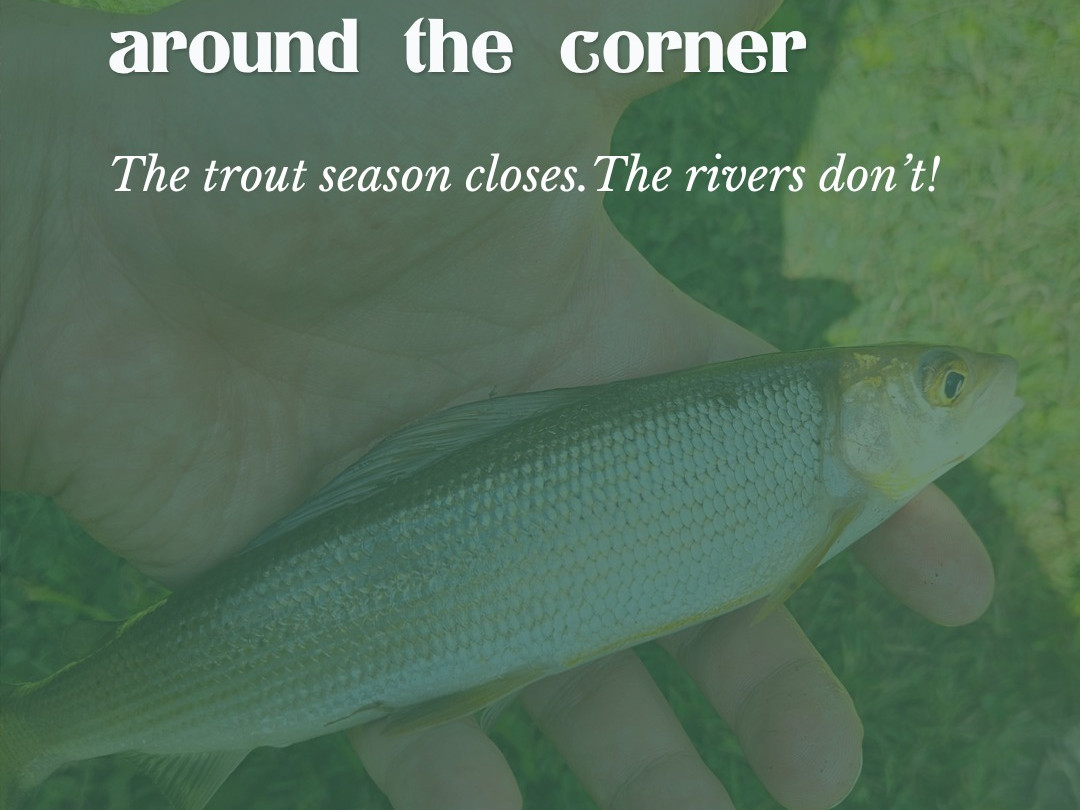
The trout season runs roughly from the beginning of April until the end of October, and grayling from mid-June until mid-March. On the chalk streams, grayling are usually targeted from October through to the end of December. Beat rules vary, so it is worth checking individual listings for dry-fly-only restrictions and stocking policies before booking.
Hampshire on the map
Beats with day tickets
79 beats in HampshireDay-ticket and permit access on Hampshire's rivers. Each listing includes pricing, species, and booking details.
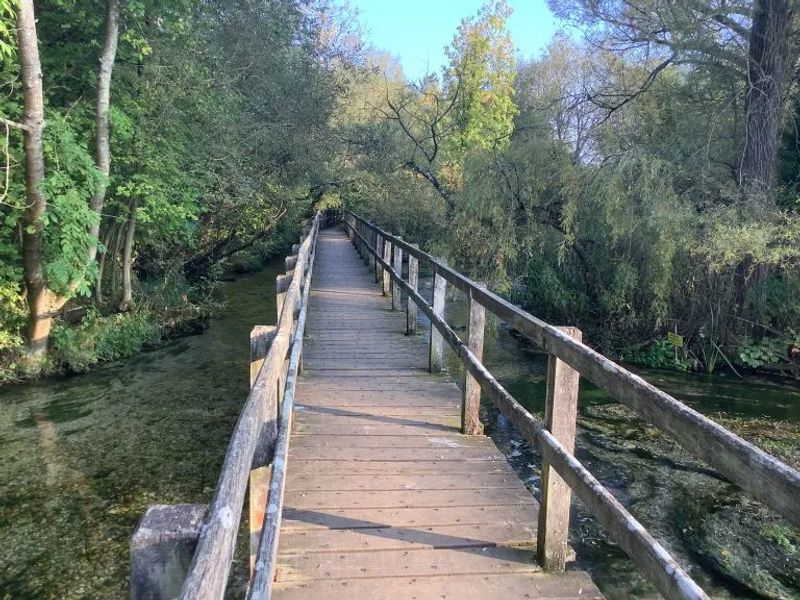
River Itchen
Qing Ya Xi
Qing Ya Xi (pronounced "king-yah-zee") sits on the lower River Itchen at Brambridge, Hampshire, roughly six miles south of Winchester. The beat offers approximately 1,522 metres of double-bank fly fishing on the Itchen Navigation — a modified channel of the river and former canal running just over ten miles from Winchester to Southampton. The Itchen is classified as both a Site of Special Scientific Interest (SSSI) and a Special Area of Conservation (SAC), its clear waters, steady flow, and high levels of dissolved minerals creating a unique ecosystem that sustains an abundance of invertebrates. The beat divides into distinct sections: the top 200 metres of fast water offers what one member of the English Fly Fishing Team described as "possibly the best Grayling fishing in Hampshire"; the first sluice down to the old lock gates provides classic dry fly fishing, and the turning pool below provides gravel spawning grounds with an abundance of smaller trout, grayling, and salmon parr; below this lies a slower-flowing length where the larger fish abound and may still be caught when fish are proving challenging in the top two sections. Target species are brown trout, grayling, and — given the beat's proximity to tidal water — the occasional Atlantic salmon. The Navigation supports a wild population of brown trout together with good numbers of grayling, supplemented by regular and controlled stockings of brown trout sourced from local suppliers. April hatches include the Large Dark Olive, Grannom Caddis, and Hawthorn, with Mayfly from mid-May to early June. Blue-winged olive and sedge are prolific through summer, and September sees the return of the Large Dark Olive to close the season on 30 September. The open-banked calmer sections suit beginners well, with straightforward upstream presentation; the hatch pool and faster carrier will test more experienced rods. Up to three rods fish the beat, priced from £211 in summer, £245 in early season, and £358 during Mayfly. A fishing room with electricity, running water, WC, and car parking are on site. The beat sits within easy reach of Winchester (six miles) and Southampton (eight miles), with M3 junction 12 just 1.5 miles away and mainline trains to London Waterloo from nearby Shawford in around 70 minutes.

River Itchen
Shawford Park
Shawford Park sits on the lower River Itchen in Hampshire, just south of Winchester, where the river heads south through a series of water meadows passing the village of Shawford. The beat covers 0.85 miles of main chalk stream — the Itchen is designated a Special Area of Conservation, renowned for its fast-flowing, clear water and prized for its brown trout and grayling fishing. Below Easton the river carries more commercial fisheries where trout are stocked, and Shawford Park is heavily stocked accordingly. Wading is permitted, which helps anglers work the water thoroughly on this single-bank stretch. The season runs 16 April to 2 October, targeting brown trout and grayling on dry fly and nymph. Dry fly only applies until mid-June — a rule that sharpens the focus during the most productive hatches. The Mayfly period typically begins around 15 May and is known as 'duffers fortnight', though the hatch can be early or late. The Itchen's steady flow and nutrient-rich water support a thriving ecosystem, and hatches of blue-winged olive and sedge are prolific, offering reliable dry fly action through summer and into September. As the season moves into mid-summer and river height drops, fish become noticeably spooky with angler pressure high on most beats. This beat is rated expert — the clarity of the water demands precise presentation and a careful upstream approach. The gin-clear water is a plus for the angler, but your approach needs to be silent and considered: if you can see the trout, they can see you. Up to four rods fish the beat, with day rod prices running from £185 in the late season to £371 during the Mayfly window. Dropping from the standard 9 ft 5-weight to a 10 ft 3-weight can make a significant difference in low summer flows. A fishing hut, WC and car parking are provided on site. Shawford station offers mainline services to London Waterloo, making the beat straightforwardly accessible for visiting anglers travelling without a car.

River Itchen
Abbots Worthy
Sitting on the upper River Itchen just three miles north of Winchester, the Abbots Worthy beat offers around a third of a mile of single and double-bank chalk stream fly fishing on one of Hampshire's most historically significant stretches of water. John Keats walked these very water meadows in 1819, and the Itchen's clear flows and harvest-season landscapes are said to have inspired his ode *To Autumn*. The river here carries a main channel alongside a mill stream, with a chalk bottom, good ranunculus weed beds, and clear water that makes sight fishing the primary approach. Fishing is predominantly from the right bank looking upstream, though parts of the beat can be fished from both banks, and wading is possible in places. The beat holds grayling to over 3 lbs alongside a lightly supplemented wild brown trout population — above Easton, the upper Itchen is managed primarily for wild trout, and this beat reflects that ethos. Most of the River Itchen is managed as an SSSI, and catch and release is encouraged to preserve native brown trout. Fly life is good throughout the season, with reliable hatches of Iron Blue and Large Dark Olive in good numbers, and even the occasional Turkey Brown. May brings the first mayfly of the year, while mayfly hatches on the Itchen are generally lighter than on the Test — olives, sedge, and BWO carry the season through to autumn. The grayling fishing runs to 14 December, priced at £55 per rod. The beat suits one to three rods and is well set up for a day's independent fishing, with a fishing hut on site for lunch breaks and shelter, a feature of many chalk stream beats in this valley. Car parking is available on site. Access is straightforward via the A33, M3, and A34, and Winchester is reachable by train from London Waterloo — making this a practical day-trip destination from the capital as well as a natural base for exploring the wider Itchen valley.

River Dun
Dunbridge
A third of a mile of single-bank dry fly water on the lower River Dun, the Dunbridge beat sits just upstream of the hamlet of Dunbridge in Hampshire's Test Valley, a short distance before the river joins the Test near Kimbridge. The Dun runs for around 11 miles in a generally easterly direction through rural parts of Wiltshire and Hampshire, and is smaller and less prolific than other rivers in Hampshire, but can be quieter during busy periods — a genuine advantage on a beat limited to one or two rods. The water here has classic chalk stream character: a long glide of relatively shallow water upstream of a footbridge, and a deep pool midway up where the river takes a left turn. From the car park, it is a walk of around 100 metres through a meadow to reach the river. A survey of all the Test's tributaries reportedly found that the Dun holds the highest numbers of wild trout of any of them, and the Dunbridge beat carries moderate stocking alongside that wild population. Brown trout and grayling are both present. Like the Itchen, the Dun is home to protected species including the great crested newt, so the environment is carefully managed. The season runs 1 May to 30 September, covering the full chalk stream hatch calendar. The hawthorn hatch falls in late April, with the mayfly running from mid-May to early June — the latter priced at £395 per rod. Medium olive and blue-winged olive hatches carry the fishing through summer, with dry fly the primary method throughout; nymphing is also permitted. The intimate scale and clear water make accurate presentation essential, and the beat is rated as adventurer difficulty. A 9ft 4–5wt rod with a fine tippet suits the conditions. Day rods are priced from £225 (early season) to £275 (main season). The fishing hut is sited near the top of the beat and is well appointed, with WC and car parking on site. The hamlet is served by Mottisfont & Dunbridge station on the Wessex Main Line, making this one of the more accessible chalk stream beats in Hampshire for car-free anglers.

River Itchen
Kanara
Kanara is a well-established beat on the River Itchen, situated below Winchester near Otterbourne, with around 640 yards of double-bank chalk stream running downstream from the bridge on Kiln Lane. It sits roughly ten minutes south of Twyford and is easily reached from the M3 at Junction 12 — making it a practical day-trip from London in under two hours. The water combines a quick-flowing upper section with deeper, slower pools towards the bottom of the beat, and is largely a wading stretch that holds both stocked and wild brown trout alongside a noted winter grayling population. Hatches of blue-winged olive and sedge are prolific on the Itchen, providing reliable dry fly action across the season, while the mayfly — typically peaking in late May and early June — commands the highest day-rod prices here at £225. Summer rods are priced at £194, with grayling days available from £114 through the back end of the season to 30 November. The lower section is best fished over the left shoulder or with side and roll casts, and will test anyone without a solid command of their casting. There are some large-sized browns on the beat, so a strong leader is advisable, though wild browns and grayling are spread throughout and a light rod suits much of the fishing. The beat is rated expert — both the casting and the approach to shy fish in crystal-clear chalk stream water demand real experience. One to two rods fish the beat comfortably. The Itchen is the river where G.E.M. Skues developed the concept of nymph fishing, and that tradition of precise, technical fly fishing remains very much alive at Kanara. A fishing cabin and car parking are provided on site. A valid Environment Agency rod licence is required, and anglers should note that sea trout and salmon are present in the lower Itchen corridor — check beat-specific rules on retained fish and method restrictions before your visit.

River Test
Old Station Beat
Old Station Beat is a restored 450-metre length of main River Test on Bossington Estate, situated immediately below the hallowed Houghton Club water near the village of Houghton in Hampshire. Following an ambitious habitat restoration programme carried out in collaboration with the Environment Agency, the beat was transformed from an over-wide, over-deep channel into a free-flowing chalk stream, and today offers a varied mix of runs, riffles and pools on a single bank. Up to twelve rods can fish the beat across the season, which runs from mid-April to mid-October. The beat is at its best during the Mayfly and offers a plentiful mix of stocked and wild fish throughout the season. Stocked brown trout run from two pounds upwards, with wild trout and the occasional grayling also present. In April, look for Large Dark Olive, Grannom Caddis and Hawthorn on the surface; May brings the first Mayfly hatch of the year alongside other upwings and terrestrials, while June sees Blue-Winged Olive and Medium Olives come through. Dry fly and nymph are the primary methods, and the beat is rated suitable for beginners — a good choice for an angler new to chalk stream fishing who wants to learn the basics of presentation and reading water on the Test. All fishing is catch and release. GAIA- and AAPGAI-qualified instructors are available for one-to-one or group tuition covering fly-fishing fieldcraft and casting, and guided days can also be arranged to accompany you on the river, particularly useful for a novice angler. A good supply of high-quality tackle, clothing, sunglasses and flies is available to hire on the day. Catering runs from picnic hampers supplied by a local deli through to full corporate lunches, with options available through the Estate office. Day rod prices are £328 across all periods of the season.

River Test
Timsbury 5
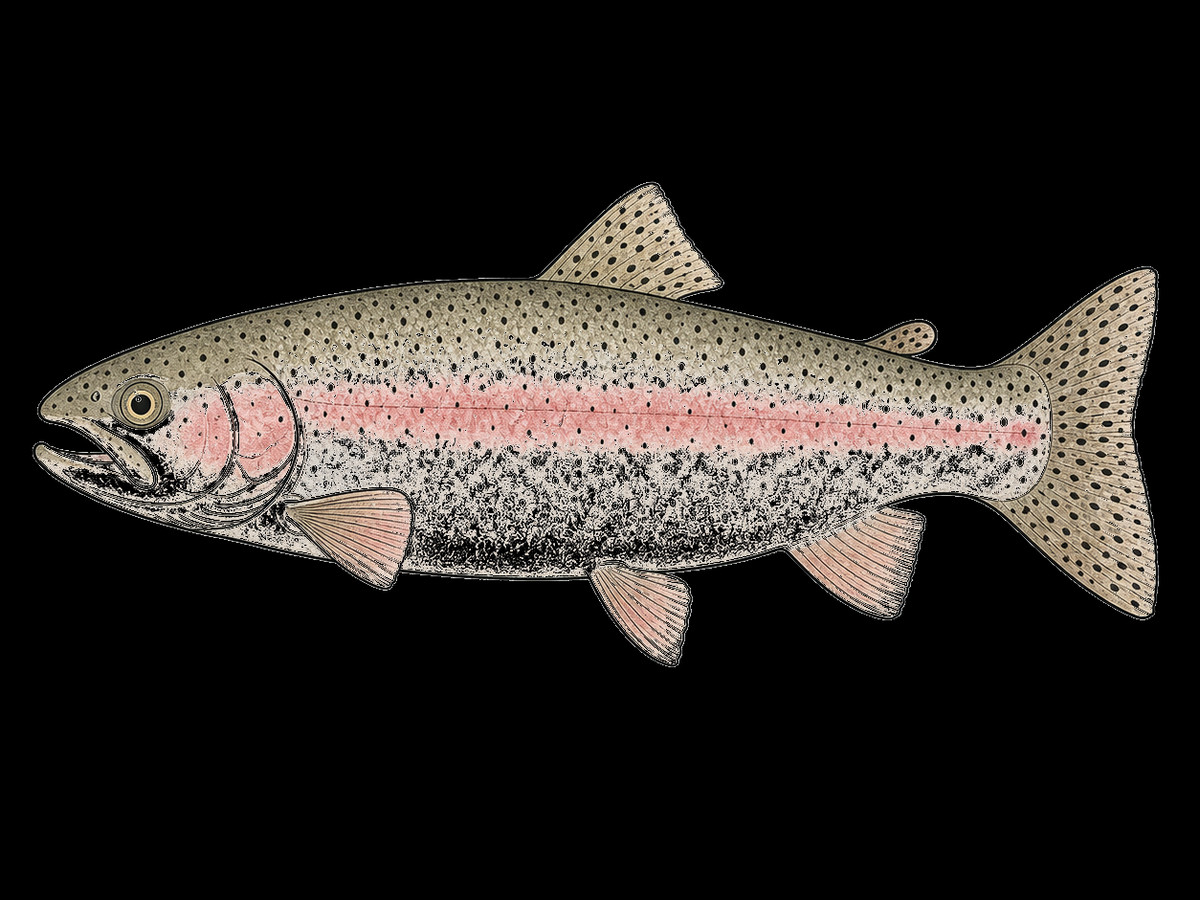
Timsbury 5 sits on the middle and lower Test, between the towns of Romsey and Stockbridge in Hampshire. The beat covers just over half a mile of single-bank main river chalk stream, with a medium flow speed and a mix of shallow and very deep sections that give anglers a genuine variety of water to read and work through in a day. Set a few kilometres below the Kimbridge beat, the river here is noticeably wider and significantly deeper in places, with fish holding in heavy weed that obscures the bottom in the deeper runs. The primary quarry is brown trout, stocked with fish carefully selected locally from River Test stock. The fishery stocks both rainbow and brown trout, with rainbows averaging around 3 lb, and the long-term average sits at three fish caught per rod per day. In the latter part of the season salmon regularly roll in the deeper pools, and there is always a chance of sea trout. The season runs from 30 April to 29 September, with fly-only rules throughout: upstream dry fly and nymph are the methods. The beat carries a good mayfly population, and large numbers of caddis flies hatch through late summer, making it worth carrying sedge patterns from July onwards alongside your standard olive and mayfly imitations. Up to five rods share the water, rated as explorer level and suited to anglers still building their chalk stream experience. Banks are regularly mown and strimmed, and weed cutting takes place through summer, keeping casting lanes open. A fishing hut is on the beat. Day-rod pricing runs at £245 in the main season and £180 in the late season.

River Anton
Upper Clatford
A short stretch of the River Anton — a classic Hampshire chalk stream and one of the four main tributaries to the River Test — the Upper Clatford beat sits in the Anton valley, 3.5 miles upstream from where the river meets the Test. At just over a fifth of a mile, this is an intimate piece of water, and its tributary character means the river here is narrow and intimate, with narrow, fast-flowing gravel sections home to feisty wild trout. The Pillhill Brook, the Anton's principal tributary, joins the river at Upper Clatford, adding extra flow and variety to the beat. Banks are kept clear for walkways while streamside vegetation is encouraged, and the surrounds are largely made up of pasture land and old English woodland that have remained relatively unchanged for generations. The Anton is known for its prolific fly life and holds some very large wild brown trout and grayling. The beat is rated as adventurer difficulty — expect overhanging trees, tight casting angles, and fish that have seen pressure. The river flows crystal clear for almost the whole season, making it a genuine sight-fishery where you can target specific fish. Stocking is light, so the emphasis is on wild fish. Luscious beds of ranunculus support an abundance of fly life with good hatches visible almost year-round — mayfly brings the peak Mayfly Season rate in late May and early June, while small olives trickle off through mid-morning to mid-afternoon in autumn, and evening sedge hatches extend well into the summer months. Even in winter the river runs exceptionally clear, offering fine grayling fishing — challenging, but with a good population of big fish the rewards are worth the effort. The beat takes one to two rods and is open from 30 April to 30 December, covering trout through to grayling season. Day tickets run from £75 in the grayling season to £284 during mayfly. Wading is permitted, though on a river this clear and compact it is rarely necessary. The Anton is easily accessed, under an hour's drive from Junction 12 on the M25, making it a practical day-trip destination from London or the wider south-east.

River Itchen
Breach Farm
South of Winchester, the Itchen flows through water meadow pastures — and Breach Farm sits squarely in this open, pastoral section of the river. The river here runs westerly through largely open ground before turning south past Winchester, giving the beat a wide, gliding character with few bankside obstructions to interfere with a back cast. Both banks are available, and the beat suits up to three rods without crowding. A short walk of around 200 yards from the car park brings you to a fishing shelter beside the water. Dry fly remains the most productive method on this stretch, with sensitive stocking programmes maintaining quality fishing for brown trout and grayling through the season, which runs from 16 April to 31 December. The open meadow setting means the Mayfly hatch — typically at its best through May — is well worth planning around, and insect hatches, particularly the blue-winged olive and sedge, are prolific and offer reliable dry fly action from early summer into autumn. Broadly speaking, the warmer months favour trout fishing while the cooler months shift focus to grayling, making Breach Farm a genuinely year-round proposition. The beat is rated as beginner-friendly, and the uncluttered banks make it a good choice for anglers still building their casting confidence. Traditional chalk stream dry fly patterns work well on the Itchen — sizes 18 and 20 in Medium Olive, Iron Blue, and Blue-Winged Olive duns, along with size 16 sedge patterns, will cover most situations. A 9-ft rod in a 4- or 5-weight is a sensible all-round choice. Wading is optional; if you do wade, chest waders and a buoyancy aid are advised. Day ticket prices run from £75 for grayling days to £165 in summer and £175 in the early season. On-site car parking and a fishing shelter are provided.

River Dever
Bullington Manor Beat 1
The River Dever is a Hampshire chalk stream and is also known locally as the Bullington Stream. Bullington Manor Beat 1 sits on the upper Dever near Upper Bullington, a village the river passes through on its westward course from its source near Micheldever. The beat runs double-bank from just upstream of the old mill, though only one bank is prepared for fishing at any given point — anglers work the left bank upstream to the midway mark, then cross to fish the opposite bank back down, making it a particularly comfortable draw for left-handers. It is the narrowest of the Bullington Manor beats, with two well-defined hatch pools and a quieter, rarely pressured section beyond a disused railway viaduct. Up to six rods can be accommodated, though the intimate scale of the water suits smaller parties well. Like the other upper Test tributaries, the Dever is known for the clarity of its water, with fish highly visible as they hang in front of beds of starwort and tip up to sip passing insects. Brown trout, rainbow trout, and grayling are all present. The clear water lends itself to sight fishing with both dry fly and nymph, and the beat is rated suitable for beginners — the relatively straightforward bank configuration and visible fish make it a sound introduction to chalk stream fly fishing. The hawthorn hatch arrives in late April, the mayfly runs from mid-May to early June, and summer brings a variety of caddis, olives, and terrestrials. Grayling fishing extends the season through to 14 December. An 8½ ft rod with a 3–5wt floating line is the recommended outfit, with tippet down to 2lb/6x. Day rod prices run from £125 (grayling only) to £395 during the mayfly window. The beat shares a mill cabin with Beat 2, and car parking is on site. Additional cabin accommodation — including the Buckingham Palace fishing cabin and Dever Castle cabin — is available at the fishery.

River Dever
Bullington Manor Beat 2
Half a mile of single-bank chalk stream on the River Dever near Bullington in Hampshire, Beat 2 at Bullington Manor sits on one of the Test's most characterful tributaries. The Dever rises near West Stratton and flows for nearly 10 miles before joining the main river between Wherwell and Barton Stacey. Much narrower and more tightly enclosed than the main Test, the Dever demands stealth, light tackle, and precise upstream presentations. Like the other upper Test tributaries it is known for the clarity of its water, with fish highly visible, hanging in front of big beds of starwort and lazily tipping up to sip passing insects. This is intimate, exploratory water — the "adventurer" difficulty rating reflects a stream that rewards careful reading and punishes a heavy footfall. The beat holds brown trout, rainbow trout, and grayling, with moderate stocking supplementing resident fish through a season running 20 April to 14 October. The mayfly is the most celebrated hatch of the chalk stream season, a hatch that drives all river life crazy — ducks, dragonflies, and of course big trout — and Mayfly Season pricing (£395) reflects the premium those weeks command. The Large Dark Olive is one of the first main hatches of the season, usually brief each day but quite prolific, and these hatches inevitably get good trout moving. As August slips into September, cooler and damper weather spurs fresh hatches of olives, including the Blue-Winged Olive — a key period for both trout and grayling before the season closes. Dry fly and nymph are both permitted; fly only throughout. A fishing hut is on site. Up to six rods can be accommodated, making this a viable option for a small group day. A 9ft 3- or 4-weight is the practical choice for a river of this scale. Early and late-season day tickets start from £125 for grayling-only fishing, rising through £175 for the combined trout and grayling period.

River Dever
Bullington Manor Beat 3
Half a mile of single-bank dry fly and nymph water on the River Dever near Bullington, Hampshire, Beat 3 at Bullington Manor sits on one of the most intimate chalk stream tributaries in the Test system. The Dever rises at West Stratton near Micheldever and flows westwards for 11 miles to meet the Test at Wherwell, passing through Upper and Lower Bullington along the way. Narrower and more tightly enclosed than the main Test, the Dever demands stealth, light tackle, and precise upstream presentations. At Bullington the river is an exquisite example of a chalk stream — its water astonishingly clear and gentle-flowing, allowing individual fish to be observed in detail. Fish are highly visible, hanging in front of beds of starwort and tipping up from time to time to sip passing insects. The beat targets brown trout, rainbow trout, and grayling on a fly-only, lightly stocked basis, and is rated expert — this is sight-fishing water where presentation and reading the fish matter far more than covering the bank. The river has good hatches of the main groups of upwinged flies, and in recent years Grannom have reportedly made a reappearance. Mayfly season (priced at £395) is the peak window, with olives and blue-winged olives carrying the fishing through summer and into the grayling season from late September. The season runs 20 April to 14 Oct, with day rod prices ranging from £125 for grayling-only days up to £395 during Mayfly. Habitat restoration work near Bullington has created pools with gravel glides at their tails, new riffles, and pinched channel sections that give the beat varied character and defined lies. Up to six rods can be accommodated, and a fishing hut is available on site. Bank fishing only; waders are not required but are useful for approaching fish on the far bank.
Fisheries in Hampshire
Fishery operators offering bookable access on Hampshire's rivers. Each listing covers tickets, accommodation, and equipment hire where available.
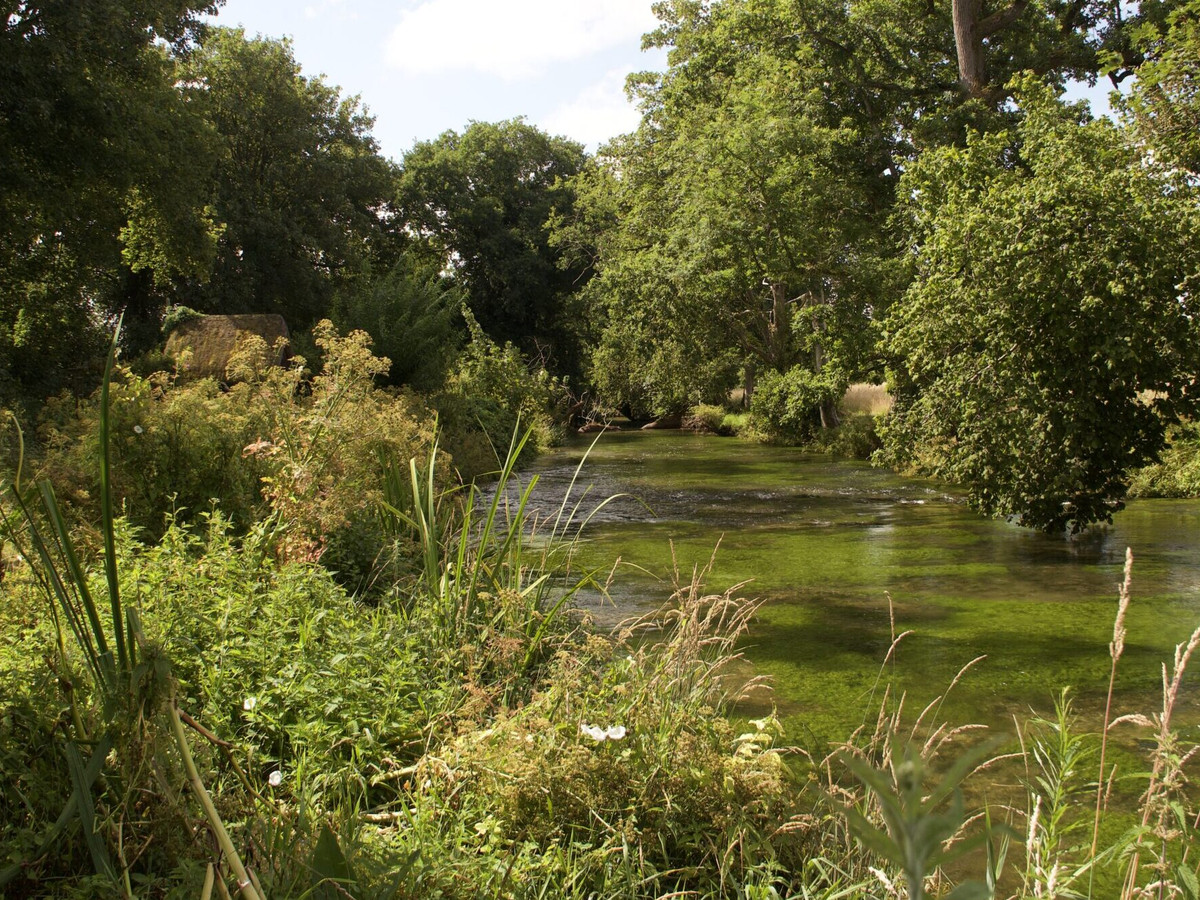
River Test
Bossington Estate
Sitting on the middle River Test, south of Houghton near Stockbridge, Bossington Estate lies in a catchment well known as the birthplace of dry fly fishing — it was on the banks of the River Test that Frederick Halford honed the ground-breaking thoughts that effectively invented modern dry fly fishing in the late 1800s. The fishery offers seven beats across the estate: six on the main river — Rushams, Home, Old Stews, Home Stream, House, and Old Station — plus two miles of the Wallop Brook, a lively tributary of the Test. The river beats each have their own individuality, with deep pools, riffled water and gravel beds, while the Wallop Brook fishes like a true chalk stream, rewarding patience and stealth. The iconic Home Beat is the most famous of all Bossington beats, where a Victorian thatched fishing hut offers magnificent views downstream. Every beat has its own fishing hut, and a secluded self-catering hut serves Horsebridge Lake, a spring-fed still water stocked with rainbow trout. Day tickets are available on all beats, and the estate provides GAIA and AAPGAI-qualified instructors for one-to-one or group tuition covering fly-fishing fieldcraft and casting. Equipment hire covers rods, tackle, clothing and flies, and corporate days with full catering and picnic hampers can be arranged through the estate office.

River Test
Chilbolton Fishery
A private, secluded 280-metre stretch of the main River Test, Chilbolton Fishery sits beside Chilbolton Cow Common in the Test Valley, Hampshire, at the point where the rivers Dever and Anton join the Test. This family-owned fishery is not run as a commercial enterprise; the ethos is to enjoy a day on the River Test with the knowledge that when you book, you have the whole place to yourself. The single beat has two islands, a comfortable rustic fishing hut, and numerous seats and jetties. During the winter of 2021, the Wessex River Trust carried out extensive bank improvements resulting in better access and a more sinuous river profile. Anglers fish for brown trout and grayling under a strict upstream dry fly and nymph-only rule, with no wading permitted. The beat offers variation — slower stretches suited to dry fly work and faster runs ideal for nymphing. Day tickets are available, and a selection of tackle is available to hire on site. All grayling must be returned, trout under 12 inches returned, and the brown trout limit is five fish per day. For visiting fly fishers who want a quiet, unpressured day on a genuine Hampshire chalk stream, Chilbolton Fishing delivers exactly that.

Fed by the River Test
Kimbridge Meadow Fishery
Kimbridge Meadow Fishery sits on the middle River Test in Hampshire, between Romsey and Stockbridge, on a man-made fishery created in the early 1980s, when water from the main River Test was diverted through water meadows and woodland. The fishery is split into four named carrier beats — Cottage Stream, Garden Stream, Alder Stream, and Woodland Stream — with a day ticket giving access to all four. A total of 2.17 miles of riverbank can be fished, and most of the fishing is double bank, with Cottage Stream the only single-bank beat. The fishery operates as a purist upstream dry fly venue; upstream nymphing is permitted from 1 August. The clear water, steady flow, and high levels of dissolved minerals create a unique ecosystem that sustains an abundance of invertebrates, making sight fishing for brown trout the primary draw. The season runs from 1 May to 12 October, with a maximum of four individual rods on any day, or up to six for an exclusive group booking. Day tickets and equipment hire are available, and the fishery is well equipped with a fishing hut, riverside benches, a picnic area, a BBQ area and toilet facilities.
River Test
Wherwell Estate Fishing
Wherwell Estate Fishing sits on the upper River Test in Hampshire, within northwest Hampshire's rolling chalkland, owned and cared for by the same family for over 100 years. The fishery covers around three miles of river across open water meadows, with beats typically comprising carrier streams alongside tree-lined pools and gravel runs. Seven numbered beats are available — Beats Nine, Ten and Eleven fish the main river, while Beats Three, Four, Five and Seven cover the smaller carriers. Located on the upper Test, the river width is manageable for casting, with the majority of fishing done by overhead cast. The river holds good populations of wild brown trout and grayling alongside stocked fish. Trout fishing runs from the start of May through mid-October, with grayling fishing from mid-October through to mid-March. Day tickets and membership are both available. Each beat has its own fishing hut, suitable for a group to take lunch, and the estate also provides a lakeside fishing hut with a kitchen, catch returns folders, and electronic gates. A secluded lake stocked with rainbow trout accommodates up to six rods per day and is open for year-round booking, offering an alternative for groups or families alongside the river beats.
River Test
Broadlands Estates Fishing
Sitting on the lower River Test just downstream from Romsey, Broadlands Estates Fishing offers one of Hampshire's most varied chalk stream experiences. The estate carries 4.5 kilometres of the River Test, divided into six beats — three focused on trout and three on salmon, including Moorcourt, Grove, Rookery & Lord Louis, Tanyard's, Lee Park and Longbridge. This is a wide, fast and open section of river, with lovely pools and long riffles, some broken up by islands, giving each beat a distinct character. The river holds good populations of wild brown trout and grayling alongside stocked trout, and the salmon beats offer well-defined holding pools and taking spots. Trout fishing runs from 3rd April to 15th October, with upstream dry fly and nymph only. The estate is blessed with big mayfly hatches each season, and being lower in the valley, the hatch typically arrives a little earlier — usually from the first weeks of May through to mid to late May. In winter, grayling and pike fly fishing are also available. Day tickets, membership and tuition are on offer, with fishing huts, a lodge, parking and toilet facilities on site. The Nissen Hut, a well-known retreat for Broadlands anglers, is lined with photographs and trophies from decades of notable visits. Ghillying can also be arranged with the riverkeeper.
River Itchen
East Lodge Fishing
Set among the water meadows of Hampshire just south of Twyford, East Lodge Fishing occupies one of the more demanding beats on the River Itchen. The fishery offers approximately two miles of double-bank chalk stream and can accommodate up to ten rods at a time. The water divides between the main river and Rosemary's Leat, a fast-flowing side stream that cuts across the meadows; the river is stocked with brown trout and also supports a strong population of wild trout and grayling. Part of the beat runs through ancient woodland as the river meanders, while other stretches bend through open water meadows — the two settings combine to offer varied conditions and different challenges across the day. Fishing is traditional upstream dry fly, with the wily brown trout providing the main quarry throughout the season. The beat is managed by a full-time keeper and served by an impressive fishing lodge with full facilities. Day tickets and syndicate membership are available, with equipment hire on offer for visiting anglers. Corporate days are a particular speciality, combining chalk stream fly fishing with catering, fine wine, and gillie support — afternoon tea and champagne packages can also be arranged. The stretch carries both SSSI and Special Area of Conservation designations, reflecting the quality of the habitat and the care taken in its management.
River Test
Leckford Estate Fishing
Sitting on the middle River Test, north of Stockbridge, Leckford Estate Fishing is managed as part of the John Lewis Partnership and offers one of the most accessible stretches of Hampshire chalk stream fly fishing available on day ticket. Eleven miles of the River Test are covered across nine bookable beats, with both single and double bank options and clear, nutrient-rich water holding brown trout, rainbow trout, and grayling. The Test at this point is not a single channel — carriers, side streams, and the main river run in parallel, giving each beat its own character, from carrier-focused beats with shorter main river sections to double-bank main river with shallow glides deepening into holding pools. A team of full-time riverkeepers maintains the fishery, which sits within the Test Valley SSSI, surrounded by water meadows and reed beds. Visiting anglers can book day tickets or membership, and the estate supports beginners and improvers with tuition and beginners' courses on the lakes. Two stillwater options — Testside Lakes and Longstock Park Lake — round out the offer, with fishing lodges at each. Equipment hire, ghillie services, accommodation, and corporate packages are also available, making Leckford Estate a practical base for a full chalk stream trip in Hampshire.
River Test
Testcombe Beat
Sitting on the River Test between the Mayfly Pub bridge and the village of Chilbolton, Testcombe Beat is a well-established fly fishing fishery in Hampshire offering three named beats — the Upper Beat, the Home Beat, and the Lower Beat. The fishery covers approximately 900 yards of main river and around 1,000 yards of carrier streams, giving anglers a genuine variety of water to work through in a single day. The chalk stream fishing suits all abilities, with the wide main river and more intimate carriers offering deep holes, overhangs, and shallow glides — the kind of mixed character that rewards both methodical dry fly presentation and careful nymph work. Native brown trout are the primary quarry from April through to the end of October, with the annual mayfly hatch drawing particular attention during that period. Day tickets, guided lessons, and equipment hire are all available, making Testcombe a practical choice for first-timers and returning chalk stream anglers alike. The Grade II listed fishing hut, built in 1888, serves as the day's headquarters and also functions as a venue for exclusive private events.
River Test
Timsbury Fishery
Located on the middle reaches of the world-famous River Test, perfectly situated between Romsey and Stockbridge, Timsbury Fishery offers a truly historic chalk stream fly fishing experience. Spanning over three miles of meticulously maintained water, the fishery is divided into four exclusive two-rod beats. Each beat provides a captivating variety of fishing, incorporating stretches of both the wide, glassy main river and the intimate, challenging carrier streams. Managed primarily as a highly sought-after syndicate, Timsbury also accommodates select day ticket rods and guided experiences. Anglers are treated to classic upstream dry fly and nymph fishing for exceptional wild brown trout, complemented by a careful stocking of premium rainbow and brown trout. During the winter months, the fishery transforms into a highly regarded destination for specimen grayling and quality coarse fishing. Beyond the water, Timsbury delivers a superb level of comfort and hospitality. At the heart of the estate sits a fully equipped, modern fishing lodge featuring a kitchen, secure rod room, and a spacious patio overlooking the main river—perfect for relaxing with fellow rods. With additional huts stationed strategically across the beats, Timsbury Fishery provides a complete, premium sporting day on the legendary River Test.
Agents & booking
Agents and operators offering bookings on Hampshire chalk stream beats.
Explore other counties
Berkshire
Upper Kennet chalk-stream beats — solid fishing, less competition than Hampshire.
Explore Berkshire fishing →Buckinghamshire
The Chilterns chalk streams - the rare, spring-fed Chess and Misbourne.
Explore Buckinghamshire fishing →Derbyshire
Peak District limestone rivers — wild rainbows on the Wye, and the historic Dove.
Explore Derbyshire fishing →Dorset
The Frome and lower Avon, with good grayling and summer sea trout.
Explore Dorset fishing →Wiltshire
Quieter chalk-stream country on the Wylye, Avon and upper Kennet.
Explore Wiltshire fishing →