Fishing Beats on the River Nadder

Browse 8 fishing beats available on the River Nadder in Wiltshire. Each beat lists current pricing, length, and difficulty. Read about the River Nadder or switch to the River Nadder map .

8 beats on the River Nadder

Compton Chamberlayne Beat 1
Verified

Compton Chamberlayne Beat 1

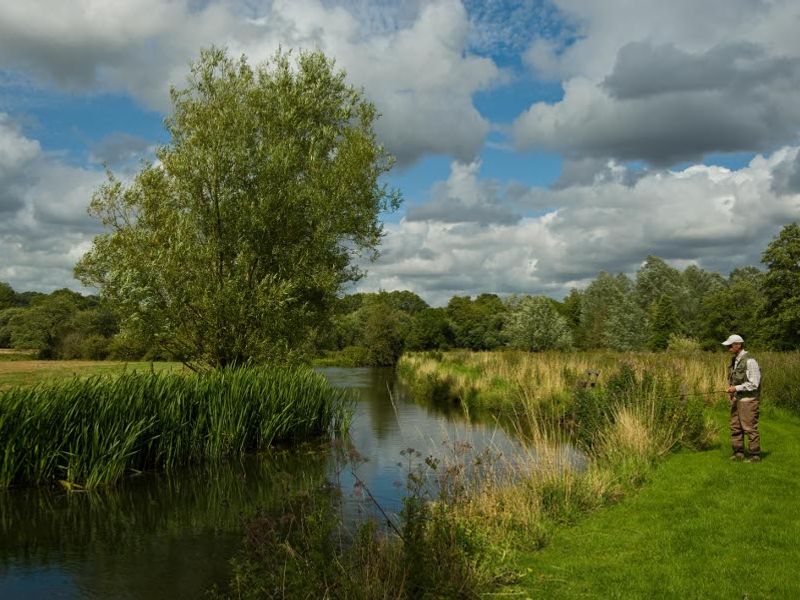
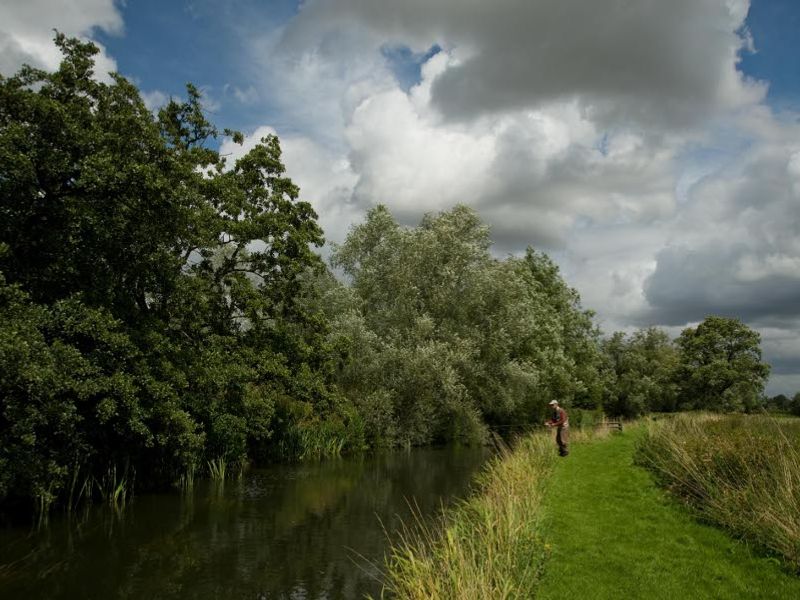
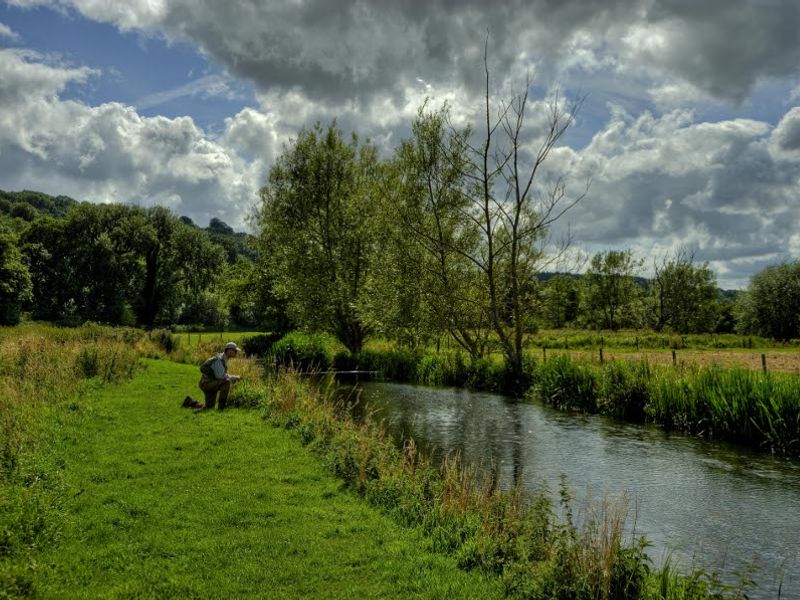
Beat 1 at Compton Chamberlayne covers around 0.38 miles of the River Nadder near Dinton in Wiltshire, just west of Salisbury. It is the most open of all the beats on the fishery, with the downstream section running through the water meadows and the top section more shaded with trees and a deep pool. The Nadder is deeply incised in the ground, with a series of serpentine bends slowing its flow and creating sequences of riffles through to deep pools. It is classified as a mixed-geology chalk stream — flowing over chalk where the main fishing takes place, but rising in sands and clay, which means it can carry a slight tinge of colour and may cloud more noticeably after heavy rain. Brown and rainbow trout are the target species, with the beat heavily stocked throughout the season, which runs from 18 April to 3 October. Fly fishing only, with upstream dry fly the method from the season opener. From 1 July, upstream nymph up to size 12 may also be used. The Nadder fishes well from the off, with strong early-season hatches of large dark olives and grannom — the latter in particular can drive trout into a feeding frenzy and make for a memorable season opener. The main event is the mayfly, which can be spectacularly good even after heavy rain and poor visibility. Through summer, long evenings bring hatches of olives and sedges that keep brown trout rising well into the dusk. The beat is rated as adventurer difficulty — the open water meadow character of the lower section suits a range of abilities, but the deeper, tree-lined upper pool demands more considered presentation. Up to six rods can fish the beat in a day. Wading is permitted but generally not necessary. A fishing hut is on site for shelter and kit storage. Catch returns should be delivered to the river keeper at the end of the day. A current Environment Agency rod licence is required.

main river0.38 miles+3
Compton Chamberlayne Beat 2
Verified

Compton Chamberlayne Beat 2

Just under 0.4 miles of single-bank dry fly and nymph water on the River Nadder at Compton Chamberlayne, in the Nadder Valley of Wiltshire. The river here is deeply incised, with a series of serpentine bends that slow the flow and create sequences of riffles leading into genuinely deep pools — the kind of varied chalk stream character that rewards careful reading of the water. The Nadder is classed as a mixed-geology chalk stream, flowing over chalk where the main fishing takes place but rising in greensand, which means it can carry a slight tinge of colour and may colour more noticeably after heavy rainfall — worth bearing in mind when planning a visit. Beat 2 holds both brown and rainbow trout and is heavily stocked, giving good numbers of fish throughout the season from 18 April to 3 October. Up to six rods can fish simultaneously, making it well suited to groups. Fly fishing only, with dry fly and nymph permitted. The Nadder starts the season well with good hatches of grannom; the main event is the mayfly, which can be spectacularly good even in poor visibility conditions; and later in the season, early morning and evening sedges offer the best chance of sport. The beat is rated as adventurer difficulty, banks are mown but not overly manicured, and the river is fairly narrow in places with contrasting deeps and shallows, so expect some bankside vegetation to negotiate and tight casting angles in places. The water is generally clear enough to spot fish, making sight fishing a real option when conditions allow. A fishing hut on the beat provides a base for the day. A 9-foot rod for a 4- or 5-weight line covers most situations here; fine tippets and accurate presentation matter on this water.

main river0.38 miles+3
Compton Chamberlayne Beat 3
Verified

Compton Chamberlayne Beat 3

The River Nadder is the most substantial of the Avon's tributaries, rising at Donhead St Mary and winding through the Wiltshire countryside before reaching the Compton Chamberlayne estate. Beat 3 covers just under 0.4 miles of single-bank main river on this mixed-geology chalk stream — deeply incised, with a series of serpentine bends that slow the flow and create sequences of riffles leading into genuinely deep pools. Classed as a mixed-geology chalk stream, it flows over chalk where the main fishing action takes place but springs to life in the sands and clay beyond, meaning the water carries a faint tinge of colour compared to the Test or Itchen — but it is generally clear enough to spot the fish at which you are casting. Brown and rainbow trout are present throughout the season, which runs from 18 April to 3 October, with up to six rods on the water. Stocking is heavy, so fish are reliably available, but the beat's character rewards patience and observation rather than blind searching. Fly-only rules apply, with dry fly from the off and nymphing permitted later in the season. The Nadder starts the season well with good hatches of grannom; the main event is always the mayfly, which can be spectacularly good even in poor visibility; and later in the season early morning and evening sedges give the best chance of good sport. The river has a healthy and diverse population of invertebrates with fly hatches throughout the season. A 9-ft to 10-ft rod for a 4- or 5-weight line suits the water well. A fishing hut on the beat provides shelter and a base for the day.

main river0.38 miles+3
Compton Chamberlayne Beat 4
Verified

Compton Chamberlayne Beat 4

Around 0.38 miles of single-bank dry fly and nymph water on the River Nadder, Beat 4 at Compton Chamberlayne sits within a well-kept Wiltshire estate just west of Salisbury. The beat opens at a mill pool before the river straightens out upstream, meandering less than any of the other beats on the fishery. The Nadder runs deeply incised through the valley, with serpentine bends creating sequences of riffles and deep pools — varied enough to hold fish throughout the season. It is a mixed-geology chalk stream, flowing over chalk where the main fishing takes place but rising in sands and clay further upstream. As a result it carries a slight tinge of opaqueness and can colour more noticeably after heavy rainfall — worth bearing in mind when planning a visit. The beat holds both brown and rainbow trout and is heavily stocked. Although there are plenty of wild fish, the river is stocked with high-quality brown trout. The season runs 18 April to 3 October. Early in the season expect good hatches of large dark olives and grannom, while the mayfly is the main event and can be spectacularly good even in poor visibility conditions; later in the season, early morning and evening sedges give the best chance of sport. The beat is rated as adventurer difficulty — expect bankside vegetation that demands accurate casting. Upstream dry fly only applies until 1 July, after which upstream nymph on a maximum size 12 hook is permitted. Up to six rods can fish the beat, making it well suited to a small group day. Each beat has a small fishing hut equipped with table and chairs. A brace limit of two fish per rod per day applies, with a minimum size of 12 inches. A current Environment Agency rod licence is required.

main river0.38 miles+3
Compton Chamberlayne Beat 5
Verified

Compton Chamberlayne Beat 5

The River Nadder is the most substantial of the Avon's tributaries, rising at Donhead St Mary and winding through the Wiltshire countryside before reaching the Compton Chamberlayne estate. Beat 5 covers just under 0.4 miles of single-bank chalk stream water in this quiet stretch of the valley. The river is deeply incised, with a series of serpentine bends that slow the flow and create sequences of riffles leading into deep pools — and Beat 5 features more of those deep, tree-shaded pools than the beats immediately below it, making for varied and often demanding presentation. The Nadder is classified as a mixed-geology chalk stream, flowing over chalk where the main fishing takes place but rising in greensand and clay, so expect water that is clear but carries a faint tinge — and can colour after heavy rain. Brown and rainbow trout are both present, heavily stocked across a season running from 18 April to 3 October. The beat is rated as adventurer-level difficulty: the river is fairly narrow in places with contrasting deeps and shallows, and the tree cover that shades the pools demands accurate, often tight casting. Dry fly is the primary method, with nymphing also permitted. The season opens well with good grannom hatches, the mayfly is the main event and can fish spectacularly even in poor visibility, and later in the season early morning and evening sedges offer the best chance of consistent sport. Up to six rods can fish the beat simultaneously. Each beat has a small hut equipped with table and chairs, giving anglers a practical base for the day. Fly fishing only throughout; a 9-foot 4- or 5-weight is the natural choice for this width of water.

main river0.38 miles+3
Compton Chamberlayne Beat 6
Verified

Compton Chamberlayne Beat 6

Beat 6 on the Compton Chamberlayne fishery sits on a deeply incised stretch of the River Nadder in Wiltshire, where serpentine bends slow the current and create sequences of riffles leading into mysteriously deep pools. The beat covers just under 0.4 miles of single-bank main river, and it is the most varied beat on the fishery — steep banks and generous tree cover make for a characterful day's fishing, though it is best avoided by anyone with mobility difficulties. The Nadder is a mixed-geology chalk stream: it flows over chalk through the main fishing reaches but rises in greensand, which gives it a slight opaqueness compared to a pure chalk stream and means it can colour after heavy rain. The beat holds both brown and rainbow trout and is heavily stocked, giving consistent sport throughout a season that runs from 18 April to 3 October. Fishing is fly only — dry fly and nymph — and the water rewards an attentive approach. The Nadder starts the season well with good hatches of grannom, and the main event is the mayfly, which can be spectacularly good even after heavy rain and poor visibility. Later in the season, early morning and evening sedge hatches give the best chance of good sport. The river is generally clear enough to spot fish at which you are casting, making sight fishing a realistic tactic on calmer days. The beat is rated for adventurer-level anglers — the combination of steep banks, overhanging trees, and tight casting angles means it suits those comfortable working in confined, technical conditions. Up to six rods can fish the beat on any given day. A fishing hut equipped with table and chairs is provided on the beat. A 9-foot, 4- or 5-weight rod covers most situations; carry a selection of grannom and mayfly dries for spring, with CDC olives, elk-hair sedges, and a few nymph patterns for the summer months.

main river0.38 miles+3

Hurdcott Estate Beat

The Hurdcott Estate beat sits on the River Nadder as it flows through the water meadows at the heart of the estate, in the Nadder Valley of Wiltshire. The river is deeply incised, with a series of serpentine bends that slow its flow and create sequences of riffles leading into deeper pools — the kind of varied water that rewards an angler who takes time to read it. The river is relatively narrow, so long casts are not necessary, making this an accessible beat for those newer to chalk stream fishing. The Nadder is classed as a mixed-geology chalk stream, carrying the slightest tinge of colour that can deepen after heavy rainfall, though it clears quickly and offers good visibility for spotting fish through much of the season. The beat holds both brown trout and grayling, targeted on upstream dry fly and upstream nymph. Fish here have an intimate, willing quality — brown trout and grayling that will readily sample a well-presented dry fly. The season opens well with good hatches of grannom, before the main event — the mayfly — which can be spectacularly good even after heavy rain. Later in the season, early morning and evening sedge hatches give the best chance of consistent sport. The long summer evenings also see good hatches of olives that can keep brown trout rising well into dusk. The season runs from 1 April through to 15 October, in line with the wider Avon catchment. The beat accommodates up to eight rods, making it well suited to a group day or corporate outing. A fishing hut is provided, reached via a tree-lined avenue that leads directly from the drive — a practical base for lunch or shelter. A 9-foot 5-weight rod covers most situations here; the narrow, winding character of the water means presentation and approach matter far more than distance. The Nadder is around one hour forty minutes from London Waterloo to Tisbury by train, placing this Wiltshire beat within easy reach for a day visit from the south of England.

chalk streamupstream dry fly+2

@fishingbeats

From the riverbank

Follow →

Newsletter

Stay in the loop

Exciting new features, fresh beats, season news, and chalk stream tips, straight to your inbox.