
The problem with planning a day on water you don't already know
There's a particular kind of evening I've spent more times than I'd like to admit. You want to fish a chalk stream in three weeks. You've got a week off and a shortlist of rivers, maybe the Itchen, maybe the Kennet, something you've wanted to try for years. So you start looking.
An hour later you've got seven browser tabs open. One is a fishery website that hasn't been touched since 2009. One is a forum thread from 2017 where someone mentions a stretch of the Test, but the beat name is slightly wrong and the phone number goes nowhere. One is a Facebook group for a club you can't join without a referral. And somewhere in there is a dead PDF with a price list for a fishery that may or may not still be running.
So you close the tabs. And you book the beat you fished last year, because at least you know it exists.
This isn't a niche problem. The chalk streams, the Test, the Itchen, the Kennet, the Avon, the Lambourn, the Dever, the Anton and the rest, carry more fishing history than almost any other water in England. Day-ticket rods exist on nearly all of them. Finding those rods, and finding the right stretch for what you actually want, is harder than it should be. The information is real. It's just scattered across twenty years of the internet with nobody looking after it.
That gap is what FishingBeats is trying to close.
What FishingBeats actually is
At its simplest, it's a free directory of fishing beats in England, focused on the chalk streams. Everything is organised the way anglers think about the water. Rivers contain fisheries, fisheries contain beats, and beats are offered through one or more providers. That's the whole structure.
A beat page shows you what you'd want to know before booking. There's an interactive map with the beat boundary marked, the length of water and which banks you have, the species, the methods that are allowed, any fly-only restrictions, the season dates, rod limits, wading rules, whether there's a ghillie, parking and access, and the pricing from every provider who offers that beat, not just one of them. Once you've found what you want, you go straight to whoever takes the booking. We're not in the middle of it.
What it deliberately isn't is a booking platform that takes a cut. There's no commission, no exclusivity, no paid placement and no paywall. It's free for anglers to use. It's free for fisheries and providers to list on. The information should be open. That isn't a policy we might quietly change later. It's the whole point of the thing.
Chalk stream fishing has a reputation for being closed off. Some of that is true. There are beats on the Test that pass between syndicates and estates and never see a public rod. But a lot of it is just friction. The information gap makes water that's actually open feel out of reach. Day tickets exist on most of the best rivers, and finding them shouldn't depend on knowing the right person, or on spending an evening lost in browser tabs.
Who's behind it
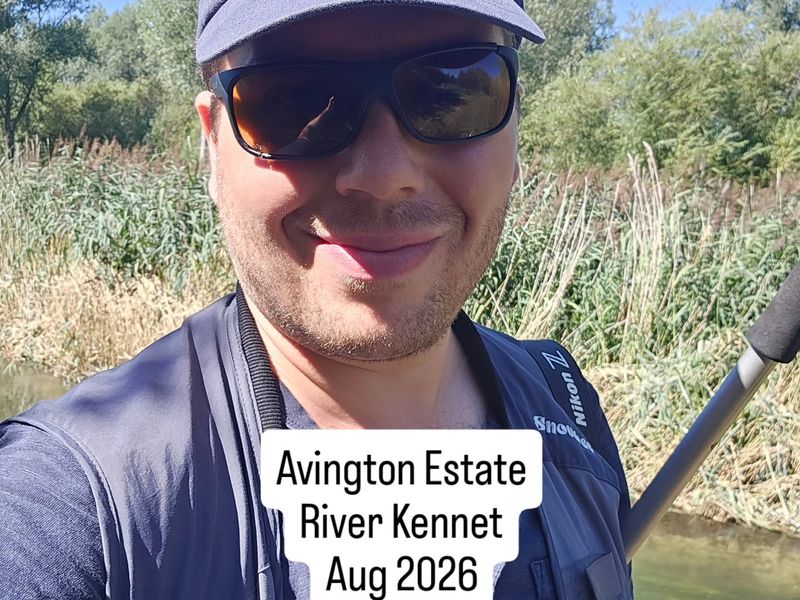
I'm Nicolas. I'm thirty, Anglo-German, living between London and the countryside, and the kind of fly fisherman who gets home from a day on the river and immediately wants to plan the next one. My home water is the Enborne, that runs through north Berkshire before it meets the Kennet near Newbury. It's modest water, not the Test and not the Itchen, but it's where I learned to read a rise and work out why chalk streams fish the way they do.
The last couple of seasons have had me spending more time on the bigger rivers, and that's where the frustration got concrete enough to do something about. FishingBeats isn't a startup, and it isn't a business plan. It's a project. It came out of genuine annoyance at a gap that shouldn't exist, and genuine love for the rivers themselves. I'd rather build the thing than keep grumbling that nobody else has.
I'm one person, and the directory is early. There are beats missing, prices that need checking, and rivers that deserve better pages than they've got right now. That's expected, and it's fixable, but only with help from people who know the water.
The chalk streams and why they matter
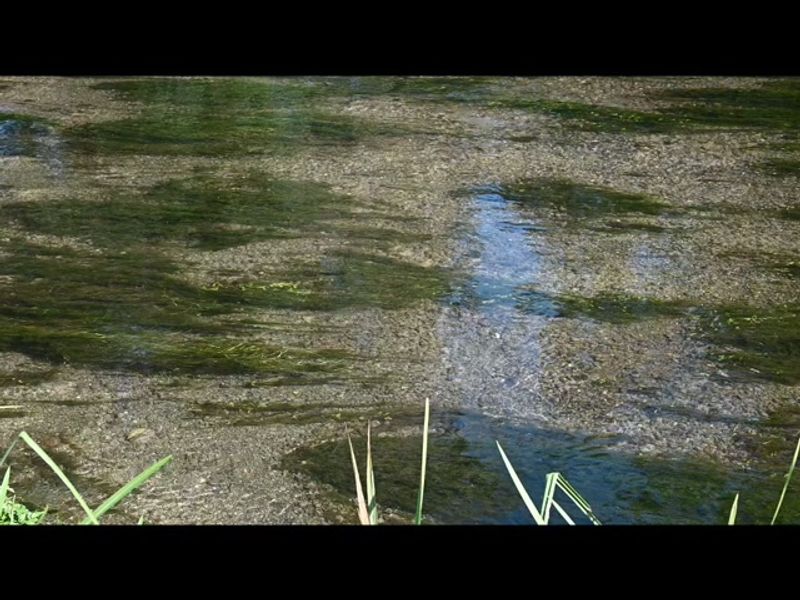
England holds most of the world's chalk streams. That sounds like the sort of line you'd read on a board at a visitor centre, but it's worth sitting with for a second. These rivers, fed by springs through chalk under the ground, running clear and cold and full of insect life, exist almost nowhere else on earth. The ones we have in Hampshire, Wiltshire, Berkshire and Dorset are basically it.
They hold wild brown trout of a quality that's genuinely rare. On a good evening in May, a chalk stream in hatch will show you more feeding fish in one pool than most rivers give you in a season. A lot of what we think of as dry-fly fishing was worked out on these rivers in the first place.
That makes looking after them a real responsibility. Water being taken out of the aquifer, run-off from farms, years of heavy stocking and a warming climate have all done damage. The people working to turn that around, the Wild Trout Trust in particular, along with individual river keepers doing careful, unshowy habitat work, deserve more support and more attention than they usually get.
FishingBeats wants to be part of that. Not in a vague way, but in practical ones. We flag wild-only beats and catch-and-release rules on the listings. We want to support conservation groups directly. And we want to help more anglers understand what tells a well-managed stretch apart from one that's been hammered. More people who actually value these rivers is part of how you protect them. Anglers who know what they're fishing for tend to care about what happens to it.
What's being built
The directory is the foundation. What comes next depends partly on what people ask for, but a few things are already in the works.
Angler accounts and saved beats are the obvious first step. Somewhere to keep the beats you're thinking about, mark the ones you've fished, and build a list that's more use than seven open tabs.
Catch reports are the part I'm most excited about. The idea is that a signed-in angler can log a catch on a specific beat, the date, the species, the method, the fly, the conditions, and over time that builds into something useful. Not a trophy board. More a quiet record of how a beat fishes through the season. Which months produce on a given stretch. Whether the evening rise is worth waiting around for in September. The kind of thing that used to travel by word of mouth and mostly doesn't travel at all any more.
River discussions are another one. A proper home online for chalk-stream talk. The forums that served this lot for twenty years have mostly gone quiet. The Facebook groups exist but they're buried and scattered. The plan is something pseudonymous, sorted by river, and built around the water rather than around the platform. Somewhere to talk about what you're seeing on the Itchen this week without it vanishing into a feed.
Provider pages will give each booking operator and agent their own listing, with the beats they cover, their pricing and how to reach them, so that comparing who offers what on a given river is a five-minute job and not an afternoon.
These are plans, not promises with dates on them. The project is built in the open, and what gets built next is partly down to what people actually find useful.
What this needs from you
A directory like this only gets accurate through the people who know the water. If you've fished a beat that isn't on here, telling me about it is genuinely useful. The name, the river, a rough idea of the access is enough to start. You don't need to own it. We'll check the details and reach out to the fishery before anything goes live.
If you spot something wrong, a price that's out of date, an access point that's moved, a beat name that's slightly off, please say so. That sort of correction is how this becomes something people trust.
Good photography is harder to come by than you'd think. One photograph of a beat that catches the character of the water does more for a listing than any amount of writing. If you've got shots of chalk stream water you know well and you're happy to share them, we'd be glad to use them with a credit.
And if you're a fishery owner, a river keeper, a ghillie or a booking agent, listing is free and stays free. No commission, no exclusivity. Just a fair, accurate page that links straight to your booking contact and shows anglers what you're really offering. Get in touch at hello@fishingbeats.com and we'll take it from there.
You can follow along on Instagram at @fishingbeats, where there's the odd river photograph and a slower pace than most of social media manages.
The rivers are worth this kind of attention. That's the whole reason.
— Nicolas