Axe Edge Moor, near Buxton, Derbyshire to Confluence with the River Derwent at Rowsley · 22 miles
Fly Fishing on the River Wye (Derbyshire)
1 beat on the River Wye (Derbyshire) sell access by the day.
Where the River Wye (Derbyshire) runs
The river's course with every beat and fishery we list on it. Tap a marker for a quick read on price.
Fishing Beats on the River Wye (Derbyshire)
1 beat availableBrowse day tickets, syndicate rods, and permit fishing on the River Wye (Derbyshire). Each beat listing includes pricing, species, and booking details.
Clubs and syndicates on the River Wye (Derbyshire)
1 clubMembership bodies holding water on the River Wye (Derbyshire). Some sell day tickets alongside membership, others are open to members only, and a few run a waiting list.
About the River Wye (Derbyshire)
River Wye (Derbyshire) at a glance
- Length
- 22 miles
- Source
- Axe Edge Moor, near Buxton, Derbyshire
- Mouth
- Confluence with the River Derwent at Rowsley
- Country
- United Kingdom
- Water type
- Limestone
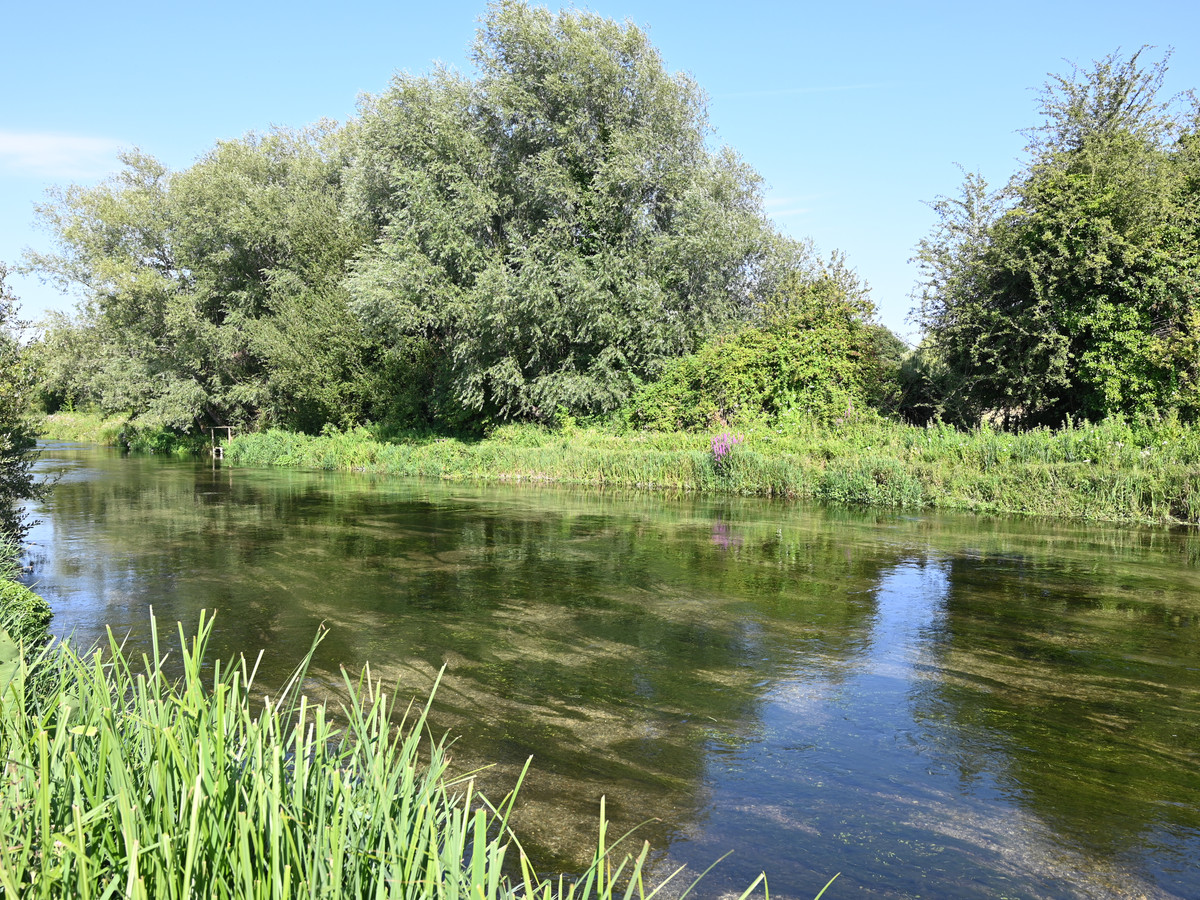
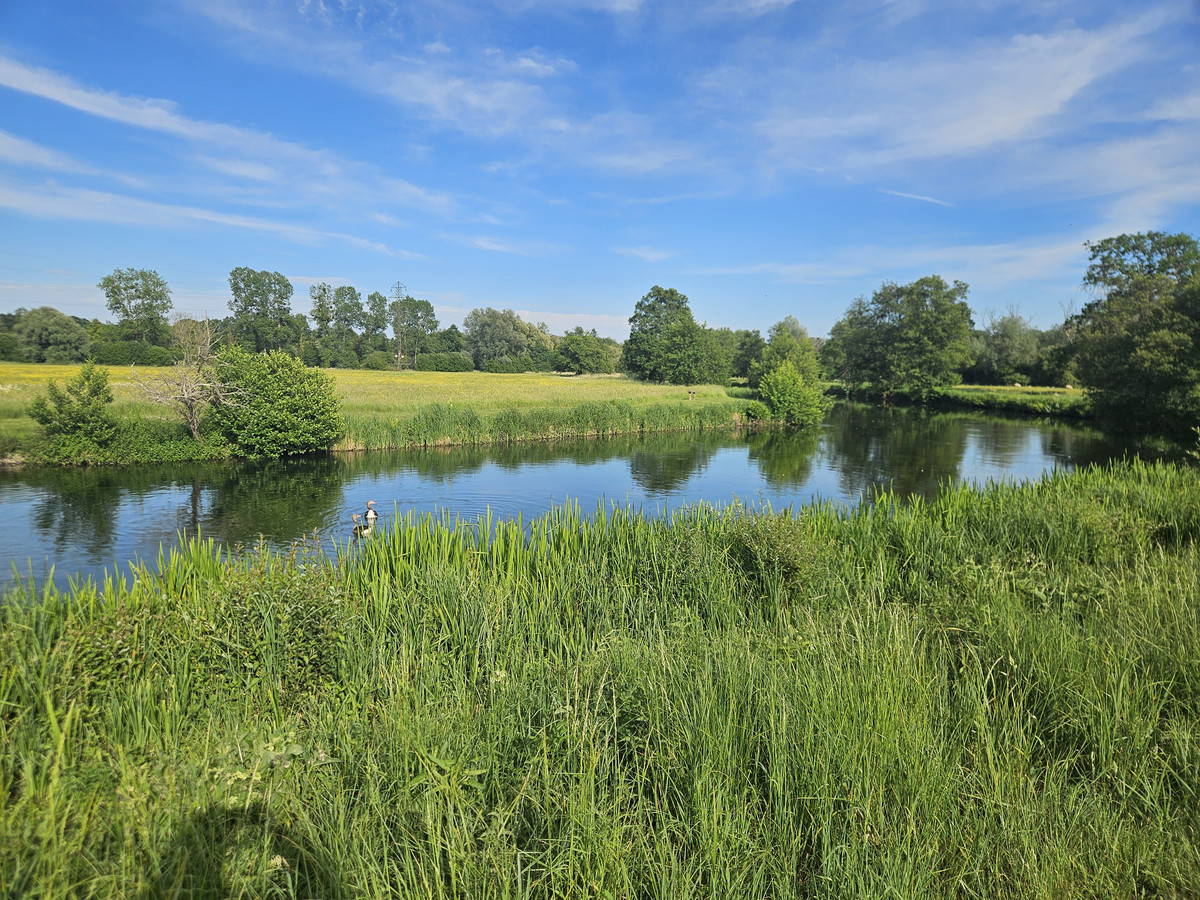
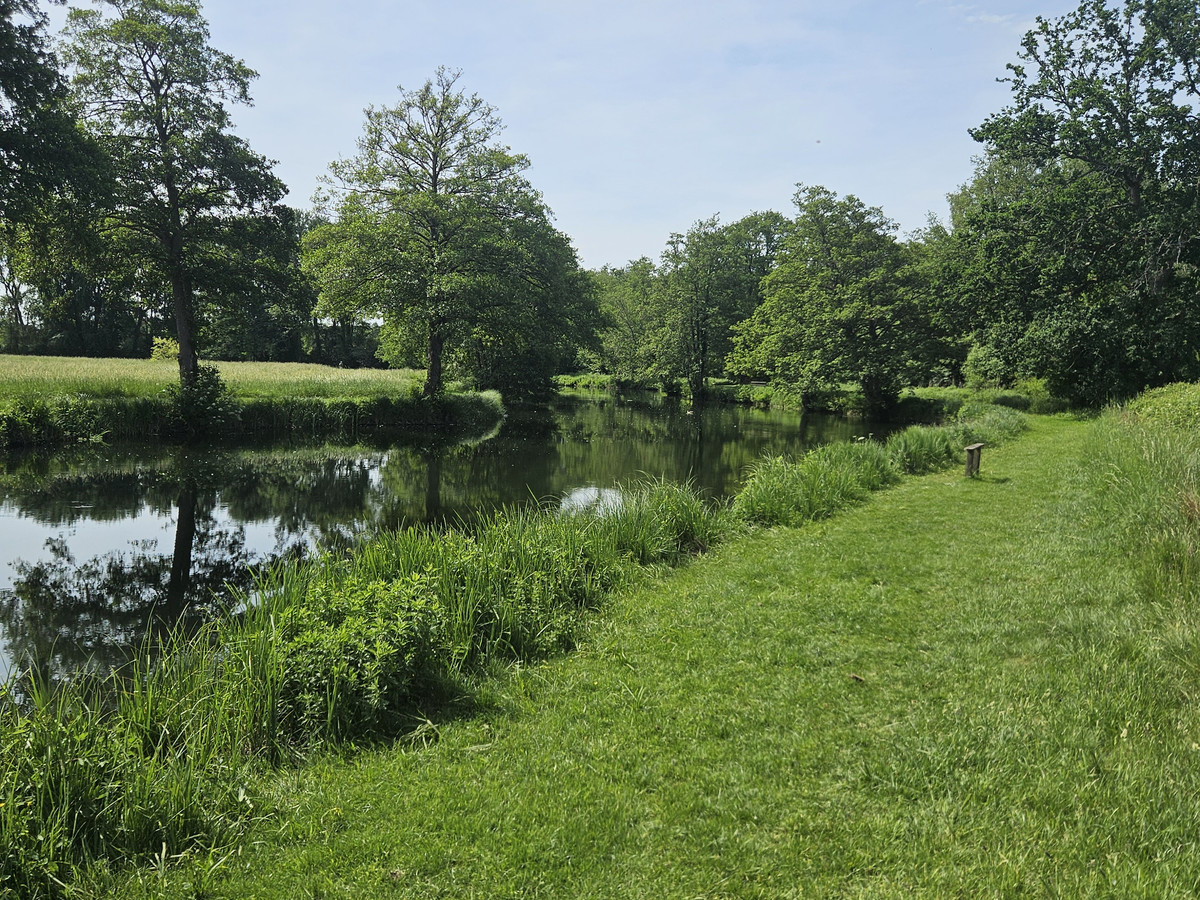
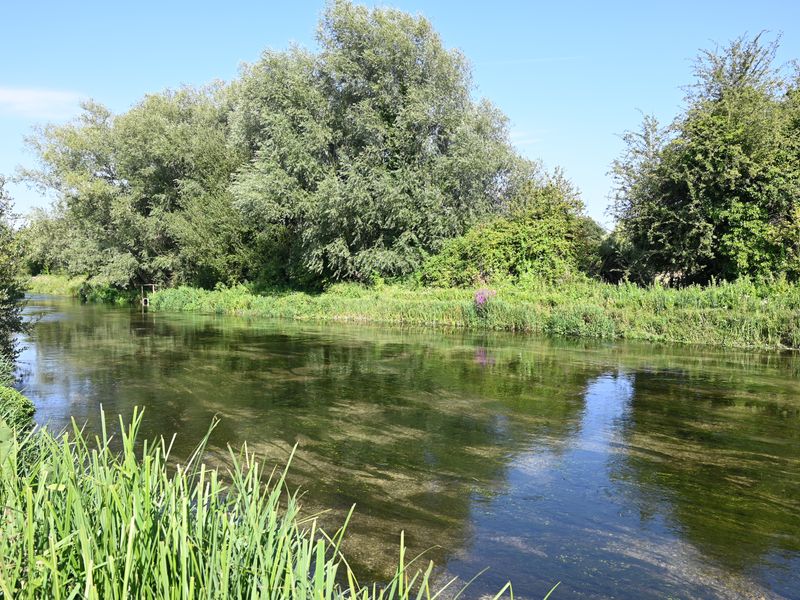
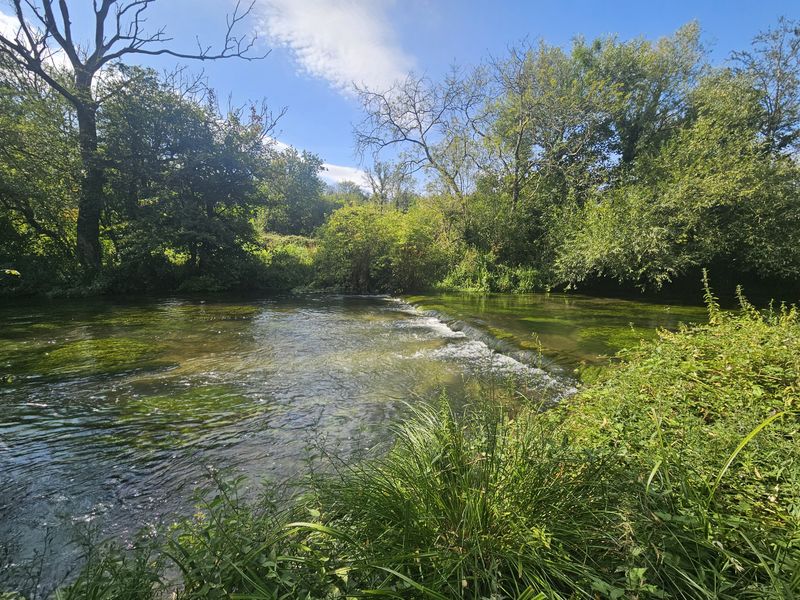
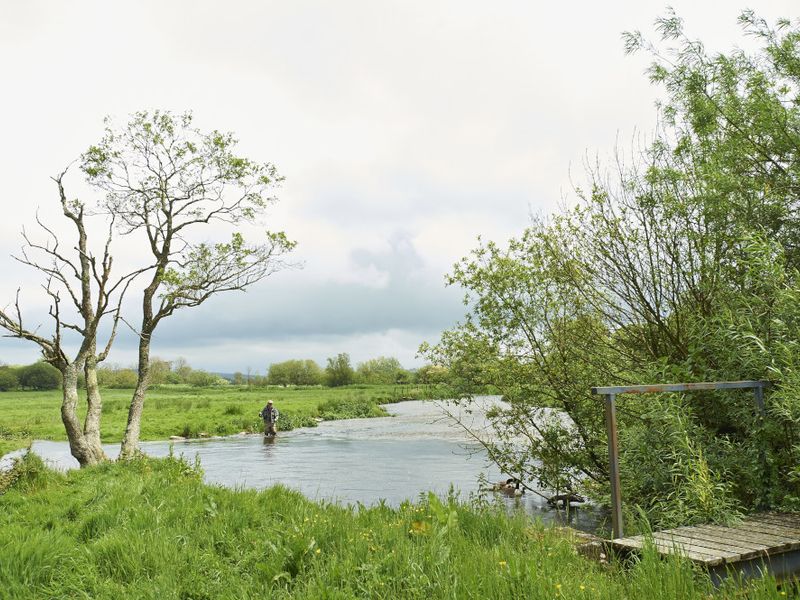
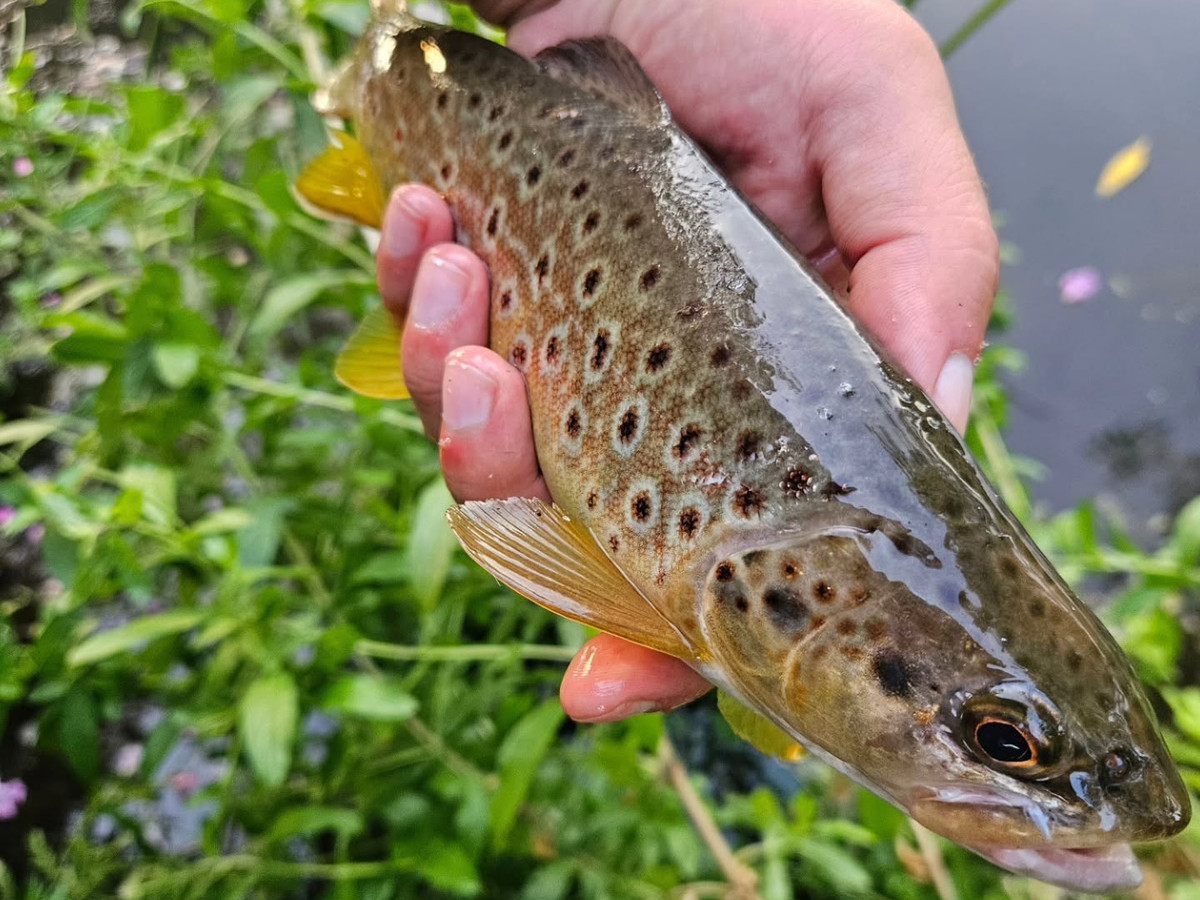
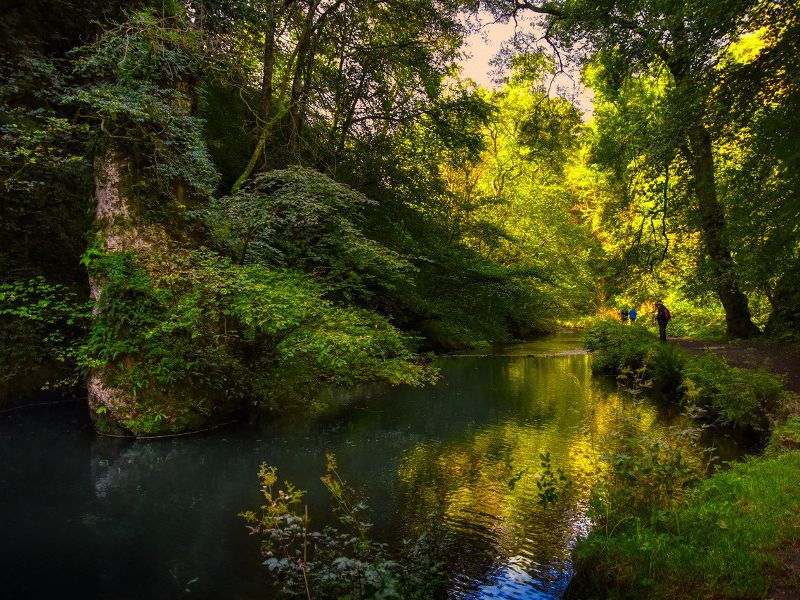
Rising on Axe Edge Moor near Buxton, the River Wye (Derbyshire) is a limestone chalk stream that flows southeast for 22 miles through the Peak District National Park in Derbyshire, passing through the gorges of Ashwood Dale, Chee Dale, and Miller's Dale before threading the villages of Ashford-in-the-Water and Bakewell and meeting the River Derwent at Rowsley. Water filtered through the surrounding limestone arrives exceptionally clear and alkaline, with a good variety of nutrients that allow invertebrates and insects to flourish. The river holds , and the fishing is entirely wild: no restocking has taken place for over twenty years, and so the fish are truly wild.
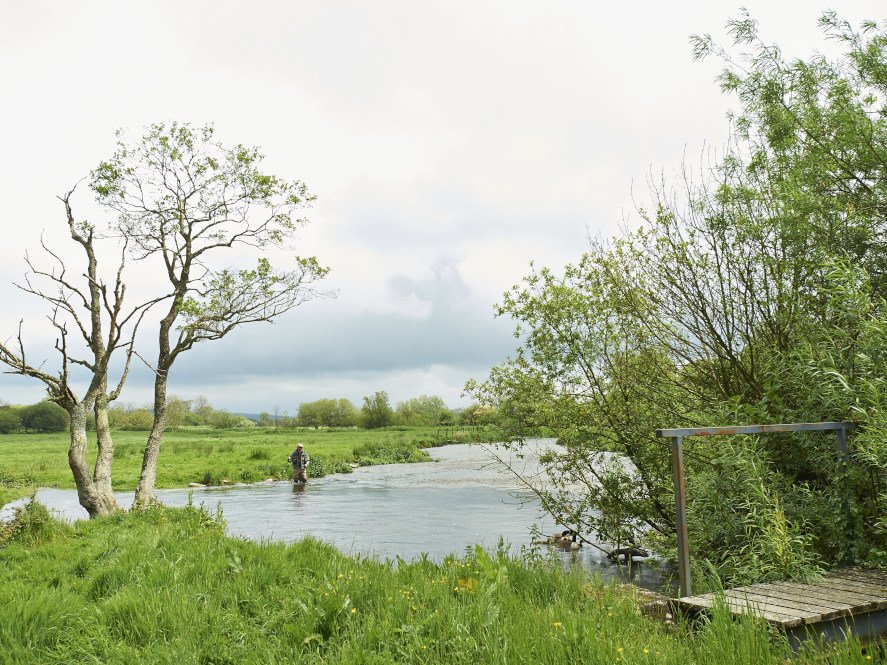
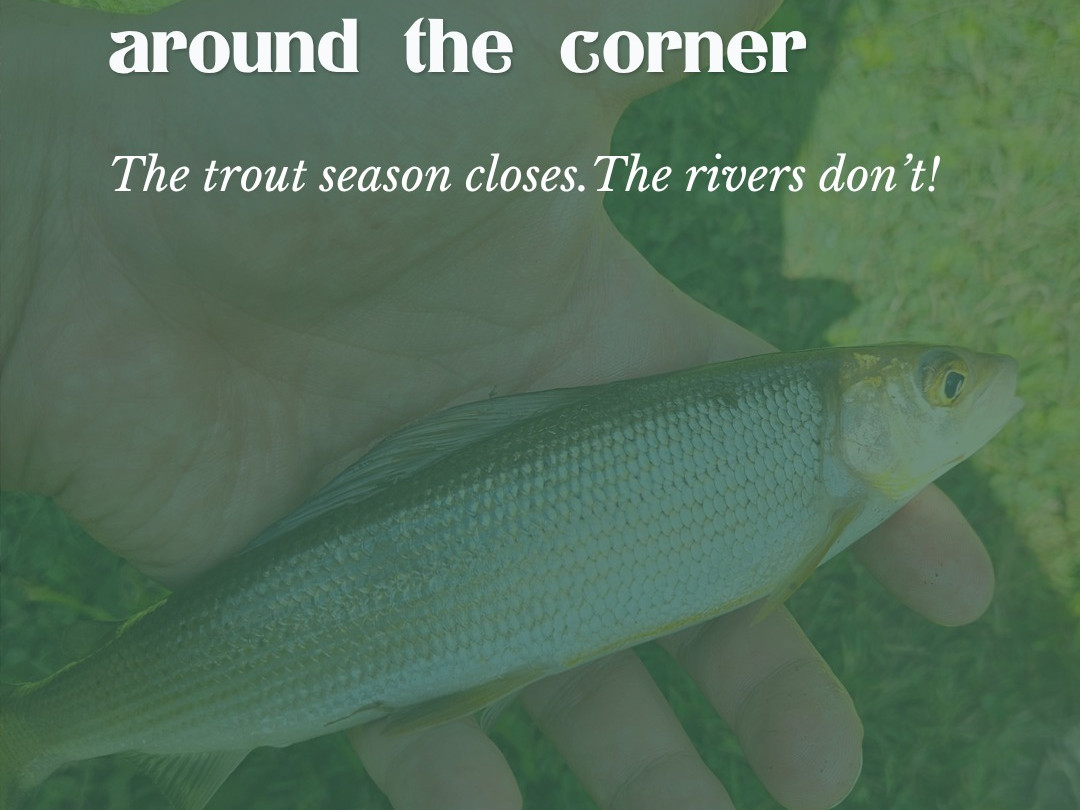
Spring days bring hatches of olives and grannom, with the mayfly running from mid-May through to the first few weeks of June. Blue-winged olives, caddisfly, gammarus, and mayfly are all characteristic of the river. Dry fly is the method of choice on most beats, a tradition that dates to 1865 when James Ogden first demonstrated the upstream dry fly here, though nymph fishing is permitted on some stretches, particularly for grayling. The river's most singular distinction is its wild rainbow trout population. In the 1890s, eyed ova imported from the Baja Coastal range in California were hatched into Ashford Lake just north of Bakewell; a flood broke the dam and the fish escaped into the Wye, where the river's character proved close enough to their native habitat that they became self-sustaining spawners. Rainbows now make up around 25% of fish caught on the Wye, co-existing alongside the indigenous wild brown trout population.
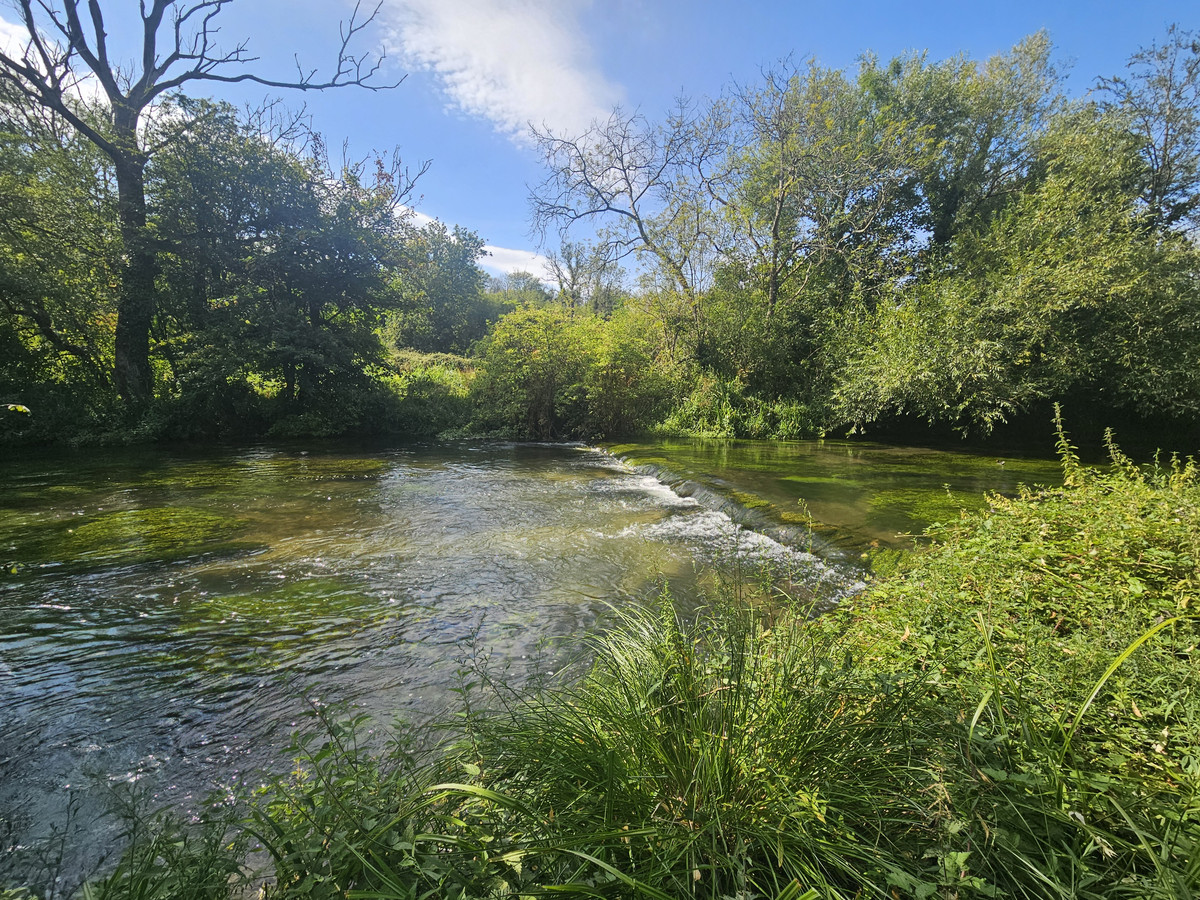
The fishing is spread across 1 beats from 0 fisheries. Cressbrook and Litton Flyfishers' Club manages a substantial upper section from Blackwell down to Ashford-in-the-Water, with day tickets available. Post-2010 conservation work at Litton Mill has involved weir and leat modifications advised by the Wild Trout Trust to facilitate upstream fish migration. Environment Agency Water Framework Directive assessments classify the upper river as having good ecological status as of 2022.
FAQ
River Wye (Derbyshire) FAQs
Common questions about fishing the River Wye (Derbyshire), from day tickets and seasons to what to expect on the bank.