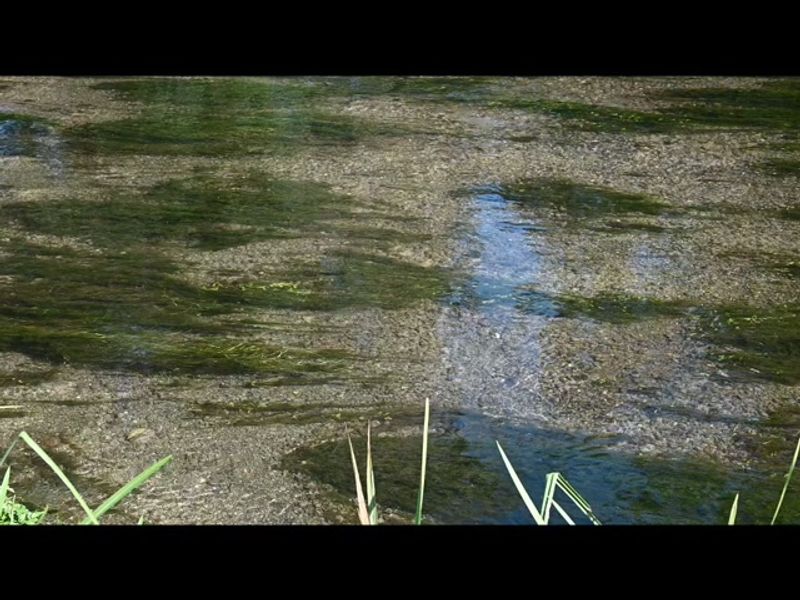
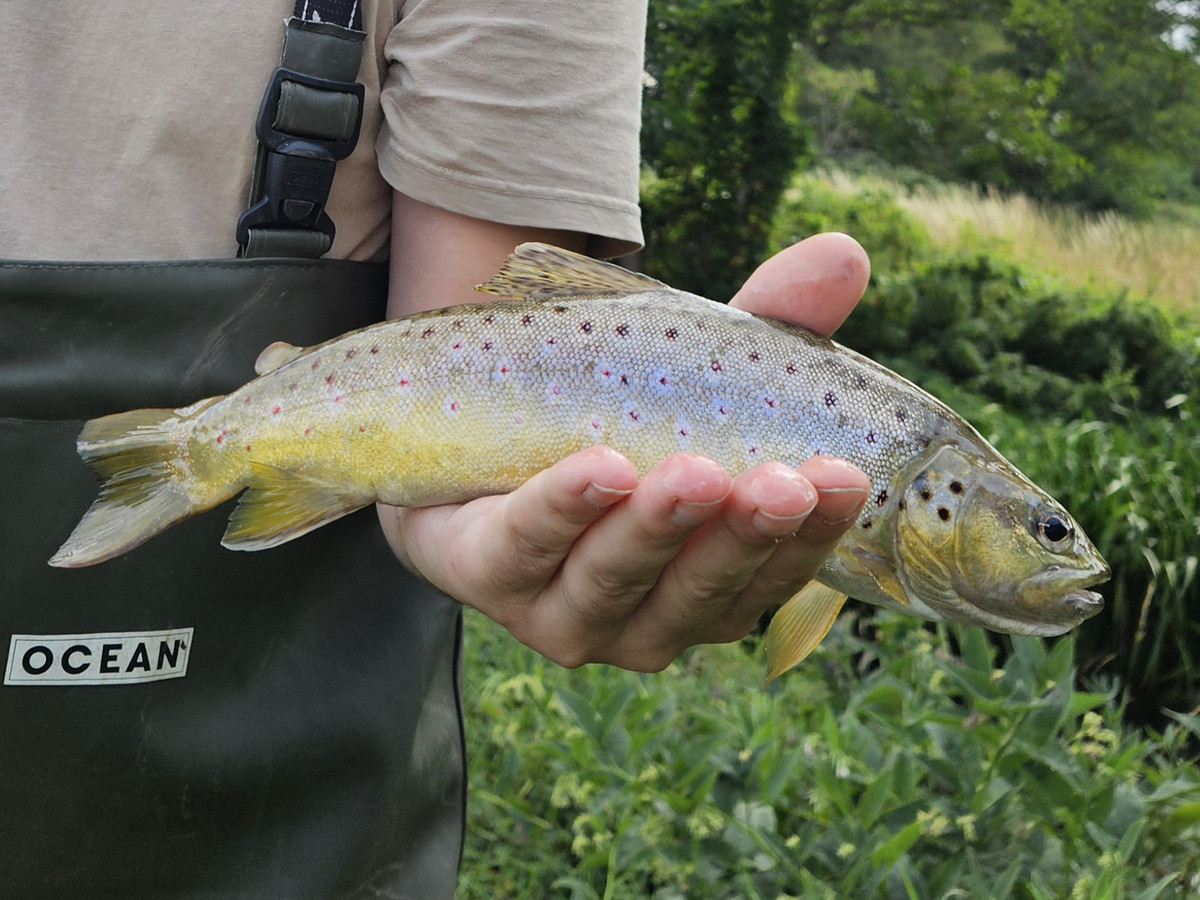
For some anglers, stocked fish are beside the point. The appeal of chalk stream fishing, the technical presentation, the reading of the rise, the slow crawl upstream in the middle of a hatch, depends on fish that are wary, selective, and genuinely wild. A stockie hovers near the surface and eats on instinct. A wild fish that has lived in clear water since the spring will make you earn every take.
These beats are harder. That's not a warning; for the right angler, it's exactly the point.
The case for wild-only fishing is partly technical and partly something harder to articulate. England holds most of the world's chalk streams. They run off chalk aquifers through Hampshire, Wiltshire, Berkshire and Dorset and almost nowhere else on earth, and the wild populations of brown trout they carry are genuinely rare. Years of heavy stocking, abstraction and warming water have done real damage to those populations on many rivers. When a beat commits to wild-only and catch-and-release, it's making a meaningful choice: to let the fish recover, to select for the characteristics that make chalk stream trout what they are, and to offer the angler something worth protecting. Fishing a beat like that feels different. It should.
The beats below are all listed on FishingBeats as unstocked, wild trout water, and several run strict catch and release. The directory entry will have access details, season dates, rod limits, catch policy and provider contact information. Prices and availability change, so check the listing and contact the provider directly before planning a trip.
River Wallop Brook
Wallop Brook
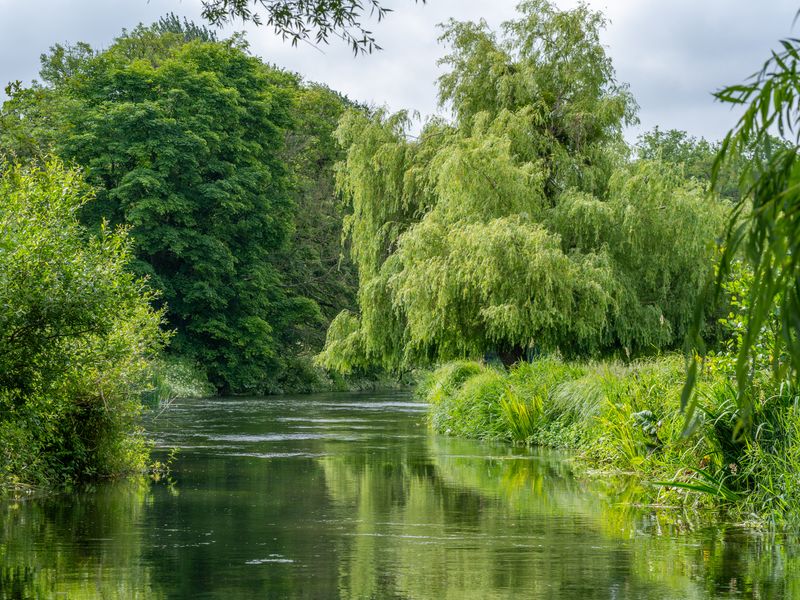
Two miles of double-bank chalk stream running from its confluence with the River Test up to the village of Broughton, the Wallop Brook is a Hampshire tributary of the middle Test managed by Bossington Estate Fly Fishery, near Houghton. The beat divides into two distinct sections: the lower part flows through riparian woodland, while the upstream reach opens out across traditional ridge and furrow water meadows. The brook is narrow and intimate — a different proposition to the manicured main-river beats — and fishes like any true chalk stream, rewarding patience and stealth. The Wallop Brook is wild trout fishing with no stocking and all catch and release. Good olive hatches occur most days, and the trout, while willing to look up, sit deep and take the dry fly quickly — be prepared to miss a few. April brings Large Dark Olive, Grannom Caddis and Hawthorn, while May sees the first mayfly hatch of the year alongside other upwings — the mayfly period carries a £398 day rod rate, reflecting the quality of sport on offer. June brings Blue-Winged Olive and Medium Olives, with the season running through to 31 August. The wooded lower section demands a compact casting stroke and a careful approach; a short brook rod in the 7–8 ft range suits the tighter lies. Up to 12 rods fish the brook at £328 per rod for most of the season. GAIA and AAPGAI-qualified instructors are available for one-to-one or group tuition covering fly-fishing fieldcraft and casting, making this a practical option for anglers new to wild-fish chalk stream technique. A good supply of high-quality tackle, clothing, sunglasses and flies is available to hire, and the beat has a fishing hut and toilet facilities on site. Catering and picnic hampers can be arranged, and the estate regularly hosts corporate days with full catering.
The Wallop Brook is a narrow Test tributary running down to the main river near Houghton, managed by Bossington Estate. It is about as honest as the wild-only idea gets: no stocking and all catch and release, two miles of intimate water to work for one or two rods. The lower part runs through riparian woodland and the top opens out across old ridge and furrow water meadows. The fish look up but sit deep and take the dry fly fast, so be ready to miss a few. This is a beat for stalking, light tackle and a slow pace, not for covering water.
River Allen
Hemsworth Huts
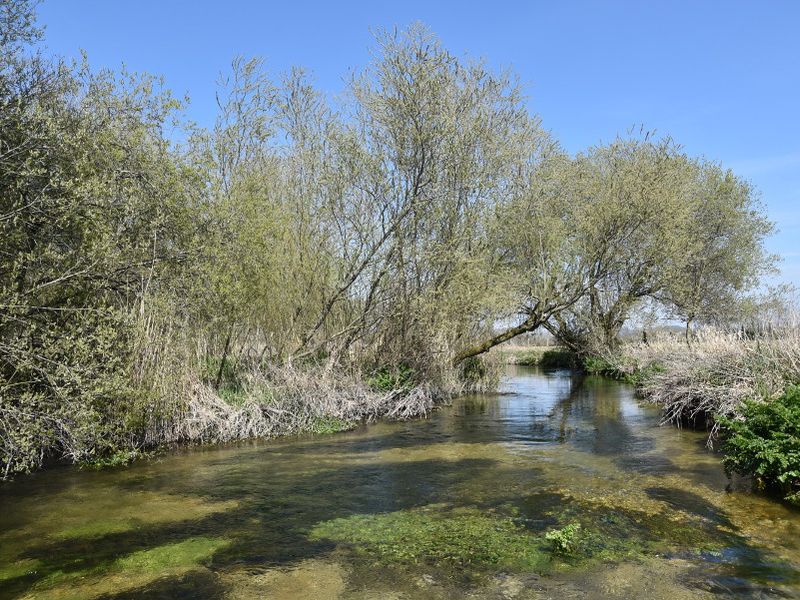
Around half a mile of single-bank dry fly and nymph water on the River Allen, Hemsworth Huts sits within one of the most secluded chalk stream valleys in Dorset. The Allen rises as a winterbourne on the chalk downland of Cranborne Chase and flows southwards through Wimborne St Giles, and of all the English chalk streams it is one of the most private, with nearly its entire length under the ownership of just two large estates. The river here is narrow and intimate, with an abundance of macrophytes — principally common water-crowfoot (*Ranunculus aquatilis*) — supporting rich fly life and gin-clear water that rewards careful approach work. The beat is rated expert-level, suited to anglers comfortable with tight, overgrown banks and selective fish. The Allen has a well-established reputation as an excellent fishery carrying good stocks of wild brown trout, alongside grayling and indigenous coarse fish. All fish are returned. The trout season opens in April with the grannom hatch dominating the early weeks; mayfly follows from late May into June, with summer bringing olives, sedges, ants and daddy long legs. Upstream dry fly is the primary method, with nymphing coming into its own through mid-summer and into the grayling months. One or two rods fish the beat; the season runs 1 April to 30 September. The beat is booked as an overnight package covering both shepherd's huts, with car parking, a wood-fired hot tub, BBQ, fire pit and fishing hut on site. Pricing runs from £532 for a shoulder-season weekend (two nights, Friday–Sunday) to £801 for a peak midweek stay (three nights, Monday–Thursday). No wi-fi and limited mobile signal keep the focus where it belongs.
The Allen is one of the most private chalk streams in England, nearly its whole length held by two estates in Dorset, and it is run as an entirely wild, self-sustaining brown trout fishery with all catch and release. Hemsworth Huts gives you around half a mile of gin-clear water that suits dry fly purists, and it's gentle enough to be a sound first taste of wild chalk stream fishing. Plenty of ranunculus, good fly life, and trout that come from nowhere to take a dry along the margins. A genuinely quiet corner of the country.
River Frome
Ilsington
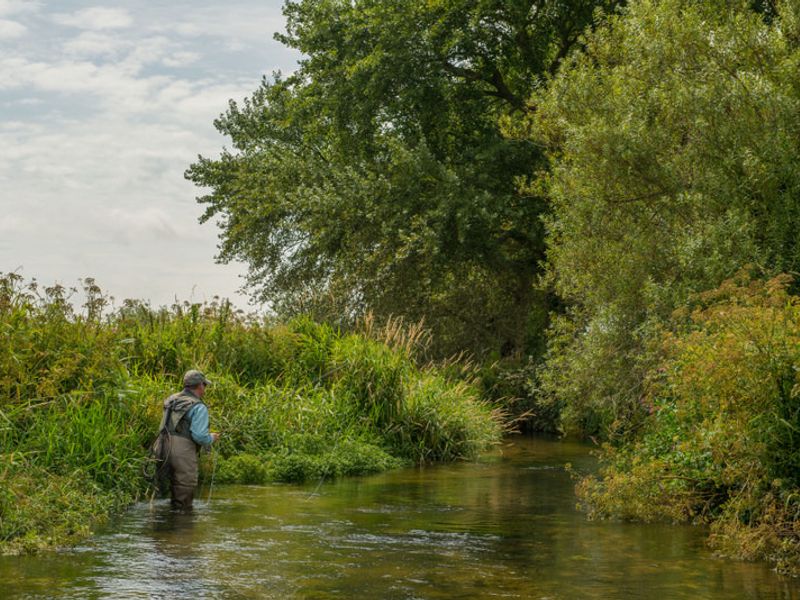
Six miles of fly-only chalk stream on the River Frome, the Ilsington beat sits downstream of Dorchester in the heart of Dorset, on the river's course between West Stafford and Bovington — a section where the Frome, at 30 miles long, is considered the major chalk stream of southwest England. Long held as a private syndicate, Ilsington has only recently become available to visiting rods, with close to five miles to discover. The river carries classic chalk stream features: riffles, pools, glides and overhanging trees, with sight fishing in crystal-clear water throughout. Wild brown trout and grayling are the primary quarry. Trout over 3lb are regularly caught, and parties will often land thirty fish or more between them. The fish most closely associated with the Frome is the grayling — the river has previously produced record fish, and specimens approaching the four-pound mark are caught most seasons. Over the years, the Frome has thrice laid claim to the British grayling record, each fish weighing over 4lb. The lower river also sees reasonable runs of salmon and sea trout. The season runs 1 April to 30 November. The Frome is less affected by abstraction than any other chalk stream, so the fishing holds up well throughout: upwinged flies dominate April and early May, mayfly hatches are excellent from mid-May until mid-June, and high summer evenings in July and August can be surprisingly productive with hatches of Pale Wateries, Blue-Winged Olives and sedges extending well into autumn. The beat accepts one to four rods and is rated suitable for beginners, making it a practical choice for a group or a guided day. A 7.5ft rod with a 3–4wt floating line is the recommended trout outfit for dry fly and nymph work; a longer 9ft rod suits the deeper glides and grayling nymphing later in the season. Day ticket prices run from £100 for a grayling day to £131 in summer, rising to £236 during the mayfly. Car parking and a fishing hut are on site. All wild fish are returned.
The Dorset Frome doesn't get the same attention as the Test or the Itchen, which is part of what makes it worth fishing. Ilsington was a private syndicate for as long as anyone can remember and has only recently opened to visiting rods, so there are close to five miles of genuinely wild water to explore. The main quarry is wild brown trout and grayling, with sea trout and even salmon a real possibility on this lower-middle section. Fish over three pounds turn up regularly. For an angler who wants to look beyond Hampshire, this is the one.
River Dun
Holbury Beat
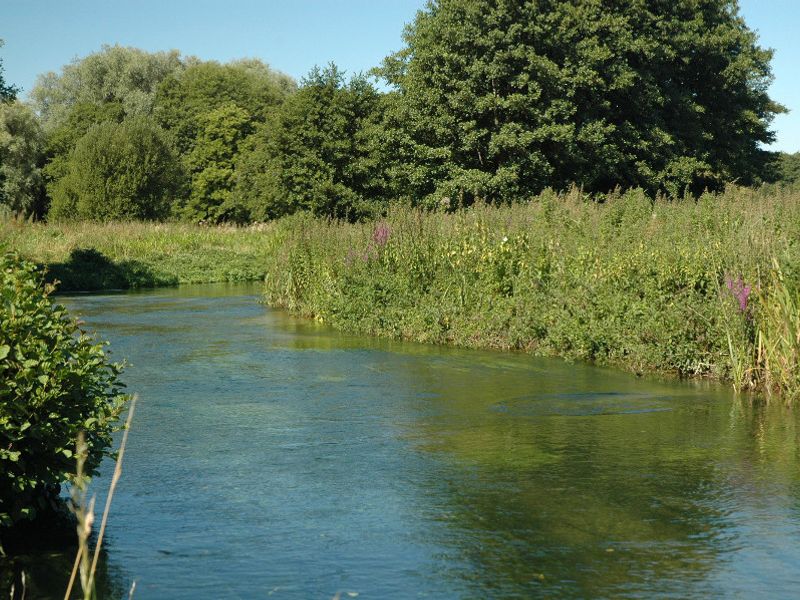
Holbury Beat covers about two thirds of a mile of the River Dun in Hampshire, with around 650 metres of it fishable from the bank. The river here averages six metres wide and a metre and a half deep, and runs gin clear through the season. Heavy rain brings it up and colours it quickly, but it can be clear again within 24 hours. The top half of the beat runs fast over chalky gravel. Lower down it slows around a bend and flows quietly under overhanging branches, which is where the trout tend to sit. The banks are high and the sun is often behind you, so keep an eye on your shadow, and there are enough branches overhead to reward a hook, curve or slide cast rather than a straight one. This is wild Brown Trout water, strictly catch and release, dry fly and nymph only. Holbury Lakes Trout Fishery keeps the beat lightly fished, limiting it to one rod a day, or two friends fishing together. The season runs from 3 April to 24 October. Flies worth carrying include Black Gnat, Pheasant-Tail and Gold-Ribbed Hare’s-Ear nymphs, Iron Blue, and Mayfly in season, tied small: size 16 or smaller suits this clear water best. A day on the beat starts from £120. Holbury Lakes Trout Fishery also sells a combined ticket covering its lakes and the river, for anglers who want both in a day.
The Dun is a small tributary that joins the Test near Mottisfont, and Holbury Beat runs about two thirds of a mile of it through Holbury Lakes Trout Fishery, gin clear water that colours quickly after rain and drops again within a day. The top half runs fast over chalky gravel; the lower half slows round a bend under overhanging branches, where the trout tend to sit. The wild brown trout here are unstocked and strictly catch and release, dry fly and nymph only. One rod a day, or two friends fishing together, keeps it quiet, and otters and kingfishers are regular company on the water.
River Lambourn
Bagnor Fishery
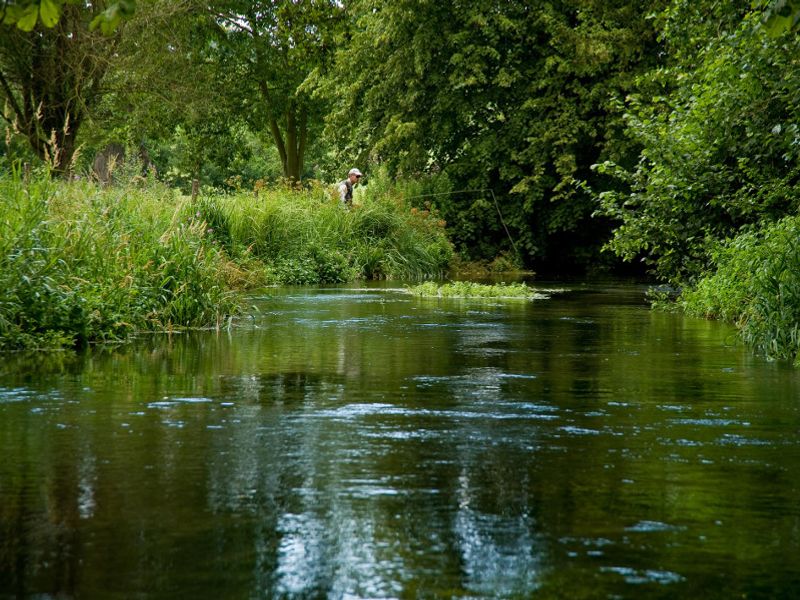
Bagnor Fishery sits on the River Lambourn near the village of Bagnor, just north of Newbury in west Berkshire. The fishery comprises just over 3,000 metres of double-bank fishing on a classic chalk stream — small and fast-flowing, typical of an upstream English waterway. The river is powered entirely from chalk springs, producing exceptionally clear water and year-round stable temperatures. The estate stretch is split into beats and offers a rural, narrow chalk stream setting well suited to fly fishing. The Lambourn supports one of the most productive fisheries for wild brown trout in the area, with natural populations of grayling also present. The river ranks in the top 10% for England and Wales for the number of macroinvertebrate families recorded — a strong foundation for consistent hatches throughout the season. Expect hawthorn early on, followed by a mayfly hatch, then a mixture of olives, sedges and terrestrials later in the year. Fishing is by upstream dry fly and Skues-style nymph only; no weighted nymphs of any type are permitted. The clear water and sight-fishing nature of the beat make it accessible to beginners while still demanding careful presentation. The fishery is open from 1 April to 1 November. The fishery is open six days a week — closed on Wednesdays for maintenance — and limited wading is permitted within four feet of the bank. On-site amenities include a heated fishing hut with facilities to make drinks, a dedicated car park, and toilet facilities. Newbury station offers a 40-minute rail link to London Paddington, making this a practical day-trip option for anglers travelling from the capital.
The Lambourn, just north of Newbury, is one of the most productive wild brown trout rivers in Berkshire and ranks among the very best in England and Wales for the insect life that underpins it. Bagnor offers double-bank fishing on a small, fast, spring-fed chalk stream with exceptionally clear water and stable temperatures year round. Hawthorn early, then a strong mayfly hatch, then olives, sedges and terrestrials through the summer. Narrow, intimate water and properly wild fish.
River Candover Brook

Candover Brook – Upper Candover Beat
The Candover Brook is a 9.6 km chalk stream in Hampshire and one of the upper Itchen's most intimate tributaries. The stream rises from springs just south of the village of Preston Candover, and the Upper Candover Beat sits near the headwaters — a single-rod stretch of narrow, clear chalk stream with mown banks giving clean access to both sides of the water. These small upper Itchen streams are almost exclusively wild trout fisheries, and the Candover is no exception — no stocked fish, just native brown trout that know their water well. The channel is narrow and fast-flowing, ideal for in-stream vegetation and brown trout spawning habitat, with large woody debris adding habitat complexity, diverse flow types, and important cover for juvenile trout. The fish are sharp and selective, making this a rewarding challenge for beginners keen to develop their upstream dry fly and nymph technique on genuinely wild fish. The wider Itchen catchment supports mayflies, stoneflies, damselflies, and water crowfoot — expect classic chalk stream hatches through the season. The brook is also one of the few rivers remaining in southern England that is home to the endangered native white-clawed crayfish, a mark of the water's ecological quality. The beat is available in conjunction with estate accommodation only and is not let separately. The Candover Brook forms part of the Itchen Valley Countryside Heritage Area. AAPGAI/GAIA qualified instructors are on hand, and the wider estate offers guided fishing days, catered riverside luncheons, and corporate or group events — making this a practical choice for a first chalk stream visit or a hosted day with less experienced guests.
The Candover is one of the upper Itchen's most intimate tributaries, and these small headwater streams are almost exclusively wild trout water. The Upper Candover Beat sits near the springs above Preston Candover: a single-rod stretch of narrow, clear chalk stream with mown banks and native brown trout that know their water well. No stocked fish, just sharp, selective wild browns. The channel is small and fast, ideal spawning habitat, and a rewarding place to sharpen an upstream dry fly and nymph approach.
River Kennet
Dog Kennels
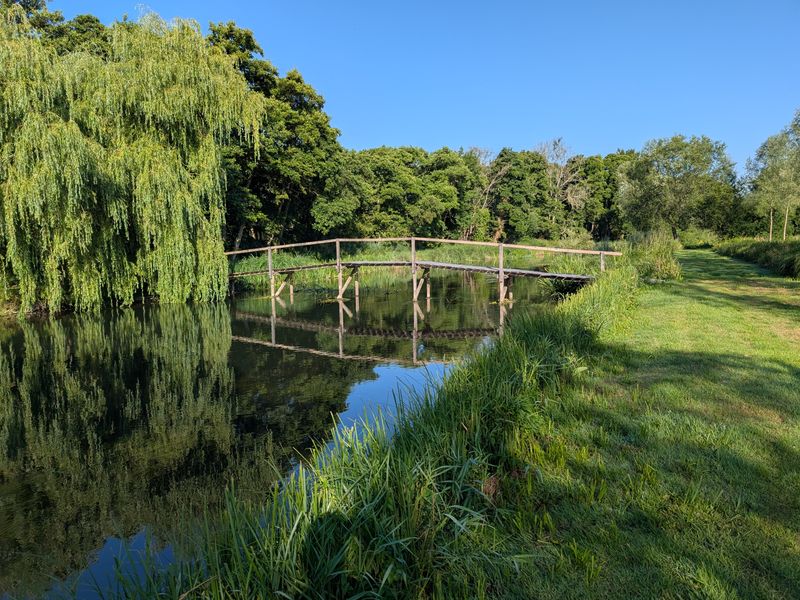
Dog Kennels is one of the named beats within the Barton Court Estate on the River Kennet, set within a private family estate between Hungerford and Kintbury in Berkshire. The estate encompasses main river, carriers, and side streams across over three miles of bank, with each section criss-crossing and interlocking through classic Berkshire water meadows. This beat sits within that carrier network — a narrower, more intimate stretch of chalk stream where wild trout spawning redds have been recorded on the gravels, and the water runs clear and steady over classic chalk-stream substrate. The fishery is now purely a fly-fishing venue, with an excellent head of wild brown trout. Among them is the elusive Kennet "greenback" — one of the last indigenous native trout strains remaining in southern England, sporting fewer spots than any brown trout you are likely to encounter elsewhere. Fishing is restricted to single dry fly and traditional upstream nymph, making it well suited to beginners learning to read chalk-stream water. The Kennet season opens in May; expect hawthorn early on, followed by a mayfly hatch, then a mixture of olives, sedges, and terrestrials through the back end. Because the Kennet's waters run slightly cooler than most other chalk streams, the mayfly hatch tends to start a little later, creating a longer and more sustained hatch through late spring and early summer. Up to six rods fish the beat. On-site facilities include a brand-new shepherd's hut and a dedicated fishing hut available for exclusive group use. Guided fishing, tackle hire, and catering by local chefs — either riverbank or prepared in advance — are all available to book. Parking is at Station Road, with an alternative near the Dundas Arms. Kintbury station sits just 64 metres from the fishery entrance, making this one of the more straightforwardly accessible chalk-stream beats in Berkshire for those travelling without a car. Bookings for Barton Court give you access to all six beats.
Dog Kennels is one of the carrier beats on the Barton Court Estate, where the Kennet runs as a network of main river, carriers and side streams through Berkshire water meadows. Wild trout redds have been recorded on the gravels here, and the beat carries a good head of wild brown trout, among them the Kennet "greenback" — one of the last indigenous native trout strains left in southern England, with fewer spots than almost any brown trout you'll meet elsewhere. Fly only, narrow and clear, and a piece of living chalk stream history.
Finding more
These are seven of the wild-only beats currently listed on the directory. There are more than forty in total right now, spread across the Test, the Kennet, the Frome, the Allen, the Dun, the Lambourn and beyond, and the directory is growing as new beats are added and verified.
See all the wild-only beats on the map
If you know a wild-only beat that isn't listed, or a listing that needs correcting, get in touch. The directory is only as good as the information behind it, and the people who know these rivers best are the people who fish them.