River Test · Testcombe Beat
The Lower beat
The Lower beat is a fishing beat on the River Test at Testcombe Beat.
Pricing and season
Fishing details
The Lower beat at a glance
- Rods
- –
- Difficulty
- Adventurer (3/5)
- Length
- –
- Water type
- main river
Fishing methods
Fly methods
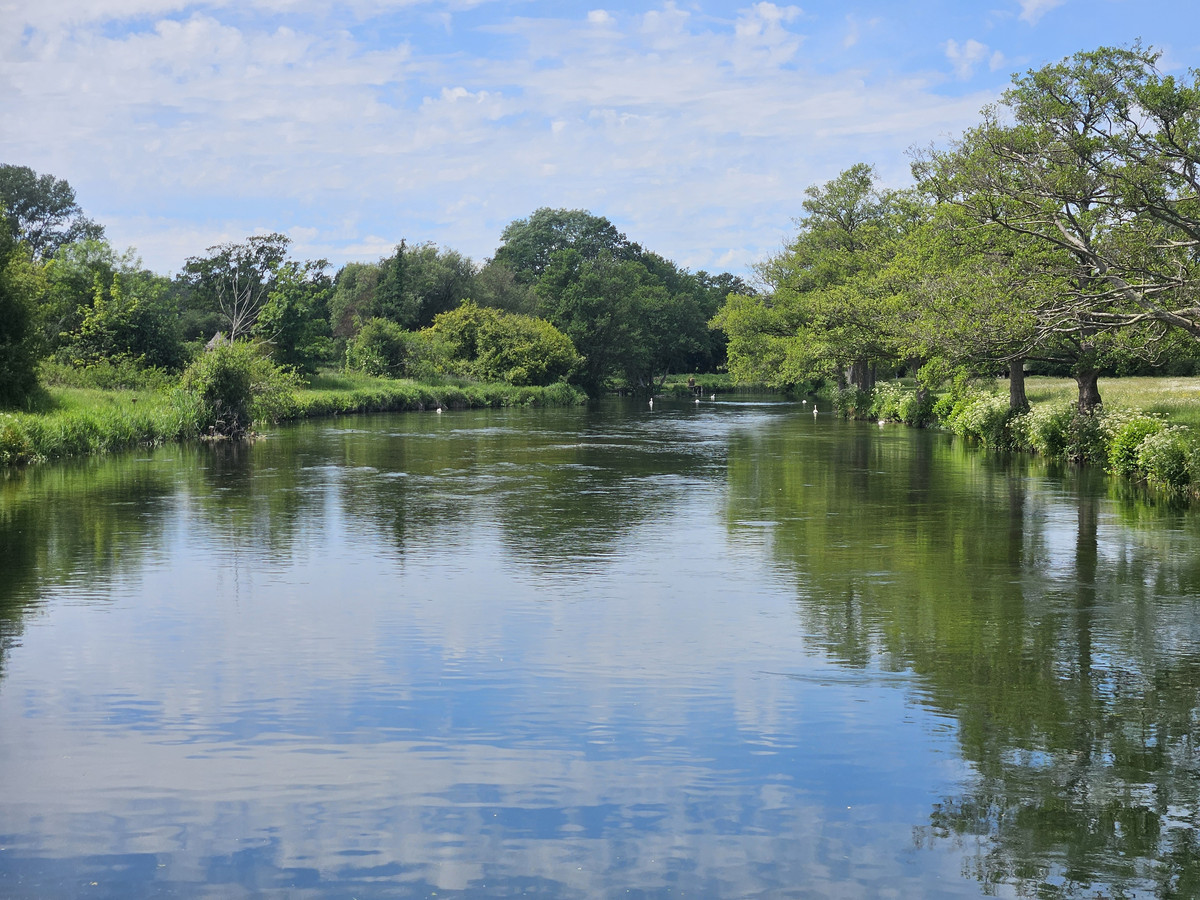
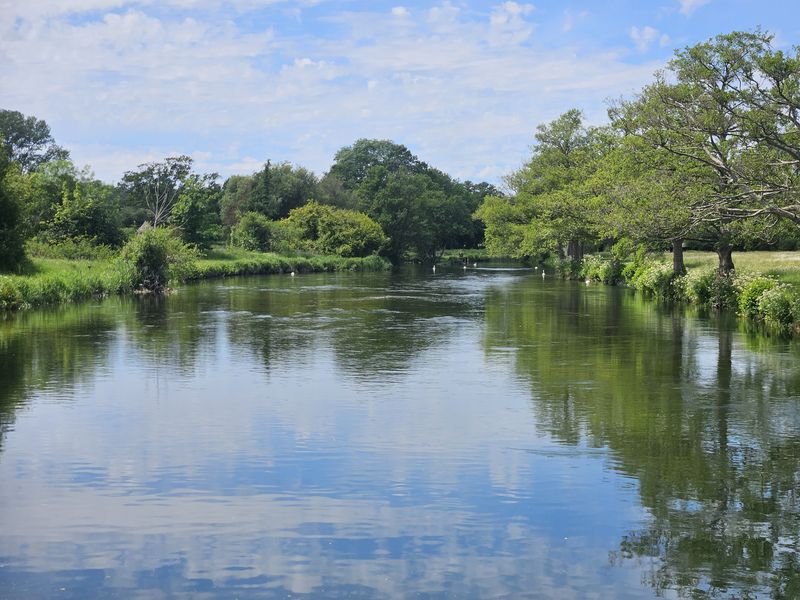
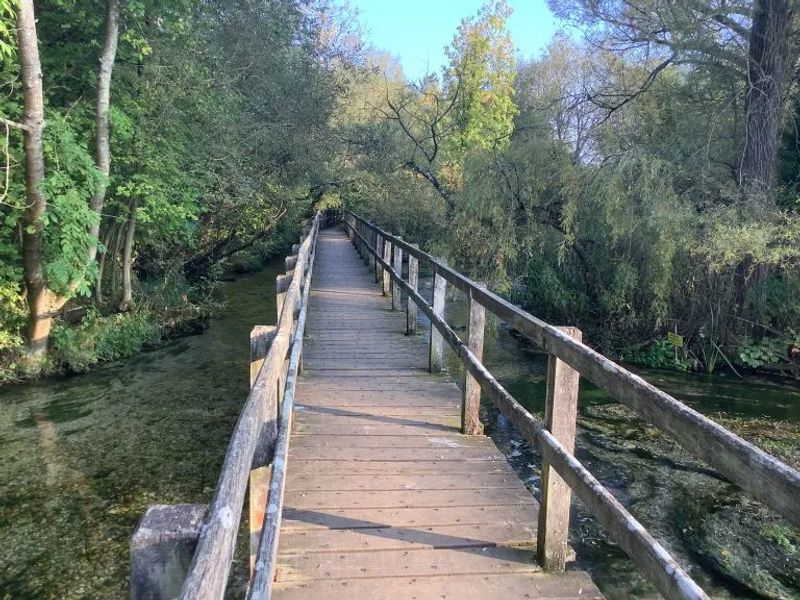
The Lower Beat sits on the upper River Test just downstream of the village of Wherwell, forming part of the Testcombe fishery in Hampshire. The beat runs for a little over 750 metres of main river, with all fishing from the true right-hand bank along a well-maintained path. In several places, wooden walkways help anglers reach past mature reed beds to target fish that would otherwise be out of sight. The water character shifts through the beat — the lower section is shallower and faster, fishing particularly well through the summer months.
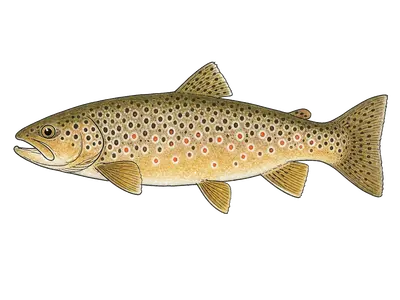
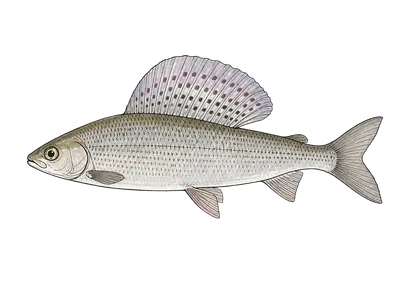
Brown trout and grayling are the target species, with dry fly and nymph the permitted methods. The beat was once the chosen fishing spot of King George VI, and the water still carries that reputation for quality sight-fishing. May brings the first mayfly hatch of the year alongside other up-winged flies, with June seeing an abundance of blue-winged olives and medium olives. The latter half of the season is dominated by sedge hatches, with fish becoming aggressive to a well-presented imitation in the afternoon shadows. The beat is rated as adventurer difficulty — some sections are open for back casts, while others, often right where the best fish hold, are more overgrown and demand precise presentation. The season runs 31 March to 14 October, bank fishing only.
A 9-ft 5-weight is the standard choice for the main river; a shorter rod suits the carrier sections, where tree cover on one bank makes tight casting the order of the day. A small wooden fishing shelter set back from the river in a quiet copse provides a base for the day. The beat is reachable in around an hour and fifteen minutes from London Waterloo to Andover by train.
Stocking and fish species
Rules and policies
Amenities
Where The Lower beat is
The beat's boundary, with parking where we have it.
51.15206, -1.45165
The fishery and river
Similar beats on the River Test
Chilbolton Fishing Beat
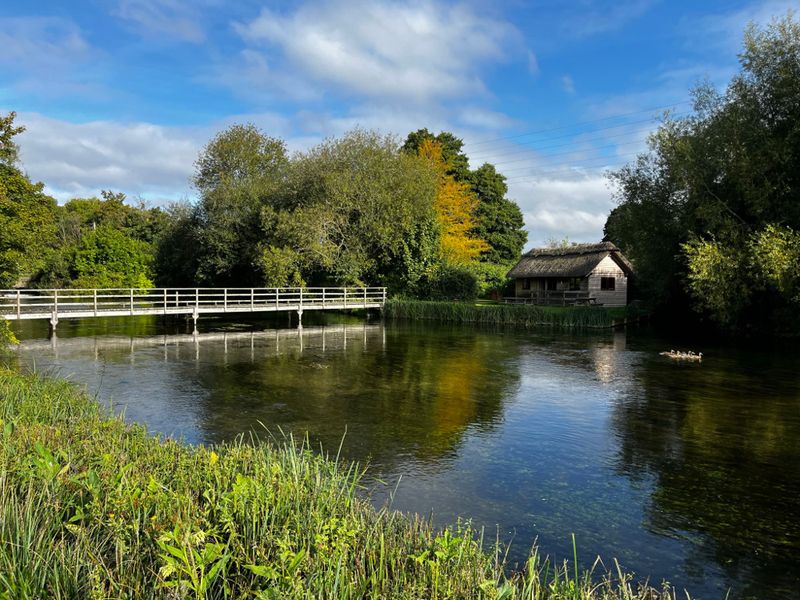
A 280-metre stretch of the main River Test adjacent to Chilbolton Common in Hampshire, this single-bank beat offers one or two rods a private day on one of England's most significant chalk streams. The beat has two mid-stream islands, which break the flow into varied current seams, slacker inside bends, and defined lies that reward careful reading before the first cast. During the winter of 2021, the Wessex Rivers Trust carried out extensive bank improvements resulting in better access and a more sinuous river profile. The beat is reached via an 800-metre walk across the flat, open common and is fished from the left bank only; no wading is permitted. The fishing is for brown trout and grayling on upstream dry fly and nymph only. April brings Large Dark Olive, Grannom Caddis, and Hawthorn to the surface, while mayfly can be expected from mid-May to June — the most productive fortnight of the chalk stream calendar. The latter half of the season is largely dominated by hatches of various caddis flies, with olives and terrestrials filling the gaps through summer. The beat is rated beginner-friendly — open banks and readable water make it a sound introduction to chalk stream technique. All grayling must be returned, as must all trout under 12 inches. The season runs 31 March to 30 October. Day tickets are priced at £175 for a single rod and £330 for two rods during the main trout season; grayling-only days are available at £55. On site there is a rustic fishing hut with tables and chairs, a BBQ, and a selection of wellies and hire tackle, along with a fishing jetty, an outside fishing table, and a composting toilet — everything needed for a full day without leaving the water.
River Test
Ginger Beer
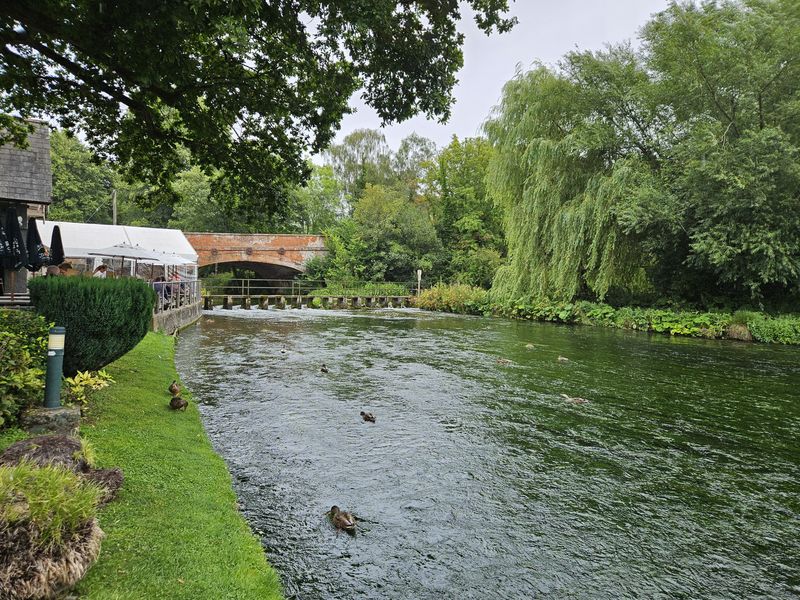
Sitting on the middle River Test at Kimbridge, Hampshire — between the towns of Romsey and Stockbridge — Ginger Beer is a third of a mile of single-bank chalk stream fishing on one of England's most historically significant rivers. The beat opens with a deep hatch pool at its head before becoming significantly shallower downstream, and away from that upper pool the river bed is clearly visible, along with the fish holding above it. The Test's high alkalinity and clarity, combined with rich aquatic insect and shrimp life, sustain a flourishing ecosystem that keeps fish in condition and feeding throughout the season. The beat holds brown trout, rainbow trout, and grayling, all heavily stocked, making it well suited to anglers new to chalk stream fishing. Fishing for trout is restricted to dry fly or nymph, presented upstream only. April sees hatches of Large Dark Olive, Grannom Caddis, and Hawthorn, with the mayfly running from mid-May through to early June. June brings Blue-Winged Olive and Medium Olives, while the grayling season extends the fishing well into autumn and winter. The season runs 2 April to 13 December, with day rod prices of £250 in the main season, £300 during the mayfly window, and £95 for grayling-only days. Up to four rods can book the beat exclusively. All fishing is catch and release. A thatched fishing hut with a well-tended lawn sits right on the water, with toilet facilities on site. A 9-ft, 4- or 5-weight rod covers most situations; carry a selection of upstream nymphs alongside your dry fly box for brighter days when fish are reluctant to rise to the surface.
Mayfly beat
Beat 1 — the Mayfly Beat — sits at the top of Leckford Estate's river fishing on the middle Test in Hampshire, offering double-bank access on the main river and single-bank fishing on a carrier. The River Anton joins the Test here, and anglers can fish upstream to the Cattle Drink; a fishing hut is available. The Anton contributes clear spring water running over bright gravel and ranunculus beds, and from below Fullerton the main river widens into a variety of habitats — deep pools, long glides, and weed ribbons — alongside the carrier channels. The chalk stream's nutrient-rich water supports brown trout, rainbow trout, and grayling, with an extensive aquatic larder — mayfly, olives, and shrimp — that keeps fish in good condition and free-rising to a well-presented dry fly. The beat is rated suitable for beginners and takes up to two rods, making it a manageable introduction to chalk stream dry fly and nymph fishing. The mayfly hatch runs from mid-May to early June, and the summer brings a variety of caddis, olives, and terrestrials through to the season close. June sees Blue-Winged Olive and Medium Olives come through in numbers, with longer days rewarding an early start or a late finish. The beat's name reflects just how productive this stretch is during the mayfly fortnight, when trout feed confidently on duns and spent flies in the slacker water near the confluence. The season runs 30 April to 14 October, with day rod prices of £260 in the main season and £315 during the mayfly period. A 9- or 10-foot rod for a 4- or 5-weight line handles most conditions on the main river; a lighter 3- or 4-weight suits the carrier. The estate's head riverkeeper and team are on hand to assist visiting rods, and qualified tuition is available from Rob, Neil, and Andy on both river and lakes. Equipment hire, ghillie service, and online booking are all available through Leckford Estate, with dining at Leckford Abbas Hotel and lodge hire at Longstock Park for those making a longer stay.
Old Station Beat
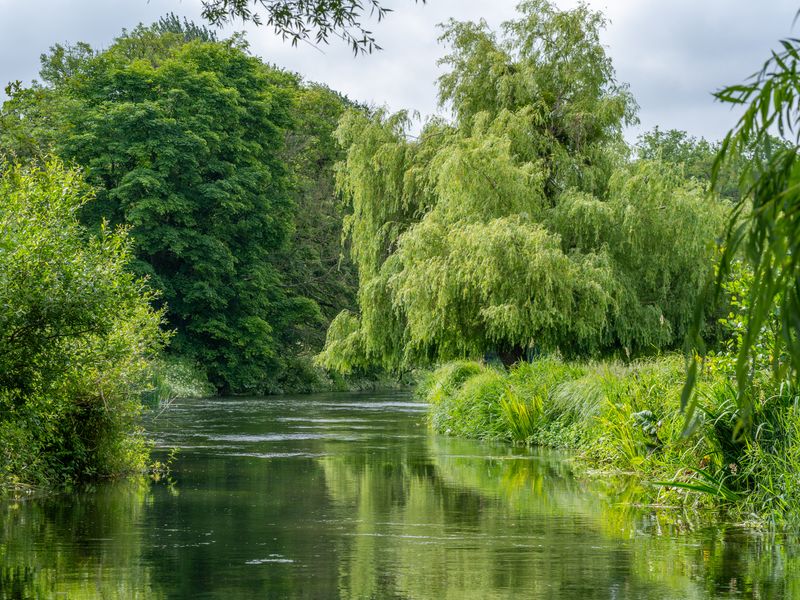
Old Station Beat is a restored 450-metre length of main River Test on Bossington Estate, situated immediately below the hallowed Houghton Club water near the village of Houghton in Hampshire. Following an ambitious habitat restoration programme carried out in collaboration with the Environment Agency, the beat was transformed from an over-wide, over-deep channel into a free-flowing chalk stream, and today offers a varied mix of runs, riffles and pools on a single bank. Up to twelve rods can fish the beat across the season, which runs from mid-April to mid-October. The beat is at its best during the Mayfly and offers a plentiful mix of stocked and wild fish throughout the season. Stocked brown trout run from two pounds upwards, with wild trout and the occasional grayling also present. In April, look for Large Dark Olive, Grannom Caddis and Hawthorn on the surface; May brings the first Mayfly hatch of the year alongside other upwings and terrestrials, while June sees Blue-Winged Olive and Medium Olives come through. Dry fly and nymph are the primary methods, and the beat is rated suitable for beginners — a good choice for an angler new to chalk stream fishing who wants to learn the basics of presentation and reading water on the Test. All fishing is catch and release. GAIA- and AAPGAI-qualified instructors are available for one-to-one or group tuition covering fly-fishing fieldcraft and casting, and guided days can also be arranged to accompany you on the river, particularly useful for a novice angler. A good supply of high-quality tackle, clothing, sunglasses and flies is available to hire on the day. Catering runs from picnic hampers supplied by a local deli through to full corporate lunches, with options available through the Estate office. Day rod prices are £328 across all periods of the season.
River Test
School Farm
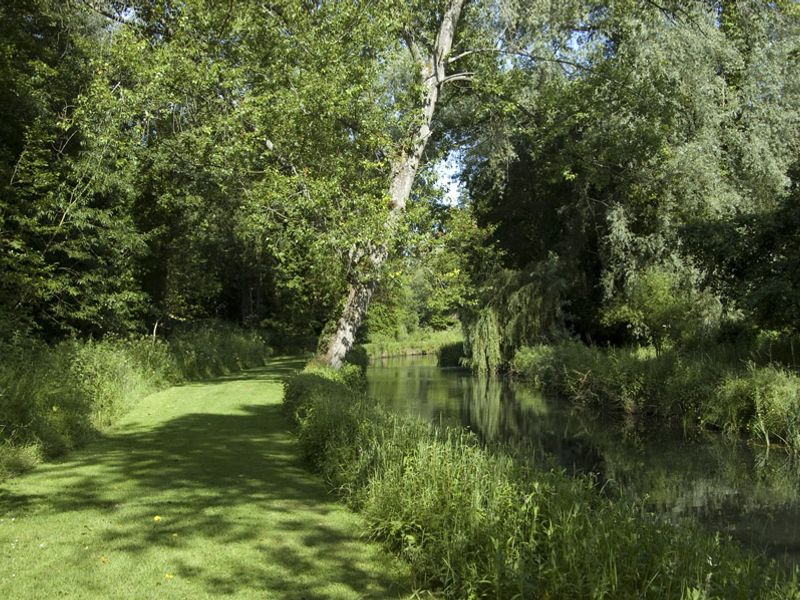
School Farm offers just under half a mile of single-bank fly fishing on a tributary of the River Test in Hampshire — the intimate, carrier-style water that characterises so much of the Test valley, where the river exists as an amalgam of main channel, tributaries, carriers, and side streams. The stream runs clear and steady year-round, as chalk streams fed primarily by aquifers show less seasonal variation in flow rate and temperature than other rivers, giving consistent conditions from the April opening through to the 4 October close. Brown and rainbow trout are both present and the beat is heavily stocked, making it a sound choice for less experienced fly fishers getting to grips with chalk stream technique. Dry fly and nymph are both permitted, and there is plenty of opportunity for each across the season. In April, expect Large Dark Olive, Grannom Caddis, and Hawthorn on the water. May brings the first mayfly hatch of the year alongside other up-wings and terrestrials, while June sees Blue-Winged Olive and Medium Olives coming through. The mayfly window — priced at £559 per rod — is the most sought-after period on any Test water. On bright summer days, nymph fishing comes into its own when nothing is visibly rising. Early season rods are available from £308 and summer days from £388. The beat accommodates two to three rods, keeping the water uncrowded. A fishing cabin, WC, and car parking are all on site, so a full day's fishing needs no additional logistics. A 9-ft rod for a 4- or 5-weight line suits the intimate scale of tributary water well. A valid EA rod licence is required before fishing.
Rising at Ashe, near Overton, the River Test runs for 40 miles through Hampshire, flowing south through Whitchurch, Longparish, and Wherwell before the Rivers Dever and Anton join the main channel near Chilbolton. For much of its length the Test is not one river but an amalgam of main channel, mill leats, carriers,…
FishingBeats is an independent guide with no affiliation to the fisheries we list. Listings are editorial and unpaid, and are not supplied or approved by the fishery. See our listings policy. Listing details are compiled by FishingBeats and may change or contain mistakes. Some services, such as tuition, ghillies, or accommodation, may only apply to certain packages and not to standard day tickets. Always confirm pricing, fishing details, and what is included directly with the beat before you book. Spotted something wrong? Email hello@fishingbeats.com and we will correct it.
FAQ
The Lower beat FAQs
Practical questions anglers ask before fishing The Lower beat, from tickets to tactics.