Testcombe Beat
River TestTestcombe Beat is a fishery on the River Test. Below are the 3 beats available for booking, with pricing and access details.
Still fishing for pictures…
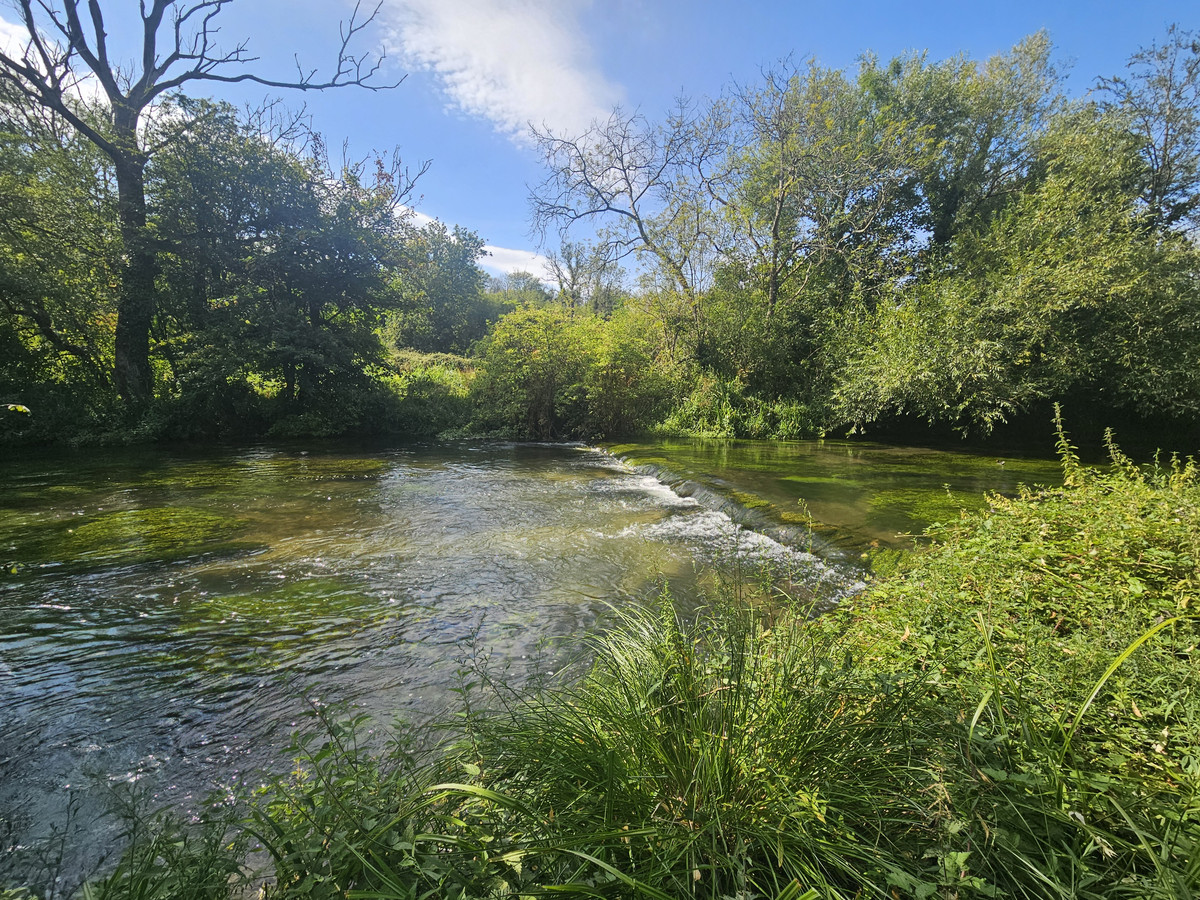
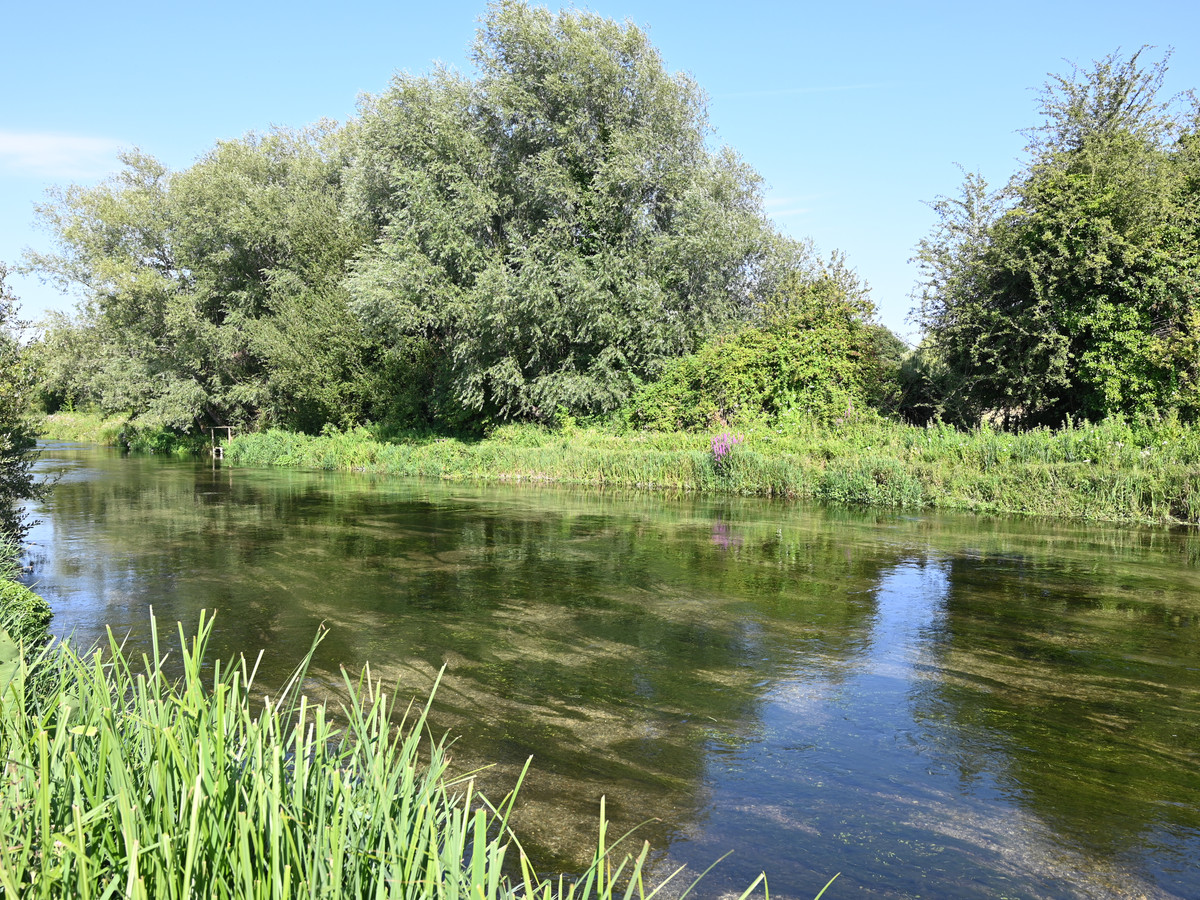
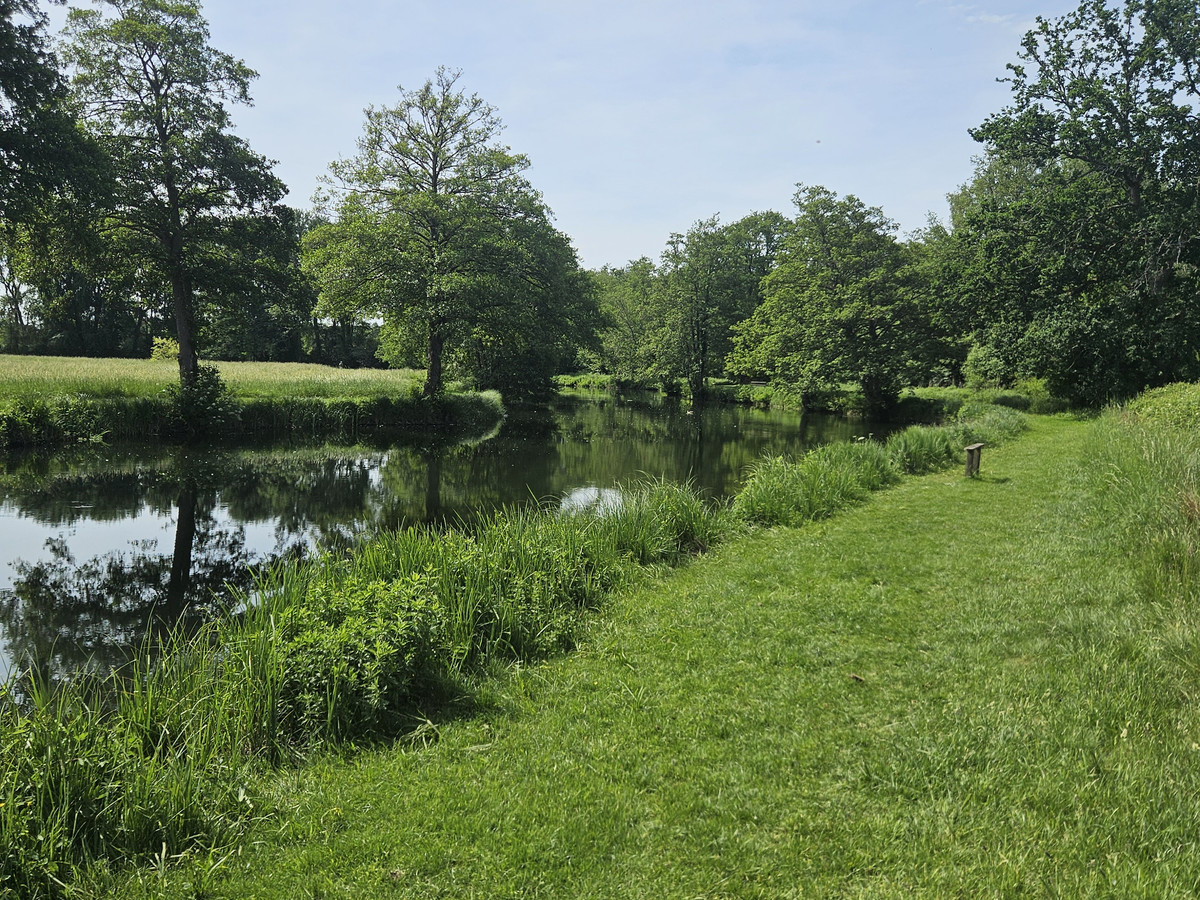
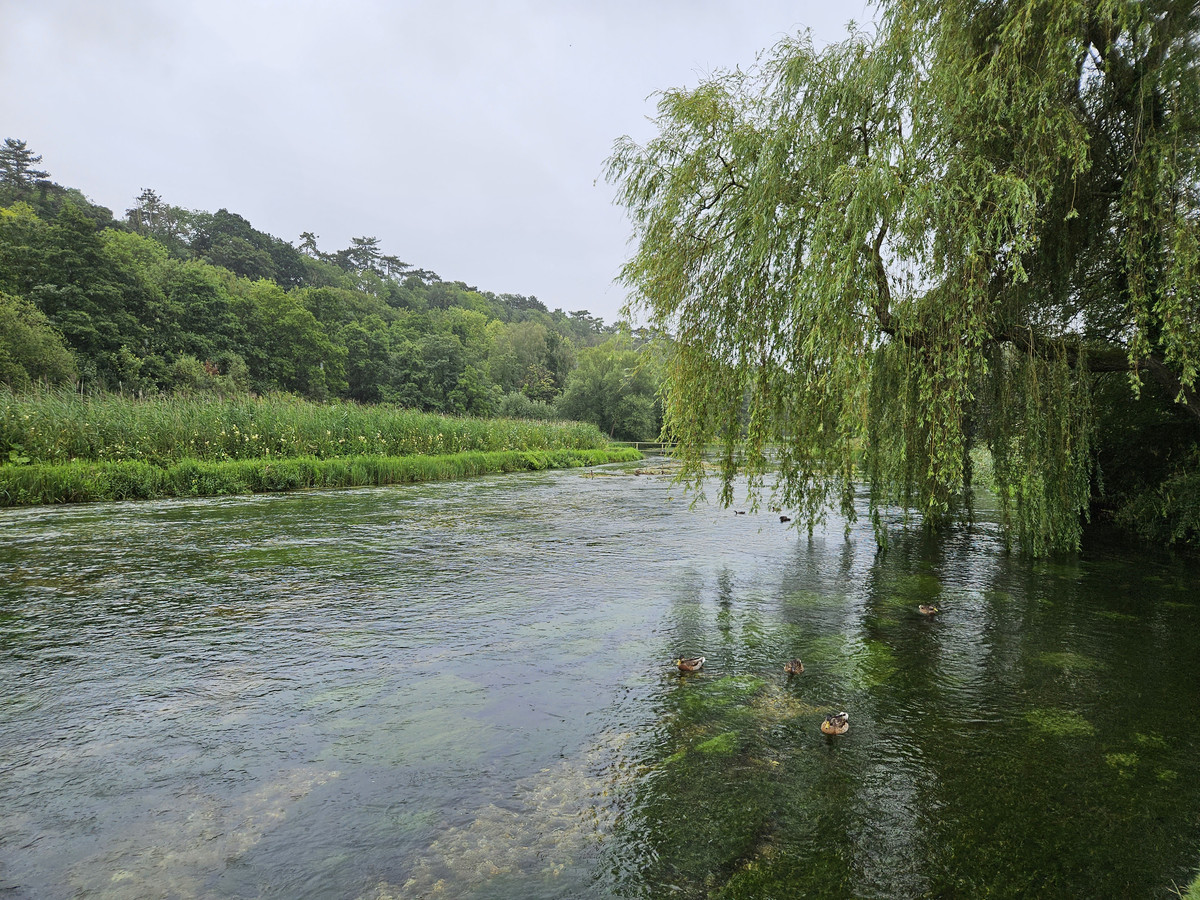
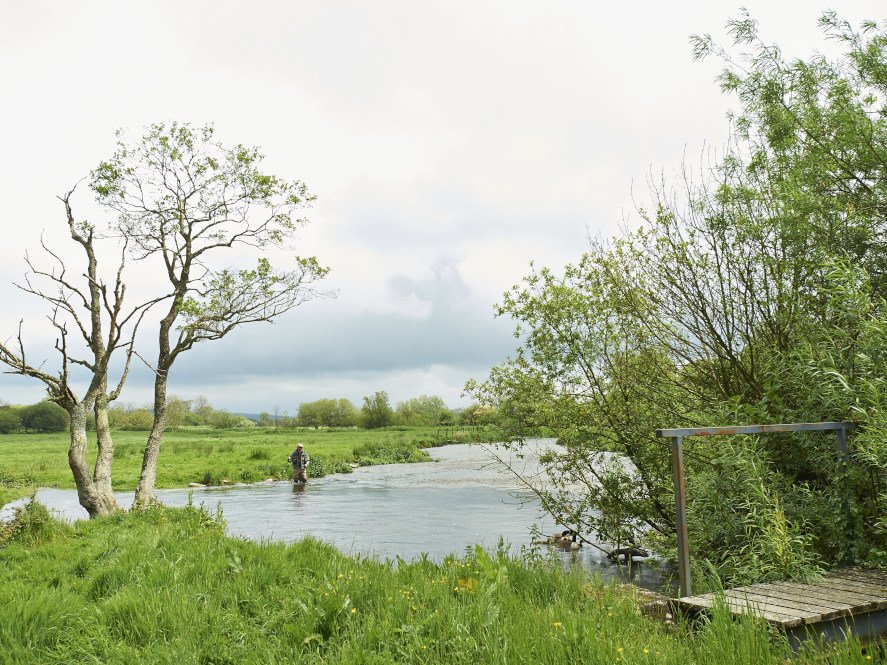
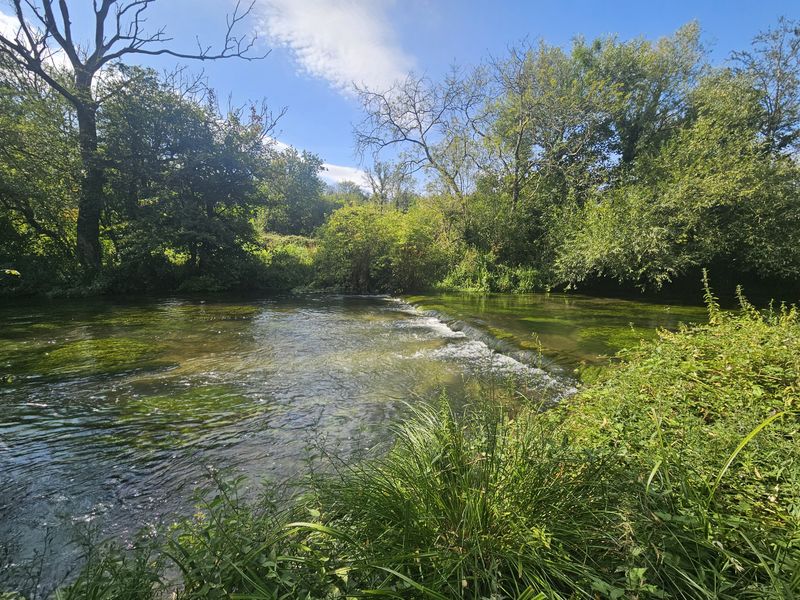
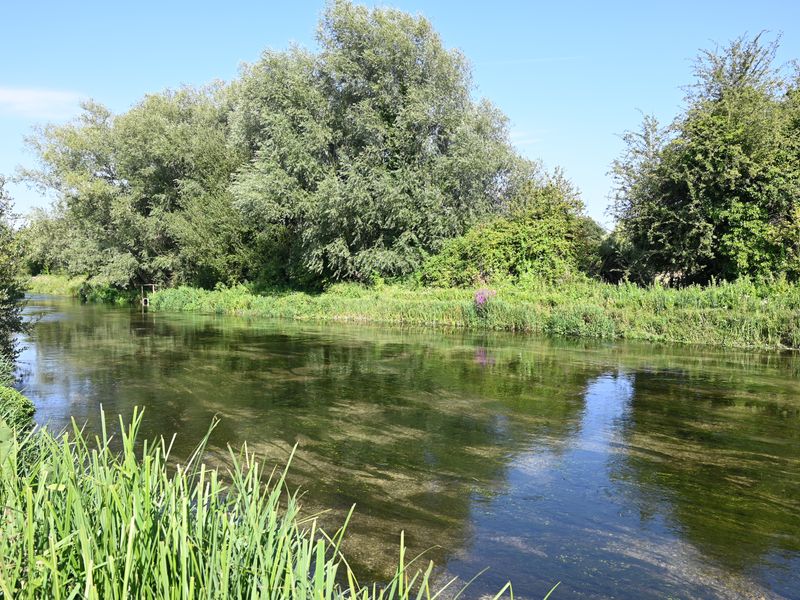
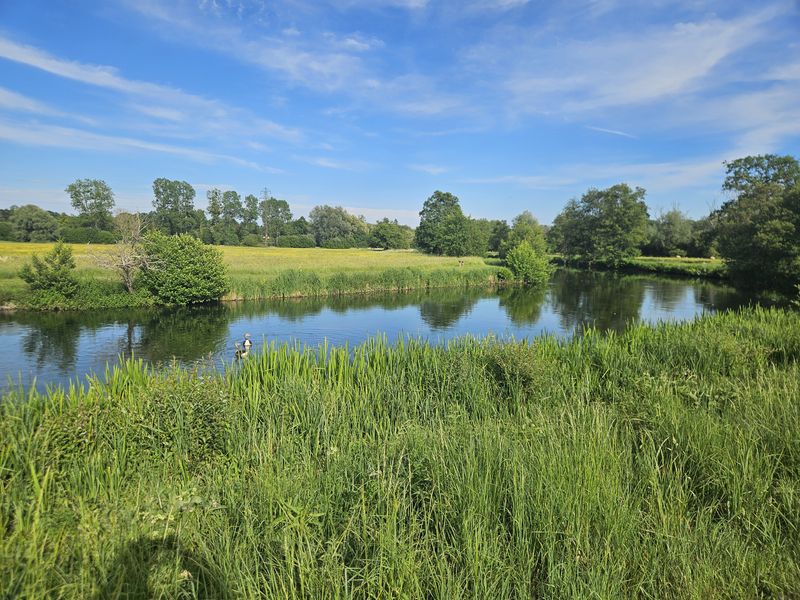
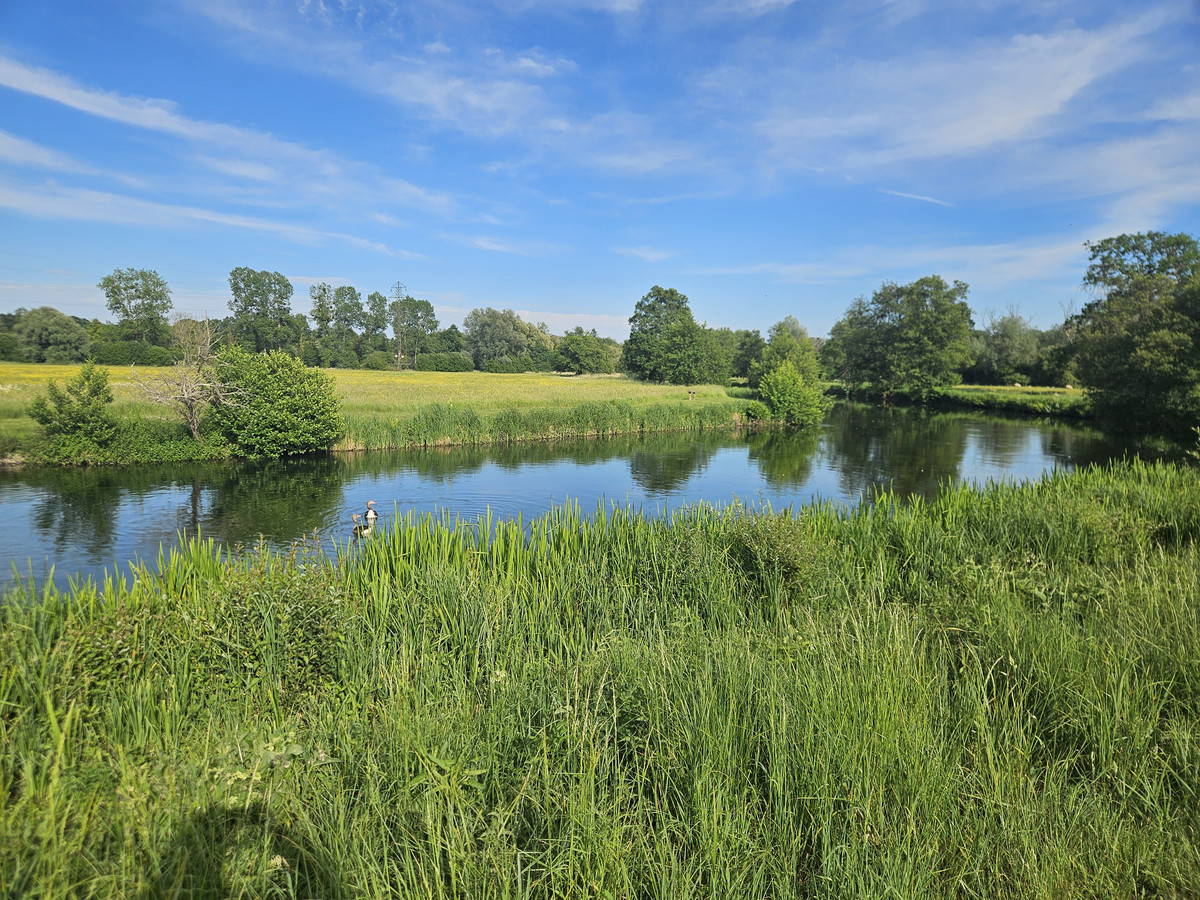
Contribute picturesSitting on the River Test between the Mayfly Pub bridge and the village of Chilbolton, Testcombe Beat is a well-established fly fishing fishery in Hampshire offering three named beats — the Upper Beat, the Home Beat, and the Lower Beat. The fishery covers approximately 900 yards of main river and around 1,000 yards of carrier streams, giving anglers a genuine variety of water to work through in a single day.
The chalk stream fishing suits all abilities, with the wide main river and more intimate carriers offering deep holes, overhangs, and shallow glides — the kind of mixed character that rewards both methodical dry fly presentation and careful nymph work. Native brown trout are the primary quarry from April through to the end of October, with the annual mayfly hatch drawing particular attention during that period.
Day tickets, guided lessons, and equipment hire are all available, making Testcombe a practical choice for first-timers and returning chalk stream anglers alike. The Grade II listed fishing hut, built in 1888, serves as the day's headquarters and also functions as a venue for exclusive private events.
Services & Amenities
Amenities
Location
Testcombe Cottage, Coley Ln, Chilbolton, Stockbridge SO20 6AZ, Vereinigtes Königreich
Contact
Get the newsletter
Exciting new features, fresh beats, season news, and chalk stream tips, straight to your inbox.
Follow on Instagram
Behind-the-scenes from England's chalk streams: beats, hatches, and the rivers we love.
Follow @fishingbeatsBeats at Testcombe Beat
3 beats availableEach beat has its own access, pricing, and difficulty. Browse all beats on the River Test or compare on the River Test map .
The Upper Beat
Sitting above the road bridge at Fullerton on the upper-middle River Test in Hampshire, the Upper Beat at Testcombe is a technically demanding stretch of chalk stream fly fishing that rewards experienced anglers prepared to work for their fish. The fishery encompasses approximately 900 yards of main river Test and around 1,000 yards of carrier streams, offering a genuine variety of water within a single day's fishing. The range runs from fast, shallow and highly oxygenated sections to deep and slow pools, while the carrier streams benefit from tree cover and shade — an advantage on bright summer days. All fishing is bank-only; the beat is accessed on foot along the bank. The season runs 31 March to 14 October, targeting brown trout and grayling on fly only — dry fly and nymph. The upper Test's spring-fed tributaries and carriers provide crystal-clear water running over bright clean gravel and beds of ranunculus, creating ideal conditions for wild brown trout. From below Fullerton, the river develops a network of carriers, and it is here that some of the biggest mayfly hatches on the Test occur, as the riverbed provides perfect habitat for the silt-burrowing nymphs. Expect blue-winged olives and sedge through summer and into autumn, with the evening rise demanding precise presentation and accurate fly selection. The tight, tree-lined carriers call for short, accurate casting and careful watercraft — this is not a beat for the occasional chalk stream visitor. The Grade II listed fishing hut, built in 1888, serves as an excellent base for the day — originally a pavilion for a tennis court built by the Disraeli family, it now provides a comfortable retreat between sessions. The Mayfly pub is only a short walk away, making it straightforward to combine a full day on the water with an easy lunch stop. A 9-foot rod for a 4-weight line suits the main river; a shorter 7- or 8-foot rod is well worth bringing for the narrower carriers.
The Home Beat
The Home Beat at Testcombe Fishery offers a varied mix of water on the upper River Test in Hampshire, combining main river fishing on the true left bank with a parallel carrier stream running alongside. In total, the Testcombe fishery covers approximately 900 yards of main river Test and around 1,000 yards of carrier streams — the Home Beat itself is suited to two to three rods. The stretch runs from the iconic Mayfly Pub bridge to the village of Chilbolton, placing it firmly on the upper-middle Test. The variety of water — from fast, shallow and highly oxygenated to deep and slow — makes it an ideal beat for warmer weather fishing. The beat holds good numbers of brown trout and, for those fishing later into the autumn, grayling. The season runs 31 March to 14 October, with dry fly and nymph both permitted — the clarity of the water means fishing regularly involves sight fishing for individual fish, adding real excitement to every approach. Expect a hawthorn hatch in late April and the mayfly from mid-May to early June — the most sought-after period on the Test. The carrier, with tree cover on one bank and a narrow channel, suits smaller rods and presents a genuine technical challenge. The beat is rated for adventurous anglers; accurate presentation and a careful approach are rewarded. The focal point of the Home Beat is the Grade II listed fishing hut dating to 1888, situated on a long island in the middle of the stretch — originally a tennis pavilion built for the Disraeli family, now an exceptional base for a day's chalk stream fishing. A standard 8.5 ft, 3–5 wt outfit with a floating line covers most situations, though the narrower carrier rewards a shorter rod. The beat is around one hour fifteen minutes from London Waterloo to Andover by train.
The Lower beat
The Lower Beat sits on the upper River Test just downstream of the village of Wherwell, forming part of the Testcombe fishery in Hampshire. The beat runs for a little over 750 metres of main river, with all fishing from the true right-hand bank along a well-maintained path. In several places, wooden walkways help anglers reach past mature reed beds to target fish that would otherwise be out of sight. The water character shifts through the beat — the lower section is shallower and faster, fishing particularly well through the summer months. Brown trout and grayling are the target species, with dry fly and nymph the permitted methods. The beat was once the chosen fishing spot of King George VI, and the water still carries that reputation for quality sight-fishing. May brings the first mayfly hatch of the year alongside other up-winged flies, with June seeing an abundance of blue-winged olives and medium olives. The latter half of the season is dominated by sedge hatches, with fish becoming aggressive to a well-presented imitation in the afternoon shadows. The beat is rated as adventurer difficulty — some sections are open for back casts, while others, often right where the best fish hold, are more overgrown and demand precise presentation. The season runs 31 March to 14 October, bank fishing only. A 9-ft 5-weight is the standard choice for the main river; a shorter rod suits the carrier sections, where tree cover on one bank makes tight casting the order of the day. A small wooden fishing shelter set back from the river in a quiet copse provides a base for the day. The beat is reachable in around an hour and fifteen minutes from London Waterloo to Andover by train.
FishingBeats is an independent guide with no affiliation to the fisheries we list. Listings are editorial and unpaid, and are not supplied or approved by the fishery. See our listings policy. Listing details are compiled by FishingBeats and may change or contain mistakes. Some services, such as tuition, ghillies, or accommodation, may only apply to certain packages and not to standard day tickets. Always confirm pricing, access, and what is included directly with the fishery before you book. Spotted something wrong? Email hello@fishingbeats.com and we will correct it.