Bishop's Sutton, near New Alresford, Hampshire to Confluence with the River Itchen near Itchen Stoke and Ovington, Hampshire · 4 miles
Fly Fishing on the River Alre
1 beat on the River Alre sell access by the day.
Where the River Alre runs
The river's course with every beat and fishery we list on it. Tap a marker for a quick read on price.
Fishing Beats on the River Alre
1 beat availableBrowse day tickets, syndicate rods, and permit fishing on the River Alre. Each beat listing includes pricing, species, and booking details.
Clubs and syndicates on the River Alre
2 clubsMembership bodies holding water on the River Alre. Some sell day tickets alongside membership, others are open to members only, and a few run a waiting list. Where a club's water is not listed as individual beats, it is not shown on the map above.
About the River Alre
River Alre at a glance
- Length
- 4 miles
- Source
- Bishop's Sutton, near New Alresford, Hampshire
- Mouth
- Confluence with the River Itchen near Itchen Stoke and Ovington, Hampshire
- Tributary of
- River Itchen
- Country
- United Kingdom
- Water type
- Chalk stream
- Website
- Visit website
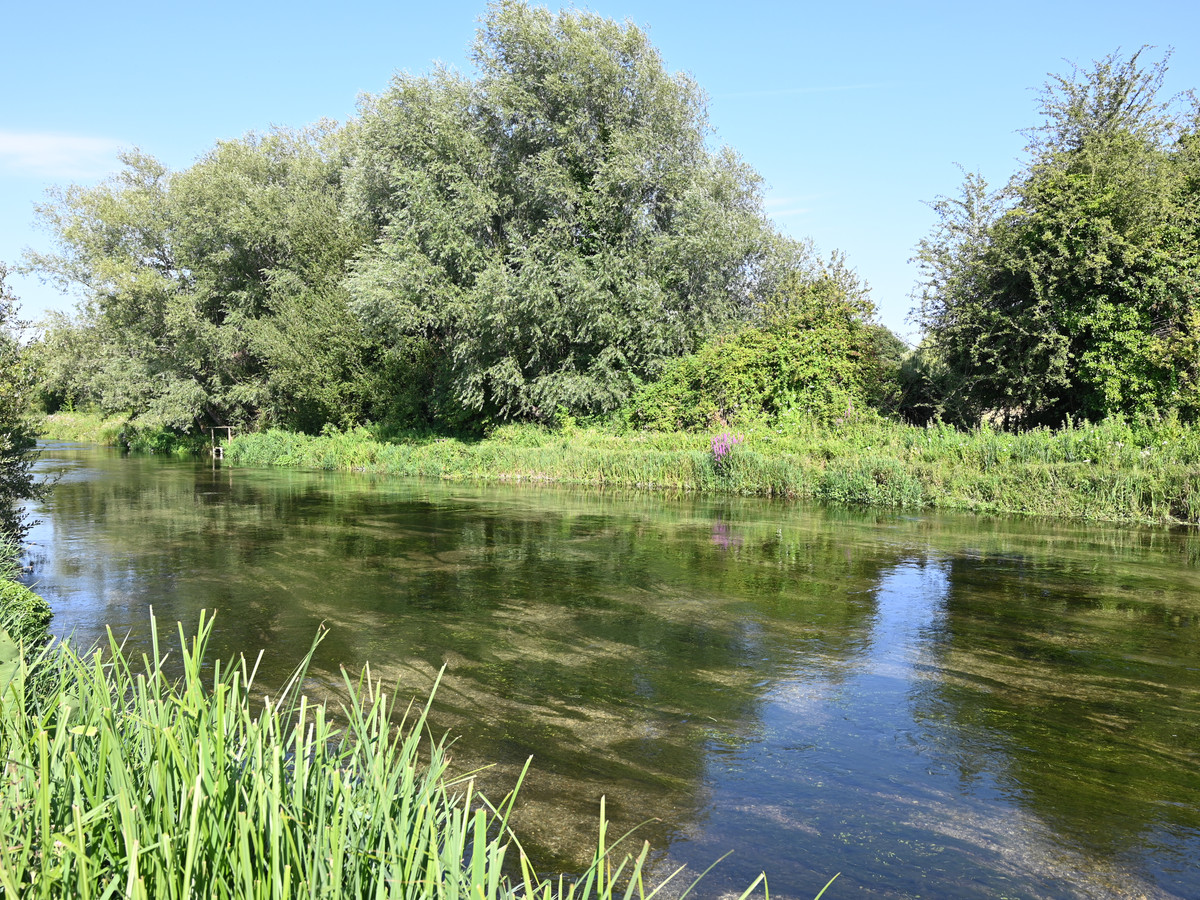
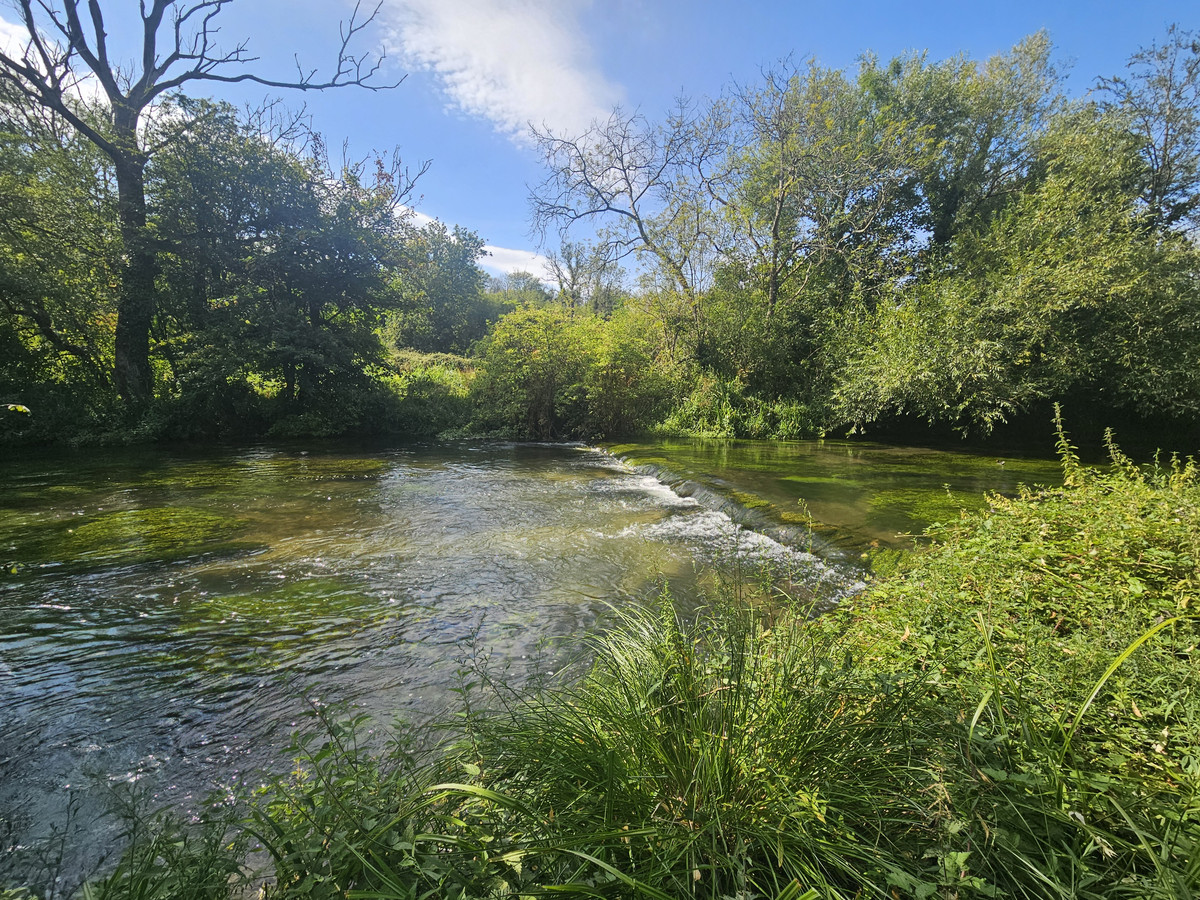
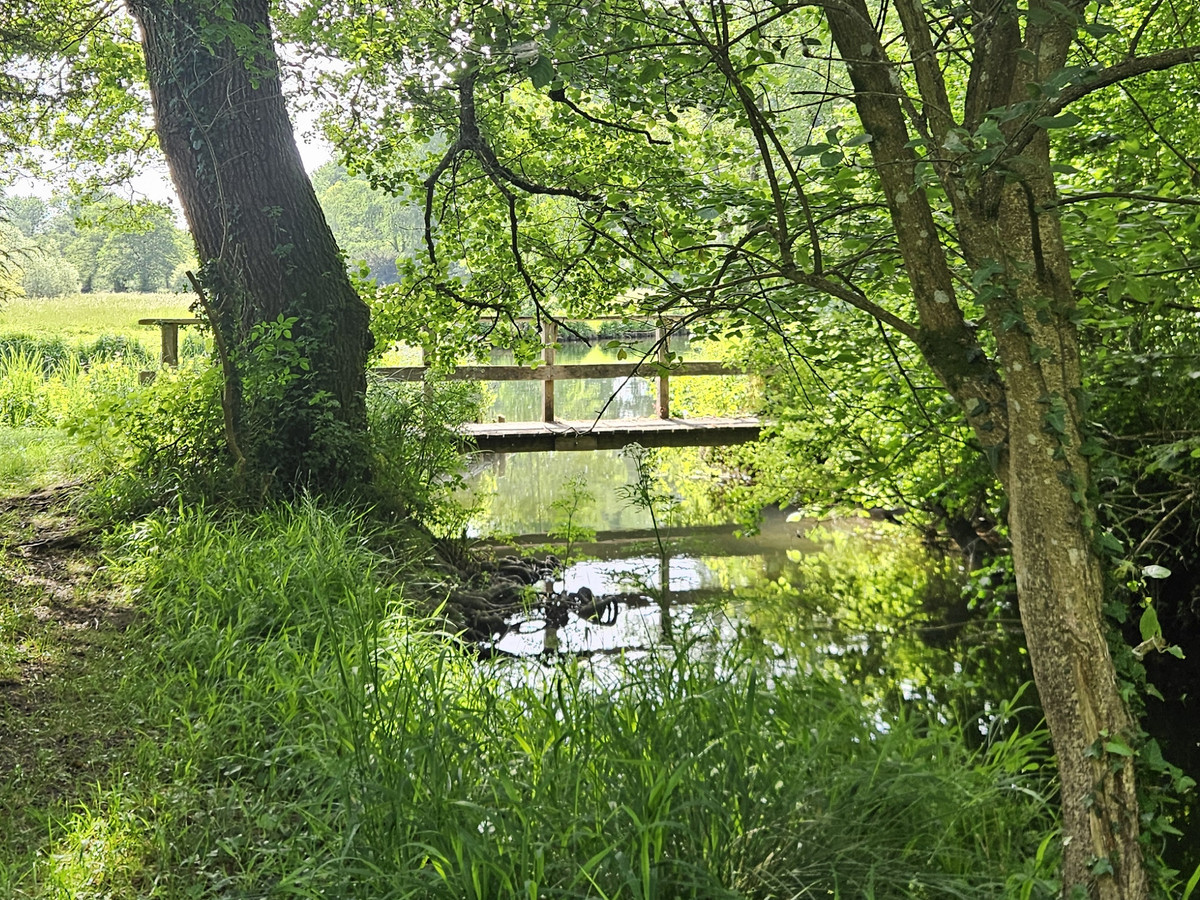
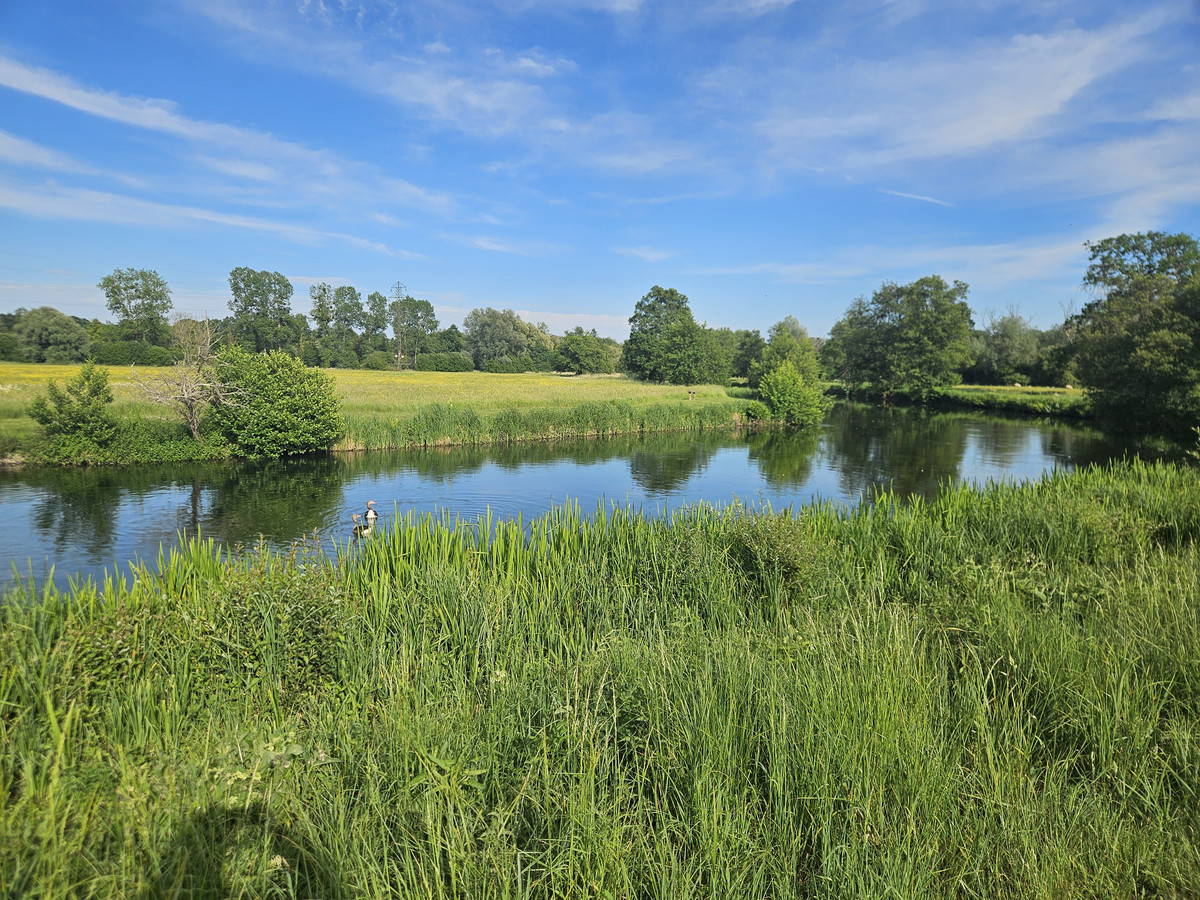
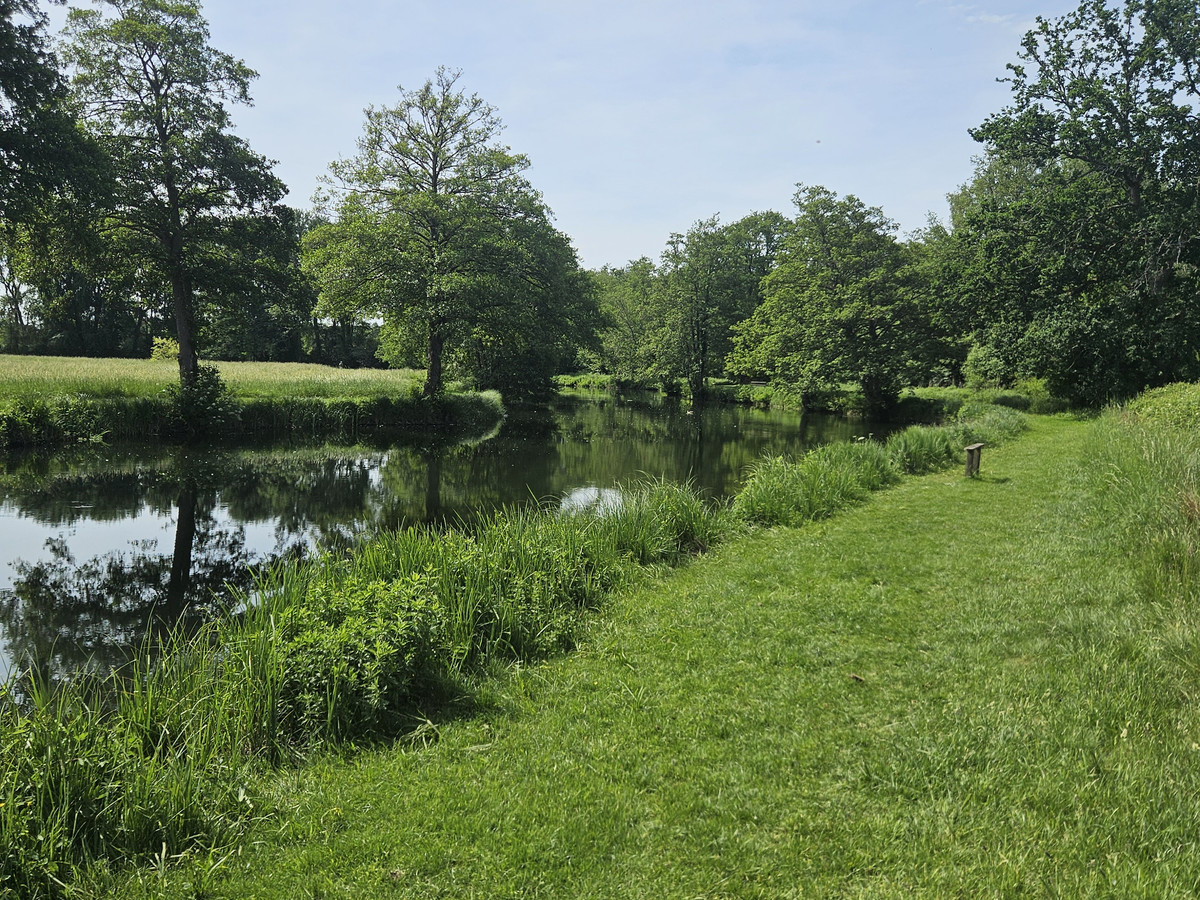
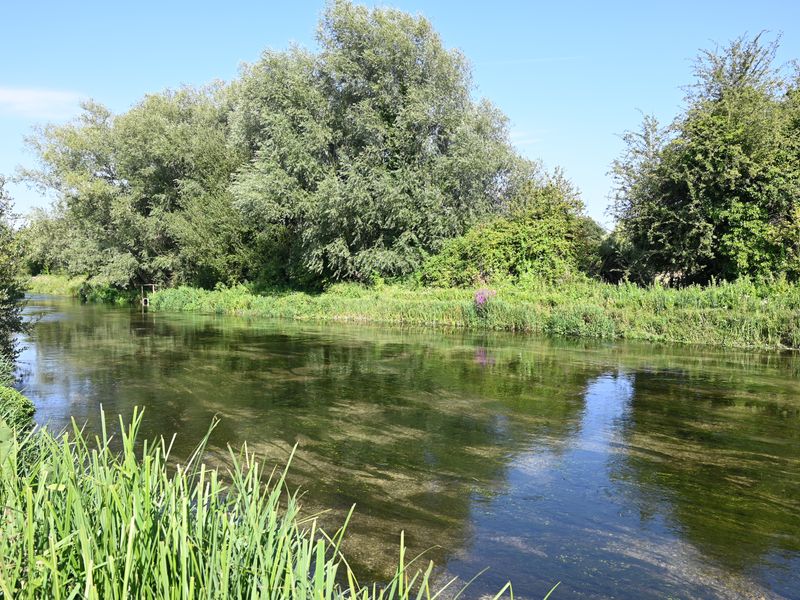
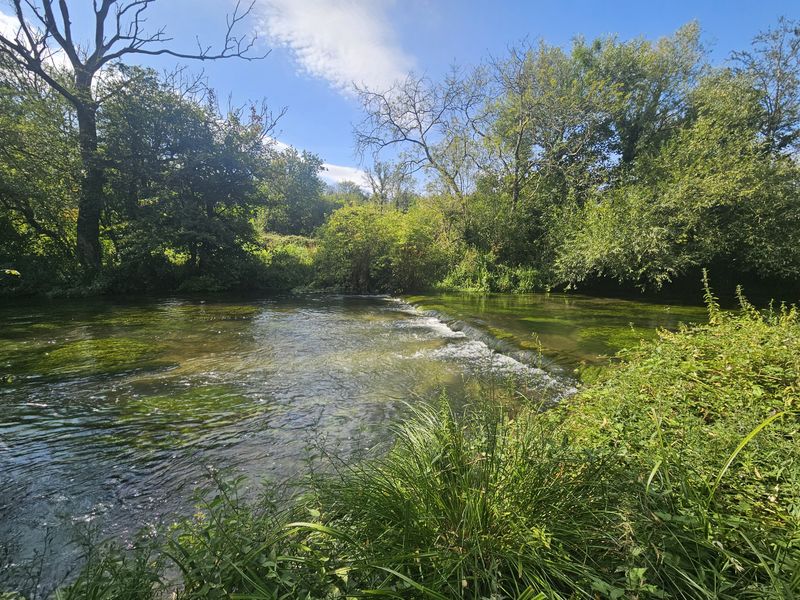
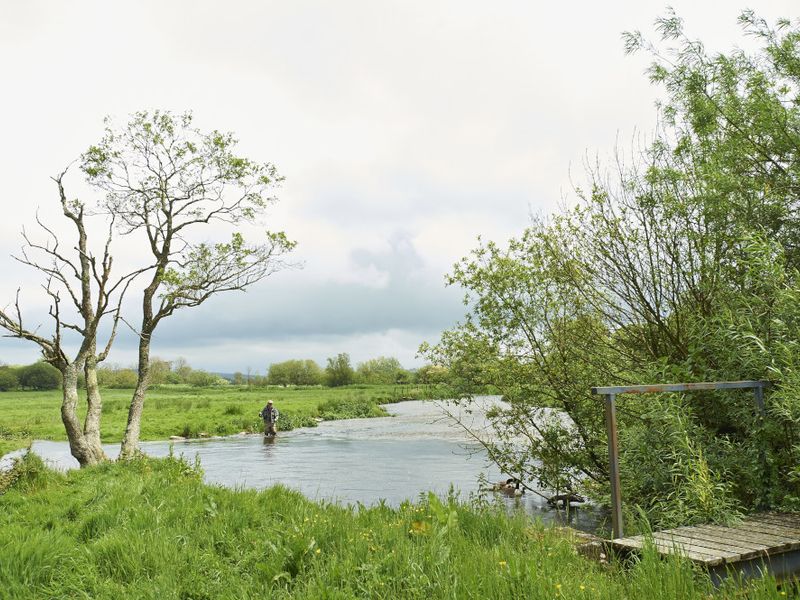
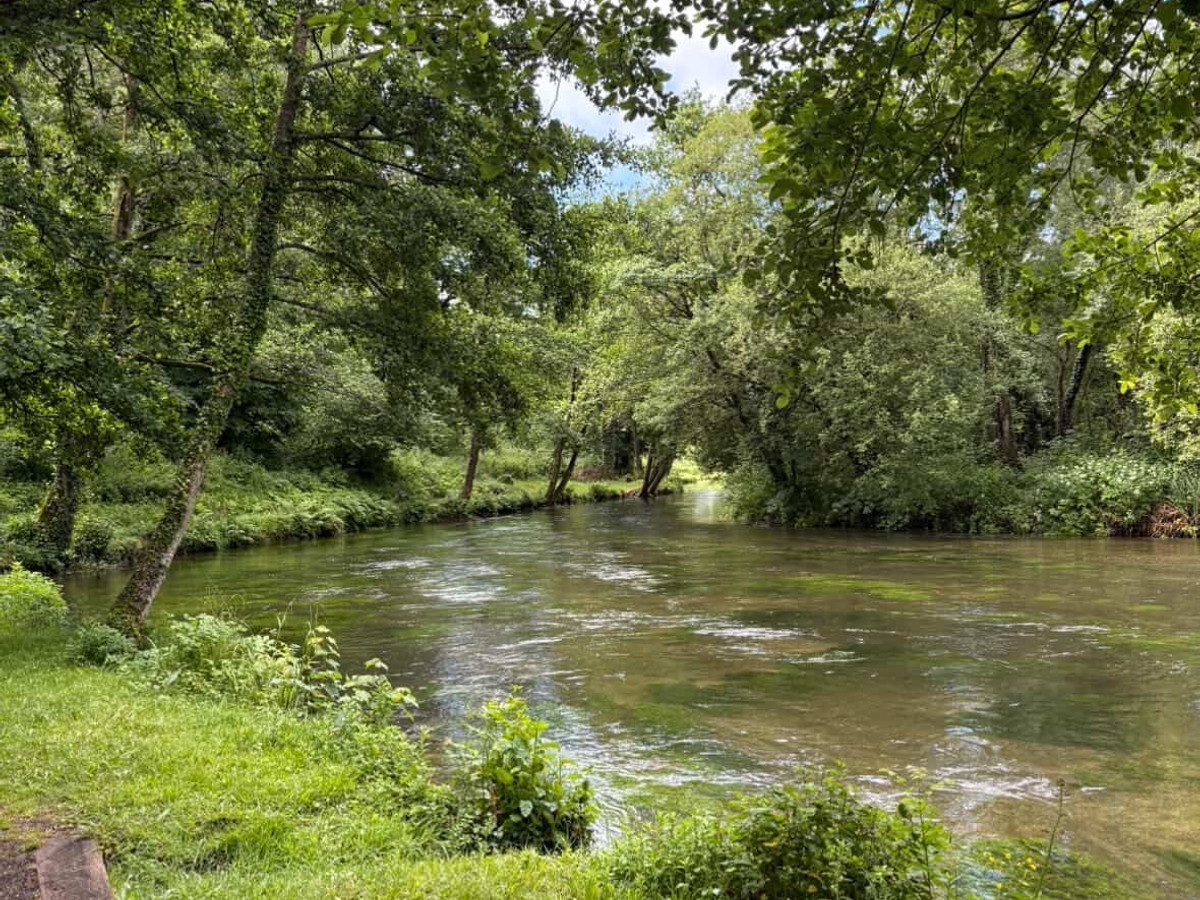
A compact Hampshire chalk stream, the River Alre rises from chalk springs near Bishop's Sutton and runs west for 4 miles through the upper Itchen valley before joining the Candover Brook and Cheriton Stream to form the main River Itchen near Itchen Stoke and Ovington. The river carries a shallow gravel bed and fast-flowing water, fed year-round by chalk springs. Along its course it passes through Bishop's Sutton, runs alongside the watercress beds at Western Court Farm, and flows north of New Alresford, where it separates that town from Old Alresford and passes beneath two historic mills: Arle Mill and the Fulling Mill, the latter a 13th-century structure used for removing oils from wool. North-east of Alresford, one channel runs through Old Alresford Pond, a 12th-century stew pond originally dug to provide fish for the Bishop of Winchester, now designated a Site of Special Scientific Interest. The Itchen and its tributaries, including the River Alre, are also designated as a Special Area of Conservation.
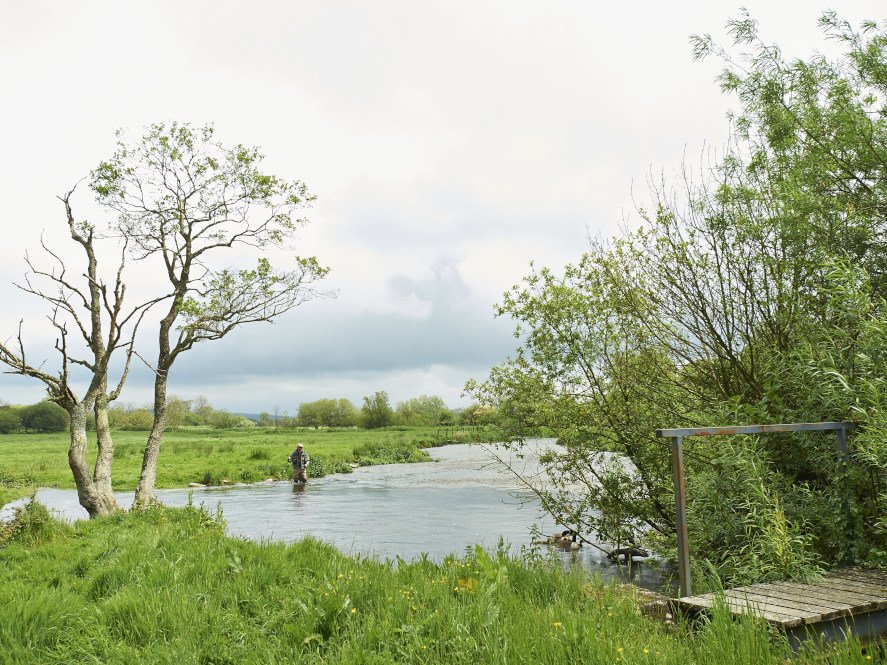
The River Alre at Bishop's Sutton is a small chalk stream trout fishery holding . Unlike the Candover Brook, the Alre does not carry a grayling population, which was introduced into the upper Itchen comparatively recently. The water is clear enough that fish are easily spooked, so careful wading and precise upstream presentation are essential. Dry fly is the primary method throughout the season. The hawthorn hatch arrives in late April, the mayfly from mid-May to early June, and summer brings a variety of caddis, olives, and terrestrials. Brown trout use gravel riffles for spawning and deeper glides for holding, sustained by the chalk-fed hydrology, while invertebrates including mayflies and cased caddisflies form the primary food source. The trout season runs broadly from April to early October.
Conservation work on the River Alre has focused on habitat restoration, building on the Wild Trout Trust's 2009 advisory visit at Bishop's Sutton, which identified opportunities to improve fish passage, sediment flushing, and marginal planting. Access to this water is genuinely limited: FishingBeats currently lists 1 beat on the river, with 0 fishery available. Fishing the Alre puts an angler at the very headwaters of one of Hampshire's most celebrated chalk stream systems, a short river with considerable history behind it.
Hatch Calendar
The River Alre hosts a sequence of seasonal insect hatches that dictate fly choice through the year.
Expected in October
Typical months for the River Alre, not a live report. A cold spring or a hot week will shift any of these.


Caperer
Sedge · #10-12
Kite's Imperial
Dry fly · #14-16
Daddy Long Legs
Terrestrial · #10-12
Sawyer's Killer Bug
Nymph · #12-16
The year ahead
Every hatch and the months it usually runs. Darker means a heavier hatch, and the highlighted column follows the month above. Tap a letter to jump to it.
We get a small commission if you buy through these links, and it costs you nothing extra. If the calendar has been useful and you feel like supporting an independent site, buying your flies this way is an easy way to do it.
FAQ
River Alre FAQs
Common questions about fishing the River Alre, from day tickets and seasons to what to expect on the bank.