Big things coming to FishingBeats

Join the newsletter

River Alre

Drove Lane Beat

chalk stream

Drove Lane Beat is a fishing beat on the River Alre.

View on map Visit website

Fishing details

Drove Lane Beat at a glance

Rods
Difficulty
Beginner (1/5)
Length
Water type
chalk stream

Fishing methods

upstream dry fly
upstream nymph
Wading allowed
Bank fishing only
Double bank

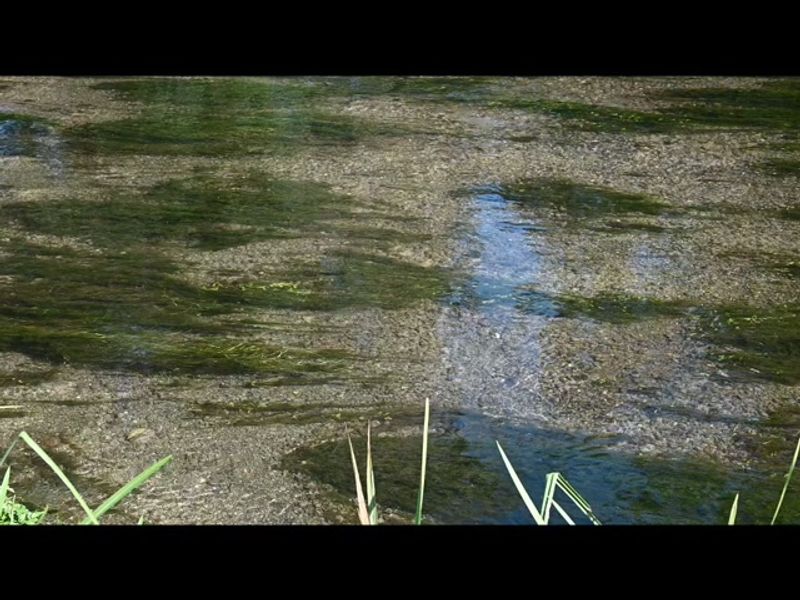
Drove Lane Beat sits at the most downstream stretch of the River Alre in Hampshire, at the confluence of the Alre and Cheriton Brook where they join to form the main River Itchen. The Alre is a classic English chalk stream with a shallow gravel bed and fast-flowing water, fed year-round by chalk springs, and the chalk aquifer filters rainwater through fissures, yielding gin-clear water with a consistent baseflow dominated by groundwater contributions. Only two days each week are fished here, keeping the water well rested and traditionally managed.

The beat targets wild brown trout on upstream dry fly and upstream nymph, and suits anglers new to chalk stream fishing. The Alre runs around a metre deep in the centre, but the water is so clear it can be difficult to judge depth — fish appear to swim in air. Through this lower section the river forms a good natural trout fishery with fish visible over bright gravel in open runs and beneath bankside vegetation. Mayflies can be expected on the water from mid-May into June, and chalk streams support some of the most abundant mayfly hatches in England. Blue-winged olives and pale wateries carry the dry fly fishing through summer, with evening rises the most productive window once the season matures.

A 9 ft rod for a 4- or 5-weight line covers the water comfortably. The beat is part of a private estate, offering wild trout fishing on private estate water. The fishery provides a strong support package for visiting rods, including guided fishing days, corporate and group events, AAPGAI/GAIA qualified instructors, catered riverside luncheons, and gift vouchers — making it a practical choice for a first chalk stream day or a hosted group outing.

Stocking and fish species
Rules and policies

Catch & release
EA rod licence required
Dogs allowed
Ghillie available
Ghillie required

Amenities

guided fishing days corporate and group events blast and cast days overseas fishing trips gift vouchers catered riverside luncheons private estate lakes aapgai/gaia qualified instructors

Where Drove Lane Beat is

The beat's boundary, with parking where we have it.

51.08927, -1.18232

The fishery and river

River

Hampshire

River Alre

A compact Hampshire chalk stream, the River Alre rises from chalk springs near Bishop's Sutton and runs west for 4 miles through the upper Itchen valley before joining the Candover Brook and Cheriton Stream to form the main River Itchen near Itchen Stoke and Ovington. The river carries a shallow gravel bed and fast-flowing water, fed year-round by chalk springs. Along its course it passes through Bishop's Sutton, runs alongside the watercress beds at Western Court Farm, and flows north of New Alresford, where it separates that town from Old Alresford and passes beneath two historic mills: Arle Mill and the Fulling Mill, the latter a 13th-century structure used for removing oils from wool. North-east of Alresford, one channel runs through Old Alresford Pond, a 12th-century stew pond originally dug to provide fish for the Bishop of Winchester, now designated a Site of Special Scientific Interest. The Itchen and its tributaries, including the River Alre, are also designated as a Special Area of Conservation. The River Alre at Bishop's Sutton is a small chalk stream trout fishery holding . Unlike the Candover Brook, the Alre does not carry a grayling population, which was introduced into the upper Itchen comparatively recently. The water is clear enough that fish are easily spooked, so careful wading and precise upstream presentation are essential. Dry fly is the primary method throughout the season. The hawthorn hatch arrives in late April, the mayfly from mid-May to early June, and summer brings a variety of caddis, olives, and terrestrials. Brown trout use gravel riffles for spawning and deeper glides for holding, sustained by the chalk-fed hydrology, while invertebrates including mayflies and cased caddisflies form the primary food source. The trout season runs broadly from April to early October. Conservation work on the River Alre has focused on habitat restoration, building on the Wild Trout Trust's 2009 advisory visit at Bishop's Sutton, which identified opportunities to improve fish passage, sediment flushing, and marginal planting. Access to this water is genuinely limited: FishingBeats currently lists 0 beat on the river, with 0 fishery available. Fishing the Alre puts an angler at the very headwaters of one of Hampshire's most celebrated chalk stream systems, a short river with considerable history behind it.

4 miles chalk stream

About the river on the River Alre

A compact Hampshire chalk stream, the River Alre rises from chalk springs near Bishop's Sutton and runs west for 4 miles through the upper Itchen valley before joining the Candover Brook and Cheriton Stream to form the main River Itchen near Itchen Stoke and Ovington. The river carries a shallow gravel bed and…

FishingBeats is an independent guide with no affiliation to the fisheries we list. Listings are editorial and unpaid, and are not supplied or approved by the fishery. See our listings policy. Listing details are compiled by FishingBeats and may change or contain mistakes. Some services, such as tuition, ghillies, or accommodation, may only apply to certain packages and not to standard day tickets. Always confirm pricing, fishing details, and what is included directly with the beat before you book. Spotted something wrong? Email hello@fishingbeats.com and we will correct it.

FAQ

Drove Lane Beat FAQs

Practical questions anglers ask before fishing Drove Lane Beat, from tickets to tactics.
01How many rods are allowed on Drove Lane Beat at any one time?
The rod limit for Drove Lane Beat is listed on the beat page — check before booking, as limits vary by season and fishery preference.
02What species can I expect to catch on Drove Lane Beat?
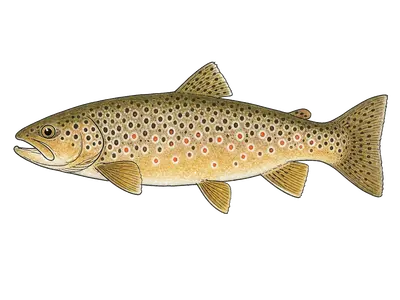
Drove Lane Beat holds Brown Trout. The water is unstocked, relying entirely on the wild population.
03Do I need to wade, or can I fish from the bank?
Wading arrangements for Drove Lane Beat are listed on the beat page — contact the provider if you need to confirm before arriving.
04Is a ghillie available, and do I need one?
No ghillie service is listed for Drove Lane Beat — contact the provider directly if you'd like informal guidance on your first visit.
05Where do I park, and how do I access the beat?
Parking details for Drove Lane Beat are shown on the beat page, including a map pin where one is provided. Always confirm access arrangements with the provider when you book.
06What tackle should I bring?
Drove Lane Beat is fished by upstream dry fly and upstream nymph. The fly recommendations section on the Drove Lane Beat page suggests the most effective patterns month by month.
07What happens if conditions are poor on the day I've booked?
River conditions can change quickly, especially after rain. Contact the provider as early as possible if you're concerned about Drove Lane Beat — many are happy to offer an alternative date if the river is unfishable. Cancellation and rescheduling policies vary by provider; check the notes on the booking page or ask when you book.
08Are dogs allowed on the beat?
Dogs are not listed as permitted on Drove Lane Beat. Check the Beat Rules section on the page or contact the provider before bringing a dog, as policies can vary by season and stretch of the River Alre.

@fishingbeats

From the riverbank

Follow →

Newsletter

Stay in the loop

Exciting new features, fresh beats, season news, and chalk stream tips, straight to your inbox.