Axe Edge Moor, near Buxton, Peak District to Confluence with the River Trent at Newton Solney, Derbyshire · 45 miles
Fly Fishing on the River Dove
6 beats on the River Dove sell access by the day, from £35.
Where the River Dove runs
The river's course with every beat and fishery we list on it. Tap a marker for a quick read on price.
Fishing Beats on the River Dove
6 beats availableBrowse day tickets, syndicate rods, and permit fishing on the River Dove. Each beat listing includes pricing, species, and booking details.
Clubs and syndicates on the River Dove
3 clubsMembership bodies holding water on the River Dove. Some sell day tickets alongside membership, others are open to members only, and a few run a waiting list. Where a club's water is not listed as individual beats, it is not shown on the map above.
Club
Birdsgrove Fly Fishing Club
On request Dove
Club · Derbyshire, Staffordshire
Derby Railway Angling Club
£75–£95/yr 4 stretches
Club · Derbyshire
Derbyshire County Angling Club
£370/yr 1 stretch
About the River Dove
River Dove at a glance
- Length
- 45 miles
- Source
- Axe Edge Moor, near Buxton, Peak District
- Mouth
- Confluence with the River Trent at Newton Solney, Derbyshire
- Water type
- Limestone
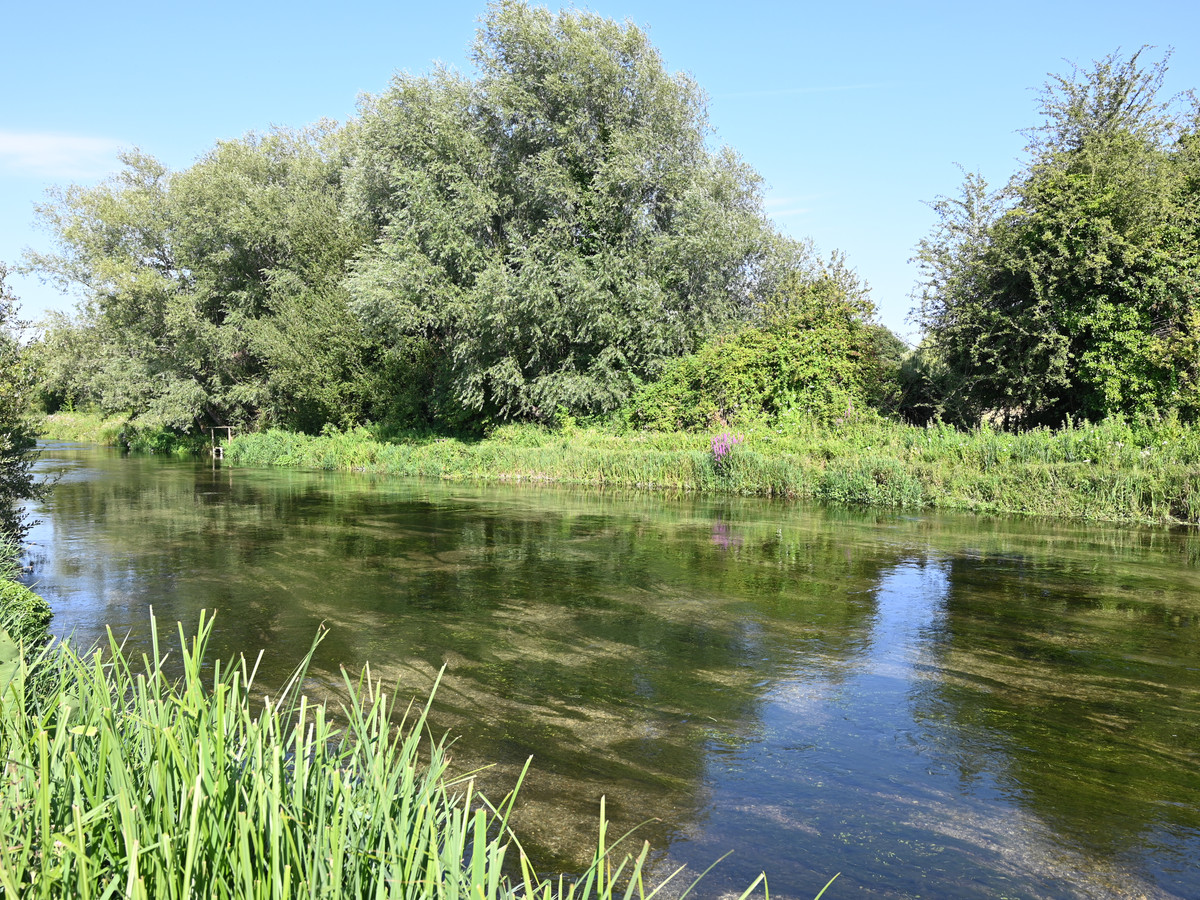
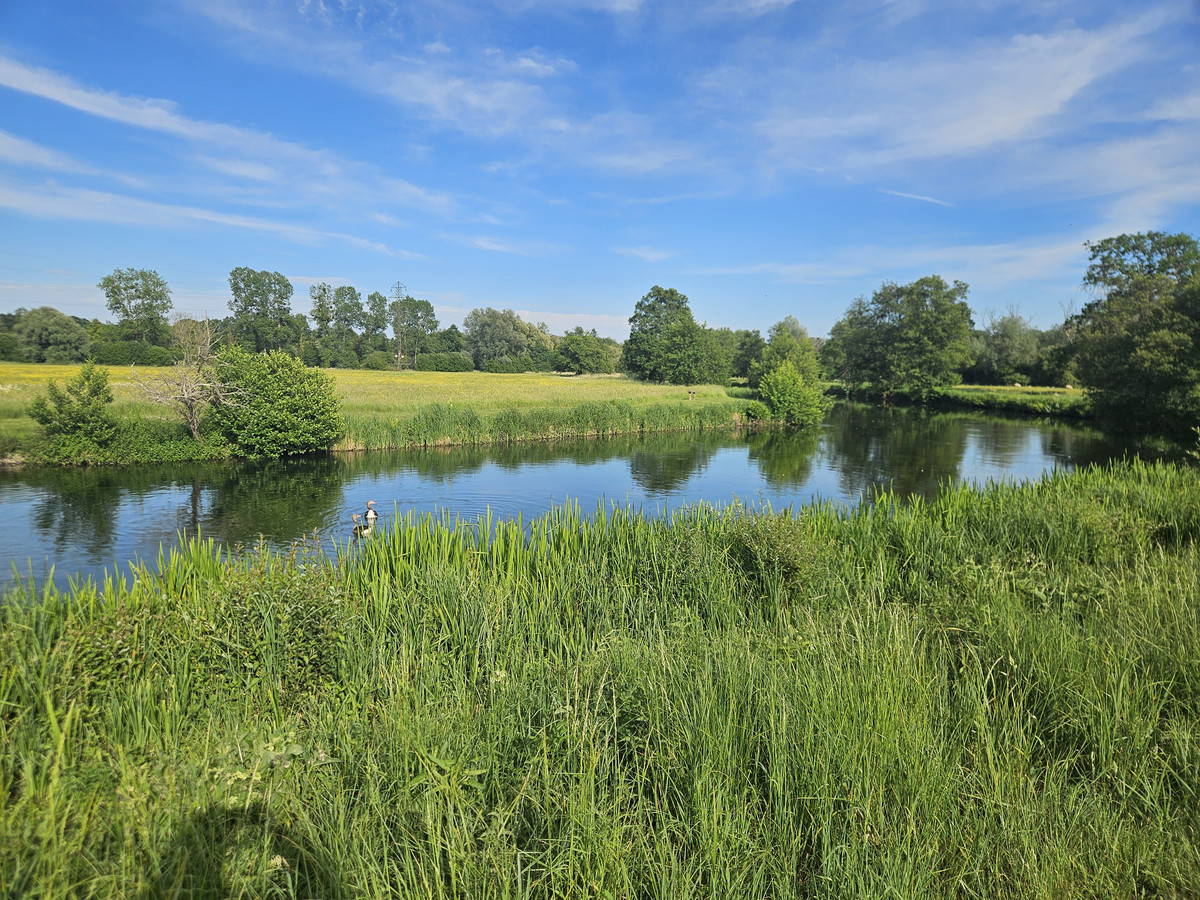
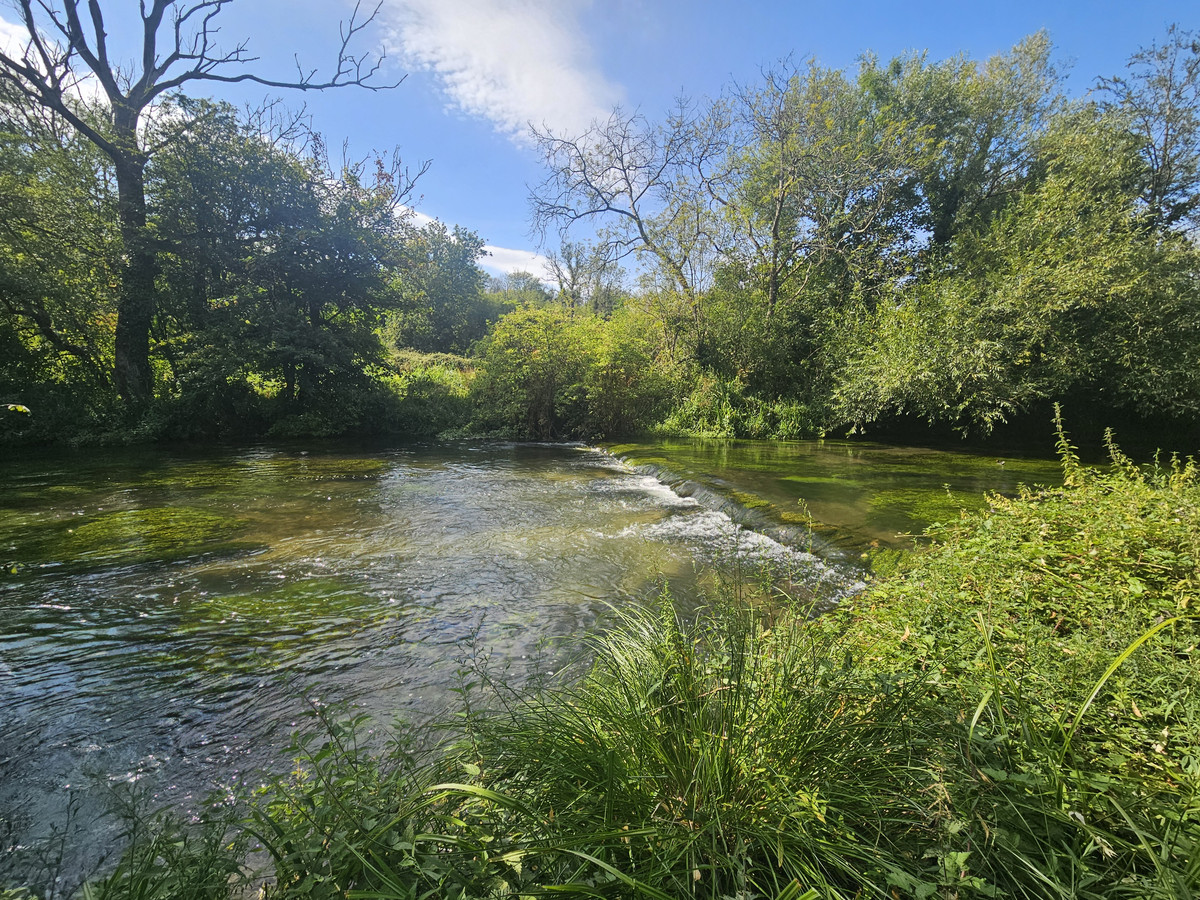
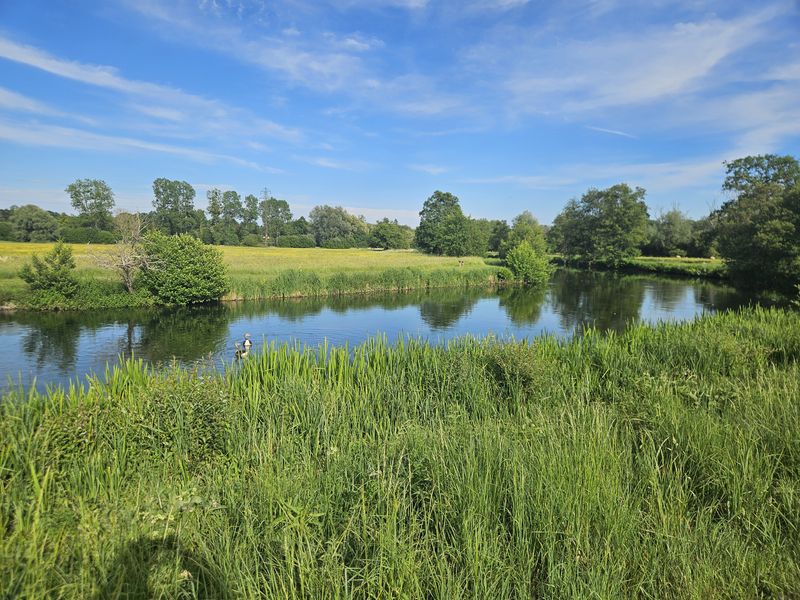
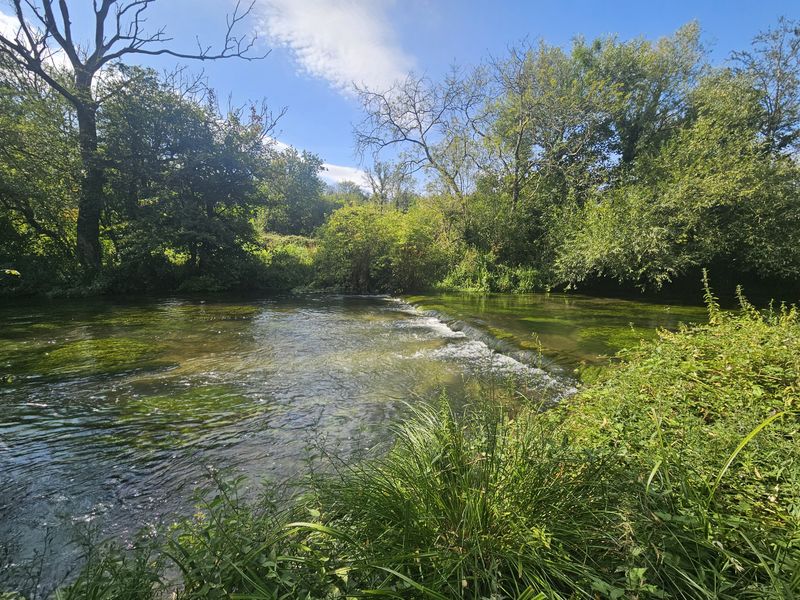
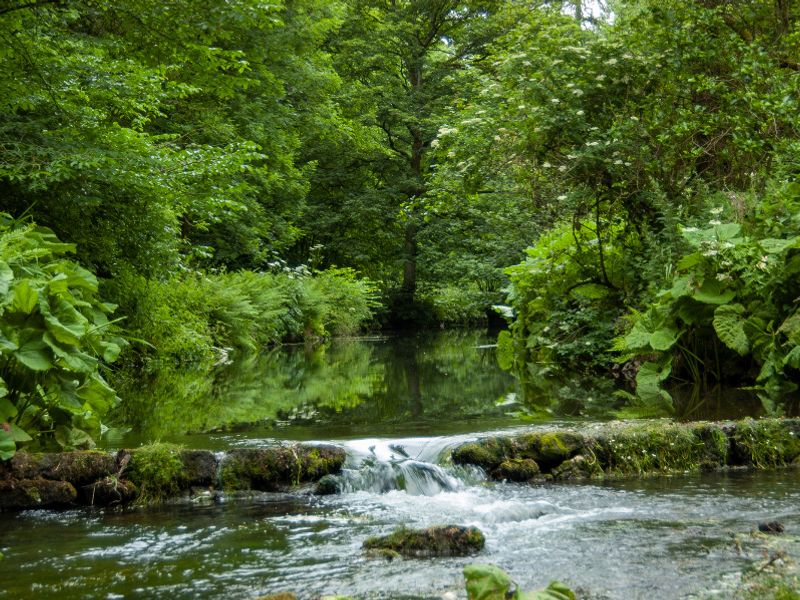
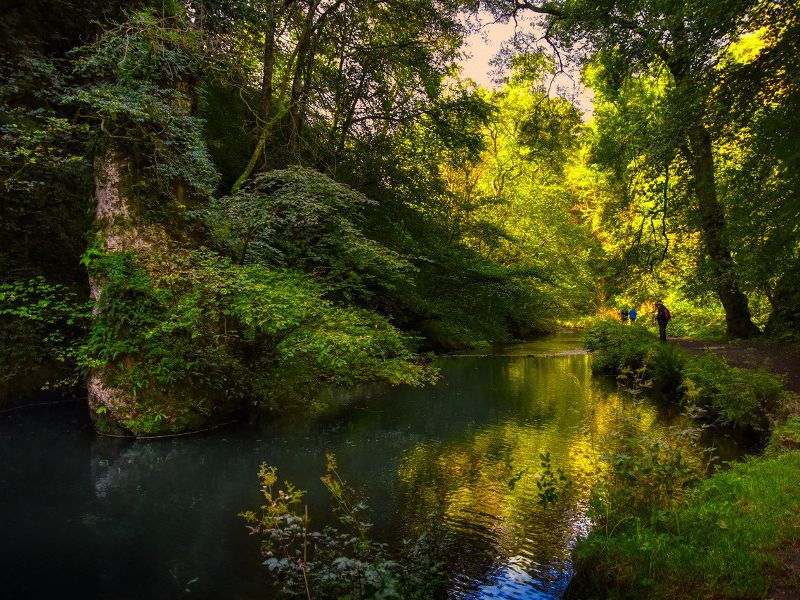
Rising on Axe Edge Moor near Buxton, the River Dove runs for 45 miles south through the Peak District before meeting the River Trent at Newton Solney, from where its waters reach the North Sea via the Humber Estuary. For most of its course it forms the boundary between Staffordshire and Derbyshire, meandering past Longnor and Hartington before cutting through a series of limestone gorges: Beresford Dale, Wolfscote Dale, Milldale and Dovedale. The river is fed by winter rains percolating through limestone bedrock, producing water whose temperature and clarity are well suited to . Approximately 10.5 kilometres of the river, including the Dovedale section, is designated as a Site of Special Scientific Interest for its limestone river habitats. Agricultural pressure remains the principal concern, with soils and sediment reaching the watercourse and affecting habitat conditions and nutrient levels, though a partnership programme has breached multiple weirs, returning those stretches to a natural state and providing better habitat for wild trout.
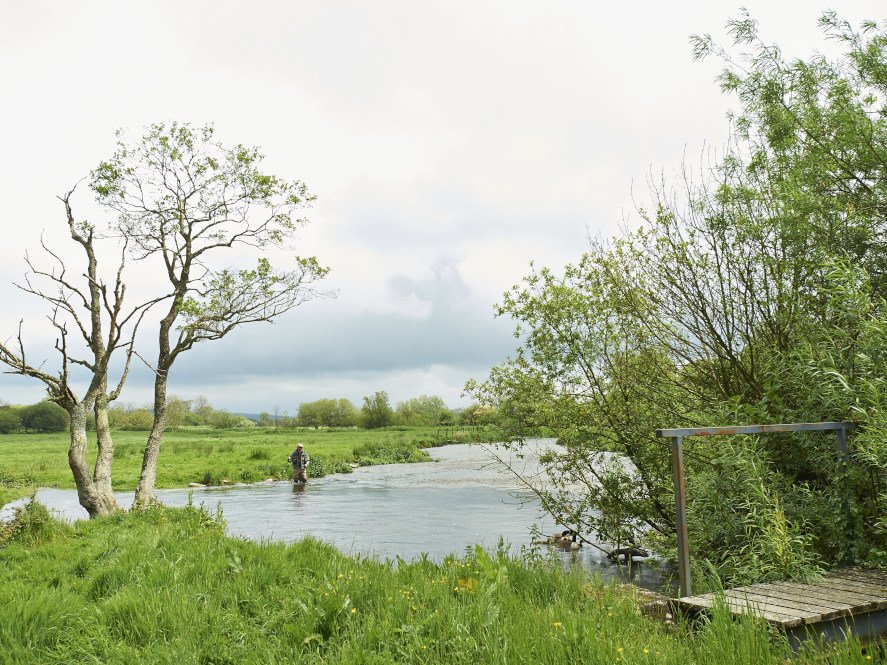
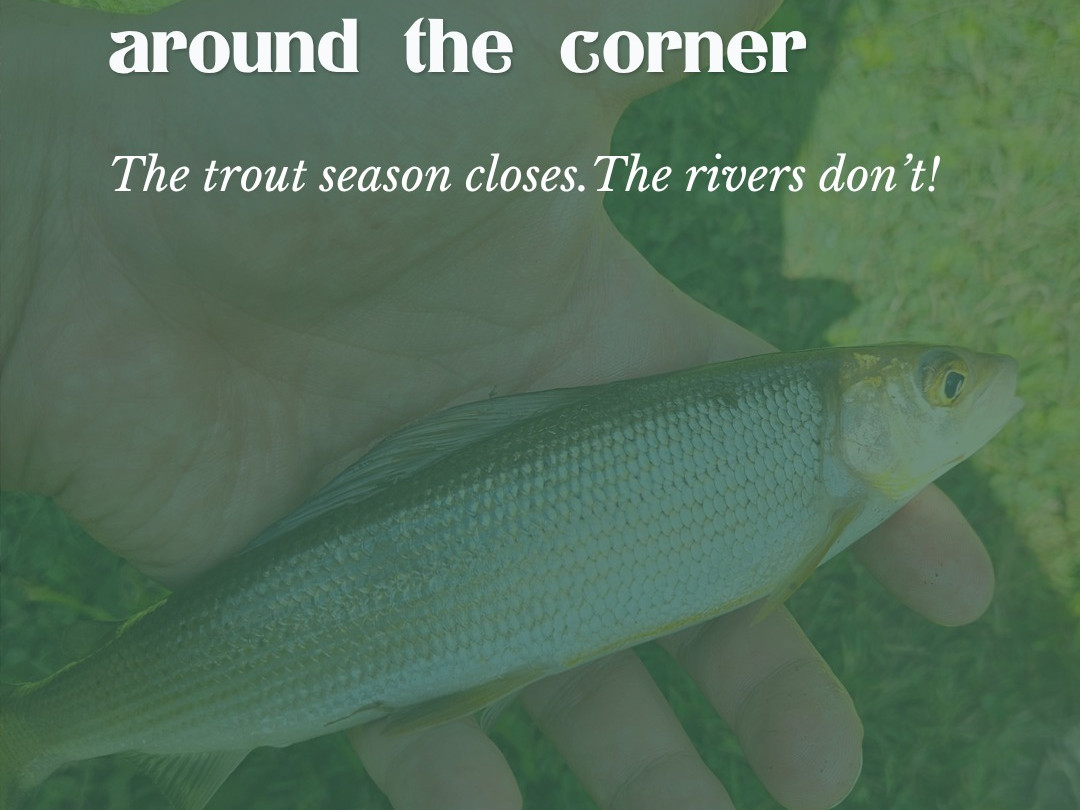
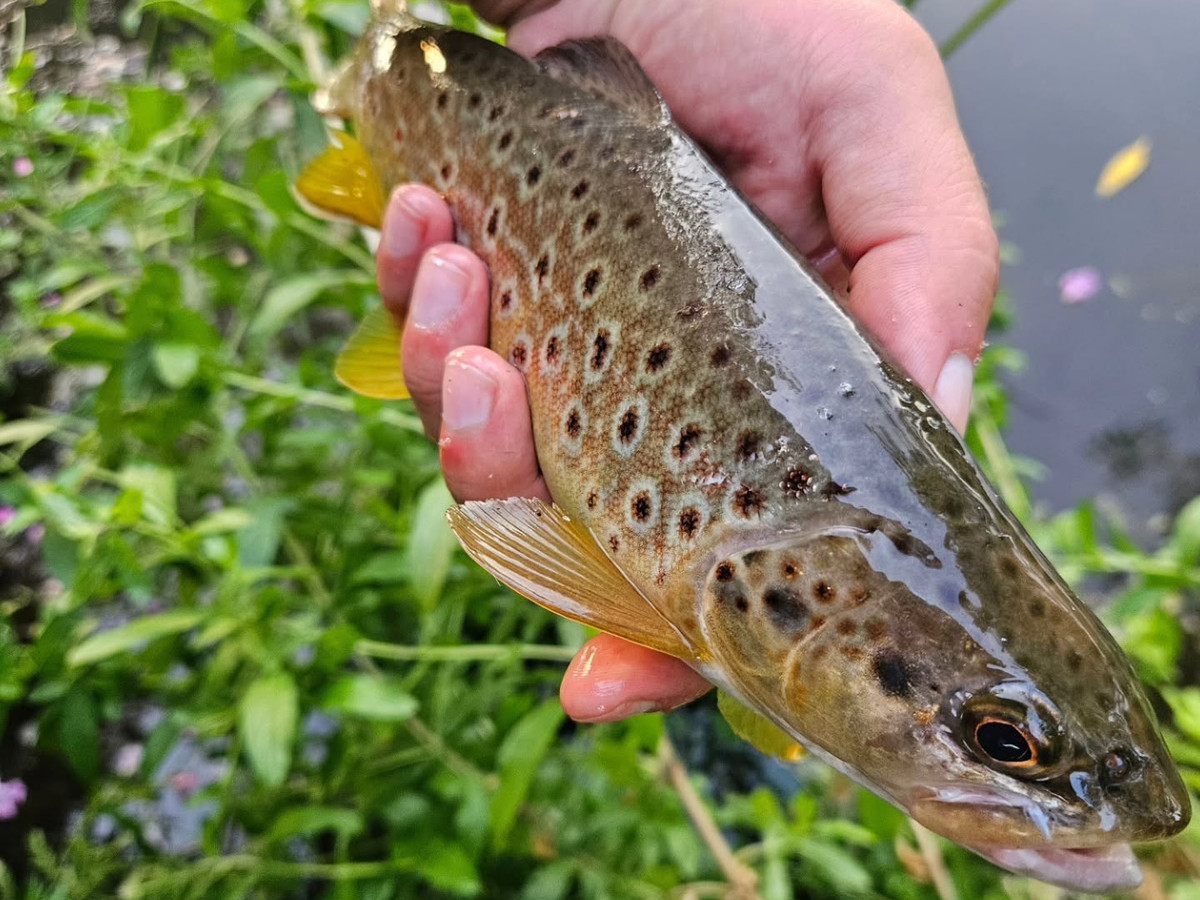
Throughout the season, hatches of iron blue duns, blue-winged olives and sedges are both prolific and consistent, as are the evening spinner falls. The water really comes alive for the mayfly hatch from the third week of May until nearly the end of June. Later in the season, smaller flies such as the black gnat, fished on a fine leader, can entice the bigger fish. The fly fishing is predominantly for wild brown trout and grayling and responds well to all fly fishing methods. The clear water and educated fish demand precise presentation. The beat may be fished from the bank or with some wading if preferred.
No river carries a heavier weight of angling history. Charles Cotton wrote the second book of The Compleat Angler at Walton's request and remains best known for writing the first detailed treatise on fly fishing in English. Cotton built his fishing house in 1674 to celebrate his friendship with Izaak Walton, their entwined initials carved above the door alongside the inscription Piscatoribus Sacrum, a sacred place for anglers, which is why it is known in angling circles as "The Temple". The house stands on private land but can be seen through the trees across the river from the footpath.
FAQ
River Dove FAQs
Common questions about fishing the River Dove, from day tickets and seasons to what to expect on the bank.