A mayfly day on a famous middle-Test beat costs £300 to £550 depending on the water. Some go higher. That figure is accurate and largely justified, the habitat is exceptional, access is restricted, and riparian management costs money. But the number travels well beyond the water it describes, and it ends up colouring people's perception of chalk stream fishing as a category.
Three things change the calculation considerably. Fish a smaller river. Fish at the edges of the season. Fish for grayling in winter. Any one of them can take a chalk stream day under £150. All three combined, and you are fishing spring-fed, ranunculus-thick, insect-rich water for under £100, sometimes well under.
Smaller rivers and tributaries
The chalk stream network across southern England is much larger than the River Test and River Itchen. Berkshire, Dorset, Hampshire, and Wiltshire have rivers that attract a fraction of the attention and charge accordingly.
Donnington Grove
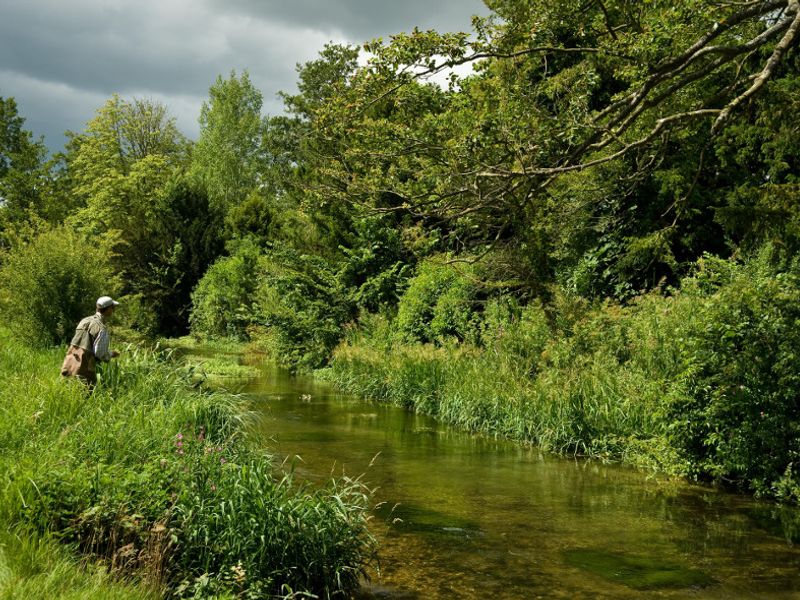
Donnington Grove offers just under two-thirds of a mile of single-bank chalk stream fishing on the River Lambourn, near the village of Donnington in Berkshire. The Lambourn is a classic chalk stream, small and fast-flowing, and this beat reflects that character: powered entirely from chalk springs, which produces exceptionally clear water and year-round stable temperatures. The river's flow regime remains near-natural in form, not being significantly modified by groundwater abstraction, a rarity among southern chalk streams that keeps the water quality and aquatic life in excellent condition. The Lambourn sits in the top 10% for England and Wales for the number of macroinvertebrate families recorded, which underpins the quality of hatches throughout the season. The river supports one of the best and most productive fisheries for brown trout in the area, with natural populations of grayling also present. Stocking is light, so the fish are predominantly wild and accordingly wary; this beat is rated legend difficulty, and while the nutrient-rich water allows trout and grayling to grow to large sizes, the clarity makes them hard to tempt. Dry fly and nymph are the only permitted methods. The hawthorn hatch happens around the end of April, with the mayfly running from mid-May to the end of the second week in June, reflected in the dedicated Mayfly Season day rod at £124. In the second half of the season, small flies delicately fished are the key. Grayling fishing extends the season well into winter at £63 per rod. Wading is permitted, which is often essential on this intimate stream. A fishing hut and toilets are on site.
Donnington Grove is on the River Lambourn in Berkshire, near Donnington. Two-thirds of a mile of single-bank water on a small, fast, spring-fed chalk stream that sits in the top 10% of English and Welsh rivers for macroinvertebrate families, meaning the insect life is very good. Lightly stocked, wading allowed, hut and toilets on site. £93/day in early and main season. Mayfly is £124; grayling £63.
Upper Clatford
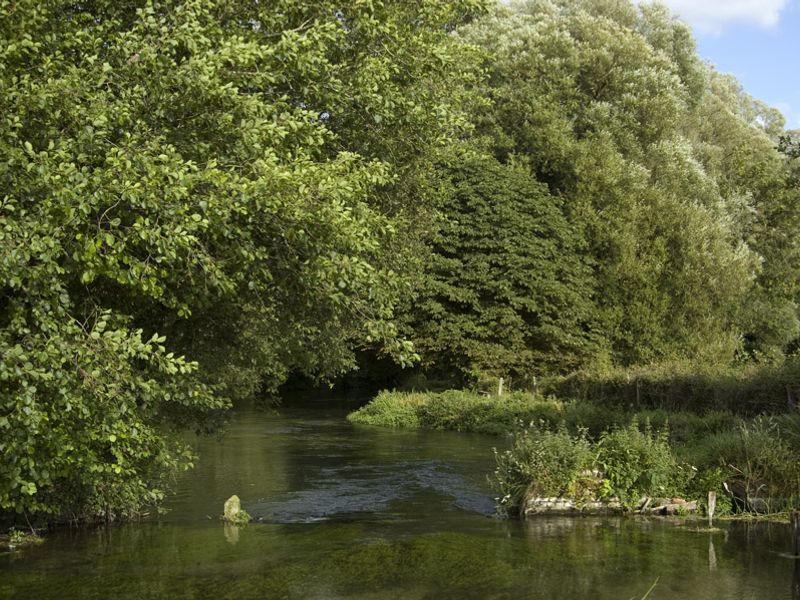
A short stretch of the River Anton — a classic Hampshire chalk stream and one of the four main tributaries to the River Test — the Upper Clatford beat sits in the Anton valley, 3.5 miles upstream from where the river meets the Test. At just over a fifth of a mile, this is an intimate piece of water, and its tributary character means the river here is narrow and intimate, with narrow, fast-flowing gravel sections home to feisty wild trout. The Pillhill Brook, the Anton's principal tributary, joins the river at Upper Clatford, adding extra flow and variety to the beat. Banks are kept clear for walkways while streamside vegetation is encouraged, and the surrounds are largely made up of pasture land and old English woodland that have remained relatively unchanged for generations. The Anton is known for its prolific fly life and holds some very large wild brown trout and grayling. The beat is rated as adventurer difficulty — expect overhanging trees, tight casting angles, and fish that have seen pressure. The river flows crystal clear for almost the whole season, making it a genuine sight-fishery where you can target specific fish. Stocking is light, so the emphasis is on wild fish. Luscious beds of ranunculus support an abundance of fly life with good hatches visible almost year-round — mayfly brings the peak Mayfly Season rate in late May and early June, while small olives trickle off through mid-morning to mid-afternoon in autumn, and evening sedge hatches extend well into the summer months. Even in winter the river runs exceptionally clear, offering fine grayling fishing — challenging, but with a good population of big fish the rewards are worth the effort. The beat takes one to two rods and is open from 30 April to 30 December, covering trout through to grayling season. Day tickets run from £75 in the grayling season to £284 during mayfly. Wading is permitted, though on a river this clear and compact it is rarely necessary. The Anton is easily accessed, under an hour's drive from Junction 12 on the M25, making it a practical day-trip destination from London or the wider south-east.
Upper Clatford is on the River Anton, one of the four main tributaries that join the Test above the river's widening. A fifth of a mile, one or two rods, narrow fast water with gravel runs, a mix of wild trout and light stocking. The Pillhill Brook joins on the beat. £120/day in main season, £135 in early season. Outside the mayfly fortnight (which is £284 and worth it on its own terms), the Anton is quietly good value.
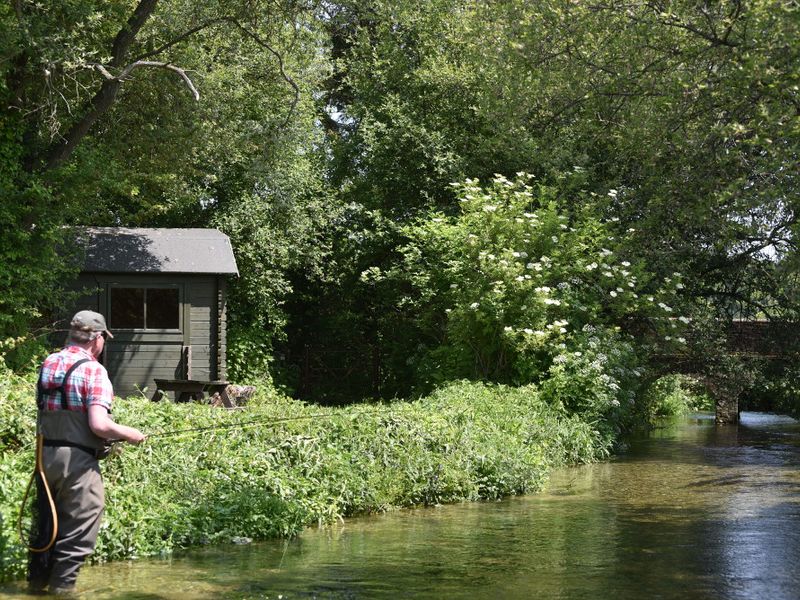
Wimborne St. Giles - Home Beats
Three beats (Bowerswaine, Upper Brockington and Lower Brockington) make up the Home Beats on the Shaftesbury Estate section of the River Allen, covering 1.6 miles of intimate Hampshire chalk stream water near Wimborne St Giles. The Allen starts as a winterbourne on the chalk downland of Cranborne Chase and flows roughly southwards through Wimborne St Giles, arriving at the Home Beats as a clear, manageable stream with a mix of bank fishing and wading sections. Nearly its entire length is under the ownership of just two large estates that have been in the same family for many generations, which keeps pressure low and the water in good condition. The river holds a strong wild brown trout population and is well suited to dry fly fishing, with grayling also present through the season. The Home Beats are lightly stocked to complement the wild fish, and the season runs 1 May to 30 September. The opening weeks are dominated by the grannom hatch, with mayfly following in late May into June, and summer fishing turning to olives, sedges, ants and daddy long legs. The water runs very clear, so stealth is essential; the fish are visible, and so are you. The beat is rated beginner-friendly in terms of access and wading, but the clarity demands a careful approach regardless of experience. A 7.5 ft rod with a 3-4 wt floating line covers most situations, with tippet down to 6x. Up to three rods fish the combined beats, keeping the water uncrowded. Day rod prices run from £75 in late season to £165 in early season, making this one of the more accessible entry points onto a genuinely private Dorset chalk stream. The water has been carefully tended by river keeper Stewart Hand for over twenty years, and on-site parking is available.
The Wimborne St. Giles - Home Beats are on the River Allen in Dorset, managed by the Shaftesbury Estate. Three beats totalling 1.6 miles, one to three rods, a mix of bank fishing and wading, lightly stocked over a strong wild population, all catch and release. £165/day through May and June, dropping to £95 in July and £75 from August. The Allen is not well known outside Dorset, which keeps the pressure low. The estate also offers Wimborne St. Giles (Village Water), a mile of entirely wild, single-bank water upstream through the estate parkland, one rod, May and June only, at £85/day.
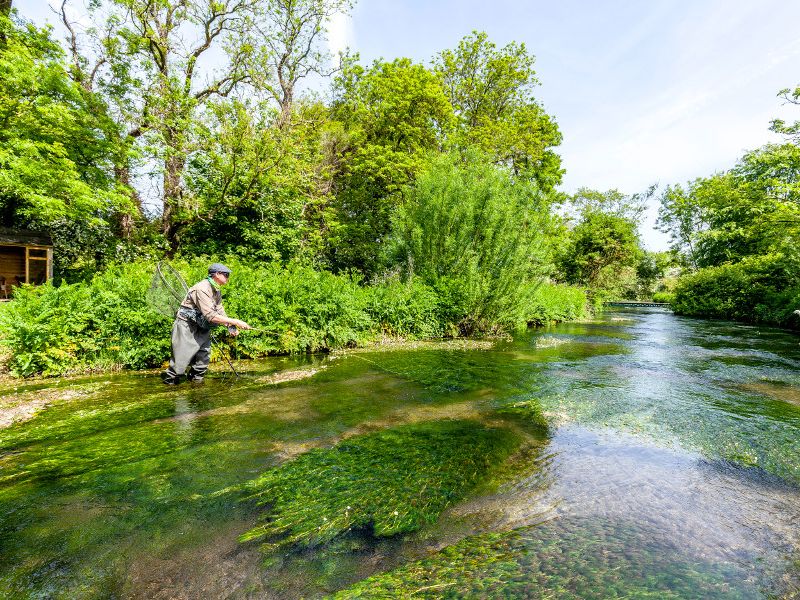
Exton Manor Farm
Just under a third of a mile of single-bank dry fly and nymph water on the River Meon at Exton, in Hampshire's South Downs National Park. The Meon is the most easterly of the Hampshire chalk streams, rising at East Meon and reaching the Solent 15 miles to the south, in many respects a smaller version of the Itchen, just as clear but perhaps a little faster flowing. It is a varied river, reflecting the patchwork nature of the surrounding farmland, with gravel shallows, deep pools, open meadows and woodland within a typical half-mile section. At Exton Manor Farm, the water runs in front of a fishing hut before opening up on the right with a hedge on the left; a steel gate and cattle crossing mark roughly two-thirds of the way up the beat, which ends at a road bridge shaded by a stand of trees. The fishing is for wild brown trout on a catch-and-release basis, and it earns its "legend" difficulty rating. The river is a tapestry of weaving gravel courses and white-flowering crowfoot, and drag is a thorny issue where competing, swirling currents demand precise presentation. The chalk-filtered water supports over half a dozen species of stonefly, twenty-two species of mayfly, and nearly forty species of caddisfly; olives and mayfly feature through the main season, with surface activity peaking in summer. Nymph fishing is permitted alongside the dry fly, and sight-fishing to individual fish with a small pheasant tail nymph is a viable and exciting approach. This beat appeared on the cover of the April 2019 issue of *Trout & Salmon* magazine. The season runs 2 April to 29 September, priced at £110 early season, £145 through the main season and £100 late season. A fishing hut on the bank provides shelter and a base for the day. A 7-8ft rod rated for a #3 or #4 line suits the intimate scale of the river; fine tippet and careful wading are essential on water this clear. The whole river carries protection under Hampshire County Council's Sites of Interest for Nature Conservation designation.
Exton Manor Farm is on the River Meon at Exton, in the South Downs National Park. The Meon is the most easterly of the Hampshire chalk streams, smaller and a little faster than the Itchen, and largely overlooked by anglers based further west. A third of a mile, single bank, entirely wild brown trout, catch and release, fishing hut on site. £100 to £145/day depending on the season.
Upavon Farm
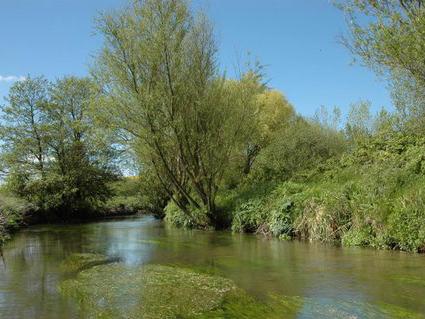
Upavon Farm sits right at the point where the two headwater streams of the Hampshire Avon converge, placing this 0.3-mile beat at the very top of the main river as it begins its chalk-filtered run southward across Salisbury Plain. To fish this stretch effectively, wading is required, the river here is intimate and heavily vegetated, demanding careful approach and precise presentation. One to two rods are accommodated, keeping the beat uncrowded. This challenging chalk stream offers the keen fly fisher a superb opportunity to fish for quality wild brown trout from April through to early October. From October, the focus shifts to wild grayling as they become more dominant throughout the winter months. The season runs from 14 April to 30 December on a strict catch-and-release, fly-only basis. Dry fly only applies until 30 June; nymphing is permitted thereafter, making the beat particularly well suited to targeting grayling on deep-sunk patterns through autumn and winter. The trout season opens in time to catch early hatches of grannom and large dark olives, and consistently good fly hatches (especially mayfly (greendrake)) make the Avon a firm favourite for fly fishermen. Olives, duns, spinners, caenis, and sedges feature throughout the season; on tippets of 3 to 6 lb, klinkhammers and parachute-hackled dries in sizes 16-20 work well. For trout fishermen, the pick of the Avon beats are upstream of Salisbury, especially over Salisbury Plain where Frank Sawyer (inventor of the Pheasant Tail Nymph) lived and keepered all his life. A rod between 7 ft and 8 ft 6 in (7 ft favoured) with a floating line rated #3/4/5 depending on wind conditions is recommended for the Upavon stretch. Day rod pricing runs from £74 in the grayling season to £111 to £137 in peak summer, with toilet facilities on site. Upavon also hosts two local inns, the Ship and the Antelope, both within two minutes' walk, making it straightforward to base a day's fishing around the village. This is expert-level water: the clarity, the wading, and the dry-fly-only restriction through June demand experience, but the reward is access to some of the most historically significant wild-trout fishing on the upper Avon.
Upavon Farm sits at the very top of the Hampshire Avon on Salisbury Plain, where the river's two headwater streams meet. 0.3 miles, one or two rods, wild fish only, catch and release. The water is intimate and heavily vegetated, wading is required to fish it properly. £94/day in early and late season, £111 in main season.
Stratton Beat
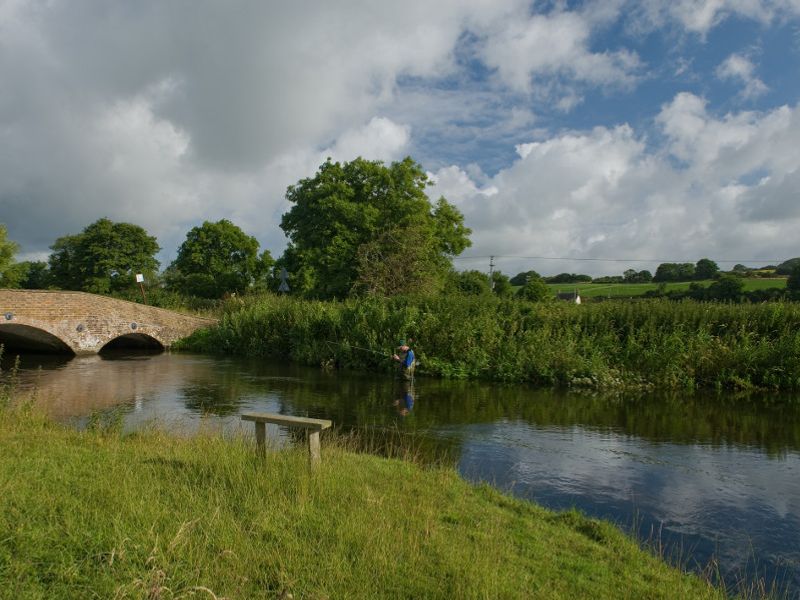
Just under two-thirds of a mile of double-bank dry fly and nymph water on the River Frome, the major chalk stream of southwest England, the Stratton Beat sits on the quiet water meadows south of Stratton village in Dorset. The beat opens with straighter, faster water near the top before the river broadens into long, sweeping bends with deep pools running down to the bottom boundary, a varied character that suits up to two rods without crowding. The Frome and its tributaries provide a rich habitat for wild Brown Trout, Grayling, and stocking is virtually non-existent along much of the river, which allows wild trout and grayling to thrive. The Frome is less affected by abstraction than most chalk streams, and the season opens with fine hatches of upwinged flies in April and early May; mayfly hatches are excellent from mid-May until mid-June, with high-summer evenings producing pale wateries, blue-winged olives and sedges extending well into autumn. The season opens with a grannom hatch, followed by hawthorn, mayfly and blue-winged olives as the season progresses, with sedges rounding off the year. The beat's long trout season runs from 1 April, with grayling fishing continuing through to 31 January; late summer and autumn grayling fishing is primarily sight nymphing, with methods turning to deeper nymphing techniques through winter. Day ticket prices range from £75 for grayling to £190 during the mayfly window, reflecting the beat's seasonal variety. A thatched fishing hut with toilet facilities is on site, and accommodation is available, making Stratton a practical base for a multi-day visit. A 7 to 9 ft rod with a 3-4 weight floating line and fine tippet down to 6x covers most situations on this accessible, beginner-friendly beat.
On the River Frome in Dorset, Stratton Beat is two-thirds of a mile of double-bank water, two rods, a ghillie available, and a thatched hut on site. Trout from £100 in April, £130 through the summer. The River Frome is largely unstocked across its full length, which gives the fishing a different character from the managed middle-Test beats. The neighbouring Wrackleford Estate beats: Home Beat, Muckleford Beat, 7 Hatches, Gaston Bridge Beat, and The Bricks Beat also run at £80 to £100 in April. Long season on both: trout from 1 April, grayling through to 31 January.
The edges of the season on the bigger rivers
A few beats on the main Test and Itchen are also worth looking at away from the mayfly weeks.
Kimbridge Meadow Fishery
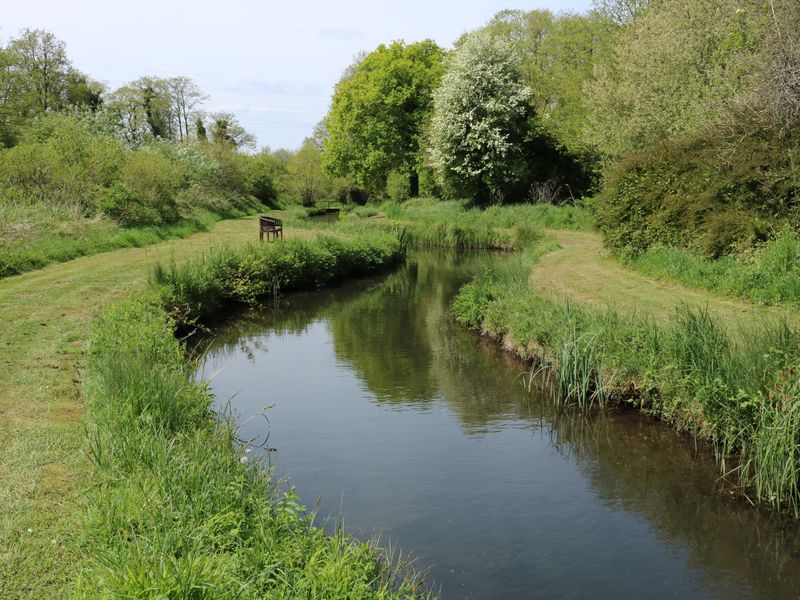
Kimbridge Meadow Fishery sits on the middle River Test in Hampshire, between Romsey and Stockbridge, on a man-made fishery created in the early 1980s, when water from the main River Test was diverted through water meadows and woodland. The fishery is split into four named carrier beats — Cottage Stream, Garden Stream, Alder Stream, and Woodland Stream — with a day ticket giving access to all four. A total of 2.17 miles of riverbank can be fished, and most of the fishing is double bank, with Cottage Stream the only single-bank beat. The fishery operates as a purist upstream dry fly venue; upstream nymphing is permitted from 1 August. The clear water, steady flow, and high levels of dissolved minerals create a unique ecosystem that sustains an abundance of invertebrates, making sight fishing for brown trout the primary draw. The season runs from 1 May to 12 October, with a maximum of four individual rods on any day, or up to six for an exclusive group booking. Day tickets and equipment hire are available, and the fishery is well equipped with a fishing hut, riverside benches, a picnic area, a BBQ area and toilet facilities.
Kimbridge Meadow Fishery is 2.2 miles of carrier channels beside the middle Test between Romsey and Stockbridge. It carries a middle-Test postcode at a flat £125/day all season, because it is carrier water rather than the main river. Up to four rods. For anglers who want the Test valley without the full main-river day rate, it is about as close as it gets.
Abbots Worthy
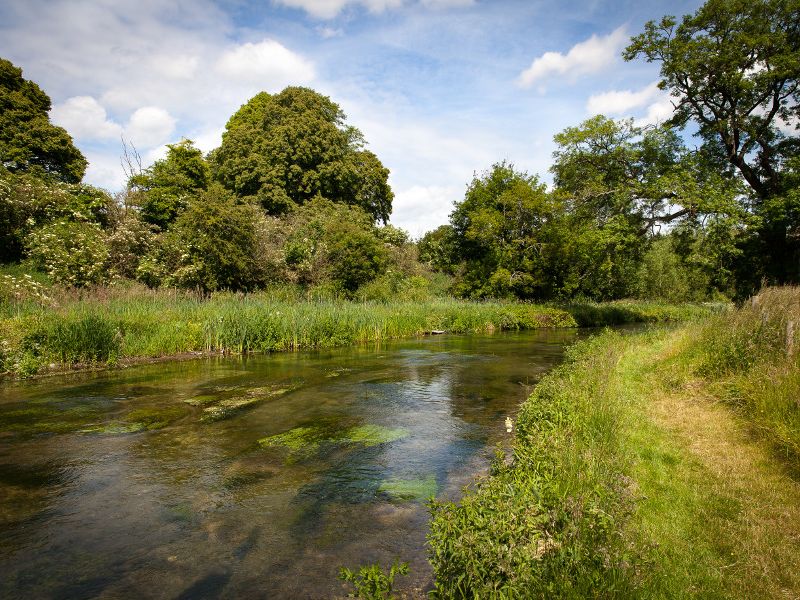
Sitting on the upper River Itchen just three miles north of Winchester, the Abbots Worthy beat offers around a third of a mile of single and double-bank chalk stream fly fishing on one of Hampshire's most historically significant stretches of water. John Keats walked these very water meadows in 1819, and the Itchen's clear flows and harvest-season landscapes are said to have inspired his ode *To Autumn*. The river here carries a main channel alongside a mill stream, with a chalk bottom, good ranunculus weed beds, and clear water that makes sight fishing the primary approach. Fishing is predominantly from the right bank looking upstream, though parts of the beat can be fished from both banks, and wading is possible in places. The beat holds grayling to over 3 lbs alongside a lightly supplemented wild brown trout population (above Easton, the upper Itchen is managed primarily for wild trout, and this beat reflects that ethos). Most of the River Itchen is managed as an SSSI, and catch and release is encouraged to preserve native brown trout. Fly life is good throughout the season, with reliable hatches of Iron Blue and Large Dark Olive in good numbers, and even the occasional Turkey Brown. May brings the first mayfly of the year, while mayfly hatches on the Itchen are generally lighter than on the Test, olives, sedge, and BWO carry the season through to autumn. The grayling fishing runs to 14 December, priced at £55 per rod. The beat suits one to three rods and is well set up for a day's independent fishing, with a fishing hut on site for lunch breaks and shelter, a feature of many chalk stream beats in this valley. Car parking is available on site. Access is straightforward via the A33, M3, and A34, and Winchester is reachable by train from London Waterloo, making this a practical day-trip destination from the capital as well as a natural base for exploring the wider Itchen valley.
Abbots Worthy is on the upper Itchen three miles north of Winchester. A third of a mile of main channel plus mill stream, wading allowed, sight fishing over chalk and ranunculus. £120/day in early season, £135 in late season (main season is £175, still below many comparable beats). Grayling here costs £55/day.
Grayling: the same river, a fraction of the price
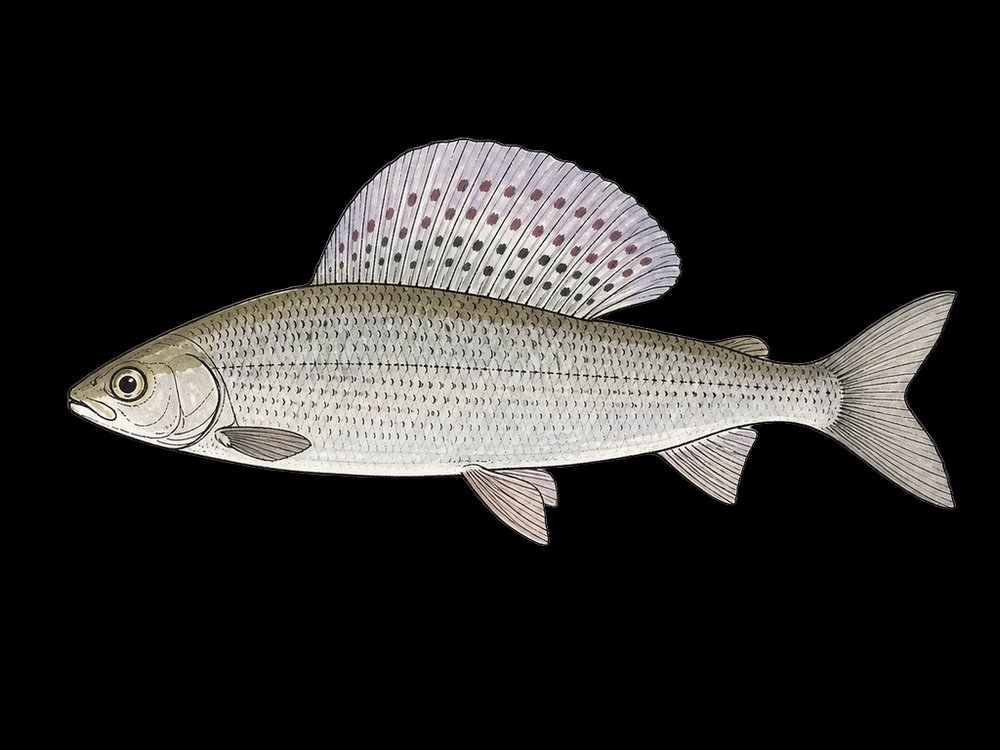
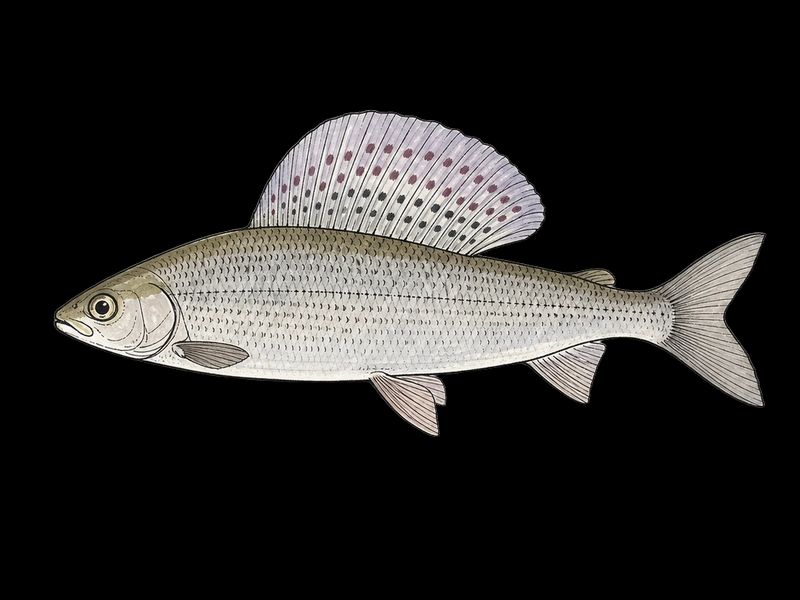
Most chalk stream trout beats open for grayling from October or November through January or February. On some water the grayling-season rate is less than a third of the summer trout price.
Chilbolton Fishing Beat
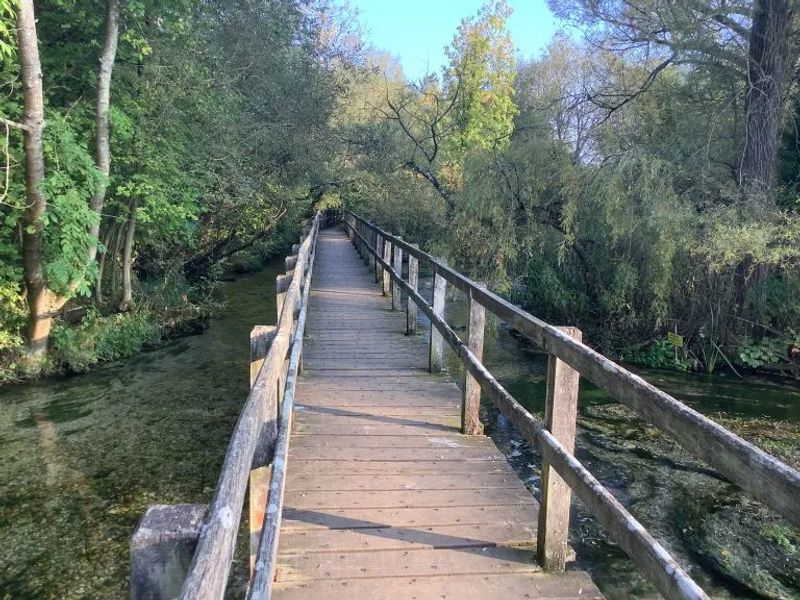
A 280-metre stretch of the main River Test adjacent to Chilbolton Common in Hampshire, this single-bank beat offers one or two rods a private day on one of England's most significant chalk streams. The beat has two mid-stream islands, which break the flow into varied current seams, slacker inside bends, and defined lies that reward careful reading before the first cast. During the winter of 2021, the Wessex Rivers Trust carried out extensive bank improvements resulting in better access and a more sinuous river profile. The beat is reached via an 800-metre walk across the flat, open common and is fished from the left bank only; no wading is permitted. The fishing is for Brown Trout, Grayling on upstream dry fly and nymph only. April brings Large Dark Olive, Grannom Caddis, and Hawthorn to the surface, while mayfly can be expected from mid-May to June, the most productive fortnight of the chalk stream calendar. The latter half of the season is largely dominated by hatches of various caddis flies, with olives and terrestrials filling the gaps through summer. The beat is rated beginner-friendly, open banks and readable water make it a sound introduction to chalk stream technique. All grayling must be returned, as must all trout under 12 inches. The season runs 31 March to 30 October. Day tickets are priced at £175 for a single rod and £330 for two rods during the main trout season; grayling-only days are available at £55. On site there is a rustic fishing hut with tables and chairs, a BBQ, and a selection of wellies and hire tackle, along with a fishing jetty, an outside fishing table, and a composting toilet, everything needed for a full day without leaving the water.
Chilbolton Fishing Beat on the main Test near Chilbolton Common is £55/day in grayling season, the same water that costs £175 for a trout day. Wild fish, two mid-stream islands, bank restoration completed by the Wessex Rivers Trust in 2021.
Other grayling prices from the listings: Abbots Worthy £55, Donnington Grove £63, Upavon Farm £74, Upper Clatford £75, Breach Farm on the Itchen £75, and Stratton and the Wrackleford Frome beats from £75.
One more worth knowing, though it is limestone rather than chalk: Cotton's Fishing Temple on the Derbyshire River Dove is entirely wild, fished since Charles Cotton wrote about it in 1674, and costs £65/day in the trout season and £35 in grayling season, the cheapest wild-fish day-ticket water listed on FishingBeats.