West Grimstead, Wiltshire to Confluence with the River Test near Kimbridge / Mottisfont, Hampshire · 11 miles
Fly Fishing on the River Dun
7 beats on the River Dun sell access by the day, from £120. 1 fishery take bookings along it.
Where the River Dun runs
The river's course with every beat and fishery we list on it. Tap a marker for a quick read on price.
Fishing Beats on the River Dun
7 beats availableBrowse day tickets, syndicate rods, and permit fishing on the River Dun. Each beat listing includes pricing, species, and booking details.
Fisheries on the River Dun
1 fishery availableFishery operators offering bookable fishing on the River Dun. Each listing covers tickets, accommodation, tuition, and equipment hire where available.
About the River Dun
River Dun at a glance
- Length
- 11 miles
- Source
- West Grimstead, Wiltshire
- Mouth
- Confluence with the River Test near Kimbridge / Mottisfont, Hampshire
- Tributary of
- River Test
- Country
- United Kingdom
- Water type
- Chalk stream
- Website
- Visit website
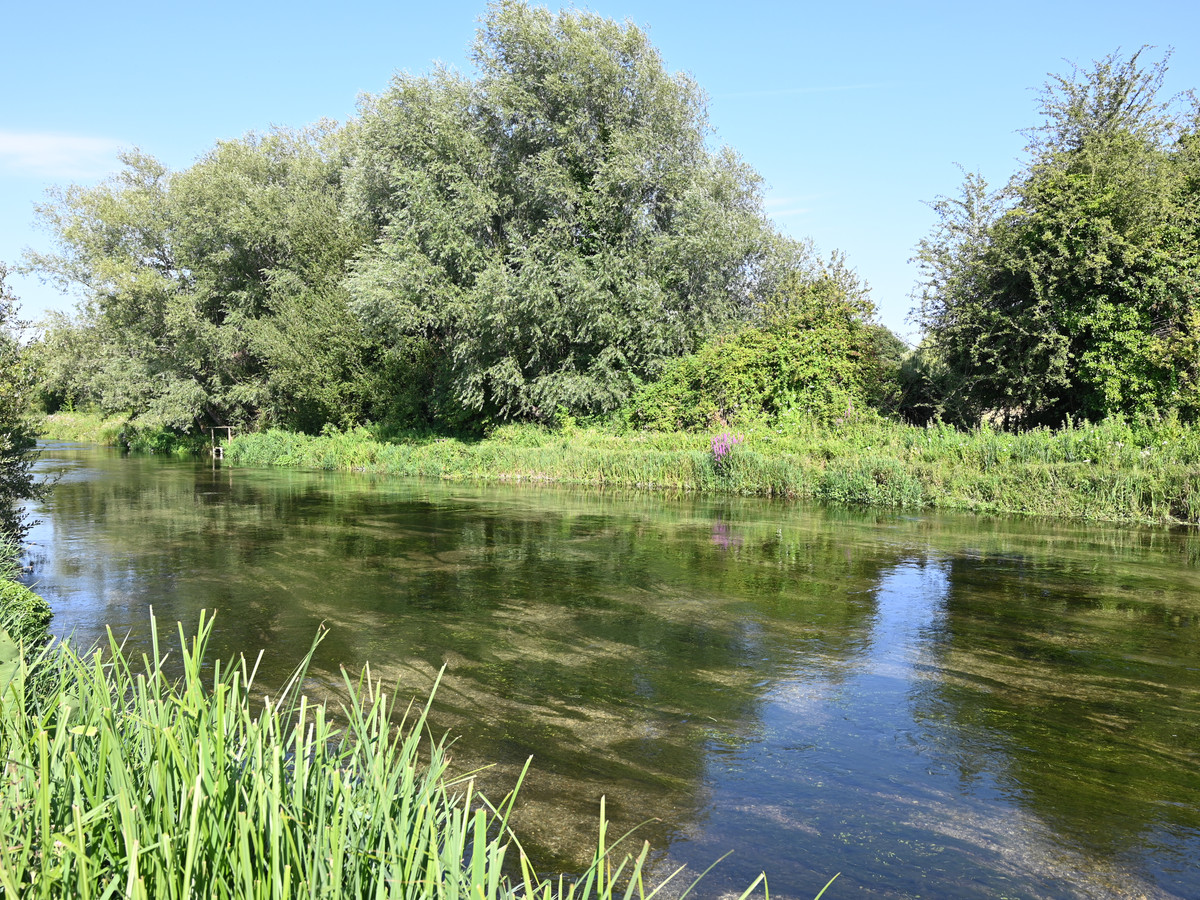
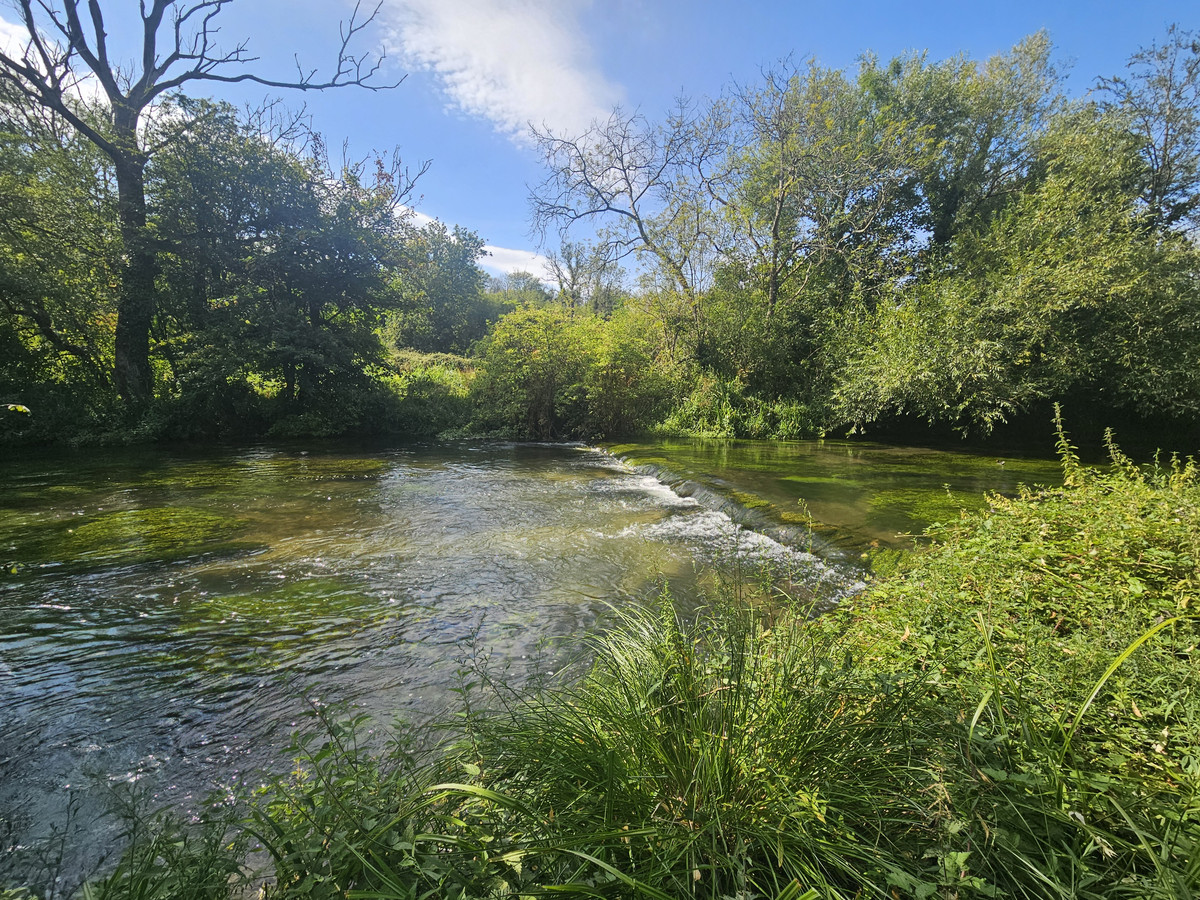
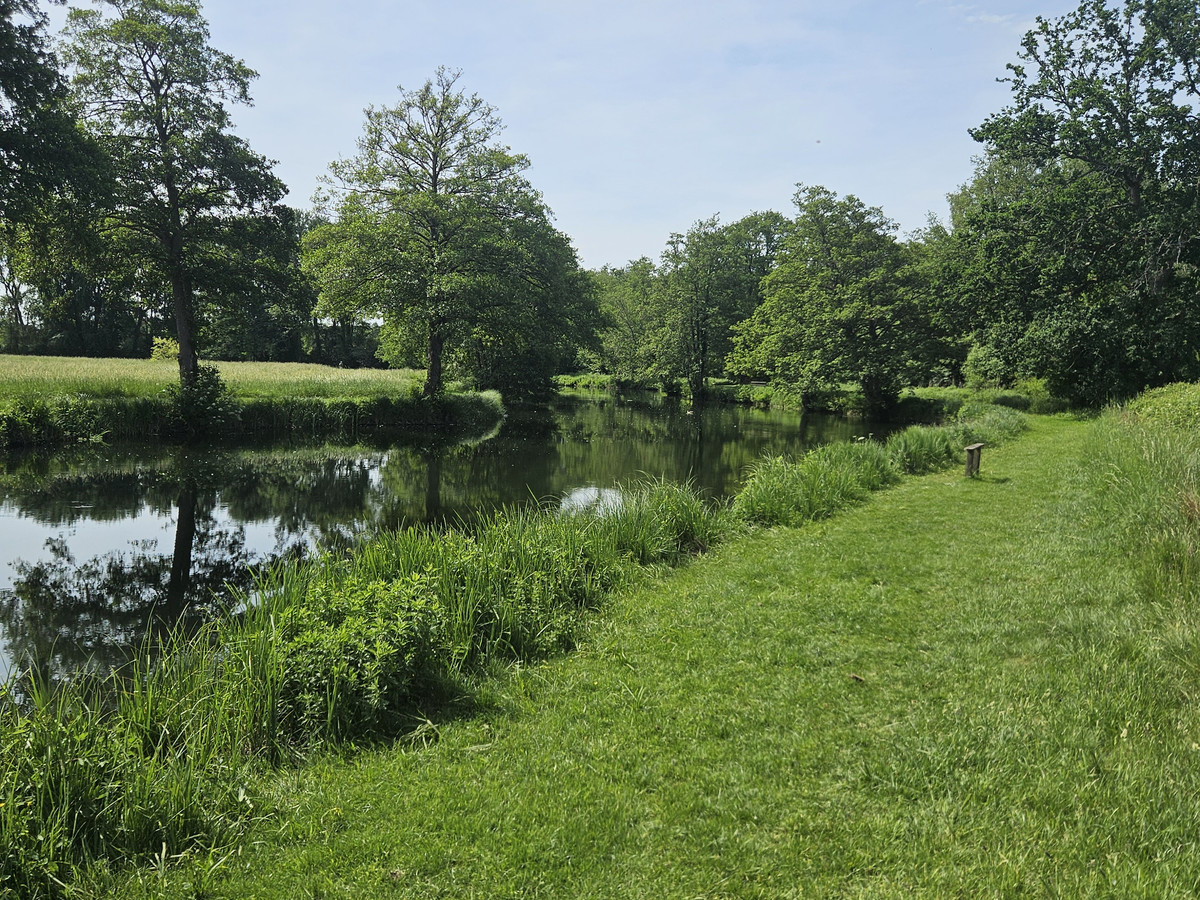
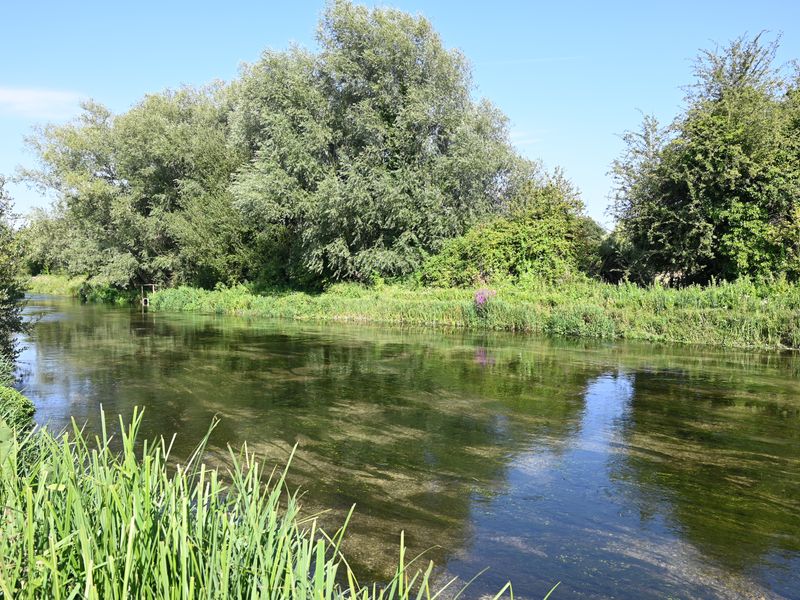
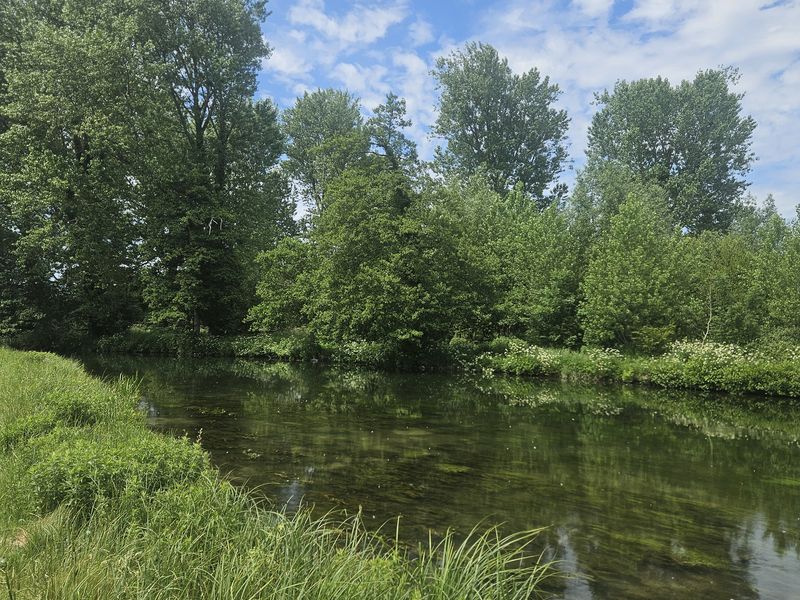
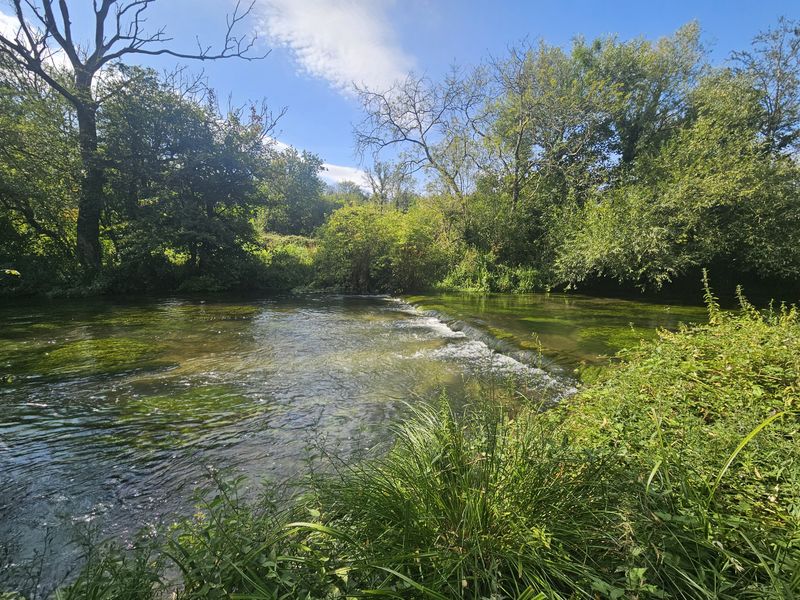
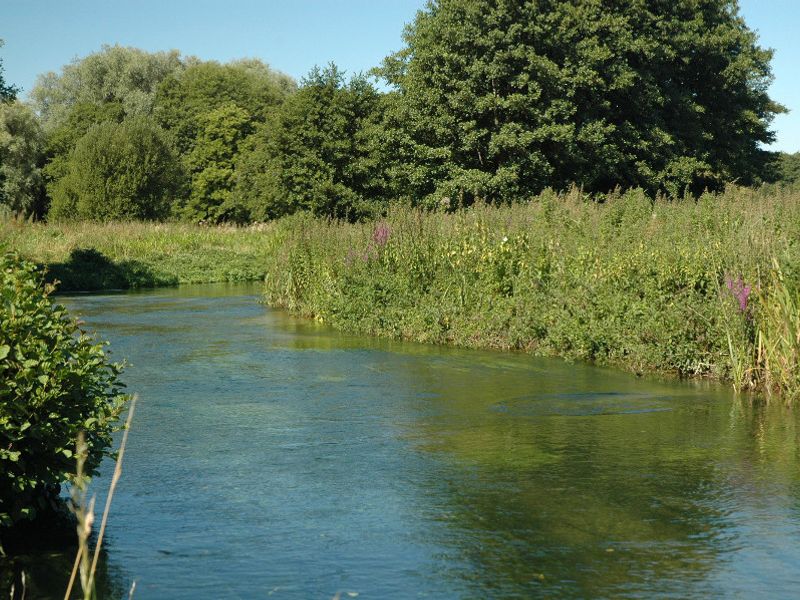
A compact chalk stream in the Test Valley, the River Dun rises near the villages of East and West Grimstead in Wiltshire and flows roughly 11 miles eastward before joining the River Test near KimbridgeDun. Depending on winter rainfall, the river rises between East and West Grimstead and flows almost due east to meet the Test at Kimbridge. Its catchment combines chalk with tertiary clay and alluvial gravel, which gives the Dun slightly more variable flows than some of its neighbours and means the upper reaches above West Dean can run low or dry in drought years. The reliable fishing lies in the middle and lower valley, where the river settles into a classic chalk stream character: clear water, gravel runs, and dense marginal vegetation.
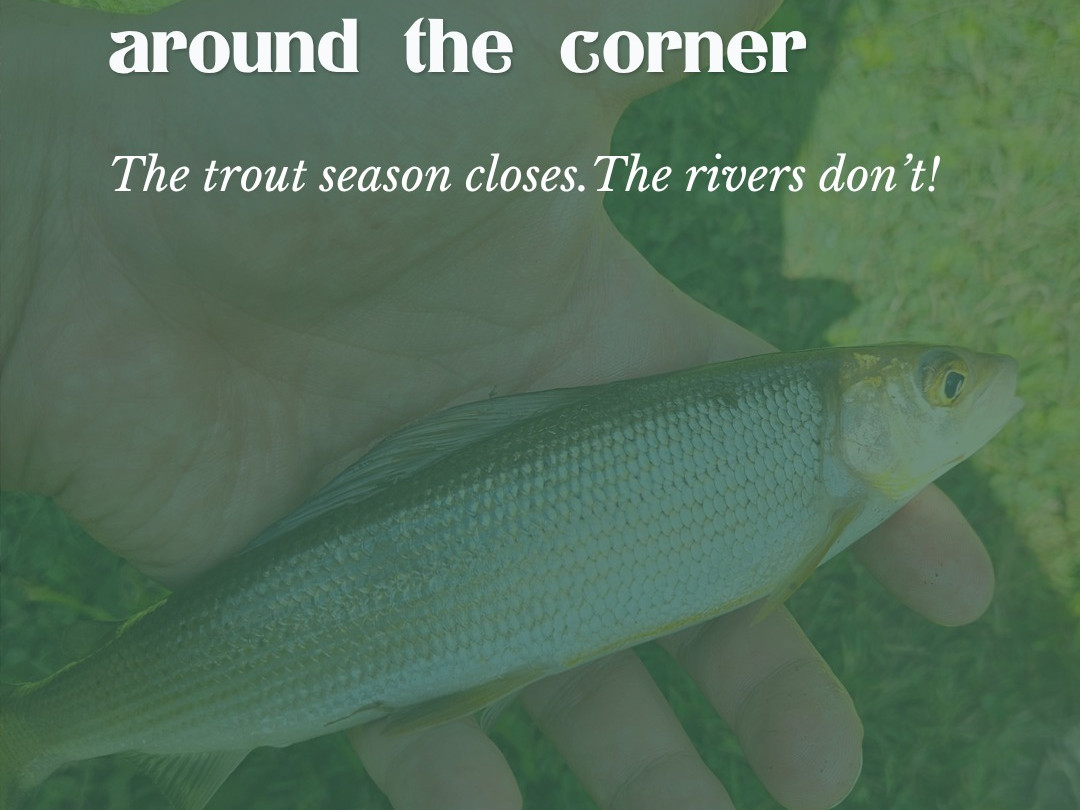
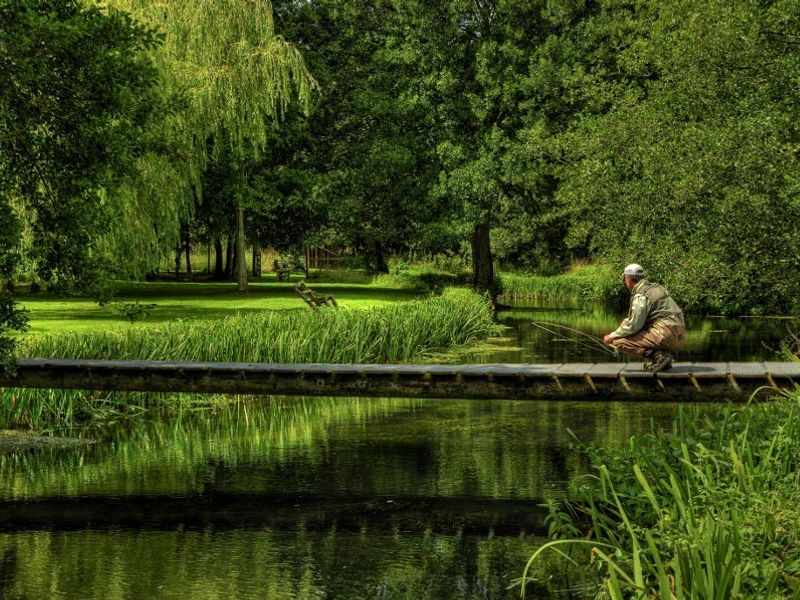
Brown trout and grayling are the primary quarry on the River Dun. The river enjoys some of the most prolific fly life in the Test Valley; mayfly is exceptional, and the post-mayfly period in June can produce evening hatches of blue-winged olive that are exceptional when conditions align. As spring turns to summer, the olives are complemented by explosive evening sedge hatches. Hawthorn arrives in late April, and a range of caddis and terrestrials extends the dry fly fishing through summer. Upstream dry fly and nymph fishing are the methods throughout the season. The river is small enough to cast across in most places, rewarding careful wading and precise presentation over random coverage. Grayling provide sport into the winter months. Winter grayling day tickets are available from £55.
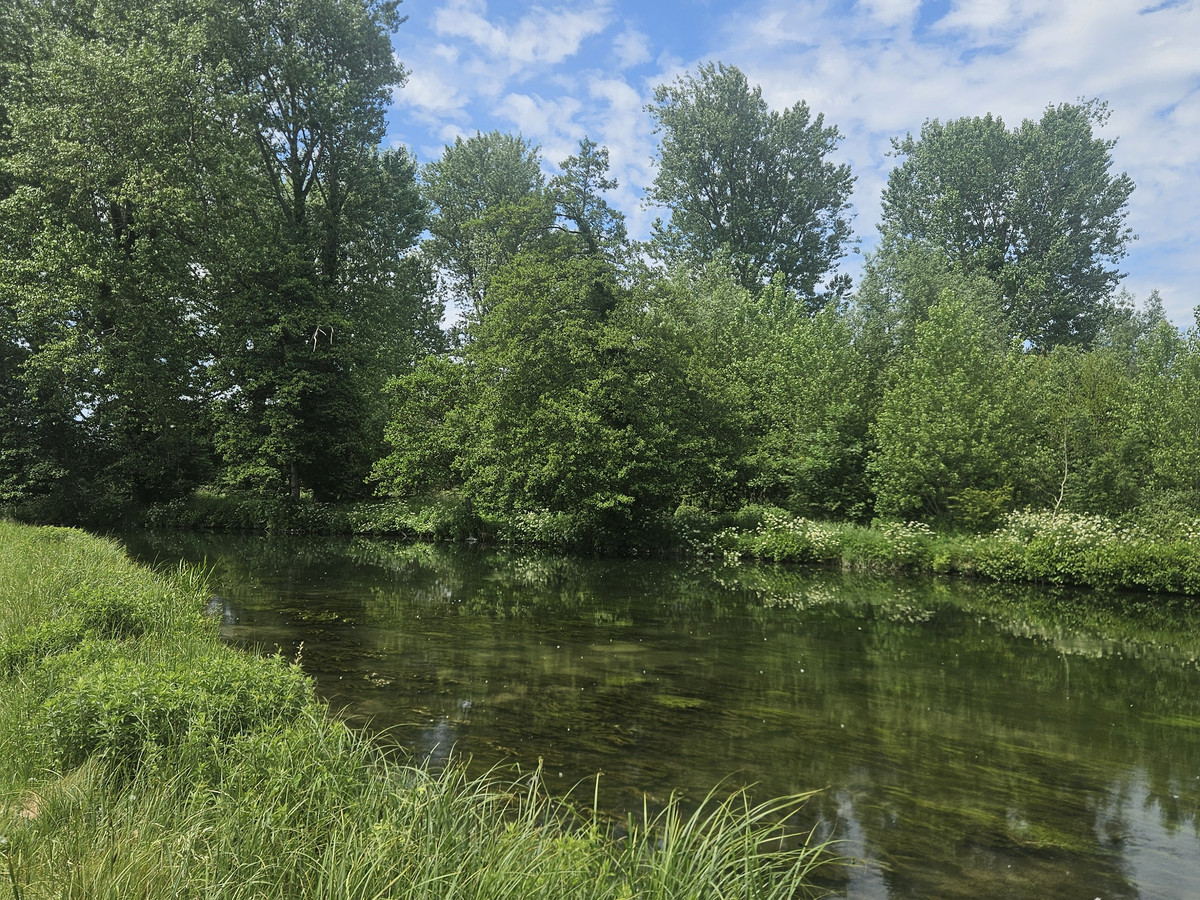
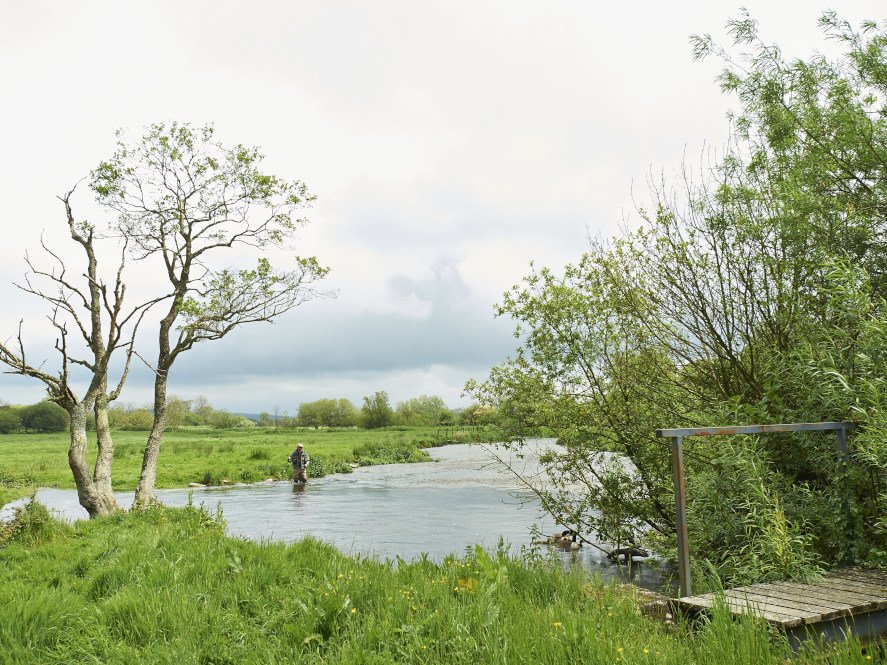
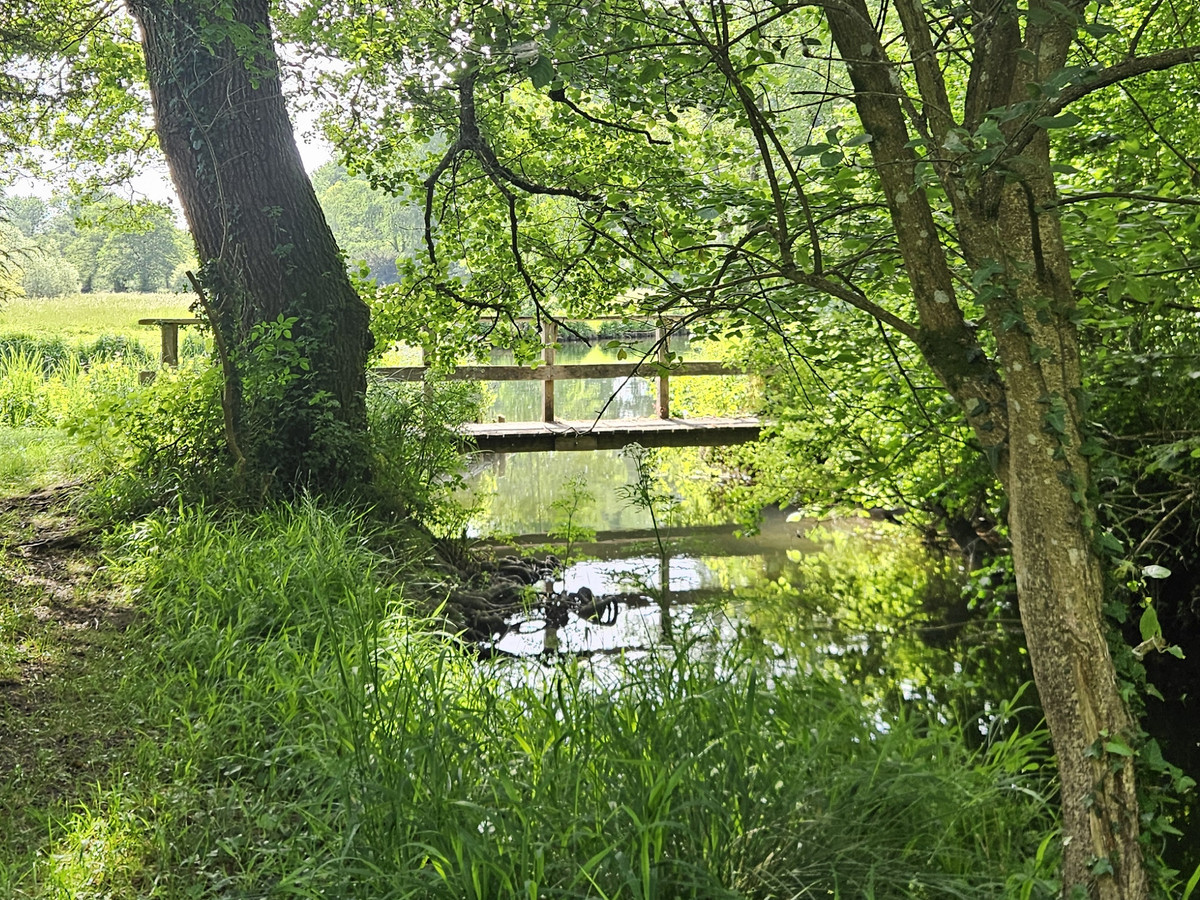
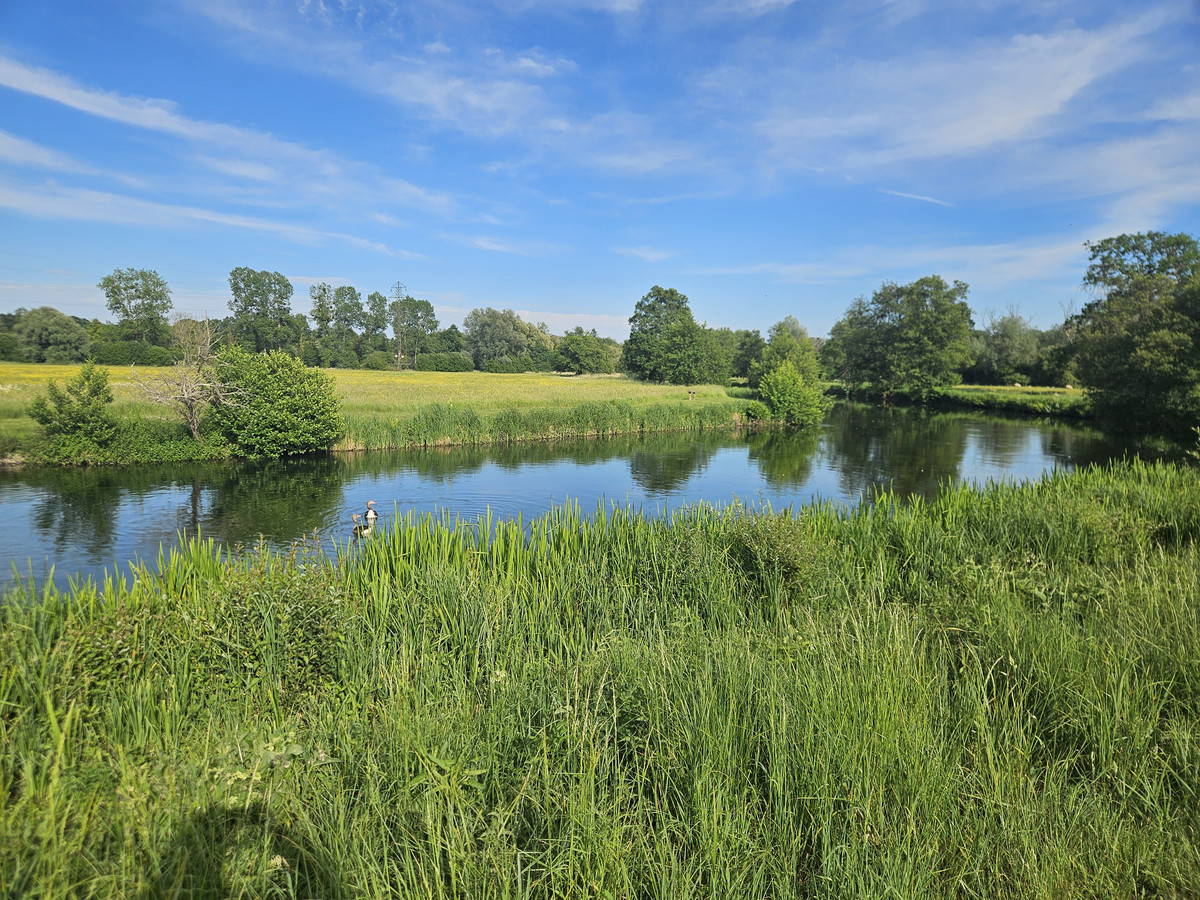
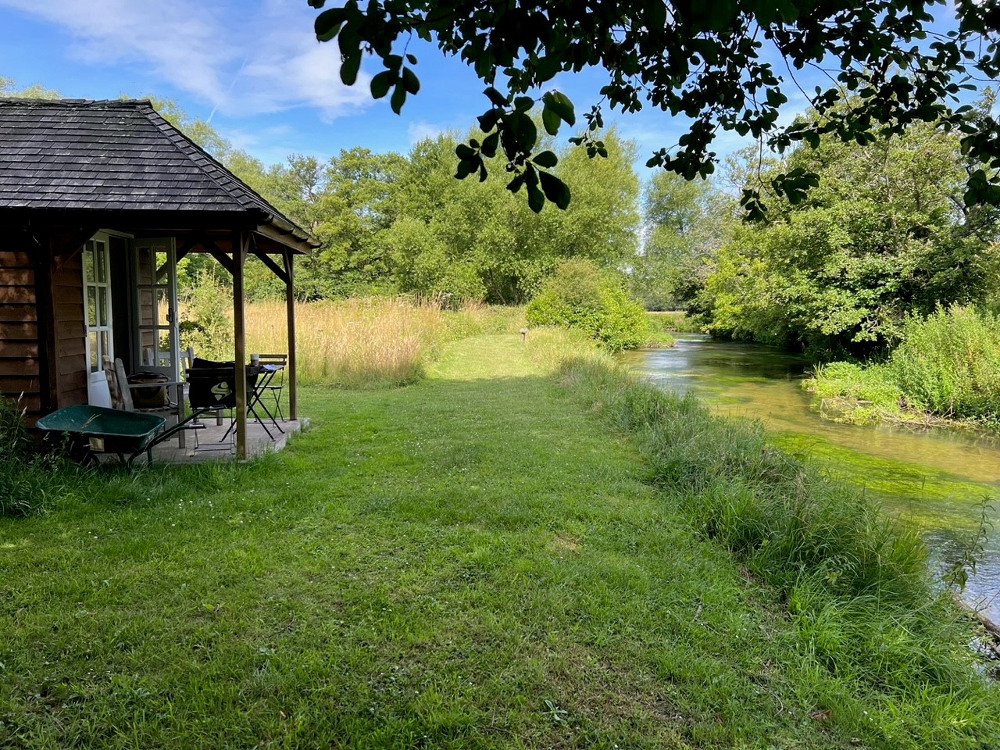
The lower half of the Dun beat at Mottisfont is characteristically slow-moving, with long sweeping glides through deciduous woodland where the larger fish tend to hold, while the upper section winds through open meadows with thick marginal vegetation on both sides. The Mottisfont Abbey Estate holds water immediately above the confluence with the Test, and is one of the most notable stretches on the lower river. FishingBeats currently lists 7 beats on the River Dun, making it one of the quieter and less pressured chalk streams in the Test system. Day tickets start from £120.
Hatch Calendar
The River Dun hosts a sequence of seasonal insect hatches that dictate fly choice through the year.
Expected in October
Typical months for the River Dun, not a live report. A cold spring or a hot week will shift any of these.


Caperer
Sedge · #10-12
Kite's Imperial
Dry fly · #14-16
Daddy Long Legs
Terrestrial · #10-12
Sawyer's Killer Bug
Nymph · #12-16
The year ahead
Every hatch and the months it usually runs. Darker means a heavier hatch, and the highlighted column follows the month above. Tap a letter to jump to it.
We get a small commission if you buy through these links, and it costs you nothing extra. If the calendar has been useful and you feel like supporting an independent site, buying your flies this way is an easy way to do it.
FAQ
River Dun FAQs
Common questions about fishing the River Dun, from day tickets and seasons to what to expect on the bank.