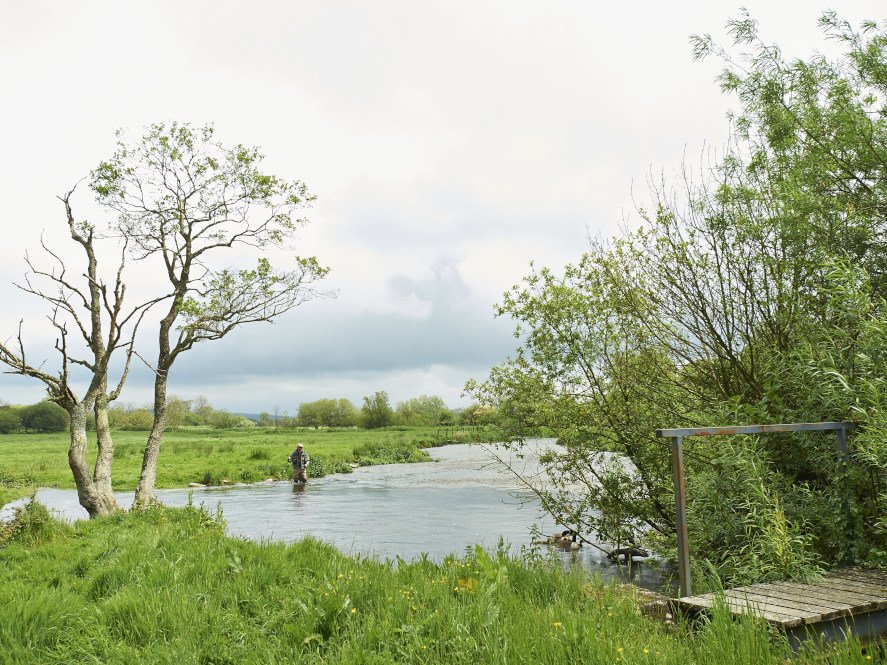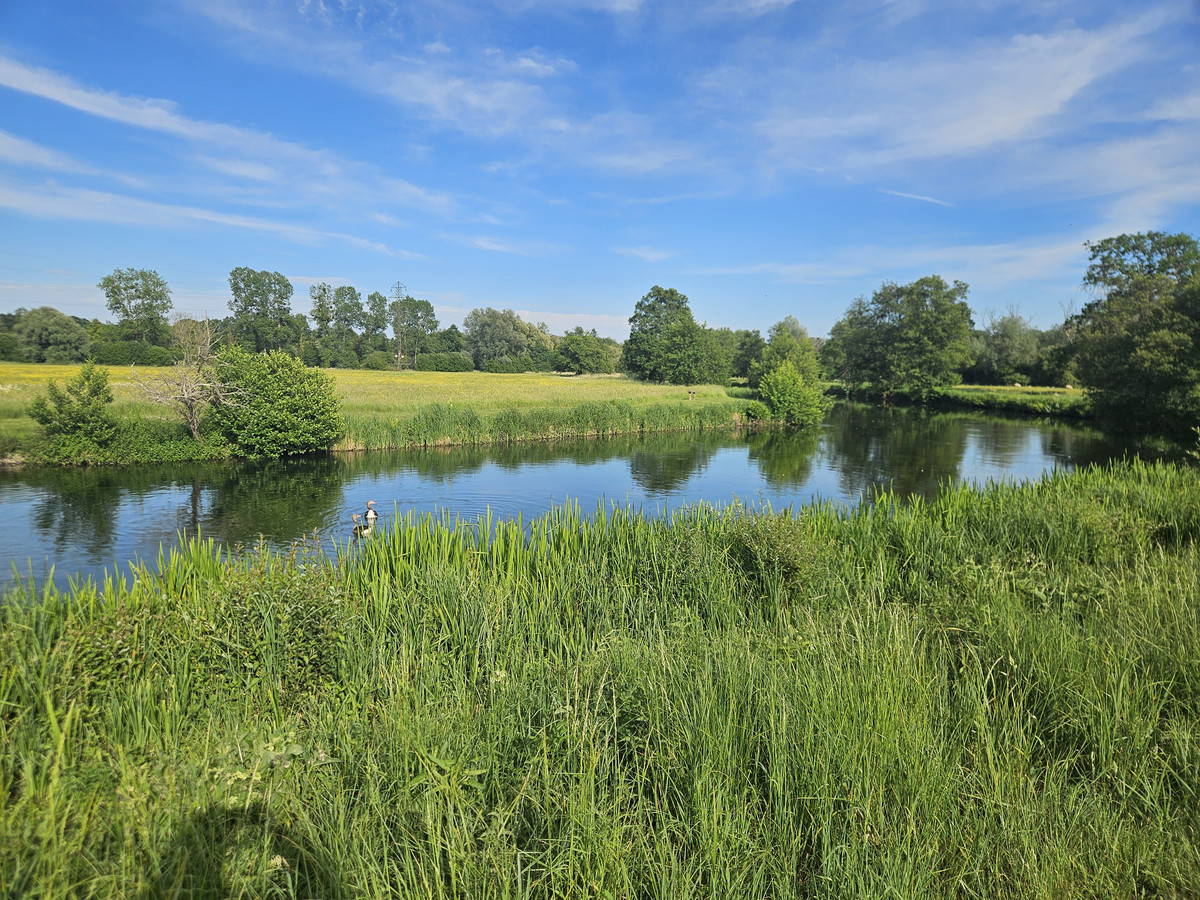

England recorded its hottest June day ever on the 26th, 37.7°C in Norfolk, and the second heatwave of the summer has barely let go since it arrived on the 19th. River flows across the south are normal to below normal and receding, and the first hosepipe ban of the year starts in Kent on 3 July.
So the question a lot of anglers are quietly asking is a fair one: should I be fishing right now?
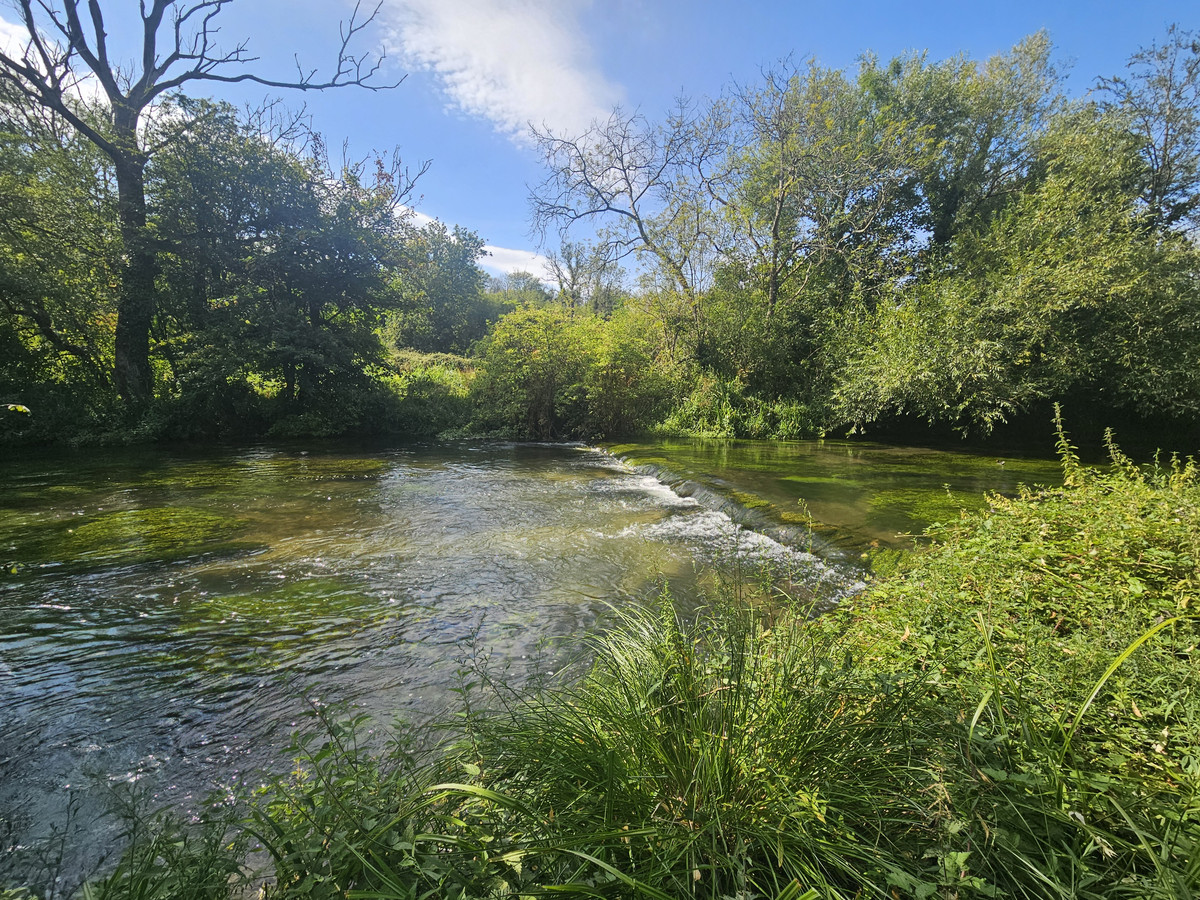
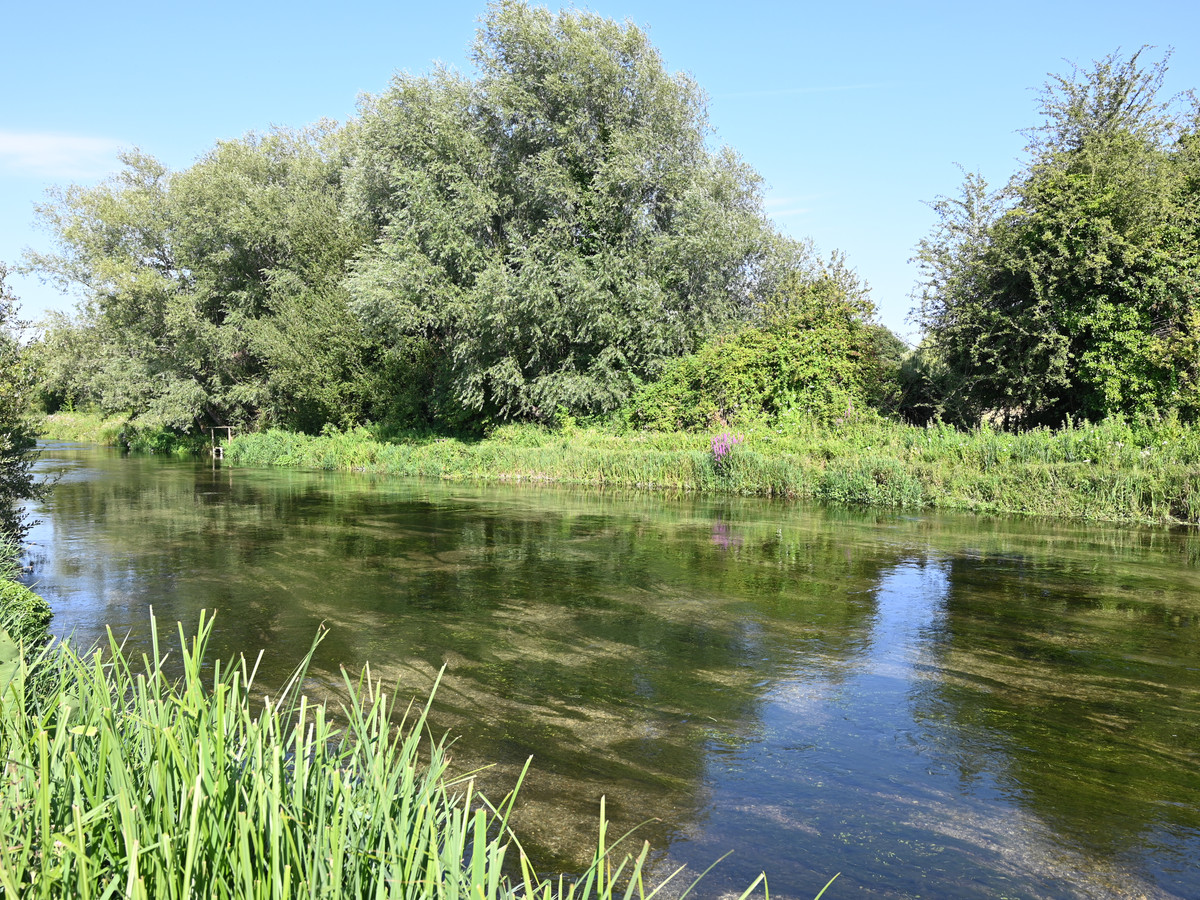
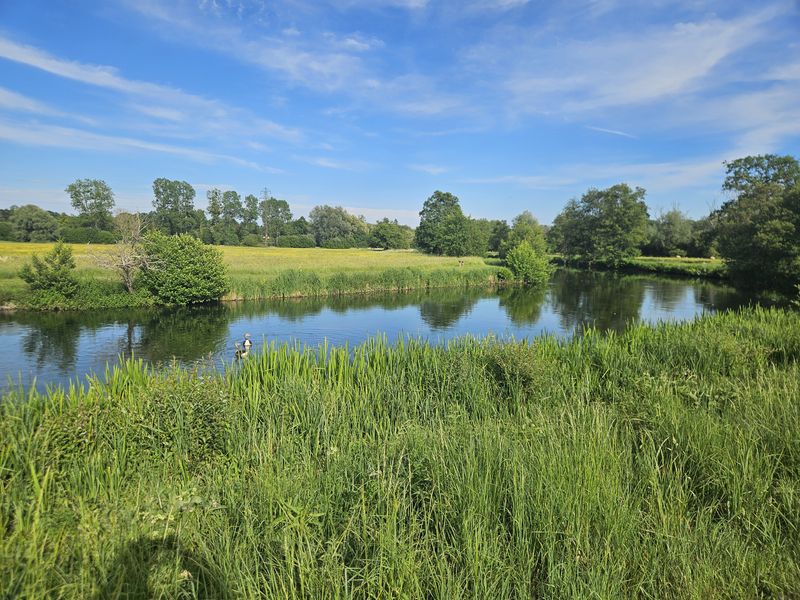
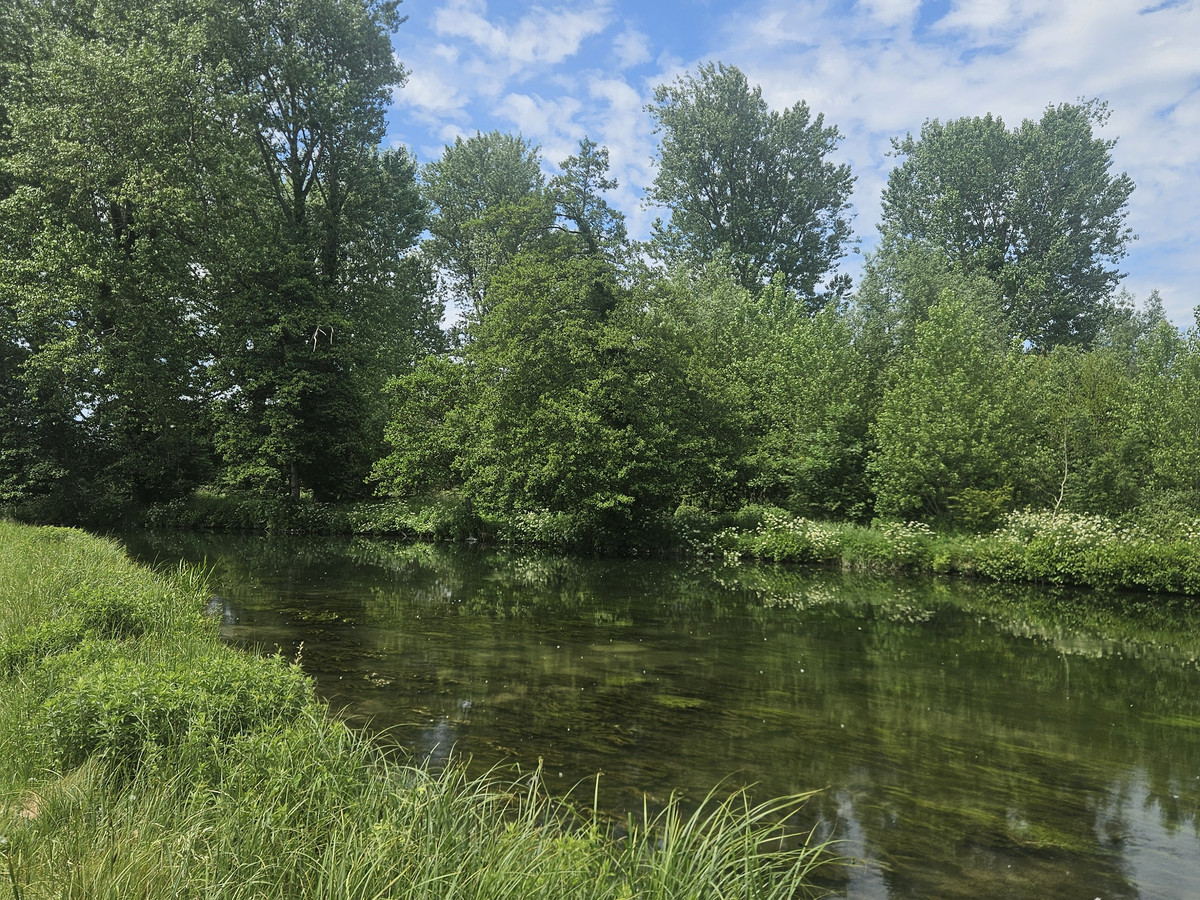
The honest answer is that it depends on the water in front of you on the day, and nobody can settle that from a desk, including me. Chalk streams are better placed than most rivers in a heatwave. They're fed by springs that come out of the chalk cold all year round, which is a real buffer that a stillwater or a spate river simply doesn't have. But a buffer isn't immunity. Long heat on top of low flows warms the slower water, and it crowds fish into the fewer deep runs that still have pace and oxygen. Trout cope with warm water badly, and a fish that's played and released in water that's too warm can die later even if it swims off looking fine.
None of that means the season is over. It means the margin for casualness is smaller than usual. If you're not sure about the water on a given day, do these things.
If you're unsure, do this
Ask the fishery before you travel. This is the single best move. The keeper or owner knows exactly how their water is holding up, whether the fish are stressed, and whether they'd rather you came in the morning or not at all. Some fisheries shorten the fishing day or rest beats in hot spells, and that's good management, not lost money. A two-minute phone call beats any general advice, including everything below.
Fish early, and skip the hot afternoons. The coolest water of the day is at first light, and the first few hours of the morning are the safest and usually the most productive window. The last hour of light is the other one. If it's a cloudless afternoon and the air is in the thirties, that's a good time to be in a pub garden rather than on the river.
When in doubt about the temperature, don't fish. The rough line for brown trout is around 19°C; above that, catch and release stops being reliably harmless. A cheap stream thermometer settles the question in ten seconds if you want certainty. If you don't have one, use your judgement honestly: if the river is low, slow and feels warm, and the fish look listless, take the hint.
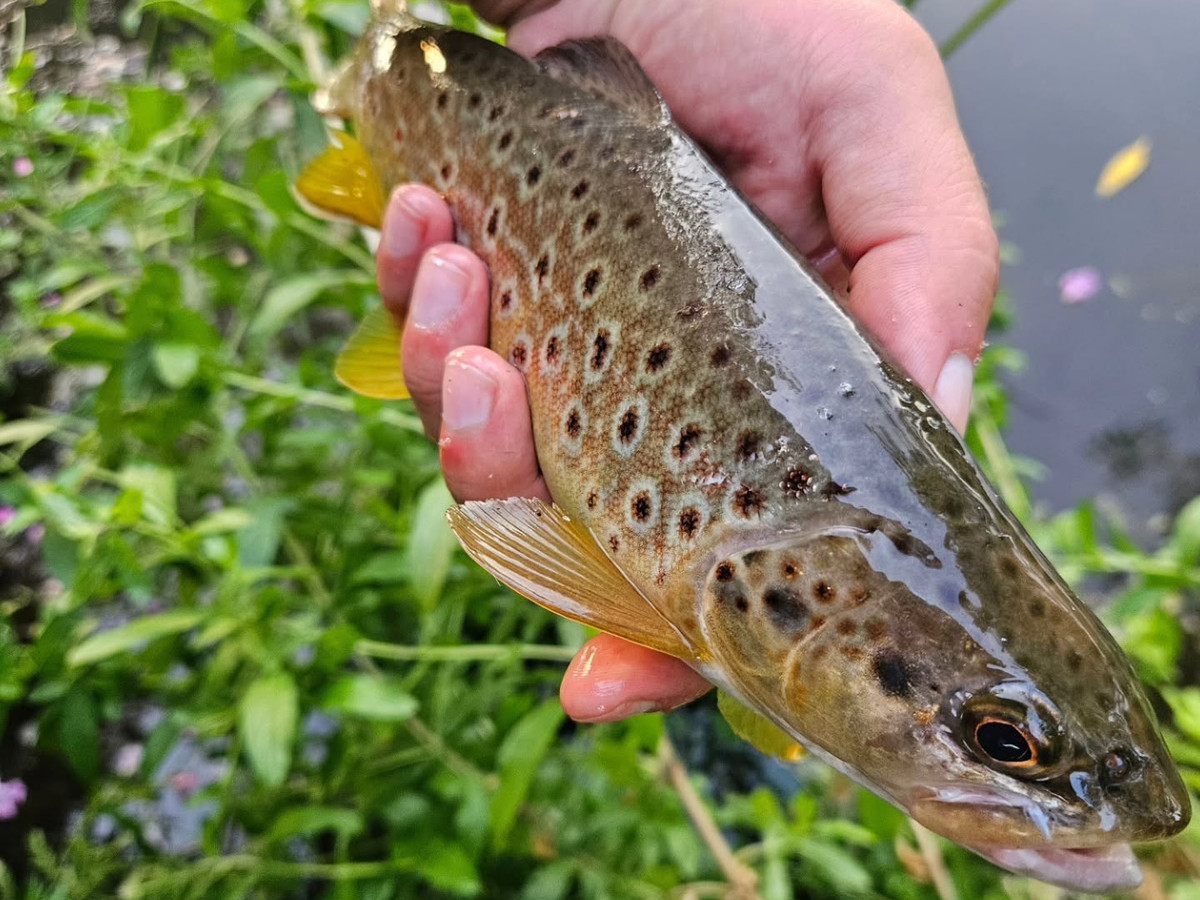
Get fish back fast. Step up a tippet size so the fight is short. Barbless hooks. Keep the fish in the water, wet your hands, skip the photos. If it needs a moment to recover, hold it facing the current and let it choose when to go. Or use Neil’s method to releasing fish without touching them: https://www.instagram.com/p/DaQqw3vMpz8/
Go easy on the crowded pools. In low water the fish stack up in the few deep runs left. Fishing that one pool repeatedly because it's the only place holding fish puts a lot of pressure on a lot of fish. Cover it once, carefully, and move on.
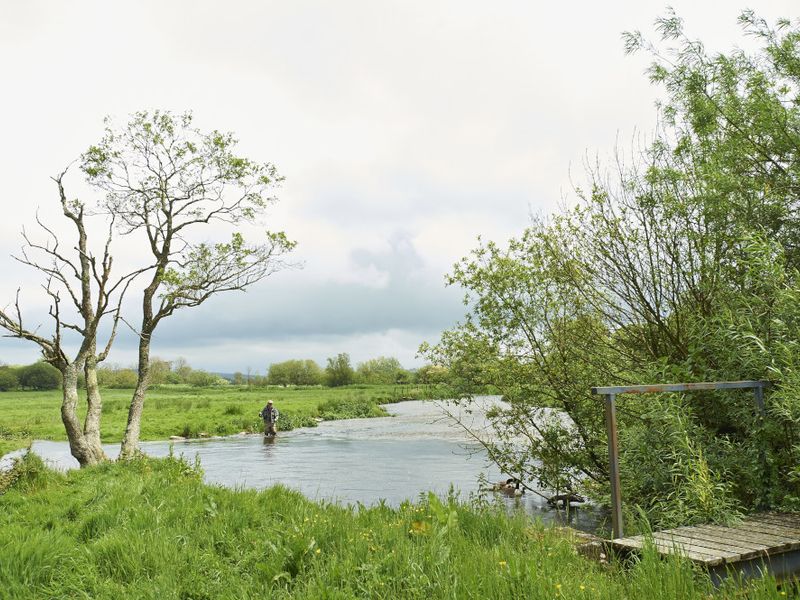
Wade less, or not at all. The fish have less room than usual, and the margins matter more. Most chalk stream beats fish perfectly well from the bank.
None of this is complicated, and most of it is just ordinary care turned up a notch. The anglers who fish through a hot spell well are mostly the ones willing to change their hours, and occasionally willing to not fish.
The longer view
Heat on top of low flows, on top of the abstraction that has been drawing these rivers down for decades, is exactly the pressure the chalk streams don't need. It's what the Wild Trout Trust and the river keepers have been warning about for years. The choices individual anglers make on hot days are a small part of that picture, but they're not nothing.
Before you go
You can browse all the rivers or open the beat map to find water. Season dates, method restrictions and provider contacts are on every beat page.
The rivers are worth looking after carefully. Fish them accordingly.