Beginner-Friendly Fishing Beats

91 beginner-friendly fishing beats on England's chalk streams. Difficulty rated 1–2, suitable for newcomers learning to fly fish. Use the filters below to refine by river, price, or availability, or switch to the map view to see locations.

91 beats

Chilbolton Fishing Beat
From £55
Verified ✓

River Test

Chilbolton Fishing Beat

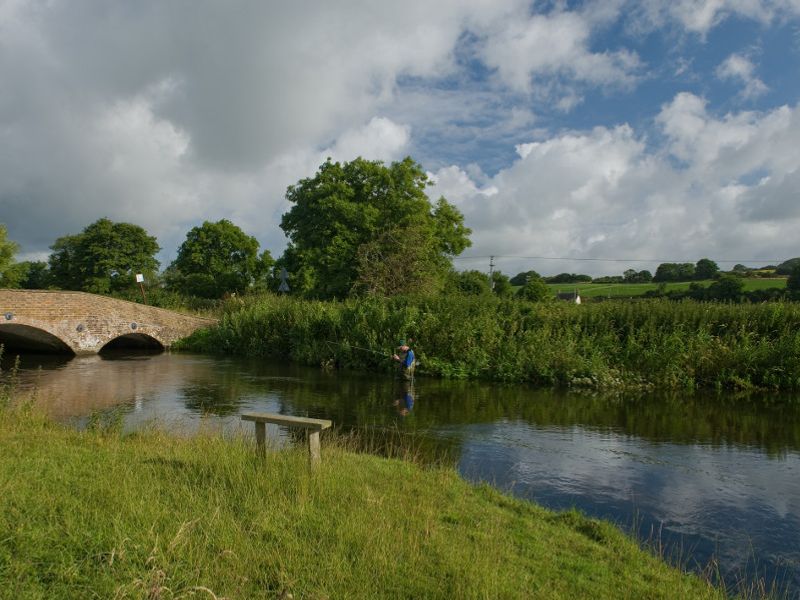
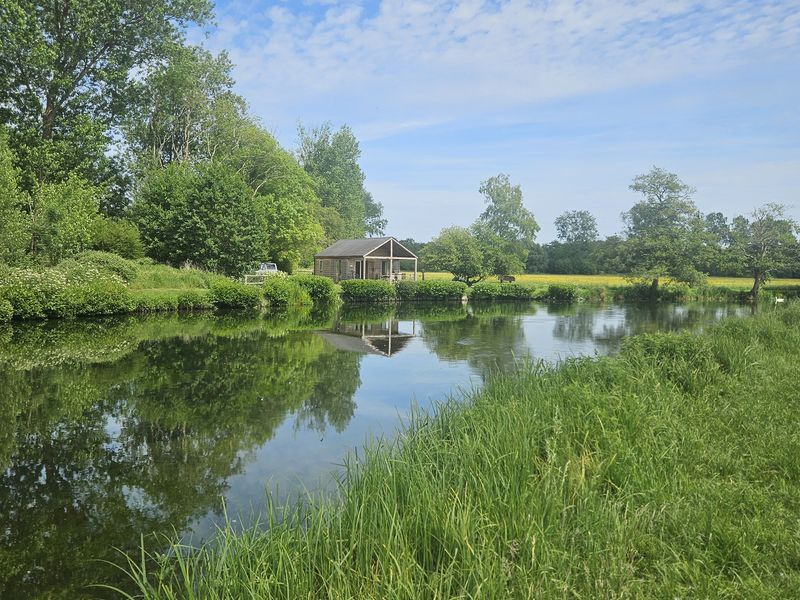
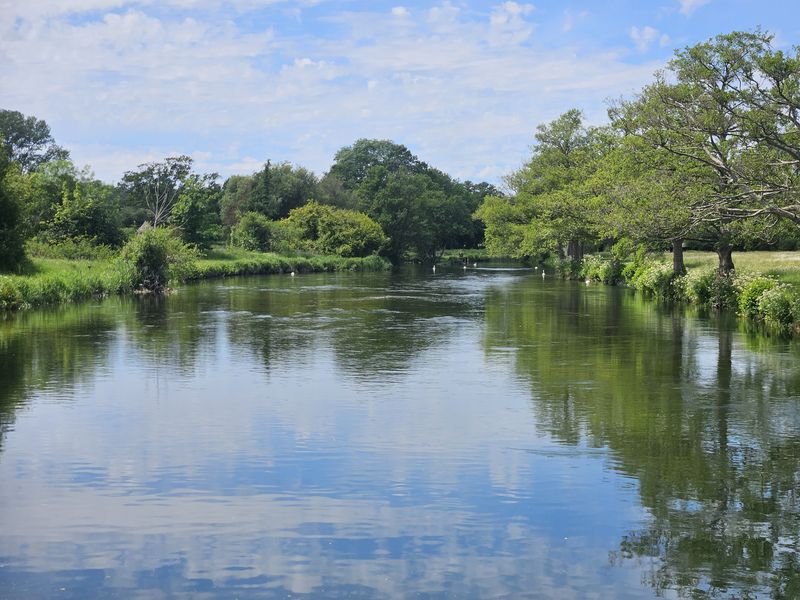
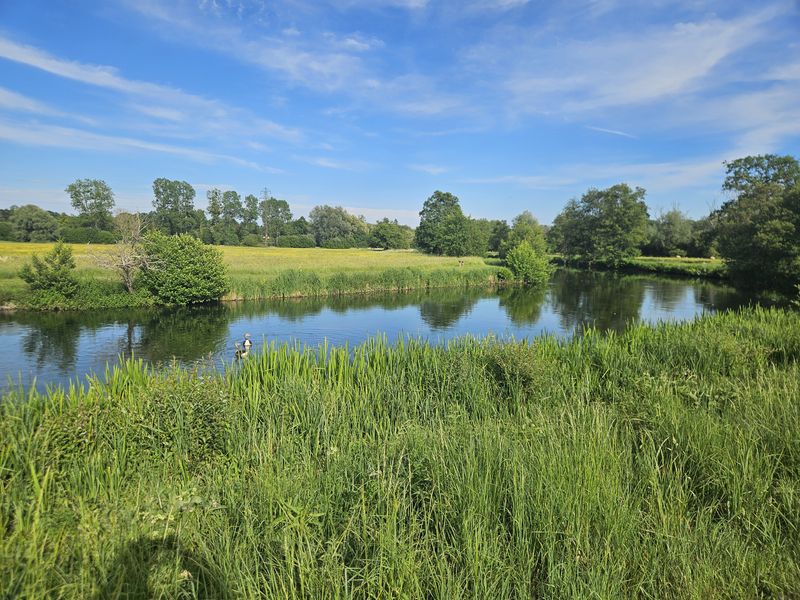
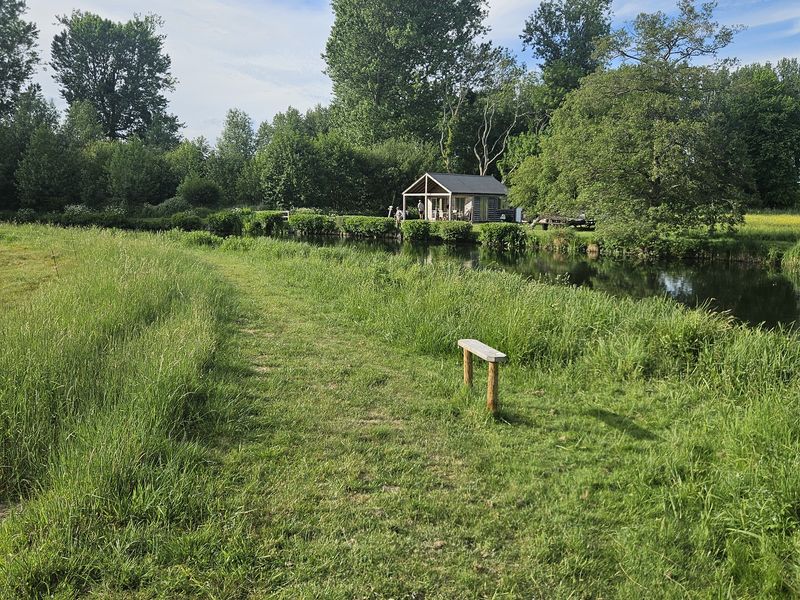
A 280-metre stretch of the main River Test adjacent to Chilbolton Common in Hampshire, this single-bank beat offers one or two rods a private day on one of England's most significant chalk streams. The beat has two mid-stream islands, which break the flow into varied current seams, slacker inside bends, and defined lies that reward careful reading before the first cast. During the winter of 2021, the Wessex Rivers Trust carried out extensive bank improvements resulting in better access and a more sinuous river profile. The beat is reached via an 800-metre walk across the flat, open common and is fished from the left bank only; no wading is permitted. The fishing is for brown trout and grayling on upstream dry fly and nymph only. April brings Large Dark Olive, Grannom Caddis, and Hawthorn to the surface, while mayfly can be expected from mid-May to June — the most productive fortnight of the chalk stream calendar. The latter half of the season is largely dominated by hatches of various caddis flies, with olives and terrestrials filling the gaps through summer. The beat is rated beginner-friendly — open banks and readable water make it a sound introduction to chalk stream technique. All grayling must be returned, as must all trout under 12 inches. The season runs 31 March to 30 October. Day tickets are priced at £175 for a single rod and £330 for two rods during the main trout season; grayling-only days are available at £55. On site there is a rustic fishing hut with tables and chairs, a BBQ, and a selection of wellies and hire tackle, along with a fishing jetty, an outside fishing table, and a composting toilet — everything needed for a full day without leaving the water.

0.17 milesfly only+2
Mayfly beat
From £260
Verified ✓

River Test

Mayfly beat

Beat 1 — the Mayfly Beat — sits at the top of Leckford Estate's river fishing on the middle Test in Hampshire, offering double-bank access on the main river and single-bank fishing on a carrier. The River Anton joins the Test 100 metres downstream from the Mayfly pub, and anglers can fish upstream to the Cattle Drink; the beat hut sits directly over the footbridge at this confluence. The Anton contributes clear spring water running over bright gravel and ranunculus beds, and from below Fullerton the main river widens into a variety of habitats — deep pools, long glides, and weed ribbons — alongside the carrier channels. The chalk stream's nutrient-rich water supports brown trout, rainbow trout, and grayling, with an extensive aquatic larder — mayfly, olives, and shrimp — that keeps fish in good condition and free-rising to a well-presented dry fly. The beat is rated suitable for beginners and takes up to two rods, making it a manageable introduction to chalk stream dry fly and nymph fishing. The mayfly hatch runs from mid-May to early June, and the summer brings a variety of caddis, olives, and terrestrials through to the season close. June sees Blue-Winged Olive and Medium Olives come through in numbers, with longer days rewarding an early start or a late finish. The beat's name reflects just how productive this stretch is during the mayfly fortnight, when trout feed confidently on duns and spent flies in the slacker water near the confluence. The season runs 30 April to 14 October, with day rod prices of £260 in the main season and £315 during the mayfly period. Access is via the Mayfly pub car park — by kind permission of the landlord, with one car only and parking away from the pub entrance — and fishing does not begin before 9:30am. A 9- or 10-foot rod for a 4- or 5-weight line handles most conditions on the main river; a lighter 3- or 4-weight suits the carrier. The estate's head riverkeeper and team are on hand to assist visiting rods, and qualified tuition is available from Rob, Neil, and Andy on both river and lakes. Equipment hire, ghillie service, and online booking are all available through Leckford Estate, with dining at Leckford Abbas Hotel and lodge hire at Longstock Park for those making a longer stay.
0.6 milesfly only+2
The Parsonage
From £95
Verified ✓

River Test
The Parsonage

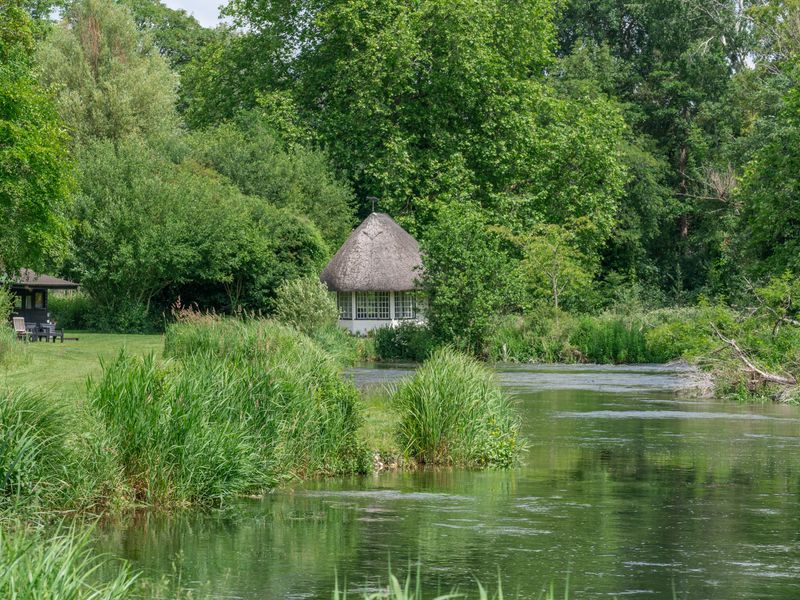
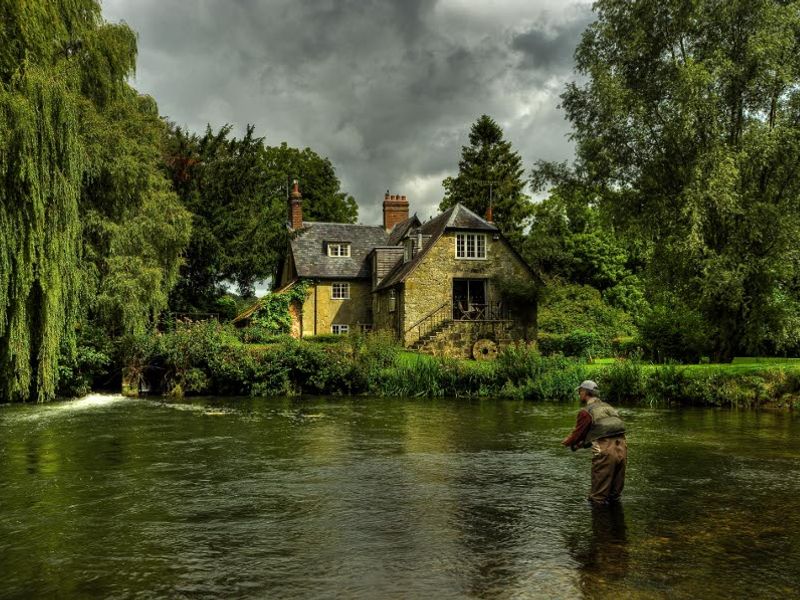
Situated on the magnificent Middle River Test just downstream of Timsbury, The Parsonage Beat offers a wonderfully diverse and secluded chalk stream experience. This highly regarded fishery provides the perfect "best of both worlds" scenario, combining the classic, beginner-friendly dimensions of the main river with the engaging waters of a long carrier stream, making it an absolutely idyllic setting for a relaxed family day out. The expansive main river section provides a highly accessible and forgiving environment, making it an excellent place for novices and younger family members to hone their casting skills and build confidence. It features sweeping glides and notably deep holding water beneath wooded far banks. Because of this depth, sight-fishing is not the easiest, but the open nature of the river presents a wonderfully relaxed environment to practice reading the water and covering likely lies without the stress of tight, technical casting. In wonderful contrast, the expansive carrier stream offers a more intimate chalk stream environment. Its peaty banks and clean gravel sections provide richly varied sport and a slightly different pace alongside the main flow. Complete with excellent facilities for entertaining, the beat boasts a comfortable riverside Cabin, a BBQ area perfect for a family riverside lunch, and a quaint thatched shelter at the top boundary. Whether you are introducing beginners to the sport on the forgiving main river or simply enjoying a group outing, The Parsonage provides a deeply relaxing day of dry fly and nymph fishing tailored for all ability levels.
1 milesFly fishing+2
From £75

River Frome

7 Hatches

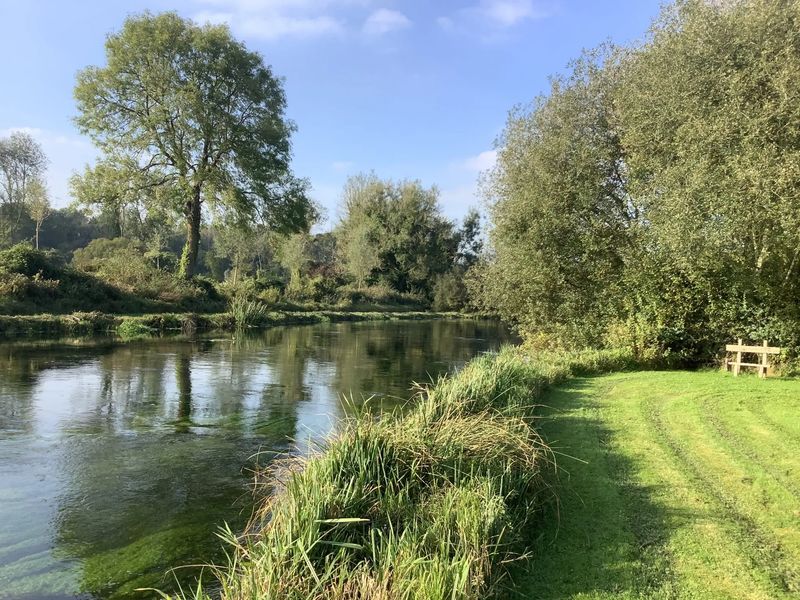
Seven Hatches is a half-mile, double-bank day-ticket beat on the River Frome at Wrackleford Estate, set just north of Dorchester in Dorset. The estate waters sit on the Frome just north of Dorchester, and the estate occupies the lush Frome valley, with the river flowing through a series of water meadows and withybeds. The beat runs from a road bridge at the lower end upstream to a footbridge, taking in a varied mix of character: the lower section carries faster, more complex currents with eddies and braided flow, while the river narrows and deepens as it moves upstream, finishing in a broad, slow pool just below the footbridge. The decline of migratory fish on the Frome has been matched by a rise in brown trout fishing, with the river and its tributaries gaining a reputation for a thriving wild trout population. Over recent years, the Frome has also built a growing reputation as one of the best rivers in the country to target big grayling, making this beat fishable well beyond the trout season — the ticket runs from 1 April through to 31 January. The Frome is less affected by abstraction than most chalk streams, and fishing holds up well throughout the season. It opens with a grannom hatch, followed by hawthorn, mayfly and blue-winged olives, with sedges rounding off the year. Mayfly day tickets are priced at £190, reflecting the quality of the hatch; grayling days are available from £75. The beat is rated suitable for beginners and is limited to a single rod, keeping the water uncrowded. Wrackleford offers a good blend of wild fish supplemented by healthy stocking, and in recent years the estate has improved access with banks that are groomed without being over-manicured. A thatched fishing hut sits roughly 50 metres from the parking area overlooking the river. A 7.5 ft rod with a 3–4 weight floating line and tippet to 6x suits the Frome well.

0.5 milesfly only+2
From £55

River Itchen

Abbots Worthy

Sitting on the upper River Itchen just three miles north of Winchester, the Abbots Worthy beat offers around a third of a mile of single and double-bank chalk stream fly fishing on one of Hampshire's most historically significant stretches of water. John Keats walked these very water meadows in 1819, and the Itchen's clear flows and harvest-season landscapes are said to have inspired his ode *To Autumn*. The river here carries a main channel alongside a mill stream, with a chalk bottom, good ranunculus weed beds, and clear water that makes sight fishing the primary approach. Fishing is predominantly from the right bank looking upstream, though parts of the beat can be fished from both banks, and wading is possible in places. The beat holds grayling to over 3 lbs alongside a lightly supplemented wild brown trout population — above Easton, the upper Itchen is managed primarily for wild trout, and this beat reflects that ethos. Most of the River Itchen is managed as an SSSI, and catch and release is encouraged to preserve native brown trout. Fly life is good throughout the season, with reliable hatches of Iron Blue and Large Dark Olive in good numbers, and even the occasional Turkey Brown. May brings the first mayfly of the year, while mayfly hatches on the Itchen are generally lighter than on the Test — olives, sedge, and BWO carry the season through to autumn. The grayling fishing runs to 14 December, priced at £55 per rod. The beat suits one to three rods and is well set up for a day's independent fishing, with a fishing hut on site for lunch breaks and shelter, a feature of many chalk stream beats in this valley. Car parking is available on site. Access is straightforward via the A33, M3, and A34, and Winchester is reachable by train from London Waterloo — making this a practical day-trip destination from the capital as well as a natural base for exploring the wider Itchen valley.

0.33 milesFly fishing+2
From £125

River Test

Alder Stream

Alder Stream is one of four beats within the Kimbridge Meadow Fishery, formed in the early 1980s when water from the main River Test was diverted through water meadows and woodland in the heart of Hampshire's Test Valley. Kimbridge sits between Romsey and Stockbridge on a prime stretch of the river known as the Middle Test. The beat offers double-bank access, and across the whole Meadow Fishery there are 2.17 miles of fishable riverbank in total. The carriers snake through woodland and water meadows, giving Alder Stream a sheltered, intimate character that suits anglers who want to fish without distraction. The water holds both brown and rainbow trout, with moderate stocking supplementing a resident wild population. Kimbridge is predominantly an upstream dry fly fishery, with upstream nymphs permitted from 1st August. On the Test, the hawthorn hatch arrives in late April, the mayfly runs from mid-May to early June, and summer brings a variety of caddis, olives, and terrestrials — all well represented on this stretch. The beat is rated suitable for beginners, and the clear chalk-filtered water allows excellent visibility of the riverbed and the fish holding over it, making it well suited to the classic chalk stream approach of spotting and presenting to a rising trout. All wild brown trout and any fish under two pounds must be returned; fishing off bridges is not permitted. Up to four rods can fish on a standard day (£125 per rod), or the beat can be taken exclusively for a private group at £750. Wildlife throughout the day includes deer, kingfishers, red kites, and buzzards. Facilities are well appointed: there is a fishing hut, clubhouse, picnic bench, BBQ area, riverside benches, casting lakes, toilets, and ample parking. The Farmhouse at Kimbridge, situated on the riverbank, offers seven double bedrooms each with en-suite bathroom, alongside a mill cottage, making it a practical base for a multi-day visit. Ghillie services are available on request. The season runs 1 May to 12 October.

fly only1–4 rods+1

River Kennet

Avington Estate Beat

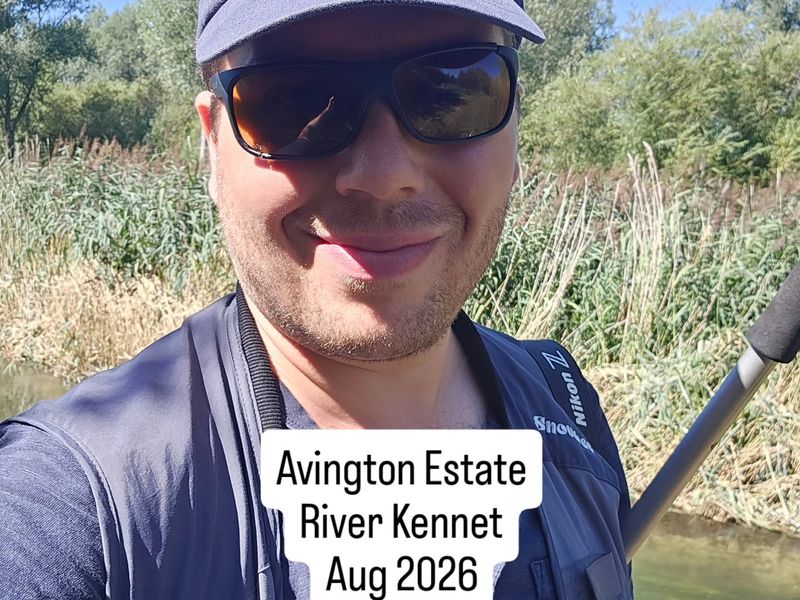
Four miles of chalk stream on the Avington Estate near Hungerford, Berkshire, covering the main River Kennet and an intricate network of carriers — the kind of labyrinthine system created by 18th-century water engineers that gives the Kennet far more than its road-map length suggests. The fishery comprises the Kennet and its twisting carriers, and the water is fished on an exclusive-use basis, with all rods sharing the full four miles rather than rotating through individual beats. The Kennet here is a fairly big river by chalk stream standards, offering a mix of open glides, faster riffles, and intimate carrier channels. Brown and rainbow trout are the target species, fished upstream on dry fly and nymph. The season at Avington runs from 1 April through to 30 September. There is a great variety of fishing to suit all levels of experience throughout the season, including what is most often a spectacular mayfly hatch. Olive hatches in spring are combined with grannom, and the mayfly is followed by some excellent evening fishing through the summer months as caddis flies gather. Because the Kennet runs slightly cooler than most other chalk streams, the mayfly hatch tends to start a little later, creating a longer and more sustained hatch throughout late spring and early summer. The beat is well stocked and suited to beginners, with the carrier network offering sheltered, manageable water alongside the more demanding main river. Avington offers one of the best fishing lodges on the whole of the Kennet — once a cricket pavilion, it was dismantled and moved to its current riverside location, and is filled with old fishing rods, cased fish, and trophy pictures of many happy anglers. A fully catered riverside luncheon is included. Group bookings and corporate days can be arranged on a limited number of Mondays throughout the season, with the fishery and hut able to accommodate groups of up to twelve. A 9 ft four-weight rod is the standard tool for this water.

4 milesupstream dry fly+1

River Lambourn

Bagnor Fishery

Bagnor Fishery sits on the River Lambourn near the village of Bagnor, just north of Newbury in west Berkshire. The fishery comprises just over 3,000 metres of double-bank fishing on a classic chalk stream — small and fast-flowing, typical of an upstream English waterway. The river is powered entirely from chalk springs, producing exceptionally clear water and year-round stable temperatures. The estate stretch is split into beats and offers a rural, narrow chalk stream setting well suited to fly fishing. The Lambourn supports one of the most productive fisheries for wild brown trout in the area, with natural populations of grayling also present. The river ranks in the top 10% for England and Wales for the number of macroinvertebrate families recorded — a strong foundation for consistent hatches throughout the season. Expect hawthorn early on, followed by a mayfly hatch, then a mixture of olives, sedges and terrestrials later in the year. Fishing is by upstream dry fly and Skues-style nymph only; no weighted nymphs of any type are permitted. The clear water and sight-fishing nature of the beat make it accessible to beginners while still demanding careful presentation. The fishery is open from 1 April to 1 November. The fishery is open six days a week — closed on Wednesdays for maintenance — and limited wading is permitted within four feet of the bank. On-site amenities include a heated fishing hut with facilities to make drinks, a dedicated car park, and toilet facilities. Newbury station offers a 40-minute rail link to London Paddington, making this a practical day-trip option for anglers travelling from the capital.

flyBeginner
From £85

River Test

Beat Eleven - Wherwell Estate

Beat Eleven sits on the main channel of the River Test within the Wherwell Estate, just upstream from the village of Wherwell in Hampshire. At 0.42 miles of single-bank main river, it is one of the larger, more open beats on the estate — favoured by anglers looking for a bigger river experience compared to the narrower carriers lower in the numbering. Beats 11, 10 and 9 are on the main river, giving this stretch a character distinct from the tree-lined carrier beats: expect wider glides, clear chalk-filtered water, and fish holding in defined lies along the margins and weed edges. The beat fishes dry fly and nymph for brown trout and rainbow trout from 1 May to 15 October, with grayling available from November. Good hatches of smaller up-winged flies can be expected right from the start of the season, including medium olives and iron blues. May sees the first mayfly hatch of the year alongside other up-wings and terrestrials, while June brings blue-winged olives and medium olives. Stocking is moderate, and the river holds good populations of wild brown trout and grayling alongside stocked fish. The beat is rated beginner-friendly, making it a sound choice for anglers new to chalk stream fishing. It was also chosen as the location for Series 3, Episode 4 of the BBC's *Mortimer & Whitehouse: Gone Fishing*, filmed during the mayfly hatch. The Wherwell Estate is in easy reach of London and many other main towns in the south of England — around one hour fifteen minutes by road or train from London Waterloo to Andover. The beat is accessed via electronic gates and comes with a fishing hut, a lakeside hut with kitchen, and a catch returns folder. Day rod pricing for the 2026 trout season is £218; grayling rods from 1 November 2026 are £85.

0.42 milesfly only+1
From £85

River Test

Beat Five - Wherwell Estate

Beat Five covers approximately 0.4 miles of the River Test on the Wherwell Estate, situated on the upper River Test just upstream from the village of Wherwell in Hampshire. Beat Five is one of the smaller carrier streams on the estate, and the water changes character along its length — open and meadow-fringed at the top, tightening into a more enclosed, shaded run lower down. Marginal cress beds kick the flow from side to side, creating varied current lanes and holding lies throughout. The beat is rated as suitable for beginners, making it a practical introduction to chalk stream fishing without sacrificing the quality of the water. The river holds good populations of wild brown trout and grayling alongside stocked fish, and anglers may keep a brace of stocked trout if they wish, though wild trout should be handled carefully and returned. Fishing is dry fly and small upstream nymphs only. May brings the first mayfly hatch of the year alongside other upwinged species, while June sees blue-winged olives and medium olives come through. September sees the return of the large dark olive as temperatures cool, and the final weeks of the trout season into early October can produce excellent sport as fish feed hard before winter. The trout season runs 1 May to 15 October; grayling fishing starts mid-October and runs through to mid-March, with day rod prices from £85 for grayling and £218 for a trout day. The estate is easily reached from London — around one hour fifteen minutes by road or train to Andover. On the bank, each beat is serviced by its own fishing hut, suitable for the group to use for lunch. The fishery also provides a catch returns folder and access via electronic gates, keeping the day straightforward from arrival to sign-off.

0.4 milesfly only+1
From £85

River Test

Beat Four - Wherwell Estate

Situated on the upper River Test, just upstream from the village of Wherwell in Hampshire, Beat Four covers approximately 0.4 miles of carrier stream on the Wherwell Estate. Beat Four is one of several smaller carriers that make up the estate's eight-beat fishery, and its deeper, meandering character means trout hold confidently in well-defined lies — often visible from the bank before a cast is made. The river holds good populations of wild brown trout and grayling alongside stocked fish, and the beat is well suited to beginners getting to grips with chalk stream technique. Fishing is dry fly and small upstream nymph only, running from 1 May to 15 October. May brings the first mayfly hatch of the year alongside other upwinged species, while June sees blue-winged olives and medium olives come into their own. September sees the return of the large dark olive, and the final weeks of the season in early October can produce excellent sport as cooling temperatures push trout into an aggressive pre-spawning feed. A brace of stocked trout may be kept; wild fish should be returned carefully. Day rods are priced at £218 for the trout season (2026). Grayling fishing starts mid-October at £85 per rod from 1 November. Each beat is serviced by its own fishing hut, and the estate also provides a lakeside hut with kitchen facilities, electronic gate access, and a catch returns folder. The estate is around one hour fifteen minutes from London Waterloo by train to Andover, making it a practical day-trip destination from the capital.

0.4 milesfly only+1
From £85

River Test

Beat Nine Wherwell Estate

Running on the main River Test rather than one of the estate's smaller carriers, Beat Nine sits on the main river within the Wherwell Estate on the upper River Test, just upstream from the village of Wherwell in Hampshire. The beat covers just over a third of a mile of single-bank chalk stream — a section where traditional autumn fringing and potentially good spawning and juvenile habitat characterise the margins — making it one of the more open, less-managed stretches on the estate. The river here holds good populations of wild brown trout and grayling alongside stocked fish, and the beat is fished on a dry fly and small upstream nymph basis throughout its season, which runs from 1 May to 15 October. The hawthorn hatch arrives in late April, the mayfly from mid-May to early June, and summer brings a variety of caddis, olives, and terrestrials — September sees the return of the Large Dark Olive, and the cooling temperatures of early October can provoke trout into an aggressive feed as they build condition before spawning. A brace of stocked trout may be retained; wild trout should be handled carefully and returned. Grayling fishing is available from 1 November at £85 per rod. The trout day rod rate for 2026 is £218. The estate is easily reached from London — around an hour and fifteen minutes by road or train to Andover. On-bank amenities include fishing huts with a catch returns folder, a lakeside hut with kitchen, and electronic gate access — practical comforts that suit a full day on the water without distraction.

0.36 milesfly only+1
From £85

River Test

Beat Seven - Wherwell Estate

Beat Seven on the Wherwell Estate Fishing, near the village of Wherwell in Hampshire, is made up of two narrow parallel River Test carriers that converge at the lower end, giving a total bank length of 870 metres — just over half a mile of intimate chalk stream water. These carriers were originally part of the water meadow system, and while the fishery is stocked, the smaller channels hold a notably large population of wild brown trout. The deeper, slower character of the water provides ideal conditions for fish to hold and feed confidently, making it one of the more productive wild trout nurseries on the estate. Hatches begin from the season opener on 1 May, with medium olives and iron blue duns appearing early in the season, followed by the main mayfly event typically in the latter half of May and running into early June. The banks are well maintained by the river keeper, who manages weed cutting to encourage prolific hatches throughout the season. Dry fly and small upstream nymphs are the permitted methods, and the confined, tree-lined nature of the carriers rewards accurate, short-range casting — the upper Test's manageable width suits overhead casting well and makes Beat Seven a good choice for those newer to chalk stream fishing. Anglers may keep a brace of stocked trout; wild fish should be returned with care. The trout season runs from 1 May to mid-October, with grayling fishing available from mid-October through to mid-March. Day rod prices are £218 for trout (2026) and £85 for grayling from November 2026. Each beat is served by its own fishing hut, suitable for taking lunch. Access to the estate is via electronic gates, and catch returns folders are provided on the beat. The Wherwell Estate is within easy reach of London and the wider south of England, with Andover the nearest mainline station.

0.54 milesfly only+1
From £85

River Test

Beat Ten - Wherwell Estate

Beat Ten sits on the main River Test within the Wherwell Estate fishery, near the village of Wherwell in Hampshire's Test Valley. Beats 10 and 11 are on the main river channel, and at just over half a kilometre of double-bank water, this is one of the upper beats favoured by anglers looking for a larger river experience. The river widens noticeably here, with willow-lined banks offering access from both sides and plenty of room to work a dry fly upstream without feeling hemmed in. The river holds good populations of wild brown trout and grayling alongside stocked fish, and the beat is rated suitable for beginners — the open character of the main channel makes presentation straightforward compared to the tighter carrier beats elsewhere on the estate. Fishing is dry fly and small upstream nymphs only. From the 1st May opening, expect good hatches of smaller up-winged flies including medium olives and iron blue duns, with the main mayfly event typically starting in the latter half of the third week of May and running into early June. The riverkeeper manages weed cutting specifically to encourage prolific fly hatches throughout the season. The trout season runs 1 May to 15 October, priced at £218 per rod in 2026. Grayling fishing is available from 1 November at £85. Each beat has its own fishing hut, suitable for the group to use for lunch, and Beat Ten also benefits from access to a lakeside fishing hut with a kitchen. Electronic gates control site access. Catch returns are required and a folder is provided on the beat. Wherwell Estate is easily reached from London and many other towns in the south of England, whether by road or rail.

0.32 milesfly only+1
From £85

River Test

Beat Three - Wherwell Estate

Beat Three sits on one of the smaller carrier streams of the Wherwell Estate Fishing on the upper River Test in Hampshire, covering approximately 0.34 miles (540 metres) of chalk stream water. The beat runs at the intersection of two River Test carriers, meandering from open water meadow towards the thatched cottages on the edge of the village of Wherwell. The carriers here are characterised by tree-lined pools and gravel runs — intimate, readable water that suits an angler still building their chalk stream experience. The river holds good populations of wild brown trout and grayling alongside stocked fish. Rods may keep a brace of stocked trout, but wild trout should be returned carefully. Dry fly and small upstream nymphs are the methods here, and the carrier setting — manageable widths, clear chalk-filtered water — makes it well suited to beginners learning to read rising fish. From the season opener on 1 May, expect hatches of medium olives and iron blue duns, with the mayfly event typically beginning in the latter half of the third week of May and running into early June. Trout fishing runs through to mid-October, after which grayling fishing takes over through to mid-March. A day rod for trout beats costs £218 (2026); grayling days from 1 November are priced at £85. Each beat is serviced by its own fishing hut, and the estate also provides a lakeside fishing hut with kitchen facilities. Electronic gates control access to the fishery, and a catch returns folder is kept on the beat to support the estate's fish management. Wherwell Estate is within easy reach of London and the wider south of England, whether travelling by road or rail. A valid Environment Agency rod licence is required.

0.34 milesfly only+1

River Test

Bere Mill

Half a mile of wild-fish chalk stream on the upper River Test, Bere Mill sits beside the historic mill at Freefolk in Hampshire, just downstream of Whitchurch. The beat is a true product of the upper Test's character — an amalgam of main river, mill channels and carriers formed by centuries of water meadow management, giving anglers a varied mix of water types within a compact fishery. Wading is required to cover the beat properly, and up to three rods can fish at once. The river holds wild brown trout and grayling, and Bere Mill is run entirely catch and release — no stocked fish are introduced. The upper valley setting brings great water clarity alongside prolific hatches of fly. Hawthorn appears in late April, mayfly runs from mid-May into early June, and summer brings a variety of caddis, olives and terrestrials. Nymphing is also productive, and a large population of freshwater shrimp means heavier fish are regularly taken on a shrimp imitation worked close to the bottom. The beat also holds specimen grayling, which come into their own once the trout season closes. Grayling fishing runs through to 14th March, and the Test provides excellent sport right through the winter months. Upstream dry fly and upstream nymph are the permitted methods, making this a good beat for anglers new to chalk stream fishing — the varied water and generous length give plenty of room to learn. A former trout farm lake on the grounds offers an additional option to cast at rising fish. The fishing hut is a Japanese tea hut set within organically managed gardens and water meadows, which the owners run according to environmental principles — a setting that tends to produce good fly life throughout the season. A 9-foot rod in a 4- or 5-weight covers most situations on this width of upper Test water.

0.5 milesupstream dry fly+2

River Dever

Bransbury Mill Fishery

Sitting on the lower River Dever near the hamlet of Bransbury in Hampshire, Bransbury Mill Fishery offers around 1.5 miles of double-bank chalk stream fly fishing, with the beat running through disused water meadows on Bransbury Common — a Site of Special Scientific Interest — through which the Dever flows. The Dever is one of the major River Test tributaries, rising near West Stratton and flowing for nearly 10 miles before joining the main river between Wherwell and Barton Stacey. This is intimate, narrow chalk stream fishing: the river runs clear over gravel, and like other upper Test tributaries it is known for the clarity of its water, with fish highly visible, hanging in front of beds of starwort and tipping up to sip passing insects. Brown trout are the primary quarry, with a healthy stock of wild fish supplemented by fishery-reared browns. The beat carries a substantial stock of wild brown trout, and judicious over-winter feeding has ensured the wild population is in prime condition at the start of the season. Hatches are a strong feature throughout the season, starting with hawthorn in spring, prolific mayfly during May and June, and good hatches of olives and sedges through summer and autumn. Grayling fishing can be enjoyed after the trout season ends. The clear water and visible fish make this an accessible beat for developing dry fly anglers, with the classic chalk stream approach — spot, stalk, cover — well suited to the conditions. The trout season runs from 1st May to 30th September. Upstream dry fly only applies in May and June; nymphing is permitted from 1st July. All grayling must be returned, and brown trout under 14 inches returned too. The beat is limited to two rods. Rods can fish from both banks and have use of a comfortable lunch hut and rain shelter. Car parking is off Newton Lane — note there is no vehicular access to Bransbury Common itself, so waders are advisable for reaching the water.

1.5 milesfly+2
From £75

River Itchen

Breach Farm

South of Winchester, the Itchen flows through water meadow pastures — and Breach Farm sits squarely in this open, pastoral section of the river. The river here runs westerly through largely open ground before turning south past Winchester, giving the beat a wide, gliding character with few bankside obstructions to interfere with a back cast. Both banks are available, and the beat suits up to three rods without crowding. A short walk of around 200 yards from the car park brings you to a fishing shelter beside the water. Dry fly remains the most productive method on this stretch, with sensitive stocking programmes maintaining quality fishing for brown trout and grayling through the season, which runs from 16 April to 31 December. The open meadow setting means the Mayfly hatch — typically at its best through May — is well worth planning around, and insect hatches, particularly the blue-winged olive and sedge, are prolific and offer reliable dry fly action from early summer into autumn. Broadly speaking, the warmer months favour trout fishing while the cooler months shift focus to grayling, making Breach Farm a genuinely year-round proposition. The beat is rated as beginner-friendly, and the uncluttered banks make it a good choice for anglers still building their casting confidence. Traditional chalk stream dry fly patterns work well on the Itchen — sizes 18 and 20 in Medium Olive, Iron Blue, and Blue-Winged Olive duns, along with size 16 sedge patterns, will cover most situations. A 9-ft rod in a 4- or 5-weight is a sensible all-round choice. Wading is optional; if you do wade, chest waders and a buoyancy aid are advised. Day ticket prices run from £75 for grayling days to £165 in summer and £175 in the early season. On-site car parking and a fishing shelter are provided.

Fly fishing1–3 rods+1
From £125

River Dever

Bullington Manor Beat 1

The River Dever is a Hampshire chalk stream and is also known locally as the Bullington Stream. Bullington Manor Beat 1 sits on the upper Dever near Upper Bullington, a village the river passes through on its westward course from its source near Micheldever. The beat runs double-bank from just upstream of the old mill, though only one bank is prepared for fishing at any given point — anglers work the left bank upstream to the midway mark, then cross to fish the opposite bank back down, making it a particularly comfortable draw for left-handers. It is the narrowest of the Bullington Manor beats, with two well-defined hatch pools and a quieter, rarely pressured section beyond a disused railway viaduct. Up to six rods can be accommodated, though the intimate scale of the water suits smaller parties well. Like the other upper Test tributaries, the Dever is known for the clarity of its water, with fish highly visible as they hang in front of beds of starwort and tip up to sip passing insects. Brown trout, rainbow trout, and grayling are all present. The clear water lends itself to sight fishing with both dry fly and nymph, and the beat is rated suitable for beginners — the relatively straightforward bank configuration and visible fish make it a sound introduction to chalk stream fly fishing. The hawthorn hatch arrives in late April, the mayfly runs from mid-May to early June, and summer brings a variety of caddis, olives, and terrestrials. Grayling fishing extends the season through to 14 December. An 8½ ft rod with a 3–5wt floating line is the recommended outfit, with tippet down to 2lb/6x. Day rod prices run from £125 (grayling only) to £395 during the mayfly window. The beat shares a mill cabin with Beat 2, and car parking is on site. Additional cabin accommodation — including the Buckingham Palace fishing cabin and Dever Castle cabin — is available at the fishery.

0.5 milesFly fishing+2

Candover Brook

Candover Brook – Upper Candover Beat

The Candover Brook is a 9.6 km chalk stream in Hampshire and one of the upper Itchen's most intimate tributaries. The stream rises from springs just south of the village of Preston Candover, and the Upper Candover Beat sits near the headwaters — a single-rod stretch of narrow, clear chalk stream with mown banks giving clean access to both sides of the water. These small upper Itchen streams are almost exclusively wild trout fisheries, and the Candover is no exception — no stocked fish, just native brown trout that know their water well. The channel is narrow and fast-flowing, ideal for in-stream vegetation and brown trout spawning habitat, with large woody debris adding habitat complexity, diverse flow types, and important cover for juvenile trout. The fish are sharp and selective, making this a rewarding challenge for beginners keen to develop their upstream dry fly and nymph technique on genuinely wild fish. The wider Itchen catchment supports mayflies, stoneflies, damselflies, and water crowfoot — expect classic chalk stream hatches through the season. The brook is also one of the few rivers remaining in southern England that is home to the endangered native white-clawed crayfish, a mark of the water's ecological quality. The beat is available in conjunction with estate accommodation only and is not let separately. The Candover Brook forms part of the Itchen Valley Countryside Heritage Area. AAPGAI/GAIA qualified instructors are on hand, and the wider estate offers guided fishing days, catered riverside luncheons, and corporate or group events — making this a practical choice for a first chalk stream visit or a hosted day with less experienced guests.

fly only1 rod+1
From £125

River Test

Cottage Stream

Cottage Stream is a true carrier of the River Test, formed when water from the main river was diverted through water meadows and woods in the early 1980s to create the Kimbridge Meadow Fishery. Of the four beats that make up the fishery — Cottage Stream, Garden Stream, Alder Stream and Woodland Stream — Cottage Stream is the only single-bank beat, giving it a more intimate, secluded character than its neighbours. Kimbridge sits between Romsey and Stockbridge on what is known as the Middle Test, one of the most productive and well-managed stretches in Hampshire. The beat holds both brown and rainbow trout on a moderately stocked basis, and the water is clear enough to see the riverbed and the fish almost everywhere, making sight-fishing to rising trout the defining experience here. Fly fishing is dry fly and nymph only, with upstream dry fly the primary method, nymphs permitted from 1st August. The season runs 1 May to 12 October. Early season hatches on the Test include Large Dark Olive, Grannom Caddis and Hawthorn, with blue-winged olive dominating through the summer months and evening rises from late June through to September regularly producing a concentrated hour of activity as the light fades. All wild brown trout and any fish under two pounds must be returned; fishing off bridges is forbidden. Up to four rods can fish on a standard day ticket at £125 per rod, or the beat can be taken as a private group for £750. The Test at Kimbridge supports one of the richest faunas of any lowland river in England, with over 100 plant species recorded on the banks and 232 invertebrate taxa in the river, alongside breeding kingfishers, grey wagtails and little grebes. Facilities are well appointed: a clubhouse is available for anglers to meet and debrief, and the Farmhouse on the banks of the Test offers seven double en-suite bedrooms for those making a longer stay of it. A fishing hut, toilets, riverside benches, BBQ area, casting lakes and ghillie services round out the on-site offer. A 9-ft, 4-weight rod is well suited to this intimate carrier water.

fly only1–4 rods+1

River Kennet

Craven Fishery Beat

The Craven Fishery sits on the River Kennet at Hampstead Marshall in Berkshire, offering around 1.2 miles of chalk stream fishing across a mix of main river and a historic milling channel. The character of the water changes noticeably along the beat — shallow riffles and gravel runs give way to slower, deeper glides downstream — while a large top weir, originally constructed to provide a head of water for milling, now creates a notable pool that holds bigger fish. The surrounding landscape runs through gardens, water meadows and riparian woodland, and the fishery has a long and illustrious past that has at one time or another hosted all the angling greats. The beat holds mainly brown trout and is carefully managed by a full-time riverkeeper. A dry fly only rule applies until the first of July, after which upstream nymphing is permitted — making this a good beat for anglers learning to read and present to rising fish. Spring brings olive hatches combined with grannom and hawthorn, before an impressive mayfly hatch leads into excellent evening fishing through summer as caddis and adult olives return to the water. Because the Kennet runs slightly cooler than most other chalk streams, the mayfly hatch tends to start a little later, producing a longer and more sustained hatch through late spring and early summer. The river has also benefited from ongoing habitat improvement work carried out through a collaboration between riverkeeper Josh Purton and Action for the River Kennet. The fishery's layout — main river plus a former milling channel — gives anglers genuine variety within a single day. A casting pond on site makes this a practical choice for less experienced rods wanting to warm up before stepping onto the river. The historic fishing lodge serves as a fine base for the day, its walls lined with memorabilia from fishing days past and present. The nearest train station is Kintbury, just a short walk away, and the beat is around 15 minutes by road from Newbury.

1.2 milesupstream dry fly+1
From £125

River Allen

Deans Court

The Deans Court beat sits at the lower end of the River Allen in Dorset, right where the river meets the Stour on the southern edge of Wimborne. Running through the grounds of the estate, the water is fast-flowing and gin-clear, with good ranunculus growth that supports a healthy invertebrate population — the kind of small chalk stream where you read the water carefully and pick your fish. The beat is generally best fished by wading, though bank fishing is possible in sections. Rods are limited to one or two, making it a quiet, focused day on the water. The river holds a strong population of wild brown trout, and because the beat lies near the confluence with the Stour, grayling are also well represented. All fish are wild — no stocking — so expect a mix of sight fishing to rising trout and speculative presentation to likely lies in runs and margins. The mayfly hatch in May can be spectacular, and the season runs from 1 May to 30 September, with a Trout & Grayling period extending the fly fishing interest into autumn. The Allen's mayfly (*E. danica*) typically gets going in the first or second week of May. A 3- or 4-weight rod suits the scale of the stream well; a 9–10ft rod helps reach over bankside vegetation in tighter sections. Day rod prices run from £125 (Grayling) to £395 (Mayfly), with summer and late-summer sessions at £285 and £225 respectively. A fishing cabin sits 30 metres from the bank and includes a bunk bed, basic kitchen with gas hob, WC, fire pit and BBQ — well suited to an overnight Fish Camp for two. Car parking and WC facilities are on site. The beat is also part of a Landscape Recovery Scheme aimed at restoring the water meadows along the River Allen corridor, with habitat improvements already under way that benefit both fly life and fish.

Fly fishing1–2 rods+1
From £125

River Dever

Dever Springs

Dever Springs sits near Barton Stacey in Hampshire, combining two spring-fed lakes totalling six acres and a half-mile stretch of the River Dever — a chalk stream that rises near Micheldever and flows westwards for 11 miles to meet the River Test. The lakes are gin-clear, fed directly from chalk aquifers, and the banks are kept well-trimmed for easy casting, with platforms and seats at regular intervals. The river beat runs alongside the lakes and, while the chalk stream requires some stealth and patience, the reward is brown trout and grayling in classic chalk stream surroundings. The fishery is open year-round and caters to all abilities, with tackle and qualified instruction provided. The minimum stocking size is 4 lb, with 6 lb 8 oz being the current average, and specimen fish taken at Dever include a British record brown of 28 lb 2 oz. The trout are for the most part caught on nymphs and lures using a medium-weight fly rod, though at certain times of year the dry fly action can be spectacular as fish rise to the surface. The lakes are well-established and abounding with aquatic fly life, including an abundant mayfly hatch in season, most especially in May and June when the epic mayfly hatch occurs. The River Dever also has good hatches of the main groups of upwinged flies, and in recent years grannom have reportedly made a reappearance. Day rods are sold in groups of 10–20, with per-head pricing ranging from £125 for a grayling day to £395 during the mayfly. The fishing lodge features a spacious seating area, bar, fire pit, a large safari-style dining room and a veranda overlooking the lakes. After a morning on the lake and river, a three-course lunch is prepared by in-house caterers using local produce, with fine wines and spirits available. Breakfast and afternoon tea are included, and parking is on site.

Fly fishing10–20 rods+1

River Kennet

Dog Kennels

Dog Kennels is one of the named beats within the Barton Court Estate on the River Kennet, set within a private family estate between Hungerford and Kintbury in Berkshire. The estate encompasses main river, carriers, and side streams across over three miles of bank, with each section criss-crossing and interlocking through classic Berkshire water meadows. This beat sits within that carrier network — a narrower, more intimate stretch of chalk stream where wild trout spawning redds have been recorded on the gravels, and the water runs clear and steady over classic chalk-stream substrate. The fishery is now purely a fly-fishing venue, with an excellent head of wild brown trout. Among them is the elusive Kennet "greenback" — one of the last indigenous native trout strains remaining in southern England, sporting fewer spots than any brown trout you are likely to encounter elsewhere. Fishing is restricted to single dry fly and traditional upstream nymph, making it well suited to beginners learning to read chalk-stream water. The Kennet season opens in May; expect hawthorn early on, followed by a mayfly hatch, then a mixture of olives, sedges, and terrestrials through the back end. Because the Kennet's waters run slightly cooler than most other chalk streams, the mayfly hatch tends to start a little later, creating a longer and more sustained hatch through late spring and early summer. Up to six rods fish the beat. On-site facilities include a brand-new shepherd's hut and a dedicated fishing hut available for exclusive group use. Guided fishing, tackle hire, and catering by local chefs — either riverbank or prepared in advance — are all available to book. Parking is at Station Road, with an alternative near the Dundas Arms. Kintbury station sits just 64 metres from the fishery entrance, making this one of the more straightforwardly accessible chalk-stream beats in Berkshire for those travelling without a car.

single dry fly6 rods+1

River Alre

Drove Lane Beat

Drove Lane Beat sits at the most downstream stretch of the River Alre in Hampshire, at the confluence of the Alre and Cheriton Brook where they join to form the main River Itchen. The Alre is a classic English chalk stream with a shallow gravel bed and fast-flowing water, fed year-round by chalk springs, and the chalk aquifer filters rainwater through fissures, yielding gin-clear water with a consistent baseflow dominated by groundwater contributions. Only two days each week are fished here, keeping the water well rested and traditionally managed. The beat targets wild brown trout on upstream dry fly and upstream nymph, and suits anglers new to chalk stream fishing. The Alre runs around a metre deep in the centre, but the water is so clear it can be difficult to judge depth — fish appear to swim in air. Through this lower section the river forms a good natural trout fishery with fish visible over bright gravel in open runs and beneath bankside vegetation. Mayflies can be expected on the water from mid-May into June, and chalk streams support some of the most abundant mayfly hatches in England. Blue-winged olives and pale wateries carry the dry fly fishing through summer, with evening rises the most productive window once the season matures. A 9 ft rod for a 4- or 5-weight line covers the water comfortably. The beat is part of a private estate, offering wild trout fishing on private estate water. The fishery provides a strong support package for visiting rods, including guided fishing days, corporate and group events, AAPGAI/GAIA qualified instructors, catered riverside luncheons, and gift vouchers — making it a practical choice for a first chalk stream day or a hosted group outing.

upstream dry flyBeginner
From £125

River Dun

Dunbridge

A compact chalk stream tributary of the River Test, the River Dun flows for around 11 miles in a generally easterly direction through rural parts of Wiltshire and Hampshire. Rising near Clarendon Park east of Salisbury, it crosses into Hampshire between the villages of West Dean and East Dean before passing north of Lockerley and Dunbridge, where it joins the Test near Kimbridge. The Dun is smaller and less prolific than the main Test, but that also means it can be quieter during busy periods — a genuine advantage for anglers who want unhurried water. The Dunbridge beat sits close to the confluence, offering intimate dry fly fishing for one or two rods on a well-maintained stretch of classic chalk stream character: deep pools, fast riffles, and shaded far-bank cover that keeps fish rising throughout the day. The river holds wild brown trout and grayling. Like the Itchen, the Dun is home to protected species including the great crested newt, so the environment is carefully managed. The season runs 1 May to 30 September, covering the full chalk stream hatch calendar. The hawthorn hatch falls in late April, with the mayfly running from mid-May to early June — the latter commanding a premium day rate of £395. Medium olive and blue-winged olive hatches carry the fishing through summer, and the beat is known for a reliable evening rise. Dry fly is the primary method throughout; the intimate scale suits a 9ft 4–5wt rod with a fine tippet. Day rods are priced from £125 (grayling only) to £285 (summer trout and grayling). A fishing cabin, WC, and car parking are on site. The valley is followed by the Southampton to Salisbury railway, and Dunbridge station — a short walk from the beat — connects to London Waterloo in around two hours, making this one of the more accessible chalk stream beats in Hampshire for car-free anglers.

Fly fishing1–2 rods+1

River Itchen

East Lodge Beat

Set just south of Twyford in Hampshire, East Lodge is a beat on the River Itchen with a fishing history stretching back to the 17th century. The estate water covers two miles of double-bank chalk stream, comprising both the main river and a fast-flowing side stream called Rosemary's Leat, which bisects the surrounding water meadows. The Itchen carries the highest conservation designations, being both a Site of Special Scientific Interest (SSSI) and a Special Area of Conservation (SAC), typifying the classic chalk river with only a narrow range of seasonal variation in physical and chemical characteristics — the water is naturally base-rich, of great clarity, and maintains a relatively constant temperature with dissolved oxygen levels at or near saturation. The water is varied and suits both novice and expert. The river is stocked with brown trout only, but also supports a very large population of wild trout and grayling, testament to the quality of habitat management on the beat. Insect hatches, particularly blue-winged olive and sedge, are prolific throughout the season, offering reliable dry fly action, while the mayfly period typically begins around 15 May and represents the most sought-after weeks on the water. As a general rule, warmer months favour trout fishing and the cooler months grayling. Mayfly hatches on the Itchen are generally lighter than on the River Test, but the river is well blessed with fly life throughout the season. The beat accommodates up to ten rods and is well set up for corporate and group days, with a fishing lodge, on-site catering, and equipment hire available — making it a practical choice for less experienced anglers coming to chalk stream fly fishing for the first time. The Itchen has its own place in fly fishing history: it was here that George Skues developed the principles of nymph fishing that remain central to the sport today. A 9 ft 5-weight is a sensible starting point; the gin-clear water rewards a careful, upstream approach — if you can see the trout, they can see you.

2 milesFly fishing+2
From £125

River Test

Garden Stream

Garden Stream is one of four beats within the Meadow Fishery at Kimbridge on the Test, situated between Romsey and Stockbridge on a prime stretch of the middle River Test in Hampshire. Created in the early 1980s, the stream was formed by diverting water from the main River Test through water meadows and woods, giving it the intimate, sheltered character of a classic chalk stream carrier. The beat offers double-bank fly fishing throughout, with a total of 2.17 miles of riverbank across the Meadow Fishery shared between up to four rods on any given day. Brown and rainbow trout are the quarry here, with moderate stocking supplementing resident fish. May brings the first mayfly hatch of the year, widely considered the finest month on the Test, while June sees blue-winged olives and medium olives come through in numbers. Flies for the Test run to olives, caddis, and terrestrials across the season, and nymphing with shrimp imitations is also productive — both dry fly and nymph are permitted here. All wild brown trout and any fish under two pounds must be returned; fishing off bridges is not permitted. The beat suits beginners well, with clear chalk stream water and kingfishers, red kites, and deer regularly seen throughout the day. Day tickets are priced at £125 per rod, with a private group day available at £750 for exclusive use. Up to four individual rods can book on a standard day. Individuals or groups can book fishing days and feel totally secluded. The fishery is well appointed, with a fishing hut, mill cottage accommodation, clubhouse, toilets, ample car parking, riverside benches, a picnic area with BBQ, casting lakes for warm-up practice, and ghillie services available on request. The season runs 1 May to 12 October.

fly only1–4 rods+1
From £80

River Frome

Gaston Bridge Beat

Three-quarters of a mile of single-rod chalk stream on the River Frome, the Gaston Bridge Beat sits within the Wrackleford Estate just north of Dorchester in Dorset. The River Frome is the most westerly of the famous English chalk streams, with the Estate waters on the finest stretches of the river. The beat runs from a ford downstream through farmland to the garden boundary of Wrackleford House, with the lower section fished from the left bank and the upper section accessed via a short walk through the farmyard. Two weirs punctuate the water — one near the fishing hut, one at the start of the garden section — both creating reliable fish-holding pools and broken water worth working carefully. The deep pool beside the hut deserves particular attention, and caution. The beat is well tended and regularly stocked, making it a good choice for less experienced fly fishers getting to grips with chalk stream technique. The Frome is less affected by abstraction than any other chalk stream, and as a result the fishing is good throughout the season. The season opens with a grannom hatch, followed by hawthorn, mayfly and blue-winged olives as the season progresses, with sedges rounding off the year. Mayfly hatches are excellent from mid-May until mid-June, and the high summer fishing can be surprisingly good in the evenings in July and August, with hatches of pale wateries, blue-winged olives and sedges extending well into autumn. The season runs from 1 April to 31 January, with day ticket prices ranging from £80 in April to £140 during the mayfly peak. A light rod — a 7.5 ft, 3–4 weight with floating line and tippet to 6x — suits the intimate nature of this water. A fishing hut is on site for shelter. Day tickets run from dawn till dusk.

0.75 milesfly fishing+2
From £95

River Test

Ginger Beer

Sitting on the middle River Test at Kimbridge, Hampshire — between the towns of Romsey and Stockbridge — Ginger Beer is a third of a mile of single-bank chalk stream fishing on one of England's most historically significant rivers. The beat opens with a deep hatch pool at its head before becoming significantly shallower downstream, and away from that upper pool the river bed is clearly visible, along with the fish holding above it. The Test's high alkalinity and clarity, combined with rich aquatic insect and shrimp life, sustain a flourishing ecosystem that keeps fish in condition and feeding throughout the season. The beat holds brown trout, rainbow trout, and grayling, all heavily stocked, making it well suited to anglers new to chalk stream fishing. Fishing for trout is restricted to dry fly or nymph, presented upstream only. April sees hatches of Large Dark Olive, Grannom Caddis, and Hawthorn, with the mayfly running from mid-May through to early June. June brings Blue-Winged Olive and Medium Olives, while the grayling season extends the fishing well into autumn and winter. The season runs 2 April to 13 December, with day rod prices of £250 in the main season, £300 during the mayfly window, and £95 for grayling-only days. Up to four rods can book the beat exclusively. All fishing is catch and release. A thatched fishing hut with a well-tended lawn sits right on the water, with toilet facilities on site. A 9-ft, 4- or 5-weight rod covers most situations; carry a selection of upstream nymphs alongside your dry fly box for brighter days when fish are reluctant to rise to the surface.

0.33 milesfly only+2
From £220

River Test

Grove Beat

The Grove Beat occupies roughly 0.6 miles of the lower River Test on the Broadlands Estate in Hampshire, just downstream from the town of Romsey. It sits as the lowest of the three trout beats on the estate, and the Test at this point is quite wide and deep in parts, with a fast flow that sets it apart from the more intimate upper valley. As the season progresses and flows drop back, the beat settles into lovely pools and long riffles. Up to three rods fish the beat, with double-bank access giving good coverage of the water. Brown trout and grayling are the primary quarry, with Atlantic salmon and sea trout also present on the estate. The fish population includes both wild and stocked trout and grayling, with an average size of around 1–2 lb, though larger specimens can be found in the deeper pools. Early season anglers will typically favour nymphing, though there can be good hatches of large dark olives, grannom, iron blue dun and hawthorn that bring fish up to the dry fly. Like much of the Test, Broadlands sees big mayfly hatches, and this far down the valley they tend to arrive a little earlier — usually from the first weeks of May, with the main spectacle through mid to late May. As cooler weather moves in and weed beds die back, the beat becomes a productive destination for shoaling grayling, with clean gravel runs and good pace offering prime nymph fishing. Fishing runs from 3 April to 15 October, upstream dry fly and nymph only, with flies kept to natural imitations and hook sizes no larger than 10. Two stocked trout of 14 inches and above may be killed per rod per day, with catch and release thereafter for up to four additional fish; all wild fish must be returned. A 9–10 ft rod for a 4–5 weight line suits most conditions, though the fast, deep water rewards heavier nymphs, particularly earlier in the season. The beat is rated suitable for beginners and is well set up for a day visit, with a fishing hut and toilet facilities on site. Ghillying can be arranged with the riverkeeper. Day rods run from £220 in early and late season to £300 at peak, with fortnightly rod options also available for those wanting a longer stay.

0.6 milesfly only+2
From £532

River Allen

Hemsworth Huts

Hemsworth Huts offers roughly half a mile of fly fishing on the River Allen, a classic chalk stream in Dorset that rises on the chalk downland of Cranborne Chase and flows southwards through Wimborne St Giles. Of all the English chalk streams, the Allen is one of the most private, with nearly its entire length under the ownership of just two large estates. The beat is rated suitable for beginners and fishes up to two rods, making it a relaxed introduction to chalk stream fly fishing in a genuinely quiet corner of Dorset. The Allen has a reputation as an excellent fishery supporting good stocks of wild brown trout, and also holds grayling and indigenous coarse fish. The water is gin-clear with plenty of ranunculus to support good fly life, making it ideal for sight fishing and fish that come from nowhere to grab a dry fly drifting along margins of bank and weed. The trout season opens in April with the grannom hatch, the mayfly hatches from late May into June, and summer brings olives, sedges, ants and daddy long legs. All fish are returned. The rental — available as a two-night weekend or three-night midweek stay — includes unlimited fishing on the River Allen from 3pm on the day of arrival to dusk on the day of departure. A 7.5ft rod with a 3–4wt floating line is the recommended outfit, with tippet down to 6x. Pricing runs from £532 for a shoulder-season weekend to £801 for a peak midweek stay, covering both shepherd's huts. Dogs are welcome; Hemsworth Two suits one adult or two young children, and booking both huts gives exclusive use of the site. On-site amenities include a wood-fired hot tub, BBQ, fire pit, WC and car parking — with no wi-fi and limited mobile signal, the focus stays firmly on the river.

0.44 milesFly fishing+2
From £328

River Test

Home Beat

Sitting on the middle Test, south of Houghton, the Home Beat is the flagship stretch of Bossington Estate's six-beat fishery on the River Test in Hampshire. The estate sits immediately below the hallowed Houghton Club water, placing this beat in one of the most historically significant reaches of any chalk stream in England. The river here was the haunt of fishing nobility such as Halford and Skues, and the water reflects that legacy — clear, spring-fed, and carrying the characteristic steady flow of a well-managed middle Test main river. Brown trout and rainbow trout are the primary quarry, with grayling also present. Fishing is fly only — dry fly, nymph, and emerger — on a strict catch-and-release basis, with moderate stocking supplementing a resident wild population. The season opens in April with large dark olives, grannom caddis, and hawthorn on the water, before May brings the first mayfly hatch alongside other upwings. The mayfly period on the main Test typically starts around 15 May, and a dedicated Mayfly Season day rod is priced at £398, reflecting the quality of sport on offer. Standard rods run at £328 from 13 April to 11 October, with up to twelve rods on the beat. The beat is bank fishing only, making it accessible to beginners, and GAIA and AAPGAI-qualified instructors are available for one-to-one or group tuition covering fly-fishing fieldcraft and casting. The Victorian thatched fishing hut on the Home Beat can host a full catered three-course lunch for groups of six or more rods, and sits with commanding views downstream along the beat. High-quality tackle, clothing, sunglasses, and flies are available to hire from the estate, making this a practical choice for visiting anglers travelling light. Accommodation is available on the estate, and Bossington is located just downstream of Stockbridge, with easy road access from the south and midlands.

fly only12 rods+1
From £328

River Test

Home Stream Beat

Home Stream Beat sits on the middle River Test at Bossington Estate in Hampshire, immediately below the Houghton Club water, offering a varied mix of main river and carrier fishing that suits a wide range of conditions. The Test at this point is not a single channel — it runs as an amalgam of main river, carriers and side streams, sometimes two or three running parallel, and Home Stream makes the most of that character: deep holding pools above the historic sluice give way to a lively main carrier connecting the Old Stews Beat to the lower Home water, giving the rod a genuine change of pace within a single day. The season opens in April with hatches of Large Dark Olive, Grannom Caddis and Hawthorn, before May brings the mayfly — the most anticipated hatch on the Test — alongside other upwings and terrestrials. June sees Blue-Winged Olive and Medium Olives come through, and a strong population of freshwater shrimp means nymph fishing with shrimp imitations can be productive throughout. The beat holds brown trout, rainbow trout, grayling and wild fish, lightly stocked and fished entirely catch-and-release. Trout here are free-rising to a well-presented dry fly, and the beat is rated suitable for beginners — particularly given that GAIA and AAPGAI-qualified instructors are available for one-to-one or group tuition covering fly-fishing fieldcraft and casting. Full equipment hire — rods, reels, lines, flies, clothing and polarised sunglasses — is available, so arriving without a full kit is no barrier. Day rod prices run from £328 in the early and main season to £398 during mayfly, with up to twelve rods on the water. A fishing hut and toilets are on site, and catering and corporate day packages are available.

fly only12 rods+1

River Test

Houghton Lodge – Lower Beat

Around 300 yards of main river Test at Houghton Lodge, just upstream of the village of Houghton in the Test Valley, Hampshire. The lower beat runs for approximately 350 yards on the main river channel, with fishing from the right-hand bank. The Test here is a classic middle-river chalk stream — crystal-clear, mineral-rich water with a steady flow and cool, stable temperatures — carrying good width and pace through open water meadow. The water is stocked with brown trout, and this area of the Test is also home to a good head of wild brown trout and good-sized grayling. The beat is rated suitable for beginners, making it a sound introduction to chalk stream technique without the pressure of more technical water. The season runs 1 May to 15 October, covering the full arc of the Test's best hatches: May sees the first mayfly hatch of the year, while June brings an abundance of Blue-Winged Olive and Medium Olives. September sees the return of the Large Dark Olive, with cooler weather and less sunlight improving the fishing. Both upstream dry fly and upstream nymph are permitted. The estate encourages the release of fish caught, and all rods are asked to fish with barbless hooks or with barbs pressed down. There is a fishing hut on the beat with chairs. Access is via Houghton Lodge Gardens, Houghton, Stockbridge, SO20 6LQ, which is well signposted from the town of Stockbridge. A single 9-ft rod in a 4- or 5-weight is ideal for the width of water here.

0.17 milesupstream dry fly+1

River Test

Houghton Lodge – Upper Beat

Houghton Lodge Estate's Upper Beat runs for half a mile along a main carrier of the River Test, just upstream of the village of Houghton in the Test Valley, Hampshire. Houghton sits roughly 1.8 miles south-west of Stockbridge, placing this beat squarely in the middle Test valley. Fishing is from the true right-hand bank only, giving a clear, uncluttered approach to the water. The Test Valley water meadows surround the carrier, offering open views and good wildlife throughout the season. The beat is stocked with brown trout from local fisheries, and this area of the Test also holds a good head of wild brown trout and good-sized grayling. The season runs from 1 May to 15 October, and the hatch calendar rewards those who plan around it. May brings the first mayfly hatch of the year alongside other upwinged species, while June sees blue-winged olives and medium olives come through in numbers. September sees the return of the large dark olive, and the final weeks of the season in October can produce aggressive feeding as trout put on condition before spawning. Upstream dry fly is the primary method, with upstream nymph a useful alternative on bright summer days when surface activity is limited. The beat is rated suitable for beginners — the well-maintained banks allow for easy wading and casting, and the carrier setting keeps the water at a manageable width and pace. A 9-ft rod for a 4- or 5-weight line covers most situations here. The estate encourages the release of fish, and all rods are asked to fish with barbless hooks or with barbs pressed down. A brace of stocked trout may be kept if you wish, but wild trout should be returned carefully, and all fish under 2 lb go back. A fishing hut is available on the beat for anglers' use. The beat is accessed via Houghton Lodge Gardens near Stockbridge, which is well signposted from the town.

0.5 milesupstream dry fly+1
From £328

River Test

House Beat

Sitting at the confluence of the River Test and Wallop Brook, between the Home Beat and Bossington Mill, the House Beat occupies one of the more characterful positions on the middle Test in Hampshire. The Georgian Bossington House, framed by cedars of Lebanon and set against west-facing water meadows, forms the backdrop — a pastoral setting that gives the beat a strong sense of place. An 800-metre length of chalk stream habitat was restored on the House and Home beats as part of a significant river restoration project, replacing degraded, canal-like flows with streaming flows and beds of water-crowfoot over a gravel substrate. The beat offers a mix of manicured Test fishing and additional sport from a small island that carries terrestrial SSSI designation. The River Test is fly fished for wild brown trout, stocked rainbows, and grayling, and all three are present here. Stocking is light, with wild fish a genuine part of the catch. The season opens with Large Dark Olive, grannom caddis, and hawthorn in April; the mayfly runs from mid-May to early June, commanding its own premium price tier at £398 per rod. June brings blue-winged olives and medium olives, with dry fly and emerger fishing carrying through the summer. The beat suits beginners and those new to chalk stream fishing — GAIA and AAPGAI-qualified instructors are available for one-to-one or group tuition covering fly-fishing fieldcraft and casting. The season runs 13 April to 11 October, with day rods priced at £328 in early and main season. Up to 12 rods can fish the beat, making it well-suited to corporate or group days. Access is via the back drive to a designated parking area and bespoke fishing hut; toilets, nets, and flies are also provided on-site, and accommodation is available through the estate. Bossington Estate is approximately one hour and fifty minutes' drive from central London, with rail connections via Winchester also practical.

fly only12 rods+1

River Nadder

Hurdcott Estate Beat

The Hurdcott Estate beat sits on the River Nadder as it flows through the water meadows at the heart of the estate, in the Nadder Valley of Wiltshire. The river is deeply incised, with a series of serpentine bends that slow its flow and create sequences of riffles leading into deeper pools — the kind of varied water that rewards an angler who takes time to read it. The river is relatively narrow, so long casts are not necessary, making this an accessible beat for those newer to chalk stream fishing. The Nadder is classed as a mixed-geology chalk stream, carrying the slightest tinge of colour that can deepen after heavy rainfall, though it clears quickly and offers good visibility for spotting fish through much of the season. The beat holds both brown trout and grayling, targeted on upstream dry fly and upstream nymph. Fish here have an intimate, willing quality — brown trout and grayling that will readily sample a well-presented dry fly. The season opens well with good hatches of grannom, before the main event — the mayfly — which can be spectacularly good even after heavy rain. Later in the season, early morning and evening sedge hatches give the best chance of consistent sport. The long summer evenings also see good hatches of olives that can keep brown trout rising well into dusk. The season runs from 1 April through to 15 October, in line with the wider Avon catchment. The beat accommodates up to eight rods, making it well suited to a group day or corporate outing. A fishing hut is provided, reached via a tree-lined avenue that leads directly from the drive — a practical base for lunch or shelter. A 9-foot 5-weight rod covers most situations here; the narrow, winding character of the water means presentation and approach matter far more than distance. The Nadder is around one hour forty minutes from London Waterloo to Tisbury by train, placing this Wiltshire beat within easy reach for a day visit from the south of England.

upstream dry fly4–8 rods+1
From £100

River Frome

Ilsington

Six miles of fly-only chalk stream on the River Frome, the Ilsington beat sits downstream of Dorchester in the heart of Dorset, on the river's course between West Stafford and Bovington — a section where the Frome has broadened into a mature, characterful main river. Long held as a private syndicate, Ilsington has only recently become available to visiting rods, offering close to five miles of genuinely wild chalk stream to explore. Classic features include riffles, pools, glides and overhanging trees, with sight fishing in clear water throughout. The primary quarry is wild brown trout and grayling, with sea trout and salmon a realistic possibility on this lower-middle section of the river. Trout over 3lb are regularly caught, and parties will often land thirty fish or more between them. The Frome has built a growing reputation as one of the best rivers in the country for targeting big grayling, having thrice laid claim to the British grayling record, each fish weighing over 4lb. The season runs 1 April to 30 November, giving access to the full hatch sequence: the season opens with a grannom hatch, followed by hawthorn, mayfly and blue-winged olives as the season progresses, with sedges rounding off the year. The Frome is less affected by abstraction than most chalk streams, meaning the fishing holds up well throughout; high summer evenings can be particularly productive, with hatches of Pale Wateries, Blue-Winged Olives and sedges extending well into autumn. The beat is rated suitable for beginners and takes up to four rods, making it a practical choice for a group or a guided day. A 7.5ft rod with a 3–4wt floating line is the recommended trout outfit for the dry fly and nymph work that defines fishing here, though a longer 9ft rod suits the deeper glides and grayling nymphing later in the season. Day ticket prices run from £100 for a grayling day to £131 in summer, with car parking on site. All catch-and-release is encouraged on wild fish.

6 milesFly fishing+2
From £260

River Test

Leckford Beat 4

Beat 4 occupies the left-hand bank of the main River Test on the Leckford Estate, situated on the middle Test north of Stockbridge in Hampshire. The Test travels through almost a thousand acres of water meadows here, and this stretch reflects that character well — a broad, moderately paced chalk stream with deep, sweeping bends and a reputation for holding fish consistently through the season. The beat fishes opposite Beat 3 and is sold on a one-to-two rod basis, keeping the water uncrowded and the experience genuinely quiet. The River Test's clear, nutrient-rich chalk stream waters provide the perfect home for brown trout, rainbow trout, and grayling, and all three are present on Beat 4. The deep water behind the bridge is particularly well regarded on the estate for sheltering specimen brown trout, while the beat also carries a notable population of large grayling — a bonus for anglers fishing into autumn. The season runs from late April to mid-October, with the mayfly hatch typically arriving from mid-May to early June, reflected in the beat's premium Mayfly pricing of £320 (standard days £260). April fishing is best matched with Large Dark Olive, Grannom Caddis, and Hawthorn patterns, while June brings Blue-Winged Olive and Medium Olive hatches to keep dry fly fishing productive well into summer. The beat suits beginners and returning anglers alike — bank-only fishing removes the complexity of wading, and moderate stocking means fish are present without the water feeling artificial. A fishing hut, toilets, and on-site accommodation are available, making Beat 4 a practical choice for a full day or an overnight trip. A 9-foot rod in a 4- or 5-weight is well suited to the main river glides; carry both dry fly and nymph options, as the chalk stream's water quality produces extensive aquatic life including mayfly, olives, and shrimp, meaning trout can grow fat on natural food and will switch between surface and sub-surface feeding depending on conditions.

fly only1–2 rods+1
From £260

River Test

Leckford Beat 5

Half a mile of double-bank main river on the Hampshire Test, Beat 5 sits within the Leckford Estate, which runs through the middle of the estate with Leckford village to the east and Longstock to the west. The right-hand bank extends to the top of Broadwater and the boundary of the estate's Water Gardens; the left-hand bank reaches the Ash Tree, where it meets Beat 4. The focal point is a fishing hut positioned on Cabbage Island — named for the native Butterburs that line its banks in spring — with a deep, sweeping pool directly in front that holds fish consistently through the season and produces reliable evening rises. The River Test's clear, nutrient-rich chalk stream waters provide the perfect home for rainbow and brown trout, as well as grayling, and Beat 5 carries all three. Stocking is moderate, with all fish hatched and grown on the Leckford Estate itself. The beat is fly-only — dry fly and nymph — and is rated suitable for beginners, making it a sound choice for anglers new to chalk stream fishing. April sees hatches of Large Dark Olive, Grannom Caddis and Hawthorn, while the mayfly period on the main Test typically begins around 15 May. June brings Blue-Winged Olive and Medium Olives, with evening rises extending well into the summer months. The season runs 29 April to 14 October, with one or two rods on the water at any time. Day rod prices are £260 in the main season and £320 during the mayfly window. The fishing HQ is positioned at the Farm Shop and Nursery site in Longstock, providing a central meeting point to check rules, sign in, and meet the river-keeping team. The beat also has its own fishing hut and toilet facilities on-island, and accommodation is available on the estate for those planning a longer stay.

0.5 milesfly only+2
From £260

River Test

Leckford Beat 6

Beat 6 covers just under half a mile of double-bank chalk stream on the River Test within the Leckford Estate, a well-managed Hampshire fishery that holds sixteen beats across eleven miles of the Test's most productive water. The beat offers both banks of the main river plus two sections of carrier stream; the main river runs fairly shallow before deepening from the second side bridge down to the pool on Beat 7, while the carriers provide interesting fishing and are always worth exploring. Access is straightforward: park through the gates at Leckford Abbas and follow the track off the Testway to the fishing hut, which is shared with the adjacent Broadwater Beat. The water holds brown trout, rainbow trout, and grayling, all stocked with fish hatched and grown on the estate itself. Rated suitable for beginners, the shallower upstream sections offer clear sight-fishing over gravel, while the deepening glide toward the Beat 7 boundary gives more experienced nymph anglers something to work with. The hatch calendar runs from hawthorn in late April through the mayfly from mid-May to early June, with a variety of caddis, olives, and terrestrials carrying the summer. June brings blue-winged olives and medium olives, and the final weeks of the trout season in early October can produce excellent fishing as cooling temperatures push fish into an aggressive pre-spawning feed. The beat is fly-only — dry fly and nymph — and is sold as a one- or two-rod day. The season runs 29 April to 14 October, priced at £260 for a standard day and £320 during the mayfly window. A fishing hut with toilet facilities is on site, and accommodation is available on the estate for those planning an overnight stay. Anglers should disinfect boots and nets at the fishing HQ before heading to the beat, in line with the estate's biosecurity requirements.

0.46 milesfly only+2
From £260

River Test

Leckford Beat 7

Beat 7 on the Leckford Estate offers just under half a mile of double-bank fly fishing on the River Test in Hampshire, combining a small carrier stream with a full main-river section. Access is from the A3057 coming from Leckford, via a track that runs parallel to the road before the Golf Course entrance. The beat comprises main river and carrier, with the carrier fished from the right-hand bank and a small pool halfway up worth working carefully for resting fish; the path then leads to the bottom of the main river and the fishing hut. The main river section is fished from either bank and suits dry fly and nymph on one to two rods. The main river shallows upstream but deepens from the second side bridge down to the pool at the Beat 7 boundary — a fast-water run where a G&H Sedge will often catch in the fast water at the pool. Brown and rainbow trout are the primary quarry, with grayling also present. All fish are hatched and grown on the estate itself, with moderate stocking keeping the water productive without feeling artificial. The season opens with large dark olives, grannom caddis and hawthorn in April, the mayfly arrives in May, and June brings blue-winged olives and medium olives — the BWO in particular can make trout highly selective through summer. The hawthorn hatch falls in late April and the mayfly from mid-May to early June, with a Mayfly Season day rod priced at £320 and the main season at £260. Rated suitable for beginners, Beat 7 is a forgiving introduction to chalk stream technique without sacrificing the quality of water. The surrounding water meadows form part of the Test Valley SSSI, giving a genuinely special environment in which to cast a dry fly to estate-reared brown and rainbow trout. A fishing hut and toilet facilities are on site, and accommodation is available on the estate for those wanting to extend their visit. A 9-ft 5-weight is the practical choice for the main river; drop to a 3- or 4-weight for the intimate carrier.

0.43 milesfly only+2
From £260

River Test

Leckford Beat 8

Beat 8 at Leckford Estate Fishing offers one of the more varied configurations on this stretch of the Hampshire Test — both banks of the main river plus the carrier known as the Old Test. The estate sits with Leckford village to the east and Longstock to the west, and Beat 8's main river section runs upstream from the left bank toward the bridge marking the boundary with Beat 7, where inviting shallows give way to deeper water. The Old Test carrier, fished from the right bank, is a more intimate proposition — a mix of fast riffles and undercut glides that demands a careful approach. A deep pool behind the footbridge at the top of the beat is a reliable holding lie for larger brown trout. The beat is also a good spot to watch hobby falcons catching mayflies during the early summer hatch. May sees the first mayfly hatch of the year, and the season runs through to 14 October. As August slips into September, fresh hatches of olives arrive, including the Blue Winged Olive (BWO), whose evening spinner falls bring the shallower main river sections alive. Nymph fishing proves useful on bright summer days when nothing is rising. All estate fisheries are stocked with trout hatched and grown at Leckford, with Beat 8 carrying a moderate stock of brown and rainbow trout alongside resident grayling. The beat suits beginners well, with open banks and readable water, though the carrier rewards a stealthier presentation. One or two rods fish the beat from 29 April to 14 October, fly only — dry fly and nymph. Day tickets are priced at £260. Access is via the track off the A3057 from the Leckford village direction, before the golf course entrance, with parking adjacent to a shared riverside hut with toilet facilities. Accommodation is available on the estate for those planning a longer visit.

fly only1–2 rods+1
From £220

River Test

Lee Park Beat

Lee Park Beat sits on the lower River Test, just downstream of Romsey, within the 4.5 kilometres of the river that flow through the Broadlands Estate. It is one of five named trout and salmon beats on the estate, covering just under half a mile of double-bank main river chalk stream. This section of the Test is wide, fast and varied, and as the season progresses and winter flows recede, the beat settles into lovely pools and long riffles that lend themselves well to upstream presentation. The beat fishes dry fly and nymph only, with up to three rods, and is rated suitable for beginners — the double-bank access and wading allowance giving newcomers room to find their feet. Early season typically favours nymphing, though hatches of large dark olives, grannom, iron blue dun and hawthorn can bring fish up from opening day on 3 April. The estate is well known for its mayfly hatches, and this far down the valley the hatch tends to arrive a little earlier than upstream beats, with first appearances in early May and the main event running through mid to late May. Brown trout and grayling make up the resident population, with moderate stocking supplementing wild fish; all wild fish must be returned. Grayling on the estate typically average around 1 lb, though fish close to 3 lb are caught each season. Fishing runs from 3 April to 15 October, upstream dry fly and nymph only, with natural imitation flies and a maximum hook size of 10. Two stocked trout of 14 inches and above may be killed per rod per day, with catch and release thereafter for up to four additional fish. Day rods are available from £220 in early and late season, rising to £300 at peak, with fortnightly rod options from £1,100 for a half rod. A fishing hut — the famous Nissen Hut, a long-standing retreat for Broadlands anglers — is available on site, along with toilet facilities. The estate is around one hour fifteen minutes from London Waterloo by road or train to Southampton.

0.43 milesfly only+2
From £220

River Test

Longbridge Beat

Longbridge Beat sits on the lower River Test within the Broadlands Estates Fishery, just downstream of Romsey in Hampshire — one of five named beats on a stretch where 4.5 kilometres of the Test run through the Broadlands Estate. The beat covers roughly a third of a mile of double-bank main river chalk stream, with wading permitted. Positioned on the lower Test, it offers a wonderful variety of water on the wider, lower part of the river — expect deep bends, long pools, and ranunculus-lined runs rather than the narrower, more intimate character of the upper valley. The season runs 3 April to 15 October, with brown trout and grayling as the primary quarry alongside the possibility of sea trout. Fishing is fly only — upstream dry fly and nymph — with natural imitations required and no lures. Early season on the lower Test can feel more like a salmon river than the sedate upper valley, with fast flows and boiling pools; nymphing tends to dominate, though hatches of large dark olives, grannom, iron blue dun, and hawthorn can bring fish up. Broadlands is blessed with a reliable mayfly hatch, and being lower in the valley it tends to arrive a little earlier — typically first appearing in early May, with the main spectacle through mid to late May. The fish population includes both wild and stocked trout and grayling, with an average size of around 1–2 lb, though larger specimens are found in the deeper pools. Stocking is moderate, and all wild fish must be returned. Up to three rods fish the beat at any one time. Rules require upstream dry fly and nymph only, with flies being natural imitations and hook size no greater than 10. The beat is available as both season rods and day tickets, with day rod prices ranging from £220 in early and late season to £300 at peak. Fortnightly rods are also available. Anglers have use of the Longbridge Fishing Hut with toilet facilities on site. A valid EA rod licence is required.

0.31 milesfly only+2
From £100

River Itchen

Lower Bishopstoke Fishery

Half a mile of double-bank chalk stream on the lower River Itchen, just south of Bishopstoke in Hampshire, the Lower Bishopstoke Fishery runs through open wildflower meadows with the right bank fished exclusively and the left bank left entirely to nature. That undisturbed margin provides rich invertebrate habitat and juvenile fish cover — a deliberate choice that pays dividends in the quality of the rises you'll find. Sea trout run this lower section of the Itchen below Bishopstoke, and a short section of the old Itchen Navigation adds variety to the water types on offer. Fly selection on the Itchen revolves around olives, caddis, terrestrials, and a prolific mayfly hatch. April opens with large dark olives, grannom caddis, and hawthorn; the mayfly follows from mid-May to early June; summer brings a variety of caddis, olives, and terrestrials. The beat is stocked regularly with brown trout and is rated beginner-friendly, making it a sound introduction to Itchen chalk stream fishing without sacrificing the chance of a genuine sea trout encounter. Sea trout are targeted after dark using downstream skated and surface patterns, from dusk to midnight. All fishing is catch and release, upstream dry fly and upstream natural nymph during daylight hours, with a maximum of two rods. The season runs 3 April to 31 October. Day rod prices range from £100 during weed-cut periods to £120 in low season and £175 at peak. A rod of 8½ ft rated 3–5wt with a floating line and fine tippet down to 6x suits the river well. A fishing hut, benches at intervals along the bank, and a private car park are all on site.

0.5 milesUpstream dry fly+2

River Test

Lower Brook

Sitting on the middle River Test as it flows south through Mottisfont towards Kimbridge, Lower Brook is 0.6 miles of double-bank, fly-only main river chalk stream in Hampshire, set between Compton Manor and Mottisfont Abbey. The chalk stream's mineral-rich, spring-fed water maintains a clear, steady flow and cool, stable temperatures year-round, producing the kind of open, readable water that suits two to four rods fishing comfortably without crowding. Expect classic sight-fishing over ranunculus-lined gravel runs, with a mix of glides, streamy runs, and steadier pools that give the beat genuine variety across its length. The trout season runs from late April to early October, with the hawthorn hatch kicking things off in late April, the mayfly from mid-May to early June, and a variety of caddis, olives, and terrestrials carrying the fishing through summer. Into July and August, blue-winged olives become the dominant hatch, and evening rises can be relied upon from late June through to early September. The beat is heavily stocked with brown trout and rated as explorer difficulty — accessible enough for a developing angler to build confidence on open chalk stream water, while the clear conditions and selective fish still reward careful presentation and accurate casting. Grayling are also present in the river, and the beat's season runs through to 23 October, offering a useful window into autumn. Rods are limited to two to four, keeping the water uncrowded. The beat is bank fishing only throughout, with no wading. A fishing hut and toilet facilities are on site, making it a practical choice for a full day or a group booking. A 9-ft rod for a 4- or 5-weight line covers most situations; carry a range of dry flies from hawthorn and grannom patterns early season through to CDC olives and elk-hair sedges for the summer months.

0.6 milesfly only+2

River Kennet

Middle Cut

Middle Cut is a carrier beat within the Barton Court Estate water meadow network, sitting on the Berkshire/Wiltshire border near Kintbury — where the River Kennet idles through the grounds of a private family estate between Hungerford and Kintbury. The beat runs along one of the estate's chalk stream carriers, a narrower side channel cut from the main river, with dense hawthorn lines along both banks that define the character of the water and provide natural cover for fish. Barton Court has a host of main river, carriers and side streams, with over three miles of bank, and no two sections are the same as they criss-cross and interlock along classic Berkshire water meadows. Brown and rainbow trout are the target species, and the beat is well suited to beginners — the carrier format keeps the fishing intimate and readable. Methods are restricted to single dry fly and traditional upstream nymph. The Kennet season opens in May, with a good hawthorn hatch early on, followed by a mayfly hatch and then a mixture of olives, sedges and terrestrials later in the year. The hawthorn hatch is particularly productive on Middle Cut, where the bankside trees drop flies directly onto the water. Because the Kennet's waters run slightly cooler than most other chalk streams, the mayfly hatch tends to start a little later, creating a longer and more sustained hatch throughout late spring and early summer. As the season progresses, sedge, olive and terrestrial hatches can be excellent, with beetles, ants and hoppers providing surface sport in the late summer months. Up to six rods can fish the beat. Barton Court offers day-rod access as well as exclusive-use or group days, with guides, catering and tackle hire to suit all abilities, plus a brand-new shepherd's hut and a dedicated fishing hut for exclusive group use. Parking is available on Station Road or near the Dundas Arms. Kintbury station is just 64 metres from the entrance to the fishery, making Middle Cut one of the most straightforward chalk stream beats to reach from London by train.

single dry fly6 rods+1
From £220

River Test

Moorcourt Beat

Moorcourt is the middle of three trout beats on the lower River Test, just downstream from Romsey on the Broadlands Estate in Hampshire. The estate accounts for 4.5 kilometres of the Test's 64-kilometre length, and this section of the river is wide, fast, varied and open — quite different in character from the intimate upper reaches. At just over half a mile of double-bank main river, Moorcourt offers a generous amount of water for up to three rods, with pools and long riffles, some broken up by islands, as flows drop back through the season. The river holds good populations of wild brown trout and grayling alongside moderately stocked trout, with sea trout and salmon also present. Both salmon and sea trout move from salt into freshwater lies in the lower reaches from spring onwards, making later-season visits particularly interesting. Trout fishing runs from 3rd April to 15th October, upstream dry fly and nymph only, with natural imitation flies and a hook size no greater than 10. The hawthorn hatch arrives in late April, with the mayfly following from mid-May to early June — the beat's peak season pricing of £300 per day reflects this window. Summer brings a variety of caddis, olives and terrestrials to keep fish looking up well into autumn. Sight fishing over bright gravel beds, picking out trout with a dry fly or a traditional nymph pattern between waving tails of ranunculus, is the defining experience here. The beat is rated suitable for beginners, and the open banks and double-bank access make it a forgiving introduction to chalk stream fishing. Up to a brace of stocked trout of 14 inches and above may be killed per rod per day, with catch and release thereafter for up to four additional fish. Wading is permitted in parts to give better access to rising fish. Day rods run from £220 in early and late season to £300 at peak, with fortnightly rod options available from £1,100. The famous Nissen Hut — a welcome retreat lined with photographs and trophies from visits by royalty, diplomats and film stars — serves as the shared fishing hut, with toilet facilities on site. Ghillying can be arranged with the riverkeeper, Jon Hall, who manages all three main river beats. Broadlands is around one hour fifteen minutes from London Waterloo by road or train to Southampton.

0.55 milesfly only+2
From £75

River Frome

Muckleford Beat

Half a mile of double-bank fly fishing on the River Frome in Dorset, the Muckleford Beat offers a single rod a varied and manageable stretch of clear, slow-flowing chalk stream over gravelly bottoms and beds of ranunculus — well suited to an angler building confidence on moving water. The beat divides naturally into three distinct sections: a deep, slow lower pool with enticing lies along the far bank, a mid-section of reed-lined runs where shallow water conceals surprisingly deep holes and larger fish, and a top pool beneath a bridge that draws curious onlookers — an informal reminder that the Frome's crystal clarity makes every cast visible. The Frome is considered the major chalk stream of southwest England, and it is less affected by abstraction than any other chalk stream, meaning the fishing holds up well throughout the season. The trout season opens in April with a grannom hatch, the mayfly arrives from late May into June, followed by summer action with olives, sedges, ants and daddy-long-legs. Long summer evenings bring good hatches of olives and sedges, and the Frome has built a growing reputation as one of the best rivers in the country for big grayling, with sight nymphing the primary method through late summer and autumn. The beat runs from 1 April to 31 January, covering both the trout and grayling seasons. Day ticket prices range from £75 for grayling to £190 during the mayfly peak — the premium reflecting the Frome's record-breaking grayling history, having thrice produced fish over 4 lb. A fishing hut sits at the base of the beat. A 7.5 ft rod with a 3–4 wt floating line and tippet down to 6x suits this water well. The beat can be combined with the adjacent 7 Hatches Beat for parties requiring additional rods.

0.5 milesfly fishing+2

River Test

Nursling Mill Trout Beat

Nursling Mill Trout Beat sits on the lower River Test in Hampshire, running double-bank on the main river from the Broadlands Estate boundary downstream past Nursling Mill. By this point the Test has grown into a substantial river — too wide to cast across in places — having gathered the Wallop Brook and the River Dun before finally consolidating into a single channel south of Romsey. A large mill pool, several hatch pools, groynes, bends and deeper holes give the water real variety, and the broad, steady flow suits upstream dry fly and upstream nymph fishing from the bank throughout the season. The beat regularly produces very large brown trout that run downstream toward the estuary, and the mayfly hatches here are exceptional — dense enough to bring even the most cautious fish up confidently, making this one of the more accessible stretches of Test trout fishing for anglers still building their chalk stream experience. Occasional Atlantic salmon move through, and sea trout are also a genuine possibility on this tidal-influenced lower beat. The River Test is fished for trout from its source right down to the tidal limit, and Nursling sits close to that boundary, giving the water a character quite different from the narrower upper beats. Rods fish from the bank only — no wading — on a beat that suits a single-handed 9 ft rod and a selection of mayfly dressings, CDC emergers and upstream nymphs. The fishery is served by a well-appointed hut with catering facilities, and the Nursling Mill Trout Beat also provides a BBQ and private car park, making it a practical full-day destination. Access is straightforward and the beat is well suited to anglers new to chalk stream fishing.

upstream dry flyBeginner

River Kennet

Old River

The Old River beat sits on the River Kennet within the Barton Court Estate, between Hungerford and Kintbury in Berkshire, where the Kennet runs not as a single channel but as a network of main river, carriers, and side streams twisting through old water meadows — one moment you're stalking a trout in a narrow carrier under overhanging sedge, the next casting to a steady rise in the main river. The Old River section is characterised by dense hawthorn trees lining the banks, making it particularly productive when terrestrials are on the water, and the weed-rich channels of the 'old' river hold good fish that can be encouraged into the open. The estate is designated a Site of Special Scientific Interest (SSSI), and the water runs with the clarity typical of a well-managed Berkshire chalk stream. Brown and rainbow trout are present, with fish of three pounds and over regularly caught and a population of wild fish that increases year on year. The beat is rated suitable for beginners, and guided fishing is available on-site. Spring brings olive hatches combined with grannom and hawthorn; the mayfly follows, and through summer, caddis and adult olives return to the water in the evenings. Because the Kennet runs slightly cooler than most other chalk streams, the mayfly hatch tends to start a little later, producing a longer and more sustained hatch through late spring and early summer. As the season progresses, sedge, olive, and terrestrial hatches can be excellent, with beetles, ants, and hoppers providing good surface sport into late summer. Methods are restricted to single dry fly and traditional upstream nymph, with up to six rods on the water. On-site facilities include a brand-new shepherd's hut and a dedicated fishing hut for exclusive group use, with guided fishing, tackle hire, and catering from local chefs all available. Kintbury station sits just 64 metres from the fishery entrance, with additional parking available on Station Road or near the Dundas Arms.

single dry fly6 rods+1
From £328

River Test

Old Station Beat

Old Station Beat is a restored 450-metre length of main River Test on Bossington Estate, situated immediately below the hallowed Houghton Club water near the village of Houghton in Hampshire. Following an ambitious habitat restoration programme carried out in collaboration with the Environment Agency, the beat was transformed from an over-wide, over-deep channel into a free-flowing chalk stream, and today offers a varied mix of runs, riffles and pools on a single bank. Up to twelve rods can fish the beat across the season, which runs from mid-April to mid-October. The beat is at its best during the Mayfly and offers a plentiful mix of stocked and wild fish throughout the season. Stocked brown trout run from two pounds upwards, with wild trout and the occasional grayling also present. In April, look for Large Dark Olive, Grannom Caddis and Hawthorn on the surface; May brings the first Mayfly hatch of the year alongside other upwings and terrestrials, while June sees Blue-Winged Olive and Medium Olives come through. Dry fly and nymph are the primary methods, and the beat is rated suitable for beginners — a good choice for an angler new to chalk stream fishing who wants to learn the basics of presentation and reading water on the Test. All fishing is catch and release. GAIA- and AAPGAI-qualified instructors are available for one-to-one or group tuition covering fly-fishing fieldcraft and casting, and guided days can also be arranged to accompany you on the river, particularly useful for a novice angler. A good supply of high-quality tackle, clothing, sunglasses and flies is available to hire on the day. Catering runs from picnic hampers supplied by a local deli through to full corporate lunches, with options available through the Estate office. Day rod prices are £328 across all periods of the season.

0.27 milesfly only+2
From £328

River Test

Old Stews Beat

Sitting on the middle Test, south of Houghton, the Old Stews Beat is part of Bossington Estate's fishery, which comprises six beats on the River Test. Restored in 2015, what had been an impounded, canal-like section of the river was transformed back into a free-flowing chalk stream, with the Environment Agency noting that increased velocities and improved light now encourage a variety of chalk stream flora and fauna. The result is a feature-rich beat of varied depth and pace — pools, gravel runs, and ranunculus-lined margins — fished from the bank only, with up to twelve rods on the water across the season. The beat holds stocked brown trout from two pounds upwards, wild trout, and the occasional grayling. Fly fishing only, with dry fly, nymph, and emerger all permitted, making it well-suited to beginners working through the season's hatches. April brings large dark olives, grannom caddis, and hawthorn; May sees the first mayfly of the year alongside other upwings and terrestrials, with June adding blue-winged olives and medium olives. September sees the return of the large dark olive as the season runs through to 11 October. Day rods are priced at £328 in the early and main season, rising to £398 during the mayfly. Full equipment hire is available — rods, reels, lines, flies, vests, nets, hats, boots, and polarised sunglasses — making this a practical choice for those new to chalk stream fishing. GAIA and AAPGAI-qualified instructors are on hand for one-to-one or group tuition covering fly-fishing fieldcraft and casting. A fishing hut and toilets are on site, and catering runs from picnic hampers sourced from a local deli through to full corporate days with a three-course lunch. Accommodation is available on the estate.

fly only12 rods+1

River Kennet

Park Stream

Park Stream is one of the named carrier streams winding through the Barton Court Estate on the River Kennet near Kintbury, Berkshire — part of a network of main river, carriers, and side streams that criss-cross and interlock along classic Berkshire water meadows, with over three miles of bank across the estate. As a chalk stream side channel, it carries the hallmarks of the Kennet system: crystal-clear water for almost the whole season, making it a genuine sight-fishery where you can target specific fish. Wild brown trout redds have been observed here, a sign that the population of fish born in the river increases year by year. Fishing is single dry fly or traditional upstream nymph, and the beat is well suited to beginners finding their feet on chalk stream water. Olive hatches in spring are combined with grannom and followed by hawthorn, while the mayfly can be impressive, followed by excellent evening fishing through summer as caddis flies gather and adult olives return to lay their eggs. Barton Court offers one of the better mayfly hatches on the southern chalk streams, with the hatch arriving comparatively late — the best sport often falling in the first weeks of June. Keep an eye out for the Kennet Greenback, a unique form of wild brown trout with green flanks and few spots, found nowhere else on the chalk streams. Up to six rods can fish Park Stream, with the beat available on an exclusive group basis. On-site facilities include a brand-new shepherd's hut and a dedicated fishing hut for exclusive group use, and guided fishing, tackle hire, and catering from local chefs — riverbank or prepared in advance — can all be arranged. Barton Court has the unusual advantage of a train station just 64 metres from the fishery entrance, with parking available on Station Road or near the Dundas Arms at the lower end of the beat.

single dry fly6 rods+1

River Kennet

Parsons Ditch

Parsons Ditch is a named carrier stream within the Barton Court Estate, set in the historic water meadow network between Hungerford and Kintbury in West Berkshire. The estate carries over three miles of bank across main river, carriers, and side streams, all criss-crossing and interlocking through classic Berkshire water meadows. Parsons Ditch itself is a willow-lined channel — the willows pollarded annually — that forms part of a restored and actively managed system. The wider estate is designated a Site of Special Scientific Interest (SSSI). Fishing is single dry fly and traditional upstream nymph for wild brown trout, and the beat is well suited to beginners. The estate is now purely a fly-fishing venue with an excellent head of wild brown trout. Olive hatches in spring are combined with grannom and followed by hawthorn, while the mayfly can be impressive and summer evenings bring caddis and adult olives returning to lay eggs. Barton Court is noted for one of the better mayfly hatches on the southern chalkstreams, arriving comparatively late, with the best sport often found in the first weeks of June. Keep an eye out for the Kennet 'greenback' — a green-flanked, near-spotless brown trout found nowhere else on the chalkstreams. Up to six rods can fish Parsons Ditch on an exclusive group basis. The estate offers guided fishing, tackle hire, and catering, with a dedicated fishing hut for exclusive group use and an on-site shepherd's hut. Parking is available on Station Road or near the Dundas Arms. Kintbury station is just 64 metres from the fishery entrance, making this one of the more straightforward chalk stream beats to reach by train from London or the wider south of England.

single dry fly6 rods+1

River Test

Private Estate Beats 1 – Middle River Test

Three beats of generously sized chalk stream water sit on the middle River Test in Hampshire, immediately downstream of the famous Houghton Club water — one of the most coveted stretches of river in England. The estate was formerly home to Sir Thomas Sopwith, the aviation pioneer and yachtsman, who lived here until 1989, and the water retains the character of a carefully tended private estate. All three beats are large, fishing up to six rods per beat, and offer varied water across the main river and carriers, including hatch pools, bends, runs and mill streams. The middle Test, like much of the river, splits into multiple channels, giving each beat a genuine mix of pace and structure to explore. The target species is brown trout, fished upstream on dry fly or nymph. The trout season runs from April to early October; the hawthorn hatch arrives in late April, the mayfly from mid-May to early June, and summer brings a reliable variety of caddis, olives and terrestrials. These beats are noted for the large trout regularly caught here, and the water is actively managed by an experienced riverkeeper. The beats suit beginners as well as more seasoned rods — the varied structure means there is always fishable water regardless of conditions, and guided days can be arranged. Each beat has a fully equipped fishing cabin with a wood-burning stove for cooler days and BBQ and catering facilities. The beats are well suited to groups or corporate days of five to eighteen rods. Dates are limited and in high demand — enquire well in advance, particularly for the mayfly window.

upstream dry fly5–18 rods+1

River Test

Private Estate Beats 3 – Upper River Test

Sitting on the upper reaches of the River Test in Hampshire, Private Estate Beats 3 offers up to two rods a day of classic chalk stream fly fishing in a setting shaped by centuries of water management. The upper Test valley delivers a variety of water — carriers and main river sections — with excellent clarity throughout the season and prolific hatches of fly. The beat carries the hallmarks of a working estate: thatched fishing huts for shelter and lunch, historic water wheels, and ancient eel racks that speak to the river's long agricultural past. The fishing holds a good mix of stocked and wild brown trout, making it well suited to anglers still building their chalk stream experience. Methods are upstream dry fly and upstream nymph — the two disciplines that developed along these waters in the 19th century and were revolutionary at the time. The trout season runs from April to early October. The hawthorn hatch falls in late April, the mayfly from mid-May to early June, and summer brings a variety of caddis, olives, and terrestrials. June sees an abundance of blue-winged olives and medium olives — and on summer days when trout lock onto a single species, they can be very selective indeed. A 9 ft 4-weight rod covers most situations on water this size. Fine tapered leaders of 9–10 ft and tippet no heavier than 4 lb help the fly turn over cleanly and land without disturbance. Rods are limited to two, keeping the beat quiet and giving each angler plenty of room to work the water without pressure. The thatched hut provides a practical base for the day.

upstream dry fly2 rods+1
From £211

River Itchen

Qing Ya Xi

Qing Ya Xi (pronounced "king-yah-zee") sits on the lower River Itchen at Brambridge in Hampshire, roughly six miles south of Winchester. The Itchen carries designations as both a Site of Special Scientific Interest and a Special Area of Conservation, and this beat reflects that ecological richness. The fishery comprises three distinct sections: a deep, clear main river channel ideal for upstream dry fly and sight-fishing; a slower-flowing remnant of the historic Itchen Navigation canal, ending at a hatch pool that rewards patient, accurate casting; and a fast carrier stream that functions as a wild trout nursery. The upper fast water is noted for grayling fishing of genuine quality, while the slower-flowing length holds the larger fish and can produce when the other sections are proving difficult. The target species are brown trout, grayling, and — given the beat's proximity to tidal water — the occasional Atlantic salmon. The Navigation supports a wild population of brown trout alongside good numbers of grayling, supplemented by regular and controlled stockings of brown trout from local suppliers. The Itchen's mineral-rich chalk-filtered water sustains an abundance of invertebrates, and the season opens in April with Large Dark Olive, Grannom Caddis, and Hawthorn, followed by the Mayfly in May, then Blue-Winged Olive and Medium Olives through June. September brings a return of the Large Dark Olive to close out the season on 30 September. The beat suits beginners and improvers well — the open-banked carrier and calmer navigation sections allow straightforward presentation — though the hatch pool and educated fish of the main channel will test anyone. Up to three rods fish the beat, priced from £211 in summer and £245 in early season. A well-equipped fishing room with electricity, running water, and WC is on site, along with car parking. The beat sits within easy reach of Winchester (six miles) and Southampton (eight miles), with the M3 junction just 1.5 miles away and mainline trains to London Waterloo from nearby Shawford in around 70 minutes.

Fly fishing1–3 rods+1
From £220

River Test

Rookery & Lord Louis Beat

Sitting on the lower River Test just downstream of Romsey, the Rookery & Lord Louis Beat is part of the Broadlands Estate's 4.5 miles of private chalk stream in Hampshire. This is a wide, fast and varied section of the main river — half a mile of single and double-bank water that fishes up to three rods. As the season progresses and flows drop back, the beat settles into lovely pools and long riffles, with wooden croys creating downstream scour holes that concentrate fish and give each pool a distinct character. Wading is permitted in parts, giving better access to rising trout. The beat holds native brown trout, Atlantic salmon, sea trout and grayling. Stocking is moderate, and all wild fish must be returned. Fishing runs from 3 April to 15 October on upstream dry fly and nymph only, with natural imitations on a hook no larger than size 10; up to a brace of stocked trout of 14 inches or above may be killed per rod per day, with catch and release thereafter. Early season typically favours nymphing, though steady hatches of large dark olives, grannom, iron blue dun and hawthorn can bring fish up to the dry fly. The beat is blessed with a good mayfly hatch each season; being low in the valley, it arrives a little earlier than upstream beats, with the first flies typically appearing in early May and the main hatch running through mid to late May. The beat is rated as beginner-friendly, making it a sound choice for less experienced chalk stream anglers, though the wider pools will reward a confident cast. Day rods run from £220 in the early and late season to £300 at peak, with fortnightly rods available on a shared or exclusive basis. The Nissen Hut — a well-known fixture on the estate — serves as the base for all rods, lined with photographs and fishing memorabilia. Toilets are on site. Ghillying can be arranged through the riverkeeper. A valid EA rod licence is required.

0.55 milesfly only+2
From £328

River Test

Rushams Beat

Rushams is one of the more secluded beats on the middle River Test, sitting within the Bossington Estate fishery near the village of Houghton, close to Stockbridge in Hampshire. The estate's fishing sits immediately below the hallowed Houghton Club water, and the estate as a whole offers 2.5 miles of double-bank fishing on the main river. Rushams itself is bank-only, fly-only water on the main chalk stream channel, with a mix of character that shifts as you move upstream — deeper, cooler pools in the lower half giving way to faster riffles and well-stocked runs toward the fishing hut. The beat holds stocked brown trout from two pounds upwards, wild trout, and the occasional grayling. Dry fly and nymph are both permitted, and the river fishes well across the season. In April, expect hatches of Large Dark Olive, Grannom Caddis, and Hawthorn. May brings the first mayfly hatch of the year alongside other upwings and terrestrials — arguably the finest month on the water. Through summer, a variety of caddis, olives, and terrestrials keep fish looking up. Day rod prices run from £328 in the early and main season, rising to £398 during the mayfly window, with up to 12 rods on the beat for corporate days. GAIA and AAPGAI-qualified instructors are available for one-to-one or group tuition covering fly-fishing fieldcraft and casting — making Rushams a sound choice for less experienced anglers stepping onto chalk stream water for the first time. Full equipment hire is available, covering rods, reels, lines, flies, clothing, and polarised sunglasses, so arriving without a full kit is no obstacle. A fishing hut, toilets, and catering including picnic hampers are on hand, and accommodation can be arranged through the estate. The 2026 season runs from Monday 13th April to Sunday 11th October.

fly only12 rods+1
From £308

River Test

School Farm

School Farm offers just under half a mile of single-bank fly fishing on a tributary of the River Test in Hampshire — the intimate, carrier-style water that characterises so much of the Test valley, where the river exists as an amalgam of main channel, tributaries, carriers, and side streams. The stream runs clear and steady year-round, as chalk streams fed primarily by aquifers show less seasonal variation in flow rate and temperature than other rivers, giving consistent conditions from the April opening through to the 4 October close. Brown and rainbow trout are both present and the beat is heavily stocked, making it a sound choice for less experienced fly fishers getting to grips with chalk stream technique. Dry fly and nymph are both permitted, and there is plenty of opportunity for each across the season. In April, expect Large Dark Olive, Grannom Caddis, and Hawthorn on the water. May brings the first mayfly hatch of the year alongside other up-wings and terrestrials, while June sees Blue-Winged Olive and Medium Olives coming through. The mayfly window — priced at £559 per rod — is the most sought-after period on any Test water. On bright summer days, nymph fishing comes into its own when nothing is visibly rising. Early season rods are available from £308 and summer days from £388. The beat accommodates two to three rods, keeping the water uncrowded. A fishing cabin, WC, and car parking are all on site, so a full day's fishing needs no additional logistics. A 9-ft rod for a 4- or 5-weight line suits the intimate scale of tributary water well. A valid EA rod licence is required before fishing.

0.44 milesFly fishing+2
From £185

River Itchen

Shawford Park

Shawford Park sits on the lower River Itchen in Hampshire, just south of Winchester, where the river flows through the water meadow pastures before passing beneath the shadow of Winchester Cathedral and on into open country. Set in the heart of the Itchen Valley, the beat is enclosed by chalk stream water and offers more than a mile of fishing on the River Itchen. The Itchen carries designation as both a Site of Special Scientific Interest and a Special Area of Conservation, and the water here has the clarity and steady pace typical of a well-managed lower chalk stream — readable, fishable, and well-suited to anglers still building their river craft. The beat targets brown trout and grayling on dry fly and nymph, with up to four rods on the water between 16 April and 2 October. April brings hatches of Large Dark Olive, Grannom Caddis and Hawthorn, while May sees the first Mayfly of the year alongside other upwings, and June adds Blue-Winged Olive and Medium Olives to the mix. On bright summer days nymph fishing comes into its own when fish are not rising, and September brings the return of the Large Dark Olive as cooler weather and lower light levels improve conditions into autumn. The beat is rated beginner-friendly, making it a sound choice for less experienced fly fishers wanting genuine chalk stream fishing without the pressure of a technically demanding stretch. Day rod prices run from £185 in the late season to £246 at the height of summer, with the Mayfly period commanding the premium rate. Hatches of blue-winged olive and sedge are prolific on the Itchen, offering reliable dry fly action throughout the season. A fishing hut, WC and car parking are all provided on site, keeping logistics straightforward for a full day on the bank. A 9 ft 4- or 5-weight rod covers most situations; drop to a lighter outfit if you want to fish the nymph on a shorter line in low summer flows.

Fly fishing1–4 rods+1
From £75

River Frome

Stratton Beat

Just under two-thirds of a mile of double-bank dry fly and nymph water on the River Frome, the major chalk stream of southwest England, the Stratton Beat sits on the quiet water meadows south of Stratton village in Dorset. The beat opens with straighter, faster water near the top before the river broadens into long, sweeping bends with deep pools running down to the bottom boundary — a varied character that suits up to two rods without crowding. The Frome and its tributaries provide a rich habitat for wild brown trout and grayling, and stocking is virtually non-existent along much of the river, which allows wild trout and grayling to thrive. The Frome is less affected by abstraction than most chalk streams, and the season opens with fine hatches of upwinged flies in April and early May; mayfly hatches are excellent from mid-May until mid-June, with high-summer evenings producing pale wateries, blue-winged olives and sedges extending well into autumn. The season opens with a grannom hatch, followed by hawthorn, mayfly and blue-winged olives as the season progresses, with sedges rounding off the year. The beat's long trout season runs from 1 April, with grayling fishing continuing through to 31 January — late summer and autumn grayling fishing is primarily sight nymphing, with methods turning to deeper nymphing techniques through winter. Day ticket prices range from £75 for grayling to £190 during the mayfly window, reflecting the beat's seasonal variety. A thatched fishing hut with toilet facilities is on site, and accommodation is available, making Stratton a practical base for a multi-day visit. A 7–9 ft rod with a 3–4 weight floating line and fine tippet down to 6x covers most situations on this accessible, beginner-friendly beat.

0.67 milesfly fishing+2
From £220

River Test

Tanyard's Beat

Tanyard's Beat sits on the lower River Test, just downstream of Romsey in Hampshire, forming part of the Broadlands Estate's 4.5-kilometre stretch of chalk stream. At just over half a mile of main river, the beat offers a variety of water — from deep bends and wide straights to gentle runs where fish are regularly feeding. As the season progresses and flows drop back, the beat settles into lovely pools and long riffles, and wading is permitted in parts to give better access to rising trout. The season runs 2 April to 14 October and targets brown trout, rainbow trout, and wild trout on a fly-only basis with upstream dry fly and nymph. Early season on the lower Test can mean a big, fast river — more akin to a salmon river than the sedate upper valley — with nymphing the favoured approach, though hatches of large dark olives, grannom, iron blue dun, and hawthorn can bring fish up to the surface. The beat is blessed with a reliable mayfly hatch; being this far down the valley, it tends to arrive a little earlier than upstream beats, with first appearances in early May and the main event running through mid to late May — reflected in the Mayfly Season day-rod rate of £300. The fish population includes both wild and stocked trout, with an average size of around 1–2 lb and larger specimens available in the deeper pools. The beat is rated suitable for beginners, making it a practical introduction to chalk stream fishing without sacrificing quality water. Up to three rods can fish the beat at once. Rules require upstream dry fly and nymph only, with natural imitation patterns and a maximum hook size of 10. Day-rod prices run from £220 in the early and late season to £250 through the main season. A fishing hut and toilets are on site. The estate is around an hour and fifteen minutes from London Waterloo by train to Southampton, making it a straightforward day trip from the capital.

0.53 milesfly only+2

River Test

Testwood Beat

Sitting on the lower reaches of the River Test in Hampshire, the Testwood Beat occupies the final section of the river before it enters the sea — a stretch of main-river chalk stream that fishes very differently from the intimate upper Test. The water divides into three beats prior to flowing into the sea, offering a variety of challenges across both tidal and non-tidal water. The fishery and surrounding land form part of a private estate owned by the Barker-Mill family since 1527, and the beat carries that sense of long, unbroken history. The jewel of the beat is Testwood Pool, a deep, well-defined lie that concentrates fish and gives the water its character. The Testwood Beat targets brown trout on upstream dry fly and nymph, but its real distinction is the migratory fishing. Before the Test spills into the Solent, double-figure salmon and sea trout are caught here regularly, and sea trout fight hard and frequently reach double figures. Both species move from salt into freshwater lies in the river's lower reaches from spring onwards, with sea trout fishing typically pursued after dark. The beat is rated as beginner-friendly, making it a practical first chalk stream experience, and fishes three rods per day. The beat is served by a mill-house offering comfortable members' facilities, sleeping cabins for night sea trout anglers, catering facilities, and two riverside huts — a well-equipped setup that suits both day visits and overnight stays. B&B is available with a bed in the sea trout cabin and a full English breakfast in the Mill House overlooking the river, a practical arrangement for anyone planning a dusk-to-dawn session on the pool. A single-handed 9 ft 5-weight covers the dry fly and nymph fishing; bring a heavier outfit if sea trout are the target.

upstream dry fly3 rods+1

River Dun

The Blue Pool Beat

A tributary of the River Test, the River Dun joins the main river near Kimbridge at Mottisfont in Hampshire's Test Valley. The Blue Pool Beat runs just over a kilometre immediately upstream of Holbury Mill, where the river passes through secluded old woodland on a single-bank configuration suited to one or two rods. The water averages around six metres wide and 1.5 metres deep, and like all chalk streams is commonly described as "gin clear." At the top of the beat sits the namesake Blue Pool — a spring rising directly from the chalk aquifer that gives the water a distinctly blue appearance, and which local folklore claims is bottomless. The beat carries a very good wild brown trout population, supported by extensive stream habitat above the beat that provides excellent spawning grounds. The Environment Agency and the Wessex Chalk Stream and Rivers Trust have worked together on fish passage improvements on the River Dun in Hampshire, with both mills now equipped with fish ladders allowing free migration throughout the system — raising the prospect of salmon spawning on the Dun again in the future. Fishing is upstream dry fly and upstream nymph only. The trout season runs from April to early October; hawthorn hatches arrive in late April, mayfly from mid-May to early June, and summer brings a variety of caddis, olives, and terrestrials. Reliable patterns include Black Gnat, Gold-Ribbed Hare's Ear, Pheasant Tail Nymph, Iron Blue, and Mayfly in season, tied on size 16 or smaller. The intimate width keeps presentations manageable and fish are generally visible in the clear water, making this a well-suited beat for beginners. A comfortable fishing hut and picnic furniture are on site — a practical base for a full day's fishing. The beat is a secluded spot and wildlife is abundant, with deer, kingfisher, and orchids regularly seen along the banks. A 9-foot, 4-weight rod is ideal for the width and the delicate presentations the clear water demands. An Environment Agency rod licence is required. The beat is accessed via Holbury Lane near Lockerley, with parking close to the water.

fly only1–2 rods+1
From £80

River Frome

The Bricks Beat

Sitting on the original course of the River Frome just north of Dorchester, the Bricks Beat at Wrackleford Estate is a half-mile single-bank stretch on the Frome Carrier — the historic channel reduced in flow by a mill diversion that draws water from the main river. The carrier runs narrow and deceptively deep, with tight twisting bends that demand accurate presentation and reward careful reading of the water. A fishing hut at the midway point on the left bank provides shelter when the Dorset weather turns. The beat is regularly stocked and rated suitable for beginners, making it a practical introduction to chalk stream fly fishing without the pressure of a full main-river rod. The Frome is less affected by abstraction than any other chalk stream, which means consistent flows and reliable hatches throughout the long season — 1 April to 31 January. The season opens with a grannom hatch, followed by hawthorn, mayfly and blue-winged olives as the season progresses, with sedges rounding off the year. Mayfly hatches are excellent from mid-May until mid-June, reflected in peak-season pricing of £140, with April day tickets from £80. A 7.5 ft rod with a 3–4 weight floating line and tippet to 6x suits the confined, intimate nature of the carrier. One rod only is permitted per day, and bank fishing is the rule throughout. Day tickets can be booked online through the Wrackleford Estate reservations page, with the estate also offering equipment hire and on-site accommodation for those making a longer stay in the Frome valley.

0.5 milesfly fishing+2

River Itchen

The Easton Beat

The Easton Beat sits on the main River Itchen in Hampshire, passing through the village of Easton on the upper river — a stretch that carries real significance for the fly fisher. Above Easton is considered to be the Upper Itchen, where much of the fishing is managed for wild trout; below Easton, more commercial fisheries with stocked fish begin to appear. This single-rod, bank-only beat on the main chalk stream channel puts you in genuinely wild water, with the clarity and pace typical of the upper Itchen. Brown trout are the target here, taken on dry fly or nymph — fly only throughout. The Itchen's steady flow and nutrient-rich waters support a thriving ecosystem, with insect hatches — particularly the blue-winged olive and sedge — prolific and offering reliable dry fly action. The hawthorn hatch arrives in late April, the mayfly runs from mid-May to early June, and summer brings a variety of caddis, olives, and terrestrials. Mayfly hatches on the Itchen are generally lighter than on the Test, but the season-long olive and caddis activity keeps fish looking up well into autumn. The trout season runs from approximately 1 April to 16 October. Rated as beginner-friendly, this is a good introduction to chalk stream fishing without the pressure of a crowded or heavily technical beat. A rod of around 8½ ft in a 3–5wt with a floating line suits the water well, with tippet down to 2lb/6x. A shepherd's hut on the bank provides a comfortable base for the day — somewhere to rest, eat lunch, and watch the water between rises. A valid Environment Agency rod licence is required.

fly only1 rod+1

River Test

The Greyhound Beat

A double-bank beat on the River Test in Hampshire, the Greyhound Beat offers up to two rods a day's upstream dry fly and nymph fishing on one of England's most celebrated chalk streams. The Test meanders gracefully through the gentle gradient of the Test Valley, running smooth and clear enough to spot fish holding over gravel in water between one and three feet deep. That visibility is central to the experience here: you're hunting individual brown and rainbow trout, reading their position and rise form before presenting a fly. The trout season runs from April to early October. The hawthorn hatch arrives in late April, the mayfly from mid-May to early June, and summer brings a variety of caddis, olives, and terrestrials. September sees the return of the Large Dark Olive, with cooler weather and reduced sunlight improving conditions through to the end of the season. On bright summer days when nothing is rising, upstream nymph fishing comes into its own — and this beat permits both methods, making it well suited to beginners learning to read chalk stream water. A healthy population of freshwater shrimp means larger fish are often taken on a shrimp imitation fished close to the bottom. A single 9-ft 4- or 5-weight rod covers most situations. The beat is rated beginner-friendly, with double-bank access giving plenty of room to find a comfortable casting position. Between sessions, Lucy's fishing hut provides a proper base — refrigerator, coffee machine, kettle, BBQ, and fire pit — alongside a private riverside patio. It's a practical, well-equipped day out on a river that rewards careful observation and a well-placed fly.

upstream dry fly1–2 rods+1

River Test

The Lawn Beat

The Lawn Beat sits on the River Test in Hampshire, one of England's great chalk streams — 39 miles long from source to estuary — where spring water from the chalk aquifer keeps flows clear, cold, and stable year-round. The beat offers up to two rods on a lightly stocked stretch of classic chalk stream water, with the kind of open, readable character that suits an angler still building confidence on moving water. Many beats on the Test don't require wading, making bank fishing the natural approach here. Brown trout and grayling share the water. The trout season runs from April to early October, with grayling fishing extending until Christmas. Hatches follow a reliable chalk stream calendar: hawthorn in late April, mayfly from mid-May to early June, then a summer of caddis, olives, and terrestrials. Both dry fly and nymph are permitted, and with light stocking supplementing a resident wild population, there are fish willing to come to the surface without demanding the precision required on more pressured beats. The high mineral content of the water sustains an abundance of invertebrates — the primary food source for trout — making this prime dry fly water where the challenge lies in mimicking insects on the surface. A 9-ft 4-weight or 5-weight covers everything you'll encounter here. The beat is limited to one or two rods, keeping the water uncrowded. Accommodation is available in the B&B within the main house, making it straightforward to plan an early start or a late-evening rise without a long drive. Grayling fishing through autumn and into winter gives the beat a long, productive season well beyond the trout close.

fly only1–2 rods+1

River Test

The Little River Beat

A chalk stream main river beat on the Hampshire Test, the Little River Beat offers up to two rods a day's fly-only fishing on one of England's most historically significant rivers. The Test is generally regarded as the birthplace of modern fly fishing, and this beat puts you on the main channel in the classic Test Valley setting — clear, steady water over gravel, with the visibility to spot and stalk individual fish. The Test is fly fished for brown trout, sea trout, and coarse fish, and this beat holds all three. The trout fly fishing season runs from early April to late October. The hawthorn hatch arrives in late April, the mayfly from mid-May to early June, and summer brings a variety of caddis, olives, and terrestrials. June sees blue-winged olives and medium olives hatching in numbers, while September brings the return of the large dark olive, with cooler weather and less sunlight improving conditions. Both dry fly and nymph are permitted — nymph fishing proves particularly useful on bright days when nothing is rising. The beat is graded for beginners, making it a sound choice for anglers new to chalk stream fishing who want to learn on forgiving, readable water without the pressure of a more technical stretch. The beat is limited to two rods, keeping the water uncrowded. Between sessions, the Drawing Pool Lodge provides a comfortable base with a kitchenette with running water and electricity, a BBQ, and WC — everything needed for a full day on the bank. The River Test is around an hour and twenty minutes from London by road or train, making this an accessible day trip from the capital or a natural anchor for a longer Hampshire visit.

fly only2 rods+1

River Kennet

The Old Mill

The Old Mill sits on the River Kennet in Berkshire, one of England's lesser-celebrated chalk streams and all the more rewarding for it. The Kennet rises west of Avebury and travels eastwards through Marlborough and out of Wiltshire into Berkshire, and this beat occupies a classic stretch of that Berkshire/Wiltshire borderland. The water runs fast and clear over wonderful gravel beds, with good Ranunculus growth and excellent fly life — the hallmarks of a well-managed chalk stream. The river flows crystal clear for almost the whole season, making it a genuine sight-fishery where you can target specific fish. The beat fishes for brown trout on upstream dry fly and upstream nymph, and its beginner-friendly character makes it an ideal first chalk stream experience. The upper Kennet has been famous for trout fishing since the late nineteenth century because of its healthy populations of wild brown trout, supplemented today with stocked fish. Olive hatches in spring are combined with grannom and followed by hawthorn, while the mayfly hatch can be impressive, giving way to excellent evening fishing through summer as caddis flies gather and adult olives return to lay their eggs. September can be a rewarding month for stalking wary risers, though a stealthy approach is often required as water levels can be low by that point. Keep an eye out, too, for the Kennet's famous curiosity: the Kennet Greenback, a green-flanked and virtually spotless form of brown trout found nowhere else on the chalk streams — incredibly rare, but lucky anglers manage to catch one or two each season. The season on the Kennet opens in May and runs through to the end of September. A 9 ft rod for a 4- or 5-weight line covers all conditions here. The beat is restricted to upstream dry fly and upstream nymph, keeping the fishing traditional and the water undisturbed. A small hut and seating area provide a comfortable base for lunch or a break between sessions. The Kennet is one of the easiest chalk streams to reach from London, with journey times of around an hour, and its proximity to the M4 makes it a practical option from most directions.

upstream dry flyBeginner

River Test

The Priory Beat

Three-quarters of a mile of double-bank fly fishing on the main River Test, the Priory Beat sits within the Wherwell Priory fishery just outside the thatched Hampshire village of Wherwell, on the upper-middle Test. The beat runs double-bank for its full length and offers a varied character: fast, deep runs at the downstream end give way to a shaded glide leading up to a productive double hatch pool, above which a long straight section is well suited to sight-casting to holding fish, before the final stretch — shaded by trees on the opposite bank — can be fished from the bank or by wading. The water is expertly managed by a resident keeper who maintains good weed growth and encourages the hatches of fly that bring trout up to a dry fly. The upper valley position means excellent water clarity alongside prolific hatches, with a mix of stocked and wild brown trout and healthy shoals of grayling throughout the season. Hatches of medium olives and iron blue duns can be expected from the 1st May opening, with the main mayfly event typically running from the latter half of the third week of May into early June. Trout fishing runs from early May through to mid-October, with grayling fishing available from mid-October through to mid-March. The Priory Beat offers varied fishing with difficulty levels to suit all anglers, making it a sound choice for those relatively new to chalk stream technique. Fishing is fly only — dry fly and nymph — and the upper Test width is manageable for casting, with the majority of fishing done by overhead cast. A rod of 8'6" to 9' in a #4 or #5 line is the recommended outfit. The fishing lodge has been fully restored and provides a comfortable base for the day.

0.75 milesfly only+2

River Itchen

The Shallows Beat

The Shallows Beat sits on the River Itchen in Hampshire, one of England's finest chalk streams, and offers up to two rods a compact, approachable stretch of clear, spring-fed water. The beat runs to around 250 metres and divides into two distinct sections: a swifter, shallower run and a longer, straighter pool where the river widens and the pace eases. The Itchen flows west from Alresford before turning south through Winchester, and is additionally designated as a Special Area of Conservation (SAC), reflecting the exceptional quality of its water and habitat. The target species is brown trout, fished upstream with dry fly or nymph — the two methods that define chalk stream tradition. April brings hatches of Large Dark Olive, Grannom Caddis and Hawthorn, while the Grannom and Hawthorn give way to mayfly, and from June onwards prolific hatches of Blue-Winged Olive provide excellent late-evening sport. During August and September, sedges and Daddy Long Legs prove the favourites, typical of a Hampshire chalk stream. Rated as beginner-friendly, the beat suits anglers new to chalk stream fishing who want to learn to read clear water and present a fly to visible fish without the pressure of a more demanding, heavily syndicated stretch. The beat is backed by a full suite of on-site support: the Itchen is a Site of Special Scientific Interest (SSSI), so fishing here comes with responsible, well-managed access. Guided fishing days are available with AAPGAI/GAIA qualified instructors, making this an ideal choice for those looking to develop their upstream dry fly and nymph technique. Corporate and group events, catered riverside luncheons, blast and cast days, private estate lakes, and gift vouchers round out the offering for those planning a full day's experience on the water.

upstream dry fly1–2 rods+1
From £180

River Test

Timsbury Beat 1

Timsbury Beat 1 sits on the River Test in the village of Timsbury, accessed via a private road through acres of chalk stream water meadows at the heart of the golden stretch of the Test below Stockbridge and above Romsey. The beat covers a third of a mile of main river chalk stream and includes a section of carrier, giving anglers a variety of water within a single day. Each beat at Timsbury consists of a stretch of the main river and a stretch of the carrier, and rods rotate across all four beats so that every angler fishes the whole fishery over the course of the season. Up to two rods fish the beat at any one time, keeping the water uncrowded. The fishery is predominantly a brown trout fishery, stocked with fish carefully selected locally from River Test stock. Itinerant rainbow trout also appear, and later in the season salmon regularly roll in the deeper pools, with a genuine chance of connecting with one or a sea trout. The 20-year average across the fishery is three fish caught per rod per day. Fishing is fly only — upstream dry fly and nymph — and suits beginners well, with heavily stocked water and clear chalk stream visibility making it straightforward to spot and present to rising fish. The season opens in April with Large Dark Olive, Grannom caddis and Hawthorn on the water, before the mayfly arrives from mid-May through to early June, followed by Blue-Winged Olive and Medium Olives through June and into summer. The season runs 1 April to 31 October, with day rods from £180. Banks are maintained to a high standard, with regular mowing and strimming keeping access clear throughout the season. The main fishing lodge has power, a kitchen area, WC, washing facilities and a large patio overlooking the river; three further huts with picnic tables are positioned around the fishery. Access is through an electrically controlled farm gate, with parking on site.

0.33 milesfly only+2
From £180

River Test

Timsbury Beat 2

Timsbury Beat 2 covers around 0.4 miles of the main River Test in Hampshire, situated in the village of Timsbury between Romsey and Stockbridge. It forms one of four individual beats on over three miles of bank, encompassing both the main river and two carrier streams. The fishery is accessed via electric gates along a private road and is surrounded by acres of privately owned chalk stream water meadows. Bank fishing only, with easy access along well-maintained banks, with regular mowing and strimming throughout the season. The chalk water, combined with careful management of the river's weed beds, creates ideal conditions for brown trout, and the fishery is heavily stocked to support consistent sport. The 20-year average is three fish caught per rod per day. Fishing is fly only — upstream dry fly and nymph are the primary methods — and the beat suits beginners well, with open banks and chalk streams being almost always fishable regardless of weather conditions. The season runs from 31 March to 30 October. In April, expect hatches of Large Dark Olive, Grannom Caddis and Hawthorn; the mayfly follows from mid-May to early June, and June brings Blue-Winged Olives and Medium Olives. Salmon can be caught but must be returned to the river. The beat is limited to one or two rods and is priced at £180 for a day rod. Fishing rotates across all four beats so that each rod fishes the whole fishery every eight weeks. On-bank amenities include a fishing hut and toilet facilities, and the main fishing lodge, constructed in 2017, overlooks the main river and is equipped with mains electricity and Wi-Fi. Weed cutting follows dates set by the Test and Itchen Association, so it is worth checking the fishery calendar when planning a visit.

0.4 milesfly only+2
From £180

River Test

Timsbury Beat 3

Beat 3 is one of four private, fly-only beats at Timsbury Fishery, situated beside the River Test between Romsey and Stockbridge in Hampshire. Each beat consists of a stretch of the main river and a stretch of carrier stream, and at just over half a mile Beat 3 offers a manageable, bank-fished length suited to one or two rods. The river is maintained to a high standard, with easy access to all the beats through regular mowing and strimming along the banks, as well as weed cutting during the summer. The fishery is accessed via electric gates along a private road and is surrounded by acres of privately owned chalk stream water meadows. The chalk water, combined with careful management of the river's weed beds, creates ideal conditions for brown trout, and the fishery is heavily stocked to support consistent sport. The 20-year average is three fish caught per rod per day. Fishing is fly-only — upstream dry fly and nymph are the primary methods — and the beat is rated suitable for beginners, making it a practical introduction to chalk stream technique. The main flies hatching on the River Test in April are the Large Dark Olive, the Grannom Caddis and the Hawthorn; the mayfly follows from mid-May to early June, and summer brings a variety of caddis, olives and terrestrials. The season runs 31 March to 30 October. Rods rotate across all four beats so that each rod fishes the whole fishery every eight weeks, with a free-for-all period between early October and the season's end. Day rod prices run from £180 to £300 (upper beat), with a season rod available at £1,800. The main fishing lodge, constructed in 2017, overlooks the main river and is well equipped with a patio, mains electricity, Wi-Fi, a fully fitted kitchen, and a washroom with flushing toilet. Additional huts with picnic tables are positioned at strategic points around the fishery. A 9-ft rod for a 4- or 5-weight line covers most situations on this water.

0.52 milesfly only+2
From £180

River Test

Timsbury Beat 4

Beat 4 sits within Timsbury Fishery on the River Test near the village of Timsbury, between Romsey and Stockbridge in Hampshire, accessed via a private road through chalk stream water meadows. This beat covers roughly a third of a mile of main river and includes a stretch of carrier stream — each of the four beats at Timsbury consists of a stretch of the main river and a stretch of the carrier — giving a varied day's fishing across two distinct water types. The banks are maintained to a high standard, with regular mowing and strimming along the banks and weed cutting during the summer, making for easy bank access throughout the season. The chalk water, combined with careful management of the river's weed beds, creates ideal conditions for brown trout, and the fishing is predominantly upstream dry fly or nymph. The fishery is heavily stocked and well suited to beginners, with a 20-year average of three fish caught per rod per day. The main flies hatching on the River Test in April are the Large Dark Olive, the Grannom Caddis and the Hawthorn; May sees the first mayfly hatch of the year alongside other upwings, while June brings Blue-Winged Olives and Medium Olives. Salmon have been caught on the fishery but are required to be returned. The season runs 31 March to 30 October, with one or two rods per day. Fishing rotates over the four beats so that a rod fishes the whole fishery every eight weeks. Day rod prices start at £180, with a season rod available at £1,800. The main fishing lodge, constructed in 2017, overlooks the main river and is well equipped with mains electricity, Wi-Fi, a fully fitted kitchen, and a washroom with flushing toilet. A fishing hut is also available on the beat itself. Fly-only rules apply throughout; a 9-foot rod for a 4- or 5-weight line is the standard choice for this kind of chalk stream dry fly and nymph work.

0.37 milesfly only+2

River Kennet

Upper Park

The Upper Park beat sits on the Barton Court Estate on the River Kennet near Kintbury, Berkshire, where the Kennet runs not as a single channel but as a network of main river, carriers, and side streams twisting through old water meadows. This section carries a piece of angling history: it still holds the River Kennet pike record at 33lb 2oz. The beat is now fished exclusively as fly water, and up to six rods can fish it at once, making it well suited to group days. The fishery now offers an excellent head of wild brown trout, where anglers can experience authentic Kennet trout fishing. Methods are restricted to single dry fly and traditional upstream nymph — the classic chalk stream approach — and the beat is rated suitable for beginners, with varied sections that criss-cross through classic Berkshire water meadows, making it perfect for both confident chalkstream fishermen and those easing into the sport. Spring brings olive hatches combined with grannom and hawthorn, while the mayfly can be impressive, followed by good evening fishing through summer as caddis flies gather. The mayfly hatch arrives comparatively late compared to other rivers, with the best sport often found in the first weeks of June. Keep an eye out for the Kennet Greenback — a green-flanked, near-spotless brown trout found nowhere else on the chalkstreams. On-site facilities include a brand-new shepherd's hut and a dedicated fishing hut for exclusive group use. Guided fishing, tackle hire, and catering from local chefs — riverbank or prepared in advance — are all available to book. Parking is on Station Road, with an alternative near the Dundas Arms, a two-minute walk from the lower end of the fishery. The estate has the unusual advantage of a train station just 64 metres from the fishery entrance, making it one of the most accessible chalk stream beats in Berkshire for those travelling without a car.

single dry fly6 rods+1

Hampshire Avon

Upper Woodford Valley Beat

Half a mile of chalk stream on the Hampshire Avon, the Upper Woodford Valley Beat sits in the Woodford Valley north of Salisbury — the stretch of river that runs through chalk down the valley toward Salisbury and one of the most historically significant reaches of fly fishing water in England. The upper Avon through the Woodford Valley was home to Frank Sawyer and Oliver Kite, and it is from their observations on this river that numerous fly fishing innovations emerged that continue to shape the sport worldwide. The beat is bank-only, available to one or two rods, and fished entirely catch and release. Brown trout and grayling are the target species, with light stocking supplementing a resident population of fish. The season opens on 15 April in time for early hatches of grannom and large dark olives, and the Avon is known for consistently good fly hatches — particularly the mayfly (Green Drake), which once started can continue for many weeks. The hawthorn hatch arrives in late April, with the mayfly running from mid-May into early June. All the usual upwinged flies are present throughout the season. Dry fly and nymph are both permitted, making this a versatile beat that suits upstream dry fly in the calmer summer months and induced-take nymph tactics as the season progresses toward the 30 September close. A 9-foot rod in a 4- or 5-weight is the standard choice for this type of water. The beat is rated beginner-friendly, with open bank access and straightforward wading-free fishing making it a sound introduction to chalk stream fly fishing. On-site amenities include a fishing shelter, outside furniture, and tea and coffee facilities — practical comforts that make a full day on the bank comfortable regardless of the weather.

0.5 milesfly only+2
From £328

River Test

Wallop Brook

Two miles of double-bank chalk stream running from its confluence with the River Test up to the village of Broughton, the Wallop Brook is a Hampshire tributary of the middle Test managed by Bossington Estate Fly Fishery, near Houghton. The beat divides into two distinct sections: the lower part flows through riparian woodland, while the upstream reach opens out across traditional ridge and furrow water meadows. The brook is narrow and intimate — a different proposition to the manicured main-river beats — and fishes like any true chalk stream, rewarding patience and stealth. The Wallop Brook is wild trout fishing with no stocking and all catch and release. Good olive hatches occur most days, and the trout, while willing to look up, sit deep and take the dry fly quickly — be prepared to miss a few. April brings Large Dark Olive, Grannom Caddis and Hawthorn, while May sees the first mayfly hatch of the year alongside other upwings — the mayfly period carries a £398 day rod rate, reflecting the quality of sport on offer. June brings Blue-Winged Olive and Medium Olives, with the season running through to 31 August. The wooded lower section demands a compact casting stroke and a careful approach; a short brook rod in the 7–8 ft range suits the tighter lies. Up to 12 rods fish the brook at £328 per rod for most of the season. GAIA and AAPGAI-qualified instructors are available for one-to-one or group tuition covering fly-fishing fieldcraft and casting, making this a practical option for anglers new to wild-fish chalk stream technique. A good supply of high-quality tackle, clothing, sunglasses and flies is available to hire, and the beat has a fishing hut and toilet facilities on site. Catering and picnic hampers can be arranged, and the estate regularly hosts corporate days with full catering.

2 milesfly only+2
From £260

River Test

Waterwheel Beat

The Waterwheel Beat sits on the middle River Test at Leckford Estate, north of Stockbridge in Hampshire — one of sixteen beats spread across eleven miles of the Test, with a mix of single and double-bank configurations offering varied conditions throughout the system. This is a bank-fishing-only beat on the main river, characterised by the wide, open glides and clear chalk-filtered water typical of the middle Test, with a long footbridge providing both access to the far bank and an elevated vantage point for spotting fish holding in the current. The river's clear, nutrient-rich chalk stream waters hold brown trout, rainbow trout, and grayling, with the beat carrying a moderate stocking programme to complement resident fish. May brings the first mayfly hatch of the year alongside other upwings and terrestrials — arguably the finest month on the water, with fish feeding heavily in more favourable conditions. Through summer, caddis, olives, and terrestrials keep fish looking up, while nymph fishing comes into its own during quieter midday periods. The beat is rated suitable for beginners, making it a practical first introduction to chalk stream dry fly technique. The season runs 30 April to 14 October, with day rod prices of £260 in the main season and £320 during the mayfly window. A fishing hut and on-site toilet facilities are available bankside, and accommodation is offered on the estate, making an overnight stay straightforward for those travelling from further afield. A 9-foot rod for a 4- or 5-weight line handles most conditions here; fine tippets are advisable given the clarity of the water.

fly onlyBeginner

River Anton

Westover Fishery Beat 1

Westover Fishery Beat 1 sits on the Westover Estate, which holds 2.3 miles of the River Anton — a chalk stream in Hampshire that rises in Andover and flows southwards for approximately eight miles to meet the River Test near Chilbolton. The estate's fishing runs through wide shallow sections and deep narrow cuts passing through old water meadows, and Beat 1 benefits from easy car access. The river here is compact enough that fishing is entirely from the bank, as a moderately competent fly fisher can reach any part of the river. The Anton at Westover is stocked with brown trout reared locally at the Houghton Club, alongside a good population of wild trout. The river is known for its prolific fly life — lush beds of ranunculus are shaped through the season and support an abundance of fly life, with good hatches visible almost year-round. Mayfly hatches start around 15th May and continue into the first week of June, while from mid-morning through to mid-afternoon small olives trickle off the surface later in the season, with sedge hatches continuing into the evenings. The main season runs from mid-April to the beginning of October, with upstream dry fly only until 30th June. A single-bank beat fished upstream on a dry fly, Beat 1 suits those new to chalk stream fishing — the open bank and clear, crystal water make it a fine sight-fishery where you can target specific fish. A 9ft rod in a 4- or 5-weight is ideal for the intimate scale of the Anton. A maximum of two rods per beat applies, keeping the water uncrowded. The river joins the Test near Chilbolton, placing this beat firmly in the heart of Hampshire chalk stream country.

0.7 milesfly+1

River Anton

Westover Fishery Carrier Beat

The Carrier Beat forms part of the Westover Fishery, which comprises 2.3 miles of the River Anton and about a mile of back-stream. The Anton is a Hampshire chalk stream that rises in Andover and flows southwards for approximately eight miles, passing through the villages of Upper Clatford, Goodworth Clatford and Cottonworth before meeting the Test just below Chilbolton — putting the fishery roughly two miles above that confluence. The carrier itself is a classic piece of chalk stream back-water: narrower and more intimate than the main river, with the clear, alkaline water and dense ranunculus beds typical of the Anton system. Exceptionally clean water rises from the chalk aquifer, and the rich weed growth supports a wide variety of insect life throughout the season. The Anton at Westover is stocked with brown trout reared locally at the Houghton Club, and there is also a good population of wild trout. The river is known for its prolific fly life, and during spring and summer the trout feed on floating insects that hatch throughout the day, creating consistent opportunities for the dry-fly angler. The main season runs from mid-April to the beginning of October, with upstream dry fly only until 30th June. The carrier's compact width and open banks make it well suited to beginners — a single-handed 8–9ft rod and a short, accurate cast will cover the water comfortably. Fishing is entirely from the bank, as the river is narrow enough to reach any lie without wading; wading would only muddy the clear water and damage the banks. Access is via the M3 and A303 west to Andover, leaving at the A3057 Stockbridge turning and heading south before turning into Goodworth Clatford. The river runs crystal clear for almost the whole season, making it a genuine sight-fishery where individual rising fish can be targeted. Anglers new to chalk stream fishing will find the carrier a forgiving introduction to upstream dry fly: open casting lanes, visible fish, and reliable daytime hatches from grannom in April through mayfly in May and blue-winged olive into autumn.

0.7 milesfly+1

Hampshire Avon

Wilsford Manor Estate Beat

The Wilsford Manor Estate beat offers approximately one mile of double-bank dry fly and nymph fishing on the Hampshire Avon, set in the Woodford Valley, upstream of Salisbury — the part of the river widely regarded as holding the best trout fishing on the Avon. The river runs wide for this stretch of the upper Avon, with some notably deep water that holds large fish. A former mill leat, naturally deep in places, with comprehensive bank restoration that has created additional holding pools. Brown trout range from small wild fish to genuine double-figure specimens, with the beat moderately stocked with fish of around 2lbs that grow quickly in these food-rich chalk stream waters. A strict catch-and-return policy for all fish above 15 inches means brown trout of 10lbs or more are not uncommon. Mayfly on this stretch are generally prolific and continue for a much longer period than on most rivers — typically from mid-May and often lasting through to the end of July. The season opens on 15 April in time for hatches of grannom and large dark olives, with consistently good fly life throughout. The beat suits beginners and developing anglers well: the double-bank access and varied water give plenty of room to work, and fish are visible and numerous. Fishing is available for a minimum of 2 and a maximum of 4 rods per day. The season runs from 15 April to 30 September, with fishing from 9am to 7pm. The riverbank fishing cabin provides indoor and outdoor seating, a barbecue, a well-stocked fridge, hot and cold drinks, satellite TV, and shelter from the weather, with lavatory and changing facilities in an adjoining hut. Parking is a short walk from the water.

1 milesfly only+1
From £75

River Allen

Wimborne St. Giles - Home Beats

Three beats — Bowerswaine, Upper Brockington and Lower Brockington — run together on the Shaftesbury Estate section of the River Allen, a chalk stream that rises as a winterbourne on the chalk downland of Cranborne Chase and flows southward through Wimborne St Giles, Dorset. The water is gin-clear with good ranunculus growth, and the combined beats offer a mix of bank fishing and wading sections — some parts are best fished wading — making them accessible to anglers new to chalk stream fly fishing. The Allen carries good stocks of wild brown trout and also holds grayling, with the Home Beats supplemented by stocked fish of a larger size. The mayfly hatch on the Allen typically gets underway in the first or second week of May and, at its best, offers exceptional dry fly fishing for wild trout. The early season brings a grannom hatch, while summer fishing turns to olives, sedges, ants and daddy long legs. The beat is rated beginner-friendly, though the Allen runs gin-clear, so stealth and a careful approach are essential — the fish are visible and so are you. The season runs 1 May to 30 September, with day rod prices from £125 for grayling-only fishing to £395 during the mayfly window. A 7.5 ft rod with a 3–4 wt floating line covers most situations on these intimate beats, though a 10 ft 4 wt can help reach over bankside vegetation for cleaner drifts on tighter sections. Fishing huts and car parking are available on site, and river keeper Stewart Hand has tended this water for over twenty years and is on hand to advise on conditions. Weekly river updates, a hatch calendar and an accommodation guide are all available through the booking platform.

Fly fishing1–4 rods+1
From £125

River Test

Woodland Stream

Woodland Stream is one of four beats within Kimbridge's Meadow Fishery, a carrier system created by diverting water from the main River Test through water meadows and woodland. The fishery sits between Romsey and Stockbridge in Hampshire, in the stretch known as the Middle Test. The stream winds through a wooded corridor and offers double-bank access throughout, giving up to four rods room to spread out and fish independently. The Meadow Fishery totals just over one and a quarter miles of river and two and a half miles of fishable bank across all four beats. The chalk stream water quality supports extensive aquatic life — mayfly, olives, and shrimp — providing a natural larder that keeps trout in good condition and free-rising to a well-fished dry fly. The beat holds both brown and rainbow trout on a moderate stocking programme, and all wild browns and any fish under two pounds must be returned. The hawthorn hatch arrives in late April, the mayfly runs from mid-May into early June, and summer brings a reliable variety of caddis, olives, and terrestrials — covering the full season from 1 May to 12 October. The wooded setting and gentle carrier character make this a forgiving beat for less experienced fly fishers, with dry fly and nymph both permitted. Fishing off bridges is not allowed. Day tickets are priced at £125 per rod, with the beat available exclusively for groups at £750. Kingfishers, red kites, and deer are regularly seen throughout the day. Back at the fishery, facilities include a fishing hut, toilets, picnic benches, a BBQ area, and riverside seating. The Meadow Fishery is well suited to one to four rods or a party of six, with excellent facilities on hand. Ghillie services are available for those who want guidance on the water, and on-site accommodation — including a farmhouse with seven en-suite bedrooms and a mill cottage — makes an overnight stay straightforward.

fly only1–4 rods+1
From £75

River Frome

Wrackleford Home Beat

Three-quarters of a mile of double-bank fly fishing on the River Frome, the Wrackleford Home Beat sits on the Wrackleford Estate just north of Dorchester in Dorset — the most westerly of the English chalk streams, the Frome having matured into a fine trout river by the time it reaches Wrackleford. The Sydling Brook joins the Frome just upstream of Wrackleford, adding volume and clarity to the water. The beat divides into two distinct characters: above the central thatched fishing hut the river runs smooth, with slow meanders and deep pools; below it the water quickens into shallow runs and faster glides, with a substantial pool a third of the way down — a layout that gives two rods genuinely different fishing without overlap. Brown trout and grayling are the target species, with the beat regularly stocked to complement any resident wild fish. The Frome is less affected by abstraction than most chalk streams, and the season opens with fine hatches of upwinged flies in April and early May, building to an excellent mayfly from mid-May until mid-June, followed by Pale Wateries, Blue-Winged Olives and sedges through summer and into autumn. The season opens with a grannom hatch, progressing through hawthorn, mayfly and blue-winged olives, with sedges rounding off the year. Grayling fishing extends the season to 31 January, making this a productive winter destination too. Waders are helpful but not essential — the double bank gives good access throughout. The beat is rated suitable for beginners and takes a maximum of two rods, priced from £100 in April rising to £190 during the mayfly, with grayling days at £75. It can be grouped with the Gaston Bridge Beat to extend the fishing for a larger party. The thatched fishing hut at the beat's centre provides shelter and a base for the day.

0.75 milesfly fishing+2

10 fisheries

Chilbolton Fishery
From £55
1 beat
Verified ✓

River Test

Chilbolton Fishery

A private, secluded 280-metre stretch of the main River Test, Chilbolton Fishery sits beside Chilbolton Cow Common in the Test Valley, Hampshire, at the point where the rivers Dever and Anton join the Test. This family-owned fishery is not run as a commercial enterprise; the ethos is to enjoy a day on the River Test with the knowledge that when you book, you have the whole place to yourself. The single beat has two islands, a comfortable rustic fishing hut, and numerous seats and jetties. During the winter of 2021, the Wessex River Trust carried out extensive bank improvements resulting in better access and a more sinuous river profile. Anglers fish for brown trout and grayling under a strict upstream dry fly and nymph-only rule, with no wading permitted. The beat offers variation — slower stretches suited to dry fly work and faster runs ideal for nymphing. Day tickets are available, and a selection of tackle is available to hire on site. All grayling must be returned, trout under 12 inches returned, and the brown trout limit is five fish per day. For visiting fly fishers who want a quiet, unpressured day on a genuine Hampshire chalk stream, Chilbolton Fishing delivers exactly that.

Day ticketsEquipment hire
6 beats

River Kennet

Barton Court Estate

Designated a Site of Special Scientific Interest (SSSI), Barton Court Estate on the River Kennet at Kintbury has a fishing history stretching back to the Victorian era. The estate covers over three miles of bank across the main river, carriers, and side streams, with no two sections the same as they criss-cross and interlock through classic Berkshire water meadows. Six named beats — Upper Park, Parsons Ditch, Old River, Dog Kennels, Middle Cut, and Park Stream — give anglers a range of conditions to explore, from stalking a trout in a narrow carrier under overhanging sedge to casting to a steady rise in the main river. The estate is now purely a fly-fishing venue, with an excellent head of wild brown trout, including the rare Kennet greenback. Barton Court offers one of the best mayfly hatches on the southern chalkstreams, with the peak often arriving comparatively late — typically in the first weeks of June. Day tickets are available for individual rods, with guided fishing and tackle hire on hand for those new to chalk stream fishing. The estate caters for day rods from a newly renovated shepherd's hut, or offers exclusive-use days to groups from a well-appointed riverside fishing hut. Catering can be arranged through local chefs, either on the riverbank or prepared in advance. Kintbury station sits just 64 metres from the fishery entrance, with parking also available on Station Road and near the Dundas Arms.

Day ticketsTuition+1
From £328
7 beats

River Test

Bossington Estate Fly Fishery

Sitting on the middle River Test, south of Houghton near Stockbridge, Bossington Estate lies in a catchment well known as the birthplace of dry fly fishing — it was on the banks of the River Test that Frederick Halford honed the ground-breaking thoughts that effectively invented modern dry fly fishing in the late 1800s. The fishery offers seven beats across the estate: six on the main river — Rushams, Home, Old Stews, Home Stream, House, and Old Station — plus two miles of the Wallop Brook, a lively tributary of the Test. The river beats each have their own individuality, with deep pools, riffled water and gravel beds, while the Wallop Brook fishes like a true chalk stream, rewarding patience and stealth. The iconic Home Beat is the most famous of all Bossington beats, where a Victorian thatched fishing hut offers magnificent views downstream. Every beat has its own fishing hut, and a secluded self-catering hut serves Horsebridge Lake, a spring-fed still water stocked with rainbow trout. Day tickets are available on all beats, and the estate provides GAIA and AAPGAI-qualified instructors for one-to-one or group tuition covering fly-fishing fieldcraft and casting. Equipment hire covers rods, tackle, clothing and flies, and corporate days with full catering and picnic hampers can be arranged through the estate office.

Day ticketsTuition+1
From £220
6 beats

River Test

Broadlands Estates Fishing

Sitting on the lower River Test just downstream from Romsey, Broadlands Estates Fishing offers one of Hampshire's most varied chalk stream experiences. The estate carries 4.5 kilometres of the River Test, divided into six beats — three focused on trout and three on salmon, including Moorcourt, Grove, Rookery & Lord Louis, Tanyard's, Lee Park and Longbridge. This is a wide, fast and open section of river, with lovely pools and long riffles, some broken up by islands, giving each beat a distinct character. The river holds good populations of wild brown trout and grayling alongside stocked trout, and the salmon beats offer well-defined holding pools and taking spots. Trout fishing runs from 3rd April to 15th October, with upstream dry fly and nymph only. The estate is blessed with big mayfly hatches each season, and being lower in the valley, the hatch typically arrives a little earlier — usually from the first weeks of May through to mid to late May. In winter, grayling and pike fly fishing are also available. Day tickets, membership and tuition are on offer, with fishing huts, a lodge, parking and toilet facilities on site. The Nissen Hut, a well-known retreat for Broadlands anglers, is lined with photographs and trophies from decades of notable visits. Ghillying can also be arranged with the riverkeeper.

Day ticketsTuition
From £125
4 beats

River Test

Kimbridge on the Test

Sitting on a prime stretch of the middle River Test between Romsey and Stockbridge, Kimbridge on the Test manages seven miles of fishable bank as a purist fishery, adhering to upstream dry fly fishing. Upstream nymphs are permitted from 1st August. The fishery is divided into four named beats — Cottage Stream, Alder Stream, Woodland Stream, and Garden Stream — spread across the River Test and the River Dun, set within 400 acres of Hampshire countryside in the heart of the Test Valley. The chalk stream character of the water — alkaline, clear, and flowing consistently over clean gravel beds — makes it well suited to sight fishing for brown trout. The trout season runs from 1st May until mid-October, with grayling fishing available for club members by prior arrangement. Day tickets, syndicate membership, tuition, and equipment hire are all available. A clubhouse gives anglers somewhere to meet between sessions, and experienced river keepers are on hand to offer advice and ghillie services. Overnight stays are catered for by the Farmhouse, originally built in the 1940s on the banks of the Test, which comprises seven double bedrooms each with an en-suite bathroom, as well as Mill Cottage. Fishing huts sit on the riverbank, and casting lakes on the estate make Kimbridge a practical base for both first-time chalk stream visitors and returning rod holders.

Day ticketsAccommodation+2
From £260
9 beats

River Test

Leckford Estate Fishing

Sitting on the middle River Test, north of Stockbridge, Leckford Estate Fishing is managed as part of the John Lewis Partnership and offers one of the most accessible stretches of Hampshire chalk stream fly fishing available on day ticket. Eleven miles of the River Test are covered across nine bookable beats, with both single and double bank options and clear, nutrient-rich water holding brown trout, rainbow trout, and grayling. The Test at this point is not a single channel — carriers, side streams, and the main river run in parallel, giving each beat its own character, from carrier-focused beats with shorter main river sections to double-bank main river with shallow glides deepening into holding pools. A team of full-time riverkeepers maintains the fishery, which sits within the Test Valley SSSI, surrounded by water meadows and reed beds. Visiting anglers can book day tickets or membership, and the estate supports beginners and improvers with tuition and beginners' courses on the lakes. Two stillwater options — Testside Lakes and Longstock Park Lake — round out the offer, with fishing lodges at each. Equipment hire, ghillie services, accommodation, and corporate packages are also available, making Leckford Estate a practical base for a full chalk stream trip in Hampshire.

Day ticketsAccommodation+2
From £180
4 beats

River Test

Timsbury Fishery

Located on the middle reaches of the world-famous River Test, perfectly situated between Romsey and Stockbridge, Timsbury Fishery offers a truly historic chalk stream fly fishing experience. Spanning over three miles of meticulously maintained water, the fishery is divided into four exclusive two-rod beats. Each beat provides a captivating variety of fishing, incorporating stretches of both the wide, glassy main river and the intimate, challenging carrier streams. Managed primarily as a highly sought-after syndicate, Timsbury also accommodates select day ticket rods and guided experiences. Anglers are treated to classic upstream dry fly and nymph fishing for exceptional wild brown trout, complemented by a careful stocking of premium rainbow and brown trout. During the winter months, the fishery transforms into a highly regarded destination for specimen grayling and quality coarse fishing. Beyond the water, Timsbury delivers a superb level of comfort and hospitality. At the heart of the estate sits a fully equipped, modern fishing lodge featuring a kitchen, secure rod room, and a spacious patio overlooking the main river—perfect for relaxing with fellow rods. With additional huts stationed strategically across the beats, Timsbury Fishery provides a complete, premium sporting day on the legendary River Test.

Day ticketsTuition
From £85
7 beats

River Test

Wherwell Estate Fishing

Wherwell Estate Fishing sits on the upper River Test in Hampshire, within northwest Hampshire's rolling chalkland, owned and cared for by the same family for over 100 years. The fishery covers around three miles of river across open water meadows, with beats typically comprising carrier streams alongside tree-lined pools and gravel runs. Seven numbered beats are available — Beats Nine, Ten and Eleven fish the main river, while Beats Three, Four, Five and Seven cover the smaller carriers. Located on the upper Test, the river width is manageable for casting, with the majority of fishing done by overhead cast. The river holds good populations of wild brown trout and grayling alongside stocked fish. Trout fishing runs from the start of May through mid-October, with grayling fishing from mid-October through to mid-March. Day tickets and membership are both available. Each beat has its own fishing hut, suitable for a group to take lunch, and the estate also provides a lakeside fishing hut with a kitchen, catch returns folders, and electronic gates. A secluded lake stocked with rainbow trout accommodates up to six rods per day and is open for year-round booking, offering an alternative for groups or families alongside the river beats.

Day tickets
1 beat

River Test

Wherwell Priory

Just outside the thatched village of Wherwell in Hampshire, Wherwell Priory offers chalk stream fly fishing on the upper River Test — widely regarded as the birthplace of modern fly fishing, known for its crystal-clear waters, abundant weed growth, and exceptionally rich insect life. The Priory Beat covers a double-bank stretch of the main river, offering a secluded and tranquil section with overhanging cover across a series of shallows and eddies, running adjacent to a recently restored wetland. Fast, deep runs give way to a productive double hatch pool, above which a long straight section is well suited to sight casting to holding fish. The fishery is managed by water-keeper Michael Taplin, who maintains good weed growth and encourages the trout to rise to a dry fly. A number of day ticket sessions are available over the course of the season, let on an exclusive whole-river basis with both the Park and Priory Beats made available solely to the visiting party. Syndicate membership allows rods to fish one fixed day per week for the entirety of the season, which runs from 1 May to 30 September. Two accommodation cabins overlooking the River Test are available exclusively to fishing clients, ideal for unwinding after a day on the water, located adjacent to the fishing hut, which has a fully equipped kitchen and dining room.

Day ticketsAccommodation
From £75
4 beats

River Frome

Wrackleford Estate

The River Frome is the most westerly of England's chalk streams, and it rises in the chalk downs of west Dorset, maturing into a fine trout river by the time it reaches Wrackleford. The Wrackleford Estate sits in the Frome valley, with the river flowing through a series of water meadows and withybeds just north of Dorchester. Four of the estate's beats — 7 Hatches, Wrackleford Home Beat, Gaston Bridge Beat, and The Bricks Beat — are available on day tickets, with dry fly the required method. The beats vary in character: 7 Hatches covers three-quarters of a mile of main river for a single rod, Wrackleford Home Beat accommodates up to two rods on a similar stretch with a thatched fishing hut, and The Bricks Beat fishes a half-mile section of the Frome carrier. Each beat is well tended, regularly stocked, and has a fishing hut for shelter. Fly hatches occur consistently through the season, including a strong mayfly appearance in early June. Beyond the water, the estate offers tuition from a qualified instructor, equipment hire, and on-site accommodation ranging from B&B to self-catering, with parking, a lodge, kitchen, and picnic tables all available for visiting anglers.

Day ticketsAccommodation+2