South of the village of East Meon in the South Downs, Hampshire to The Solent (English Channel) at Hill Head, near Titchfield, Hampshire · 21 miles
Fly Fishing on the River Meon
3 beats on the River Meon sell access by the day, from £65. 1 fishery take bookings along it.
Where the River Meon runs
The river's course with every beat and fishery we list on it. Tap a marker for a quick read on price.
Fishing Beats on the River Meon
3 beats availableBrowse day tickets, syndicate rods, and permit fishing on the River Meon. Each beat listing includes pricing, species, and booking details.
Fisheries on the River Meon
1 fishery availableFishery operators offering bookable fishing on the River Meon. Each listing covers tickets, accommodation, tuition, and equipment hire where available.
About the River Meon
River Meon at a glance
- Length
- 21 miles
- Source
- South of the village of East Meon in the South Downs, Hampshire
- Mouth
- The Solent (English Channel) at Hill Head, near Titchfield, Hampshire
- Country
- United Kingdom
- Water type
- Chalk stream
- Website
- Visit website
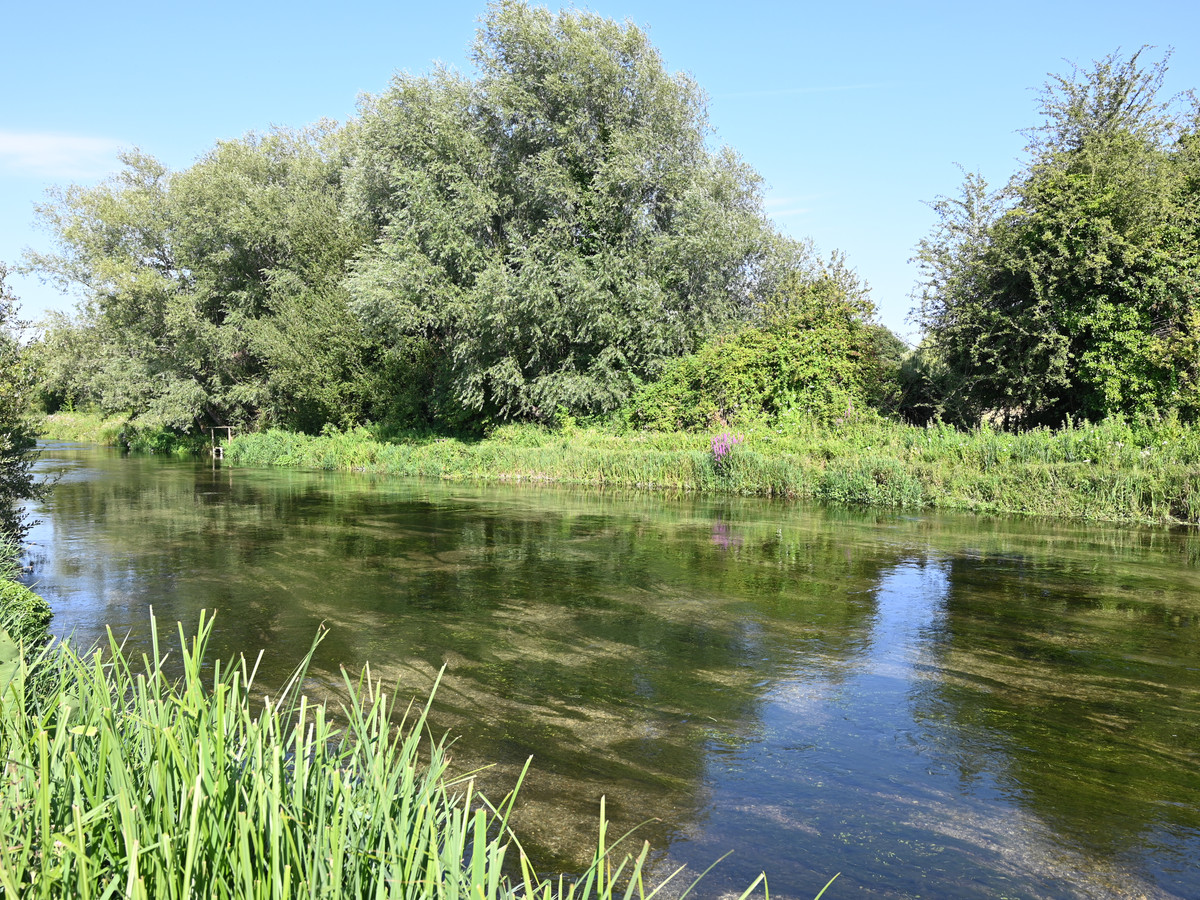
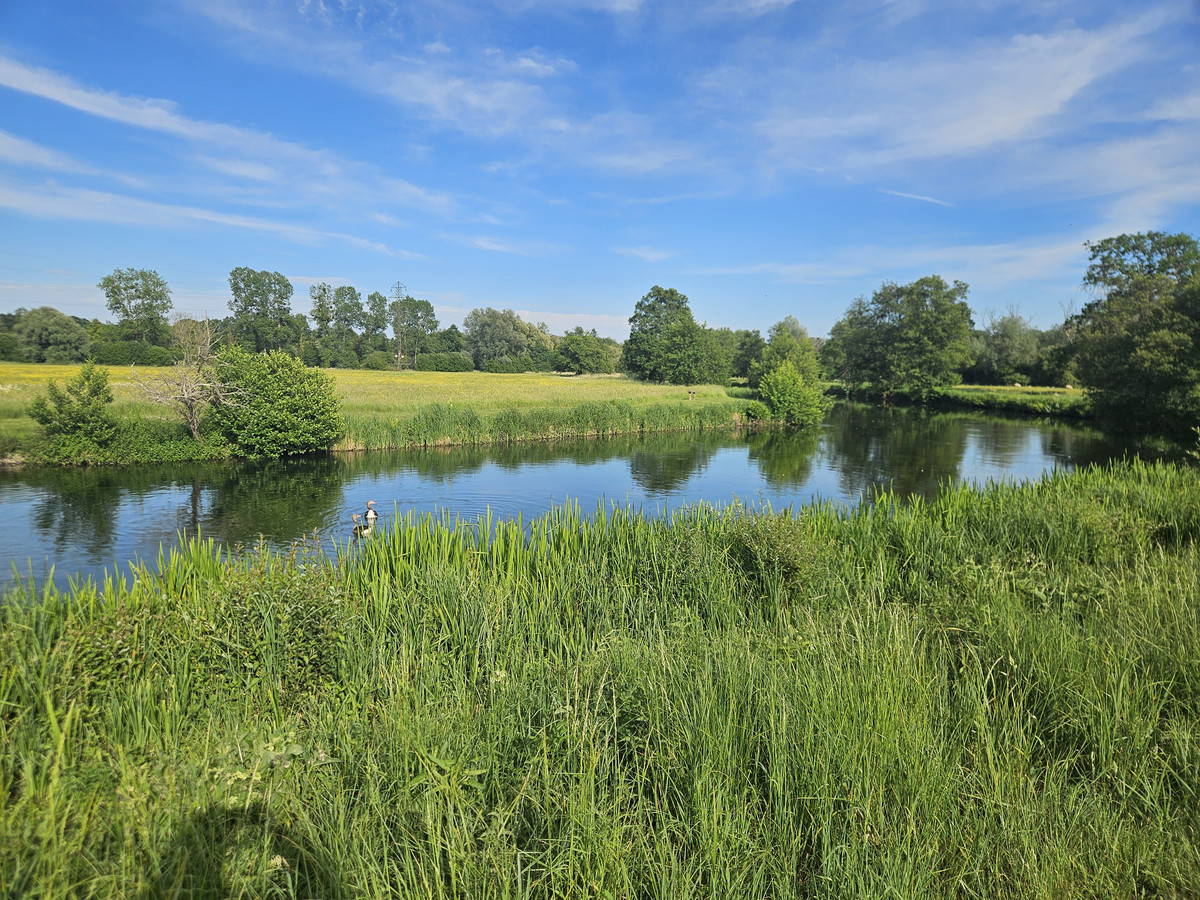
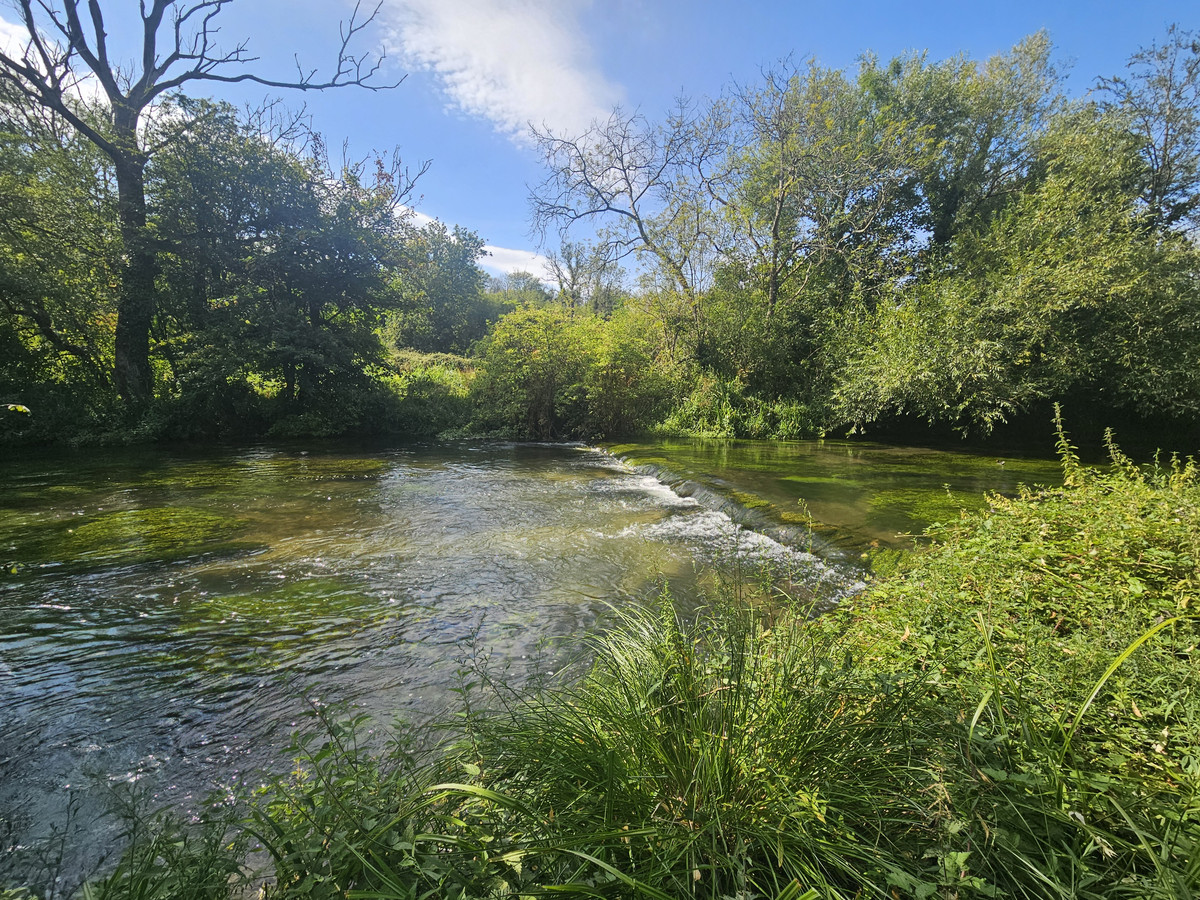
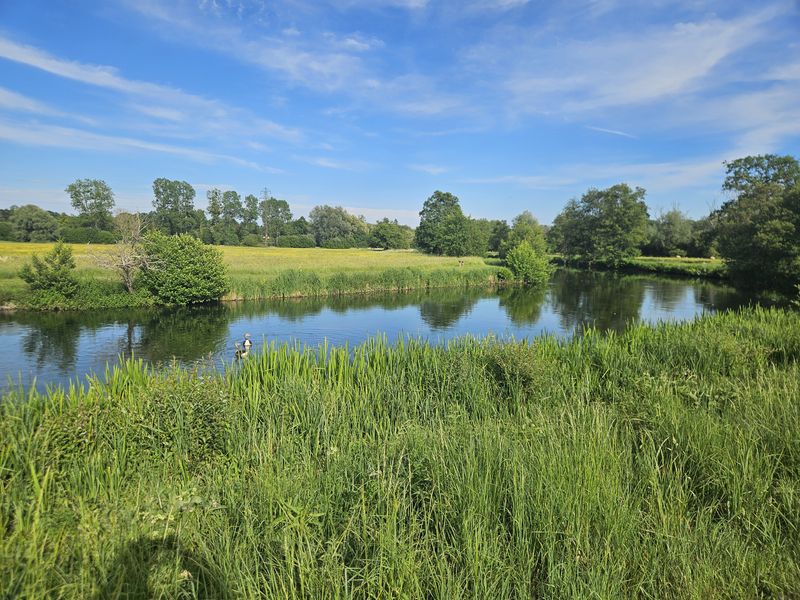
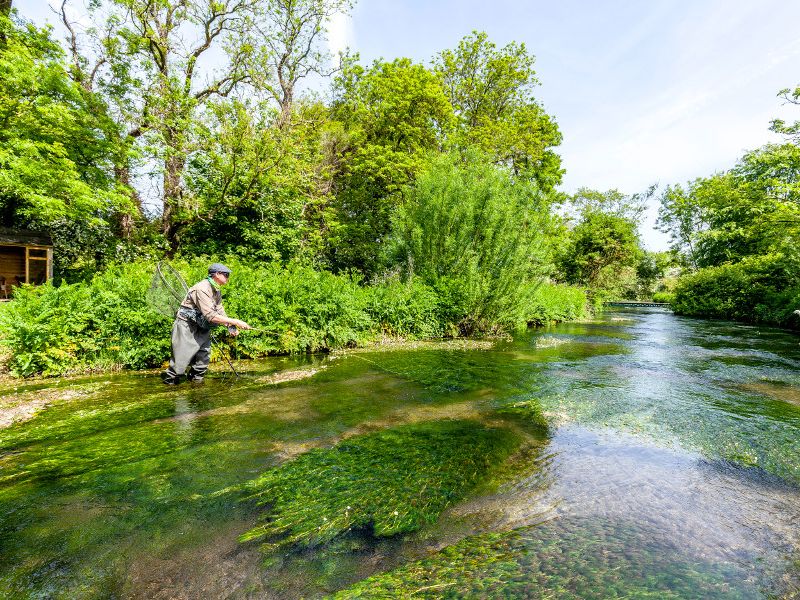
The most easterly of the Hampshire chalk streams, the River Meon rises from groundwater springs south of East Meon in the South Downs and runs 21 miles southward through Hampshire before flowing out across the marshes of Titchfield Haven to meet the Solent at Hill Head. The valley traces the shape of a shepherd's crook, looping north through West Meon before swinging southwest through Warnford and then settling into a southerly course through Exton, Corhampton, Meonstoke, Droxford, Wickham, and Titchfield. In many respects it is a smaller version of the Itchen, just as clear but perhaps a little faster flowing. It drops around 120 metres from source to sea, which is a steep gradient for a chalk stream, and because the middle and upper reaches flow over Lower Chalk, the river tends to show a wider range of flows than other southern chalk streams.
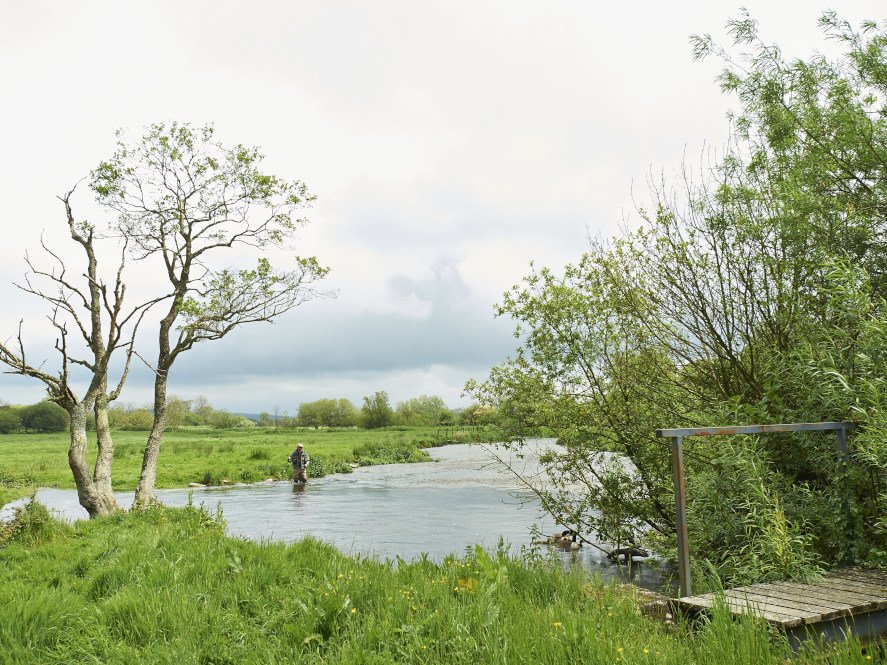
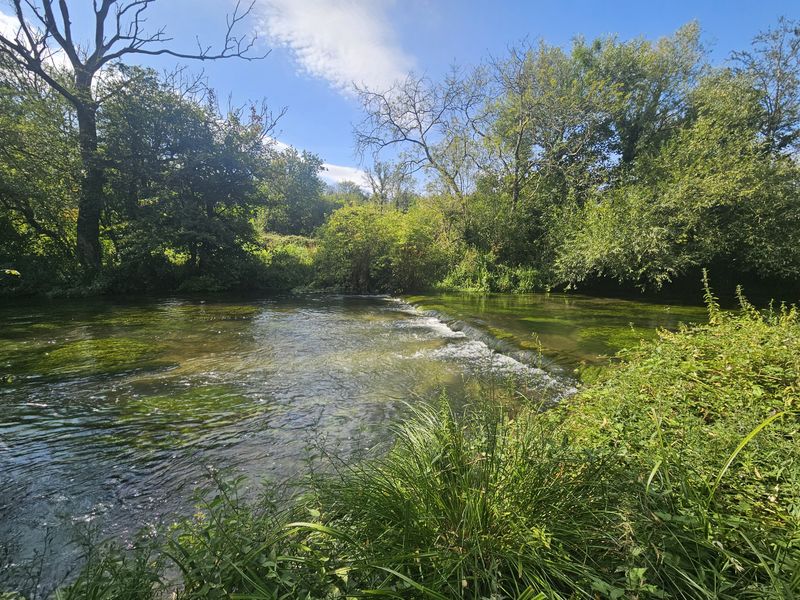
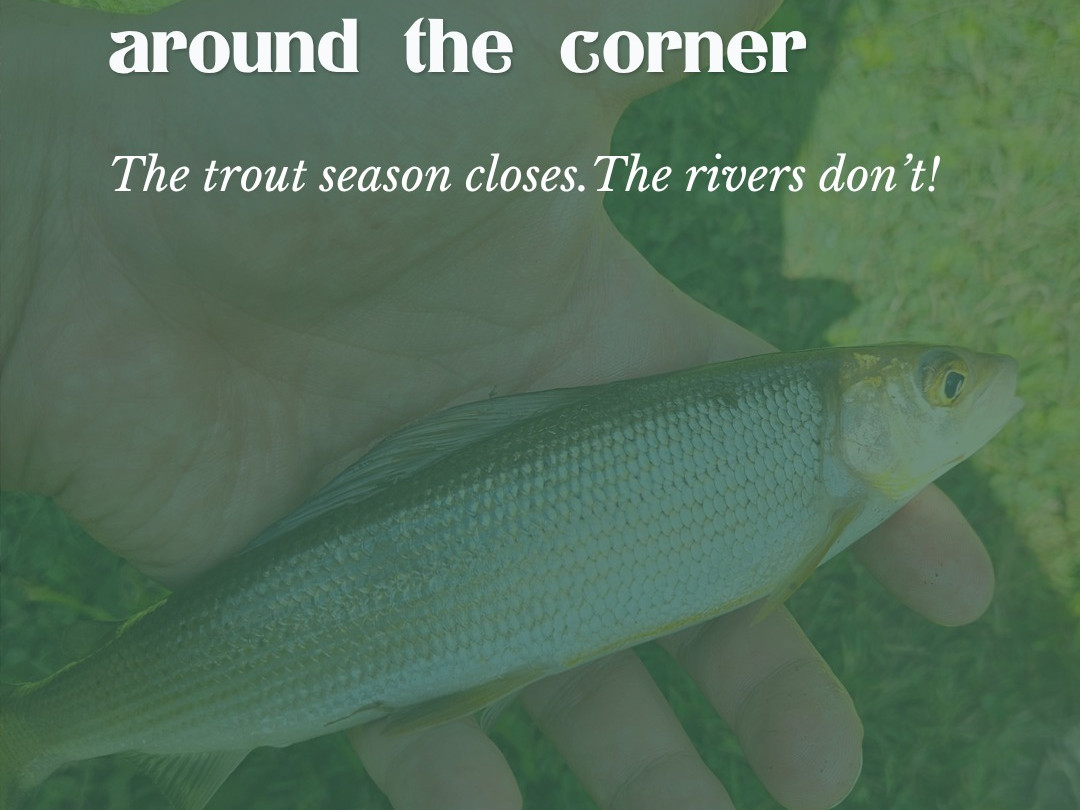
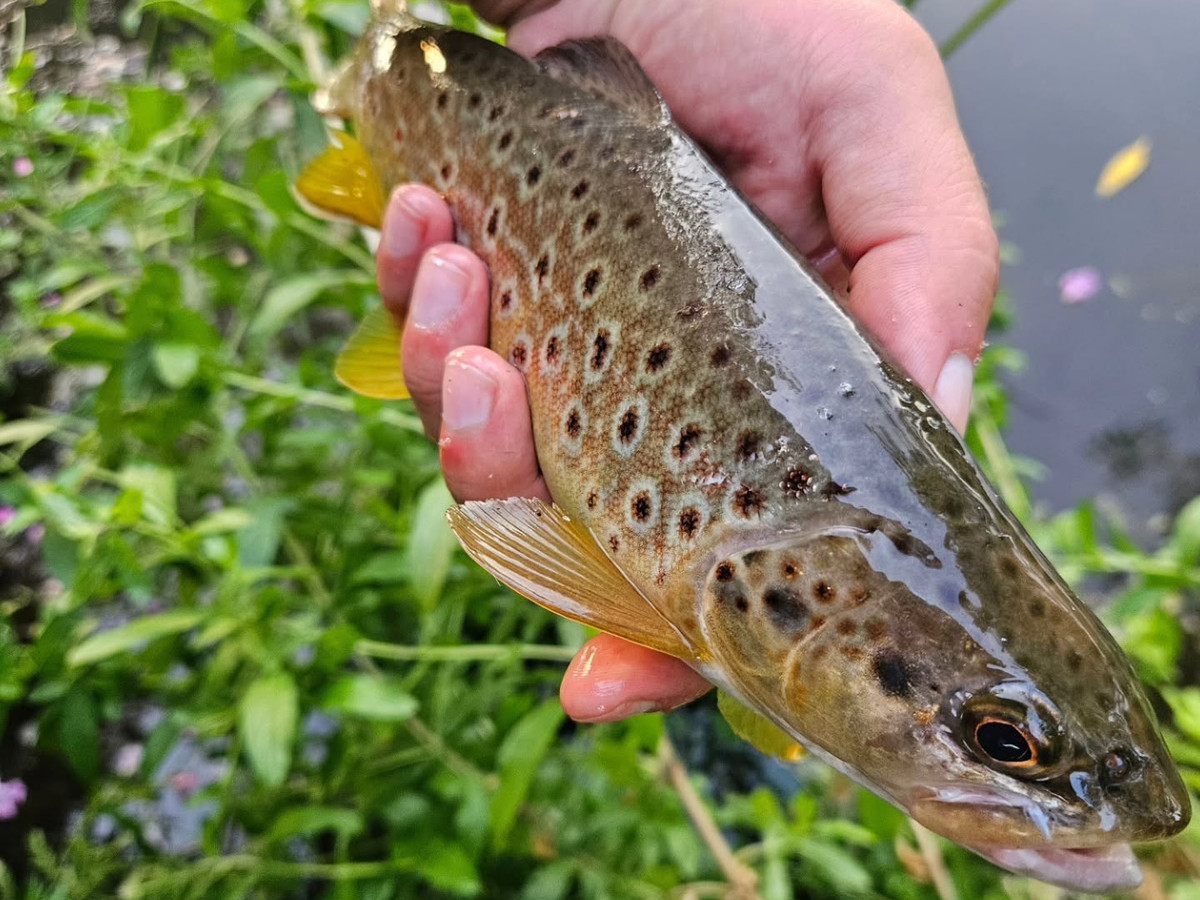
Environment Agency fishery surveys have concluded that the river is "a productive brown trout river," and the Meon is also noted for a strong run of sea trout, although they are rarely targeted by anglers on this system. The river supports an abundance of riverflies of interest to dry fly anglers, including olives, blue-winged olives, stonefly, and caddisfly, with excellent hatches of mayfly providing the most anticipated sport of the season. It is a varied river that reflects the patchwork nature of the farmland, and within a typical half-mile section there will be gravel shallows, deep pools, open meadows, and woodland. Grayling are present through the middle and lower reaches and extend the season well into winter. Anglers should be aware that as of 2025, the river's flows do not support good ecological status, with the water industry identified as the main reason for failure, and 100% of the river is currently rated at moderate ecological status. Hampshire and Isle of Wight Wildlife Trust and Wessex Rivers Trust are leading river improvement efforts, and the outlook for the river is being actively contested.
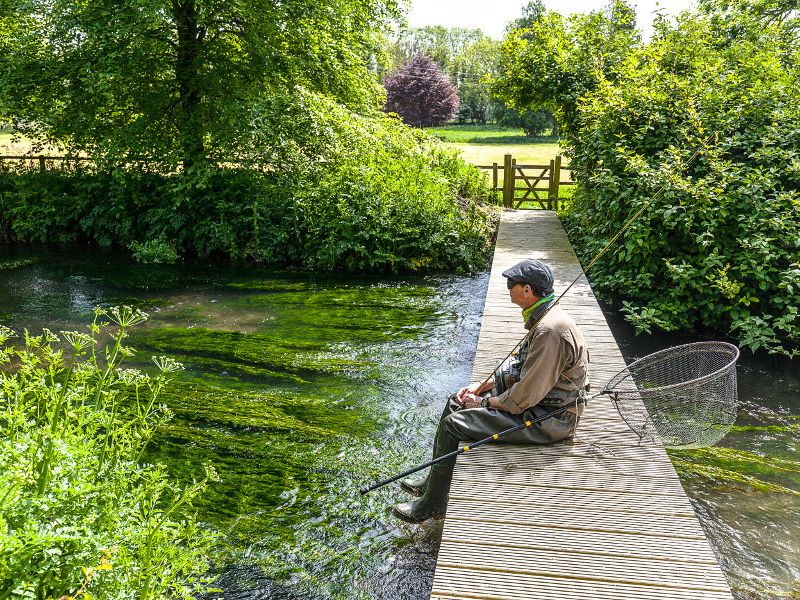
Currently 3 beats are listed on FishingBeats. The Wild Trout Trust and Upstream Dry Fly have carried out three phases of river restoration works since 2009, part funded by the South Downs National Park, at the Midlington beat near Droxford, where the fishing is strictly catch-and-release for wild brown trout. The prime trout fishing runs from Wickham to West Meon, with a highly distinctive and abundant wild fish population. Day tickets start at £65. Grayling fishing is available from £43.
Hatch Calendar
The River Meon hosts a sequence of seasonal insect hatches that dictate fly choice through the year.
Expected in October
Typical months for the River Meon, not a live report. A cold spring or a hot week will shift any of these.


Caperer
Sedge · #10-12
Kite's Imperial
Dry fly · #14-16
Daddy Long Legs
Terrestrial · #10-12
Sawyer's Killer Bug
Nymph · #12-16
The year ahead
Every hatch and the months it usually runs. Darker means a heavier hatch, and the highlighted column follows the month above. Tap a letter to jump to it.
We get a small commission if you buy through these links, and it costs you nothing extra. If the calendar has been useful and you feel like supporting an independent site, buying your flies this way is an easy way to do it.
FAQ
River Meon FAQs
Common questions about fishing the River Meon, from day tickets and seasons to what to expect on the bank.