England’s chalk streams
Chalk Stream Fly Fishing
28 rivers 222 beats 10 counties Typical day £60–£260
Where the chalk streams are
Every chalk stream beat we list, plotted against the counties they sit in. Click a river to read what that stretch is like.
What a day costs, river by river
Typical full-day rod on each chalk stream, cheapest first, from the beats with published day rates.
- River Frome £60
£30–£145 · 23 beats
- River Piddle £60
£60–£85 · 5 beats
- River Meon £65
£65–£145 · 2 beats
- Hampshire Avon £94
£40–£570 · 5 beats
- River Allen £95
£75–£726 · 4 beats
- River Itchen £150
£55–£246 · 9 beats
- River Nadder £210
£210–£210 · 7 beats
- River Kennet £225
£225–£665 · 7 beats
- River Dever £225
£125–£285 · 4 beats
- River Dun £225
£120–£275 · 3 beats
- River Test £260
£55–£388 · 50 beats
Chalk stream beats
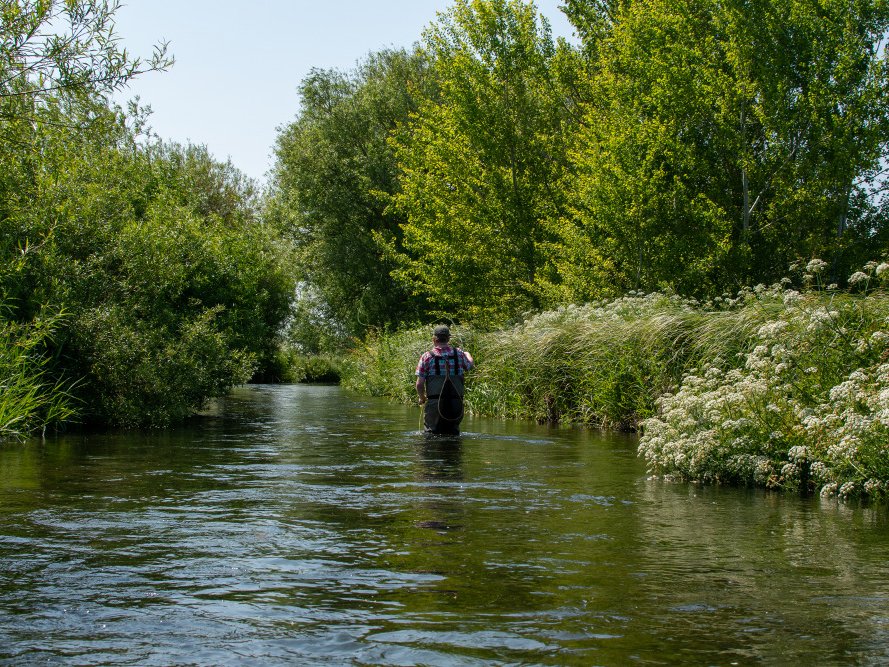
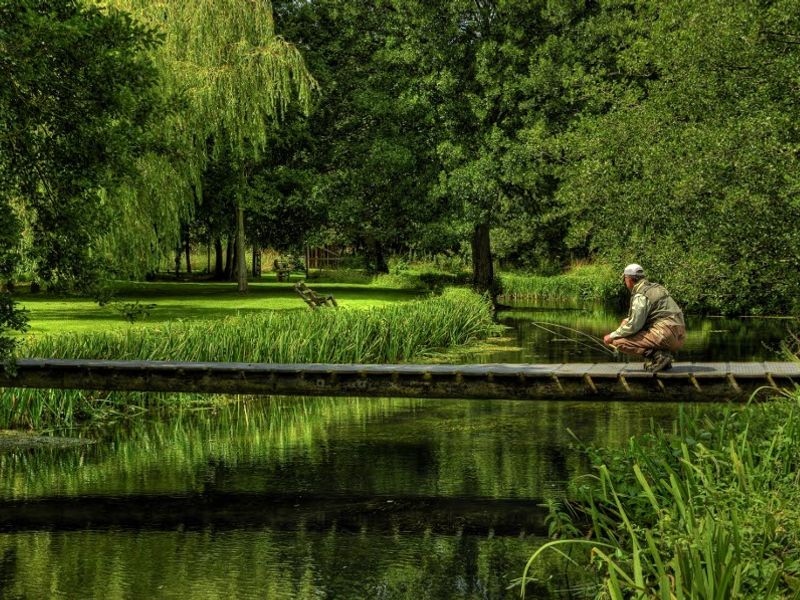
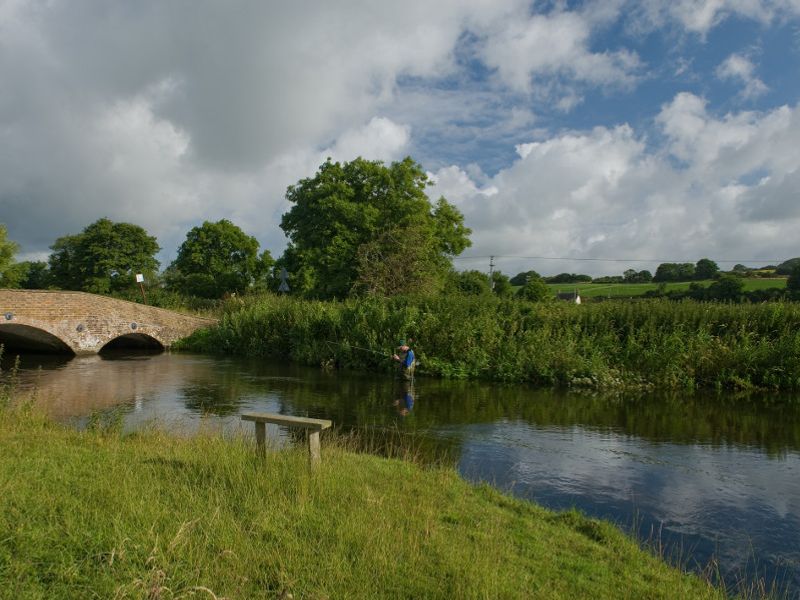
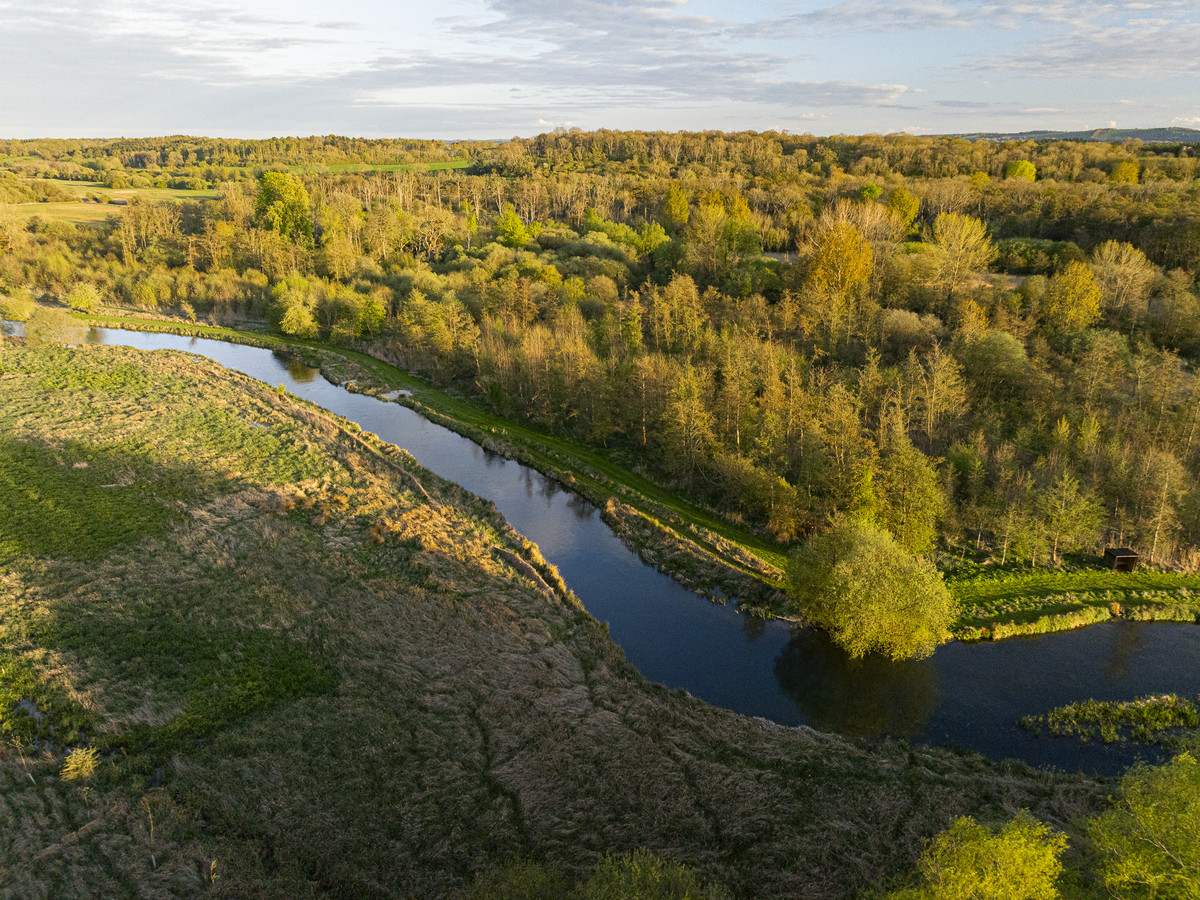
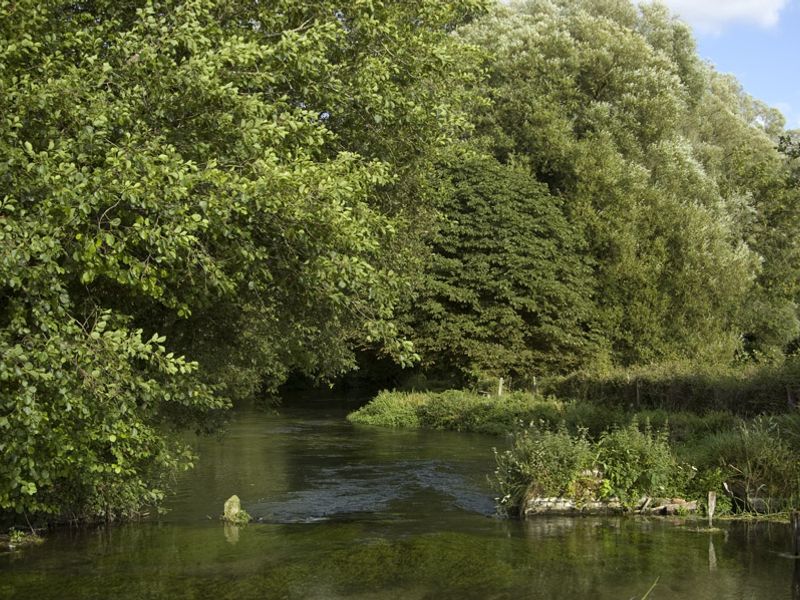
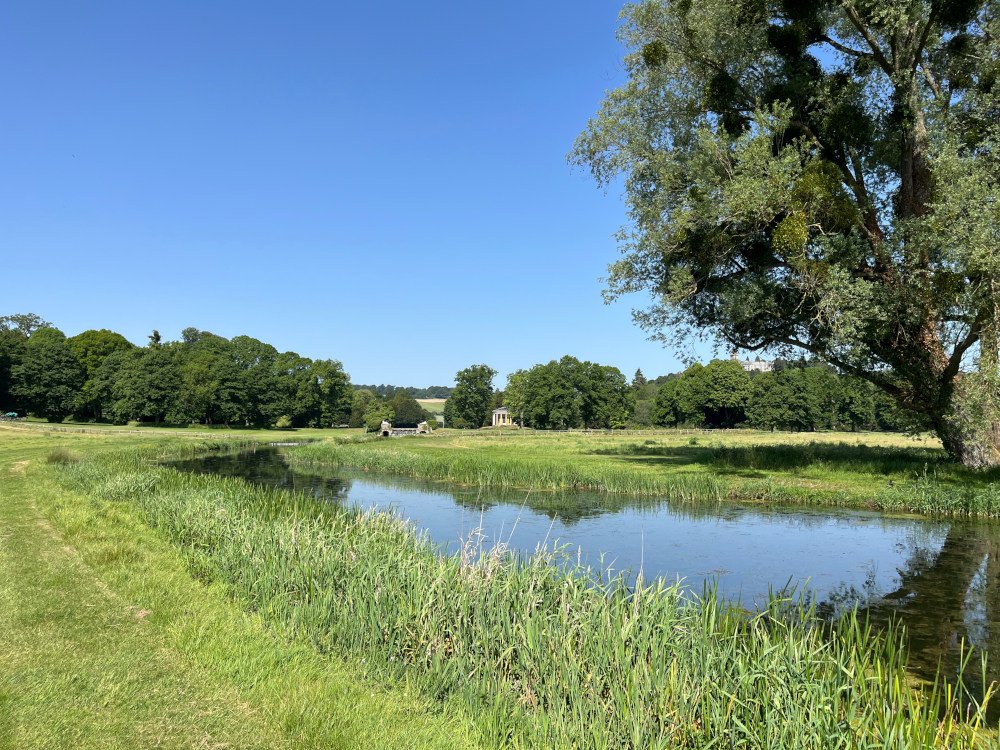
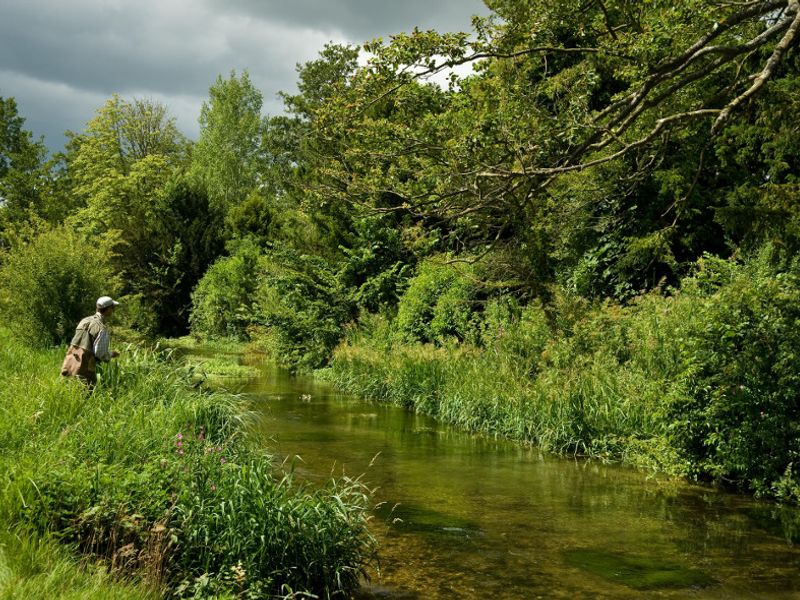
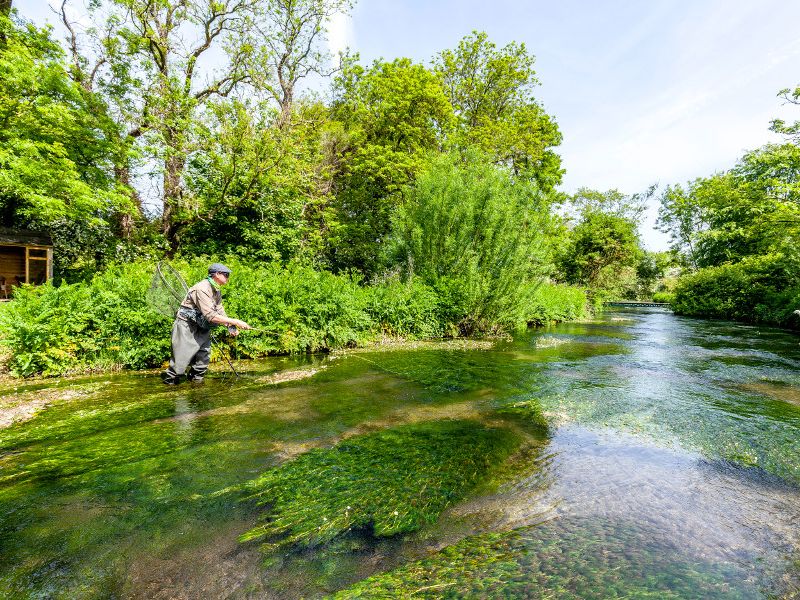
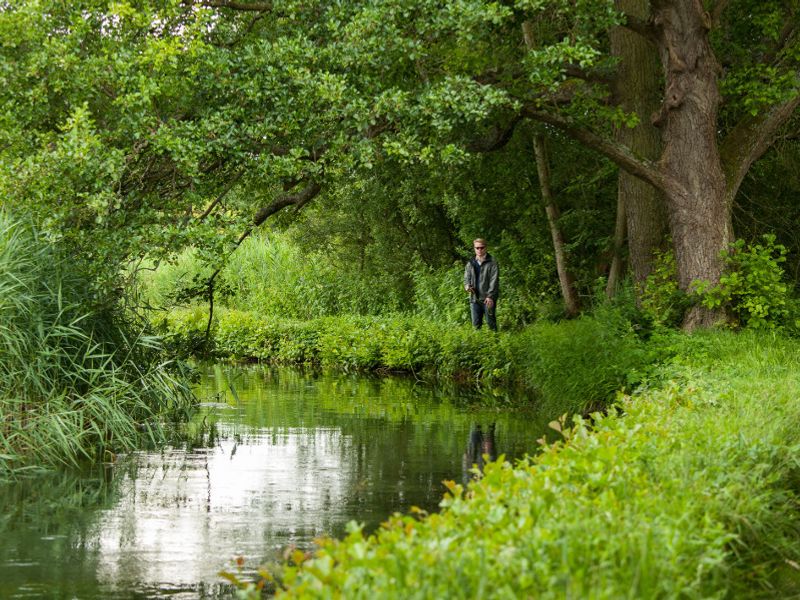
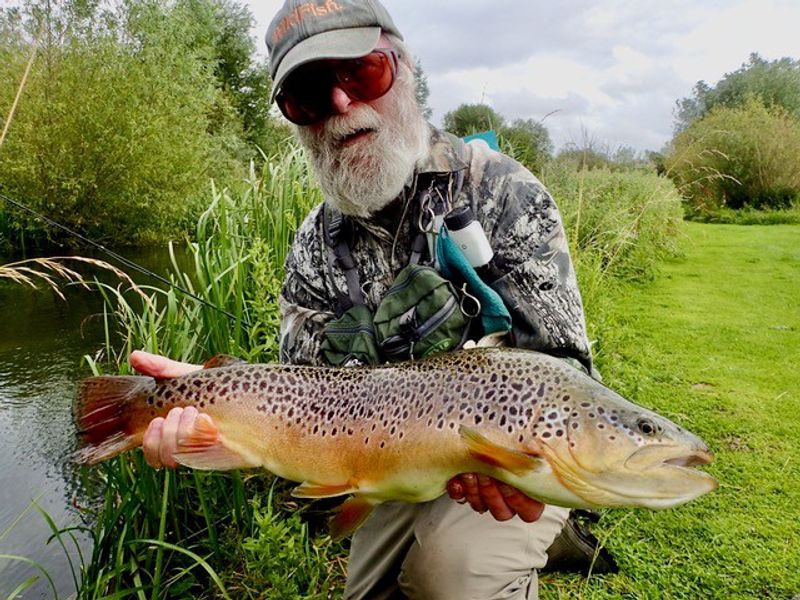
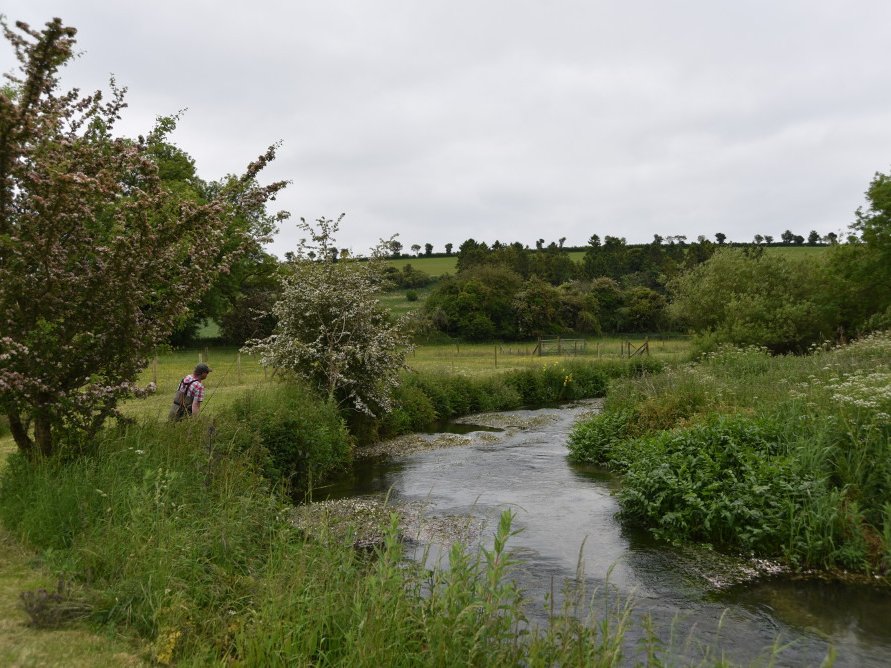
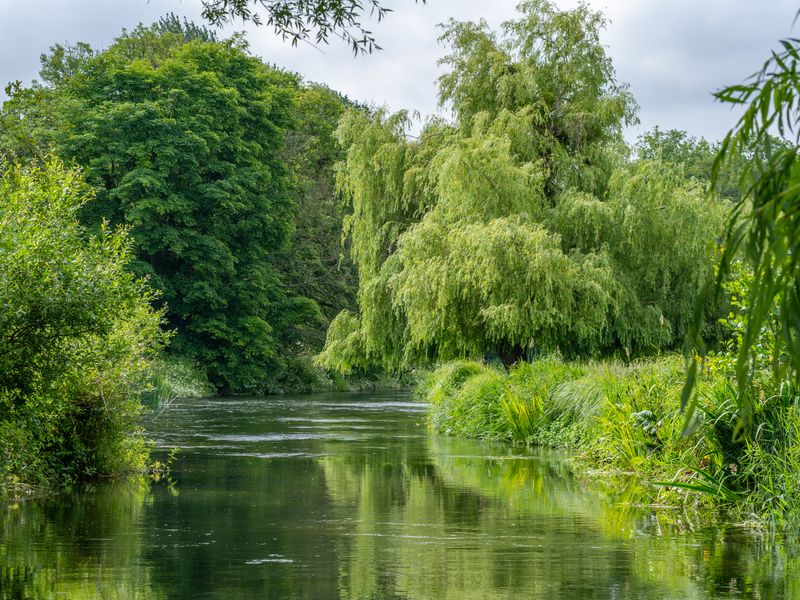
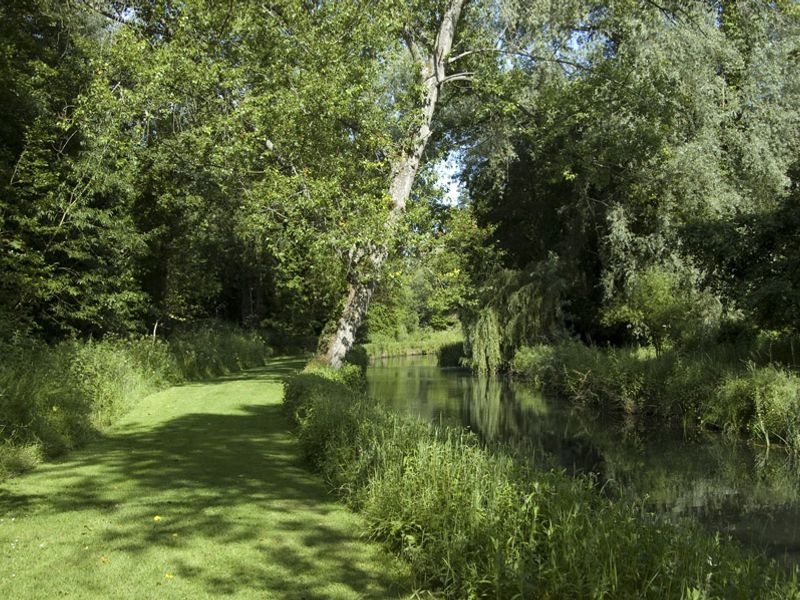
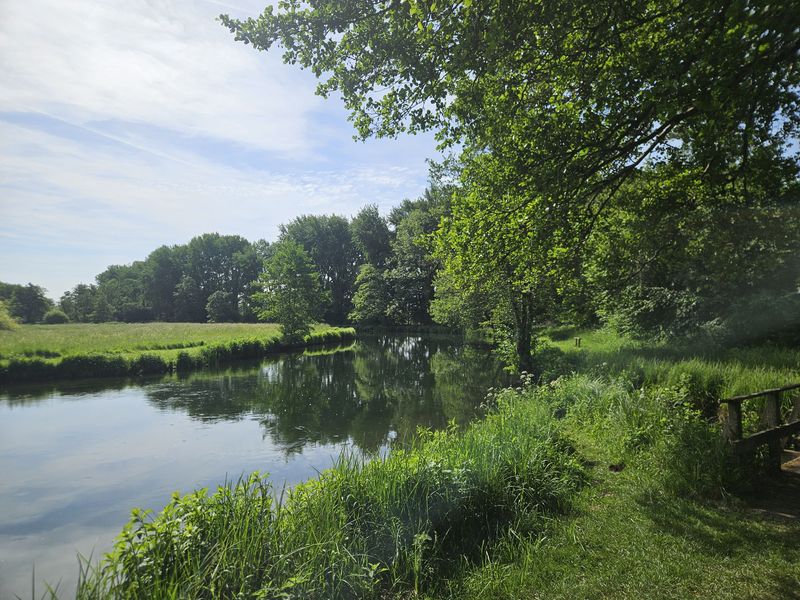
A spread across the rivers rather than the busiest one. Each listing includes pricing, species and booking details.
Chalk streams by county
The counties our chalk streams run through, most beats first.
Booking agents
Agents selling days on chalk stream beats.
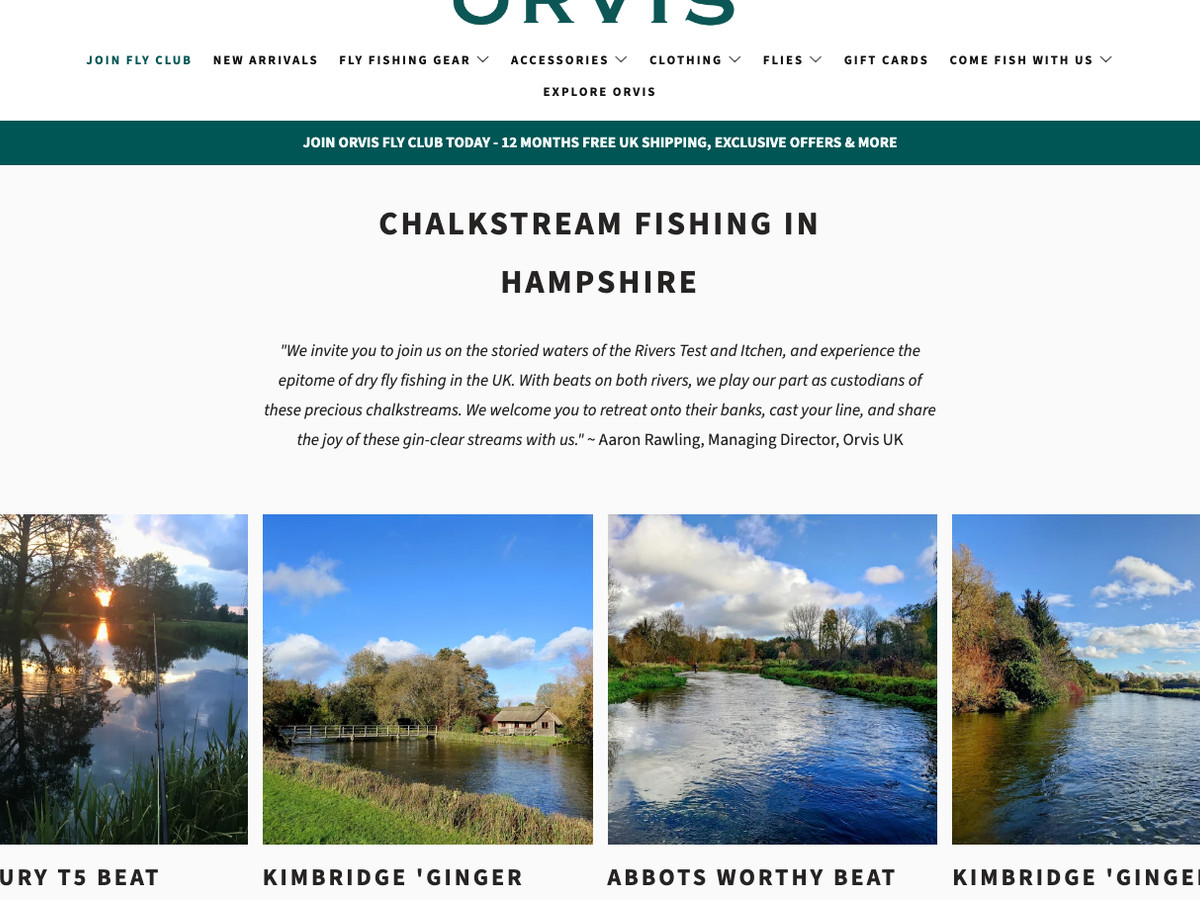
Clubs and syndicates
Membership bodies holding chalk stream water. Some sell day tickets alongside membership, others are members only.
Plan your day
Every chalk stream river page carries its own hatch calendar.
Writing on chalk streams
What is a chalk stream?
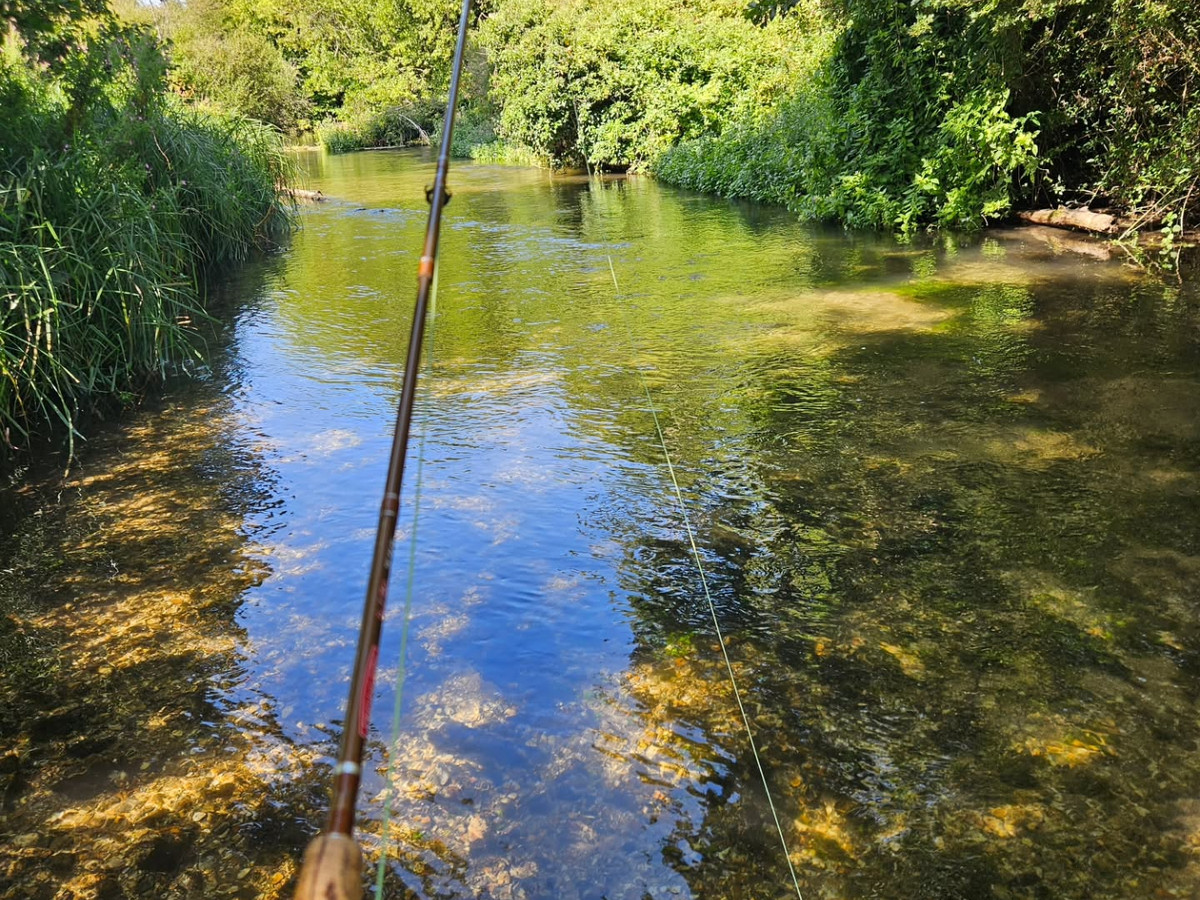
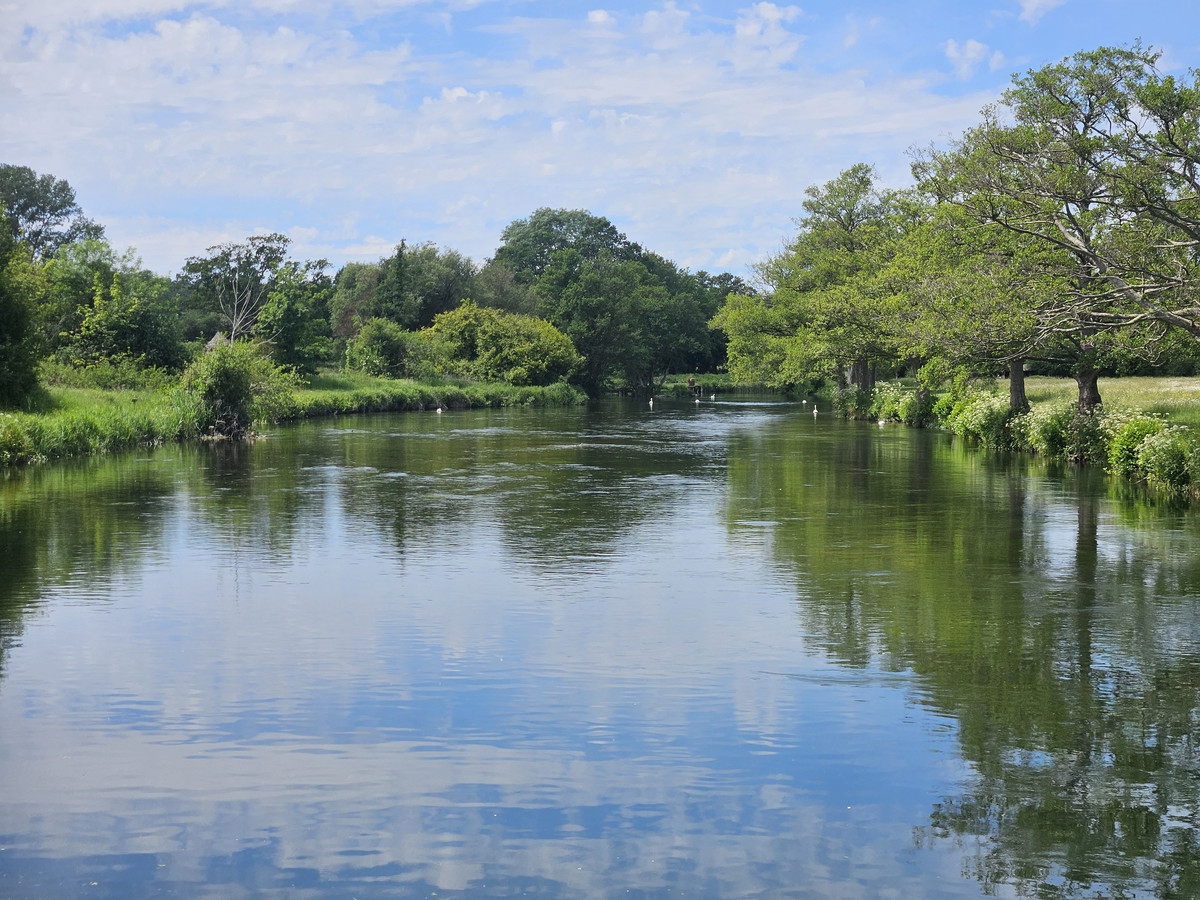
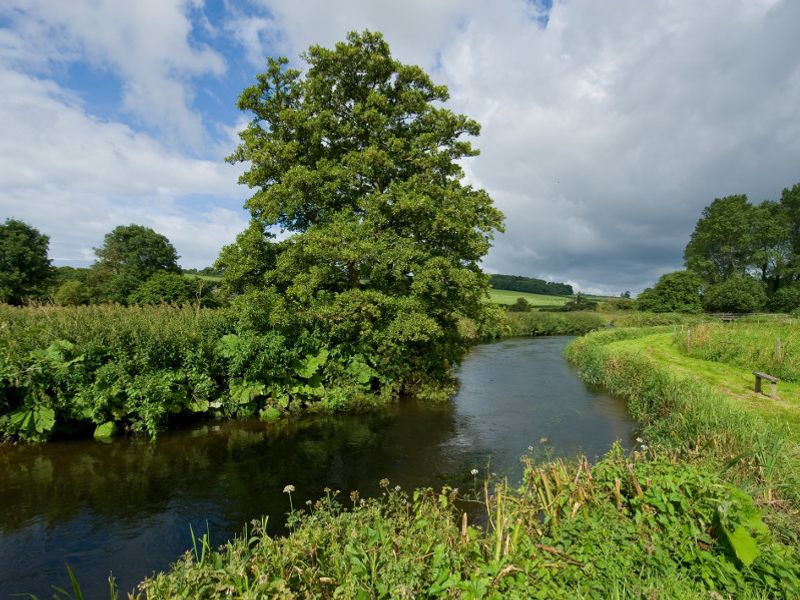
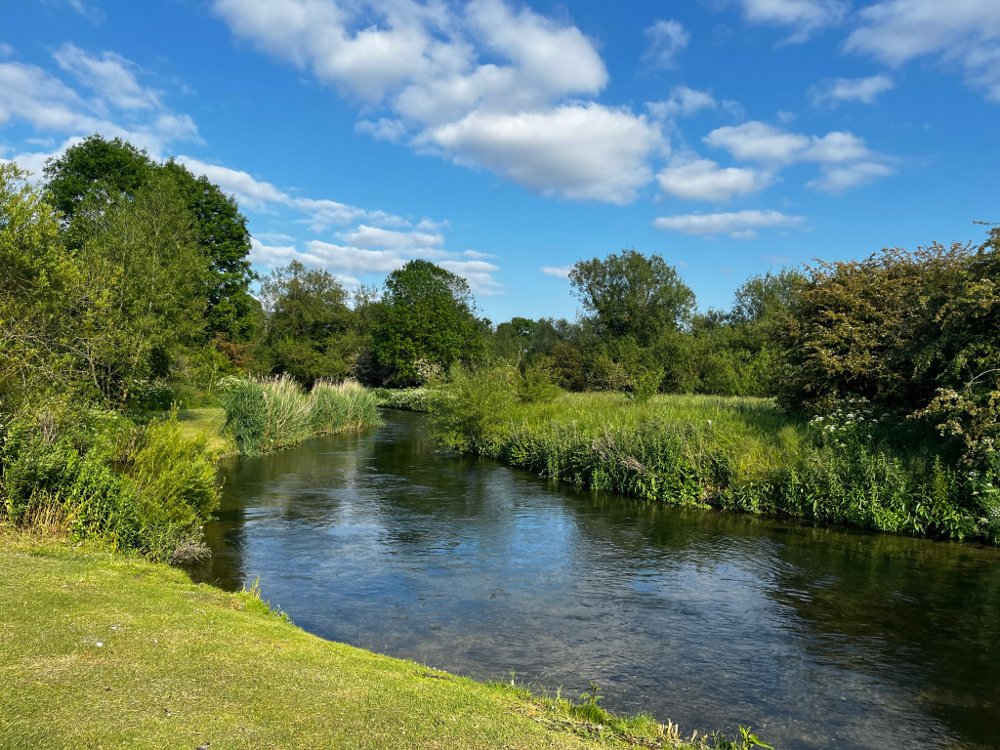
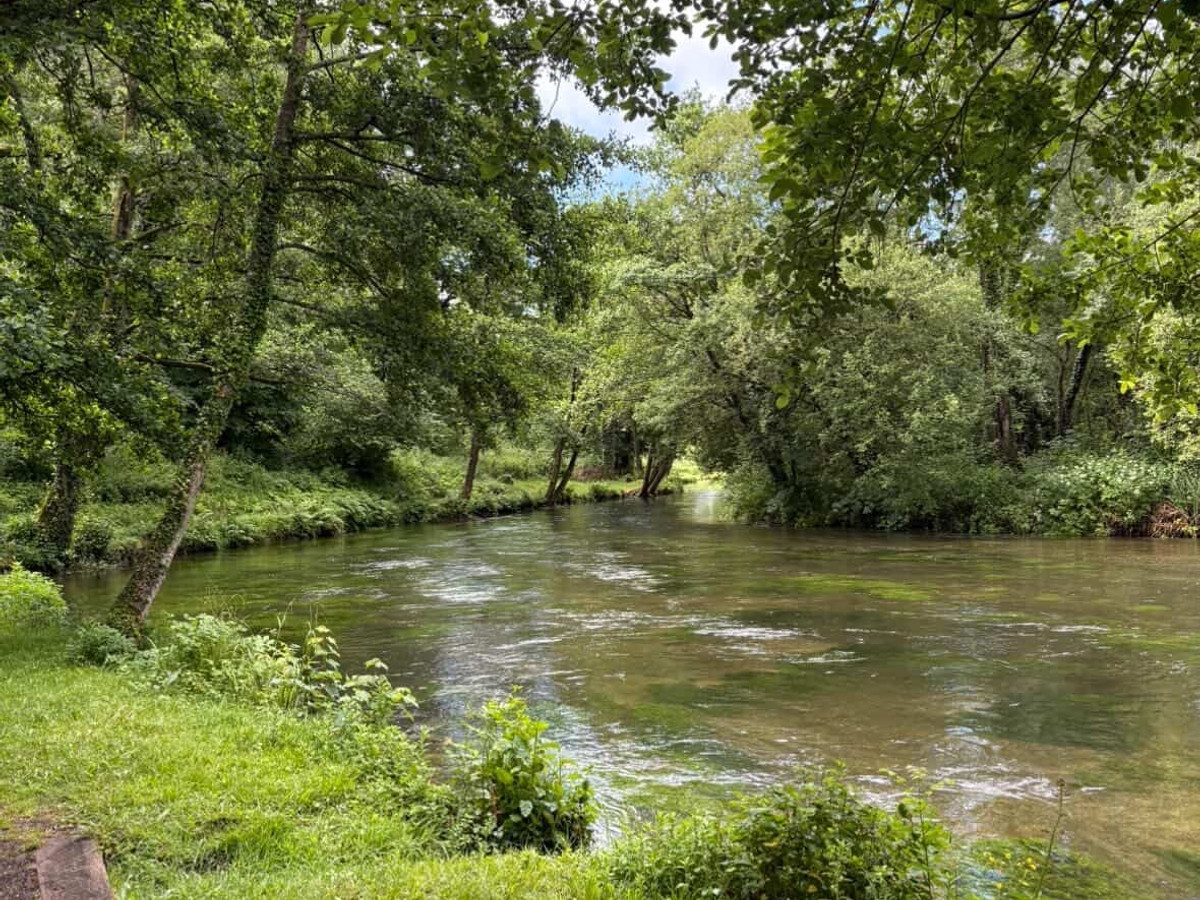
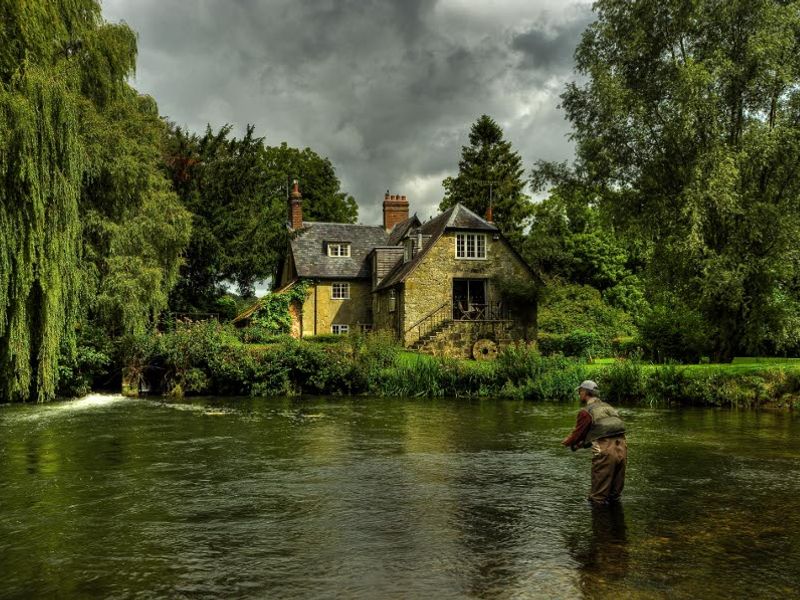
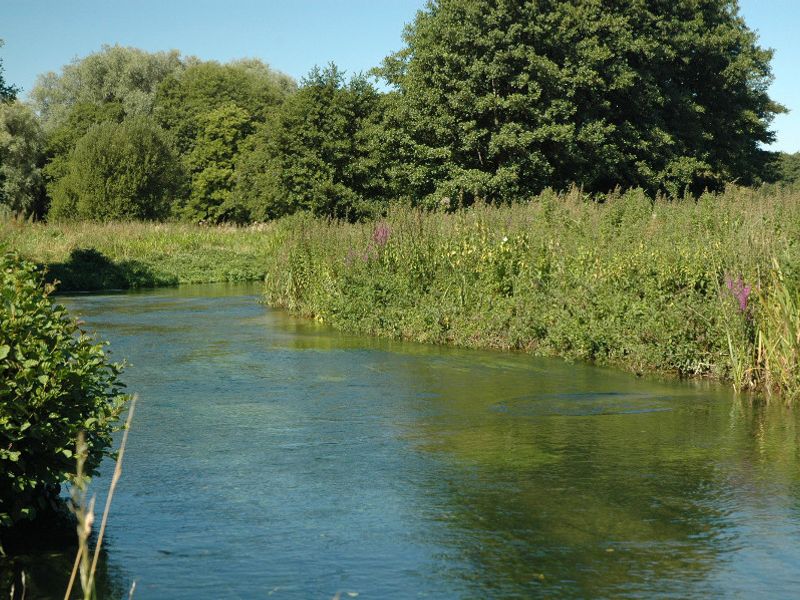
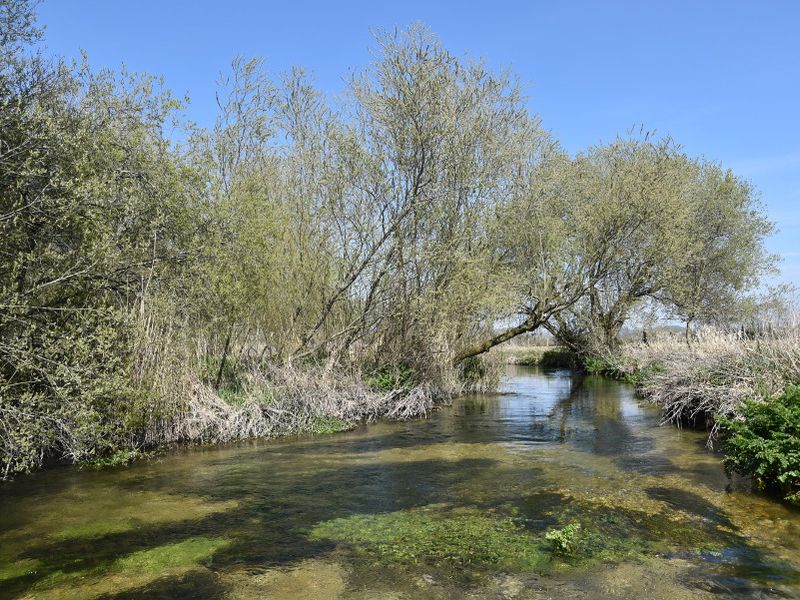
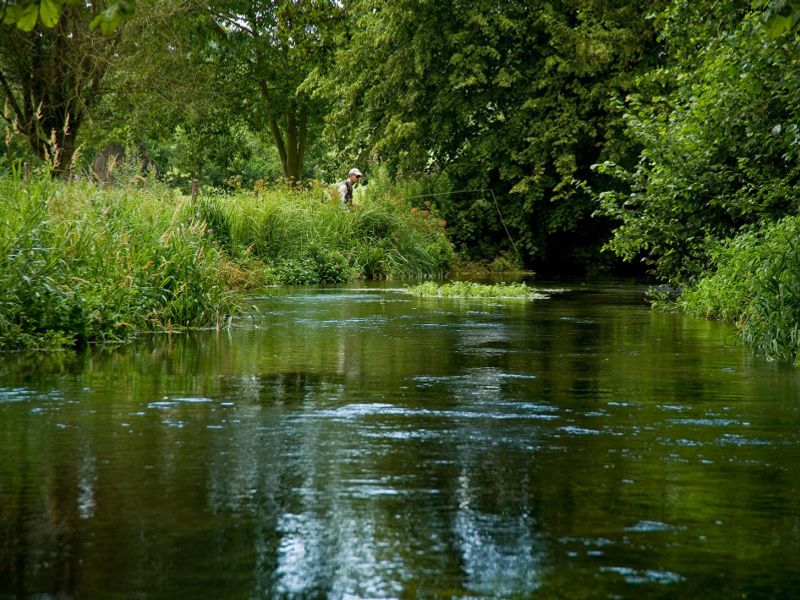
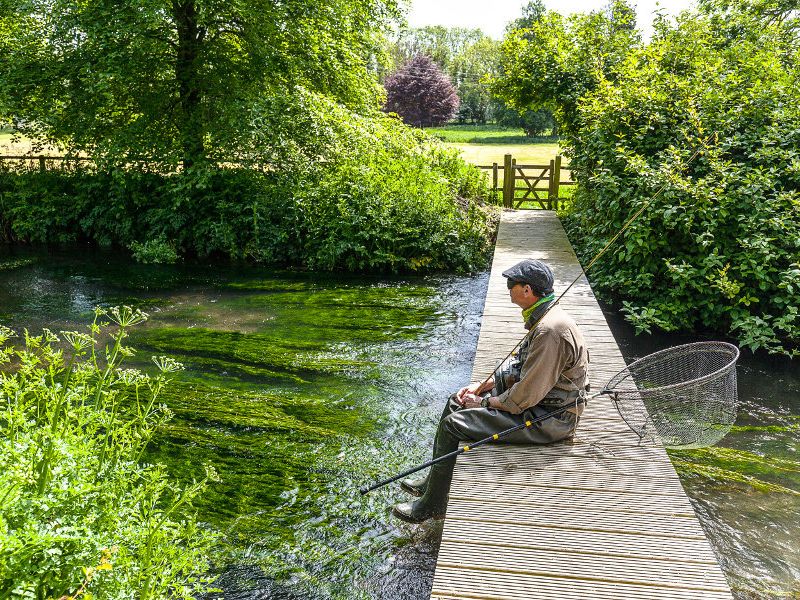
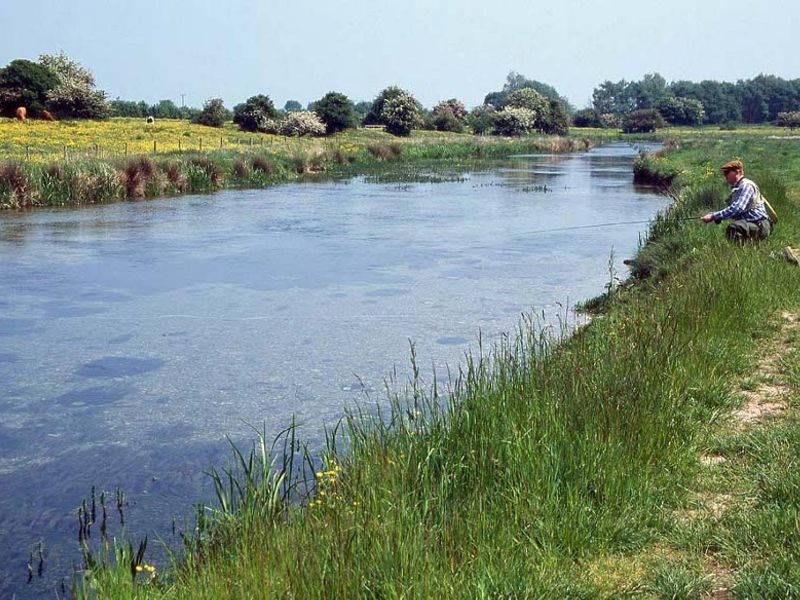
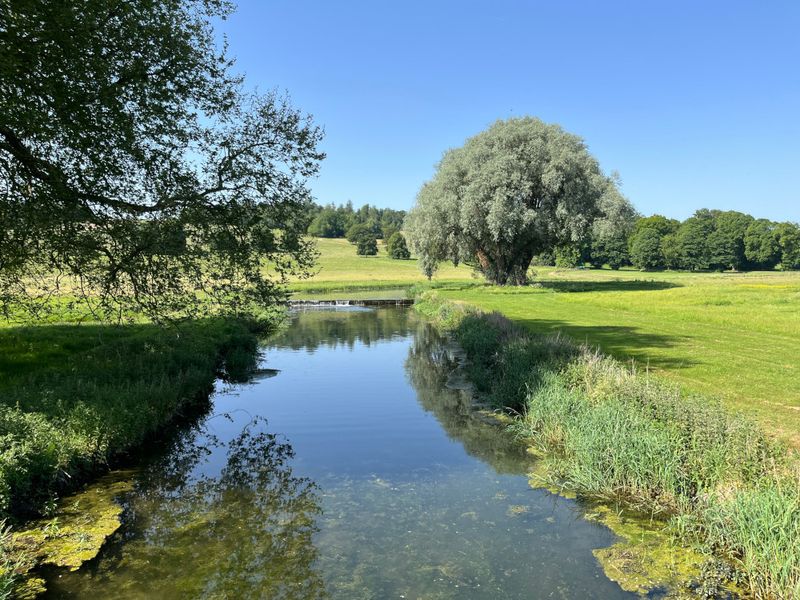
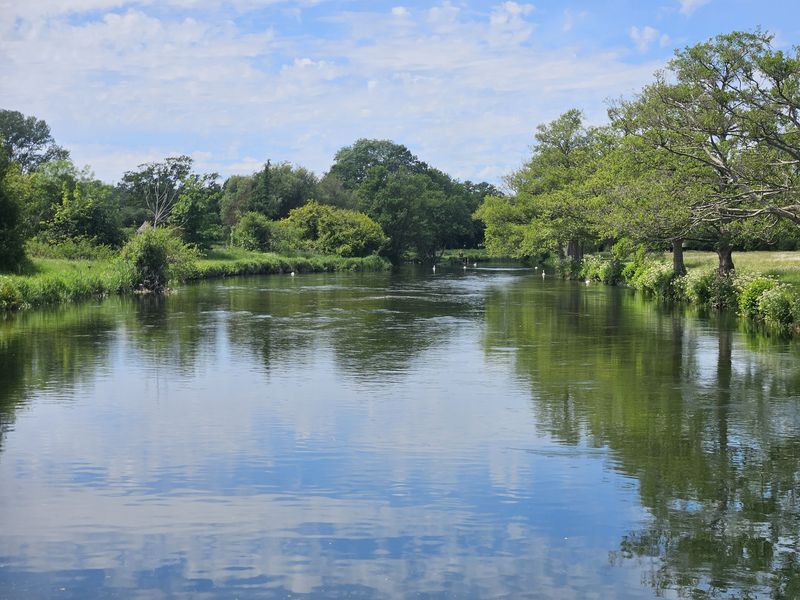
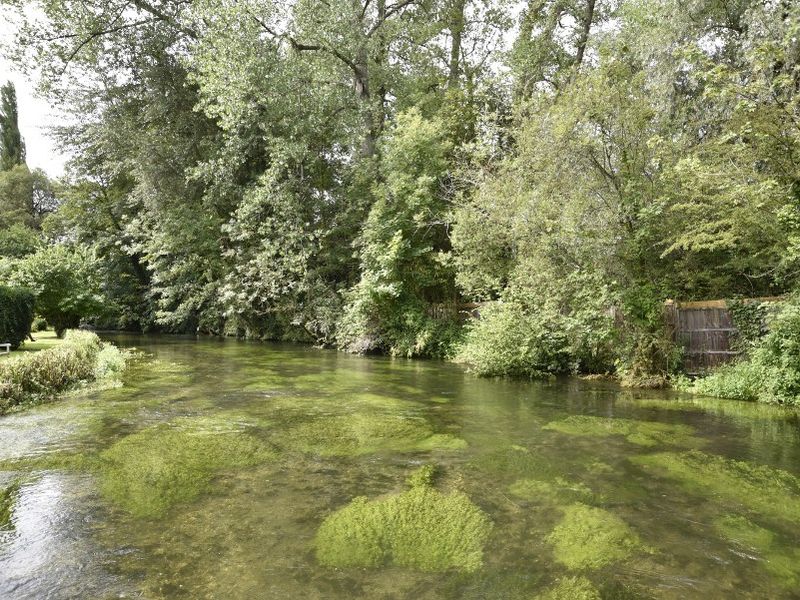
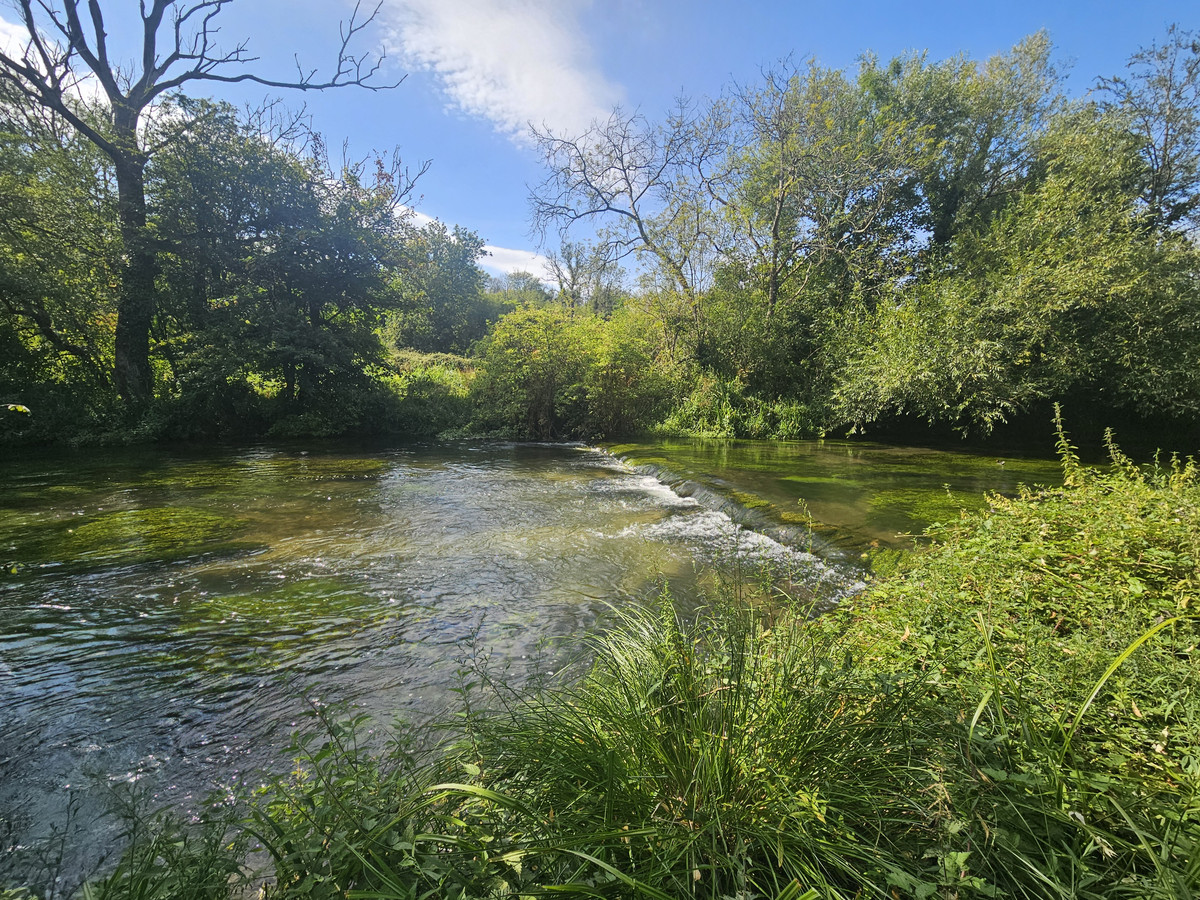
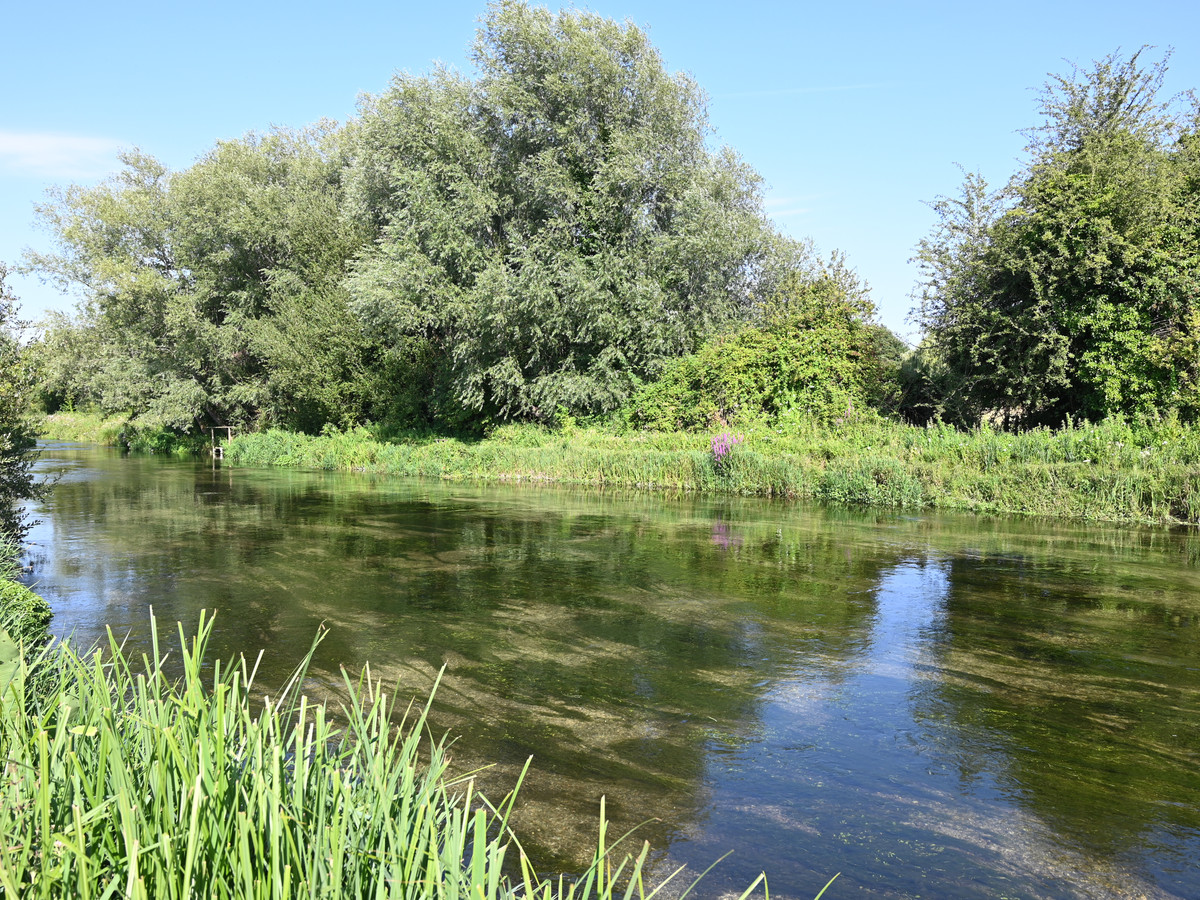
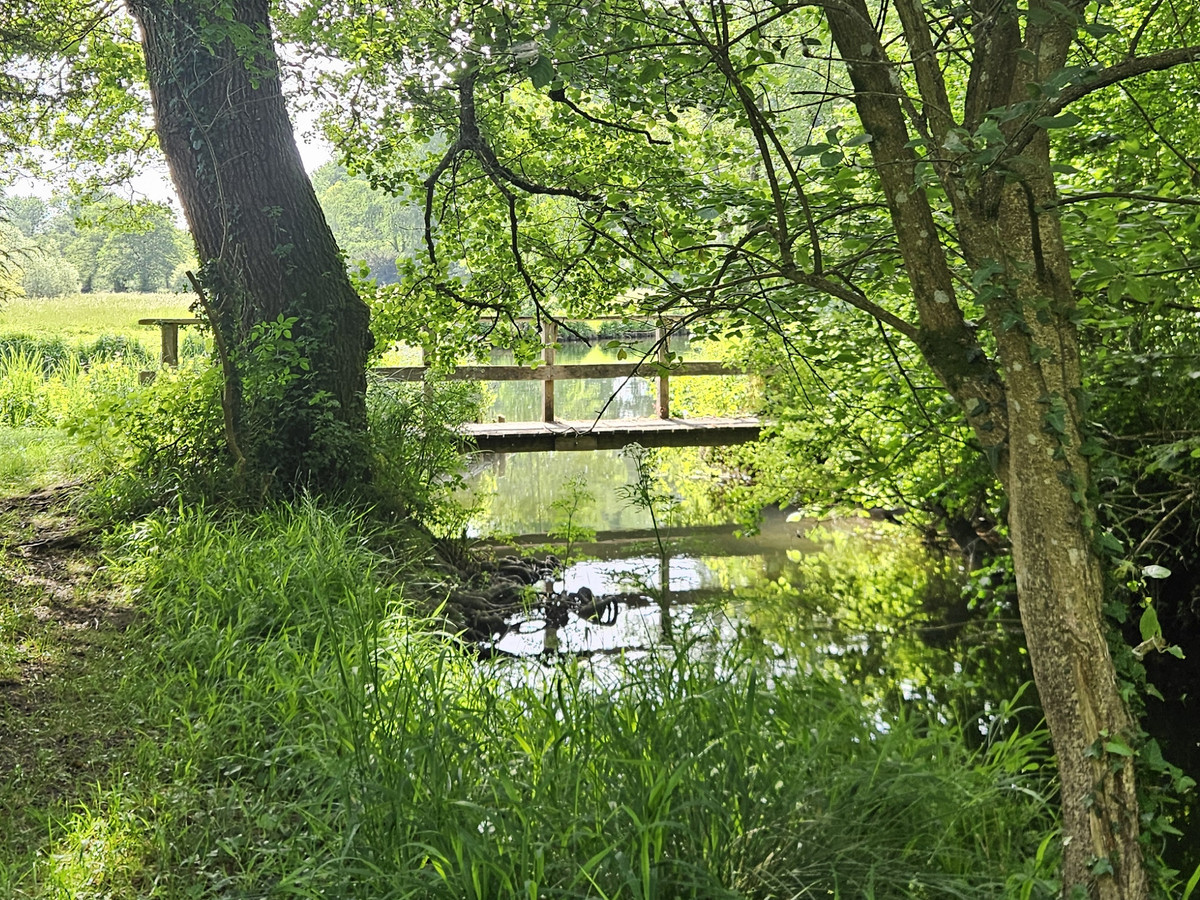
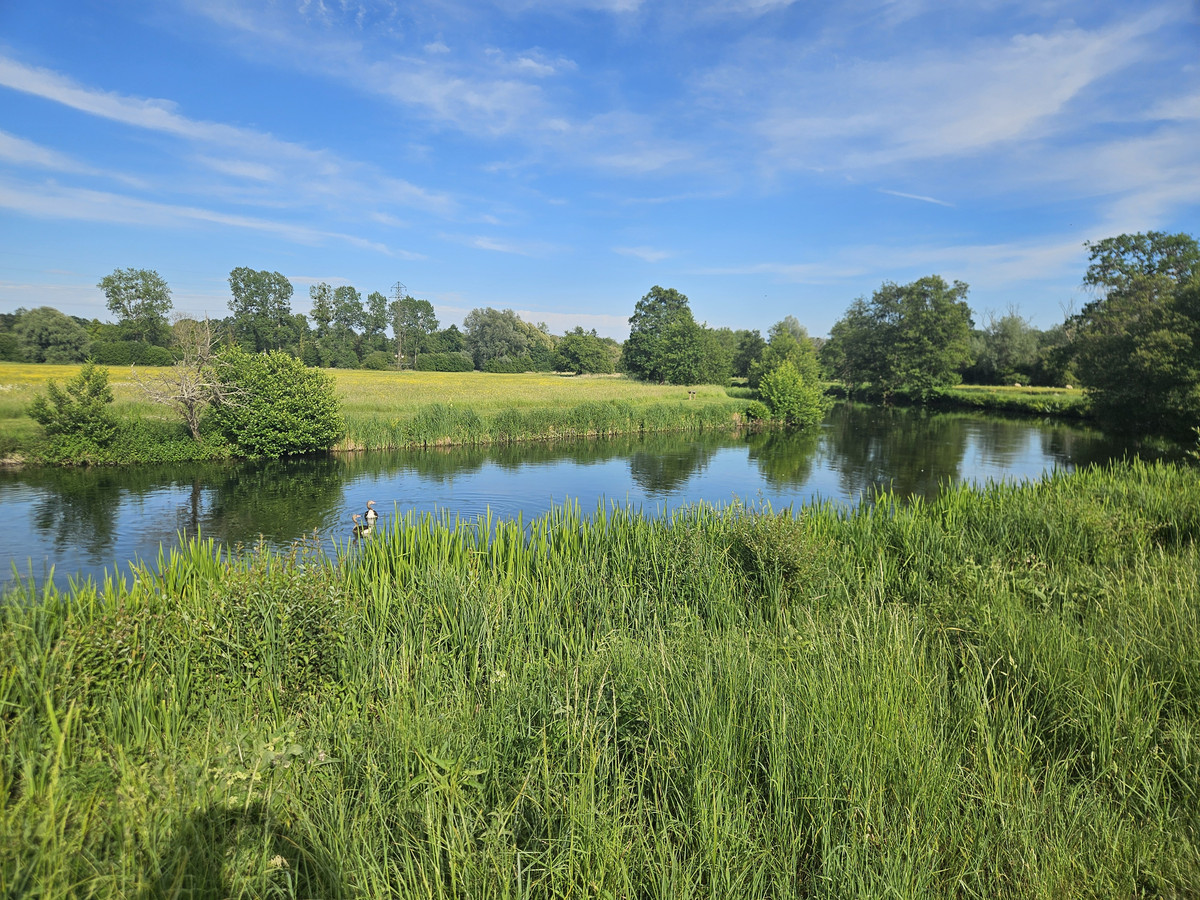
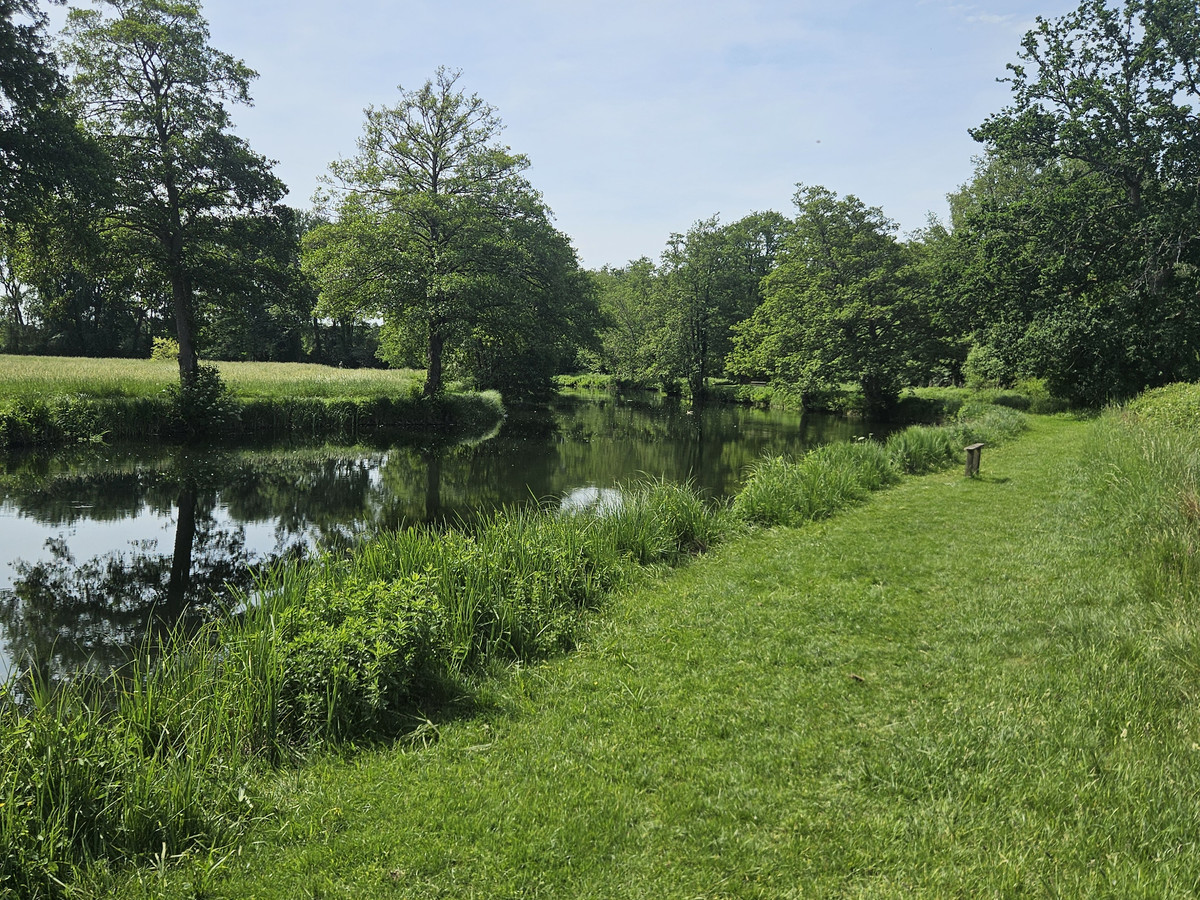
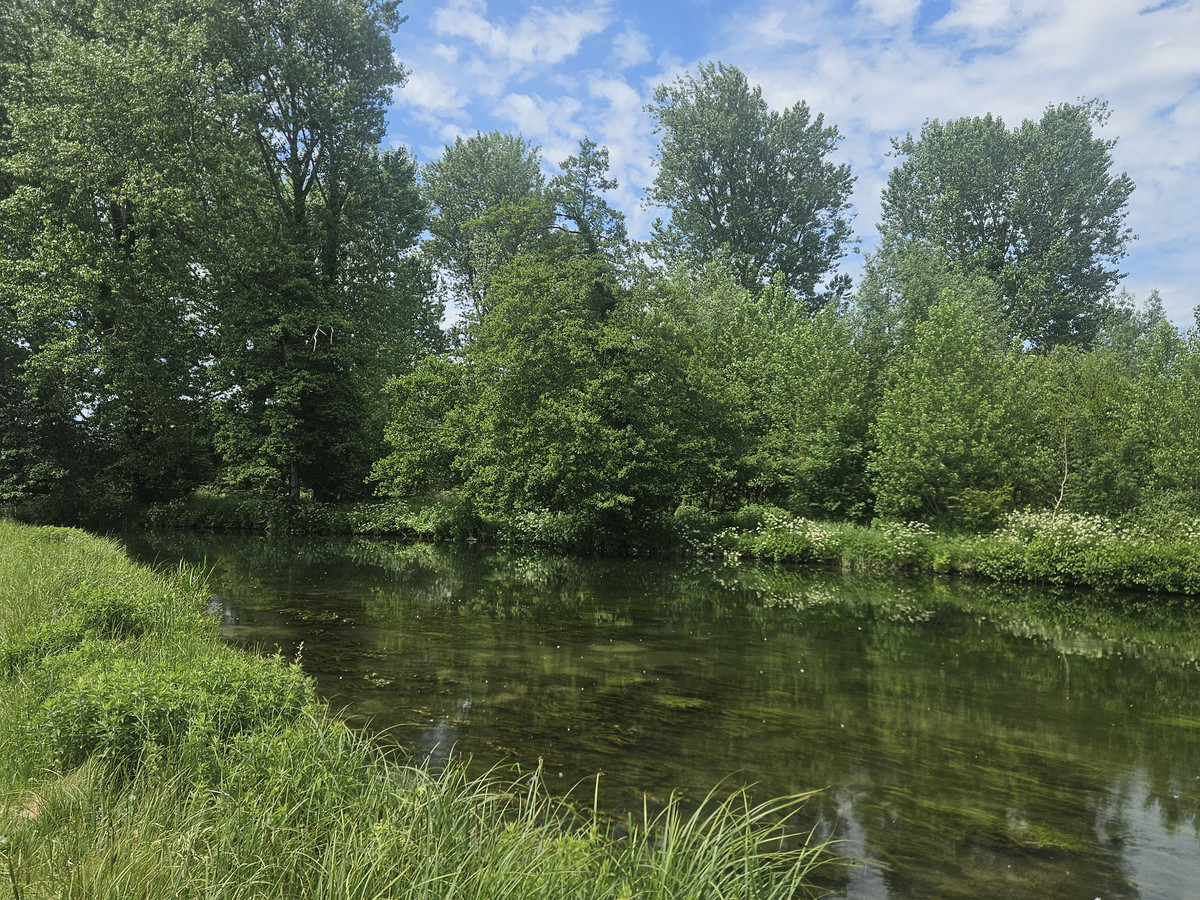
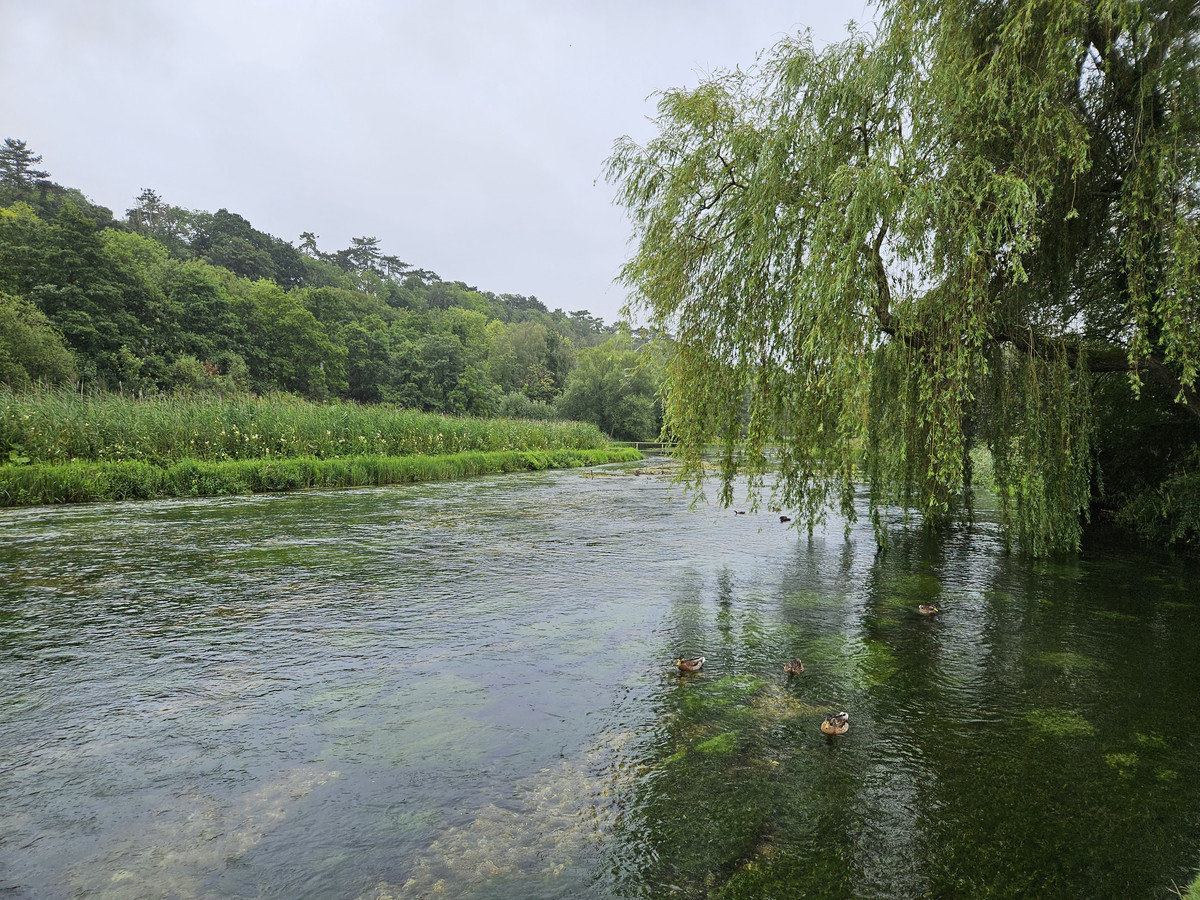
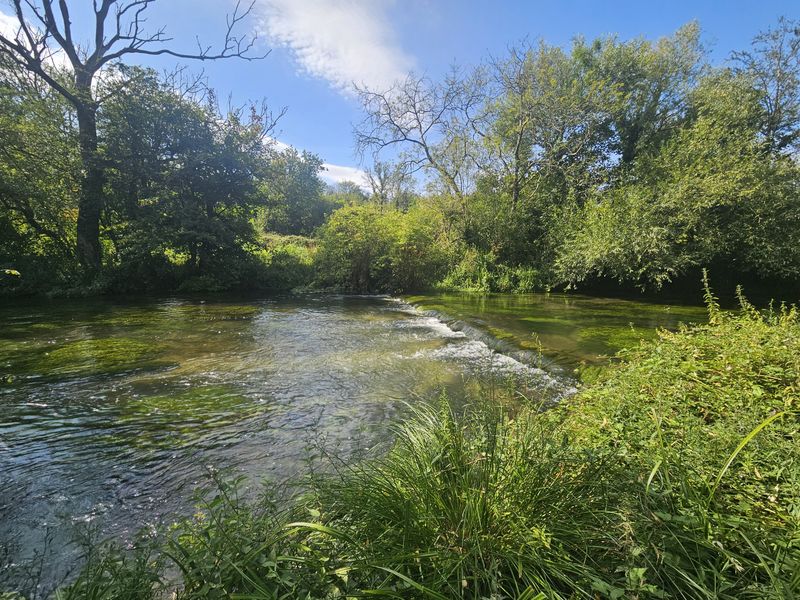
A chalk stream starts as rain falling on chalk hills. The chalk filters it slowly underground before it emerges as a spring, which is why the water runs clear and stays close to the same temperature all year, cool in summer and mild in winter. That stability is unusual: most rivers rise and fall with the weather, but a chalk stream barely reacts to a single rainy or dry week.
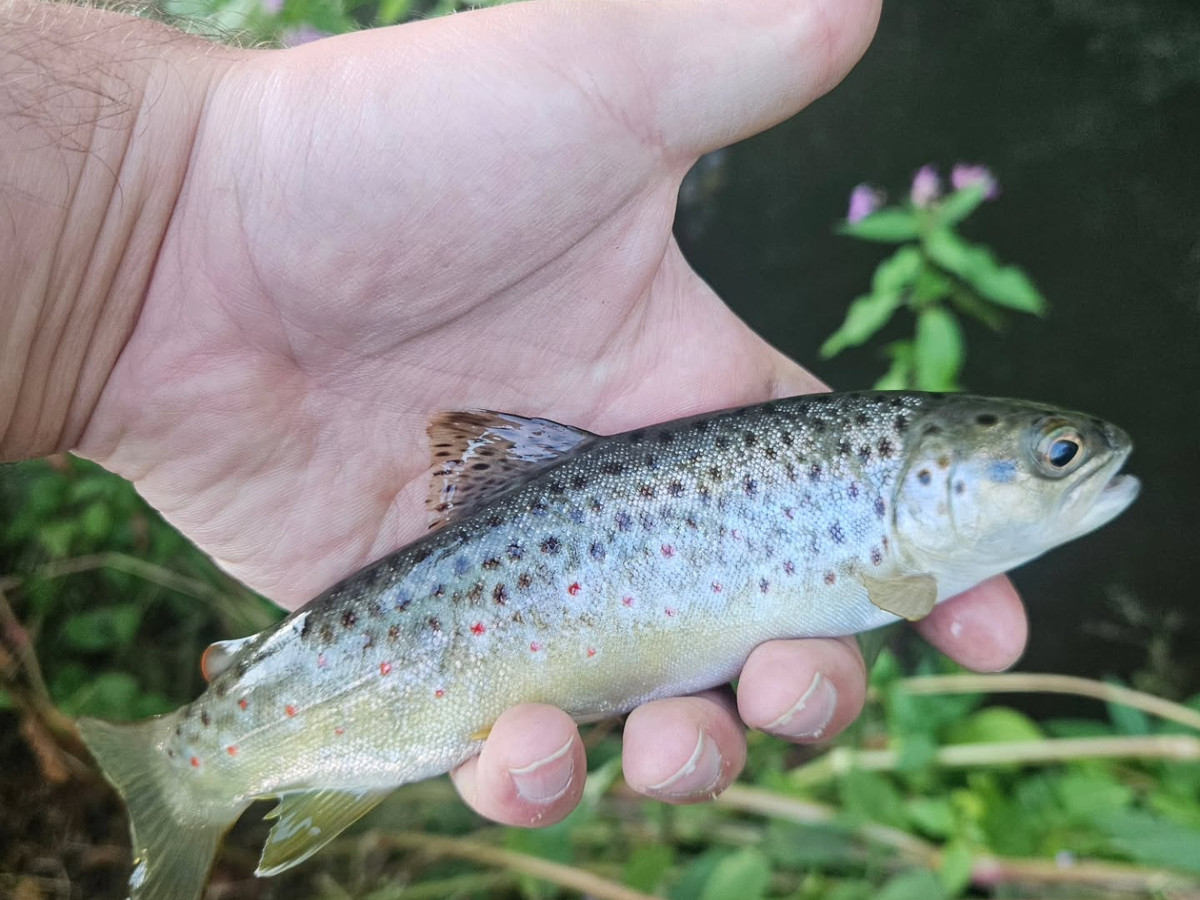
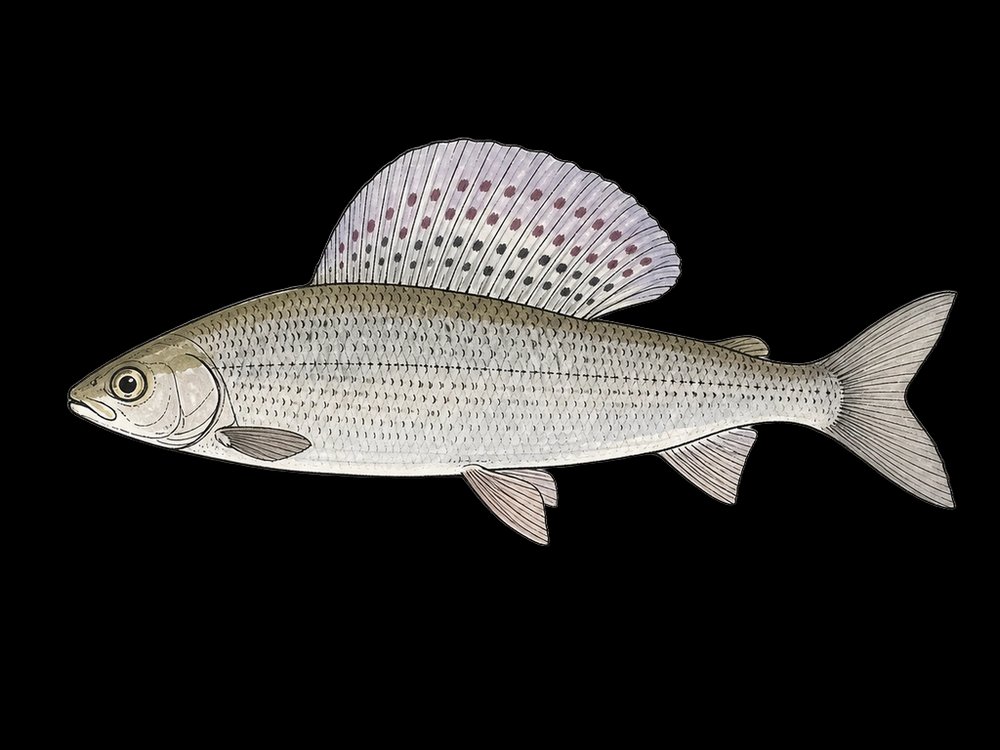
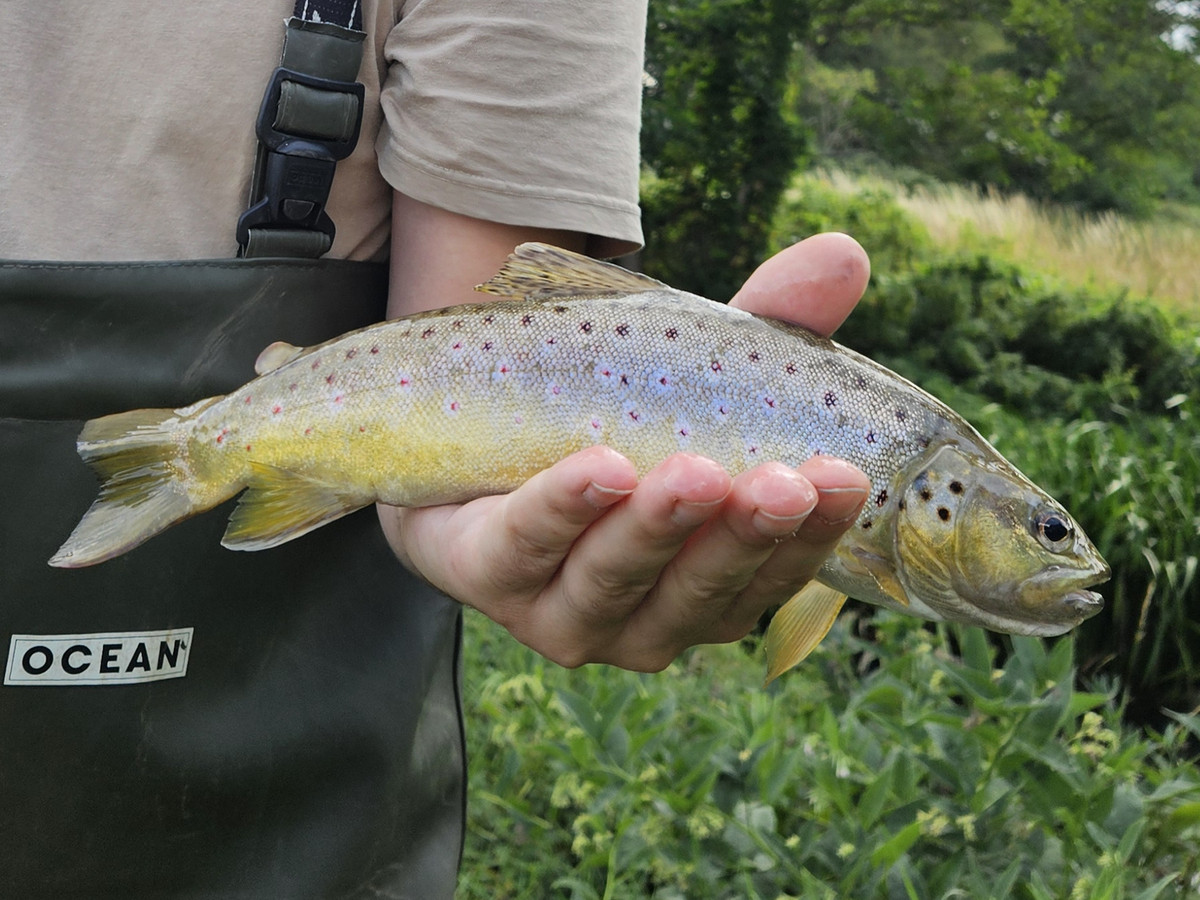
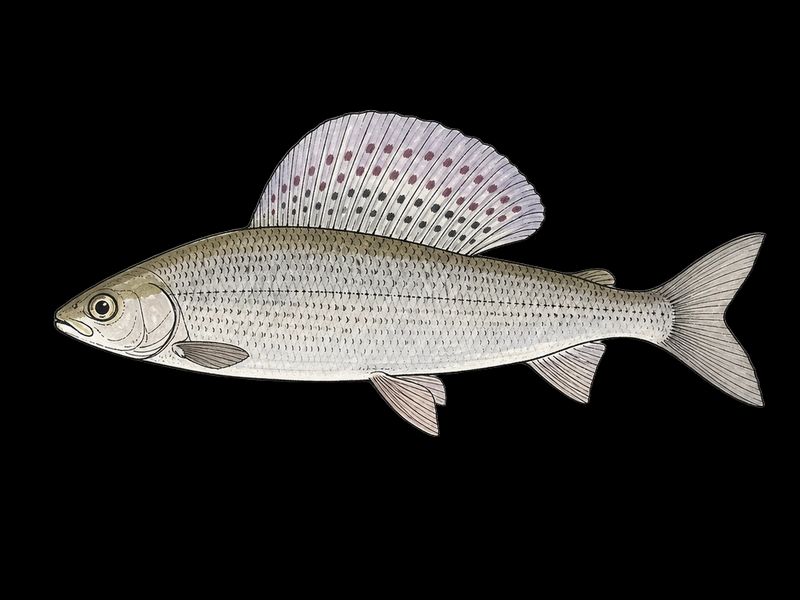
The steady flow and temperature let weed grow thick through the summer, and the weed holds an unusually rich head of insect life, which is what draws wild brown trout and grayling and makes dry-fly fishing so productive on rivers like the Test and the Itchen.
Chalk streams are rare. England has around 85 per cent of the world’s chalk streams, just over 280 of them by the count in the national Chalk Stream Strategy, with a few more across the Channel in Normandy.
Where England’s chalk streams are
We list 28 chalk streams across 10 counties. Hampshire has the most, with the Test, the Itchen and tributaries such as the Anton, Dever and Dun. Wiltshire holds the upper Hampshire Avon and its feeders, the Wylye, Nadder, Bourne and Ebble, and the top of the Kennet. In Berkshire the Kennet, with the Lambourn feeding it, runs down to the Thames at Reading, and Dorset has the Frome, the Piddle, the Allen and the Cerne.
Further from that heartland there are smaller chalk streams in Hertfordshire, Kent, Norfolk, Lincolnshire and Buckinghamshire, and Driffield Beck in Yorkshire, the most northerly we list.
When to fish a chalk stream
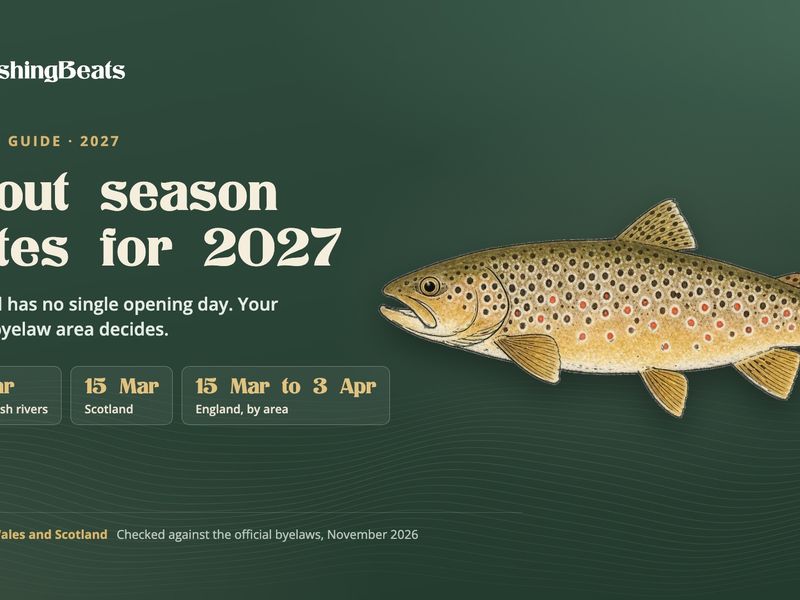
The trout season depends on the river, because the Environment Agency sets it area by area. On the Test and Itchen it runs from 3 April to 31 October, and on the Kennet and the other Thames rivers from 1 April to 30 September. Each beat page gives the dates for that water, and our trout season dates guide has the rest.
The mayfly hatch, usually from late May into early June, brings the biggest dry-fly fishing of the year and the most booked weeks. Once the trout season closes, many of these rivers stay open for grayling through the winter, often for much less than a summer day: see grayling day tickets.
How a chalk stream day is sold
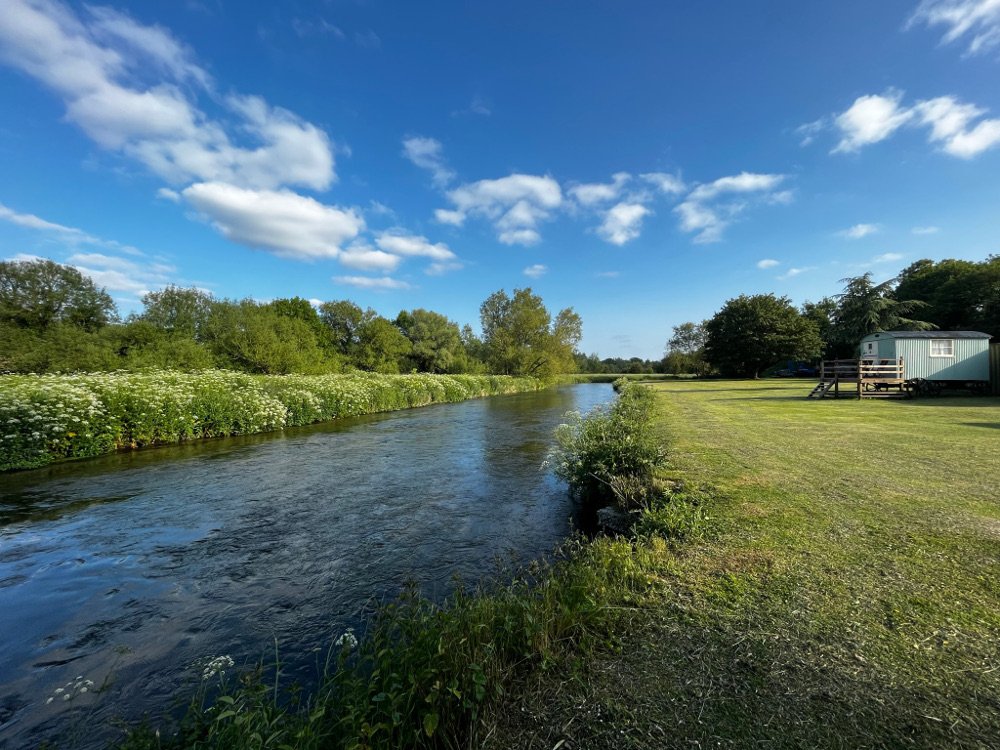
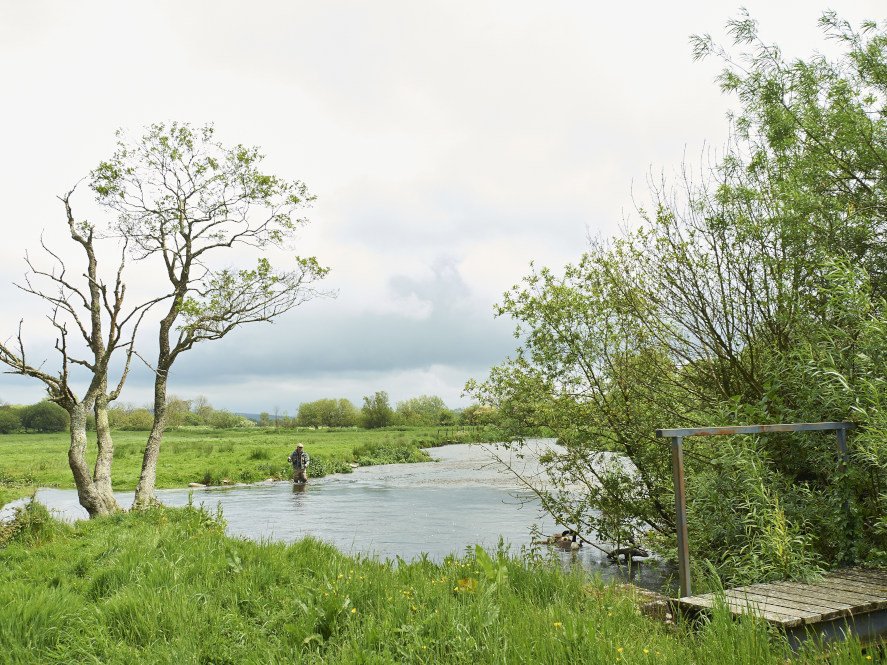
A beat is a stretch of bank let to a set number of rods, usually by the day. Of the 222 chalk stream beats we list, 174 sell day tickets, and the rest go through clubs, syndicates or a guide. Estates, clubs and booking agents sell them, and each listing says who to book with.
84 of those beats are unstocked, wild-fish water, and 70 are catch and release. A typical day runs from about £60 on the Frome to £260 on the Test, and the river pages break that down month by month.
Beats set their own rules, from dry fly only to upstream nymph, so read them on the listing before you go. How to fish a chalk stream covers the method.