Rainbow Trout

Rainbow Trout fishing

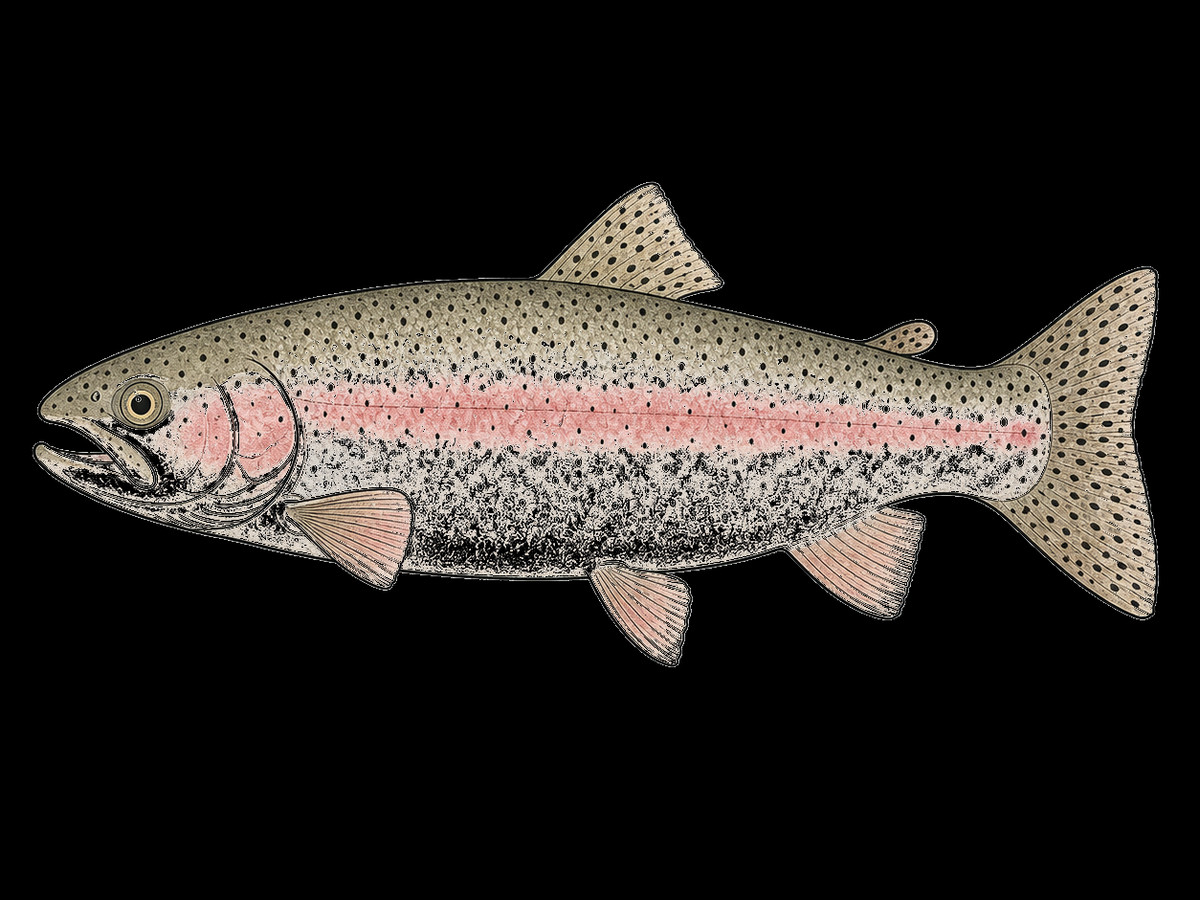
Introduced species, often stocked. More aggressive feeders than browns.

Rivers with rainbow trout

7 rivers

Rivers known for rainbow trout, with beats and day tickets on each.
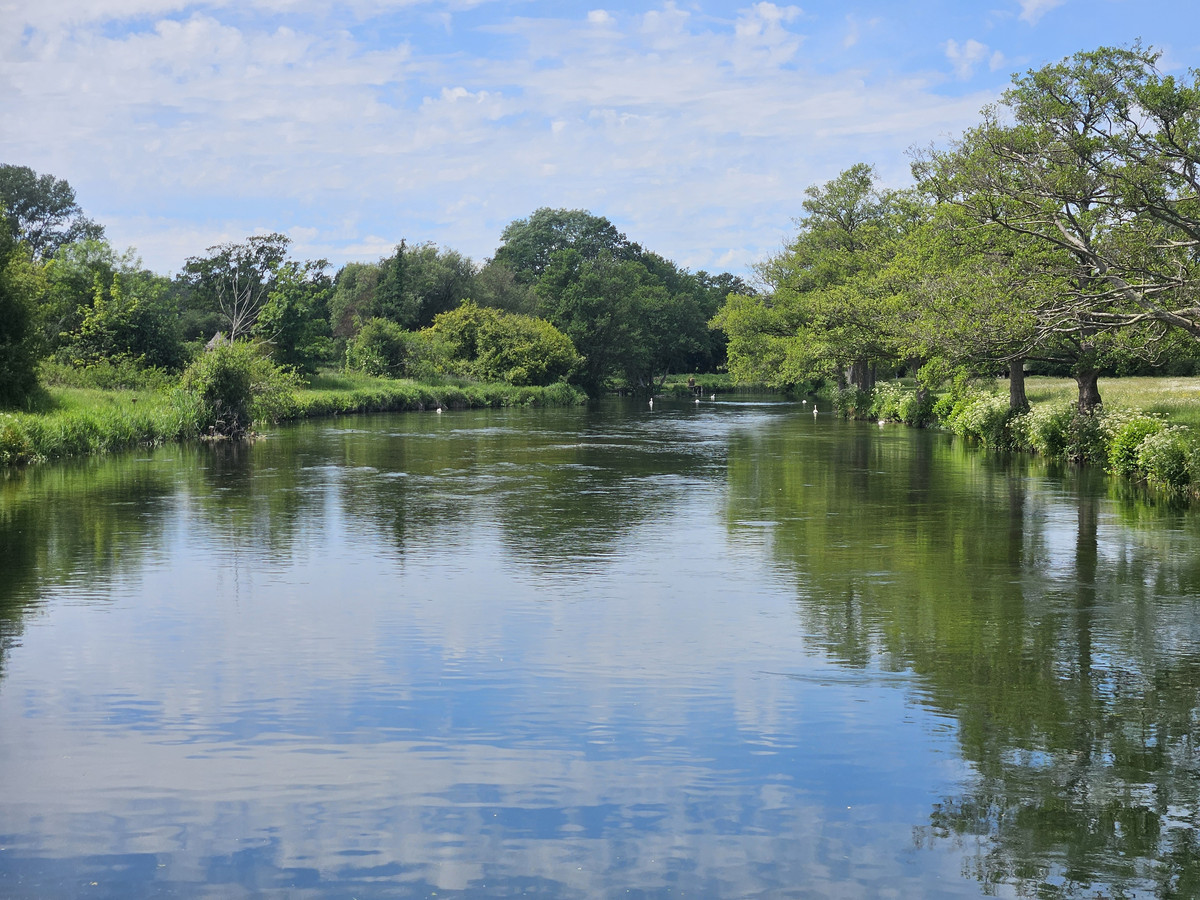
River Test
67 beats →
12 fisheries

Hampshire

River Test

Rising at Ashe, near Overton, the River Test runs for 40 miles through Hampshire, flowing south through Whitchurch, Longparish, and Wherwell before the Rivers Dever and Anton join the main channel near Chilbolton. For much of its length the Test is not one river but an amalgam of main channel, mill leats, carriers, and side streams, with two, three, or even four streams running parallel, all fishable, and it can be difficult to distinguish carrier from main river. The valley broadens through Stockbridge and Houghton before the Wallop Brook and River Dun add their flow near Kimbridge and Romsey, with the Test finally becoming a single channel only south of Romsey, a few miles from the sea. The river is one of only 12 chalk streams classified as a Site of Special Scientific Interest and one of only six that supports Atlantic salmon. It is recognised as being particularly sensitive to phosphate pollution, and conservation work by riparian owners, river keepers, and the Test and Itchen Association remains central to maintaining its ecology. It was on the banks of the River Test that Frederick Halford honed his ground-breaking ideas that effectively invented modern dry fly fishing in the late 1800s. That tradition still defines how most beats are fished: upstream dry fly and nymph, presented to visible, rising fish. The river supports over half a dozen species of stonefly, twenty-two species of mayfly, and nearly forty species of caddis fly, with grannom and hawthorn fly opening the season in spring and the mayfly hatch in late May drawing anglers from across the country. Wild brown trout are the primary quarry through the trout season, with all present across the valley. The river holds good populations of wild brown trout and grayling alongside stocked fish, and the salmon beats carry genuine holding pools. Grayling provide sport on dry fly and nymph into winter once the trout season closes. With 67 beats across 12 fisheries listed on FishingBeats, access to the River Test is broader than its private reputation might suggest. Kimbridge Estate offers seven miles of fishable bank managed to maintain a purist upstream dry fly fishery, while the Broadlands Estate extends for two and a half miles divided into dedicated trout beats and salmon beats. The Leckford Estate on the middle Test, north of Stockbridge, has 16 fishing beats open to anglers from May to October. Day tickets, season rods, and syndicate shares are all available across the valley.

40 miles chalk stream
River Itchen
13 beats →
3 fisheries

Hampshire

River Itchen

A Hampshire chalk stream rising from springs near New Cheriton, the River Itchen runs 28 miles through the Hampshire Downs, collecting the River Alre and Candover Brook just west of Alresford before turning west through the villages of Itchen Abbas, Itchen Stoke, Martyr Worthy and Easton, entering Winchester across Winnall Moors and continuing south through water meadows to its tidal mouth at Southampton Water. Fed entirely by the chalk aquifer, the river carries naturally hard, alkaline water at a near-constant temperature with a stable base flow, giving it the physical uniformity that distinguishes it from most other river types. It holds designations as both a Site of Special Scientific Interest and a Special Area of Conservation, and phosphorus concentrations in parts of the catchment exceed conservation targets; the Environment Agency has tightened discharge permit limits specifically because of the SAC status, and riparian owners and conservation bodies continue active monitoring and restoration work. The River Itchen carries , with wild brown trout the primary quarry above Winchester and Atlantic salmon and sea trout present in the lower reaches. Hatches of blue-winged olive and sedge are reliable throughout the season, and mayfly appears, though generally lighter than on the Test or Avon. Most beats are fished upstream on the dry fly to rising fish, a method codified on this very water by F. M. Halford and G. S. Marryat in the nineteenth century; G. E. M. Skues later fished Abbotts Barton for decades and developed nymph technique here as a counterpoint to the dry fly doctrine. Where beat rules permit, nymphing remains effective. Grayling offer sport through the winter months. Above Winchester the river is managed predominantly by clubs and syndicates, with day rods only occasionally available. Below Winchester a mixture of private estates and syndicate waters continues to Southampton. FishingBeats currently lists 13 beats across 3 fisheries on the River Itchen.

28 miles chalk stream
River Kennet
12 beats →
2 fisheries

Berkshire · Wiltshire

River Kennet

Rising from Swallowhead Springs near Silbury Hill in Wiltshire, the River Kennet is a chalk stream of 45 miles, flowing east through Marlborough and into Berkshire at Hungerford, where the Kennet and Avon Canal joins its course, then on through Newbury, where the River Lambourn enters, and east to Reading, where it meets the Thames. In summer it contributes up to half the Thames's flow at that point. Though it is only 22 miles from source to Newbury, 18th-century water engineers created more than 80 miles of fishable water through a maze of carriers. The upper reaches have classic chalk stream characteristics and the river has been famous for trout fishing since the late nineteenth century. The River Kennet holds and fishes primarily on upstream dry fly, with nymph permitted on some beats. Olive hatches in spring combine with grannom and hawthorn before the mayfly arrives, which is followed by excellent evening fishing through summer as caddis flies gather. The mayfly arrives comparatively late relative to other southern chalk streams, with the best sport often found in the first weeks of June. In winter the river runs exceptionally clear, offering some of the finest sight-fishing for grayling available on any English chalk stream. The river carries notable angling history: Halford held a lease on a considerable length of water in the late 1800s, and John Waller Hills wrote regularly about the native Kennet brown trout, known as the "greenback", now a much sought-after rarity. The Eastridge Estate's stretch on the Berkshire and Wiltshire border won the Wild Trout Trust's 2014 Conservation Award for its habitat improvement work. Anglers should be aware that the Angling Trust and Action for the River Kennet (ARK) have raised significant concerns regarding ongoing sewage pollution in the Kennet catchment, overseen by Thames Water. FishingBeats lists 12 beats across the River Kennet, spread across 2 fisheries. Notable stretches include Barton Court near Kintbury, which offers over three miles of main river, carriers, and side streams across classic Berkshire water meadows, and the Benham Estate on the lower river.

45 miles chalk stream
Hampshire Avon
7 beats →
2 fisheries

Wiltshire

Hampshire Avon

Formed by two headwaters rising in the Vale of Pewsey, the Hampshire Avon merges near Upavon and flows south for 60 miles across Salisbury Plain, passing through Durrington, Amesbury and Salisbury before crossing into Hampshire and running through Fordingbridge and Ringwood to empty into Christchurch Harbour. The East Avon rises from chalk while the West Avon rises in greensand, meaning the river is not a true chalk stream in the strictest sense. Persistent heavy rain early in the season can leave it briefly coloured, though from summer through to the end of the season water clarity is comparable to many chalk streams. The catchment is one of the most biodiverse in the UK, with over 180 species of aquatic plants and 37 species of fish recorded. The river system is designated as an SSSI along approximately 205 kilometres of its course, and holds Special Area of Conservation status, protecting its Ranunculus-dominated weed beds and gravelly spawning grounds. WildFish, in partnership with Wiltshire Fishery Association, has published SmartRivers monitoring findings from ten years of invertebrate surveys on the Avon, with data from 2015 to 2024 showing significant declines in freshwater invertebrate communities — a picture that underlines why active conservation effort on this river matters. The trout season opens on 1 April in time for hatches of grannom and large dark olives, running through to 15 October. The river also has a hatch of mayfly (Green Drake) that runs throughout the season, though mayfly hatches are generally lighter than on the Test system. From October onward, grayling become the primary target through the winter months. The upper river and its chalk-fed tributaries, the Wylye and Nadder, are fished with upstream dry fly and nymph for wild brown trout and . Downstream of Salisbury the river transitions to a largely coarse fishery, and from below Fordingbridge there are a number of salmon fisheries before the river reaches the sea at Christchurch. The Netheravon stretch carries particular angling history: Oliver Kite devised the Kite's Imperial here to represent the large dark olive, while Frank Sawyer, inventor of the Pheasant Tail Nymph, served as head keeper for the Services Dry Fly Fishing Association from 1928 until his death in 1980. FishingBeats currently lists 7 beats

60 miles chalk stream
River Nadder
8 beats →
1 fishery

Wiltshire

River Nadder

Rising from greensand springs at Donhead St Mary near the Dorset border, the River Nadder runs approximately 20 miles east through Wiltshire before joining the Hampshire Avon at Salisbury. It is quickly joined by the River Sem at Wardour, west of Tisbury, then flows east through Tisbury and on to Barford St Martin and Burcombe before reaching Wilton, where it meanders through pastoral sheep meadows and old country estates, including Wilton House, passing beneath the Palladian Bridge in its gardens before being joined by the River Wylye just outside the park walls. It is classed as a mixed-geology chalk stream: it flows over chalk through its main fishing reaches but springs to life in sands and clay, which means it can carry a slight tinge of colour and may take longer to fine down after heavy rain than neighbouring rivers. The season opens well, with strong hatches of large dark olives and grannom, the latter driving trout into a feeding frenzy and offering a spectacular early-season opportunity. The main event is the mayfly, which can be spectacularly good even after heavy rain and poor visibility. Mayfly hatches in the area are famed for their prolonged appearance, often starting at roughly the same time as the River Test but continuing well into June, with some hatches witnessed as late as September. Through summer, long evenings bring reliable hatches of olives and sedges that keep brown trout rising well into darkness. The primary method is dry fly and nymph for , with some beats permitting wading, which allows bankside vegetation to develop, providing habitat for fly life and supporting a healthier ecosystem. It was to the Nadder that the elderly G.E.M. Skues retired after he left the Abbotts Barton fishery on the Itchen in 1939, and he writes of the Iron Lattice Bridge near Wilton, where he would examine the flies caught in the cobwebs between the lattices. The river carries 8 beats and 1 fishery on FishingBeats.

20 miles chalk stream
River Dever
6 beats →

Hampshire

River Dever

A compact Hampshire chalk stream, the River Dever rises at West Stratton near Micheldever and runs westward for 11 miles through Micheldever, Sutton Scotney, and the hamlets of Weston Colley and Wonston before skirting Barton Stacey and passing through Bransbury, where it meets the River Test on Bransbury Common at Wherwell. Fed directly by chalk aquifers, it carries the characteristic clarity and steady temperature of a true groundwater stream, narrow and intimate throughout its length. The lower river flows through Bransbury Common, a Site of Special Scientific Interest encompassing the Common itself and disused water meadows, where peat-over-gravel soils support a rich mix of meadow grassland, sedge communities, and chalk stream flora. The River Dever has a documented connection to F. M. Halford, the Victorian dry fly theorist whose work on the nearby Test shaped the conventions of upstream dry fly fishing still followed on these rivers today. The fishing is built around clear-water sight fishing to , with fish visible over beds of starwort and ranunculus, tipping up to intercept surface food. Upstream dry fly and nymph are the expected methods. The river carries good hatches of upwinged flies through the season, and grannom have been reported in recent years. Grayling fishing runs from 1 November to 28 February, and the Dever is well regarded for winter sight fishing on day rods or guided trips. Flow levels are worth checking before booking in a dry summer, as the river has been affected by abstraction from the chalk aquifer more noticeably than some neighbouring streams. There are currently 6 beats listed on the River Dever, spread across 0 fisheries. The Newton Stacey Estate holds some of the most notable water, where the Dever and Test meet in a Y-shaped confluence with the Dever forming the eastern arm.

11 miles chalk stream
River Wye (Buckinghamshire)
1 beat →

Buckinghamshire

River Wye (Buckinghamshire)

A compact chalk stream in Buckinghamshire, the River Wye (Buckinghamshire) rises from springs in the Chiltern Hills above West Wycombe and runs for 9 miles through High Wycombe, Loudwater and Wooburn Green before joining the River Thames at Bourne End. Fed by winter rain that fills the aquifers beneath the Chilterns, the river emerges as a true chalk stream, carrying the stable temperatures and exceptional clarity that define the type. The valley carries a remarkable industrial past: the Domesday Book records eighteen mills in the nine miles between West Wycombe and the Thames, and by 1816 there were 32 paper mills along the river, some of which also milled corn. Much of the town-centre section through High Wycombe remains culverted today. The trout season runs from 1 April to 30 September, and fish take nymphs, buzzers, spiders and damselflies well. Dry fly can work on parts of the river, but the current is generally too slow for traditional presentation and there is no mayfly hatch. The water is gin clear, which makes the fishing extremely exciting: anglers can spot and stalk individual fish and watch them take the fly, though they spook very easily. The river holds abundant snail and freshwater shrimp, and brown trout average around 2 lb with larger fish recorded. Fishing is fly only, mostly from the bank with no need to wade. The primary species is . The most significant stretch runs through West Wycombe Park, where the river was incorporated into the 18th-century landscaping of the estate; the house and grounds are owned by the National Trust. All fish on the estate water are returned under a catch-and-release policy. Away from the upper beats, the Revive the Wye partnership, formed in 2007, coordinates active restoration work along the river, with Environment Agency tests confirming that conservation projects have had significant ecological benefit. Currently 1 beat is listed on FishingBeats, making this one of the more intimate and hard-to-access small-stream destinations within easy reach of London.

9 miles chalk stream

Beats with day tickets

53 beats

Day-ticket and permit access on beats holding rainbow trout. Each listing includes pricing, species, and booking details.
Benham Estate
From £212
Verified

River Kennet

Benham Estate

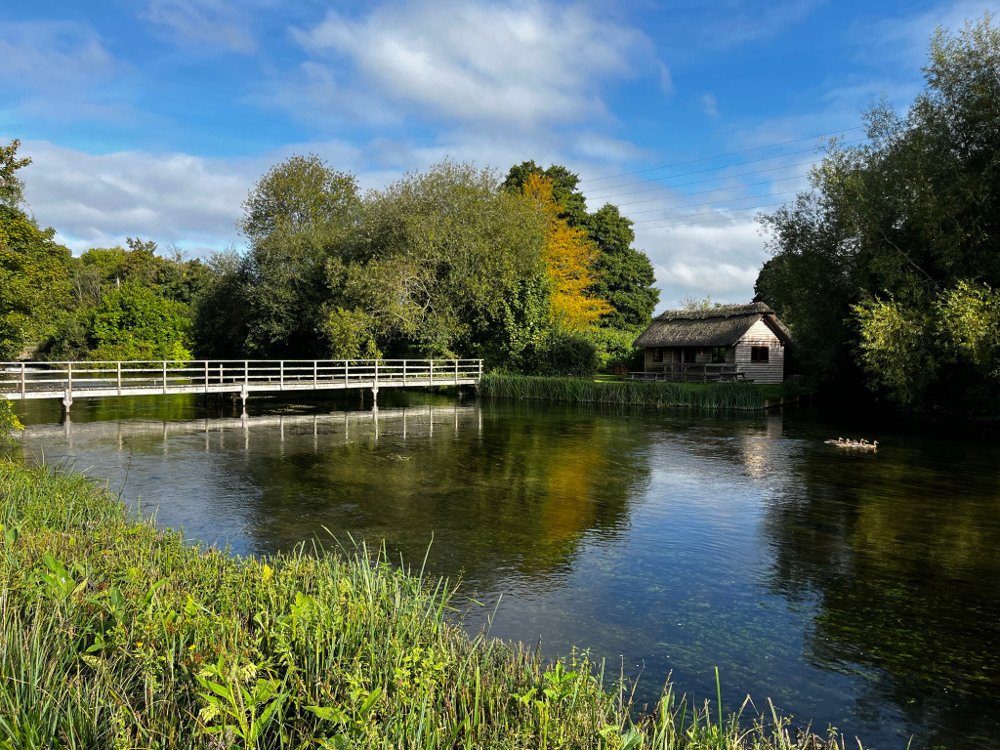
At 3.5 miles, the Benham Estate is one of the most extensive private chalk stream fisheries in Berkshire, sitting on the River Kennet near Kintbury. The estate encompasses two fisheries — the Park and the Wilderness — each with its own full-time river keeper, run independently despite being under the same ownership. Between Hungerford and Kintbury, the river offers a range of wider open sections and wilder narrow sections, providing genuine variety across the day. The main river is criss-crossed by carriers and side streams, and the river flows crystal clear for almost the whole season, making it a true sight-fishery where you can target specific fish. A river restoration scheme was implemented on this reach, including narrowing the Kennet, restoring a side drain with added gravel, and creating fish spawning habitat. The beat is fly only, bank fishing throughout, and rated for experienced anglers. There is an excellent head of wild fish supplemented by brown trout stocking only. The season runs 30 April to 29 September, accepting one to four rods, with brown trout and grayling the primary quarry. Olive hatches in spring combine with grannom and hawthorn to keep fish looking up from the outset, and the river below Hungerford near Kintbury usually experiences massive hatches of mayfly. The mayfly hatch arrives comparatively late compared to other rivers, with the best sport often found in the first few weeks of June. Excellent evening fishing follows through summer as caddis gather and adult olives return to lay eggs, and September can be a rewarding month for stalking wary risers — though with water levels often low, a stealthy approach is required. The Park can on occasion suffer poor visibility due to algal blooms or murky water entering from the Kennet and Avon Canal, which joins the river just upstream — worth factoring into your timing. A 9 ft rod with a 4–5wt floating line and tippet to 6x suits most situations on the main river; drop lighter for the carriers. Keeper Gary Allen has been on the river for 30-plus years and is available on site. A traditional fishing hut adjacent to a former Victorian bathing pool is provided for rods, with toilets and parking immediately adjacent. Day rod prices run from £212 in late season to £347 during mayfly.

main river 3.5 miles +3
Old Station Beat
From £180
Verified

River Test

Old Station Beat

Old Station Beat is a restored 450-metre length of main River Test on Bossington Estate, situated immediately below the hallowed Houghton Club water near the village of Houghton in Hampshire. Following an ambitious habitat restoration programme carried out in collaboration with the Environment Agency, the beat was transformed from an over-wide, over-deep channel into a free-flowing chalk stream, and today offers a varied mix of runs, riffles and pools on a single bank. Up to twelve rods can fish the beat across the season, which runs from mid-April to mid-October. The beat is at its best during the Mayfly and offers a plentiful mix of stocked and wild fish throughout the season. Stocked brown trout run from two pounds upwards, with wild trout and the occasional grayling also present. In April, look for Large Dark Olive, Grannom Caddis and Hawthorn on the surface; May brings the first Mayfly hatch of the year alongside other upwings and terrestrials, while June sees Blue-Winged Olive and Medium Olives come through. Dry fly and nymph are the primary methods, and the beat is rated suitable for beginners — a good choice for an angler new to chalk stream fishing who wants to learn the basics of presentation and reading water on the Test. All fishing is catch and release. GAIA- and AAPGAI-qualified instructors are available for one-to-one or group tuition covering fly-fishing fieldcraft and casting, and guided days can also be arranged to accompany you on the river, particularly useful for a novice angler. A good supply of high-quality tackle, clothing, sunglasses and flies is available to hire on the day. Catering runs from picnic hampers supplied by a local deli through to full corporate lunches, with options available through the Estate office. Day rod prices are £328 across all periods of the season.

main river 0.27 miles +3
School Farm
From £308
Verified

River Test

School Farm

School Farm offers just under half a mile of single-bank fly fishing on a tributary of the River Test in Hampshire — the intimate, carrier-style water that characterises so much of the Test valley, where the river exists as an amalgam of main channel, tributaries, carriers, and side streams. The stream runs clear and steady year-round, as chalk streams fed primarily by aquifers show less seasonal variation in flow rate and temperature than other rivers, giving consistent conditions from the April opening through to the 4 October close. Brown and rainbow trout are both present and the beat is heavily stocked, making it a sound choice for less experienced fly fishers getting to grips with chalk stream technique. Dry fly and nymph are both permitted, and there is plenty of opportunity for each across the season. In April, expect Large Dark Olive, Grannom Caddis, and Hawthorn on the water. May brings the first mayfly hatch of the year alongside other up-wings and terrestrials, while June sees Blue-Winged Olive and Medium Olives coming through. The mayfly window — priced at £559 per rod — is the most sought-after period on any Test water. On bright summer days, nymph fishing comes into its own when nothing is visibly rising. Early season rods are available from £308 and summer days from £388. The beat accommodates two to three rods, keeping the water uncrowded. A fishing cabin, WC, and car parking are all on site, so a full day's fishing needs no additional logistics. A 9-ft rod for a 4- or 5-weight line suits the intimate scale of tributary water well. A valid EA rod licence is required before fishing.

tributary 0.44 miles +3
Compton Chamberlayne Beat 1
From £210
Verified

River Nadder

Compton Chamberlayne Beat 1

Beat 1 at Compton Chamberlayne covers around 0.38 miles of the River Nadder near Dinton in Wiltshire, just west of Salisbury. It is the most open of all the beats on the fishery, with the downstream section running through the water meadows and the top section more shaded with trees and a deep pool. The Nadder is deeply incised in the ground, with a series of serpentine bends slowing its flow and creating sequences of riffles through to deep pools. It is classified as a mixed-geology chalk stream — flowing over chalk where the main fishing takes place, but rising in sands and clay, which means it can carry a slight tinge of colour and may cloud more noticeably after heavy rain. Brown and rainbow trout are the target species, with the beat heavily stocked throughout the season, which runs from 18 April to 3 October. Fly fishing only, with upstream dry fly the method from the season opener. From 1 July, upstream nymph up to size 12 may also be used. The Nadder fishes well from the off, with strong early-season hatches of large dark olives and grannom — the latter in particular can drive trout into a feeding frenzy and make for a memorable season opener. The main event is the mayfly, which can be spectacularly good even after heavy rain and poor visibility. Through summer, long evenings bring hatches of olives and sedges that keep brown trout rising well into the dusk. The beat is rated as adventurer difficulty — the open water meadow character of the lower section suits a range of abilities, but the deeper, tree-lined upper pool demands more considered presentation. Up to six rods can fish the beat in a day. Wading is permitted but generally not necessary. A fishing hut is on site for shelter and kit storage. Catch returns should be delivered to the river keeper at the end of the day. A current Environment Agency rod licence is required.

main river 0.38 miles +3
Compton Chamberlayne Beat 2
From £210
Verified

River Nadder

Compton Chamberlayne Beat 2

Just under 0.4 miles of single-bank dry fly and nymph water on the River Nadder at Compton Chamberlayne, in the Nadder Valley of Wiltshire. The river here is deeply incised, with a series of serpentine bends that slow the flow and create sequences of riffles leading into genuinely deep pools — the kind of varied chalk stream character that rewards careful reading of the water. The Nadder is classed as a mixed-geology chalk stream, flowing over chalk where the main fishing takes place but rising in greensand, which means it can carry a slight tinge of colour and may colour more noticeably after heavy rainfall — worth bearing in mind when planning a visit. Beat 2 holds both brown and rainbow trout and is heavily stocked, giving good numbers of fish throughout the season from 18 April to 3 October. Up to six rods can fish simultaneously, making it well suited to groups. Fly fishing only, with dry fly and nymph permitted. The Nadder starts the season well with good hatches of grannom; the main event is the mayfly, which can be spectacularly good even in poor visibility conditions; and later in the season, early morning and evening sedges offer the best chance of sport. The beat is rated as adventurer difficulty, banks are mown but not overly manicured, and the river is fairly narrow in places with contrasting deeps and shallows, so expect some bankside vegetation to negotiate and tight casting angles in places. The water is generally clear enough to spot fish, making sight fishing a real option when conditions allow. A fishing hut on the beat provides a base for the day. A 9-foot rod for a 4- or 5-weight line covers most situations here; fine tippets and accurate presentation matter on this water.

main river 0.38 miles +3
Compton Chamberlayne Beat 3
From £210
Verified

River Nadder

Compton Chamberlayne Beat 3

The River Nadder is the most substantial of the Avon's tributaries, rising at Donhead St Mary and winding through the Wiltshire countryside before reaching the Compton Chamberlayne estate. Beat 3 covers just under 0.4 miles of single-bank main river on this mixed-geology chalk stream — deeply incised, with a series of serpentine bends that slow the flow and create sequences of riffles leading into genuinely deep pools. Classed as a mixed-geology chalk stream, it flows over chalk where the main fishing action takes place but springs to life in the sands and clay beyond, meaning the water carries a faint tinge of colour compared to the Test or Itchen — but it is generally clear enough to spot the fish at which you are casting. Brown and rainbow trout are present throughout the season, which runs from 18 April to 3 October, with up to six rods on the water. Stocking is heavy, so fish are reliably available, but the beat's character rewards patience and observation rather than blind searching. Fly-only rules apply, with dry fly from the off and nymphing permitted later in the season. The Nadder starts the season well with good hatches of grannom; the main event is always the mayfly, which can be spectacularly good even in poor visibility; and later in the season early morning and evening sedges give the best chance of good sport. The river has a healthy and diverse population of invertebrates with fly hatches throughout the season. A 9-ft to 10-ft rod for a 4- or 5-weight line suits the water well. A fishing hut on the beat provides shelter and a base for the day.

main river 0.38 miles +3
Compton Chamberlayne Beat 4
From £210
Verified

River Nadder

Compton Chamberlayne Beat 4

Around 0.38 miles of single-bank dry fly and nymph water on the River Nadder, Beat 4 at Compton Chamberlayne sits within a well-kept Wiltshire estate just west of Salisbury. The beat opens at a mill pool before the river straightens out upstream, meandering less than any of the other beats on the fishery. The Nadder runs deeply incised through the valley, with serpentine bends creating sequences of riffles and deep pools — varied enough to hold fish throughout the season. It is a mixed-geology chalk stream, flowing over chalk where the main fishing takes place but rising in sands and clay further upstream. As a result it carries a slight tinge of opaqueness and can colour more noticeably after heavy rainfall — worth bearing in mind when planning a visit. The beat holds both brown and rainbow trout and is heavily stocked. Although there are plenty of wild fish, the river is stocked with high-quality brown trout. The season runs 18 April to 3 October. Early in the season expect good hatches of large dark olives and grannom, while the mayfly is the main event and can be spectacularly good even in poor visibility conditions; later in the season, early morning and evening sedges give the best chance of sport. The beat is rated as adventurer difficulty — expect bankside vegetation that demands accurate casting. Upstream dry fly only applies until 1 July, after which upstream nymph on a maximum size 12 hook is permitted. Up to six rods can fish the beat, making it well suited to a small group day. Each beat has a small fishing hut equipped with table and chairs. A brace limit of two fish per rod per day applies, with a minimum size of 12 inches. A current Environment Agency rod licence is required.

main river 0.38 miles +3
Compton Chamberlayne Beat 5
From £210
Verified

River Nadder

Compton Chamberlayne Beat 5

The River Nadder is the most substantial of the Avon's tributaries, rising at Donhead St Mary and winding through the Wiltshire countryside before reaching the Compton Chamberlayne estate. Beat 5 covers just under 0.4 miles of single-bank chalk stream water in this quiet stretch of the valley. The river is deeply incised, with a series of serpentine bends that slow the flow and create sequences of riffles leading into deep pools — and Beat 5 features more of those deep, tree-shaded pools than the beats immediately below it, making for varied and often demanding presentation. The Nadder is classified as a mixed-geology chalk stream, flowing over chalk where the main fishing takes place but rising in greensand and clay, so expect water that is clear but carries a faint tinge — and can colour after heavy rain. Brown and rainbow trout are both present, heavily stocked across a season running from 18 April to 3 October. The beat is rated as adventurer-level difficulty: the river is fairly narrow in places with contrasting deeps and shallows, and the tree cover that shades the pools demands accurate, often tight casting. Dry fly is the primary method, with nymphing also permitted. The season opens well with good grannom hatches, the mayfly is the main event and can fish spectacularly even in poor visibility, and later in the season early morning and evening sedges offer the best chance of consistent sport. Up to six rods can fish the beat simultaneously. Each beat has a small hut equipped with table and chairs, giving anglers a practical base for the day. Fly fishing only throughout; a 9-foot 4- or 5-weight is the natural choice for this width of water.

main river 0.38 miles +3
Compton Chamberlayne Beat 6
From £210
Verified

River Nadder

Compton Chamberlayne Beat 6

Beat 6 on the Compton Chamberlayne fishery sits on a deeply incised stretch of the River Nadder in Wiltshire, where serpentine bends slow the current and create sequences of riffles leading into mysteriously deep pools. The beat covers just under 0.4 miles of single-bank main river, and it is the most varied beat on the fishery — steep banks and generous tree cover make for a characterful day's fishing, though it is best avoided by anyone with mobility difficulties. The Nadder is a mixed-geology chalk stream: it flows over chalk through the main fishing reaches but rises in greensand, which gives it a slight opaqueness compared to a pure chalk stream and means it can colour after heavy rain. The beat holds both brown and rainbow trout and is heavily stocked, giving consistent sport throughout a season that runs from 18 April to 3 October. Fishing is fly only — dry fly and nymph — and the water rewards an attentive approach. The Nadder starts the season well with good hatches of grannom, and the main event is the mayfly, which can be spectacularly good even after heavy rain and poor visibility. Later in the season, early morning and evening sedge hatches give the best chance of good sport. The river is generally clear enough to spot fish at which you are casting, making sight fishing a realistic tactic on calmer days. The beat is rated for adventurer-level anglers — the combination of steep banks, overhanging trees, and tight casting angles means it suits those comfortable working in confined, technical conditions. Up to six rods can fish the beat on any given day. A fishing hut equipped with table and chairs is provided on the beat. A 9-foot, 4- or 5-weight rod covers most situations; carry a selection of grannom and mayfly dries for spring, with CDC olives, elk-hair sedges, and a few nymph patterns for the summer months.

main river 0.38 miles +3
Compton Chamberlayne Beat 7
From £210
Verified

River Nadder

Compton Chamberlayne Beat 7

main river 0.38 miles +3
Avon Springs
From £71
Verified

Hampshire Avon

Avon Springs

Avon Springs sits beside the Hampshire Avon near Salisbury in Wiltshire, offering a mile of upper chalk stream river fishing on one of southern England's most characterful game rivers. The Hampshire Avon is fed by two headwater streams rising in the Vale of Pewsey — the East Avon from chalk and the West Avon from greensand — which means it sits slightly outside the strictest definition of a chalk stream, but persistent colour from early-season rain clears quickly, and from summer through to season's end the water clarity is comparable to many true chalk streams. The beat accommodates up to four rods and carries a high proportion of wild fish, alongside fish reared on site that are the progeny of the original Avon native strain. The target species are brown trout, rainbow trout, and grayling, with grayling running to 3 lb. Hatches are a genuine draw: early season brings grannom and large dark olives, while the mayfly (Greendrake) — once it starts — can continue for many weeks. The Avon and Wylye can carry mayfly hatching off into July, giving this beat an extended window for the classic dry fly. The river also sees hatches of damselfly and sedge throughout the season. The beat is rated as explorer-level — expect fish that have seen flies before and reward careful presentation. Dry fly only is in force until 1 June, after which traditional nymphs may be used. The season runs 13 April to 13 March, covering both the trout and grayling seasons. Day rod prices run from £71 in the grayling season to £130 during the mayfly window, with early and main season rods at £102 — accessible pricing for a well-managed chalk stream beat. A fishing hut and toilets are on site. The Hampshire Avon is around 90 minutes from London Waterloo to Salisbury, making Avon Springs a practical choice for anglers travelling from London or across the south.

main river 51 miles +3
Bullington Manor Beat 1
From £125
Verified

River Dever

Bullington Manor Beat 1

The River Dever is a Hampshire chalk stream and is also known locally as the Bullington Stream. Bullington Manor Beat 1 sits on the upper Dever near Upper Bullington, a village the river passes through on its westward course from its source near Micheldever. The beat runs double-bank from just upstream of the old mill, though only one bank is prepared for fishing at any given point — anglers work the left bank upstream to the midway mark, then cross to fish the opposite bank back down, making it a particularly comfortable draw for left-handers. It is the narrowest of the Bullington Manor beats, with two well-defined hatch pools and a quieter, rarely pressured section beyond a disused railway viaduct. Up to six rods can be accommodated, though the intimate scale of the water suits smaller parties well. Like the other upper Test tributaries, the Dever is known for the clarity of its water, with fish highly visible as they hang in front of beds of starwort and tip up to sip passing insects. Brown trout, rainbow trout, and grayling are all present. The clear water lends itself to sight fishing with both dry fly and nymph, and the beat is rated suitable for beginners — the relatively straightforward bank configuration and visible fish make it a sound introduction to chalk stream fly fishing. The hawthorn hatch arrives in late April, the mayfly runs from mid-May to early June, and summer brings a variety of caddis, olives, and terrestrials. Grayling fishing extends the season through to 14 December. An 8½ ft rod with a 3–5wt floating line is the recommended outfit, with tippet down to 2lb/6x. Day rod prices run from £125 (grayling only) to £395 during the mayfly window. The beat shares a mill cabin with Beat 2, and car parking is on site. Additional cabin accommodation — including the Buckingham Palace fishing cabin and Dever Castle cabin — is available at the fishery.

main river 0.5 miles +3

Explore other species