Salmon fishing

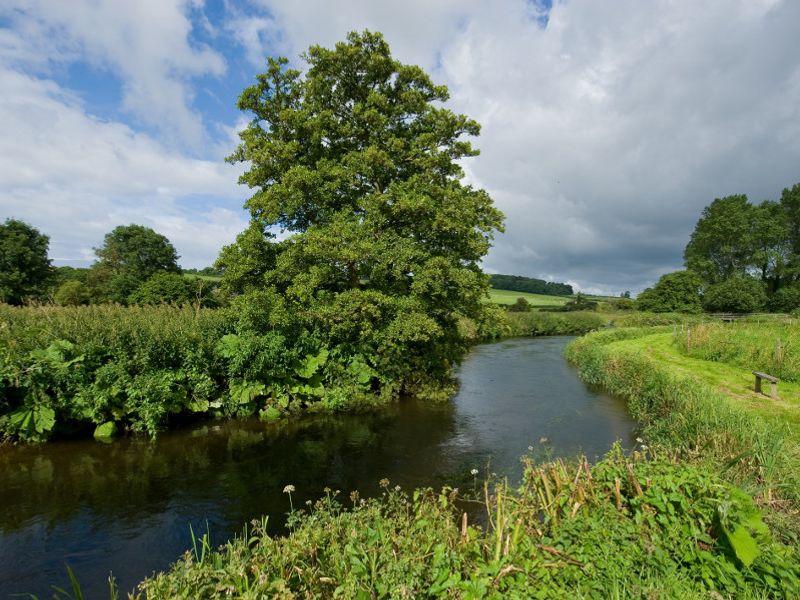
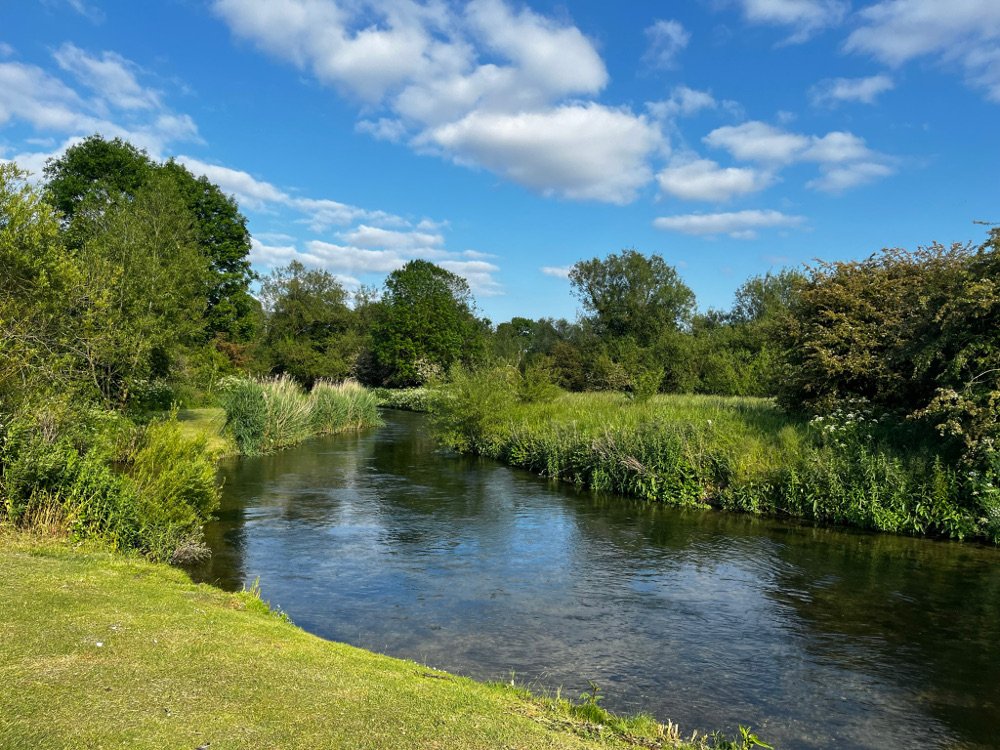
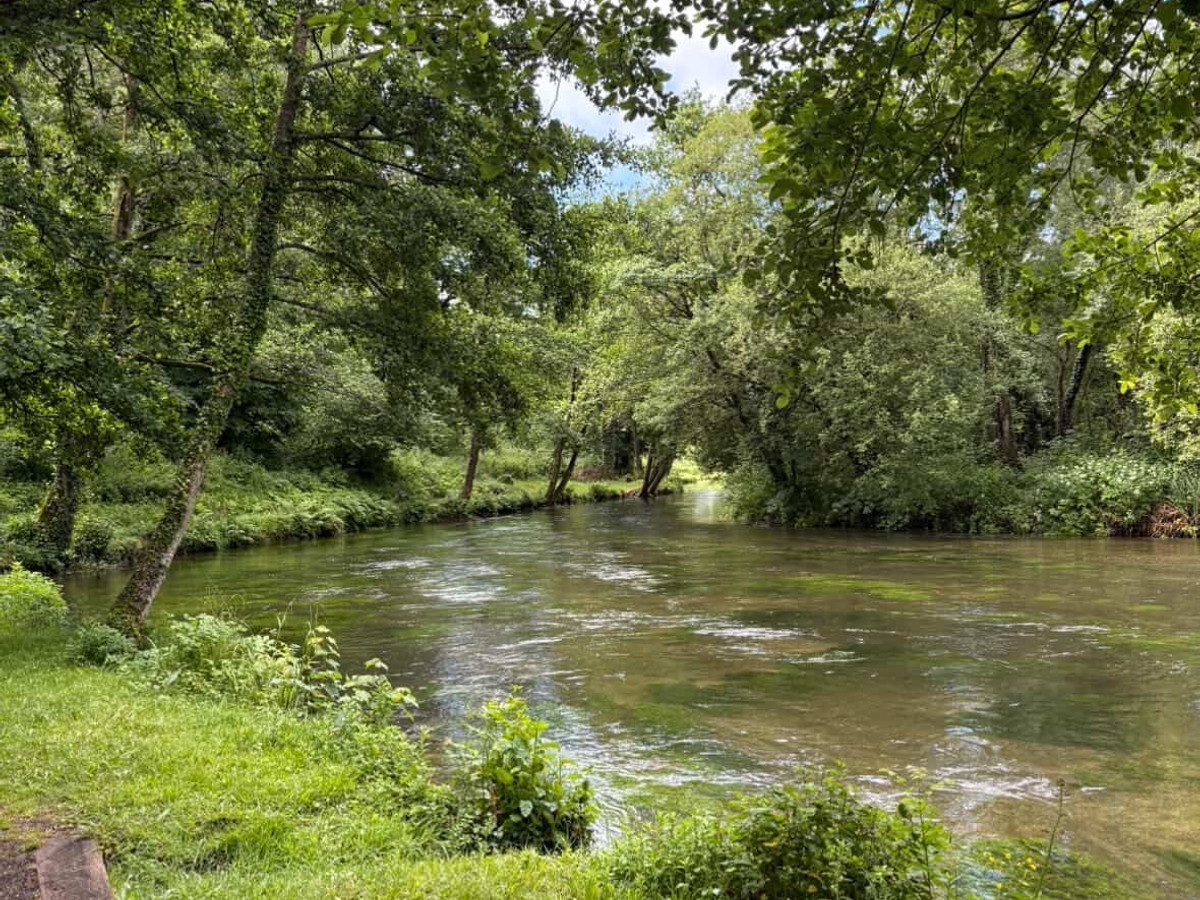
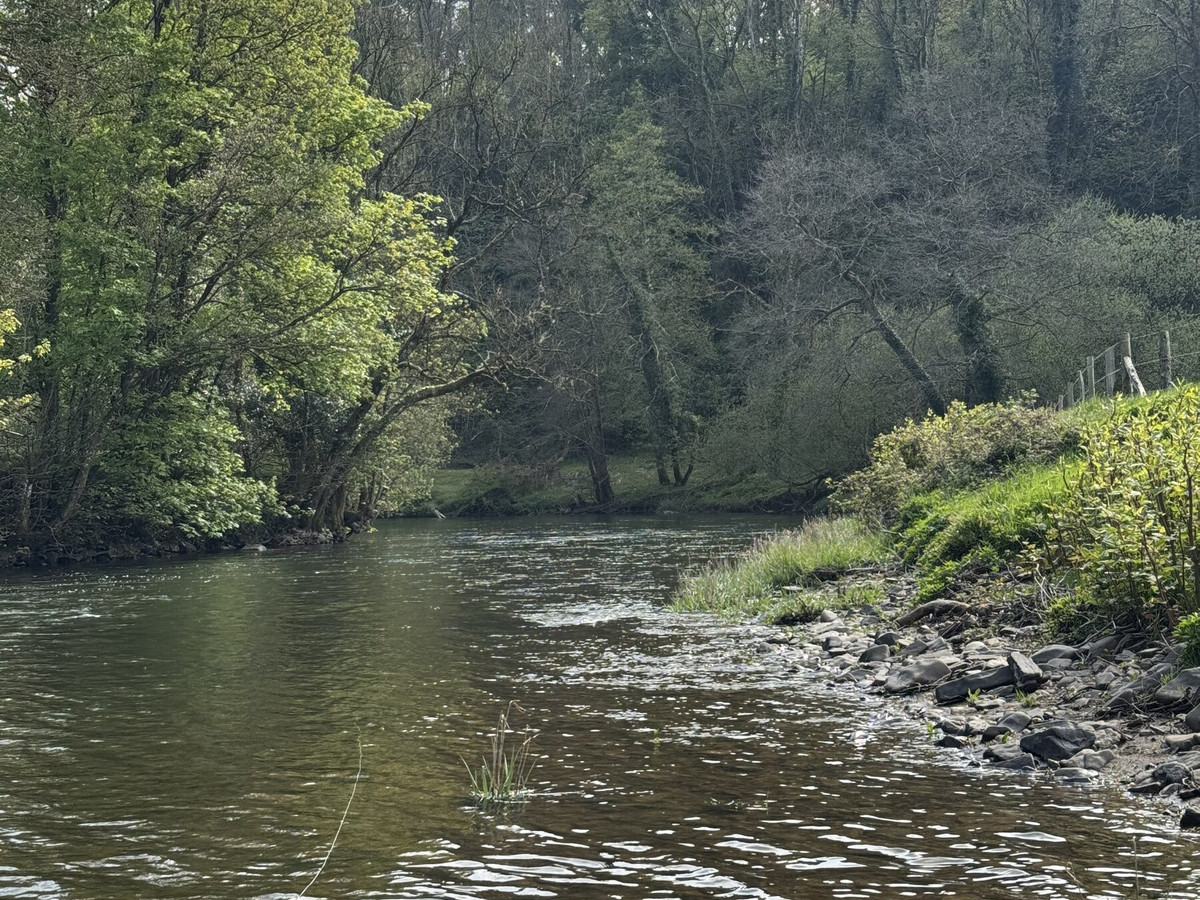
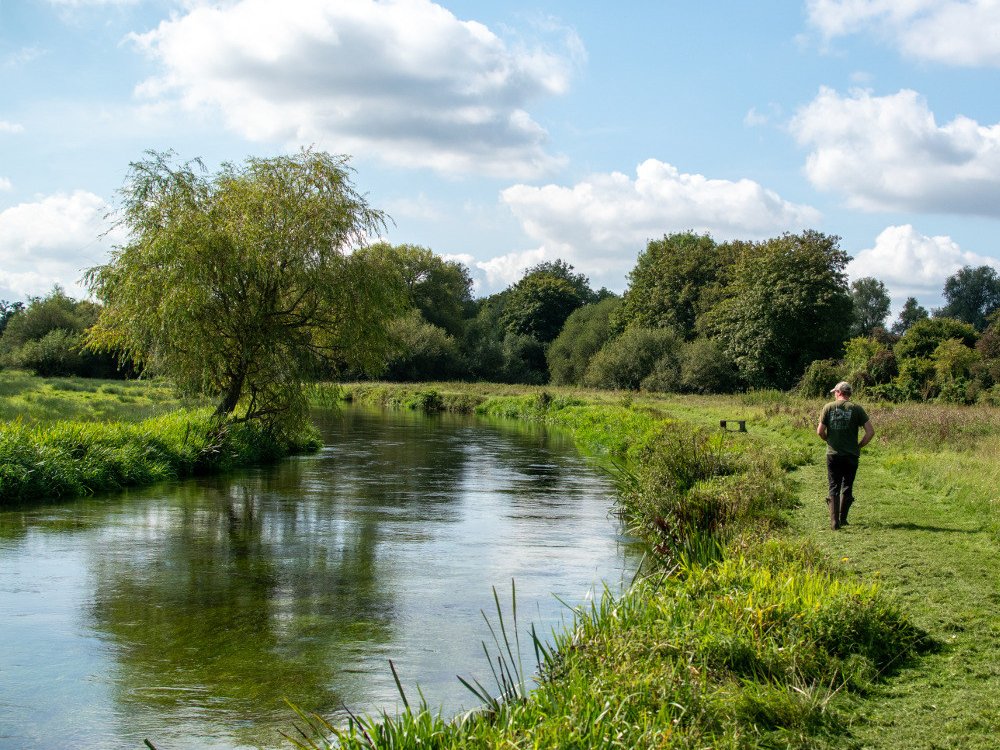
Salmon fishing on the River Test, Itchen, and Frome is a different kind of fishing to the trout and grayling these same rivers are best known for, and it is worth being straightforward about that before you book a beat. This is a small, specialised fishery rather than a mainstream one. Salmon numbers on English chalk streams have fallen a long way from their historic levels, in line with the wider decline in Atlantic salmon returning to rivers across the UK and Ireland, and a day's salmon fishing here is closer to a considered pursuit of a genuinely wild fish than a reliable numbers game.

Salmo salar runs up from the sea to spawn in the same gravel-bedded headwaters and clean flows that make these rivers good trout water. Fish are typically encountered from late spring through into autumn, with the exact pattern of the run varying by river and by year depending on rainfall and water levels; a spate can bring fish up in a rush, and a dry summer can leave a beat quiet for weeks. Because of this, and because these are genuinely low-stock fisheries by national standards, many beats now ask anglers to return any salmon they catch rather than take it, reflecting the wider effort to protect what remains of the population. Always confirm the current rules with the fishery directly, since this is an area where policy can change and it matters that you get it right before you fish.

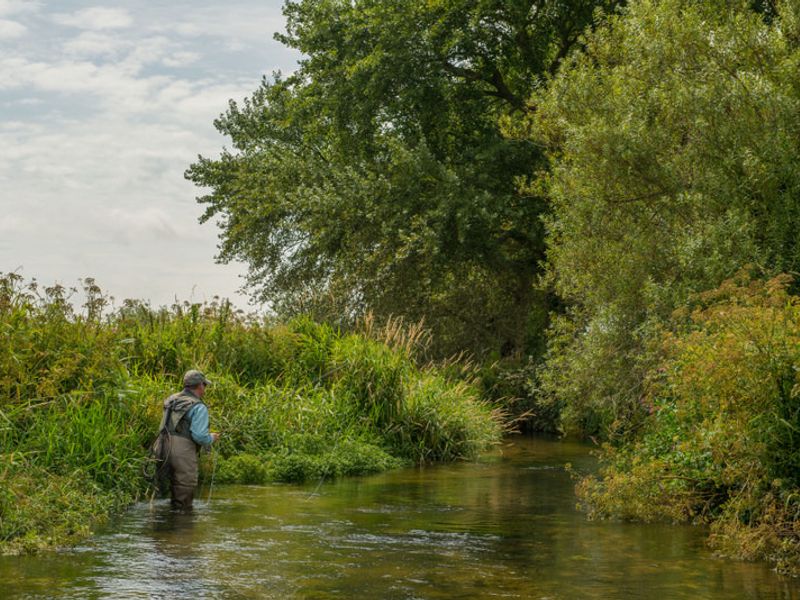
Tactics lean toward traditional salmon methods adapted to relatively intimate chalk stream water rather than the big double-handed casting associated with Scottish or northern English rivers. Fly fishing predominates, often with a single-handed or switch rod given the modest width of the Test, Itchen, and Frome compared to larger salmon rivers, and traditional and modern fly patterns both have their place depending on water height and colour. Spinning may be permitted on some beats and not others; check locally.

FishingBeats currently lists 23 beats offering salmon fishing, spread across three rivers: the Test, the Itchen, and the Frome. Given how few beats this covers compared with the trout listings on the same rivers, salmon beats tend to be sought after and demand can outstrip availability, particularly during the better weeks of a run.

If salmon fishing on a chalk stream is new to you, go in with realistic expectations and treat the day as time on genuinely special water rather than a guaranteed catch. Talk to the fishery beforehand about current run conditions, expected fly sizes, and any local knowledge on where fish are likely to be holding: on a small, low-stock fishery like this, that kind of guidance is worth far more than it would be on a river holding thousands of trout.

Where to fly fish for salmon in England

3 rivers

Rivers known for salmon, with beats and day tickets on each.
River Test 56 beats →

Hampshire

River Test

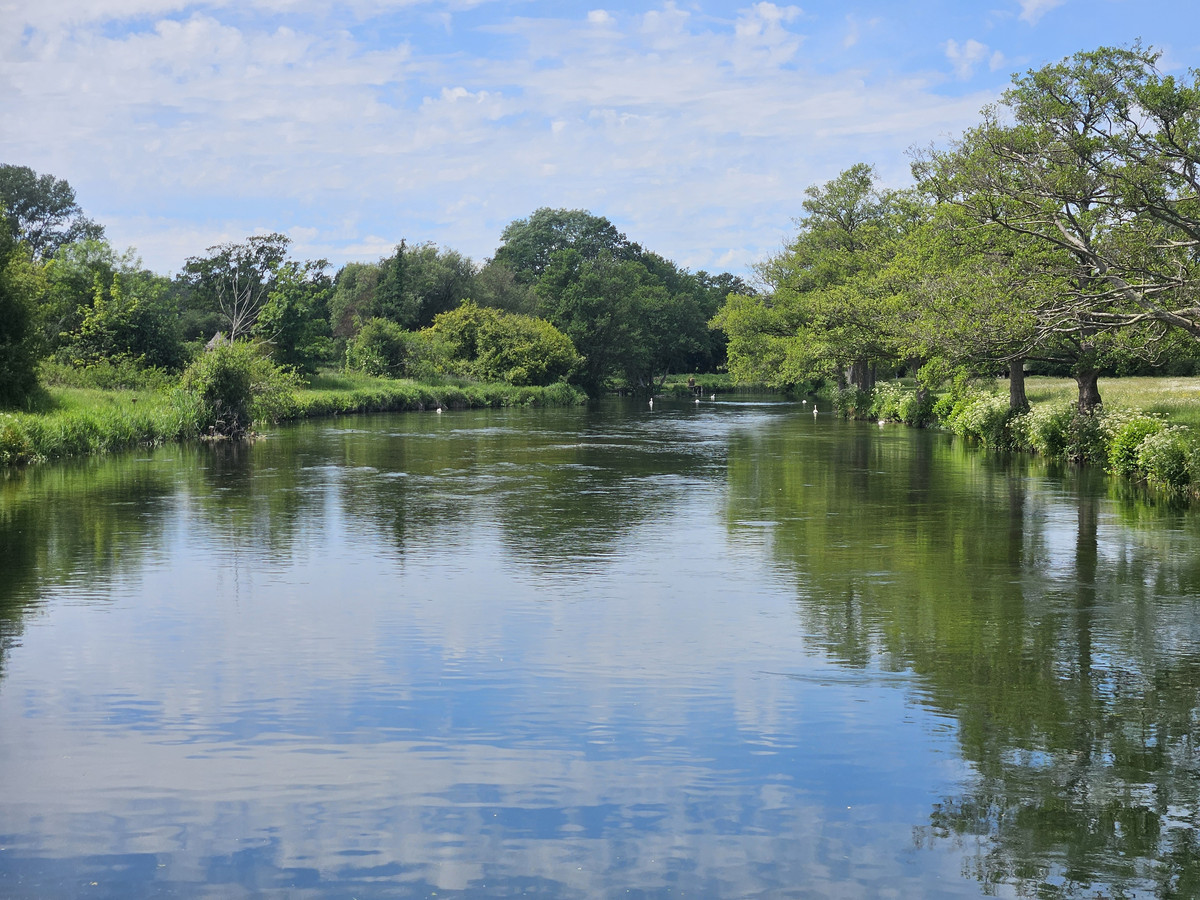
Rising at Ashe, near Overton, the River Test runs for 40 miles through Hampshire, flowing south through Whitchurch, Longparish, and Wherwell before the Rivers Dever and Anton join the main channel near Chilbolton. For much of its length the Test is not one river but an amalgam of main channel, mill leats, carriers, and side streams, with two, three, or even four streams running parallel, all fishable, and it can be difficult to distinguish carrier from main river. The valley broadens through Stockbridge and Houghton before the Wallop Brook and River Dun add their flow near Kimbridge and Romsey, with the Test finally becoming a single channel only south of Romsey, a few miles from the sea. The river is one of only 12 chalk streams classified as a Site of Special Scientific Interest and one of only six that supports Atlantic salmon. It is recognised as being particularly sensitive to phosphate pollution, and conservation work by riparian owners, river keepers, and the Test and Itchen Association remains central to maintaining its ecology. It was on the banks of the River Test that Frederick Halford honed his ground-breaking ideas that effectively invented modern dry fly fishing in the late 1800s. That tradition still defines how most beats are fished: upstream dry fly and nymph, presented to visible, rising fish. The river supports over half a dozen species of stonefly, twenty-two species of mayfly, and nearly forty species of caddis fly, with grannom and hawthorn fly opening the season in spring and the mayfly hatch in late May drawing anglers from across the country. Wild brown trout are the primary quarry through the trout season, with all present across the valley. The river holds good populations of wild brown trout and grayling alongside stocked fish, and the salmon beats carry genuine holding pools. Grayling provide sport on dry fly and nymph into winter once the trout season closes. With 56 beats across 10 fisheries listed on FishingBeats, access to the River Test is broader than its private reputation might suggest. Kimbridge Estate offers seven miles of fishable bank managed to maintain a purist upstream dry fly fishery, while the Broadlands Estate extends for two and a half miles divided into dedicated trout beats and salmon beats. The Leckford Estate on the middle Test, north of Stockbridge, has 16 fishing beats open to anglers from May to October. Day tickets, season rods, and syndicate shares are all available across the valley.

40 miles chalk stream
River Frome 13 beats →

Dorset

River Frome

England's most westerly major chalk stream, the River Frome rises from St John's Well in the village of Evershot and runs for 35 miles through the heart of Dorset. From Evershot it passes through Cattistock, Maiden Newton, and Dorchester before broadening across a wide flood plain and meandering through West Stafford and Woodsford to reach Wareham, where it enters Poole Harbour alongside the parallel River Piddle. Compared with most southern chalk streams, the Frome is relatively unaffected by abstraction, which keeps flows consistent and the fishing productive across the full season. Riffles, pools, glides, gravelly runs, and beds of ranunculus characterise the upper and middle river, while the geology shifts east of Dorchester onto sands and clays, giving the lower reaches a distinctly different, broader character. The river holds , and the trout season opens in April with grannom and large dark olives, followed by hawthorn and a reliable mayfly hatch running from mid-May into June. High-summer evenings fish well on pale wateries, blue-winged olives, and sedges that continue into autumn, making September and October worth planning for. Grayling are the river's other notable draw: the Frome has produced the British record three times, most recently a fish of 4lb 8oz taken in 2019, and the winter season runs from mid-June through to mid-March. Upstream dry fly and nymph are the standard methods; some beats permit wading, which opens up water that bank fishing alone cannot cover. The lower river sees runs of salmon and sea trout, though salmon numbers have fallen sharply from a peak of over 4,000 fish in 1988, and the Game and Wildlife Conservation Trust operates a research centre at East Stoke to investigate the decline. The river is designated both a Site of Special Scientific Interest and a Special Area of Conservation, and conservation work led in part by founders of the Wild Trout Trust has helped establish self-sustaining wild trout populations across the Wessex streams. FishingBeats lists 13 beats on the River Frome, covering water from the intimate upper reaches above Maiden Newton to the broader mid-river and lower stretches.

35 miles chalk stream
River Itchen 12 beats →

Hampshire

River Itchen

A Hampshire chalk stream rising from springs near New Cheriton, the River Itchen runs 28 miles through the Hampshire Downs, collecting the River Alre and Candover Brook just west of Alresford before turning west through the villages of Itchen Abbas, Itchen Stoke, Martyr Worthy and Easton, entering Winchester across Winnall Moors and continuing south through water meadows to its tidal mouth at Southampton Water. Fed entirely by the chalk aquifer, the river carries naturally hard, alkaline water at a near-constant temperature with a stable base flow, giving it the physical uniformity that distinguishes it from most other river types. It holds designations as both a Site of Special Scientific Interest and a Special Area of Conservation, and phosphorus concentrations in parts of the catchment exceed conservation targets; the Environment Agency has tightened discharge permit limits specifically because of the SAC status, and riparian owners and conservation bodies continue active monitoring and restoration work. The River Itchen carries , with wild brown trout the primary quarry above Winchester and Atlantic salmon and sea trout present in the lower reaches. Hatches of blue-winged olive and sedge are reliable throughout the season, and mayfly appears, though generally lighter than on the Test or Avon. Most beats are fished upstream on the dry fly to rising fish, a method codified on this very water by F. M. Halford and G. S. Marryat in the nineteenth century; G. E. M. Skues later fished Abbotts Barton for decades and developed nymph technique here as a counterpoint to the dry fly doctrine. Where beat rules permit, nymphing remains effective. Grayling offer sport through the winter months. Above Winchester the river is managed predominantly by clubs and syndicates, with day rods only occasionally available. Below Winchester a mixture of private estates and syndicate waters continues to Southampton. FishingBeats currently lists 12 beats across 3 fisheries on the River Itchen.

28 miles chalk stream

Salmon day ticket beats

23 beats

Day tickets and permits on beats holding salmon. Each listing includes pricing, species, and booking details.
Qing Ya Xi £211 today
Verified

River Itchen

Qing Ya Xi

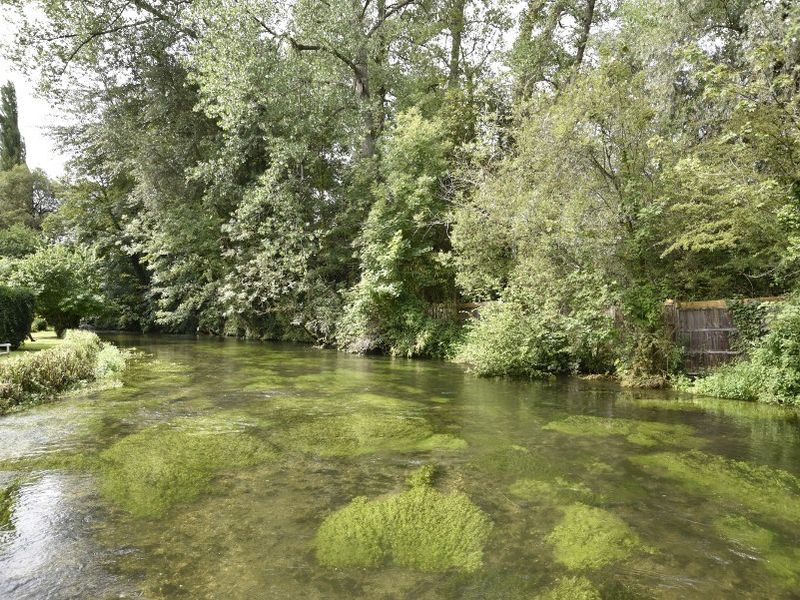
Qing Ya Xi (pronounced "king-yah-zee") sits on the lower River Itchen at Brambridge, Hampshire, roughly six miles south of Winchester. The beat offers approximately 1,522 metres of double-bank fly fishing on the Itchen Navigation — a modified channel of the river and former canal running just over ten miles from Winchester to Southampton. The Itchen is classified as both a Site of Special Scientific Interest (SSSI) and a Special Area of Conservation (SAC), its clear waters, steady flow, and high levels of dissolved minerals creating a unique ecosystem that sustains an abundance of invertebrates. The beat divides into distinct sections: the top 200 metres of fast water offers what one member of the English Fly Fishing Team described as "possibly the best Grayling fishing in Hampshire"; the first sluice down to the old lock gates provides classic dry fly fishing, and the turning pool below provides gravel spawning grounds with an abundance of smaller trout, grayling, and salmon parr; below this lies a slower-flowing length where the larger fish abound and may still be caught when fish are proving challenging in the top two sections. Target species are brown trout, grayling, and — given the beat's proximity to tidal water — the occasional Atlantic salmon. The Navigation supports a wild population of brown trout together with good numbers of grayling, supplemented by regular and controlled stockings of brown trout sourced from local suppliers. April hatches include the Large Dark Olive, Grannom Caddis, and Hawthorn, with Mayfly from mid-May to early June. Blue-winged olive and sedge are prolific through summer, and September sees the return of the Large Dark Olive to close the season on 30 September. The open-banked calmer sections suit beginners well, with straightforward upstream presentation; the hatch pool and faster carrier will test more experienced rods. Up to three rods fish the beat, priced from £211 in summer, £245 in early season, and £358 during Mayfly. A fishing room with electricity, running water, WC, and car parking are on site. The beat sits within easy reach of Winchester (six miles) and Southampton (eight miles), with M3 junction 12 just 1.5 miles away and mainline trains to London Waterloo from nearby Shawford in around 70 minutes.

main river 0.51 miles +3
Kanara £194 today
Verified

River Itchen

Kanara

Kanara is a well-established beat on the River Itchen, situated below Winchester near Otterbourne, with around 640 yards of double-bank chalk stream running downstream from the bridge on Kiln Lane. It sits roughly ten minutes south of Twyford and is easily reached from the M3 at Junction 12 — making it a practical day-trip from London in under two hours. The water combines a quick-flowing upper section with deeper, slower pools towards the bottom of the beat, and is largely a wading stretch that holds both stocked and wild brown trout alongside a noted winter grayling population. Hatches of blue-winged olive and sedge are prolific on the Itchen, providing reliable dry fly action across the season, while the mayfly — typically peaking in late May and early June — commands the highest day-rod prices here at £225. Summer rods are priced at £194, with grayling days available from £114 through the back end of the season to 30 November. The lower section is best fished over the left shoulder or with side and roll casts, and will test anyone without a solid command of their casting. There are some large-sized browns on the beat, so a strong leader is advisable, though wild browns and grayling are spread throughout and a light rod suits much of the fishing. The beat is rated expert — both the casting and the approach to shy fish in crystal-clear chalk stream water demand real experience. One to two rods fish the beat comfortably. The Itchen is the river where G.E.M. Skues developed the concept of nymph fishing, and that tradition of precise, technical fly fishing remains very much alive at Kanara. A fishing cabin and car parking are provided on site. A valid Environment Agency rod licence is required, and anglers should note that sea trout and salmon are present in the lower Itchen corridor — check beat-specific rules on retained fish and method restrictions before your visit.

main river 0.48 miles +3
Timsbury 5 £180 today
Verified

River Test

Timsbury 5

Timsbury 5 sits on the middle and lower Test, between the towns of Romsey and Stockbridge in Hampshire. The beat covers just over half a mile of single-bank main river chalk stream, with a medium flow speed and a mix of shallow and very deep sections that give anglers a genuine variety of water to read and work through in a day. Set a few kilometres below the Kimbridge beat, the river here is noticeably wider and significantly deeper in places, with fish holding in heavy weed that obscures the bottom in the deeper runs. The primary quarry is brown trout, stocked with fish carefully selected locally from River Test stock. The fishery stocks both rainbow and brown trout, with rainbows averaging around 3 lb, and the long-term average sits at three fish caught per rod per day. In the latter part of the season salmon regularly roll in the deeper pools, and there is always a chance of sea trout. The season runs from 30 April to 29 September, with fly-only rules throughout: upstream dry fly and nymph are the methods. The beat carries a good mayfly population, and large numbers of caddis flies hatch through late summer, making it worth carrying sedge patterns from July onwards alongside your standard olive and mayfly imitations. Up to five rods share the water, rated as explorer level and suited to anglers still building their chalk stream experience. Banks are regularly mown and strimmed, and weed cutting takes place through summer, keeping casting lanes open. A fishing hut is on the beat. Day-rod pricing runs at £245 in the main season and £180 in the late season.

main river 0.53 miles +3
Breach Farm £165 today
Verified

River Itchen

Breach Farm

South of Winchester, the Itchen flows through water meadow pastures — and Breach Farm sits squarely in this open, pastoral section of the river. The river here runs westerly through largely open ground before turning south past Winchester, giving the beat a wide, gliding character with few bankside obstructions to interfere with a back cast. Both banks are available, and the beat suits up to three rods without crowding. A short walk of around 200 yards from the car park brings you to a fishing shelter beside the water. Dry fly remains the most productive method on this stretch, with sensitive stocking programmes maintaining quality fishing for brown trout and grayling through the season, which runs from 16 April to 31 December. The open meadow setting means the Mayfly hatch — typically at its best through May — is well worth planning around, and insect hatches, particularly the blue-winged olive and sedge, are prolific and offer reliable dry fly action from early summer into autumn. Broadly speaking, the warmer months favour trout fishing while the cooler months shift focus to grayling, making Breach Farm a genuinely year-round proposition. The beat is rated as beginner-friendly, and the uncluttered banks make it a good choice for anglers still building their casting confidence. Traditional chalk stream dry fly patterns work well on the Itchen — sizes 18 and 20 in Medium Olive, Iron Blue, and Blue-Winged Olive duns, along with size 16 sedge patterns, will cover most situations. A 9-ft rod in a 4- or 5-weight is a sensible all-round choice. Wading is optional; if you do wade, chest waders and a buoyancy aid are advised. Day ticket prices run from £75 for grayling days to £165 in summer and £175 in the early season. On-site car parking and a fishing shelter are provided.

main river 82 miles +3
Ilsington £131 today
Verified

River Frome

Ilsington

Six miles of fly-only chalk stream on the River Frome, the Ilsington beat sits downstream of Dorchester in the heart of Dorset, on the river's course between West Stafford and Bovington — a section where the Frome, at 30 miles long, is considered the major chalk stream of southwest England. Long held as a private syndicate, Ilsington has only recently become available to visiting rods, with close to five miles to discover. The river carries classic chalk stream features: riffles, pools, glides and overhanging trees, with sight fishing in crystal-clear water throughout. Wild brown trout and grayling are the primary quarry. Trout over 3lb are regularly caught, and parties will often land thirty fish or more between them. The fish most closely associated with the Frome is the grayling — the river has previously produced record fish, and specimens approaching the four-pound mark are caught most seasons. Over the years, the Frome has thrice laid claim to the British grayling record, each fish weighing over 4lb. The lower river also sees reasonable runs of salmon and sea trout. The season runs 1 April to 30 November. The Frome is less affected by abstraction than any other chalk stream, so the fishing holds up well throughout: upwinged flies dominate April and early May, mayfly hatches are excellent from mid-May until mid-June, and high summer evenings in July and August can be surprisingly productive with hatches of Pale Wateries, Blue-Winged Olives and sedges extending well into autumn. The beat accepts one to four rods and is rated suitable for beginners, making it a practical choice for a group or a guided day. A 7.5ft rod with a 3–4wt floating line is the recommended trout outfit for dry fly and nymph work; a longer 9ft rod suits the deeper glides and grayling nymphing later in the season. Day ticket prices run from £100 for a grayling day to £131 in summer, rising to £236 during the mayfly. Car parking and a fishing hut are on site. All wild fish are returned.

main river 6 miles +3
The Parsonage £195 today
Verified

River Test

The Parsonage

Situated on the magnificent Middle River Test just downstream of Timsbury, The Parsonage Beat offers a wonderfully diverse and secluded chalk stream experience. This highly regarded fishery provides the perfect "best of both worlds" scenario, combining the classic, beginner-friendly dimensions of the main river with the engaging waters of a long carrier stream, making it an absolutely idyllic setting for a relaxed family day out. The expansive main river section provides a highly accessible and forgiving environment, making it an excellent place for novices and younger family members to hone their casting skills and build confidence. It features sweeping glides and notably deep holding water beneath wooded far banks. Because of this depth, sight-fishing is not the easiest, but the open nature of the river presents a wonderfully relaxed environment to practice reading the water and covering likely lies without the stress of tight, technical casting. In wonderful contrast, the expansive carrier stream offers a more intimate chalk stream environment. Its peaty banks and clean gravel sections provide richly varied sport and a slightly different pace alongside the main flow. Complete with excellent facilities for entertaining, the beat boasts a comfortable riverside Cabin, a BBQ area perfect for a family riverside lunch, and a quaint thatched shelter at the top boundary. Whether you are introducing beginners to the sport on the forgiving main river or simply enjoying a group outing, The Parsonage provides a deeply relaxing day of dry fly and nymph fishing tailored for all ability levels.

main river 1 miles +3
Timsbury Beat 1 £180 today

River Test

Timsbury Beat 1

Timsbury Beat 1 sits on the River Test in the village of Timsbury, accessed via a private road through acres of chalk stream water meadows at the heart of the golden stretch of the Test below Stockbridge and above Romsey. The beat covers a third of a mile of main river chalk stream and includes a section of carrier, giving anglers a variety of water within a single day. Each beat at Timsbury consists of a stretch of the main river and a stretch of the carrier, and rods rotate across all four beats so that every angler fishes the whole fishery over the course of the season. Up to two rods fish the beat at any one time, keeping the water uncrowded. The fishery is predominantly a brown trout fishery, stocked with fish carefully selected locally from River Test stock. Itinerant rainbow trout also appear, and later in the season salmon regularly roll in the deeper pools, with a genuine chance of connecting with one or a sea trout. The 20-year average across the fishery is three fish caught per rod per day. Fishing is fly only — upstream dry fly and nymph — and suits beginners well, with heavily stocked water and clear chalk stream visibility making it straightforward to spot and present to rising fish. The season opens in April with Large Dark Olive, Grannom caddis and Hawthorn on the water, before the mayfly arrives from mid-May through to early June, followed by Blue-Winged Olive and Medium Olives through June and into summer. The season runs 1 April to 31 October, with day rods from £180. Banks are maintained to a high standard, with regular mowing and strimming keeping access clear throughout the season. The main fishing lodge has power, a kitchen area, WC, washing facilities and a large patio overlooking the river; three further huts with picnic tables are positioned around the fishery. Access is through an electrically controlled farm gate, with parking on site.

main river 0.33 miles +3
Timsbury Beat 2 £180 today

River Test

Timsbury Beat 2

Timsbury Beat 2 covers around 0.4 miles of the main River Test in Hampshire, situated in the village of Timsbury between Romsey and Stockbridge. It forms one of four individual beats on over three miles of bank, encompassing both the main river and two carrier streams. The fishery is accessed via electric gates along a private road and is surrounded by acres of privately owned chalk stream water meadows. Bank fishing only, with easy access along well-maintained banks, with regular mowing and strimming throughout the season. The chalk water, combined with careful management of the river's weed beds, creates ideal conditions for brown trout, and the fishery is heavily stocked to support consistent sport. The 20-year average is three fish caught per rod per day. Fishing is fly only — upstream dry fly and nymph are the primary methods — and the beat suits beginners well, with open banks and chalk streams being almost always fishable regardless of weather conditions. The season runs from 31 March to 30 October. In April, expect hatches of Large Dark Olive, Grannom Caddis and Hawthorn; the mayfly follows from mid-May to early June, and June brings Blue-Winged Olives and Medium Olives. Salmon can be caught but must be returned to the river. The beat is limited to one or two rods and is priced at £180 for a day rod. Fishing rotates across all four beats so that each rod fishes the whole fishery every eight weeks. On-bank amenities include a fishing hut and toilet facilities, and the main fishing lodge, constructed in 2017, overlooks the main river and is equipped with mains electricity and Wi-Fi. Weed cutting follows dates set by the Test and Itchen Association, so it is worth checking the fishery calendar when planning a visit.

main river 0.4 miles +3
Timsbury Beat 3 £180 today

River Test

Timsbury Beat 3

Beat 3 is one of four private, fly-only beats at Timsbury Fishery, situated beside the River Test between Romsey and Stockbridge in Hampshire. Each beat consists of a stretch of the main river and a stretch of carrier stream, and at just over half a mile Beat 3 offers a manageable, bank-fished length suited to one or two rods. The river is maintained to a high standard, with easy access to all the beats through regular mowing and strimming along the banks, as well as weed cutting during the summer. The fishery is accessed via electric gates along a private road and is surrounded by acres of privately owned chalk stream water meadows. The chalk water, combined with careful management of the river's weed beds, creates ideal conditions for brown trout, and the fishery is heavily stocked to support consistent sport. The 20-year average is three fish caught per rod per day. Fishing is fly-only — upstream dry fly and nymph are the primary methods — and the beat is rated suitable for beginners, making it a practical introduction to chalk stream technique. The main flies hatching on the River Test in April are the Large Dark Olive, the Grannom Caddis and the Hawthorn; the mayfly follows from mid-May to early June, and summer brings a variety of caddis, olives and terrestrials. The season runs 31 March to 30 October. Rods rotate across all four beats so that each rod fishes the whole fishery every eight weeks, with a free-for-all period between early October and the season's end. Day rod prices run from £180 to £300 (upper beat), with a season rod available at £1,800. The main fishing lodge, constructed in 2017, overlooks the main river and is well equipped with a patio, mains electricity, Wi-Fi, a fully fitted kitchen, and a washroom with flushing toilet. Additional huts with picnic tables are positioned at strategic points around the fishery. A 9-ft rod for a 4- or 5-weight line covers most situations on this water.

main river 0.52 miles +3
Timsbury Beat 4 £180 today

River Test

Timsbury Beat 4

Beat 4 sits within Timsbury Fishery on the River Test near the village of Timsbury, between Romsey and Stockbridge in Hampshire, accessed via a private road through chalk stream water meadows. This beat covers roughly a third of a mile of main river and includes a stretch of carrier stream — each of the four beats at Timsbury consists of a stretch of the main river and a stretch of the carrier — giving a varied day's fishing across two distinct water types. The banks are maintained to a high standard, with regular mowing and strimming along the banks and weed cutting during the summer, making for easy bank access throughout the season. The chalk water, combined with careful management of the river's weed beds, creates ideal conditions for brown trout, and the fishing is predominantly upstream dry fly or nymph. The fishery is heavily stocked and well suited to beginners, with a 20-year average of three fish caught per rod per day. The main flies hatching on the River Test in April are the Large Dark Olive, the Grannom Caddis and the Hawthorn; May sees the first mayfly hatch of the year alongside other upwings, while June brings Blue-Winged Olives and Medium Olives. Salmon have been caught on the fishery but are required to be returned. The season runs 31 March to 30 October, with one or two rods per day. Fishing rotates over the four beats so that a rod fishes the whole fishery every eight weeks. Day rod prices start at £180, with a season rod available at £1,800. The main fishing lodge, constructed in 2017, overlooks the main river and is well equipped with mains electricity, Wi-Fi, a fully fitted kitchen, and a washroom with flushing toilet. A fishing hut is also available on the beat itself. Fly-only rules apply throughout; a 9-foot rod for a 4- or 5-weight line is the standard choice for this kind of chalk stream dry fly and nymph work.

main river 0.37 miles +3
£220 today

River Test

Longbridge Beat

Longbridge Beat sits on the lower River Test within the Broadlands Estates Fishery, just downstream of Romsey in Hampshire — one of five named beats on a stretch where 4.5 kilometres of the Test run through the Broadlands Estate. The beat covers roughly a third of a mile of double-bank main river chalk stream, with wading permitted. Positioned on the lower Test, it offers a wonderful variety of water on the wider, lower part of the river — expect deep bends, long pools, and ranunculus-lined runs rather than the narrower, more intimate character of the upper valley. The season runs 3 April to 15 October, with brown trout and grayling as the primary quarry alongside the possibility of sea trout. Fishing is fly only — upstream dry fly and nymph — with natural imitations required and no lures. Early season on the lower Test can feel more like a salmon river than the sedate upper valley, with fast flows and boiling pools; nymphing tends to dominate, though hatches of large dark olives, grannom, iron blue dun, and hawthorn can bring fish up. Broadlands is blessed with a reliable mayfly hatch, and being lower in the valley it tends to arrive a little earlier — typically first appearing in early May, with the main spectacle through mid to late May. The fish population includes both wild and stocked trout and grayling, with an average size of around 1–2 lb, though larger specimens are found in the deeper pools. Stocking is moderate, and all wild fish must be returned. Up to three rods fish the beat at any one time. Rules require upstream dry fly and nymph only, with flies being natural imitations and hook size no greater than 10. The beat is available as both season rods and day tickets, with day rod prices ranging from £220 in early and late season to £300 at peak. Fortnightly rods are also available. Anglers have use of the Longbridge Fishing Hut with toilet facilities on site. A valid EA rod licence is required.

main river 0.31 miles +3
£60 today

River Frome

Beat Three

Beat Three on the East Burton Estate offers 1 mile of double-bank fly fishing on the River Frome in , on one of the most southerly chalk streams in England. The estate holds four miles of fishing split across nine beats on the main arm of the Frome, plus a network of carriers. Beat Three sits on the main river and is rated as a genuinely challenging piece of water, suited to an angler who is comfortable reading unfamiliar chalk stream and working hard for fish. The beat carries a good head of wild brown trout, lightly supplemented by stocking, with plentiful grayling that run to over three pounds, and the chance to target salmon and sea trout in the hatch pools and runs. The season opens with a grannom hatch, followed by hawthorn, mayfly and blue-winged olives as the season progresses, with sedges rounding off the year. Mayfly hatches are excellent from mid-May until mid-June, and high summer evenings in July and August can fish surprisingly well with hatches of Pale Wateries, Blue-Winged Olives and sedges extending well into autumn. The Frome has a growing reputation as one of the best rivers in the country for big grayling, with sight nymphing the primary approach through late summer and autumn, giving way to deeper nymphing techniques in winter. The beat is available to one or two rods on a fly-only basis, using dry fly and nymph. A 7.5ft rod with a 3 to 4wt floating line and tippet to 6x is the recommended trout outfit. A fishing hut is on site, and accommodation and a BBQ are available for those making a longer stay of it. Day tickets start at £60 during the main season. Grayling and winter rods are available from £35.

main river 0.6 miles +3

Fly fishing for other species

@fishingbeats

From the riverbank

Follow →

Newsletter

Stay in the loop

Exciting new features, fresh beats, season news, and chalk stream tips, straight to your inbox.