Taw Head, Dartmoor, Devon to ideford Bay (Bristol Channel) near Barnstaple, Devon · 45 miles
Fly Fishing on the River Taw
1 beat on the River Taw sell access by the day.
Where the River Taw runs
The river's course with every beat and fishery we list on it. Tap a marker for a quick read on price.
Fishing Beats on the River Taw
1 beat availableBrowse day tickets, syndicate rods, and permit fishing on the River Taw. Each beat listing includes pricing, species, and booking details.
Clubs and syndicates on the River Taw
2 clubsMembership bodies holding water on the River Taw. Some sell day tickets alongside membership, others are open to members only, and a few run a waiting list. Where a club's water is not listed as individual beats, it is not shown on the map above.
About the River Taw
River Taw at a glance
- Length
- 45 miles
- Source
- Taw Head, Dartmoor, Devon
- Mouth
- ideford Bay (Bristol Channel) near Barnstaple, Devon
- Country
- United Kingdom
- Water type
- Spate
- Website
- Visit website
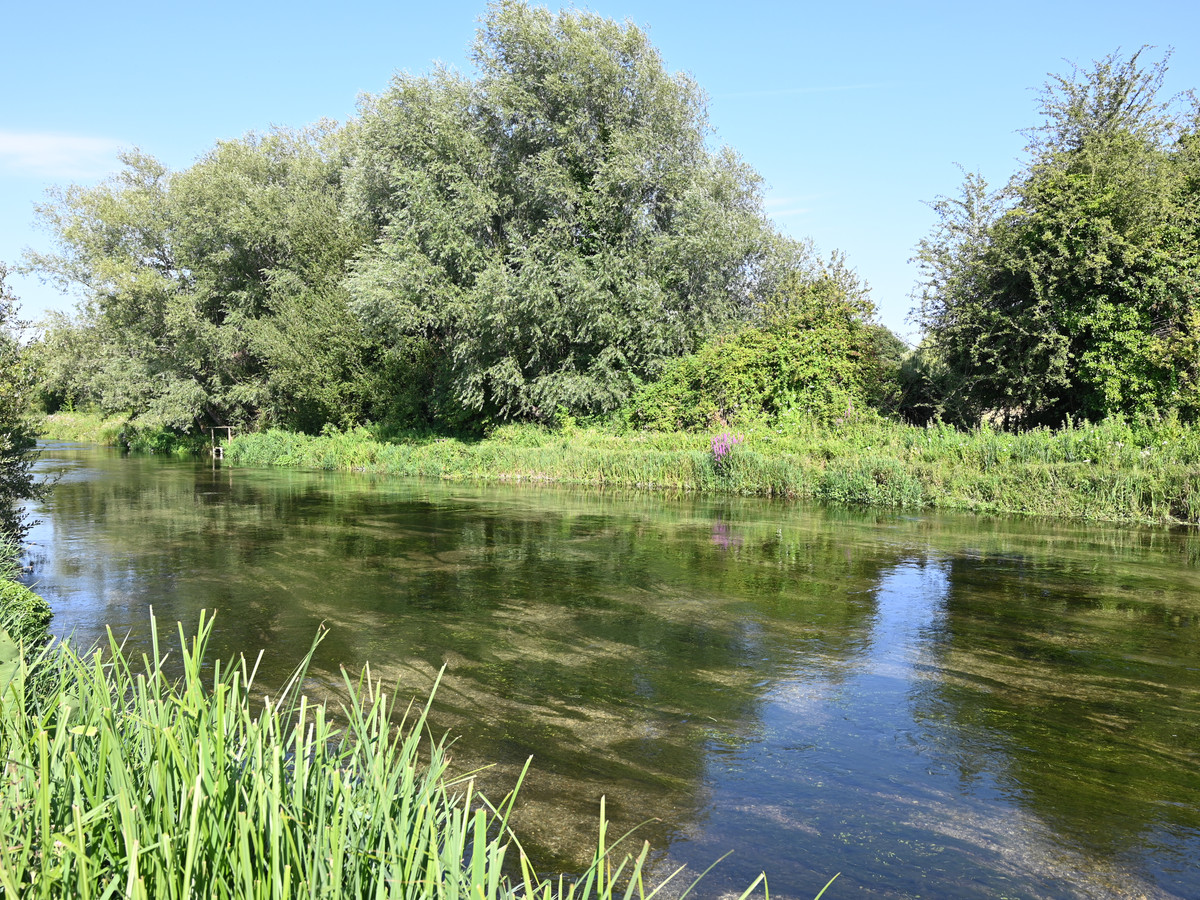
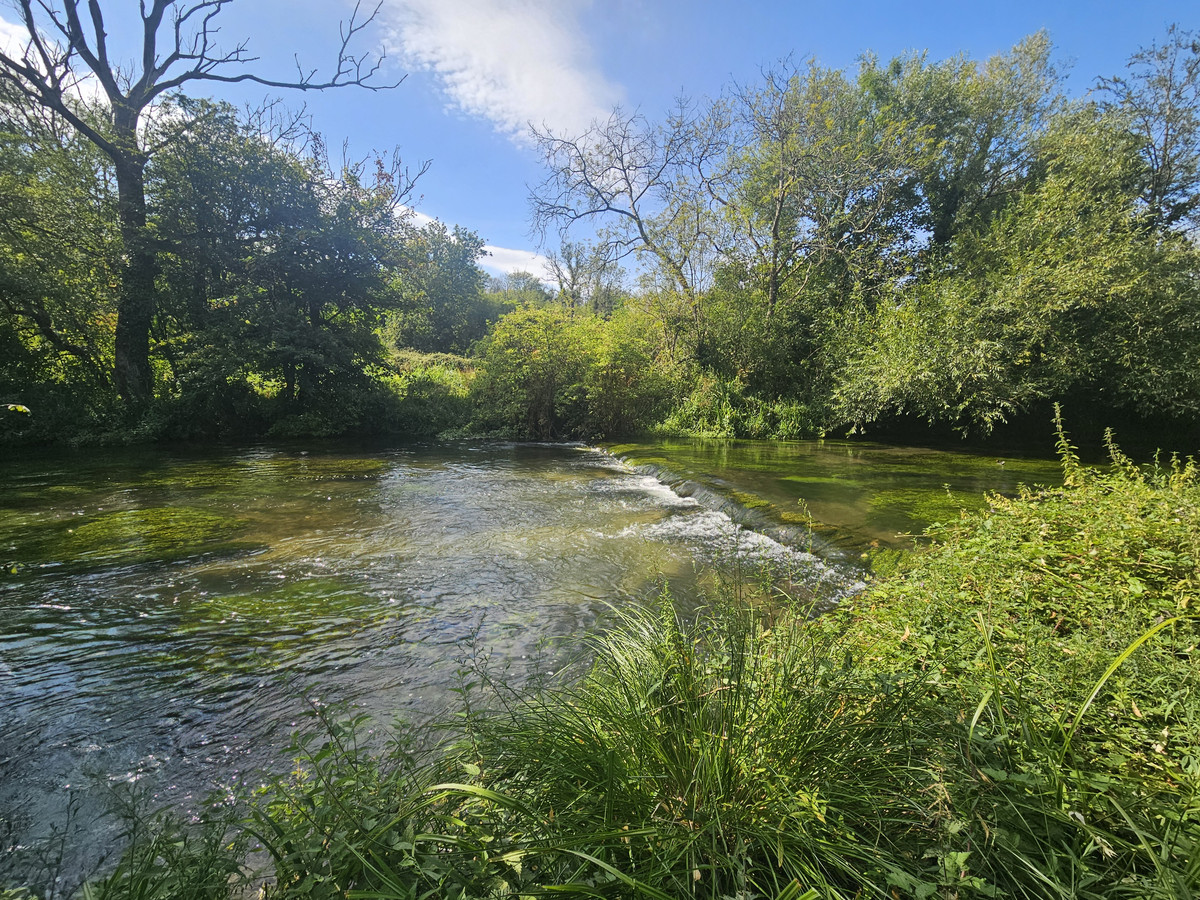
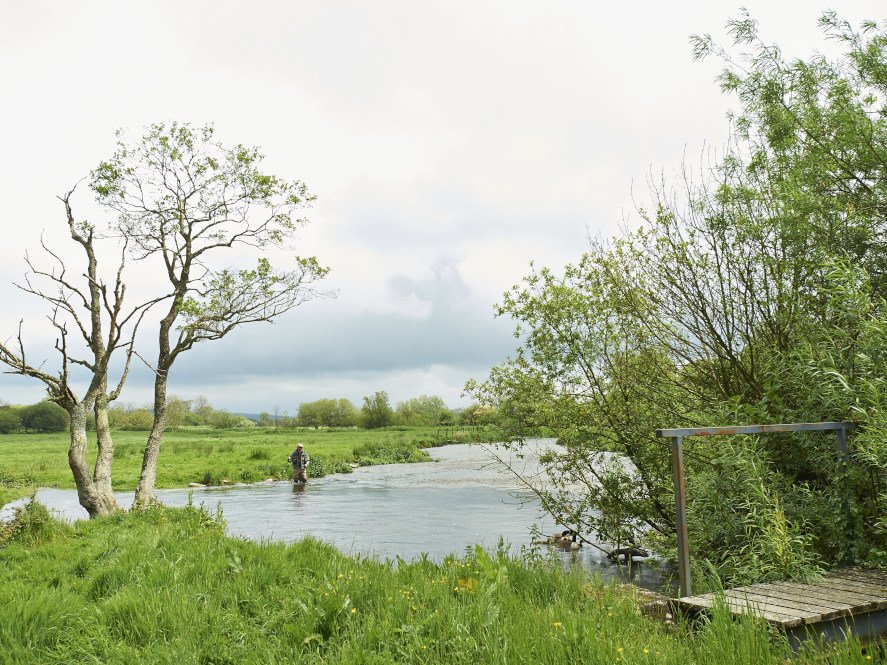
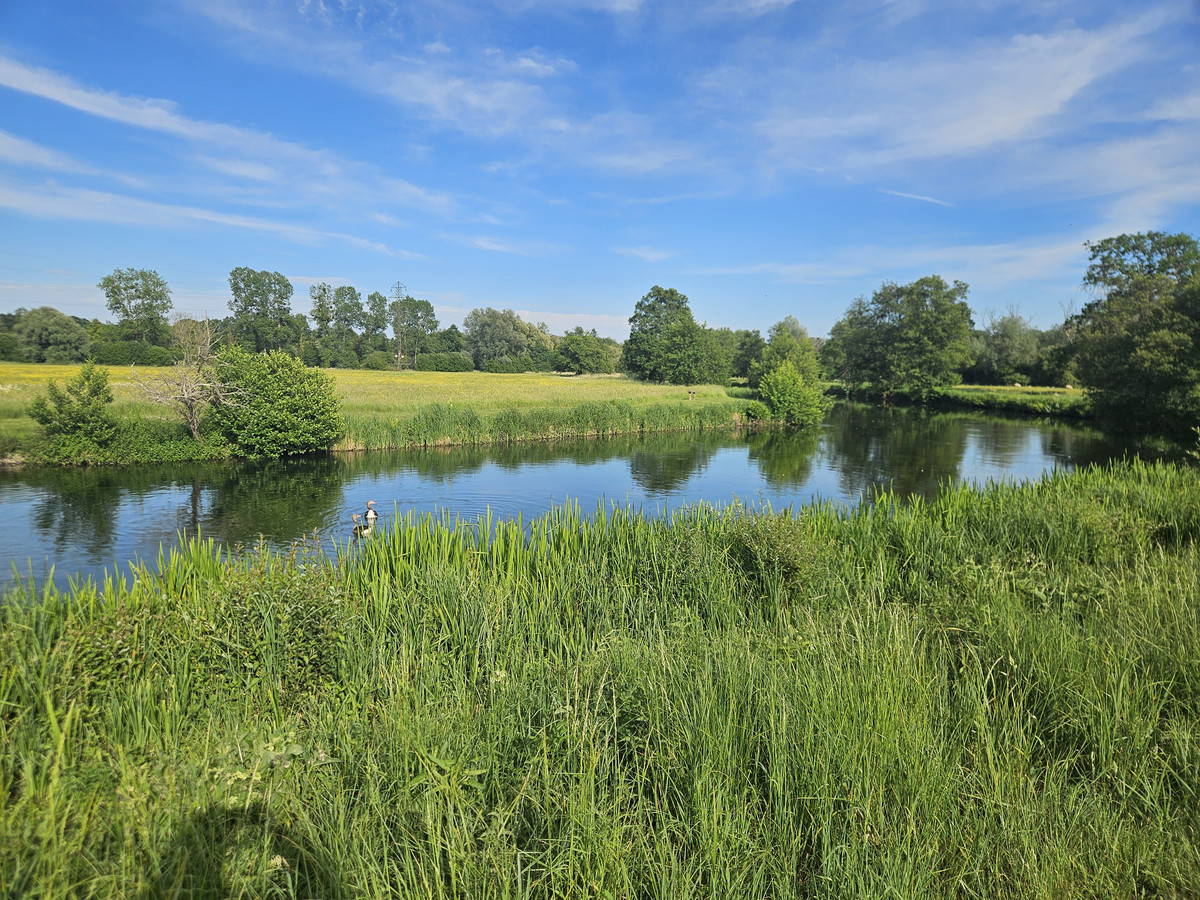
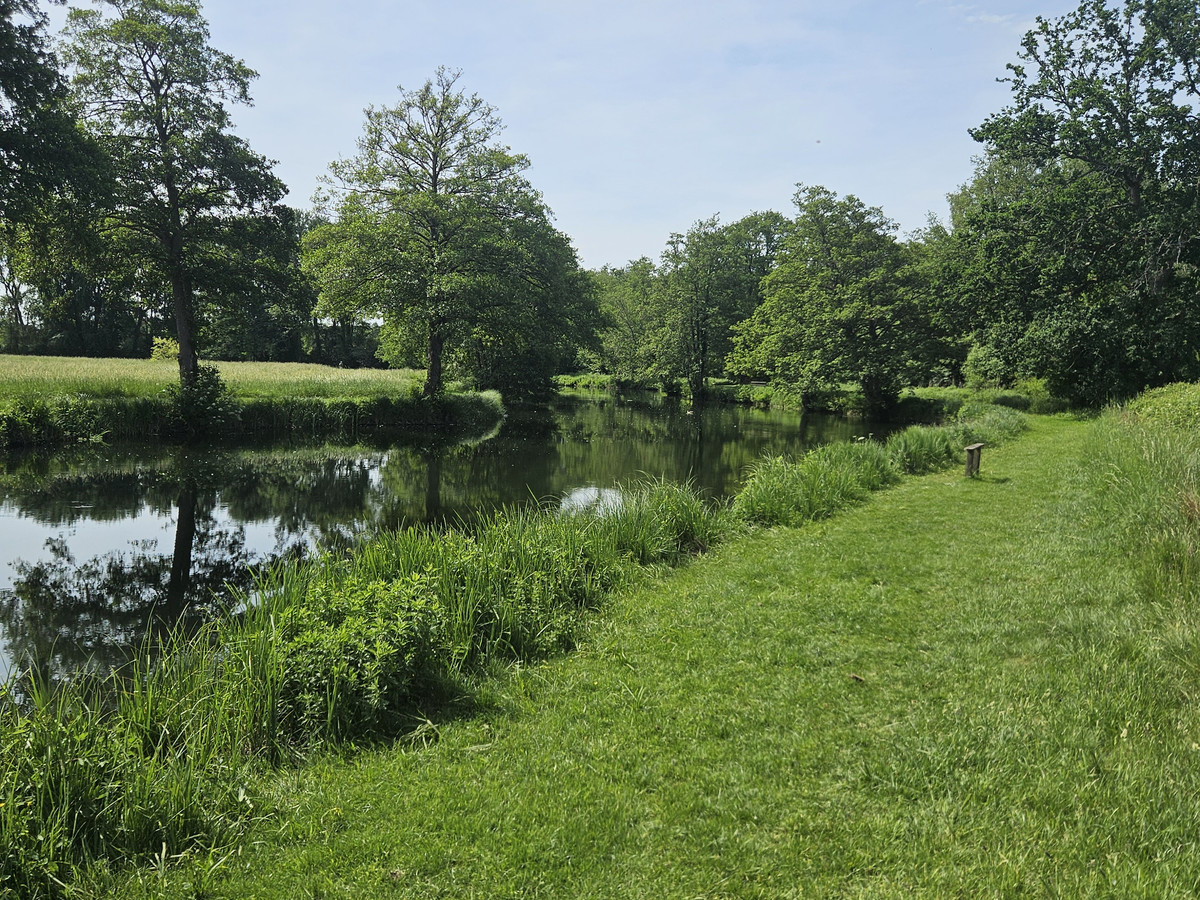
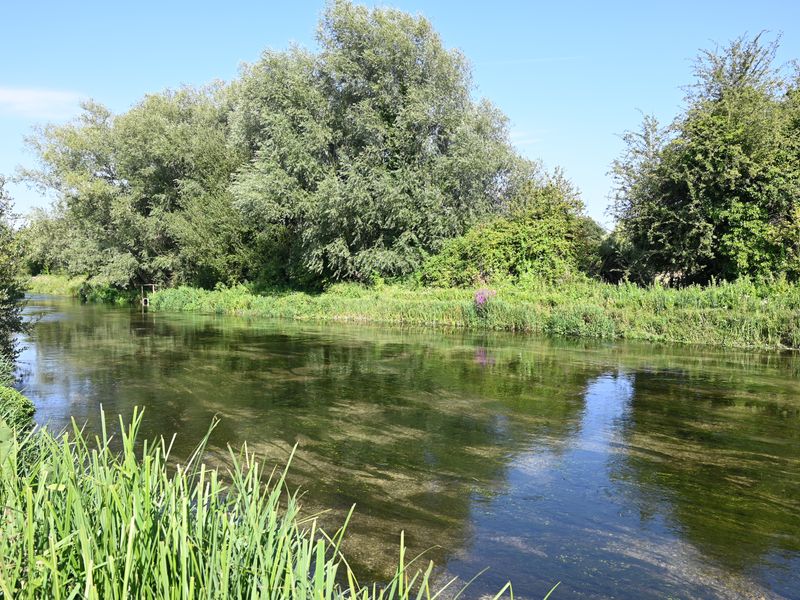
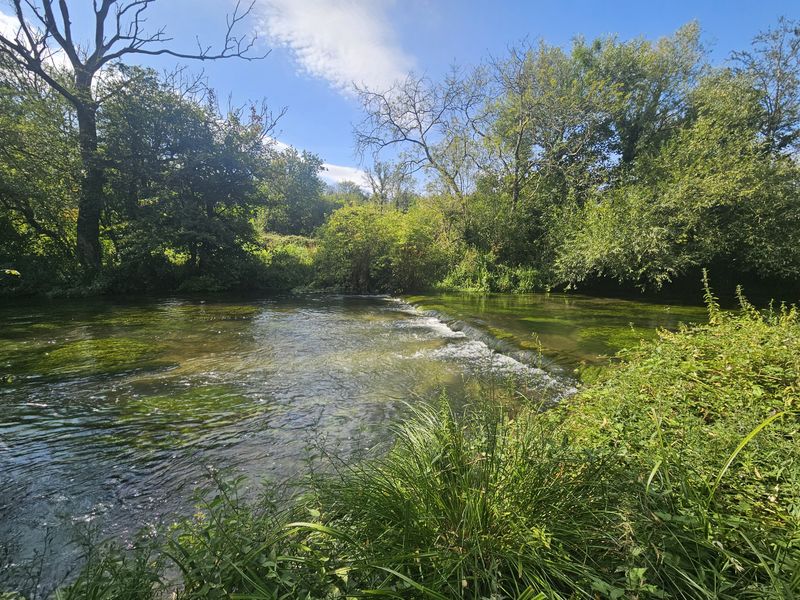
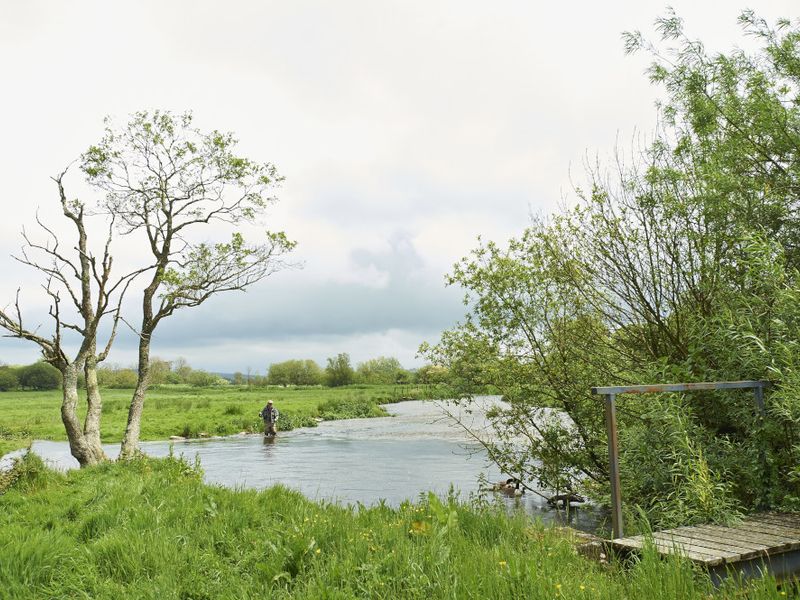
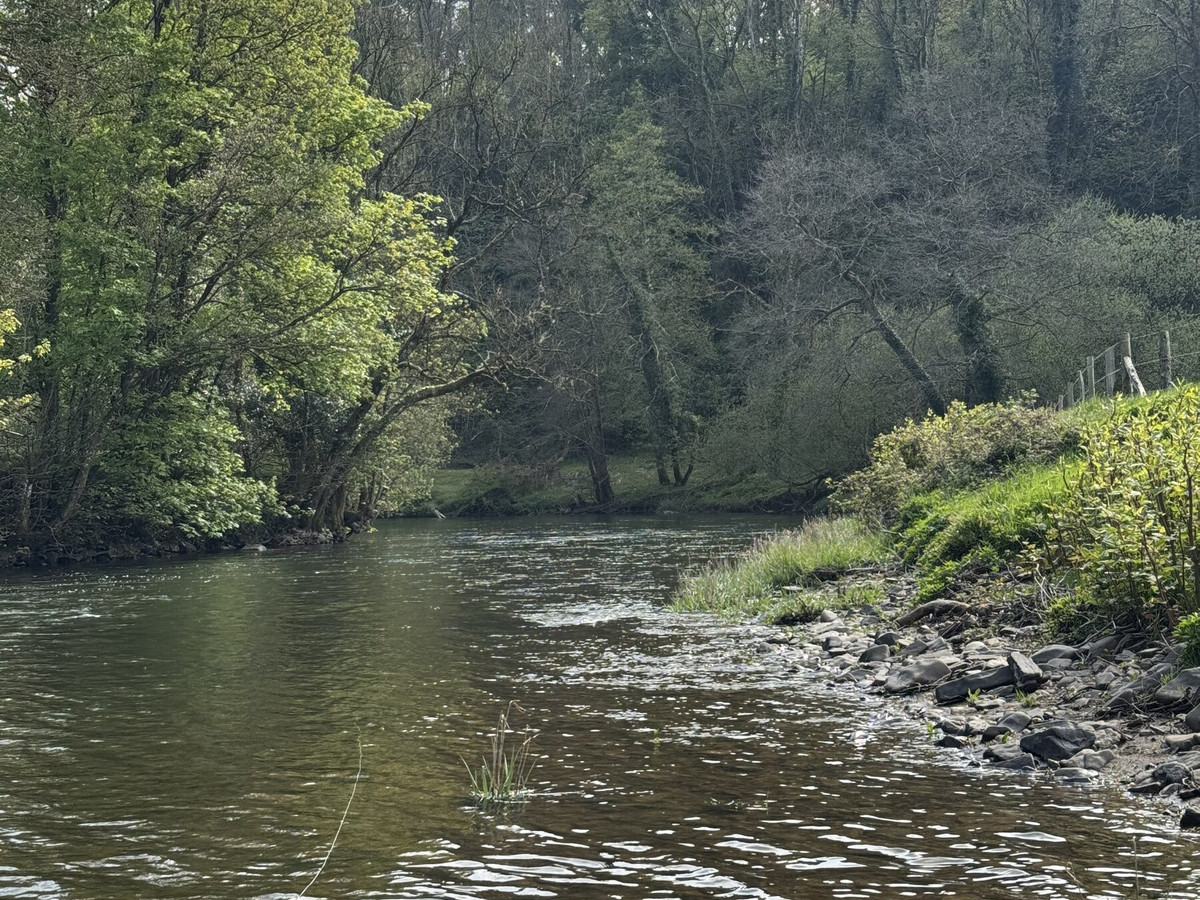
Rising from Taw Head on the northern edge of Dartmoor, the River Taw runs for 45 miles through Devon before reaching Bideford Bay and the Bristol Channel near Barnstaple. It is a spate river in the true sense: fed by moorland rainfall, it rises and drops quickly, passing through Okehampton and Crediton on its way to the coast and carrying the character of its granite and shale catchment throughout. The upper river offers a classically Devon mixture of streamy runs, longer stretches of shallower water, and some deep pools.
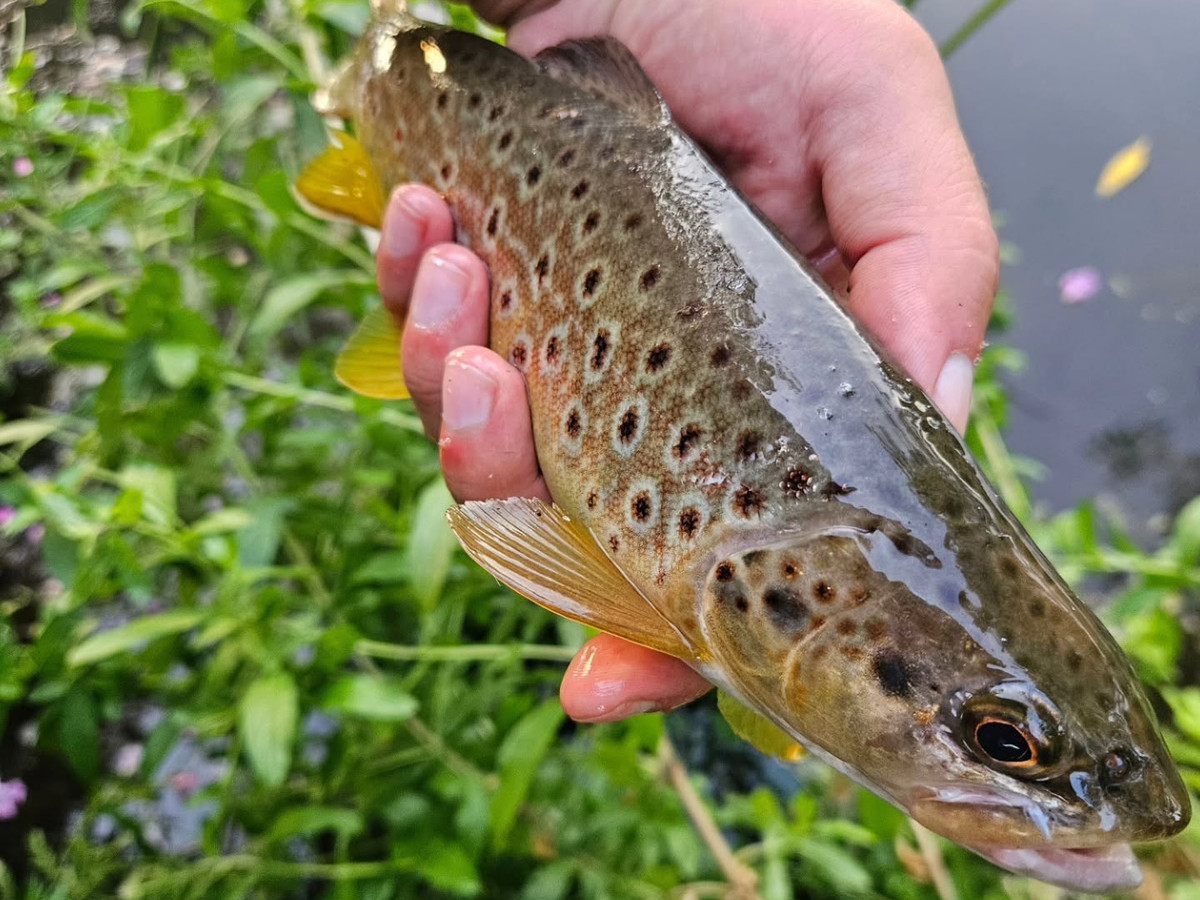
Salmon and sea trout fishing gives the river its reputation, with good brown trout fishing available particularly on the upper reaches. The Taw is well regarded for sea trout, offering fish from 1lb peal up to double-figure specimens. The river holds . As a spate river, ideal conditions come just after rain, when a slight tinge to the water brings fish on the feed. Hatches are varied and well documented: Large Dark Olives, Small Dark Olives, and March Browns appear through spring, alongside Grannom and at least two species of stonefly. June brings Ephemera danica hatches that can produce some of the most consistent dry fly fishing of the year. Nymphs, wet flies, and upstream dry fly all have their place depending on conditions and time of season. Conservation work across the catchment is ongoing, with agricultural pollution and sewage discharge identified as the most significant pressures on river health. Some stretches are designated Sites of Special Scientific Interest.
Fishing throughout the river's length is held by riparian owners, clubs, syndicates, and hotels, with some water available on a day or season basis
FAQ
River Taw FAQs
Common questions about fishing the River Taw, from day tickets and seasons to what to expect on the bank.