Near Lenham, below the North Downs escarpment, Kent to Pegwell Bay near Sandwich, as the River Stour
Fly Fishing on the River Great Stour
2 beats on the Great Stour sell access by the day. 1 fishery take bookings along it.
Where the Great Stour runs
The river's course with every beat and fishery we list on it. Tap a marker for a quick read on price.
Fishing Beats on the Great Stour
2 beats availableBrowse day tickets, syndicate rods, and permit fishing on the Great Stour. Each beat listing includes pricing, species, and booking details.
Fisheries on the Great Stour
1 fishery availableFishery operators offering bookable fishing on the Great Stour. Each listing covers tickets, accommodation, tuition, and equipment hire where available.
Clubs and syndicates on the Great Stour
1 clubMembership bodies holding water on the Great Stour. Some sell day tickets alongside membership, others are open to members only, and a few run a waiting list.
About the River Great Stour
River Great Stour at a glance
- Source
- Near Lenham, below the North Downs escarpment, Kent
- Mouth
- Pegwell Bay near Sandwich, as the River Stour
- Country
- United Kingdom
Fish species
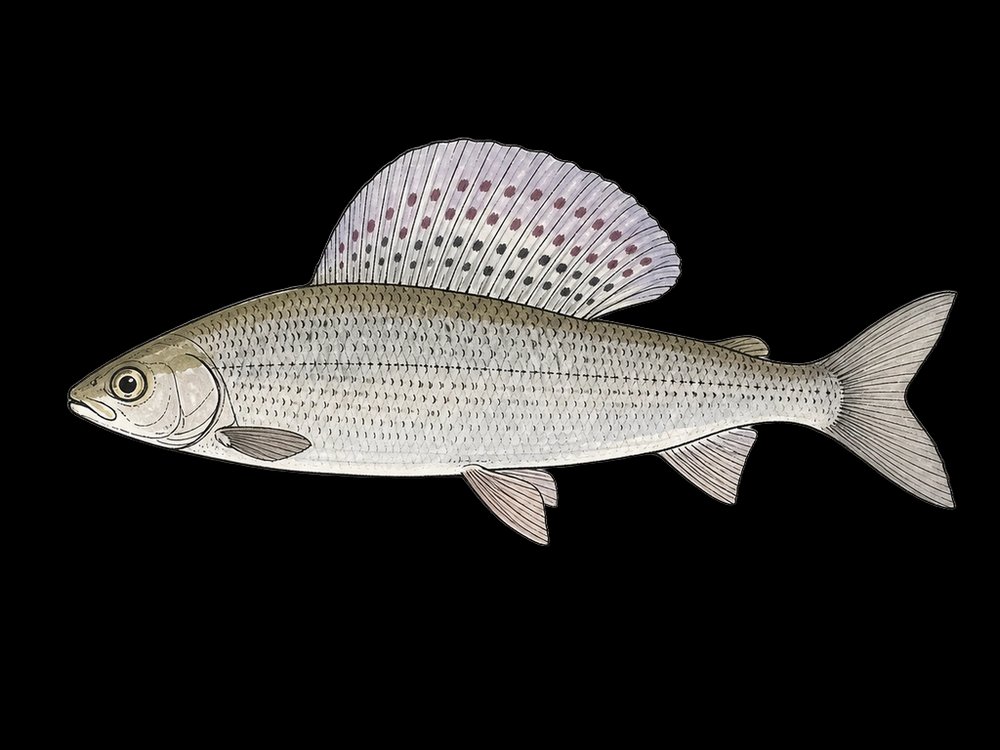
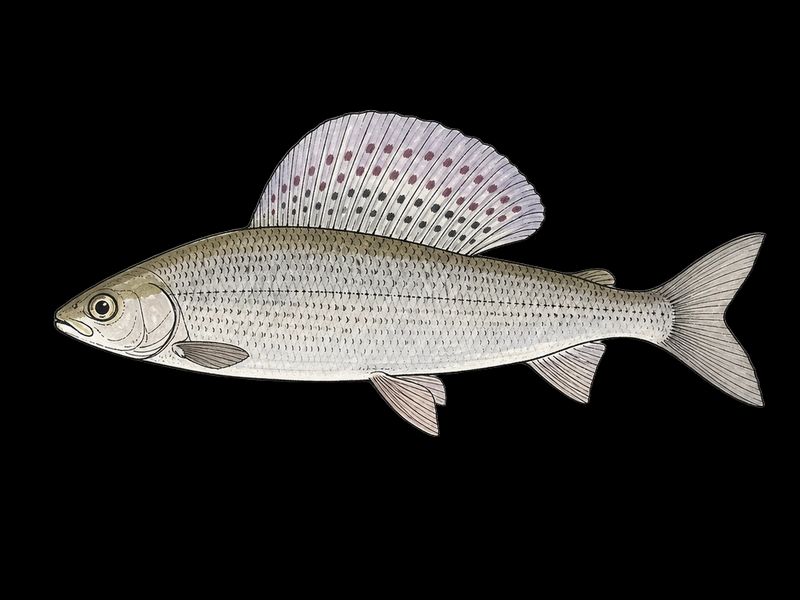
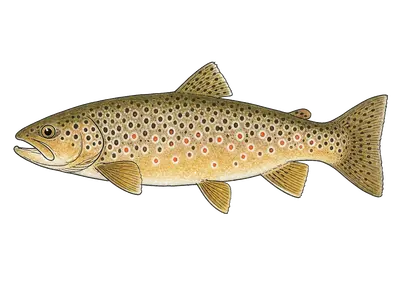
Anglers on the Great Stour can target brown trout and sea trout. Brown trout dominate most beats here; grayling, sea trout, and salmon appear on certain rivers and seasons.
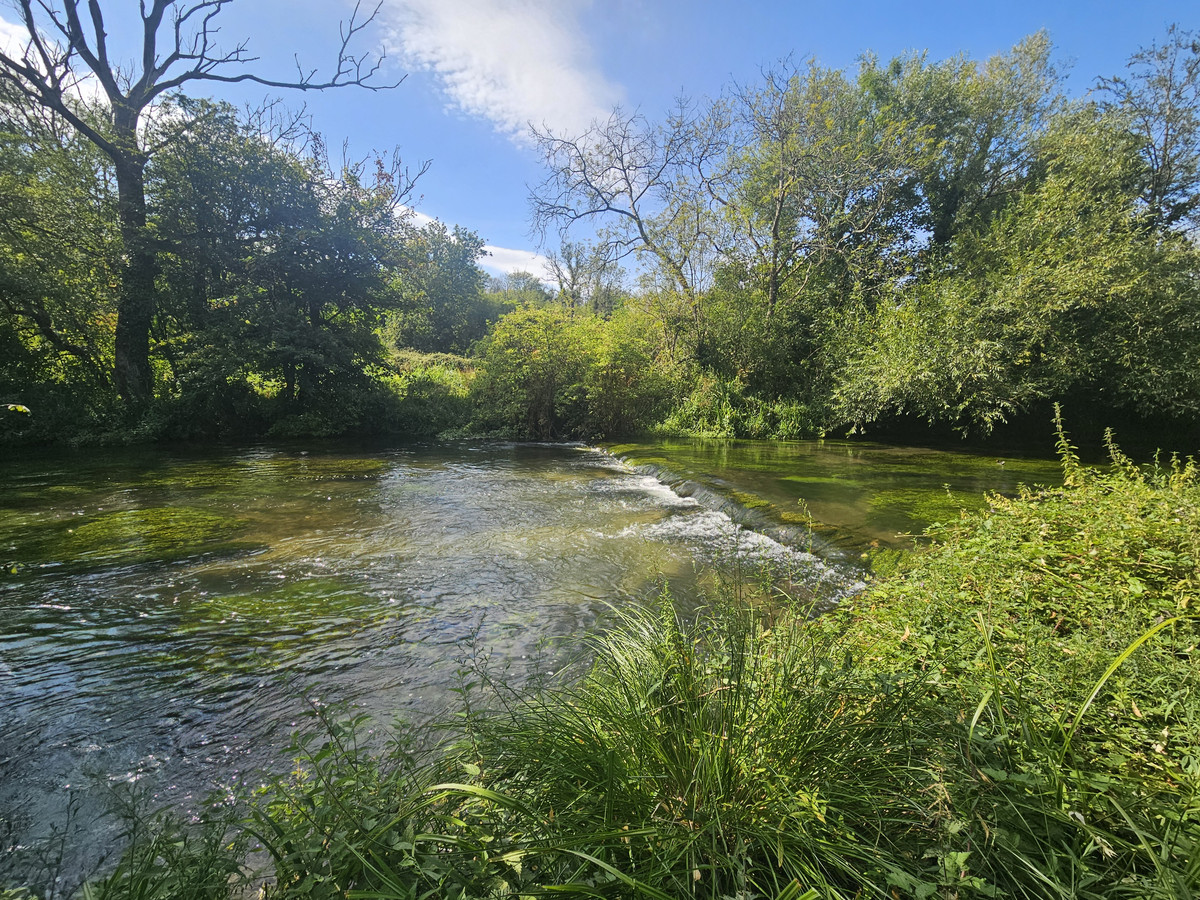
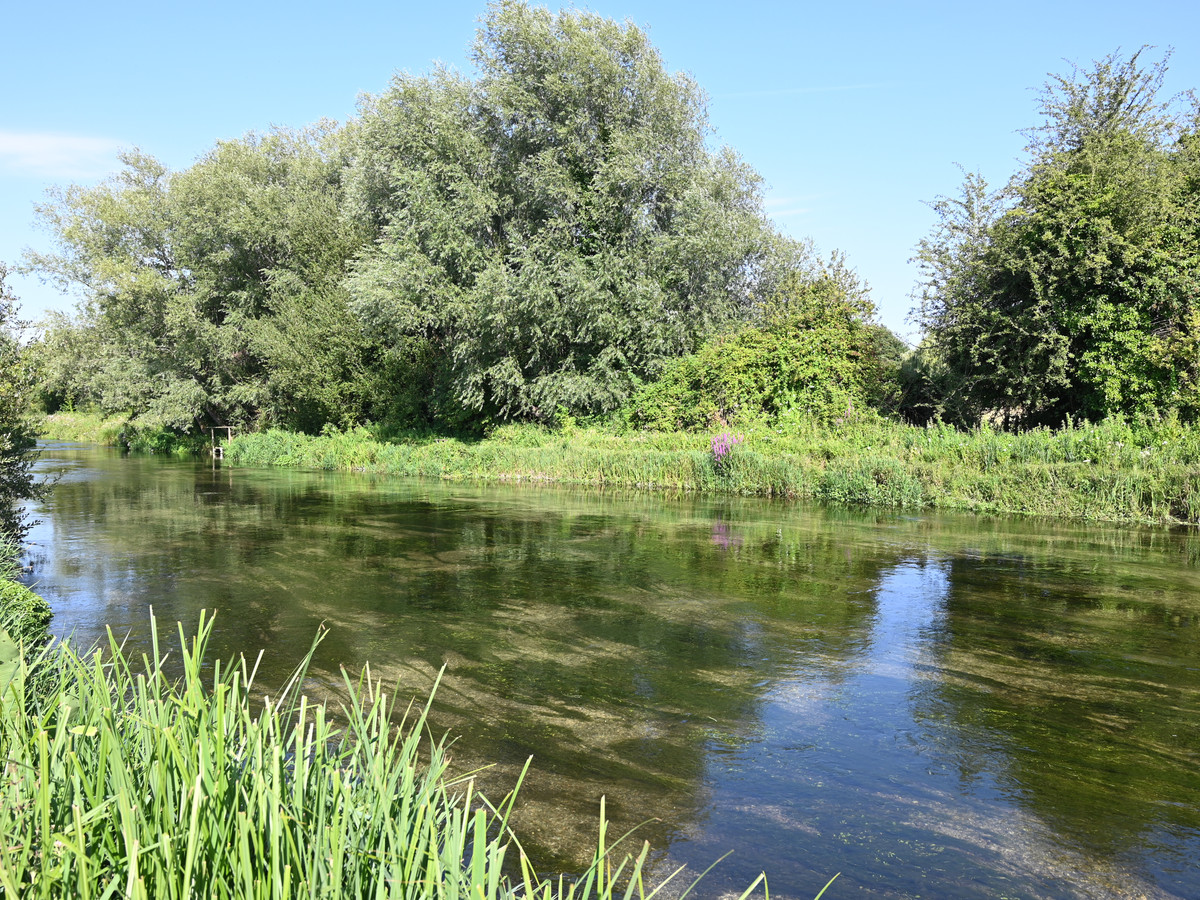
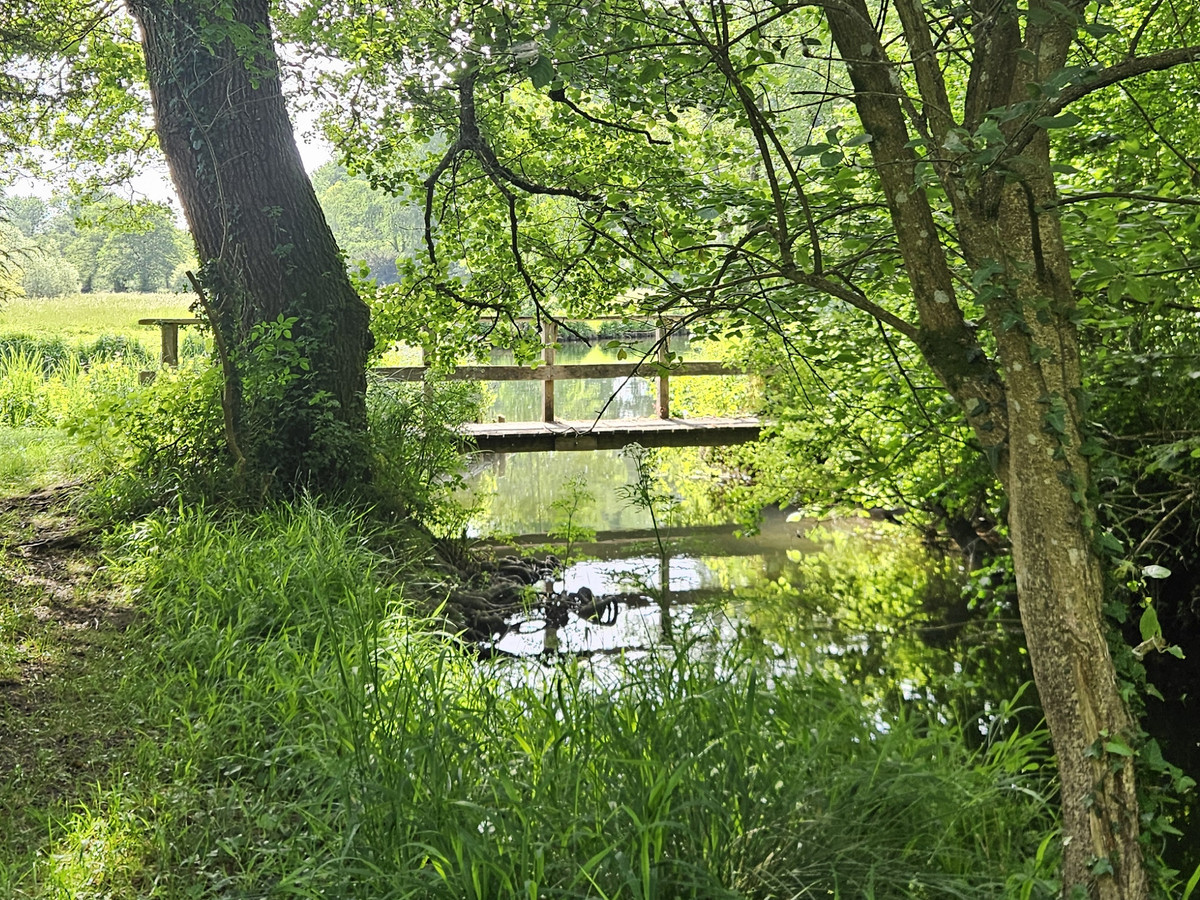
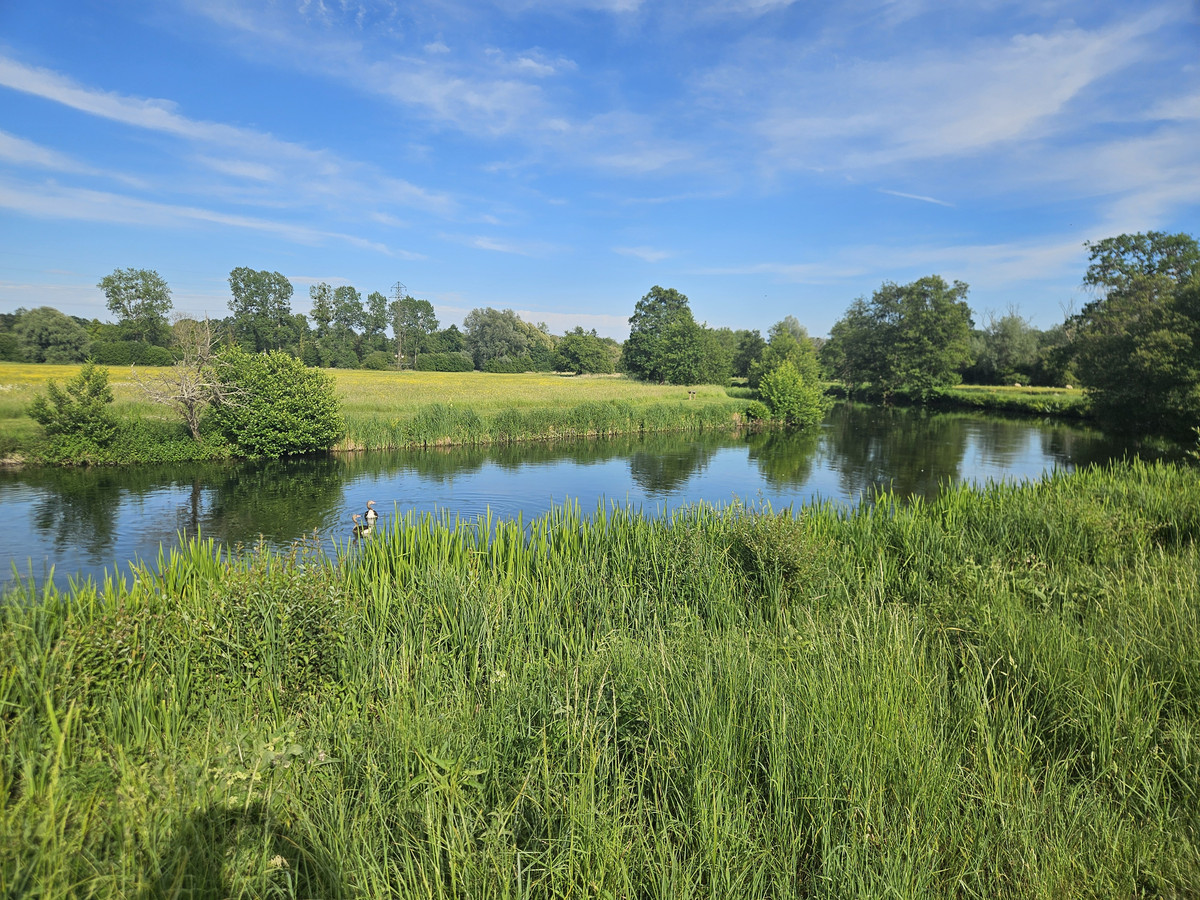
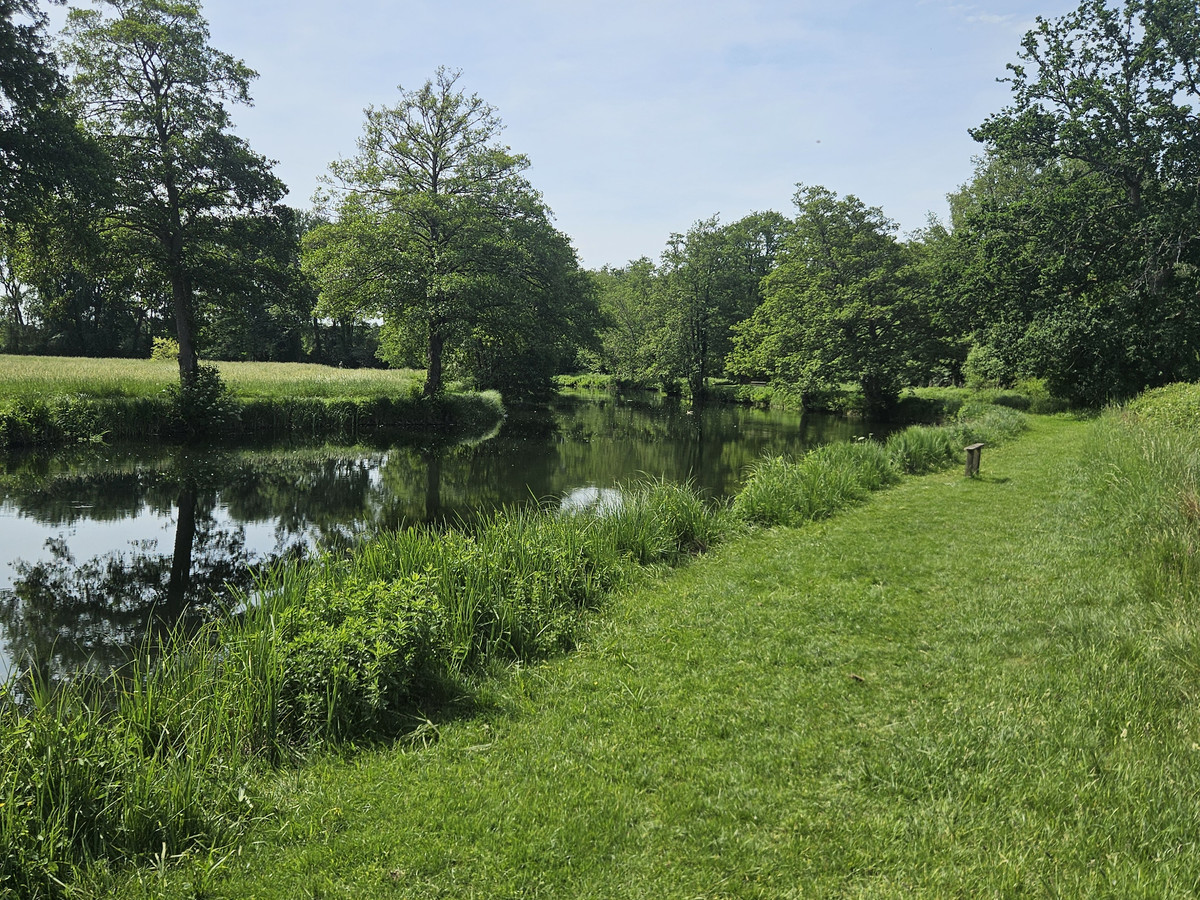
The Great Stour is the main river of the Kentish Stour. It rises near Lenham, close to the North Downs escarpment, and runs north-east through Ashford, Wye, Chilham, Chartham and Canterbury to the tidal limit at Fordwich. Below the Little Stour confluence at Plucks Gutter it is normally called the River Stour, and it reaches the sea at Pegwell Bay near Sandwich.
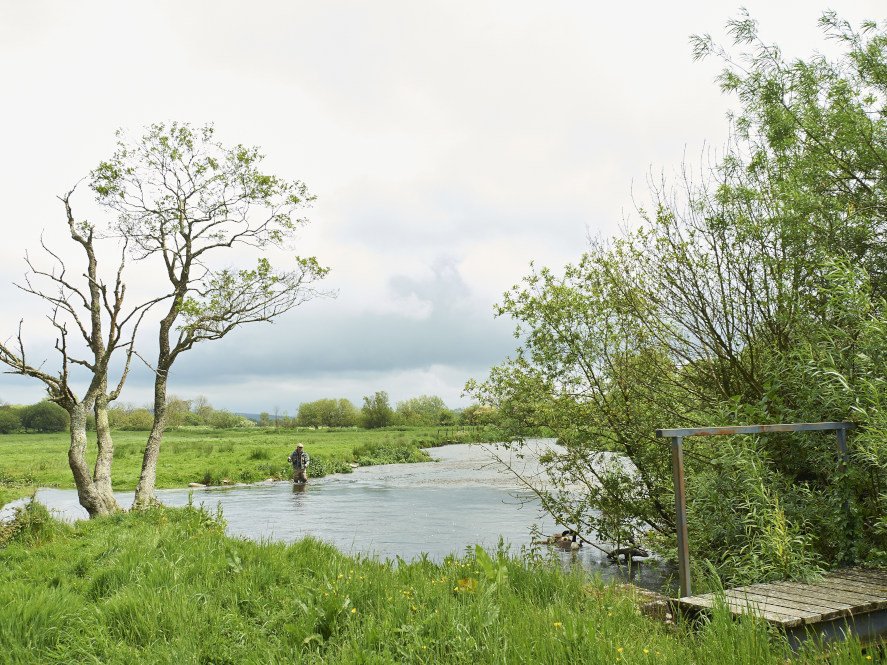
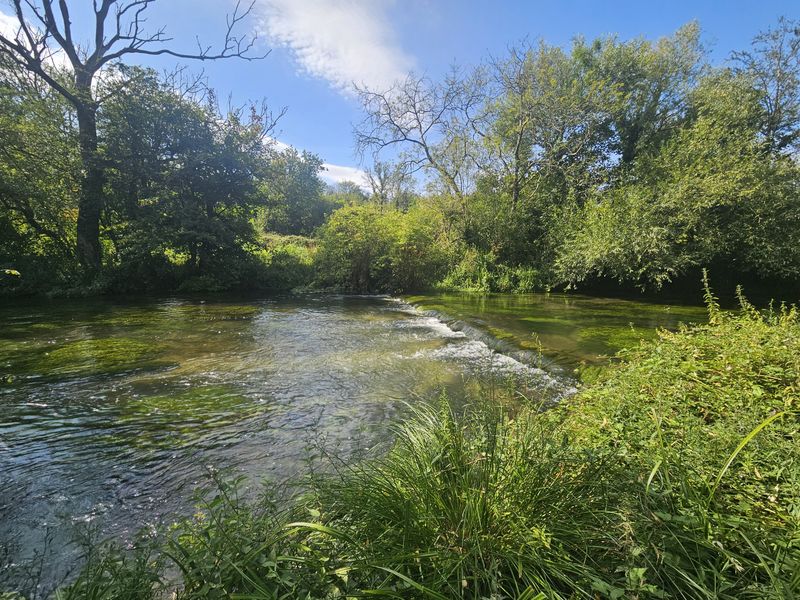
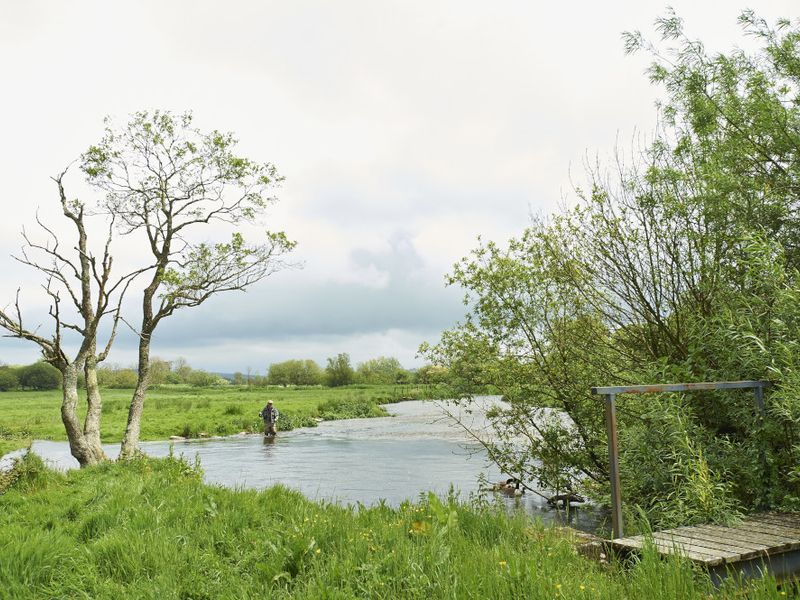
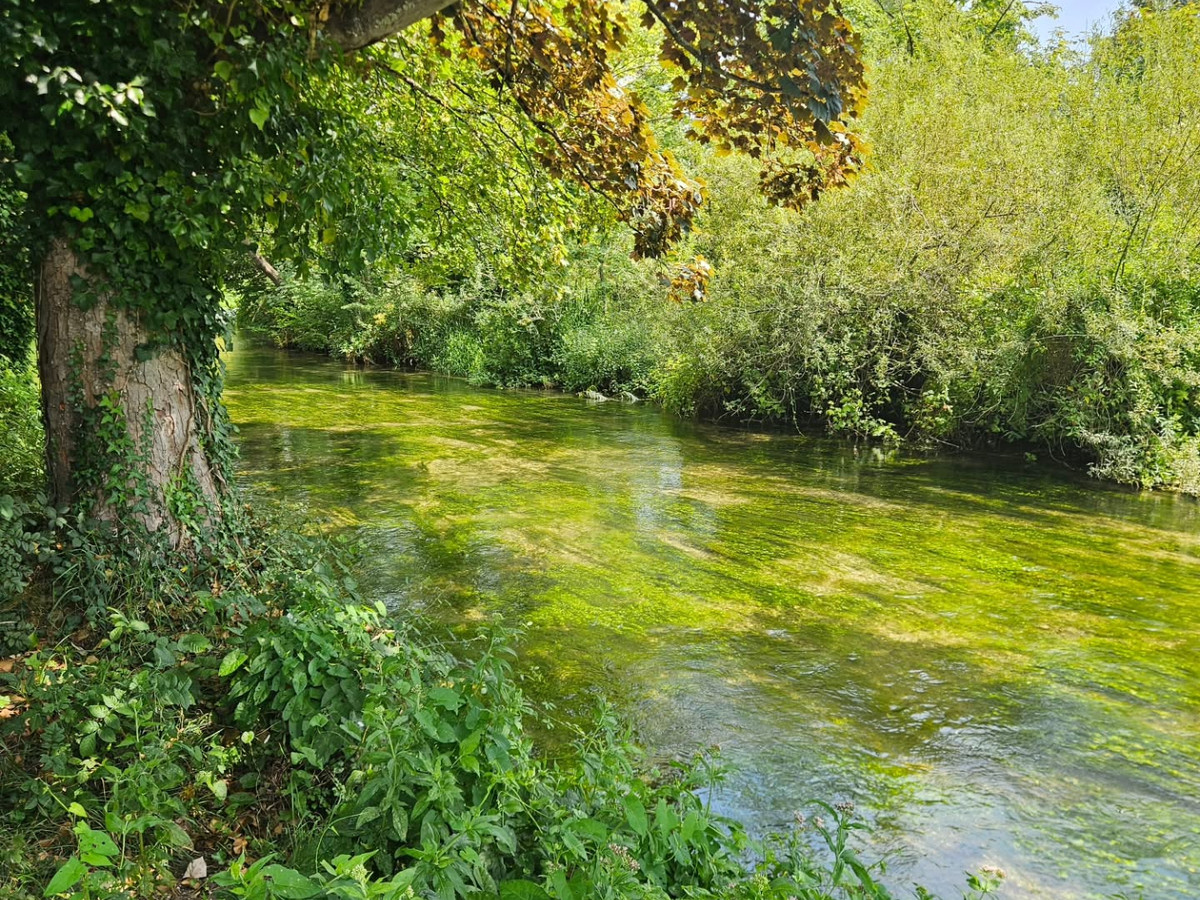
The upper catchment is greensand and clay, and below Ashford the river picks up groundwater from the Kent chalk. The Kentish Stour project calls it a chalk stream proper from Wye, with brown trout, mayflies and kingfishers between Wye and Fordwich. It is not a classic chalk stream in every way. The Wild Trout Trust notes that flashy headwaters and the town of Ashford make flows more variable than on the chalk streams further west, with spates after rain and low flows in dry spells.
Brown trout are the main fish on the middle river, and the Wild Trout Trust describes a significant run of sea trout that reaches as far as the Chilham area. Mixed coarse fish and eels are found on many stretches, and the tidal reaches near Grove Ferry are known for coarse fishing, bream in particular.
Fishing is held by clubs and estates, so check the details for the stretch you plan to fish.
FAQ
Great Stour FAQs
Common questions about fishing the Great Stour, from day tickets and seasons to what to expect on the bank.