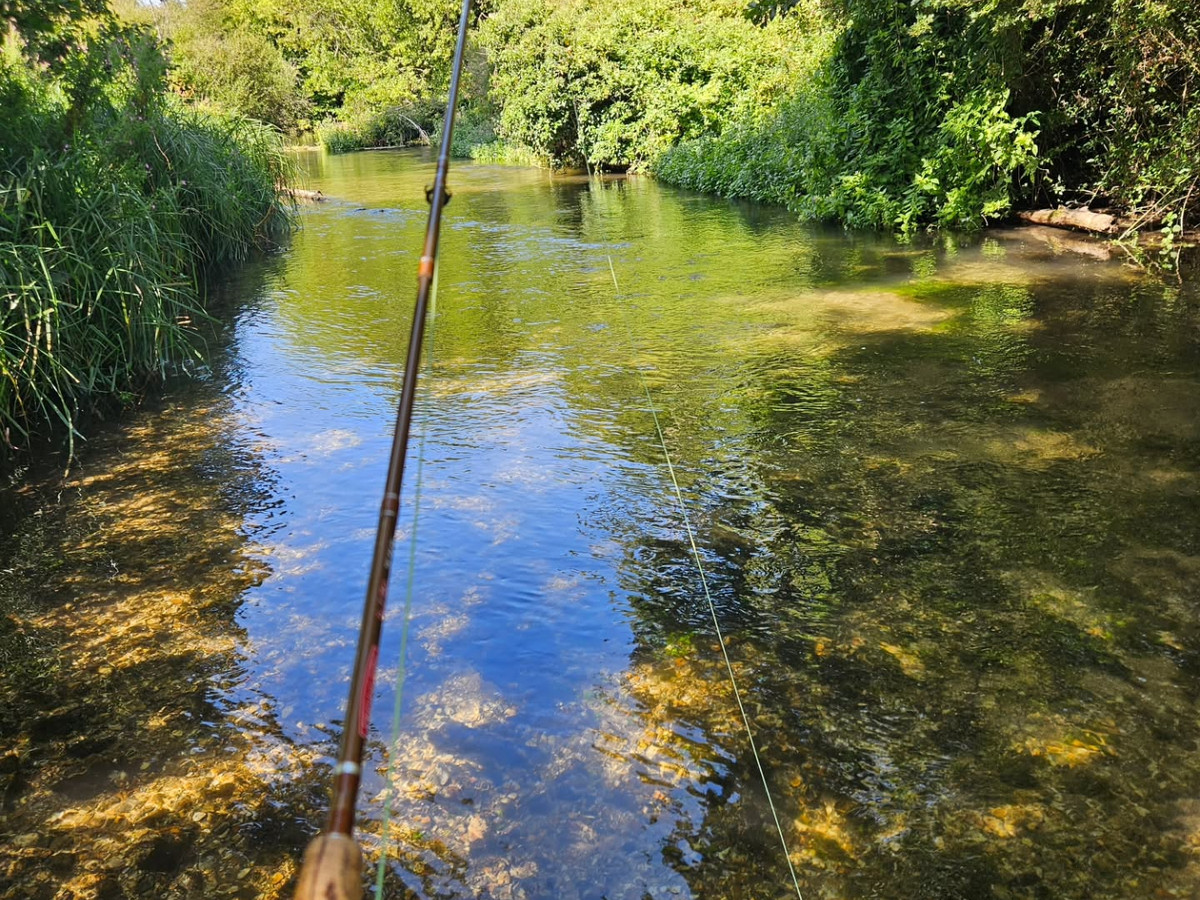
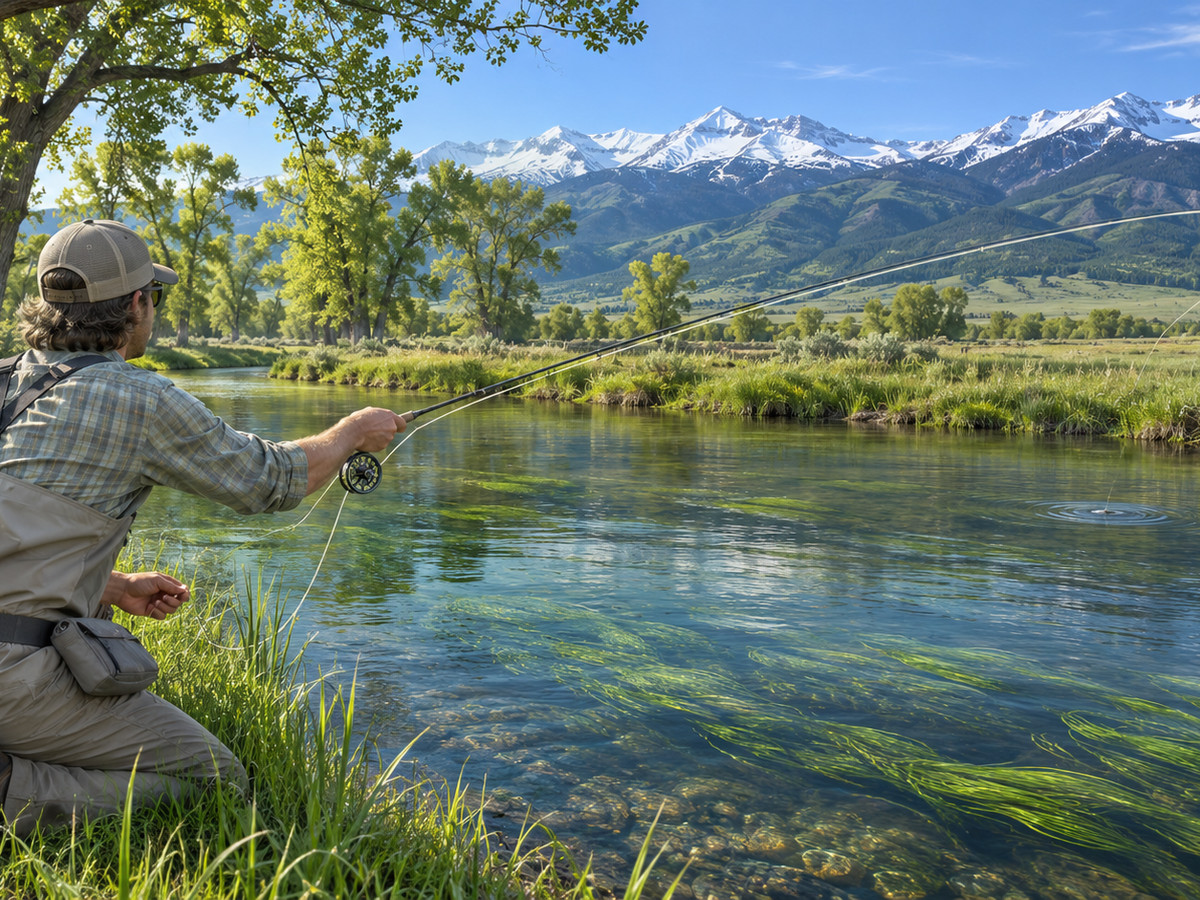
If you have fished the Test or the Itchen, Montana’s spring creeks will feel strangely familiar. A short drive south of Livingston, in the Paradise Valley of the Yellowstone River, a handful of spring-fed creeks run cold, clear and steady all year, through weed beds full of insects and wild trout that refuse a badly presented fly. Before you plan a trip, it is worth knowing how the water fishes in different seasons, and an app such as Fishbox helps you check the weather and wind for the valley before you book a day. Here is how the spring creeks work, what they cost and what will feel familiar or surprising to a chalk stream angler.
What the Paradise Valley spring creeks are
The best-known waters are DePuy Spring Creek, Armstrong Spring Creek (often called O’Hair’s) and Nelson’s Spring Creek. All three are on private ranches and rise from springs on the valley floor before joining the Yellowstone.
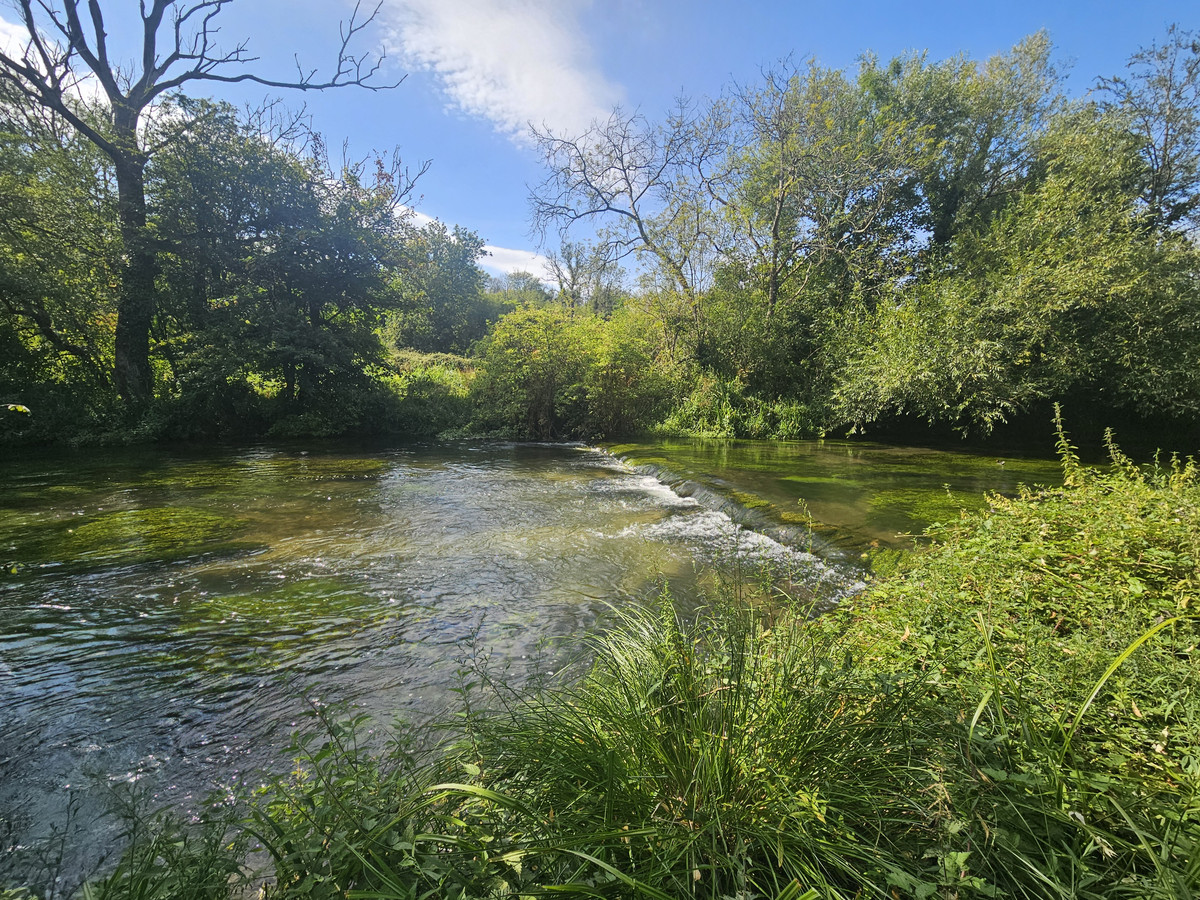
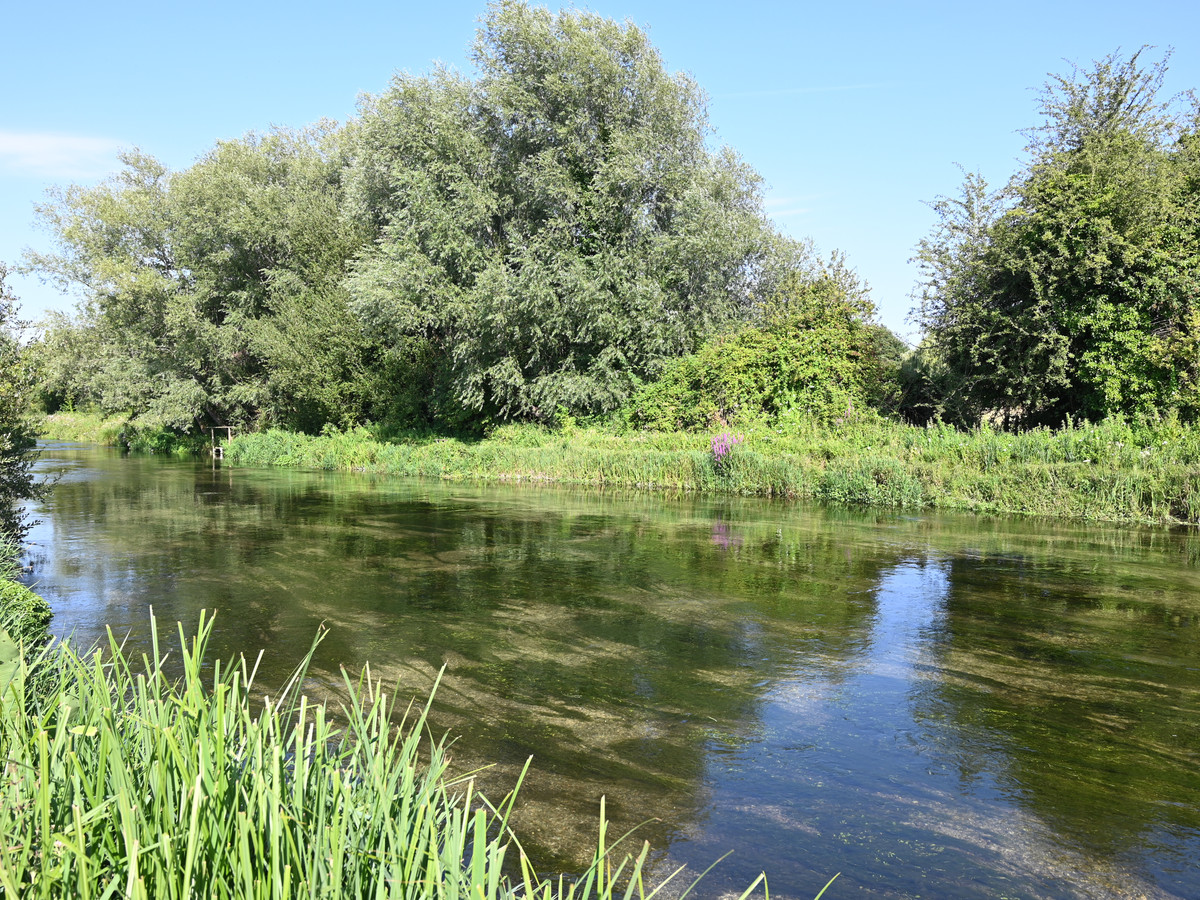
Like a chalk stream, they are fed by groundwater rather than run-off, so they stay clear, cold and fishable all year, even when the Yellowstone is high and coloured with snowmelt. The water temperature stays fairly stable through the seasons, the flow barely changes and dense weed holds huge numbers of nymphs, scuds and sow bugs.
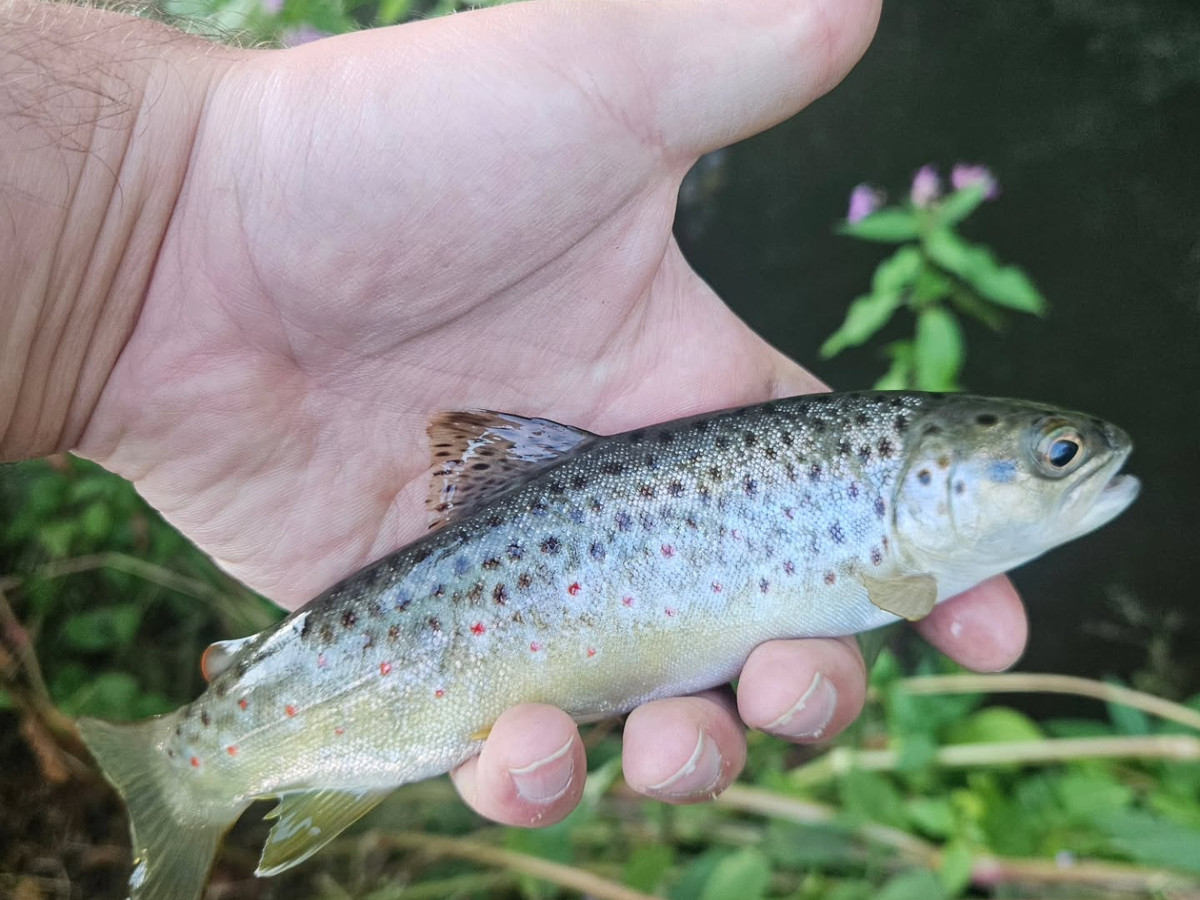
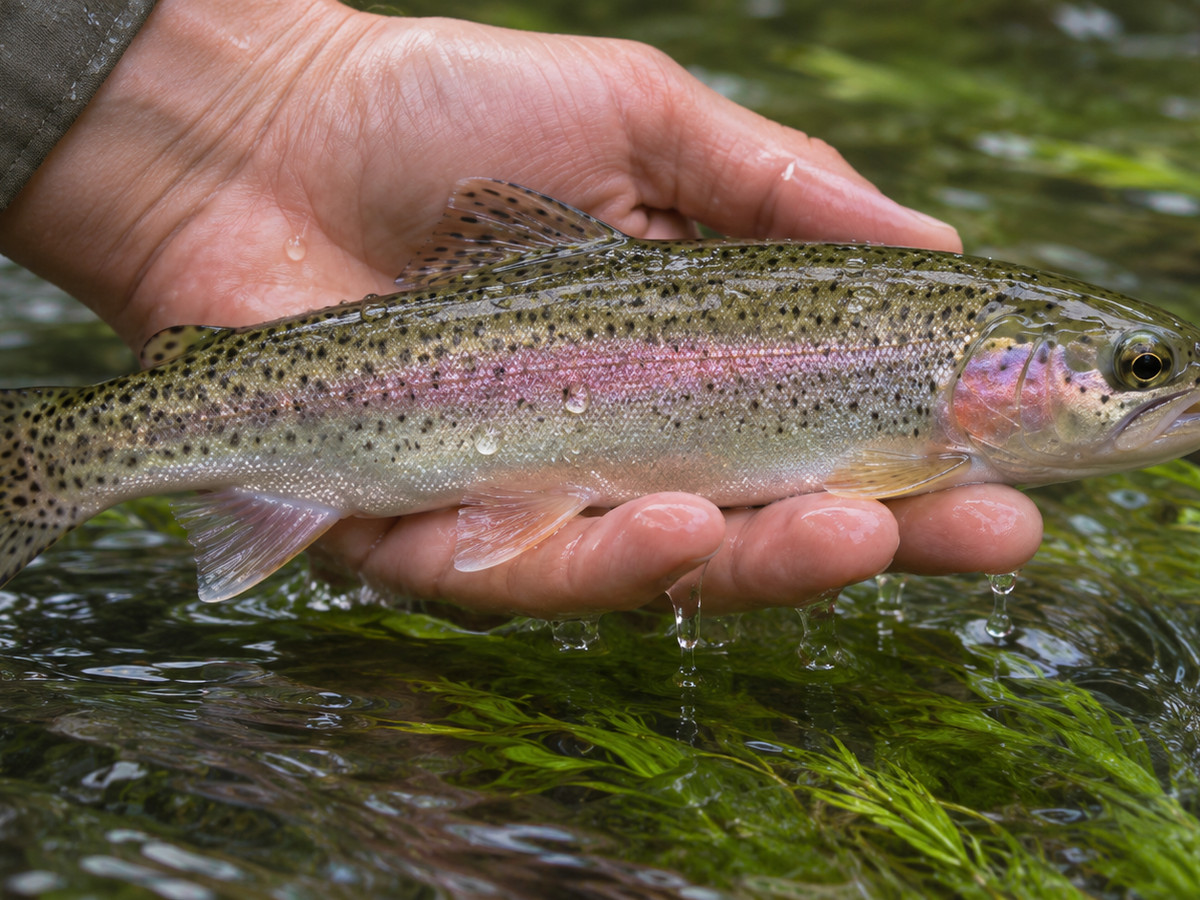
The fish are wild rainbows and browns, with some cutthroat and cutthroat-rainbow hybrids. Many rainbows run up from the Yellowstone to spawn in the creeks in spring.
How booking works
This is the part that will feel most like home. Each creek sells a limited number of rods per day, and you book a rod for a date rather than a ticket for the season. Once the rods for a day are sold, the creek is full.
The main difference is that you are not given a private beat. Every angler who has booked that day can fish the whole creek, so you share the water with the other rods. With so few rods sold, it rarely feels crowded.
Bookings are made directly with each ranch, usually by phone or email. For the peak summer weeks, many regulars book months ahead, sometimes a year in advance. Outside the peak, short-notice rods are often available.
What it costs
Spring creek fishing is good value compared with a day on a famous chalk stream beat. Rod fees change with the season, from about $50 a rod in winter to around $150 at the peak of the summer hatches, with spring and autumn in between. Check current rates with each ranch before you plan, as they change from year to year. For comparison, see the day-ticket prices on UK rivers, where a prime day on the River Test can cost several times more.
On top of the rod fee you will need a Montana non-resident fishing licence. Short-term licences, for example for two days, can be bought online from Montana Fish, Wildlife and Parks before you travel. A guide is optional but helps a lot on a first visit.
Hatches and when to go
Because the creeks stay fishable all year, the question is less ‘when can I go’ than ‘what do I want to fish’.
- Winter (December to February). Midges and the odd blue-winged olive. Quiet, cold and cheap, with small flies and rising fish on calmer days.
- Spring (March to May). Blue-winged olives (Baetis) are the main event, especially on overcast days. Rainbows run up from the Yellowstone to spawn, and April and early May can fish very well; avoid wading through spawning beds.
- Early summer (late June to July). The pale morning dun (PMD) hatch is the peak of the season and the busiest, most expensive time. Expect long periods of rising fish and very selective trout.
- Late summer (August to September). Terrestrials such as ants and beetles become important, along with smaller mayflies and caddis.
- Autumn (October to November). Blue-winged olives return, brown trout colour up and the valley is quieter again.
Summer afternoons in the valley often bring wind, so the best dry fly fishing is usually in the morning and early afternoon.
Source: Fishbox
What will feel familiar
- Gin-clear water and visible fish. You can often see the trout you are casting to, and they can see you.
- Fine tackle. Long leaders, fine tippets and small flies are the norm, as on a chalk stream in high summer.
- Selective, educated fish. Trout see a lot of flies and are quick to refuse drag or the wrong pattern.
- A day measured by rods. The one-rod-per-day booking, the limited numbers and the quiet etiquette will all feel like home.
What will feel different
- Fewer rules on method. Many Test and Itchen beats insist on upstream dry fly or nymph only. On the spring creeks, nymphing is common and widely accepted.
- Wading. Much chalk stream fishing is done from the bank. On the spring creeks, wading is common, but tread carefully to avoid damaging weed beds and spawning areas.
- Shared water. There is no keeper and no beat of your own: you move around the creek, and good manners mean not crowding another rod’s rising fish.
- The scale of the landscape. Instead of water meadows, you fish under the Absaroka mountains, with big skies, strong sun at altitude and wind that can switch on quickly.
- Price. Even at peak season, a day costs far less than a top beat on the Test.
Planning the trip
Most visitors fly into Bozeman, which is under an hour’s drive from the creeks. Livingston makes a good base, with fly shops, guides and places to stay. The spring creeks also combine well with a float trip on the Yellowstone River or a day in Yellowstone National Park, which is about an hour south.
Pack for cold mornings and warm afternoons, polarised glasses for spotting fish, and plenty of fine tippet. If you plan to fish the PMD hatch in early summer, book your rods as early as you can.
Frequently asked questions
Are the Paradise Valley spring creeks like English chalk streams?
In many ways, yes. They are spring-fed, clear and stable, with weed beds, rich insect life and selective wild trout. The main differences are fewer method restrictions, more wading and shared water rather than a private beat.
How much does it cost to fish a Montana spring creek?
Rod fees vary by creek and season. They run from about $50 a rod in winter to around $150 at the peak of the summer hatches. You also need a Montana non-resident fishing licence.
When is the best time to fish the Paradise Valley spring creeks?
Late June and July, during the pale morning dun hatch, is the peak season. Spring and autumn blue-winged olive hatches are quieter and cheaper, and the creeks fish all year round.