Springs at Elmswell, in the foothills of the Yorkshire Wolds to Joins the Driffield Navigation at Emmotland to become the River Hull · 10 miles
Fly Fishing on the River Driffield Beck
1 beat on the Driffield Beck sell access by the day, from £95.
Where the Driffield Beck runs
The river's course with every beat and fishery we list on it. Tap a marker for a quick read on price.
Fishing Beats on the Driffield Beck
1 beat availableBrowse day tickets, syndicate rods, and permit fishing on the Driffield Beck. Each beat listing includes pricing, species, and booking details.
About the River Driffield Beck
River Driffield Beck at a glance
- Length
- 10 miles
- Source
- Springs at Elmswell, in the foothills of the Yorkshire Wolds
- Mouth
- Joins the Driffield Navigation at Emmotland to become the River Hull
- Country
- United Kingdom
- Water type
- chalk stream
- Website
- Visit website
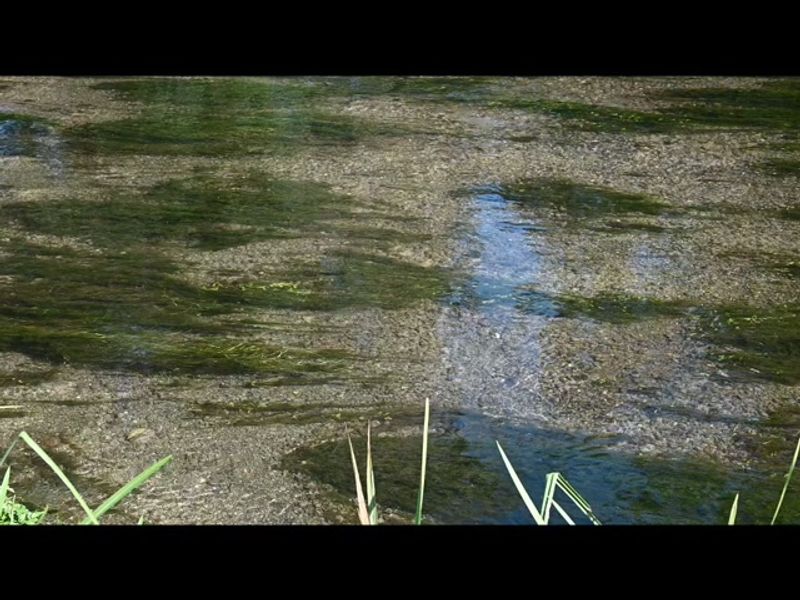
Driffield Beck rises as a spring at Elmswell, in the foothills of the Yorkshire Wolds, in Yorkshire. The system changes name as it goes: Elmswell Beck at the source, then Driffield Beck itself past Little Driffield and through the town, then West Beck below Driffield through Wansford, before it joins the Driffield Navigation at Emmotland and becomes the River Hull. The chalk stream section runs a shade over 10 miles; the Hull then carries on a further nineteen miles to the sea. The system forms the River Hull Headwaters Site of Special Scientific Interest, and Natural England's own citation for that site calls it the most northerly chalk stream system in Britain.
The Beck carries more history than its modest length suggests. Articles praising it in The Field go back to 1870, and J W Hills, who wrote A Summer on the Test, thought it very like the River Itchen. It has its own fly, the Driffield Dun, tied rather like a Greenwell's Glory, and at some point in their fishing lives most of the great names in English fly fishing have made their way here.
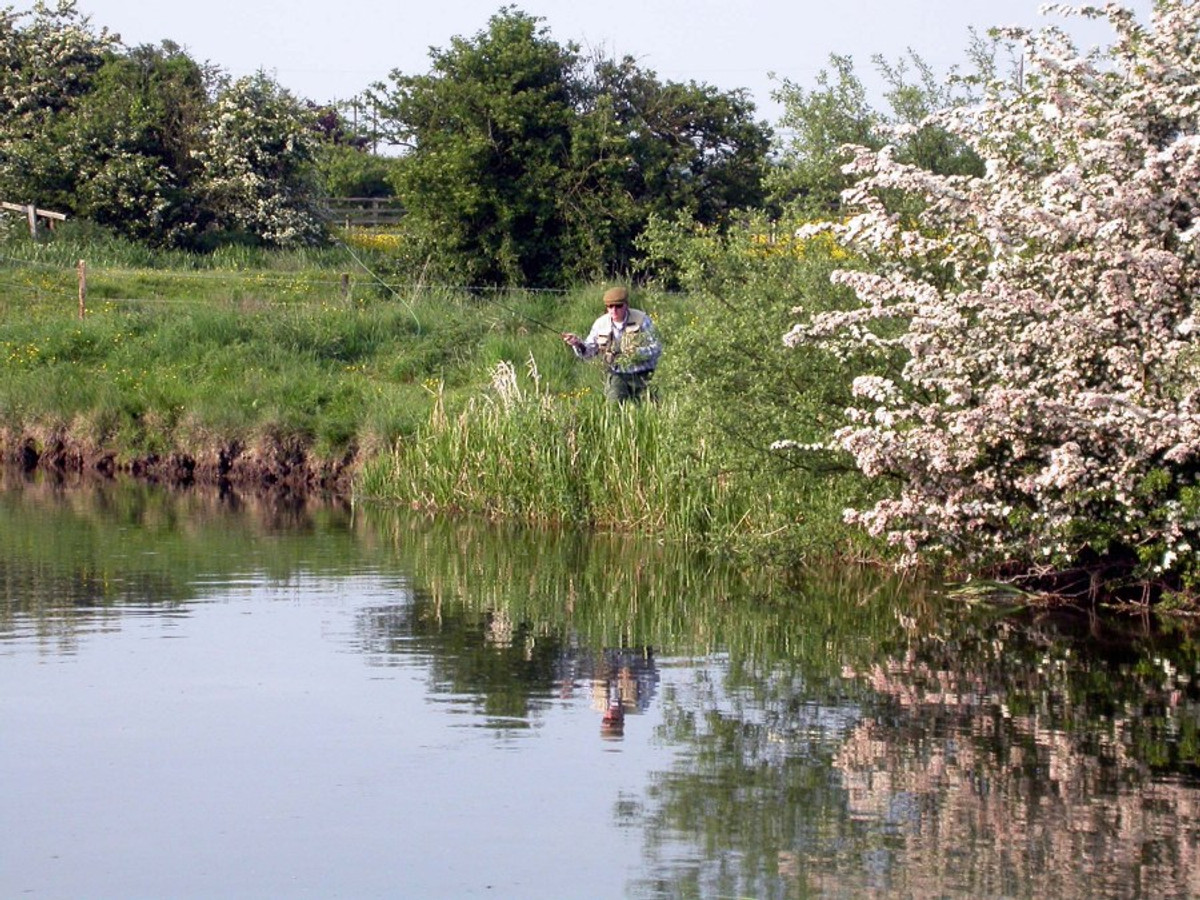
What sets Driffield Beck apart from the chalk streams further south is worth stating plainly: there is no mayfly hatch here at all. Turn up with a mayfly box built for the Test or the Itchen and you've brought the wrong kit. What the Yorkshire streams are known for instead is the hawthorn hatch, in late April and early May, and locals fish small, sometimes down to size 26, particularly once the season is underway. The trout season runs April to September, with grayling fishing through the winter, and you can expect to find along its length. Day tickets start from £95 during the main season.
FAQ
Driffield Beck FAQs
Common questions about fishing the Driffield Beck, from day tickets and seasons to what to expect on the bank.