Burbage, Wiltshire to Hampshire Avon at Salisbury · 20 miles
Fly Fishing on the River Bourne
3 beats on the River Bourne sell access by the day.
Where the River Bourne runs
The river's course with every beat and fishery we list on it. Tap a marker for a quick read on price.
Fishing Beats on the River Bourne
3 beats availableBrowse day tickets, syndicate rods, and permit fishing on the River Bourne. Each beat listing includes pricing, species, and booking details.
Laverstock Fishery
A three rod stretch of the Wiltshire Bourne running upstream on the true right bank from Laverstock Road to the A30 London Road, on the eastern edge of Salisbury. Park along the lane off Laverstock Road that leads to the allotments, or further along towards Laverstock Sports and Social Club if you can find a space. The signing in book is near the pedestrian footbridge past the club’s pitches. This is a premium wild fishery holding both trout and grayling, but the grayling are the reason it exists, and the reason its opening times follow the coarse season rather than the trout one. There are fish of a lifetime in the Bourne here, and they are not always shy about letting you know it, though catching one after it has seen you is another matter. The water possibly holds a new club record; the current one stands at 2lb 4.5oz. You can fish it from the bank but wading opens up a lot more. It is not difficult wading, though there are deeper holes to watch for and exit points get harder to find when winter levels are up. Stealth is everything. Water that looks empty turns into a mass of activity the moment a shoal of grayling scatters away from a clumsy first step. Look, look again, and take your time. It is a long beat and takes a while to cover properly. Fish can be had throughout, though the stretch upstream of the pedestrian bridge has a reputation as the most productive. Casting is awkward in places and a rod of eight feet or under will be easier, but do not fish too light at the tippet or you will lose the fish you came for. Nymphs work, peeping caddis with a short orange tag in particular, but the dry fly gives more pleasure. On cold days after the first frosts a size 20 black gnat or similar small dark dry can tempt very good fish.
Hurdcott Fishery
Around 500 yards of the Wiltshire Bourne on the true right bank at Hurdcott, in the valley north east of Salisbury. The fishery is lightly managed, which leaves good bankside cover and makes for the kind of water where a short rod and a fine and far off approach is the order of the day. There are good hatches of all the upwinged flies. Catch and release is recommended. The club asks that members do not fish opposite the houses at the bottom of the beat. Like the rest of the Bourne this is small, clear water where the fish see you first if you are careless. It rewards patience over distance.
Upper Bourne Fishery
A premium wild fishery on the upper reaches of the Wiltshire Bourne, holding trout and large grayling. Fishing is from the bank, around 500 yards of main river along with some side streams. It is challenging water and asks for an extremely stealthy and delicate approach. The fun of it is stalking good fish in crystal clear water, with catching them as a bonus rather than the point. Small nymphs are the most successful, though small dry flies are worth a go too, particularly on the faster stretches. This is the hardest of the club’s three Bourne fisheries and the one that most repays going slowly.
About the River Bourne
River Bourne at a glance
- Length
- 20 miles
- Source
- Burbage, Wiltshire
- Mouth
- Hampshire Avon at Salisbury
- Tributary of
- Hampshire Avon
- Country
- United Kingdom
- Water type
- chalk stream
Fish species
Anglers on the River Bourne can target brown trout and grayling. Brown trout dominate most chalk stream beats; grayling, sea trout, and salmon appear on certain rivers and seasons.
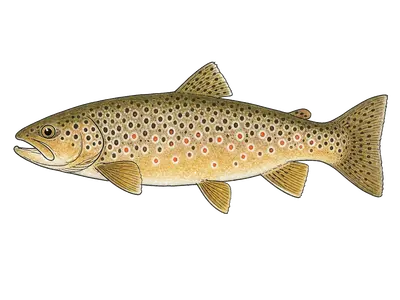
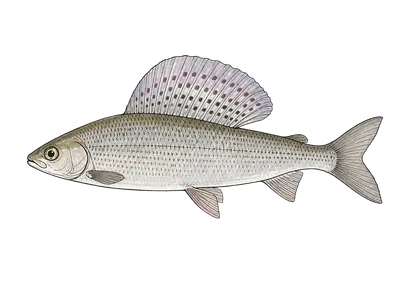
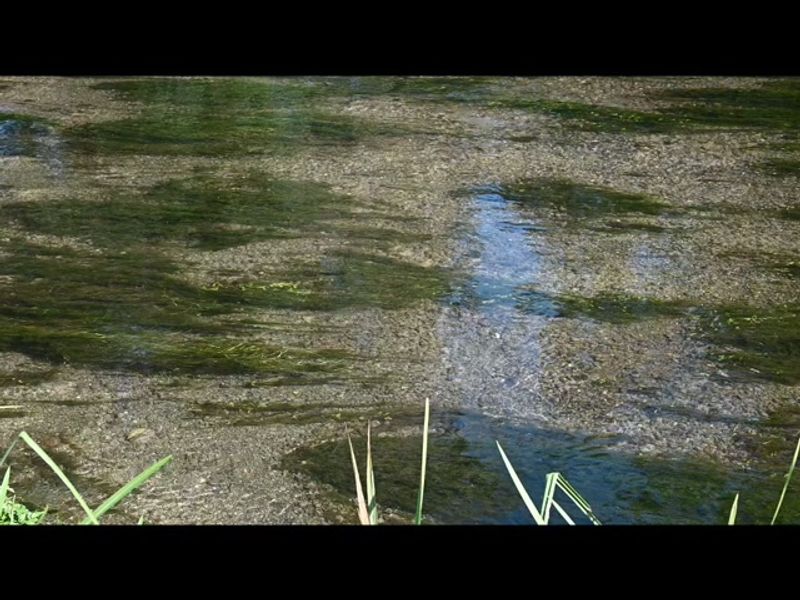
The Wiltshire River Bourne runs down the eastern edge of Salisbury Plain from Burbage to the Hampshire Avon at Salisbury, around 20 miles through Collingbourne, Idmiston, Gomeldon, Winterbourne and Laverstock. It is a winterbourne for part of its length, meaning the upper reaches run dry in a hot summer and fill again with the autumn rain, and that shapes the fishing: the water is small, very clear, and the fish are wild and wary.
The quarry is brown trout, grayling, and on the Bourne it is the grayling that are the draw. The club record grayling, 2lb 4.5oz, came from this river, and the lower beats at Laverstock hold fish of that order. Fishing is close range and stealthy, upstream nymph and small dry fly, often from the water rather than the bank. Casting room is tight in places and a rod of eight feet or under is easier than a longer one.
With 3 beats listed on FishingBeats, the Bourne is almost entirely club water. Salisbury and District Angling Club holds three fisheries on it: the Upper Bourne at Gomeldon, Hurdcott below it, and Laverstock on the edge of Salisbury, where the season runs to the coarse calendar so members can fish for grayling through the winter.
FAQ
River Bourne FAQs
Common questions about fishing the River Bourne, from day tickets and seasons to what to expect on the bank.