Wading Fishing Beats
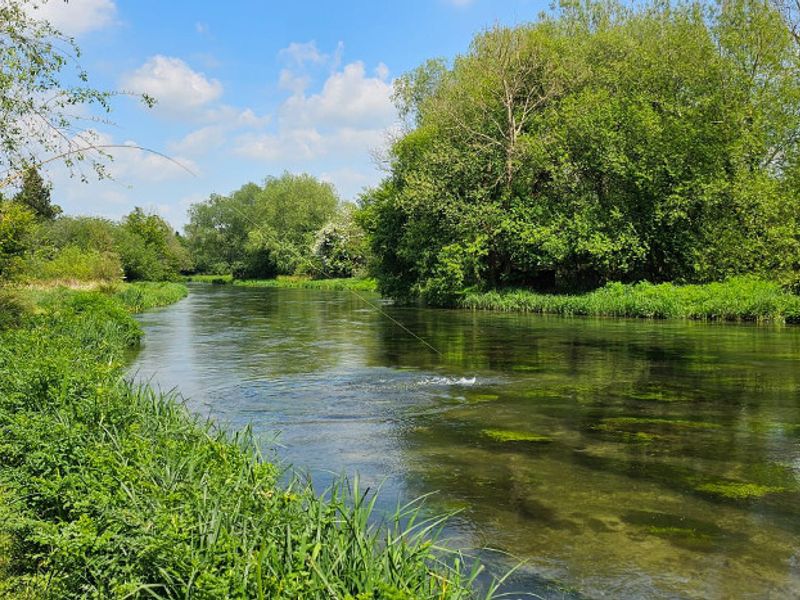
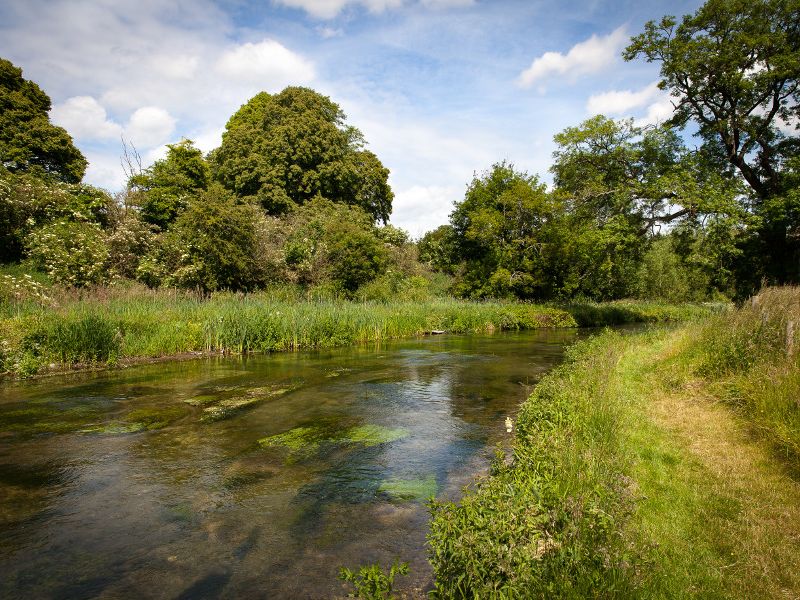
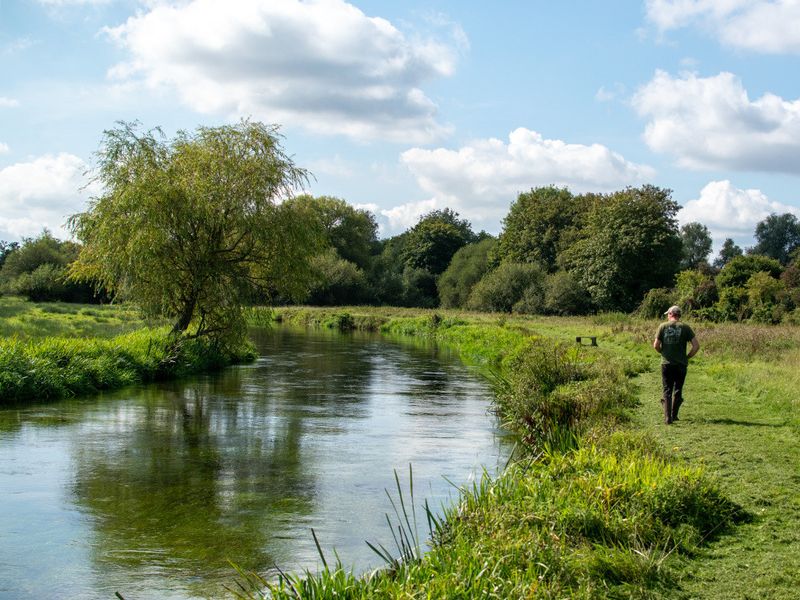
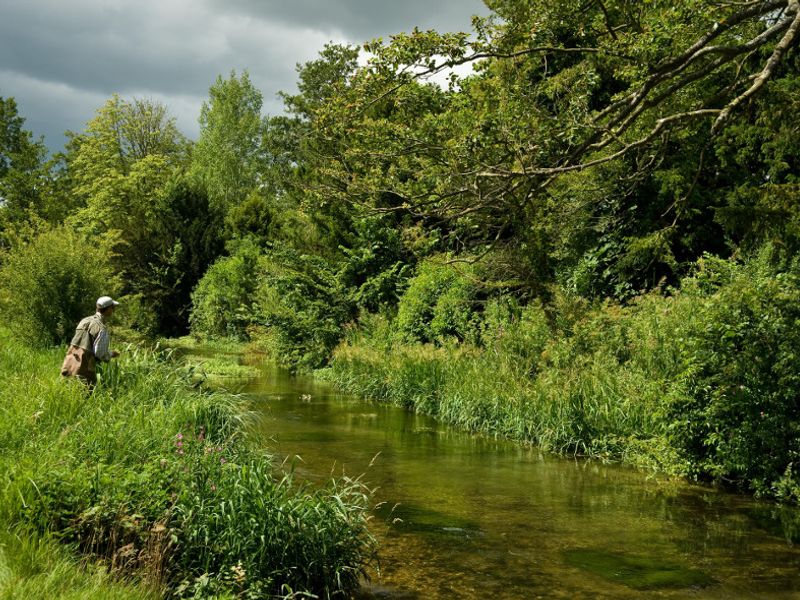
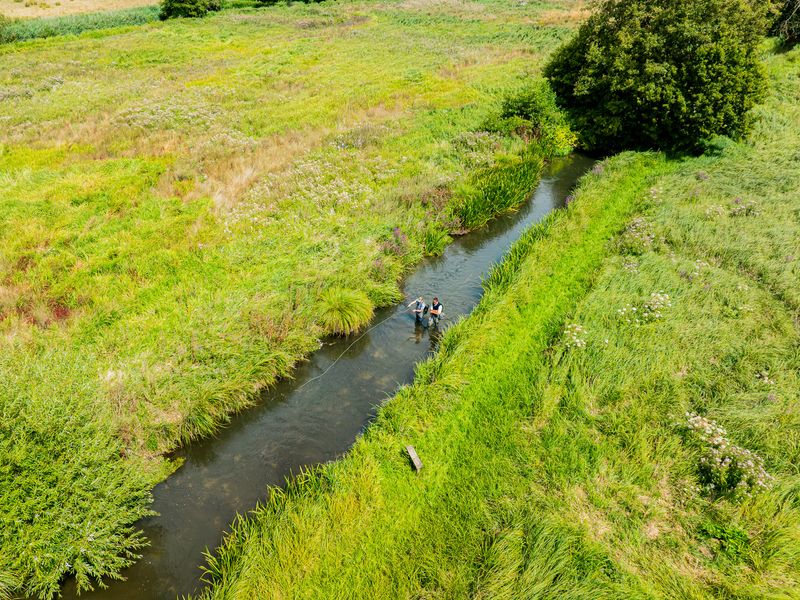
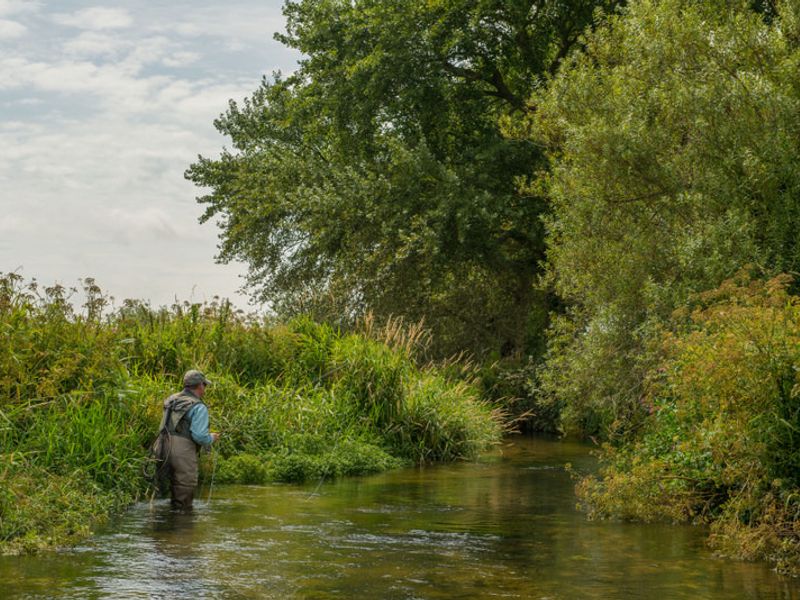
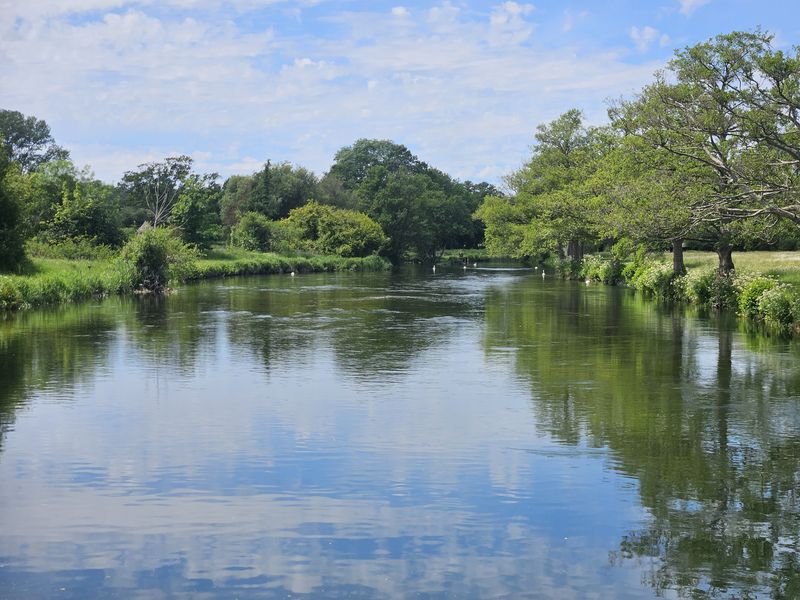
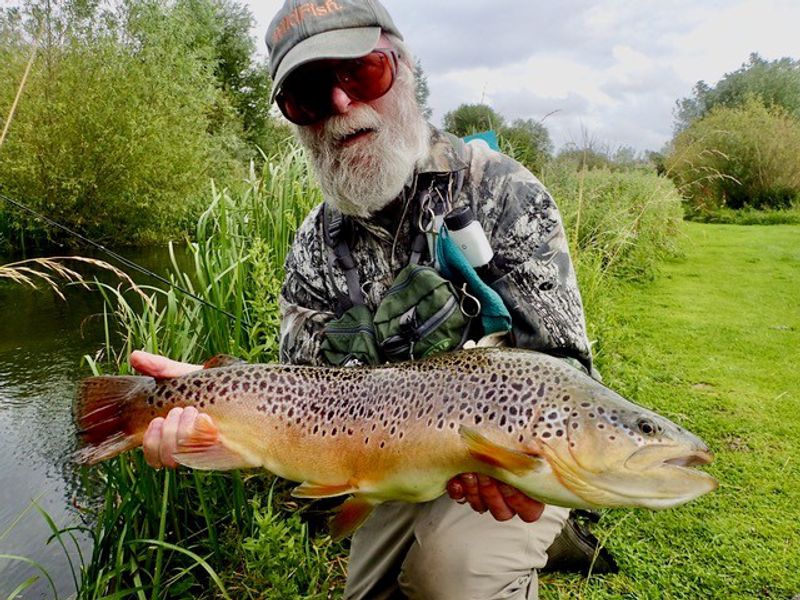
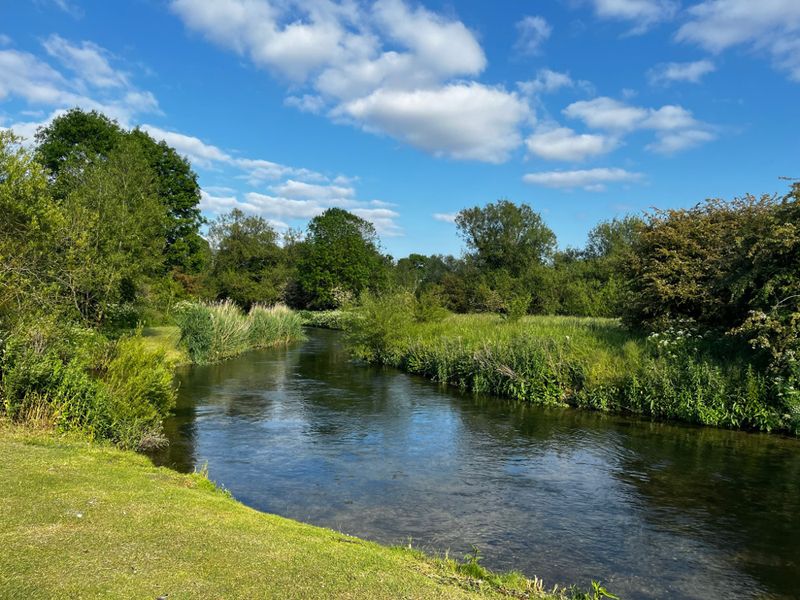
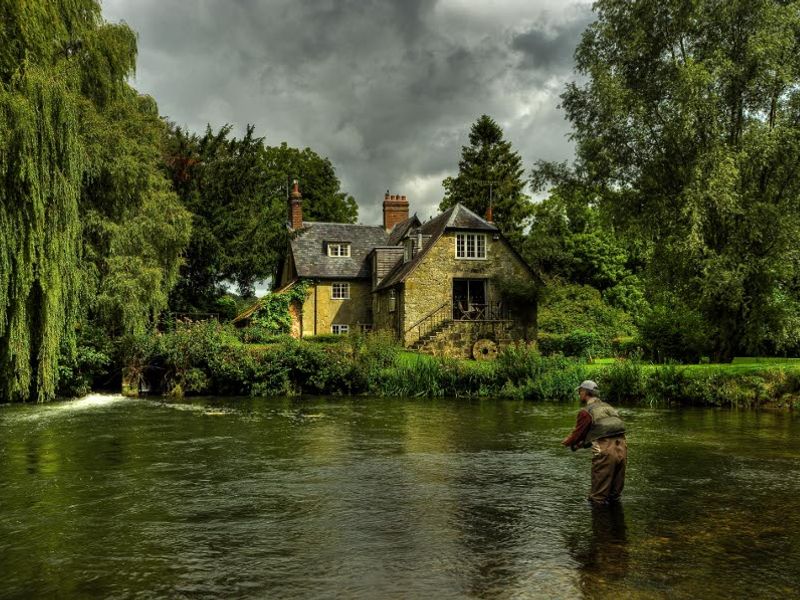
8 chalk stream beats where wading is permitted. Get into position for accurate upstream dry fly and nymph presentations. Use the filters below to refine by river, price, or availability, or switch to the map view to see locations.
8 beats

River Itchen
Kanara
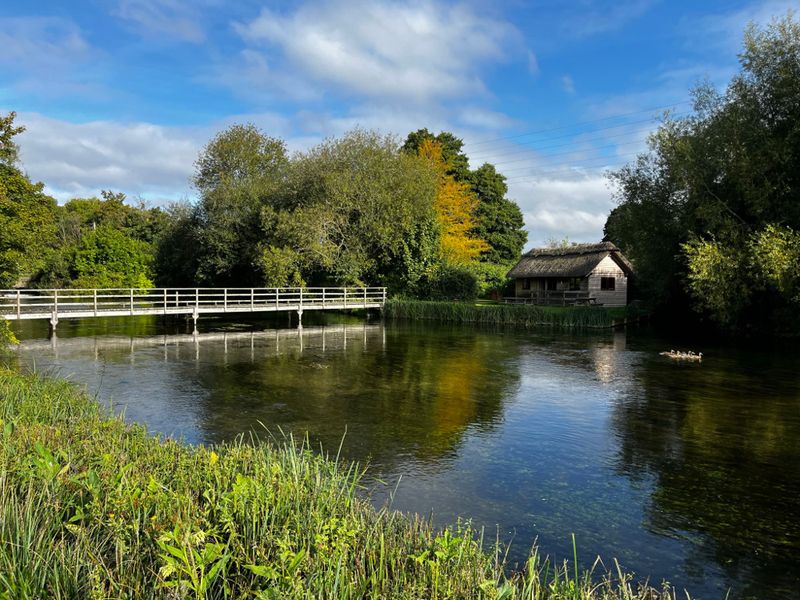
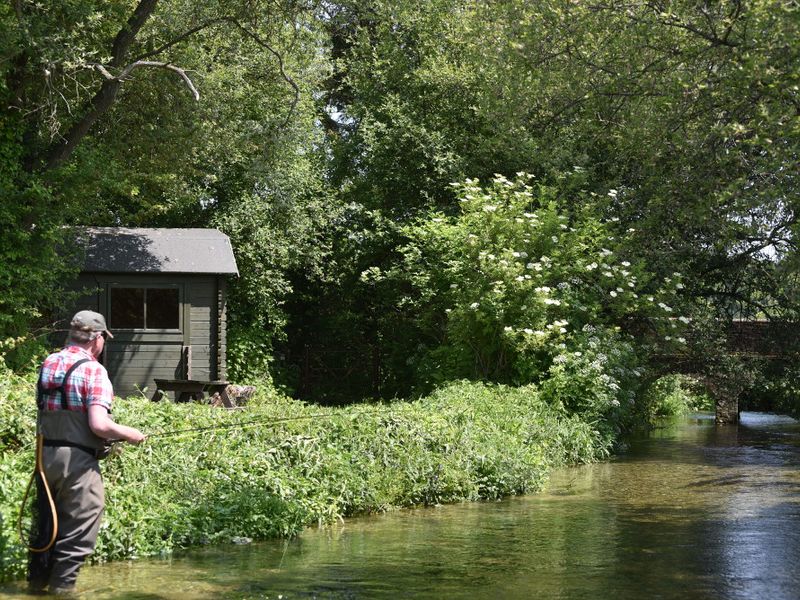
Kanara is a well-established beat on the River Itchen, situated below Winchester near Otterbourne, with around 640 yards of double-bank chalk stream running downstream from the bridge on Kiln Lane. It sits roughly ten minutes south of Twyford and is easily reached from the M3 at Junction 12 — making it a practical day-trip from London in under two hours. The water combines a quick-flowing upper section with deeper, slower pools towards the bottom of the beat, and is largely a wading stretch that holds both stocked and wild brown trout alongside a noted winter grayling population. Hatches of blue-winged olive and sedge are prolific on the Itchen, providing reliable dry fly action across the season, while the mayfly — typically peaking in late May and early June — commands the highest day-rod prices here at £225. Summer rods are priced at £194, with grayling days available from £114 through the back end of the season to 30 November. The lower section is best fished over the left shoulder or with side and roll casts, and will test anyone without a solid command of their casting. There are some large-sized browns on the beat, so a strong leader is advisable, though wild browns and grayling are spread throughout and a light rod suits much of the fishing. The beat is rated expert — both the casting and the approach to shy fish in crystal-clear chalk stream water demand real experience. One to two rods fish the beat comfortably. The Itchen is the river where G.E.M. Skues developed the concept of nymph fishing, and that tradition of precise, technical fly fishing remains very much alive at Kanara. A fishing cabin and car parking are provided on site. A valid Environment Agency rod licence is required, and anglers should note that sea trout and salmon are present in the lower Itchen corridor — check beat-specific rules on retained fish and method restrictions before your visit.
River Test
Grove Beat
The Grove Beat occupies roughly 0.6 miles of the lower River Test on the Broadlands Estate in Hampshire, just downstream from the town of Romsey. It sits as the lowest of the three trout beats on the estate, and the Test at this point is quite wide and deep in parts, with a fast flow that sets it apart from the more intimate upper valley. As the season progresses and flows drop back, the beat settles into lovely pools and long riffles. Up to three rods fish the beat, with double-bank access giving good coverage of the water. Brown trout and grayling are the primary quarry, with Atlantic salmon and sea trout also present on the estate. The fish population includes both wild and stocked trout and grayling, with an average size of around 1–2 lb, though larger specimens can be found in the deeper pools. Early season anglers will typically favour nymphing, though there can be good hatches of large dark olives, grannom, iron blue dun and hawthorn that bring fish up to the dry fly. Like much of the Test, Broadlands sees big mayfly hatches, and this far down the valley they tend to arrive a little earlier — usually from the first weeks of May, with the main spectacle through mid to late May. As cooler weather moves in and weed beds die back, the beat becomes a productive destination for shoaling grayling, with clean gravel runs and good pace offering prime nymph fishing. Fishing runs from 3 April to 15 October, upstream dry fly and nymph only, with flies kept to natural imitations and hook sizes no larger than 10. Two stocked trout of 14 inches and above may be killed per rod per day, with catch and release thereafter for up to four additional fish; all wild fish must be returned. A 9–10 ft rod for a 4–5 weight line suits most conditions, though the fast, deep water rewards heavier nymphs, particularly earlier in the season. The beat is rated suitable for beginners and is well set up for a day visit, with a fishing hut and toilet facilities on site. Ghillying can be arranged with the riverkeeper. Day rods run from £220 in early and late season to £300 at peak, with fortnightly rod options also available for those wanting a longer stay.
River Test
Lee Park Beat
Lee Park Beat sits on the lower River Test, just downstream of Romsey, within the 4.5 kilometres of the river that flow through the Broadlands Estate. It is one of five named trout and salmon beats on the estate, covering just under half a mile of double-bank main river chalk stream. This section of the Test is wide, fast and varied, and as the season progresses and winter flows recede, the beat settles into lovely pools and long riffles that lend themselves well to upstream presentation. The beat fishes dry fly and nymph only, with up to three rods, and is rated suitable for beginners — the double-bank access and wading allowance giving newcomers room to find their feet. Early season typically favours nymphing, though hatches of large dark olives, grannom, iron blue dun and hawthorn can bring fish up from opening day on 3 April. The estate is well known for its mayfly hatches, and this far down the valley the hatch tends to arrive a little earlier than upstream beats, with first appearances in early May and the main event running through mid to late May. Brown trout and grayling make up the resident population, with moderate stocking supplementing wild fish; all wild fish must be returned. Grayling on the estate typically average around 1 lb, though fish close to 3 lb are caught each season. Fishing runs from 3 April to 15 October, upstream dry fly and nymph only, with natural imitation flies and a maximum hook size of 10. Two stocked trout of 14 inches and above may be killed per rod per day, with catch and release thereafter for up to four additional fish. Day rods are available from £220 in early and late season, rising to £300 at peak, with fortnightly rod options from £1,100 for a half rod. A fishing hut — the famous Nissen Hut, a long-standing retreat for Broadlands anglers — is available on site, along with toilet facilities. The estate is around one hour fifteen minutes from London Waterloo by road or train to Southampton.
River Test
Longbridge Beat
Longbridge Beat sits on the lower River Test within the Broadlands Estates Fishery, just downstream of Romsey in Hampshire — one of five named beats on a stretch where 4.5 kilometres of the Test run through the Broadlands Estate. The beat covers roughly a third of a mile of double-bank main river chalk stream, with wading permitted. Positioned on the lower Test, it offers a wonderful variety of water on the wider, lower part of the river — expect deep bends, long pools, and ranunculus-lined runs rather than the narrower, more intimate character of the upper valley. The season runs 3 April to 15 October, with brown trout and grayling as the primary quarry alongside the possibility of sea trout. Fishing is fly only — upstream dry fly and nymph — with natural imitations required and no lures. Early season on the lower Test can feel more like a salmon river than the sedate upper valley, with fast flows and boiling pools; nymphing tends to dominate, though hatches of large dark olives, grannom, iron blue dun, and hawthorn can bring fish up. Broadlands is blessed with a reliable mayfly hatch, and being lower in the valley it tends to arrive a little earlier — typically first appearing in early May, with the main spectacle through mid to late May. The fish population includes both wild and stocked trout and grayling, with an average size of around 1–2 lb, though larger specimens are found in the deeper pools. Stocking is moderate, and all wild fish must be returned. Up to three rods fish the beat at any one time. Rules require upstream dry fly and nymph only, with flies being natural imitations and hook size no greater than 10. The beat is available as both season rods and day tickets, with day rod prices ranging from £220 in early and late season to £300 at peak. Fortnightly rods are also available. Anglers have use of the Longbridge Fishing Hut with toilet facilities on site. A valid EA rod licence is required.
River Test
Moorcourt Beat
Moorcourt is the middle of three trout beats on the lower River Test, just downstream from Romsey on the Broadlands Estate in Hampshire. The estate accounts for 4.5 kilometres of the Test's 64-kilometre length, and this section of the river is wide, fast, varied and open — quite different in character from the intimate upper reaches. At just over half a mile of double-bank main river, Moorcourt offers a generous amount of water for up to three rods, with pools and long riffles, some broken up by islands, as flows drop back through the season. The river holds good populations of wild brown trout and grayling alongside moderately stocked trout, with sea trout and salmon also present. Both salmon and sea trout move from salt into freshwater lies in the lower reaches from spring onwards, making later-season visits particularly interesting. Trout fishing runs from 3rd April to 15th October, upstream dry fly and nymph only, with natural imitation flies and a hook size no greater than 10. The hawthorn hatch arrives in late April, with the mayfly following from mid-May to early June — the beat's peak season pricing of £300 per day reflects this window. Summer brings a variety of caddis, olives and terrestrials to keep fish looking up well into autumn. Sight fishing over bright gravel beds, picking out trout with a dry fly or a traditional nymph pattern between waving tails of ranunculus, is the defining experience here. The beat is rated suitable for beginners, and the open banks and double-bank access make it a forgiving introduction to chalk stream fishing. Up to a brace of stocked trout of 14 inches and above may be killed per rod per day, with catch and release thereafter for up to four additional fish. Wading is permitted in parts to give better access to rising fish. Day rods run from £220 in early and late season to £300 at peak, with fortnightly rod options available from £1,100. The famous Nissen Hut — a welcome retreat lined with photographs and trophies from visits by royalty, diplomats and film stars — serves as the shared fishing hut, with toilet facilities on site. Ghillying can be arranged with the riverkeeper, Jon Hall, who manages all three main river beats. Broadlands is around one hour fifteen minutes from London Waterloo by road or train to Southampton.
River Test
Rookery & Lord Louis Beat
Sitting on the lower River Test just downstream of Romsey, the Rookery & Lord Louis Beat is part of the Broadlands Estate's 4.5 miles of private chalk stream in Hampshire. This is a wide, fast and varied section of the main river — half a mile of single and double-bank water that fishes up to three rods. As the season progresses and flows drop back, the beat settles into lovely pools and long riffles, with wooden croys creating downstream scour holes that concentrate fish and give each pool a distinct character. Wading is permitted in parts, giving better access to rising trout. The beat holds native brown trout, Atlantic salmon, sea trout and grayling. Stocking is moderate, and all wild fish must be returned. Fishing runs from 3 April to 15 October on upstream dry fly and nymph only, with natural imitations on a hook no larger than size 10; up to a brace of stocked trout of 14 inches or above may be killed per rod per day, with catch and release thereafter. Early season typically favours nymphing, though steady hatches of large dark olives, grannom, iron blue dun and hawthorn can bring fish up to the dry fly. The beat is blessed with a good mayfly hatch each season; being low in the valley, it arrives a little earlier than upstream beats, with the first flies typically appearing in early May and the main hatch running through mid to late May. The beat is rated as beginner-friendly, making it a sound choice for less experienced chalk stream anglers, though the wider pools will reward a confident cast. Day rods run from £220 in the early and late season to £300 at peak, with fortnightly rods available on a shared or exclusive basis. The Nissen Hut — a well-known fixture on the estate — serves as the base for all rods, lined with photographs and fishing memorabilia. Toilets are on site. Ghillying can be arranged through the riverkeeper. A valid EA rod licence is required.
River Test
Tanyard's Beat
Tanyard's Beat sits on the lower River Test, just downstream of Romsey in Hampshire, forming part of the Broadlands Estate's 4.5-kilometre stretch of chalk stream. At just over half a mile of main river, the beat offers a variety of water — from deep bends and wide straights to gentle runs where fish are regularly feeding. As the season progresses and flows drop back, the beat settles into lovely pools and long riffles, and wading is permitted in parts to give better access to rising trout. The season runs 2 April to 14 October and targets brown trout, rainbow trout, and wild trout on a fly-only basis with upstream dry fly and nymph. Early season on the lower Test can mean a big, fast river — more akin to a salmon river than the sedate upper valley — with nymphing the favoured approach, though hatches of large dark olives, grannom, iron blue dun, and hawthorn can bring fish up to the surface. The beat is blessed with a reliable mayfly hatch; being this far down the valley, it tends to arrive a little earlier than upstream beats, with first appearances in early May and the main event running through mid to late May — reflected in the Mayfly Season day-rod rate of £300. The fish population includes both wild and stocked trout, with an average size of around 1–2 lb and larger specimens available in the deeper pools. The beat is rated suitable for beginners, making it a practical introduction to chalk stream fishing without sacrificing quality water. Up to three rods can fish the beat at once. Rules require upstream dry fly and nymph only, with natural imitation patterns and a maximum hook size of 10. Day-rod prices run from £220 in the early and late season to £250 through the main season. A fishing hut and toilets are on site. The estate is around an hour and fifteen minutes from London Waterloo by train to Southampton, making it a straightforward day trip from the capital.
River Test
Upper Mill
Upper Mill sits on the main River Test in Hampshire, offering double-bank chalk stream fishing on one of England's most storied trout rivers. The upper Test combines open main-river water with excellent clarity, and its position in the upper valley means it enjoys reliable fly hatches throughout the season. Wading is permitted, and with access from both banks, anglers can work across the full width of the river — a genuine advantage on a chalk stream where reading the lie and the approach matter as much as the cast itself. The beat holds a mix of stocked and wild brown trout alongside healthy shoals of grayling. Trout fishing runs through spring and summer, with the season building from the first Large Dark Olive, Grannom caddis and hawthorn hatches in April, before the first mayfly of the year arrives in May — typically the most productive weeks on the upper river. June brings Blue-Winged Olive and Medium Olive hatches, with evening rises extending the day well into summer. Grayling fishing is increasingly popular in winter, making this a year-round destination for the committed angler. The beat is rated at adventurer difficulty — the clear water and selective fish demand accurate upstream presentation, and both dry fly and nymph are permitted. One or two rods fish the beat at any time, keeping the water uncrowded. The beat is supported by a strong roster of on-site services, including guided fishing days with AAPGAI/GAIA qualified instructors — well suited to anyone looking to sharpen their chalk stream technique. Catered riverside luncheons, corporate and group events, blast and cast days, gift vouchers, and access to private estate lakes round out the offering, making Upper Mill a practical choice for both the solo rod and a small group planning a full day on the Test.