Fly Fishing Agent
Hookafly
Verified6 fisheries and 6 beats to book · guiding on 6 fisheries and 6 beats.
What Hookafly offers
Tuition & guiding
Access & membership
Packages & stays
Extras
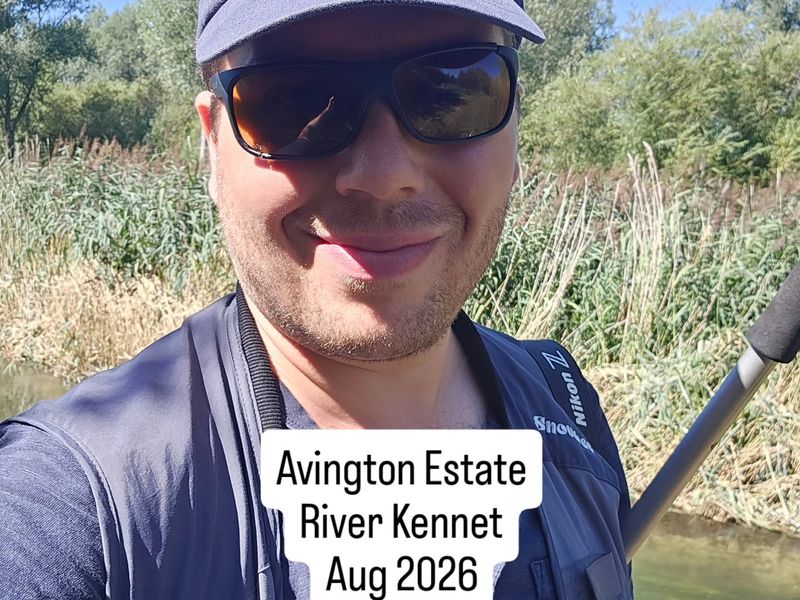
Hookafly is a Test Valley based fishing agent run by Rollo Grandy and Jemima Grandy, with guide Fred Watson, offering guided and unguided days across the southern chalk streams. Beats range from the Test at Houghton Lodge, Bossington, Broadlands and the Wherwell Estate to the Itchen at The Grange Estate and the Lower Itchen Fishery, the Kennet at Barton Court and Avington, and the Frome in Dorset at West Stafford. The company also holds a number of private estates kept off its website, and the team brings long experience guiding these rivers.
Days can be guided or unguided, with tuition available including lake lessons for beginners, plus corporate and group bookings, equipment on request, and riverbank lunches or hampers arranged on some estates. Winter brings grayling and pike fishing, and there is salmon fishing on the Lower Itchen, Test and Avon from June to the end of September. Hookafly also arranges trips abroad, to Patagonia and Argentina for trout and golden dorado, Iceland and Norway for salmon, and Finland and Romania. Guided days are priced at £300 for anglers using their own tackle, with individual chalk stream rod days from around £280 to £377 depending on the beat. Contact Rollo Grandy on rollo@hookafly.com or 07825 589798.
The waters Hookafly sells
12 watersBeats you can only book through Hookafly
River Itchen
Fulling Mill – Upper Beat
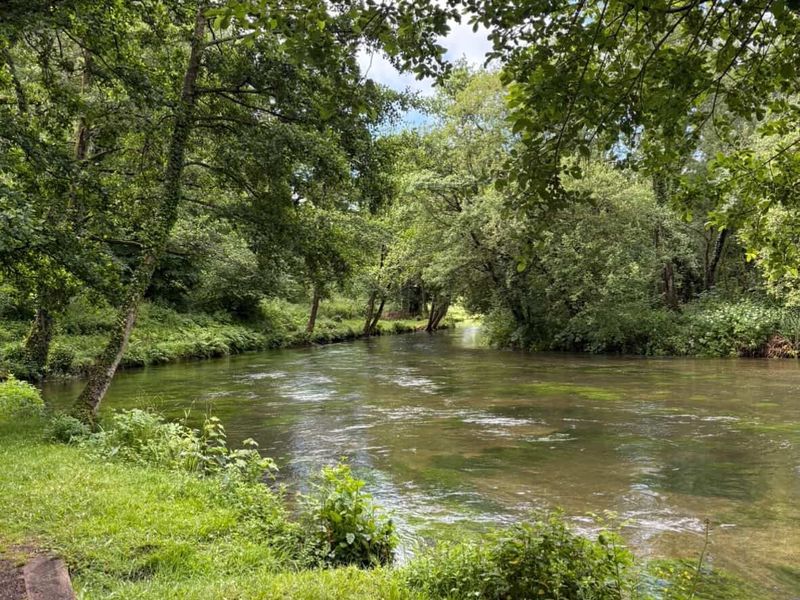
Fulling Mill's Upper Beat lies on the River Itchen at Easton, in the Itchen Valley a few miles north of Winchester, and takes a maximum of three rods across two distinct kinds of water. The main river here is straightforward by chalk stream standards, with easier casting and generous bank space to work from, a good place to find fish rising steadily to a dry fly without fighting the bank for room. The carrier is a different proposition. It's narrower, more overgrown, and the wild trout and grayling that live in it are used to being left alone. This isn't water for a first cast at the target. It asks for a slow approach, a long look before you move, and a fly presented with real care. A smaller rod is genuinely useful for keeping your profile low, but you'll still need to be able to cast a long line, since the cover that protects the fish from view also keeps you well back from them. This is a dry-fly beat for the most part, with a nymph allowed after June once fish are holding close to the bottom. Mayfly weeks draw the most interest, and the medium difficulty rating is no accident: the carrier especially rewards anglers who already know how to read a small, clear stream rather than muscle through it. A 9ft 4wt, a 9ft 3wt, or an 8'6" 3wt will cover most of what the beat asks of you.
River Itchen
Fulling Mill – Lower Beat
Fulling Mill's Lower Beat lies on the River Itchen at Easton, downstream of the Upper Beat in the Itchen Valley north of Winchester, and comfortably takes two rods over the most varied stretch of the two beats. There's double-bank fishing for much of its length and an island to fish around, so a rod can work a run from either side or split the day between them without covering the same water twice. Banks are open enough to walk the beat and look for rising fish before committing to a pool. Like the rest of the estate the beat holds only wild brown trout and grayling, and it's mostly fished with dry fly, with a nymph allowed after June once the fish drop close to the bottom. Mayfly weeks bring the most demand, though there's enough character across the beat, from open glides to tighter, more sheltered runs, to keep a rod busy on a quieter day too. There's a comfortable hut on the beat for lunch, a welcome break given how much water there is to work through in a day. A 9ft 4wt, a 9ft 3wt, or an 8'6" 3wt will suit most of what you'll find here. Fishing is arranged through the agent Hookafly, with prices from £200 per rod.
Waters you can book through Hookafly
River Test
Wherwell Estate Fishing
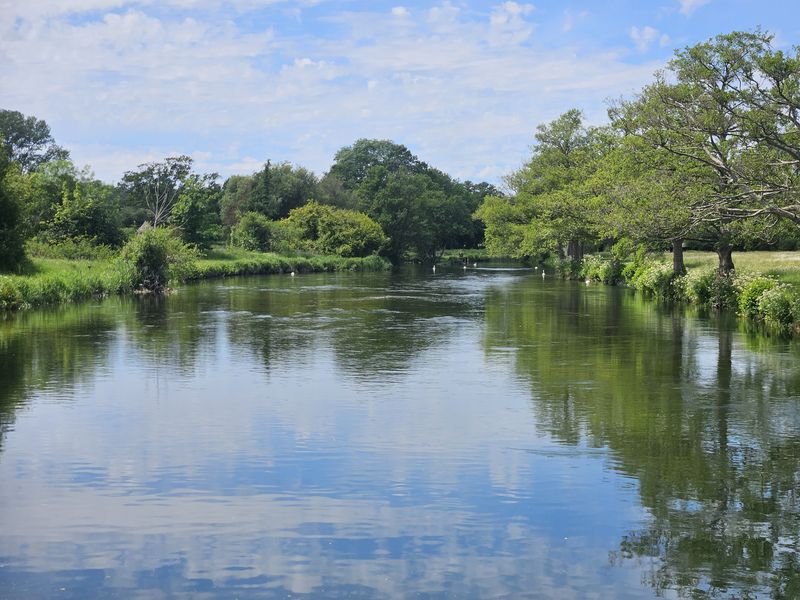
Wherwell Estate Fishing sits on the upper River Test in Hampshire, within northwest Hampshire's rolling chalkland, owned and cared for by the same family for over 100 years. The fishery covers around three miles of river across open water meadows, with beats typically comprising carrier streams alongside tree-lined pools and gravel runs. Seven numbered beats are available — Beats Nine, Ten and Eleven fish the main river, while Beats Three, Four, Five and Seven cover the smaller carriers. Located on the upper Test, the river width is manageable for casting, with the majority of fishing done by overhead cast. The river holds good populations of wild brown trout and grayling alongside stocked fish. Trout fishing runs from the start of May through mid-October, with grayling fishing from mid-October through to mid-March. Day tickets and membership are both available. Each beat has its own fishing hut, suitable for a group to take lunch, and the estate also provides a lakeside fishing hut with a kitchen, catch returns folders, and electronic gates. A secluded lake stocked with rainbow trout accommodates up to six rods per day and is open for year-round booking, offering an alternative for groups or families alongside the river beats.
River Kennet
Barton Court Estate
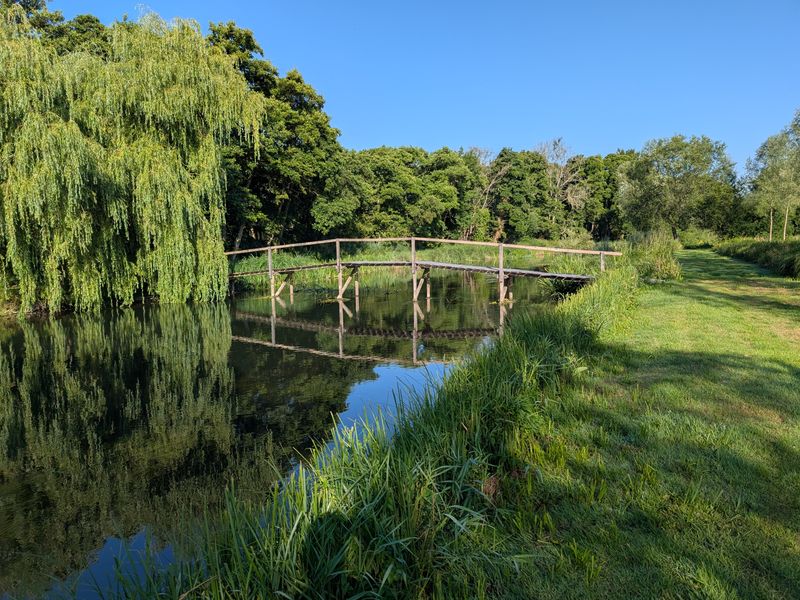
Designated a Site of Special Scientific Interest (SSSI), Barton Court Estate on the River Kennet at Kintbury has a fishing history stretching back to the Victorian era. The estate covers over three miles of bank across the main river, carriers, and side streams, with no two sections the same as they criss-cross and interlock through classic Berkshire water meadows. Six named beats — Upper Park, Parsons Ditch, Old River, Dog Kennels, Middle Cut, and Park Stream — give anglers a range of conditions to explore, from stalking a trout in a narrow carrier under overhanging sedge to casting to a steady rise in the main river. The estate is now purely a fly-fishing venue, with an excellent head of wild brown trout, including the rare Kennet greenback. Barton Court offers one of the best mayfly hatches on the southern chalkstreams, with the peak often arriving comparatively late — typically in the first weeks of June. Day tickets are available for individual rods, with guided fishing and tackle hire on hand for those new to chalk stream fishing. The estate caters for day rods from a newly renovated shepherd's hut, or offers exclusive-use days to groups from a well-appointed riverside fishing hut. Catering can be arranged through local chefs, either on the riverbank or prepared in advance. Kintbury station sits just 64 metres from the fishery entrance, with parking also available on Station Road and near the Dundas Arms. Bookings for Barton Court give you access to all six beats.
River Test
Broadlands Estates Fishing
Sitting on the lower River Test just downstream from Romsey, Broadlands Estates Fishing offers one of Hampshire's most varied chalk stream experiences. The estate carries 4.5 kilometres of the River Test, divided into six beats — three focused on trout and three on salmon, including Moorcourt, Grove, Rookery & Lord Louis, Tanyard's, Lee Park and Longbridge. This is a wide, fast and open section of river, with lovely pools and long riffles, some broken up by islands, giving each beat a distinct character. The river holds good populations of wild brown trout and grayling alongside stocked trout, and the salmon beats offer well-defined holding pools and taking spots. Trout fishing runs from 3rd April to 15th October, with upstream dry fly and nymph only. The estate is blessed with big mayfly hatches each season, and being lower in the valley, the hatch typically arrives a little earlier — usually from the first weeks of May through to mid to late May. In winter, grayling and pike fly fishing are also available. Day tickets, membership and tuition are on offer, with fishing huts, a lodge, parking and toilet facilities on site. The Nissen Hut, a well-known retreat for Broadlands anglers, is lined with photographs and trophies from decades of notable visits. Ghillying can also be arranged with the riverkeeper.
River Itchen
The Grange Estate
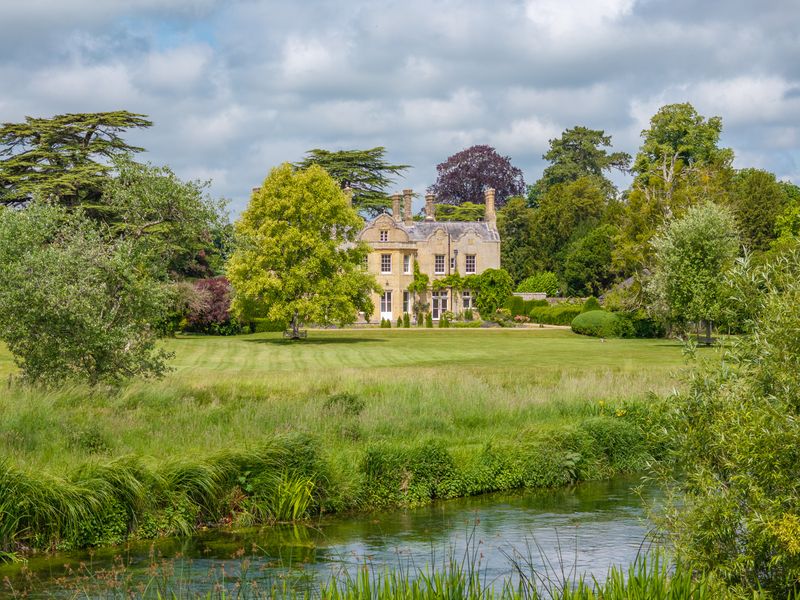
Sitting within a Hampshire estate of around four thousand acres in the Upper Itchen and Candover valleys, The Grange Estate offers fly fishing across mutltiple beats of private chalk stream water near Northington. The Candover Brook and the River Itchen both run through the estate, providing dry fly fishing for wild brown trout and grayling. Several miles of chalk stream pass through water meadows and woodland, alongside two ornamental lakes set within the landscaped park. Brown trout are in season from March to September, with grayling available from June through to March. Most of the fishing is let to the piscatorial society: https://thepiscatorialsociety.net/
River Test
Bossington Estate
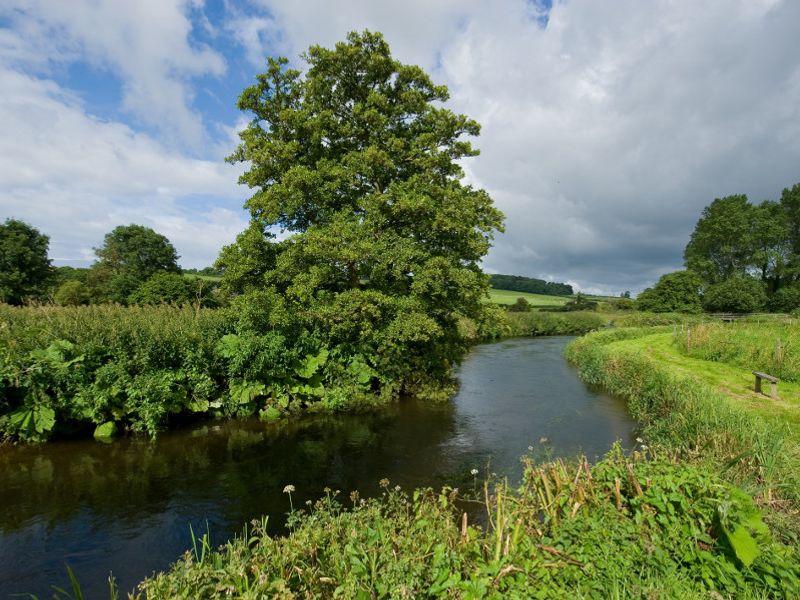
Sitting on the middle River Test, south of Houghton near Stockbridge, Bossington Estate lies in a catchment well known as the birthplace of dry fly fishing — it was on the banks of the River Test that Frederick Halford honed the ground-breaking thoughts that effectively invented modern dry fly fishing in the late 1800s. The fishery offers seven beats across the estate: six on the main river — Rushams, Home, Old Stews, Home Stream, House, and Old Station — plus two miles of the Wallop Brook, a lively tributary of the Test. The river beats each have their own individuality, with deep pools, riffled water and gravel beds, while the Wallop Brook fishes like a true chalk stream, rewarding patience and stealth. The iconic Home Beat is the most famous of all Bossington beats, where a Victorian thatched fishing hut offers magnificent views downstream. Every beat has its own fishing hut, and a secluded self-catering hut serves Horsebridge Lake, a spring-fed still water stocked with rainbow trout. Day tickets are available on all beats, and the estate provides GAIA and AAPGAI-qualified instructors for one-to-one or group tuition covering fly-fishing fieldcraft and casting. Equipment hire covers rods, tackle, clothing and flies, and corporate days with full catering and picnic hampers can be arranged through the estate office.
River Frome
Casterbridge Fisheries
Sitting on the middle reaches of the River Frome in the village of West Stafford, Casterbridge Fisheries is run by keeper John Aplin, who has managed this stretch of the Dorset chalk stream for over two decades. The Dairy House Home Beat has never been stocked and holds wild brown trout alongside grayling, for which the Frome is well known. The trout season opens in early April and runs through to the first week of October, with good hatches of mayfly and a range of other insect species throughout. Grayling fishing becomes more focused from October through to mid-March. Grayling on the Frome grow to record proportions, with fish caught in the past to over four pounds. The fishery offers Day tickets, Accommodation, Tuition, and anglers staying over can use the self-catering Dairy House Annexe, just a short walk across the water meadow to the beat. Day tickets start at £65. Winter grayling rods are available from £45. The fishery is located in . Additionally, the fishery also sells day tickets to club and syndicate waters.
River Test
Houghton Lodge – Upper Beat
Houghton Lodge Estate's Upper Beat runs for half a mile along a main carrier of the River Test, just upstream of the village of Houghton in the Test Valley, Hampshire. Houghton sits roughly 1.8 miles south-west of Stockbridge, placing this beat squarely in the middle Test valley. Fishing is from the true right-hand bank only, giving a clear, uncluttered approach to the water. The Test Valley water meadows surround the carrier, offering open views and good wildlife throughout the season. The beat is stocked with brown trout from local fisheries, and this area of the Test also holds a good head of wild brown trout and good-sized grayling. The season runs from 1 May to 15 October, and the hatch calendar rewards those who plan around it. May brings the first mayfly hatch of the year alongside other upwinged species, while June sees blue-winged olives and medium olives come through in numbers. September sees the return of the large dark olive, and the final weeks of the season in October can produce aggressive feeding as trout put on condition before spawning. Upstream dry fly is the primary method, with upstream nymph a useful alternative on bright summer days when surface activity is limited. The beat is rated suitable for beginners — the well-maintained banks allow for easy wading and casting, and the carrier setting keeps the water at a manageable width and pace. A 9-ft rod for a 4- or 5-weight line covers most situations here. The estate encourages the release of fish, and all rods are asked to fish with barbless hooks or with barbs pressed down. A brace of stocked trout may be kept if you wish, but wild trout should be returned carefully, and all fish under 2 lb go back. A fishing hut is available on the beat for anglers' use. The beat is accessed via Houghton Lodge Gardens near Stockbridge, which is well signposted from the town.
River Itchen
Trout Beat
Part of the Lower Itchen Fishery in Hampshire, the Trout Beat offers bank-only fly fishing on a moderately stocked stretch of the River Itchen, one of England's finest chalk streams. Founded in 1954, the Lower Itchen Fishery comprises around 5,300 yards, making it the longest continuous stretch of the River Itchen in private ownership. The beat features classic chalk stream character: ranunculus weed cut in the traditional line-and-bar method, white water pools, riffled runs and deeper holding lies, with footbridges giving straightforward bank access throughout. The primary quarry is brown trout, with grayling present through the season and sea trout also available later in the season. Fishing is fly only, with both dry fly and nymph permitted. Insect hatches on the Itchen are prolific, particularly blue-winged olive and sedge, offering reliable dry fly action across the season. Opening in late April, the first hatches of the year include the large dark olive, grannom caddis and hawthorn, before the mayfly arrives in May, followed by blue-winged olive and medium olives through June. Mayfly hatches on the Itchen are generally lighter than on the River Test, so dry fly opportunities across the full season carry real weight. The beat is rated suitable for beginners, and the moderate stocking policy means fish are present throughout without the water feeling artificial. The season runs from 24 April to 7 October. Single rod days are priced at £184 outside the mayfly window and £199 during the peak period (7 May to 7 June); double rod bookings range from £308 to £328. Corporate entertainment for larger parties is a speciality of the fishery, with packages tailored to suit specific requirements. On-site facilities include a fishing lodge with a kitchen area, bankside huts and shelters, and a ghillie service. Tackle hire and gift vouchers are also available, and the beat has suitable disabled access.
River Itchen
Salmon Beat
One of three salmon beats on the Lower Itchen Fishery, this bank-only stretch of Hampshire chalk stream sits just one mile above the tidal limit, placing it squarely in the path of fresh-run fish moving upriver from Southampton Water. From June through to the end of September, sea-liced salmon enter the river on a daily basis, and grilse average an impressive 7 to 8 lb. Brown trout and sea trout round out the quarry, with the beat open from 1 March to 30 September on a fly-only, catch-and-release basis. The water is keepered specifically to suit salmon, with deep channels cut through beds of potamogeton and lies engineered using groynes and boulders on the riverbed. The clear chalk-filtered current means fish are often visible, and the induced-take method using a heavily weighted nymph has proven effective, with anglers describing the sight of a salmon chasing a nymph to the surface as "heart stopping." Insect hatches, particularly blue-winged olive and sedge, are prolific and support good dry fly sport for brown trout throughout the season, with the Grannom, Hawthorn and Mayfly following in succession through spring. Day tickets run from £87 per single rod in early spring to £167 in August and September, with season rod options also available. A total catch-and-release policy for salmon applies across the fishery. A ghillie service is available on request, tackle hire can be arranged, and a fishing lodge with kitchen, bankside huts and BBQ facilities are on hand. Disabled access is suitable throughout.
FishingBeats is an independent guide with no affiliation to the fisheries we list. Listings are editorial and unpaid, and are not supplied or approved by the fishery. See our listings policy. Listing details are compiled by FishingBeats and may change or contain mistakes. Some services, such as tuition, ghillies, or accommodation, may only apply to certain packages and not to standard day tickets. Always confirm pricing, fishing details, and what is included directly with the beat before you book. Spotted something wrong? Email hello@fishingbeats.com and we will correct it.