River Glyme · Oxfordshire
River Glyme
Club members only
-
Club members only
Membership is the main route on, but it is worth asking, as many clubs keep guest or taster days open.
About River Glyme
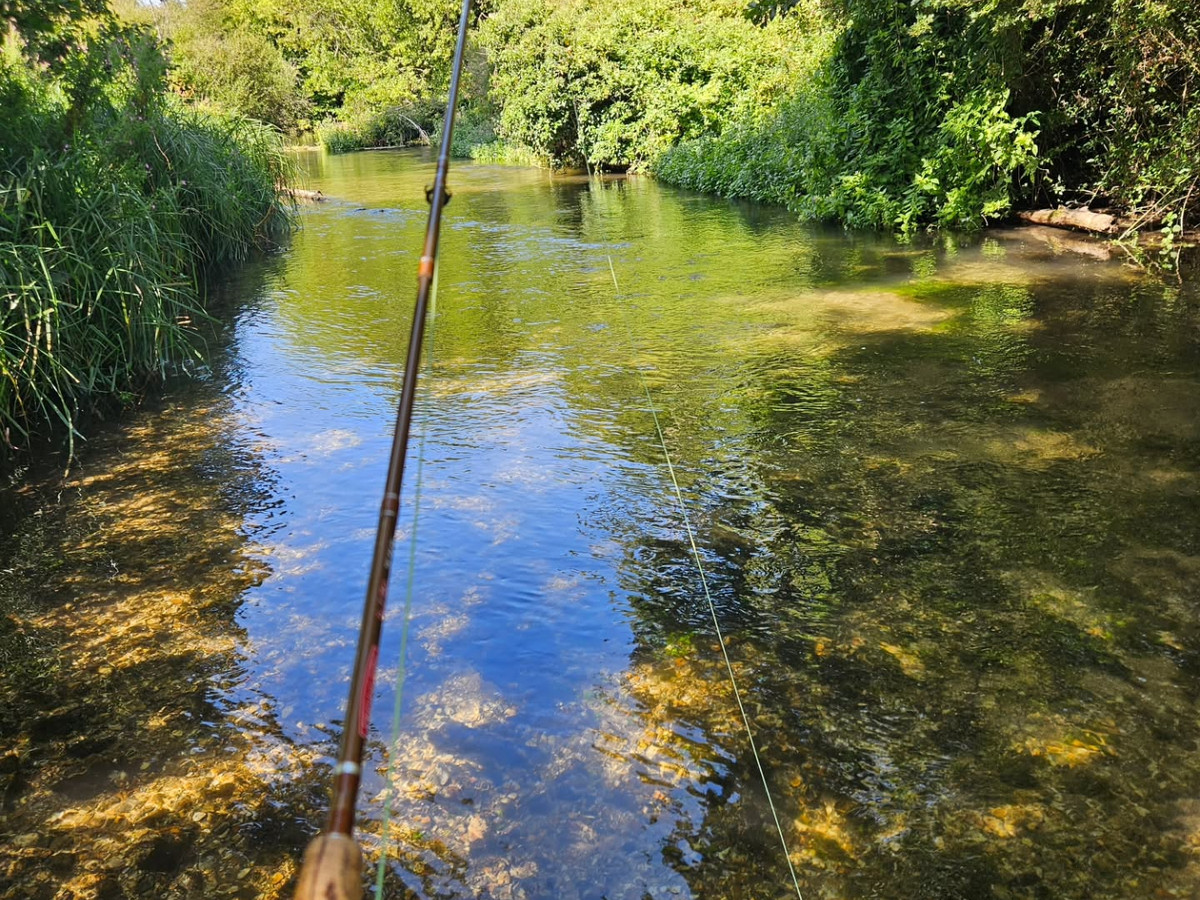
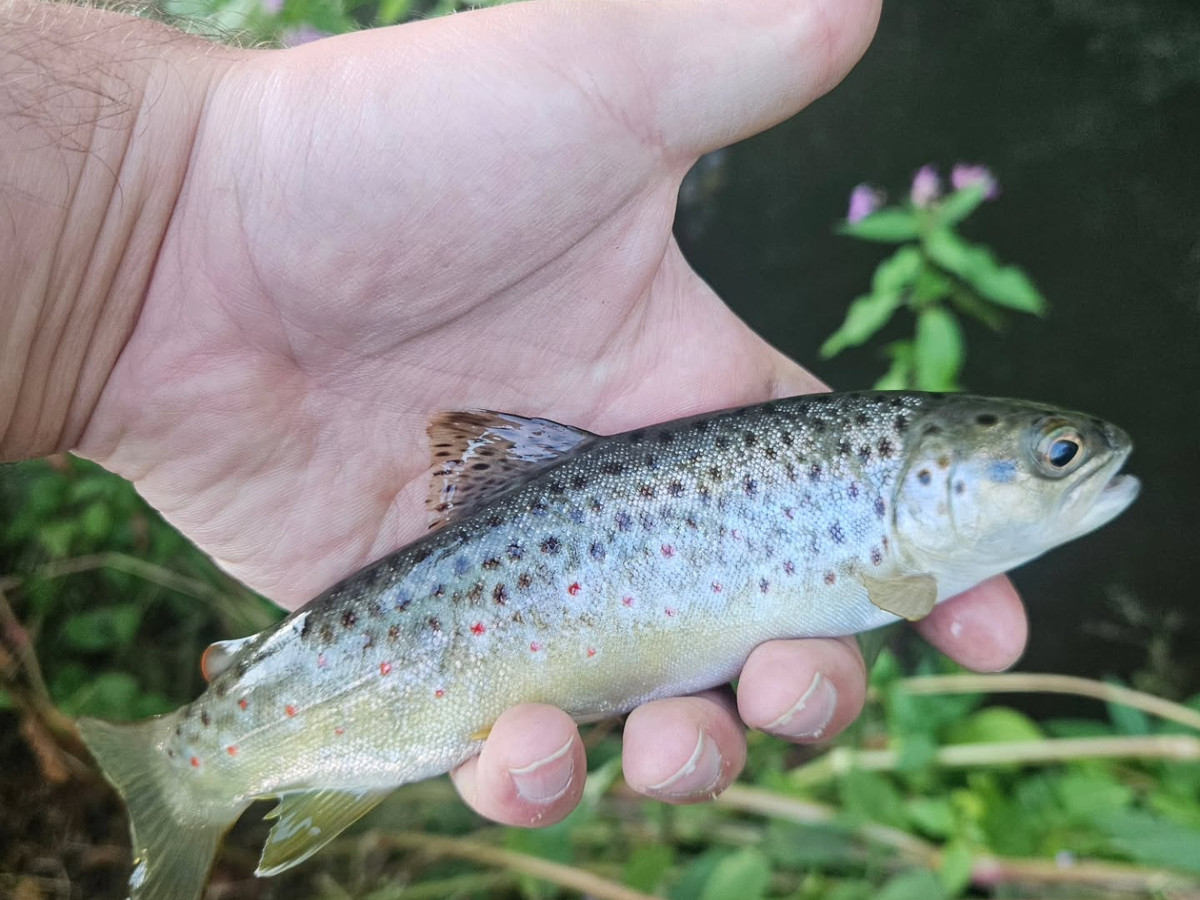
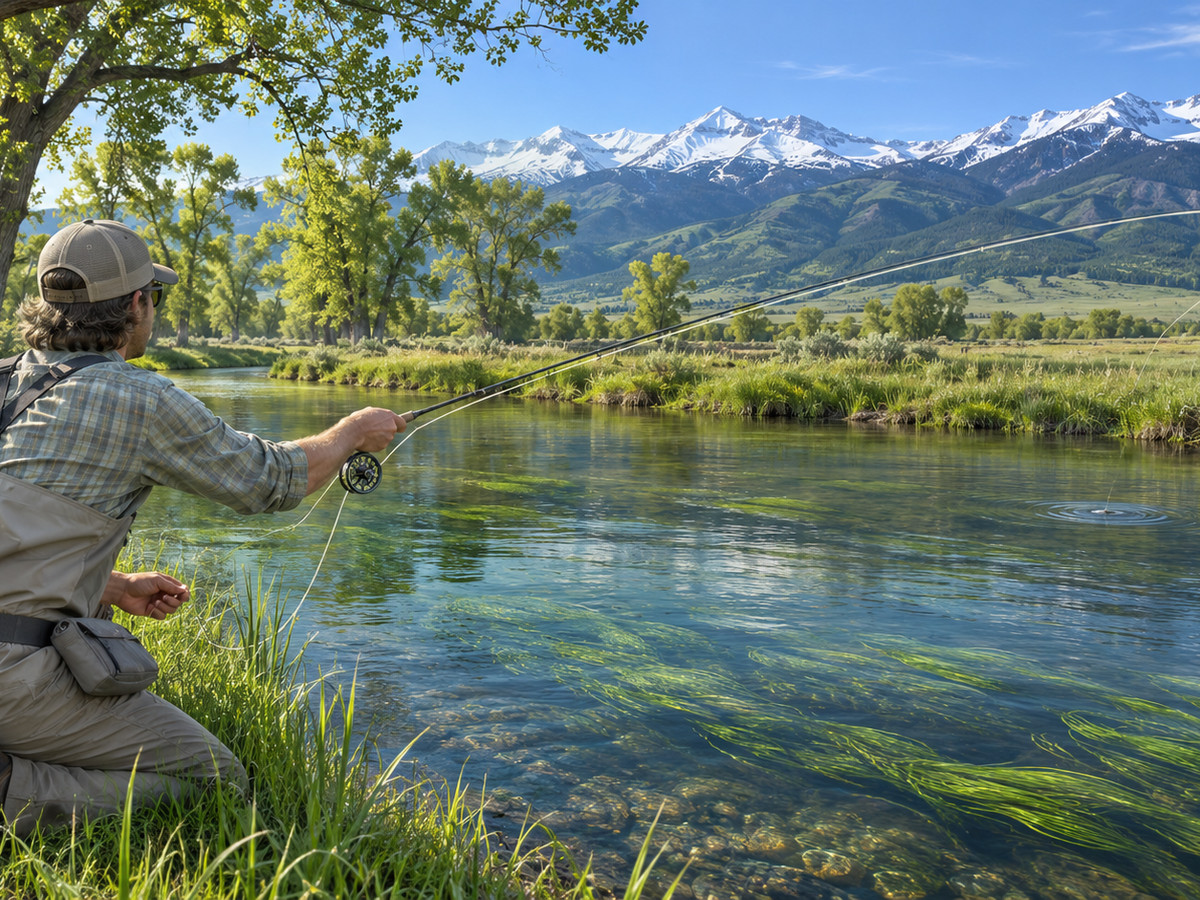
The Cotswold Flyfishers fish the River Glyme in Oxfordshire, from Wootton downstream. The Glyme is a tributary of the Evenlode. The club’s fishing begins at Wootton, where the River Dorn joins, and below that the river runs through water meadows into Woodstock, where it feeds the ornamental lakes of Blenheim Palace. It is not particularly fast flowing, but it is known for a prolific mayfly hatch, and though it is a small stream it has produced some specimen trout over the years.
Cotswold Flyfishers water is for members only. The club does not issue day tickets or temporary memberships, and full membership was £660 for the 2026 season plus a non-returnable £187 registration fee. All the club’s wild trout waters are fished catch and release with barbless hooks. If you are thinking of joining, the club’s endorsed guides run taster days on some of its waters.
How to book
Club and membership details
-
Membership
Club water. Fished by Cotswold Flyfishers members; the club does not issue day tickets.
View club details
Fishing details
- Water type
- Main river
Stocking and fish species
Rules and policies
Where you'll fish
Location
Approximate locationThe map shows the general area, not the exact spot. This beat is on the River Glyme.
By car, about 1 hr 40 min from Birmingham , 1 hr 45 min from Bristol and 1 hr 45 min from London.
Conditions on the River Glyme
The river
The River Glyme is a small Oxfordshire river and a tributary of the Evenlode. Its name comes from the Brittonic for bright stream. It rises about a mile east of Chipping Norton and runs south-east…
View the River Glyme guideFlies for this beat
Expected in November on the River Glyme
Typical months from the river’s hatch calendar, which applies along its whole length rather than to this beat. Not a live report.
Nothing recorded for November. The trout season is closed over the winter on most rivers.
We get a small commission if you buy through these links, and it costs you nothing extra. If the calendar has been useful and you feel like supporting an independent site, buying your flies this way is an easy way to do it.
FishingBeats is an independent guide with no affiliation to the fisheries we list. Listings are editorial and unpaid, and are not supplied or approved by the fishery. See our listings policy. Listing details are compiled by FishingBeats and may change or contain mistakes. Some services, such as tuition, ghillies, or accommodation, may only apply to certain packages and not to standard day tickets. Always confirm pricing, fishing details, and what is included directly with the beat before you book. Spotted something wrong? Email hello@fishingbeats.com and we will correct it.
FAQ
River Glyme FAQs
Practical questions anglers ask before fishing River Glyme, from tickets to tactics.
01How many rods are allowed on River Glyme at any one time?
02What species can I expect to catch on River Glyme?
03Do I need to wade, or can I fish from the bank?
04Is a ghillie available, and do I need one?
05Where do I park, and how do I access the beat?
06What tackle should I bring?
07What happens if conditions are poor on the day I've booked?
08Are dogs allowed on the beat?
Worth a read
Club members only
Membership is the main route on