The same email, again
Most club secretaries know the message by heart. Is the club taking members? Is there a waiting list? How much is it, and who do I send the form to? It arrives in April, again in June, and again the week after someone posts a photo of your water on Facebook.
If you answered it once, properly, in a place anglers already look, it would arrive less often. That is the plain case for a club page on FishingBeats.
What your page shows anglers
FishingBeats is a UK fly fishing directory. At the start of November it listed 118 clubs, alongside the beats and fisheries they sit next to. A club page covers three things: who you are, how people join, and where you fish. Syndicates and associations use the same page.
The details you can fill in:
membership price (from and to), joining fee and miles of water
Angling Trust affiliation
the rivers and counties you fish
a logo and a gallery
a contact email, a contact page on your own site, a phone number if you want one, your website and social links
The part that answers the email is "How people get on the water". You choose any that apply: open membership, waiting list, proposer required, invitation only, day ticket, guest ticket, exchange ticket. The page explains each in plain words, then says plainly "There's a waiting list" or "No waiting list, membership is open".
A club that is invitation only can say so. The page will not pretend otherwise. You can also tick services (day tickets, guest tickets, tuition, beginners welcome, guided days) and mark that you have more water than the page shows.
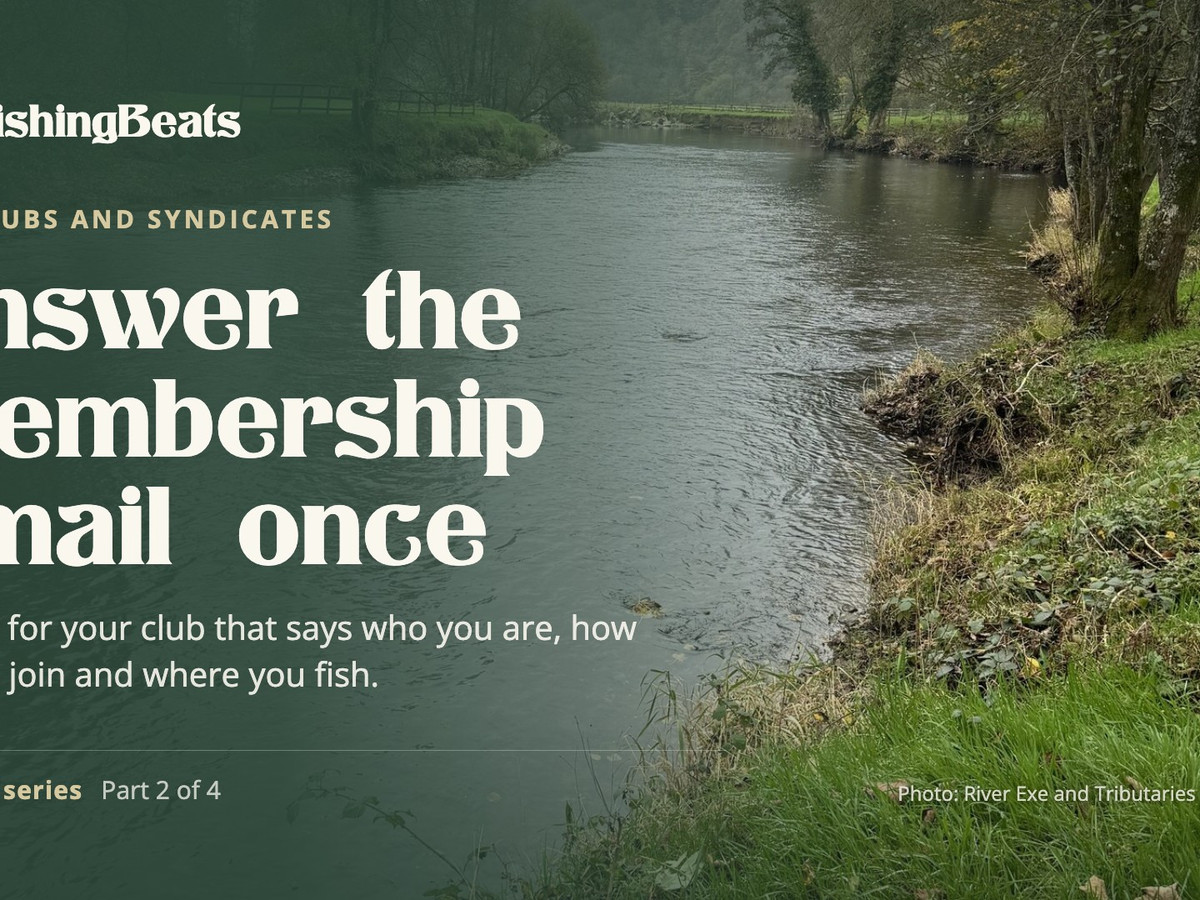
For a worked example, look at the River Exe and Tributaries Association. It has photos, a membership price, a plain description and a note on how people join. The full list is at fishingbeats.com/clubs.
Where the page appears
Your page is not left on its own. Anglers find a club through its page, through the river pages for the rivers you fish, through the county pages, and on the browse map. A club whose water is not already on the map gets a pin of its own.
Location privacy applies, as it does for beats. You can show the exact place, an approximate area, or the river only. You enter what is true, and you decide how much of it the public sees.
If your club holds beats or a fishery that are listed on FishingBeats, you can link them so they show on your page. A new link goes in as a request, and a person at FishingBeats checks it before it shows.
What you can do in the portal
Everything is in the partner portal. You edit the page, and nothing goes live while you type. Save a draft, press "Save draft and preview" to see the real page as anglers will see it (search engines never see a preview), then Publish. It is live within a few minutes. Editing never takes a live page offline, and "Discard draft" puts it back as it was.
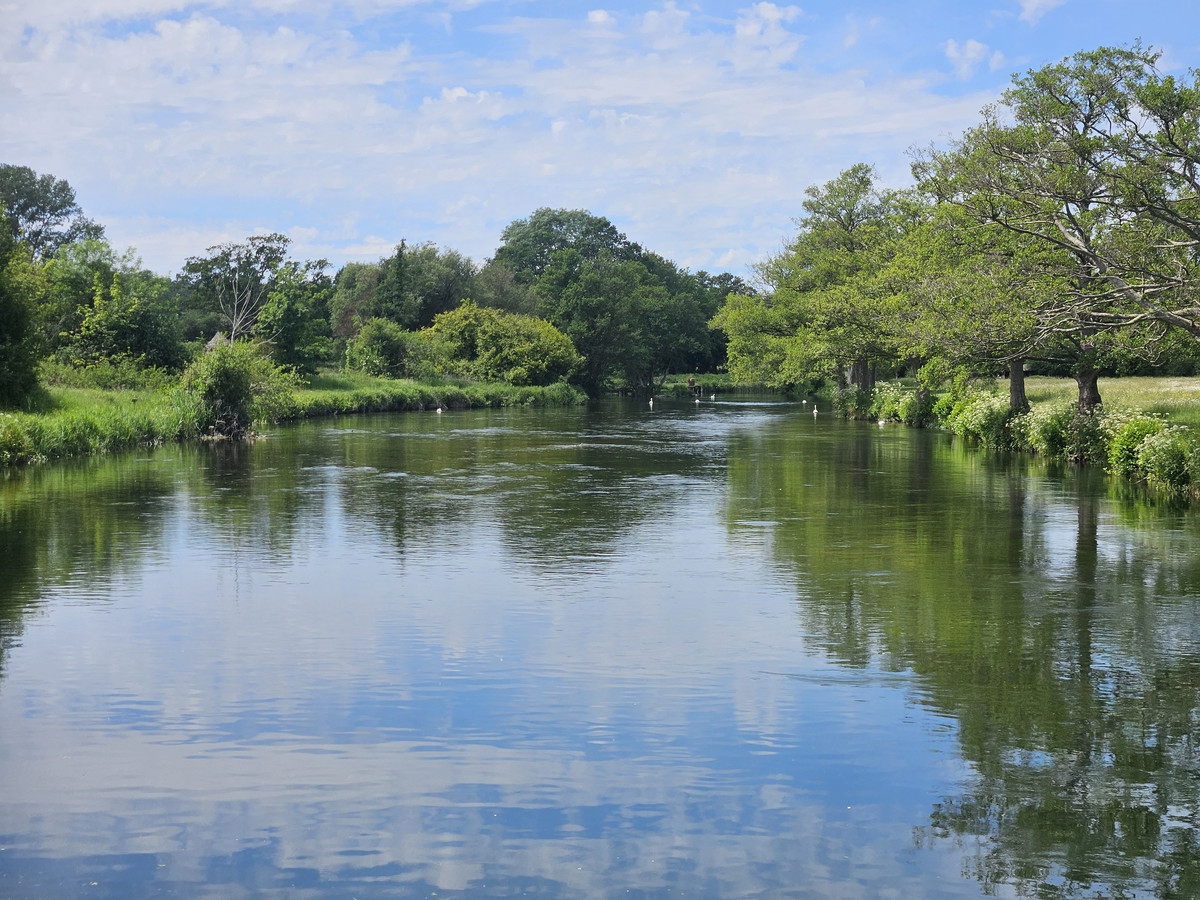
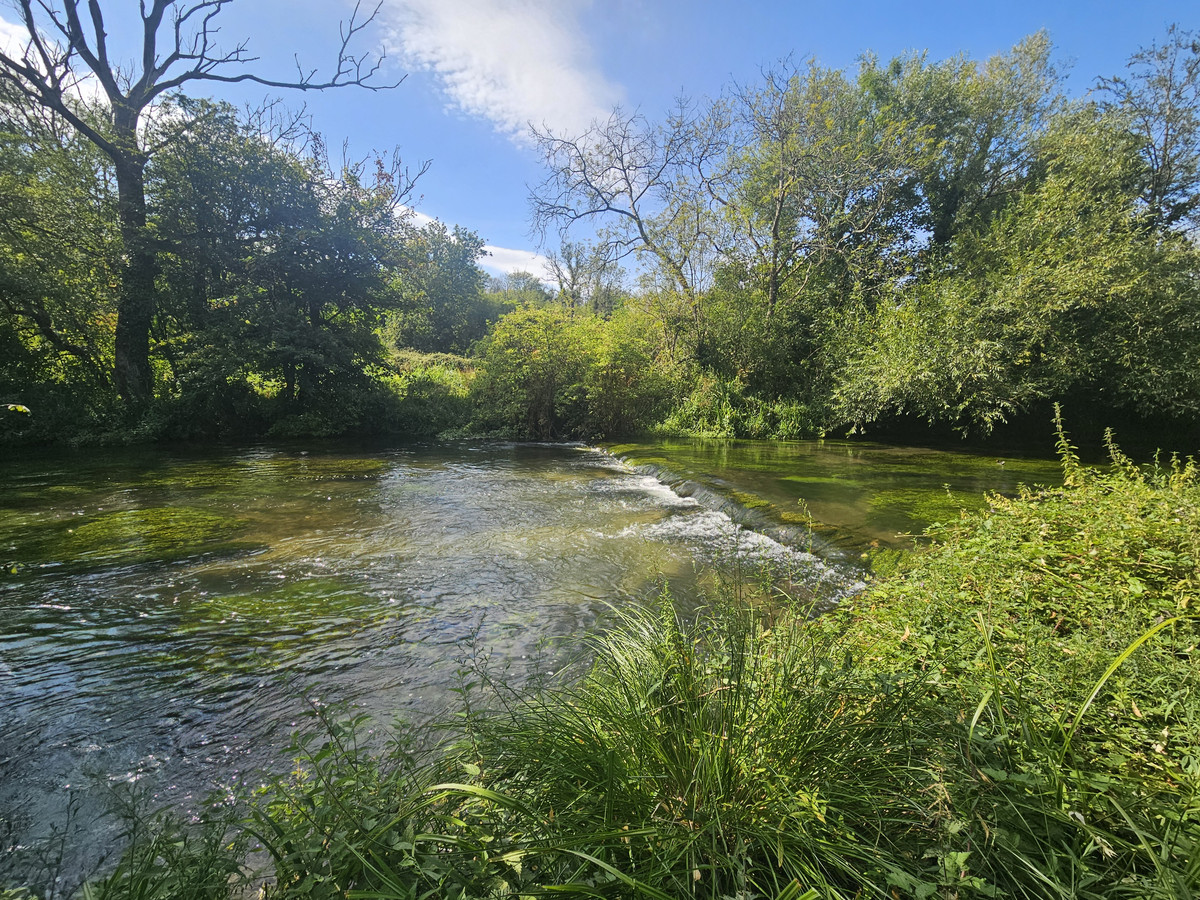
Every page has a quality score out of 100, shown as a ring, with a list of what is missing and why it matters. Club pages are never blocked by it. It just shows how strong the page is, and fuller pages rank higher in lists, search and on the map. Pages with a photo come before pages without one. Of everything you can add, a good photo of the water is probably worth most. Lead with the water, in landscape, and upload the biggest version you have. We make the smaller sizes, and location data is stripped on upload.
There is also a Boost page. A complete page can earn up to 20 extra ranking points, for things like putting the Verified on FishingBeats badge on your own website. Nothing lifts a page that is missing required details.
Seeing what works
Insights shows views, visits and clicks on to your website, email, phone or social pages, for 30 days, 90 days or 12 months, compared with the period before. It also shows where visitors came from: search engines, river and county pages, your own site and so on.
What it costs, and what it is not
It is free to join and free to have a page. There are no card details, and nobody pays for placement. FishingBeats does not take bookings or payments. Your page sends people to your own website, email or phone, and you deal with them directly.
It is also not a membership system. We do not hold your members' details, and we do not decide who you let in. It tells people the truth about your process and leaves the rest to you.
Getting started
Sign up at partner.fishingbeats.com/join. Say who you are, make an account and confirm your email.
Search for your club by name. Most listings were built from public information, so there is a good chance yours is already there. If not, start a new page.
Show it is yours. The fastest route is to sign up with an email at your own website's domain. Otherwise we can send a 6-digit code to the contact address already published on the listing, or you can add a short tag to your website. Failing those, send a short note with evidence and a person will read it.
A person at FishingBeats looks it over, usually within two days. A new page stays hidden until then.
Once you are signed up, the portal's Messages page goes straight to the team. Replies usually come within two days.
Join as a partner See the clubs directory
The rest of the series
This is the second of four pieces on the partner platform. The first is FishingBeats for fisheries and water owners. The pieces for fishing guides and casting instructors, and for booking agents, follow over the coming weeks.