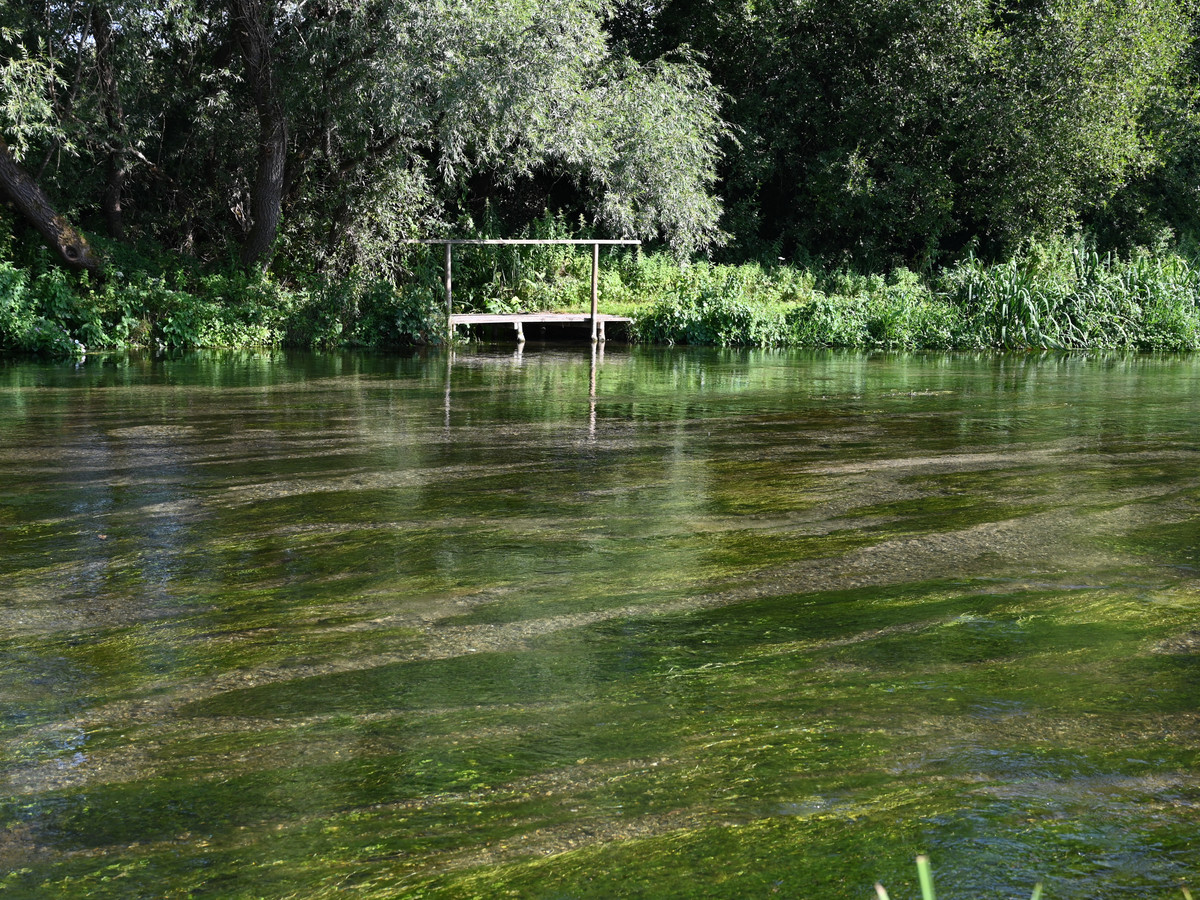
Your prices are two seasons out of date
If you run a fishery, you probably know the feeling. A rod rings up, quotes a price they found online, and it is last year's. Or the year before. You correct it politely, and the same thing happens next month.
Most fishery information on the internet was written once and left. Some of it was written by someone who has never seen your water. That is how FishingBeats started, and it is why many fisheries are already listed: pages were built by hand from public information, then checked. The trouble is that I cannot see your diary. You can.
So the partner portal at partner.fishingbeats.com now lets you take over your own page and keep it right yourself.
What anglers see
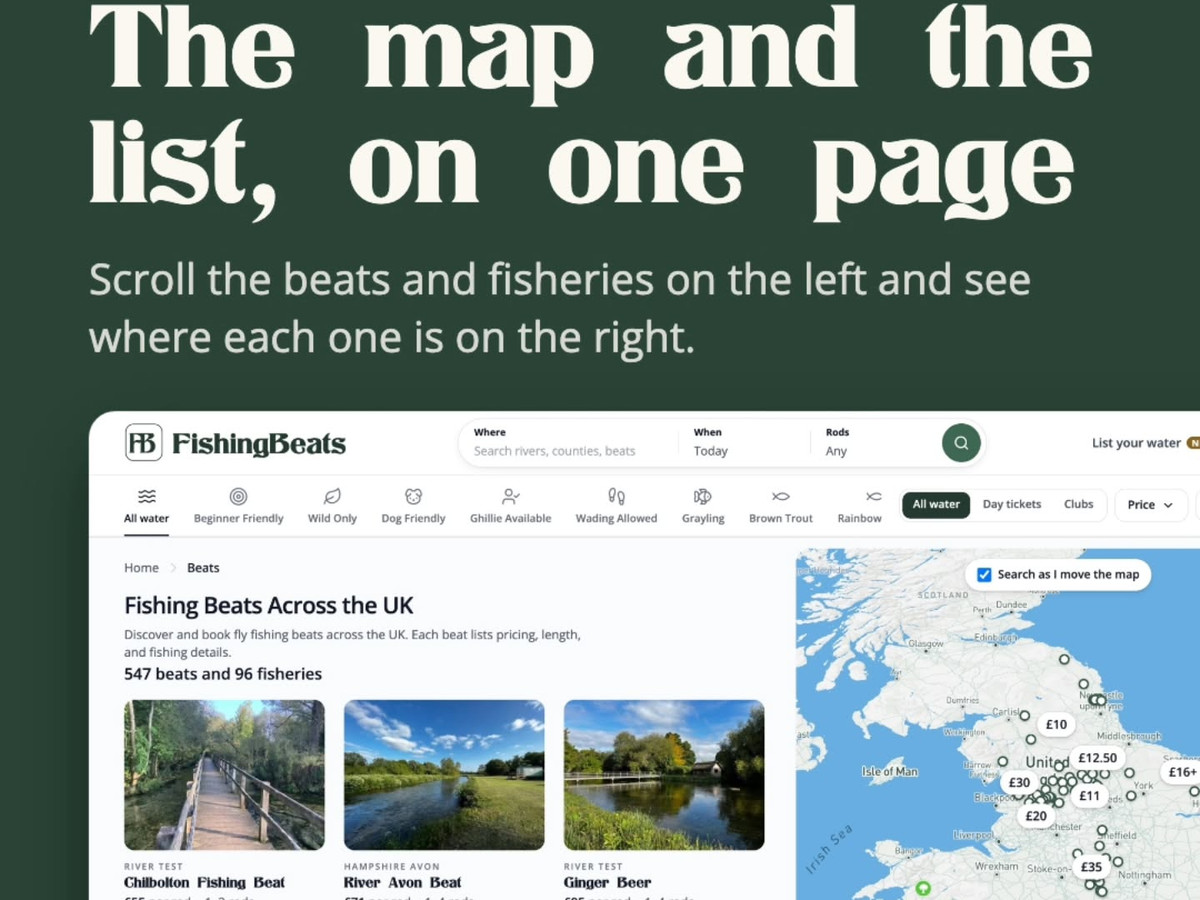
A fishery is the place: an estate, a stretch of club water, a stillwater or a group of lakes. It holds beats, which are single stretches of river or single lakes. River beats and lakes can sit under one fishery. Beats are what most anglers search for.
A beat page can carry rods, season dates, methods, water type, rules, catch and release or bag limit, length, single or double bank, wading, dogs, disabled access and amenities. It shows prices, a map, photos and a description. It also carries your booking link, email or phone number. Anglers do not book through FishingBeats. The page sends them to you, and you deal with them directly.
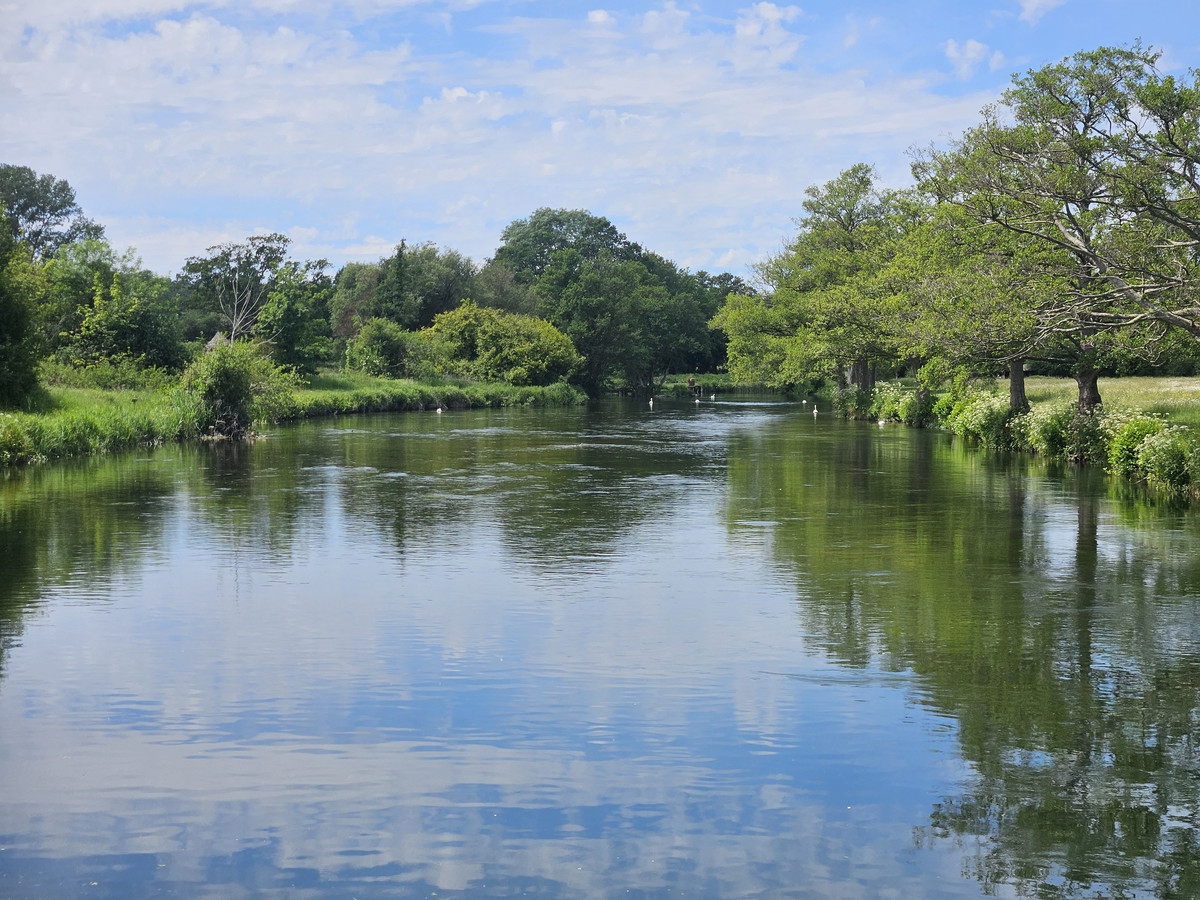
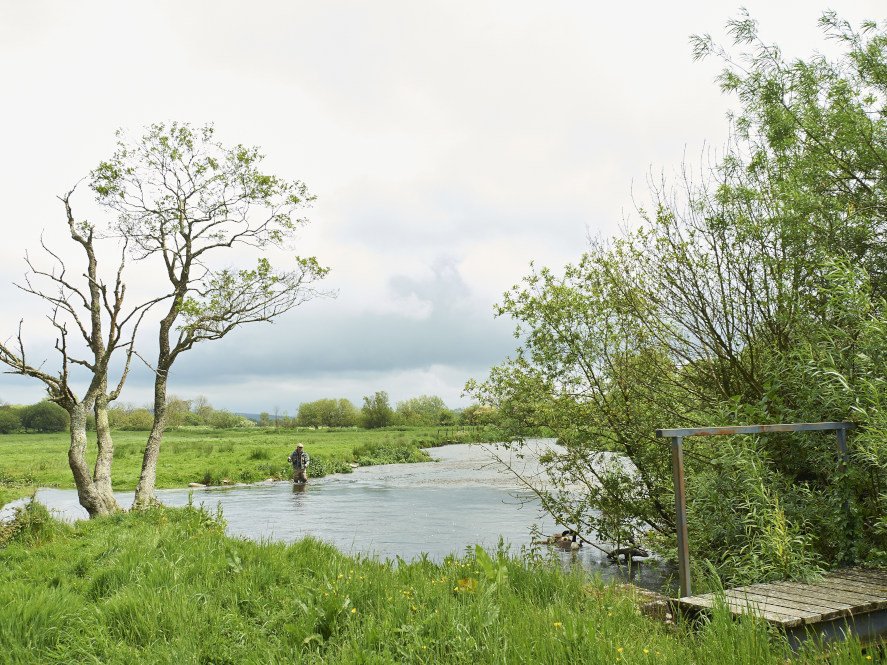
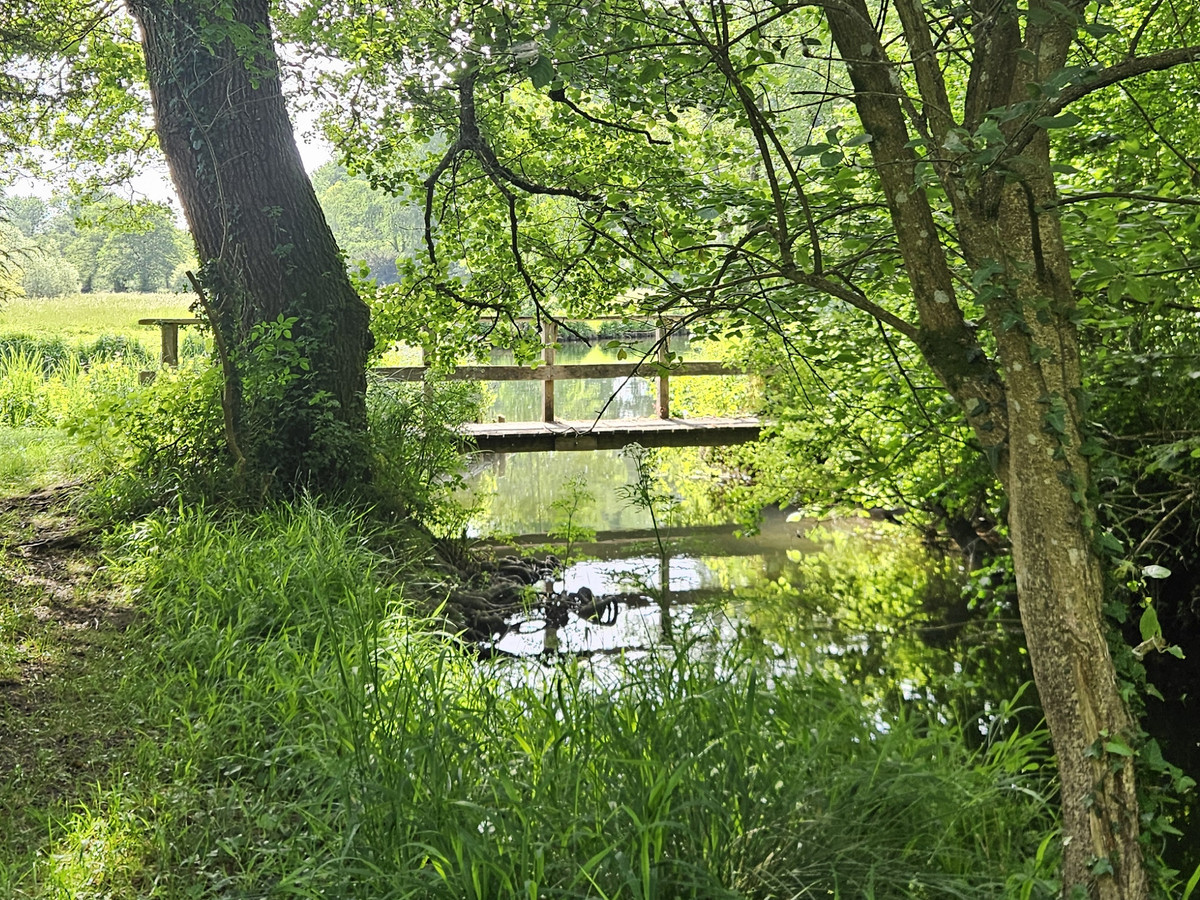
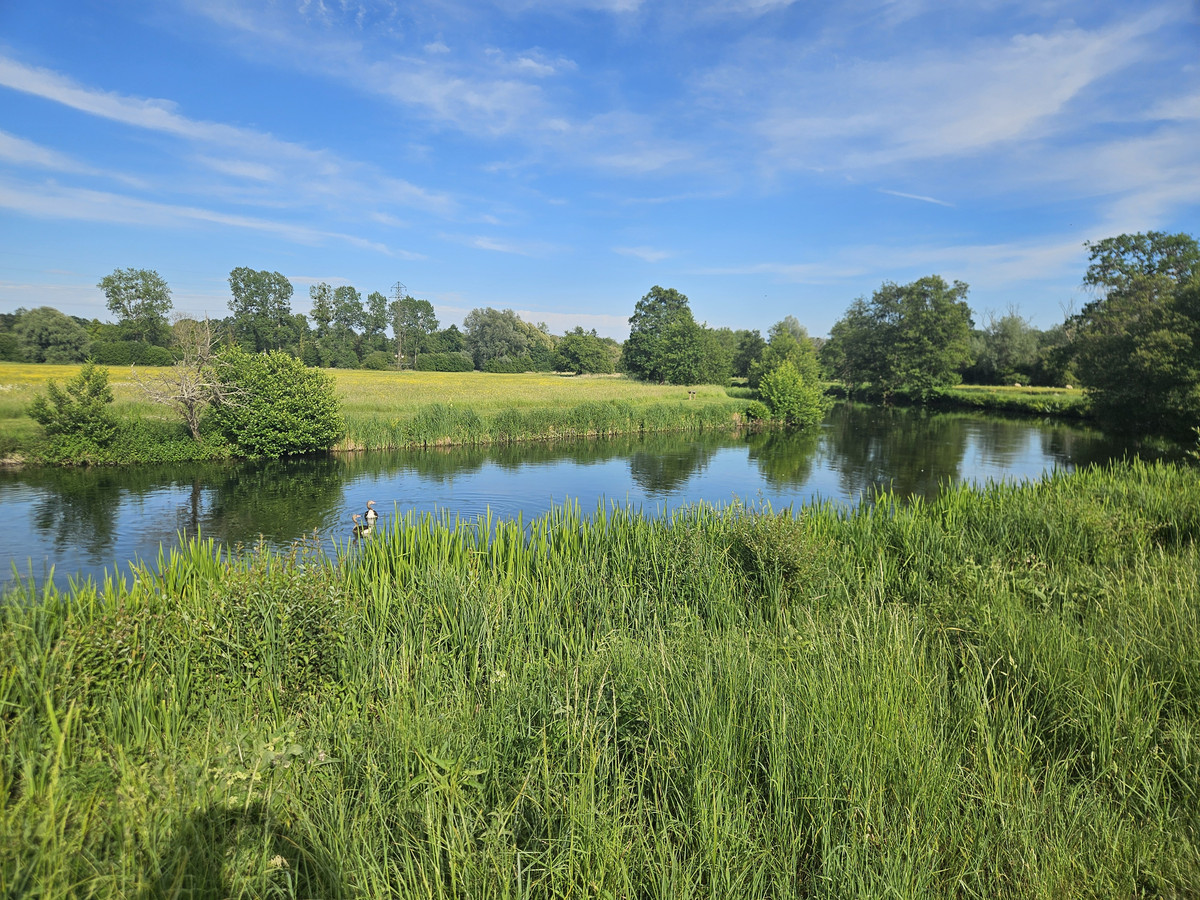
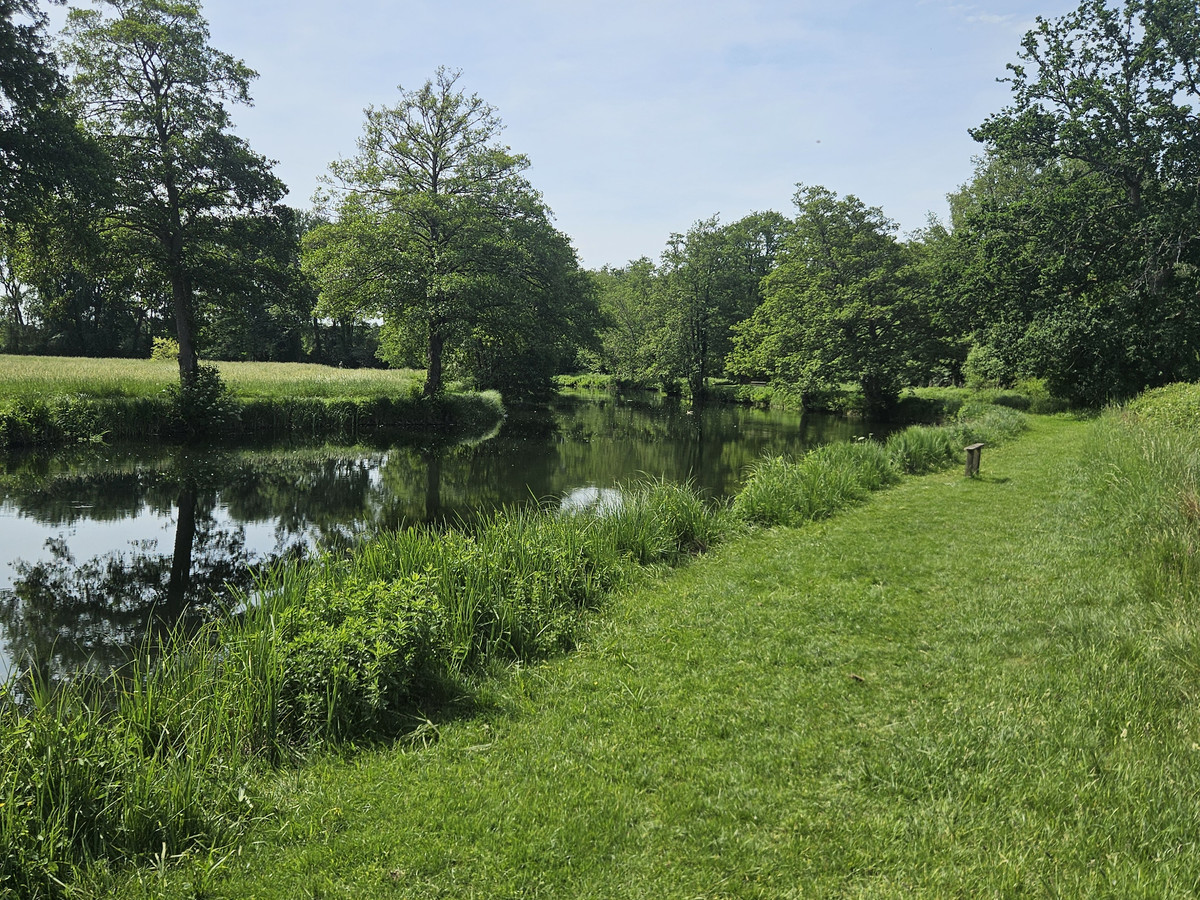
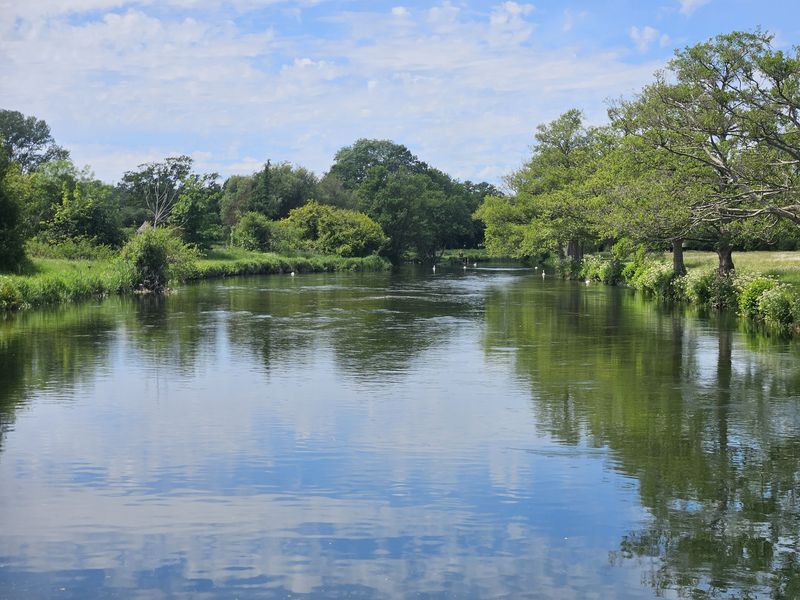
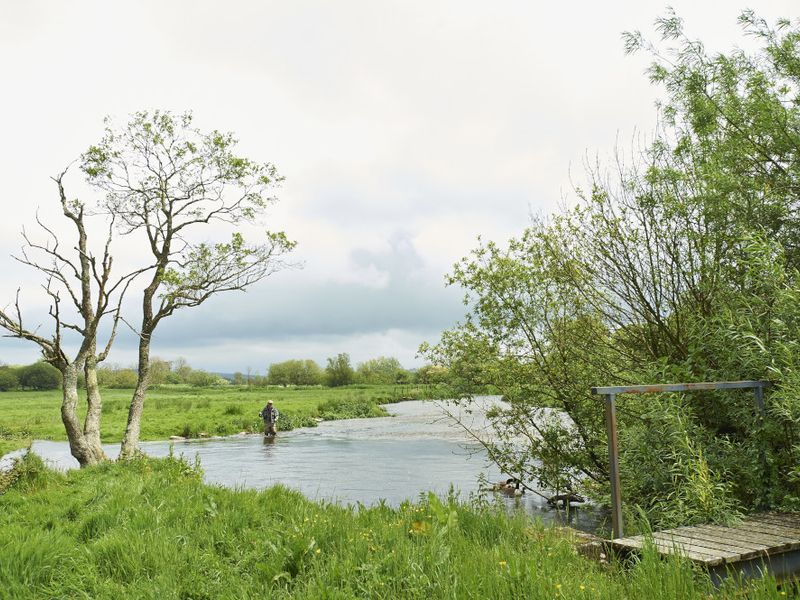
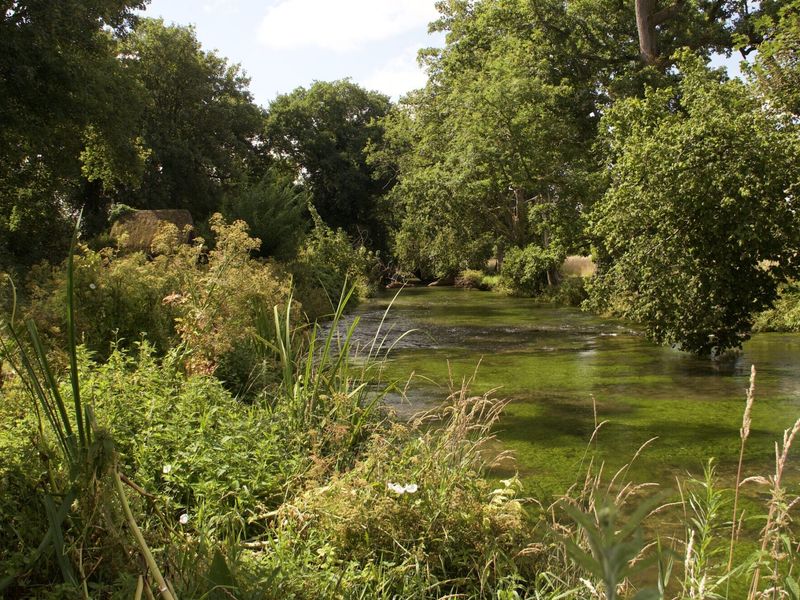
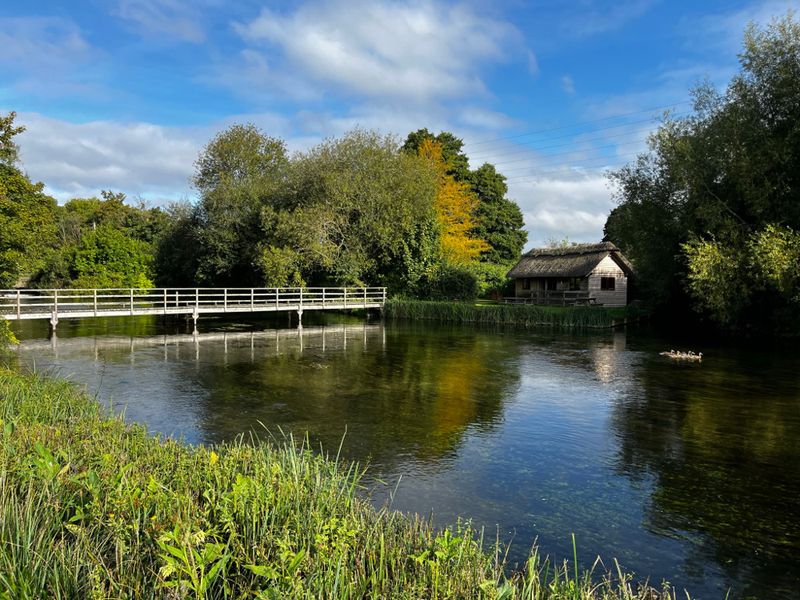
Two pages that are well filled in. Mottisfont Abbey has a price for each part of the season (Spring, Mayfly and Summer), set once on the fishery for all three beats. Ginger Beer on the Test has six photos and a price for each part of the season.
Mottisfont Abbey
On the River Test in Hampshire, sheltered in the valley of the River Test, Mottisfont Abbey carries a place in fly fishing history that few beats can match. It was here that F.M. Halford, one of the founding fathers of modern fly fishing, developed the techniques that formed the bedrock of upstream dry fly fishing as we know it. Since 2023, the Wessex Rivers Trust has been working alongside the National Trust, the custodians of these stretches of the River Test, to restore and enhance habitat for wild trout and the wildlife that calls the chalk streams home. The fishery now operates as an unstocked, catch-and-release water, managed with a focus on long-term river health, habitat improvement, and responsible access. The Oakley Beat sits within the 3-beat listing on FishingBeats, and the Day tickets, Accommodation, Tuition, Equipment hire on offer make it well suited to visiting anglers at any level. Anglers can step back in time in the Oakley fishing hut, where Halford once sat looking out over the river and tying his flies to match the evening rise. The water holds , fished exclusively on the dry fly. Day tickets start from £270, The fishery is located in .
Ginger Beer
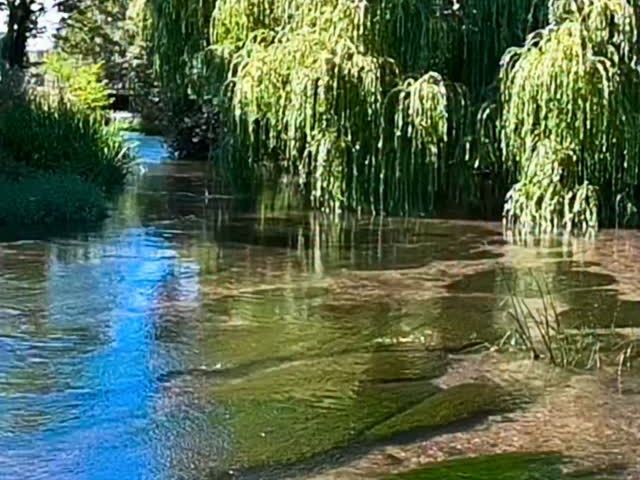
Sitting on the middle River Test at Kimbridge, Hampshire (between the towns of Romsey and Stockbridge), Ginger Beer is a third of a mile of single-bank chalk stream fishing on one of England's most historically significant rivers. The beat opens with a deep hatch pool at its head before becoming significantly shallower downstream, and away from that upper pool the river bed is clearly visible, along with the fish holding above it. The Test's high alkalinity and clarity, combined with rich aquatic insect and shrimp life, sustain a flourishing ecosystem that keeps fish in condition and feeding throughout the season. The beat holds brown trout, rainbow trout, and grayling, all heavily stocked, making it well suited to anglers new to chalk stream fishing. Fishing for trout is restricted to dry fly or nymph, presented upstream only. April sees hatches of Large Dark Olive, Grannom Caddis, and Hawthorn, with the mayfly running from mid-May through to early June. June brings Blue-Winged Olive and Medium Olives, while the grayling season extends the fishing well into autumn and winter. The season runs 2 April to 13 December, with day rod prices of £250 in the main season, £300 during the mayfly window, and £95 for grayling-only days. Up to four rods can book the beat exclusively. All fishing is catch and release. A thatched fishing hut with a well-tended lawn sits right on the water, with toilet facilities on site. A 9-ft, 4- or 5-weight rod covers most situations; carry a selection of upstream nymphs alongside your dry fly box for brighter days when fish are reluctant to rise to the surface.
For a stillwater, look at Horsebridge Lake: fish tickets done properly, a full day for 4 fish and a half day for 2.
What you can do in the portal
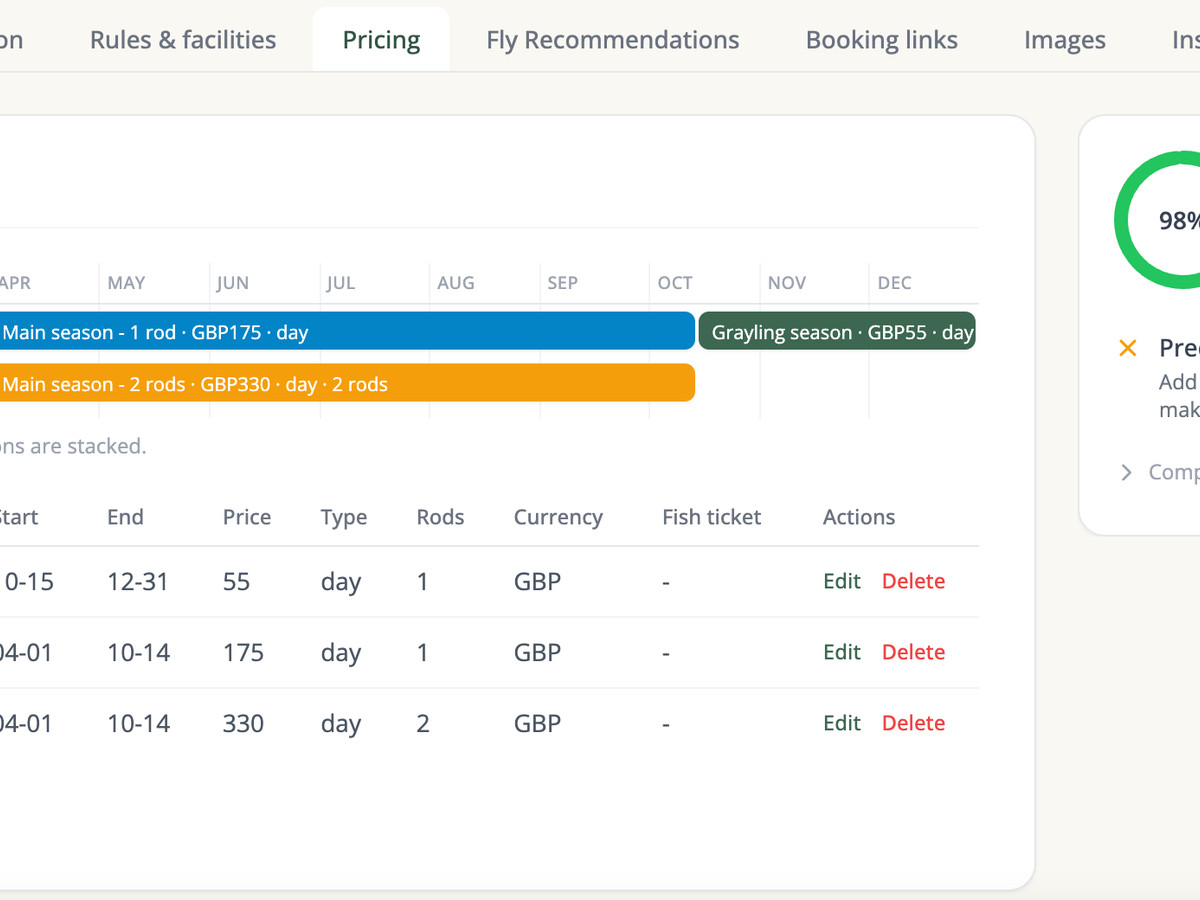
Set prices once. Prices entered on the fishery pass down to every beat. A beat with its own prices replaces them for that beat. Season names are supported, with day, half day, evening, week, fortnight and season tickets, and rods per ticket.
Mark closed days. A closure on the fishery, such as weed cutting or a shut estate over Christmas, applies to every beat. Each beat can add its own.
Price stillwater fish tickets. For "half day, 2 fish", you choose whether the ticket ends at the limit, carries on as catch and release, or everything goes back. You can cap the fish released after the take. Fish tickets are kept apart from ordinary day rates, so they do not distort river price comparisons. Lakes also carry size in acres, number of lakes and whether boat fishing is allowed.
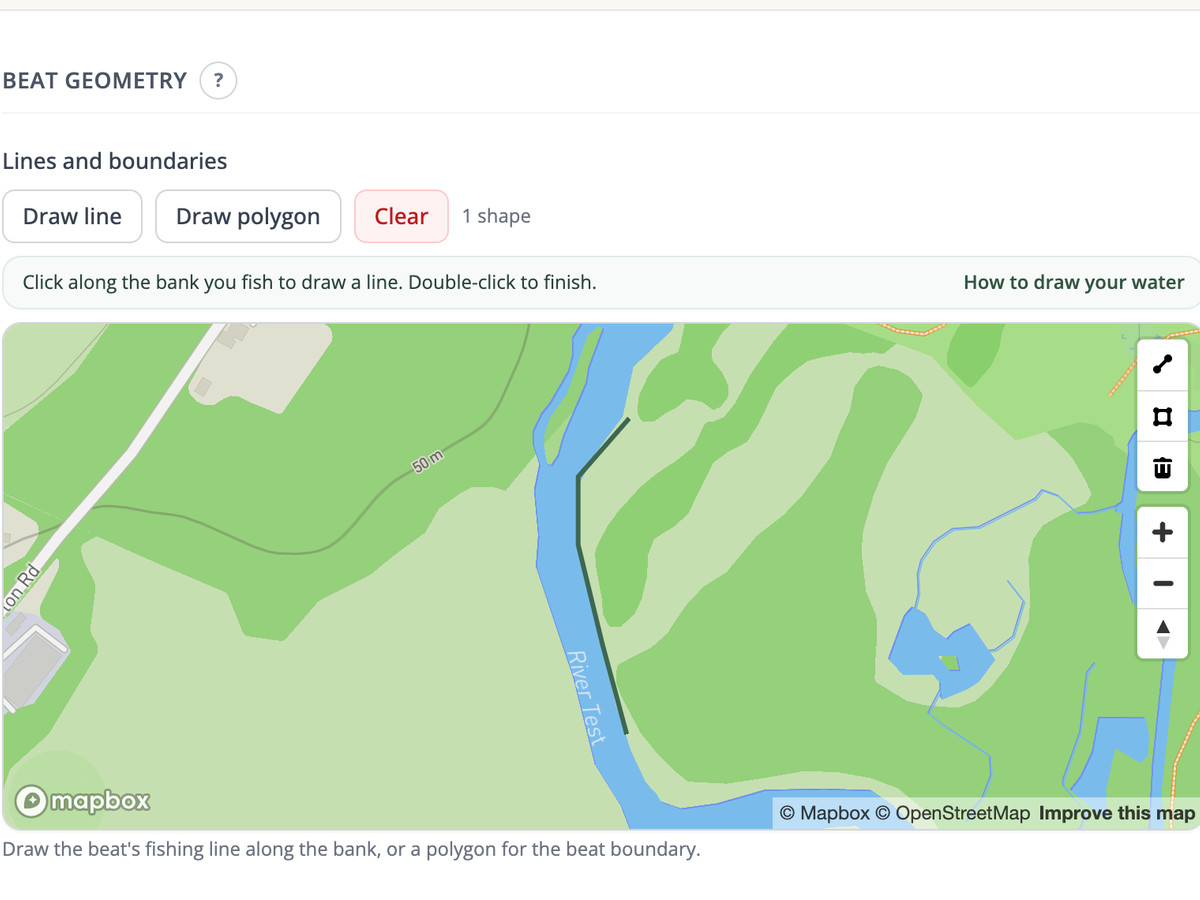
Draw the water. Mark a beat with a pin, a line along the bank you fish, or a boundary around a lake or a stretch. Zoom in first: a line that follows the bank is far more use to an angler than a rough sketch.
Get a description drafted. A button writes a description from the details you have filled in, and keeps it up to date when prices or details change. You see the draft first and choose "Use this" or "Regenerate". It does not write directions or parking, which have their own fields. Read it before you publish. You know the water better than we do.
Add fly recommendations. Pick from the fly list and add a short note on when and why. They show on the beat page.
See who sells your beats. The beat page lists every agent who sells it, each with their own price and booking link. Agents add those links from their own accounts, and every new one is checked by a person at FishingBeats before it shows.
Upload photos. Send the biggest version you have and we make the smaller sizes. Location data is stripped on upload. Lead with the water itself, in landscape, and aim for four or more.
Drafts, preview and publish
Nothing goes live while you type. Save a draft, then "Save draft and preview" opens the real page as anglers will see it. Search engines never see a preview. Publish puts it live within a few minutes. Editing never takes a live page offline, and "Discard draft" puts it back.
Every page has a quality score out of 100, shown as a ring, with "must have" and "good to have" checks that explain why each matters. A beat or fishery needs 80 and every must-have to publish. Fuller pages rank higher in lists, search and on the map, and pages with a photo come before pages without.
There are a few extra ranking points on a separate Boost page: a verified badge or link on your own website, three or more fly recommendations, and bringing along other owners, guides or clubs who get a live page. None of it lifts a page that is missing required details.
Seeing what works
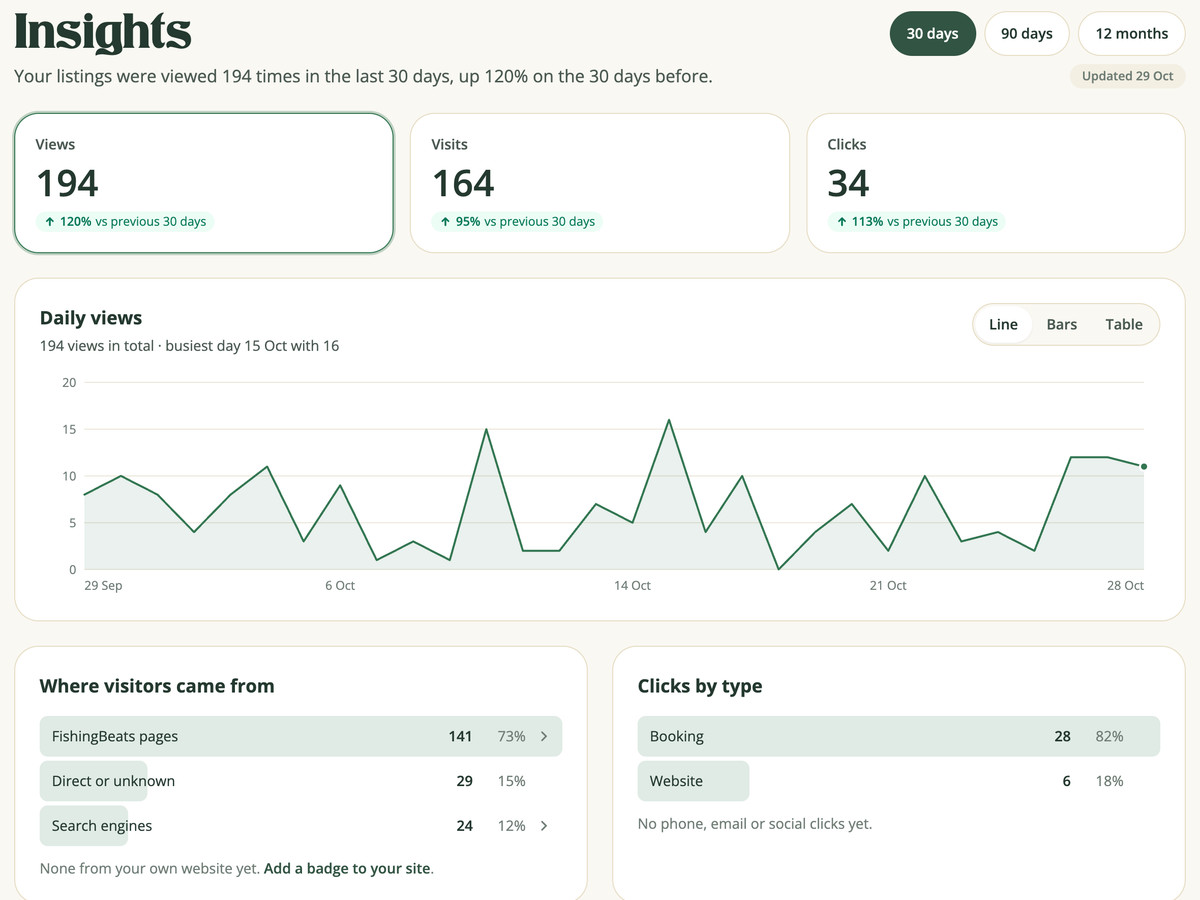
Insights shows, for the last 30 days, 90 days or 12 months, views, visits, and clicks on to your booking page, website, phone, email and social pages. It also shows where visitors came from, such as search engines, other FishingBeats pages or your own site. A fishery owner sees the fishery page plus every beat, each on its own and as a total.
What it costs, and what it is not
It is free to join and free to have a page. There are no card details to give, and nobody pays for placement.
It is not a booking system. FishingBeats takes no bookings and no payments.
Getting started
Sign up at partner.fishingbeats.com/join: say who you are, make an account and confirm your email.
Search for your page by name or start a new one. There is a good chance it is already listed.
Show it is yours. The quickest routes are an email at your own website's domain, a 6-digit code sent to the contact address already published on the listing, or a short tag added to your website. Otherwise, send a short note with evidence and a person will check it.
A person at FishingBeats looks it over, usually within two days. New listings stay hidden until then. If someone already looks after the page, the team checks the claim and the existing people are told.
One account can look after any mix of fishery, beat, club, guide and agent pages, which suits an estate with river beats and lakes. A Messages page goes straight to the team, and replies usually come within two days.
At the end of October the directory lists 872 beats across 118 fisheries, a UK fly fishing directory that began on the chalk streams. If your water is among them, the page is waiting for you to look at it. If it is not, you can start one.
Join as a partner Partner sign in
The rest of the series
This is the first of four pieces on the partner platform. The others cover clubs and syndicates, fishing guides and casting instructors, and booking agents, and they follow over the coming weeks.