The River Derwent rises on Bleaklow in the Peak District and runs about 50 miles through Derbyshire to join the Trent south of Derby. Three reservoirs, Howden, Derwent and Ladybower, sit in the upper valley and supply Sheffield, Nottingham, Derby and Leicester. Below them the river passes Matlock, Belper and Derby, and picks up the Noe, the Wye, the Amber and the Ecclesbourne on the way. The Wye is the best known of those, and the two rivers meet at Rowsley.
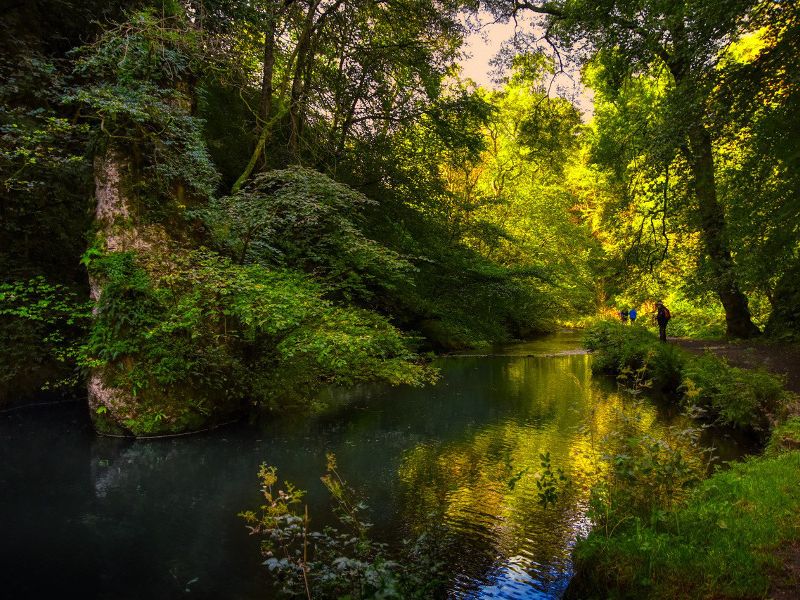
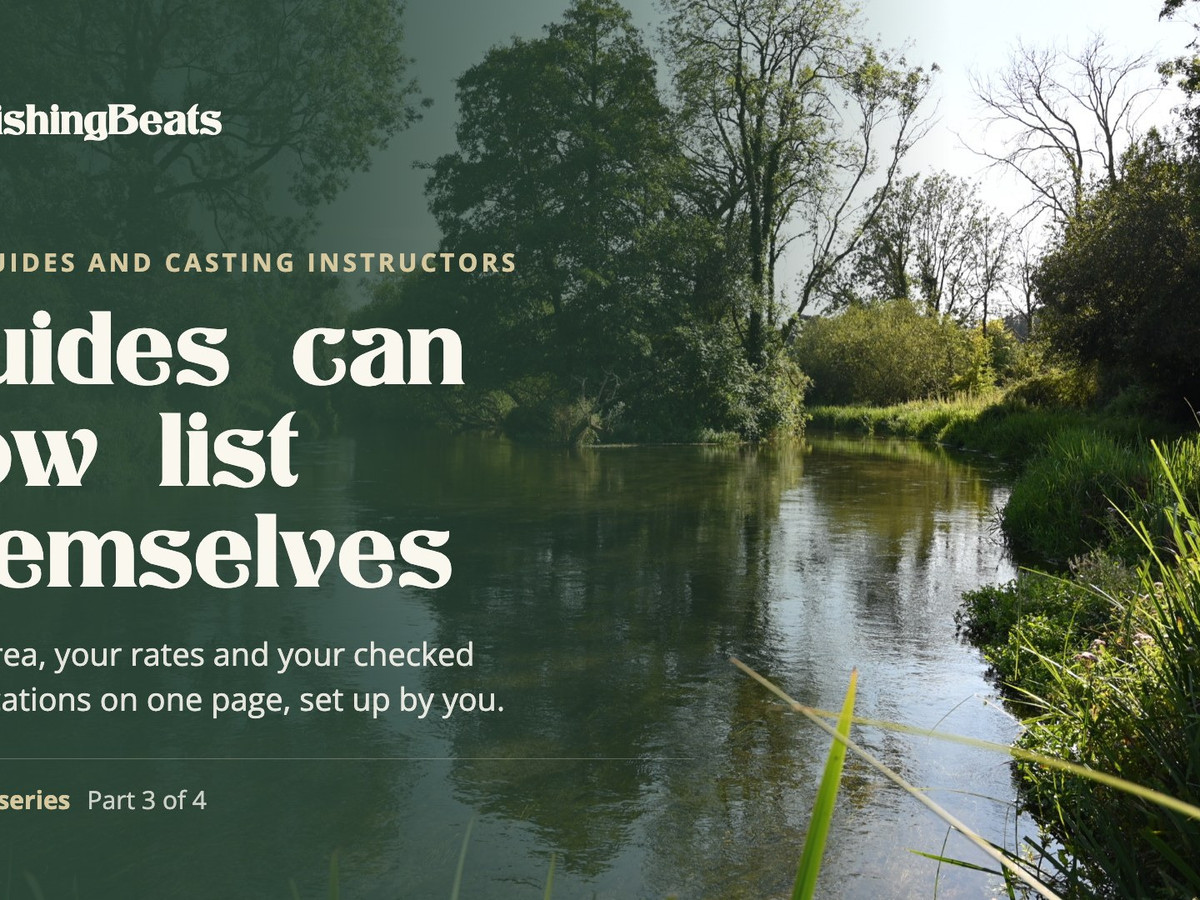
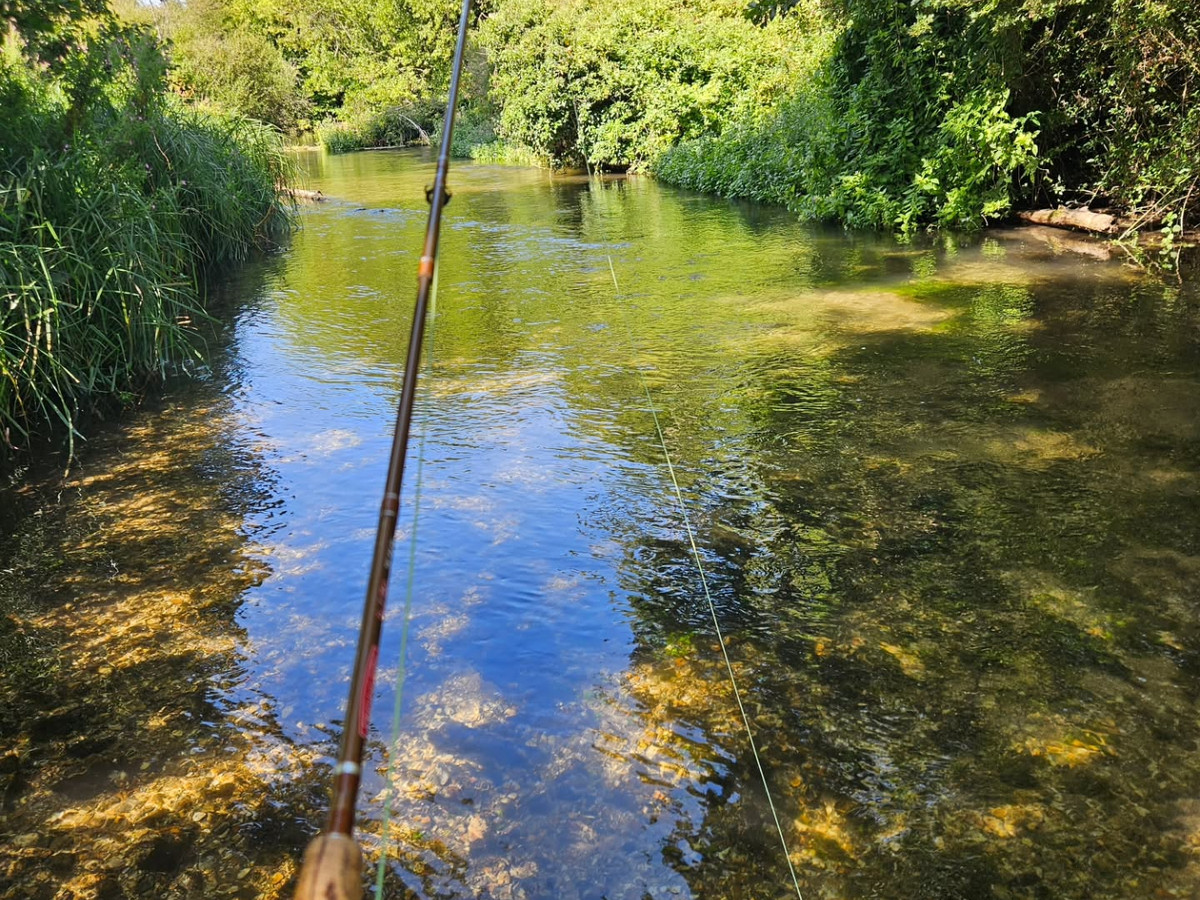
Anglers describe it as a freestone river. It is a broader, more varied river than the Wye, with gravelly riffles, pocket water and bedrock bends, and it carries water that is rich in insect life. It historically powered the textile mills of the Industrial Revolution, and the old mill towns are still part of the valley.
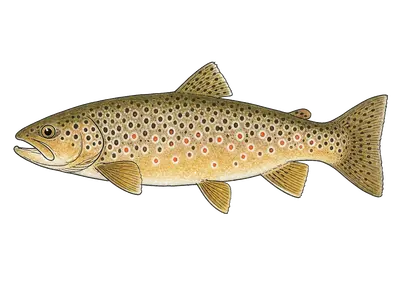
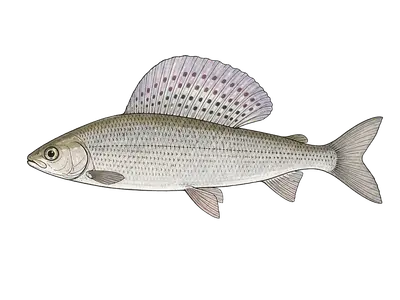
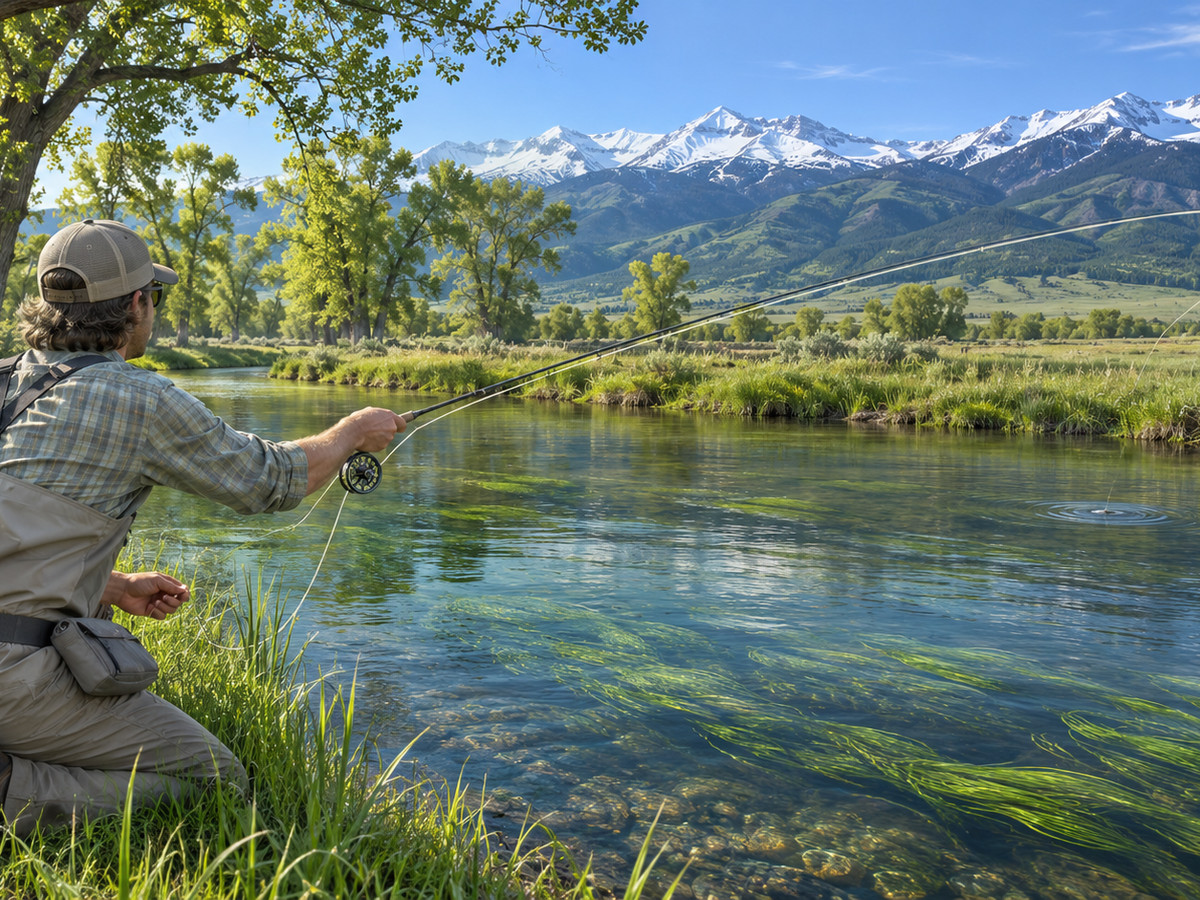
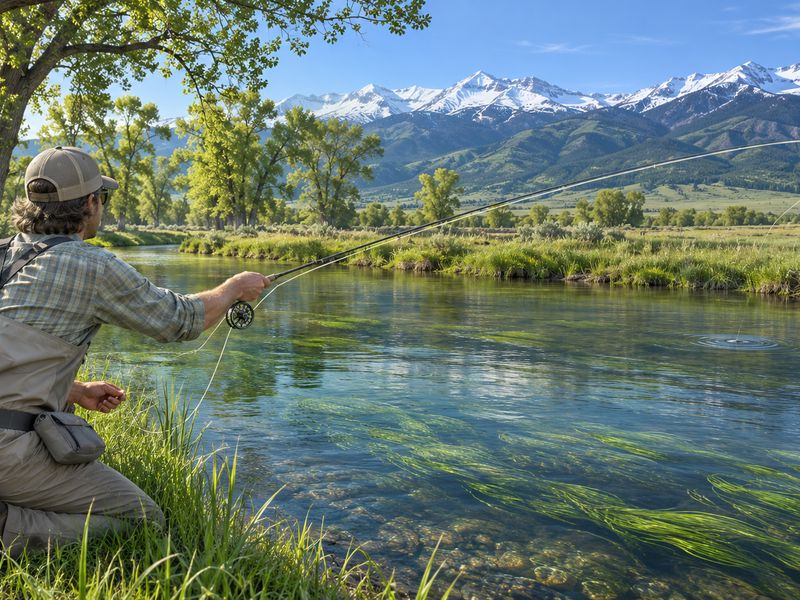
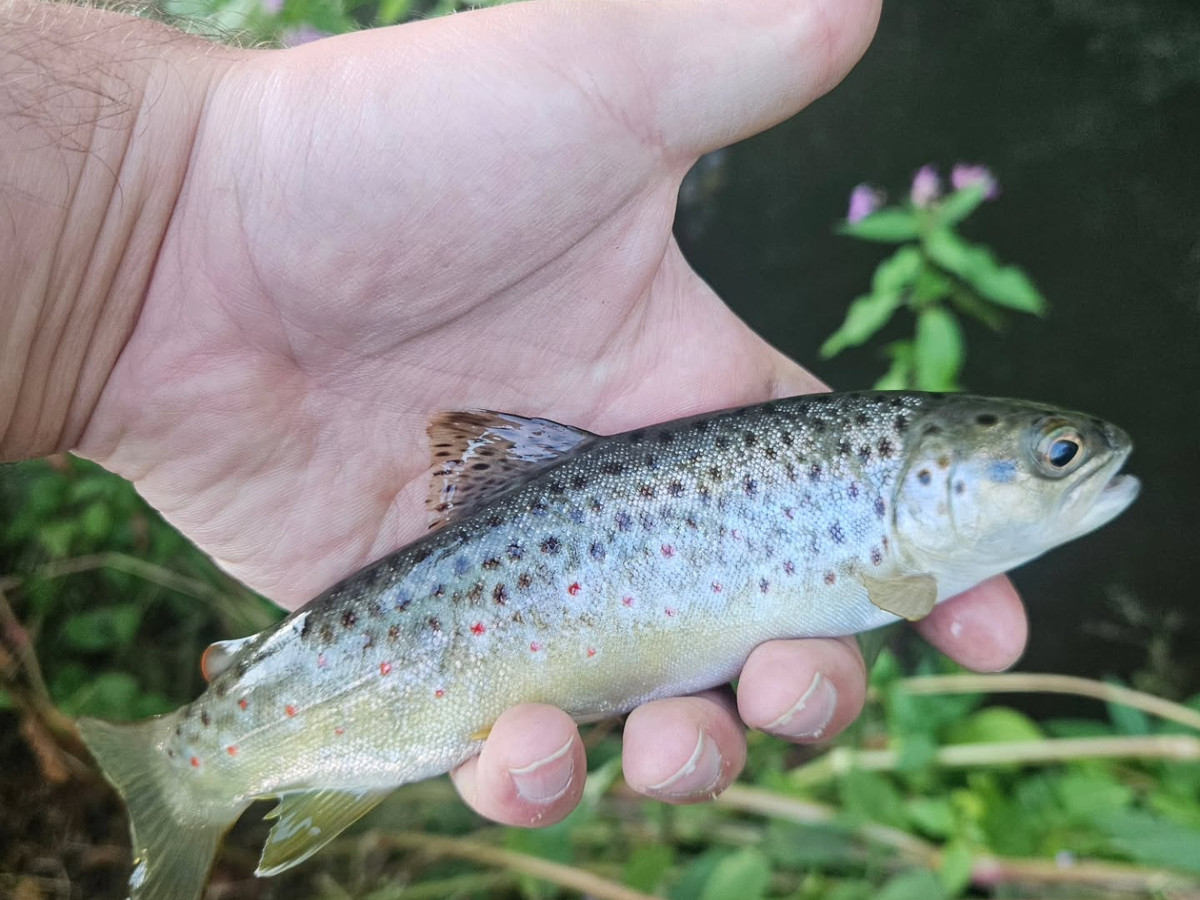
Brown trout are the main fish, with some large wild fish, alongside a healthy grayling population. Wild rainbow trout are also reported in small numbers on the middle river. Dry fly, wet fly and nymph all work, and wading is allowed on much of the water, with care.
The best known fishing is on the middle river between Baslow and Rowsley, where the Derwent runs through parkland. Fishing there is held by estates and by a hotel, and some of it can be booked by visitors.