River Tweed · Scottish Borders
Cardrona Fishings
Season 1 Feb to 30 Nov
-
Day tickets
Buy a ticket for a single day, with rates and dates further down.
-
1.9 miles of fishing
On the River Tweed.
About Cardrona Fishings
Cardrona Fishings is a classic upper Tweed salmon beat between Peebles and Innerleithen, on the right (south) bank only and next to Cardrona village. It runs for about 1.9 miles (3 km) and has eight named pools, most of them backing onto the golf course.
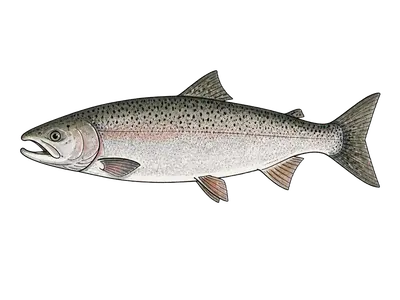
Given enough water, salmon and sea trout are increasingly appearing earlier in the year and can be caught from June onwards. Sea trout are present through the summer, and salmon are usually plentiful from the end of August and through the autumn. Three rods a day are offered to visiting anglers and are booked online. There is no ghillie, and the details are sent on booking. Salmon and sea trout may not be fished on Sundays in Scotland.
How you can fish here
- Methods
- Fly Only, Spinning
How to book
Day tickets and booking
- Cardrona Fishings
Rules and policies
Fishing rules for Cardrona Fishings
Spinning is not allowed until the river is over 1ft 1in on the Peebles gauge, or the gauge shown on the Cardrona Fishings home page. Salmon and sea trout may not be fished on Sundays in Scotland. The Tweed salmon season runs from 1 February to 30 November.
Where you'll fish
Location
Approximate locationExact location is hidden at the owner's request. This beat is on the River Tweed at Cardrona Fishings.
By car, about 1 hr 5 min from Edinburgh.
Conditions on the River Tweed
The river and fishery
The River Tweed is the border river. It rises in the Lowther Hills at Tweed’s Well, runs east for about 97 miles across the Scottish Borders and enters the North Sea at Berwick-upon-Tweed. East of…
View the River Tweed guideFlies for this beat
Expected in November on the River Tweed
Typical months from the river’s hatch calendar, which applies along its whole length rather than to this beat. Not a live report.
Nothing recorded for November. The trout season is closed over the winter on most rivers.
We get a small commission if you buy through these links, and it costs you nothing extra. If the calendar has been useful and you feel like supporting an independent site, buying your flies this way is an easy way to do it.
Similar beats on the River Tweed
FishingBeats is an independent guide with no affiliation to the fisheries we list. Listings are editorial and unpaid, and are not supplied or approved by the fishery. See our listings policy. Listing details are compiled by FishingBeats and may change or contain mistakes. Some services, such as tuition, ghillies, or accommodation, may only apply to certain packages and not to standard day tickets. Always confirm pricing, fishing details, and what is included directly with the beat before you book. Spotted something wrong? Email hello@fishingbeats.com and we will correct it.
FAQ
Cardrona Fishings FAQs
Practical questions anglers ask before fishing Cardrona Fishings, from tickets to tactics.
01How many rods are allowed on Cardrona Fishings at any one time?
02What species can I expect to catch on Cardrona Fishings?
03Do I need to wade, or can I fish from the bank?
04Is a ghillie available, and do I need one?
05Where do I park, and how do I access the beat?
06What tackle should I bring?
07What happens if conditions are poor on the day I've booked?
08Are dogs allowed on the beat?
Worth a read
Price on application
Ask when you book