Big things coming to FishingBeats

Join the newsletter

Dorset Stour

Little Canford

main river Club members only

Little Canford is a fishing beat on the Dorset Stour. Club members only.

Book now View on map Visit website

Pricing and season

Fishing details

Little Canford at a glance

Rods
Up to 2
Difficulty
Expert (4/5)
Length
Water type
main river

Fishing methods

Fly Only

Fly methods

Dry Fly Nymph
Wading allowed
Bank fishing only
Double bank

A lightly fished stretch of the Dorset Stour and one of the club’s listed game fisheries. It suits an agile, roving approach. Some of it is awkward to fish, but the rewards are worth the effort, and a path along the bank makes getting about easy.

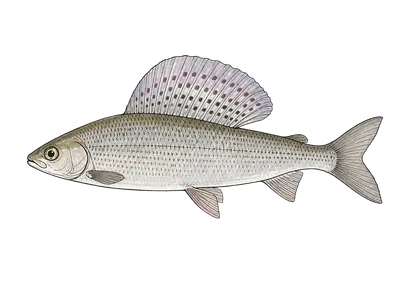
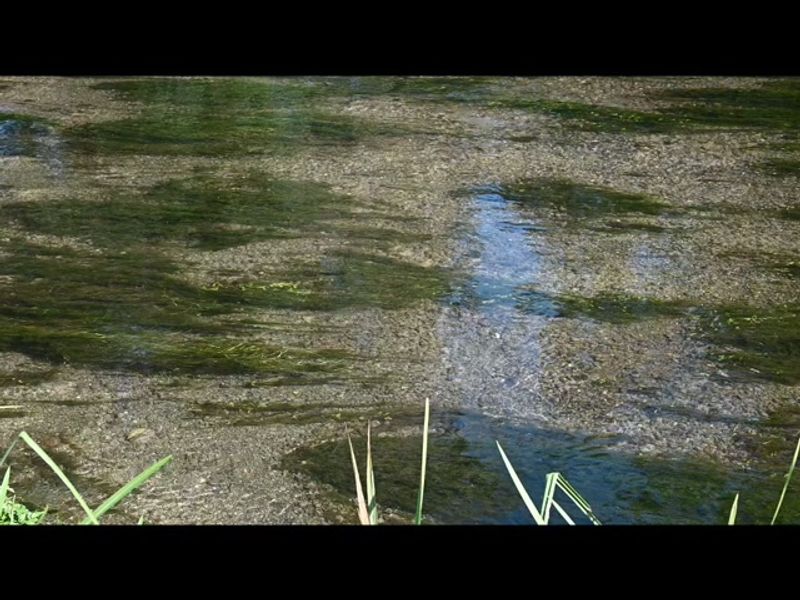
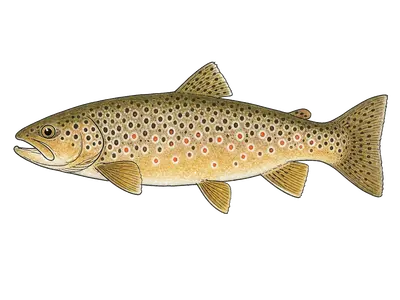
Brown trout, grayling and sea trout are present, and in summer the fish can be found and tempted out of the shallow gravel runs beneath the ranunculus even when the weed is heaviest. Through autumn and winter a lot more of the stretch opens up as the weed dies back.

It is a beautiful piece of river with deep holes set among the shallow runs, giving a wide choice of water. It also holds a good head of chub averaging 3 to 5lb with specimens over 6lb reported, along with large barbel and specimen roach, perch and pike.

Stocking and fish species
Rules and policies

Catch & release
EA rod licence required
Dogs allowed
Ghillie available
Ghillie required

Fishing rules for Little Canford

Maximum 2 rods. No dogs on any river section.

Where Little Canford is

The beat's boundary, with parking where we have it.

50.79814, -1.93598

executive.into.science

The fishery and river

River

Dorset

Dorset Stour

The Dorset Stour rises from springs on the Stourhead estate in Wiltshire and runs 61 miles south and east through Gillingham, Sturminster Newton, Blandford Forum and Wimborne before joining the Hampshire Avon in Christchurch Harbour. It is the largest river in Dorset and drains most of the county, gathering the Cale, the Lydden and the Divelish as it crosses the Blackmore Vale, then the Tarrant, the Allen and the Moors River on the way down. It is not a chalk stream, and it is worth being clear about that before you drive down. The Stour rises on greensand and spends most of its length in a clay catchment, so it colours after heavy rain in a way the Test and the Itchen never do. The exception is the middle river. Between Blandford Forum and Wimborne it crosses the chalk of the Dorset Downs, and by late spring that reach runs clear and steady enough that anglers who fish both describe it as behaving like a chalk stream. That is also where the are. Above Blandford it is a roach, dace and pike river, and below Wimborne it becomes serious barbel and chub water, with the stretch at Throop holding a national reputation for big fish. Fishing here works differently from the chalk streams to the east. No agent sells day rods by the beat on the Stour. The water is held by angling clubs and associations, most of them fishing it for coarse species, so the way in is a club day ticket or an annual membership rather than a booked rod. We list 0 stretches on the river. Anyone who wants fly water in this catchment should look at the River Allen, which joins the Stour at Deans Court below Wimborne and is the one genuine chalk stream among its tributaries.

61 miles

Similar beats on the Dorset Stour

The Dorset Stour rises from springs on the Stourhead estate in Wiltshire and runs 61 miles south and east through Gillingham, Sturminster Newton, Blandford Forum and Wimborne before joining the Hampshire Avon in Christchurch Harbour. It is the largest river in Dorset and drains most of the county, gathering the Cale,…

FishingBeats is an independent guide with no affiliation to the fisheries we list. Listings are editorial and unpaid, and are not supplied or approved by the fishery. See our listings policy. Listing details are compiled by FishingBeats and may change or contain mistakes. Some services, such as tuition, ghillies, or accommodation, may only apply to certain packages and not to standard day tickets. Always confirm pricing, fishing details, and what is included directly with the beat before you book. Spotted something wrong? Email hello@fishingbeats.com and we will correct it.

FAQ

Little Canford FAQs

Practical questions anglers ask before fishing Little Canford, from tickets to tactics.

01How many rods are allowed on Little Canford at any one time?
Little Canford allows a maximum of 2 rods at any one time.
02What species can I expect to catch on Little Canford?
Little Canford holds Brown Trout, Grayling, Sea Trout. The water is unstocked, relying entirely on the wild population.
03Do I need to wade, or can I fish from the bank?
Wading arrangements for Little Canford are listed on the beat page — contact the provider if you need to confirm before arriving.
04Is a ghillie available, and do I need one?
No ghillie service is listed for Little Canford — contact the provider directly if you'd like informal guidance on your first visit.
05Where do I park, and how do I access the beat?
Nearest postcodes BH21 7LP and BH21 3AD. Upstream access from Oakley Lane at Canford Magna, parking in the lane, then the footpath over the suspension bridge, turning right. Downstream access is from the B3073. The precise access point is marked at ///executive.into.science on what3words. Always confirm access arrangements with the provider when you book.
06What tackle should I bring?
Little Canford permits the following fly methods: dry_fly, nymph. The fly recommendations section on the Little Canford page suggests the most effective patterns month by month.
07What happens if conditions are poor on the day I've booked?
River conditions can change quickly, especially after rain. Contact the provider as early as possible if you're concerned about Little Canford — many are happy to offer an alternative date if the river is unfishable. Cancellation and rescheduling policies vary by provider; check the notes on the booking page or ask when you book.
08Are dogs allowed on the beat?
Dogs are not listed as permitted on Little Canford. Check the Beat Rules section on the page or contact the provider before bringing a dog, as policies can vary by season and stretch of the Dorset Stour.

@fishingbeats

From the riverbank

Follow →

Newsletter

Stay in the loop

Exciting new features, fresh beats, season news, and chalk stream tips, straight to your inbox.