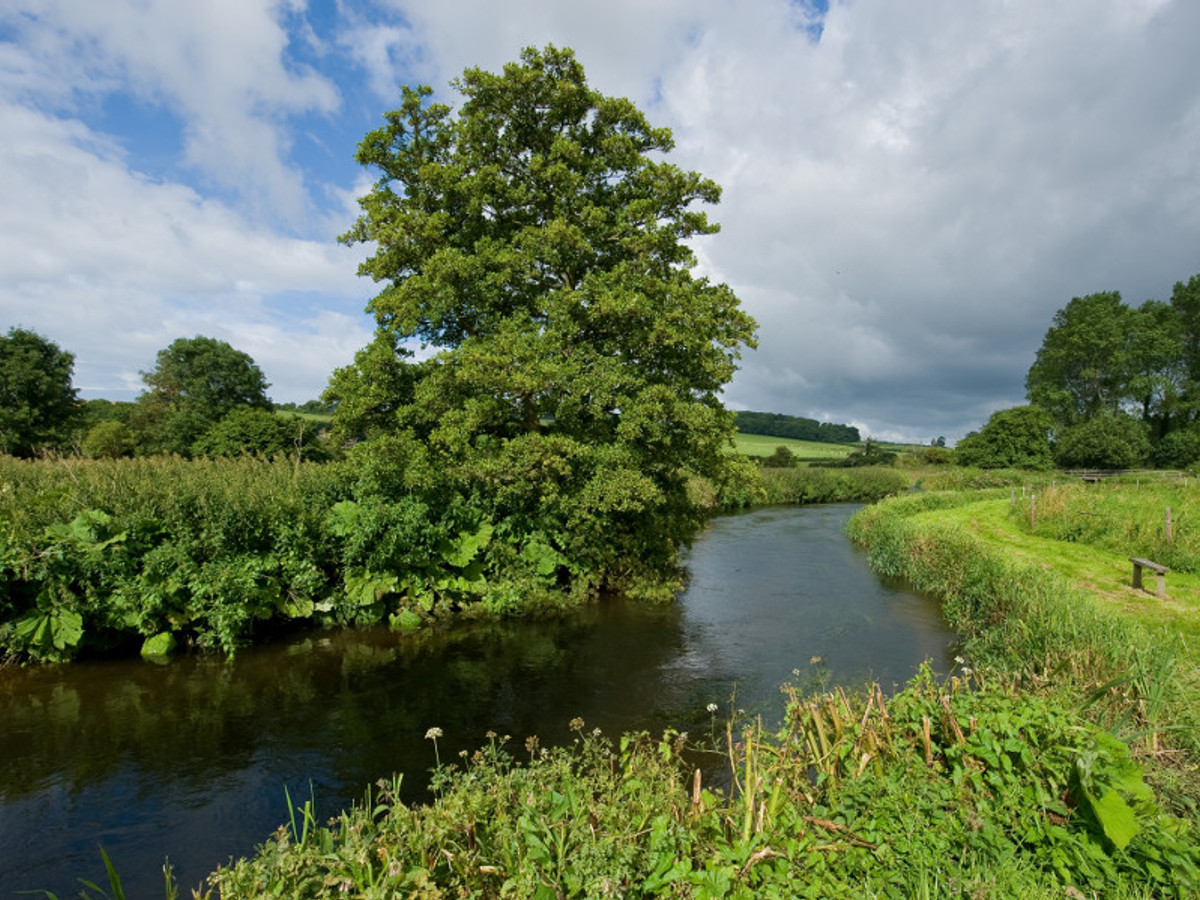
River Frome · Moreton Estate
Lower Moreton
Lower Moreton is a fishing beat on the River Frome at Moreton Estate. Day tickets from £70.
Pricing and season
Indicative prices only. This calendar does not show whether a beat is bookable or already booked out, and other prices may apply. Always confirm availability and the final price with the booking provider before you travel.
Price calendar
How Lower Moreton compares on the River Frome
Typical, lowest and highest full-day rod, from 23 beats with published day rates
Day tickets on the River Frome run from £30 to £145. The typical full-day rate is around £60, peaking in May.
Compare with other riversFishing details
Lower Moreton at a glance
- Rods
- 1 – 3
- Difficulty
- Adventurer (3/5)
- Length
- –
- Water type
- main river
Fishing methods
Fly methods
Lower Moreton fishes the main river only on the Moreton Estate stretch of the River Frome, downstream of the beats that share the North Stream carrier. It's worth knowing that distinction before you book: Middle Moreton 1 and 2 both carry a length of that pretty carrier alongside their main-river water, but here it's the river itself and only the river, running at a scale comparable to the middle Wylye, wide enough to work a longer line and cover fish properly at range.
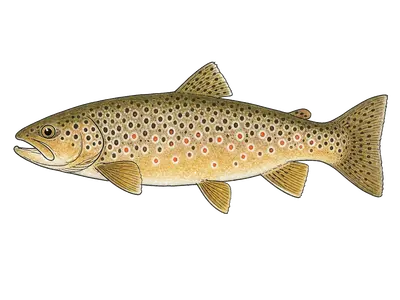
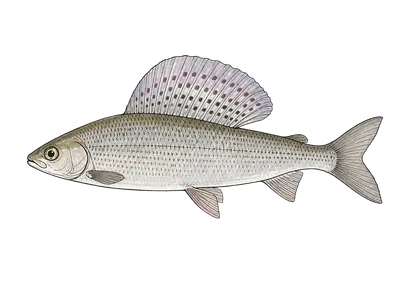
The estate is reckoned among the best of the Wessex fishing on the Frome, and Lower Moreton holds Brown Trout, Grayling, with an outside chance of a sea trout or salmon working through. Wading is essential, and all fishing is strictly catch and release.
The season runs mid May to 15 October rather than the usual April start, so it's a beat to plan for rather than turn up to on spec. Booking rules apply across the estate: a single rod, or up to three who know each other, early in the season, with pairs and larger parties, up to six rods on a date, able to book from June onward. The estate sits in Dorset, less than ten minutes' drive from Lawrences Farm, and the hamlet of Moreton, with its tea rooms, pub and the church engraved by Laurence Whistler, makes a pleasant base.
Day tickets start from £70.
Stocking and fish species
Rules and policies
Where Lower Moreton is
The beat's boundary, with parking where we have it.
50.69849, -2.26759
The fishery and river
Similar beats on the River Frome
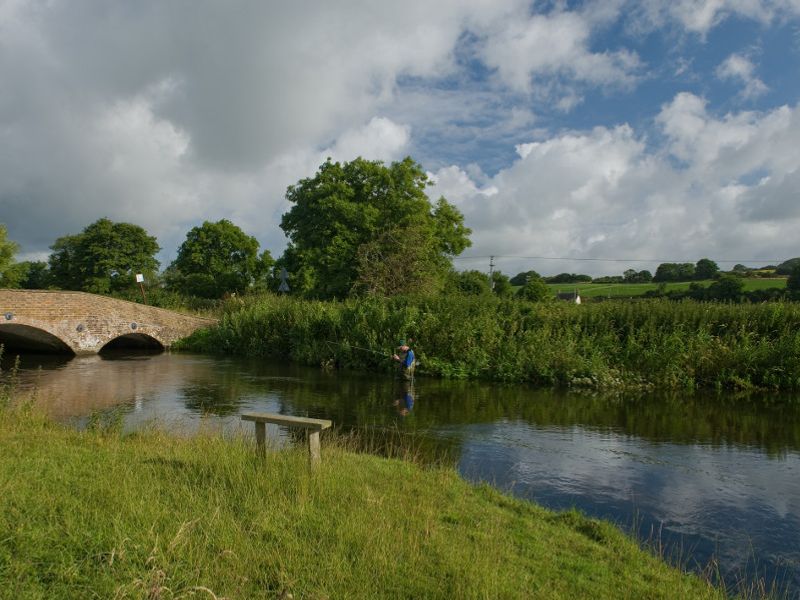
Gaston Bridge Beat
Three-quarters of a mile of single-rod chalk stream on the River Frome, the Gaston Bridge Beat sits within the Wrackleford Estate just north of Dorchester in Dorset. The Frome is the most westerly of the famous English chalk streams, rising in the chalk downs of west Dorset and maturing into a fine trout river by the time it reaches Wrackleford. The section downstream from the ford is best fished from the left bank — where the fishing hut sits at its centre — with a short walk through the farmyard giving access to the upper section, which leads to the garden of Wrackleford House. Two weirs punctuate the beat, one close to the hut and one at the start of the garden section; both create reliable fish-holding areas, and the deep pool beside the hut deserves particular attention. The Frome is less affected by abstraction than any other chalk stream, and as a result the fishing holds up well throughout the season. The trout season opens in April with a grannom hatch, the mayfly follows from late May into June, and glorious summer action with olives, sedges, ants and daddy-long-legs extends the dry fly fishing well into autumn. The Frome has also built a growing reputation for big grayling, targeted through the late summer and autumn primarily by sight nymphing, with deeper nymphing techniques coming into their own through winter. The beat is well tended and lightly stocked, making it a sound choice for less experienced fly fishers getting to grips with chalk stream technique. The season runs from 1 April to 31 January, with day ticket prices from £80 in April to £140 during the mayfly peak. A 7.5 ft rod with a 3–4 weight floating line and tippet to 6x suits the intimate nature of this water. Waders are helpful but not essential. Day tickets run from dawn till dusk, and a fishing hut is on site for shelter. A freshly prepared luncheon hamper can be delivered to the beat by prior arrangement with the estate.
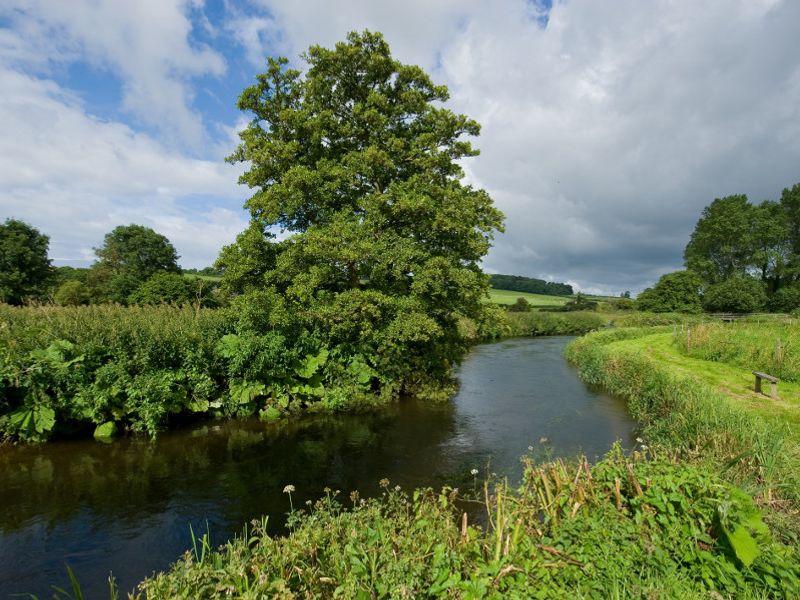
Wrackleford Home Beat
Three-quarters of a mile of double-bank fly fishing on the River Frome, the Wrackleford Home Beat sits on the Wrackleford Estate just north of Dorchester in Dorset — the most westerly of the English chalk streams, the Frome having matured into a fine trout river by the time it reaches Wrackleford. The Sydling Brook joins the Frome just upstream of Wrackleford, adding volume and clarity to the water. The beat divides into two distinct characters: above the central thatched fishing hut the river runs smooth, with slow meanders and deep pools; below it the water quickens into shallow runs and faster glides, with a substantial pool a third of the way down — a layout that gives two rods genuinely different fishing without overlap. Brown trout and grayling are the target species, with the beat regularly stocked to complement any resident wild fish. The Frome is less affected by abstraction than most chalk streams, and the season opens with fine hatches of upwinged flies in April and early May, building to an excellent mayfly from mid-May until mid-June, followed by Pale Wateries, Blue-Winged Olives and sedges through summer and into autumn. The season opens with a grannom hatch, progressing through hawthorn, mayfly and blue-winged olives, with sedges rounding off the year. Grayling fishing extends the season to 31 January, making this a productive winter destination too. Waders are helpful but not essential — the double bank gives good access throughout. The beat is rated suitable for beginners and takes a maximum of two rods, priced from £100 in April rising to £190 during the mayfly, with grayling days at £75. It can be grouped with the Gaston Bridge Beat to extend the fishing for a larger party. The thatched fishing hut at the beat's centre provides shelter and a base for the day.
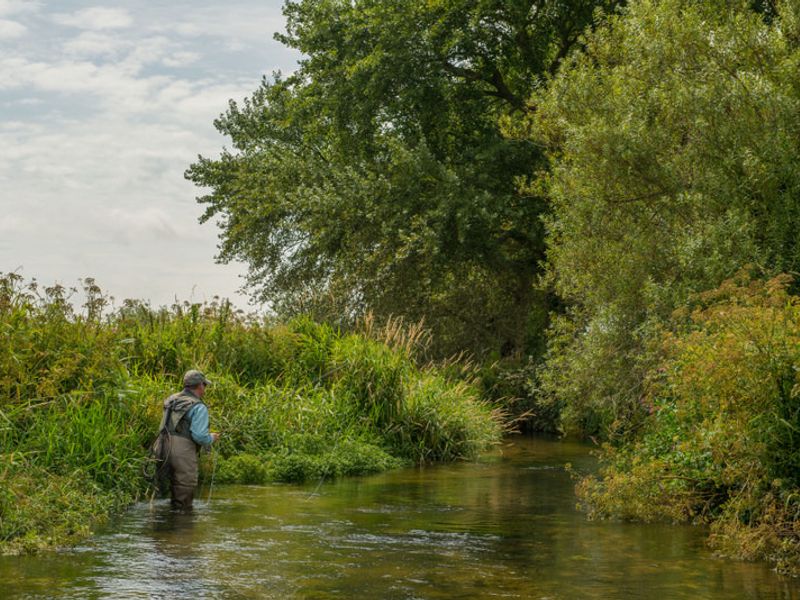
River Frome
Ilsington
Six miles of fly-only chalk stream on the River Frome, the Ilsington beat sits downstream of Dorchester in the heart of Dorset, on the river's course between West Stafford and Bovington — a section where the Frome, at 30 miles long, is considered the major chalk stream of southwest England. Long held as a private syndicate, Ilsington has only recently become available to visiting rods, with close to five miles to discover. The river carries classic chalk stream features: riffles, pools, glides and overhanging trees, with sight fishing in crystal-clear water throughout. Wild brown trout and grayling are the primary quarry. Trout over 3lb are regularly caught, and parties will often land thirty fish or more between them. The fish most closely associated with the Frome is the grayling — the river has previously produced record fish, and specimens approaching the four-pound mark are caught most seasons. Over the years, the Frome has thrice laid claim to the British grayling record, each fish weighing over 4lb. The lower river also sees reasonable runs of salmon and sea trout. The season runs 1 April to 30 November. The Frome is less affected by abstraction than any other chalk stream, so the fishing holds up well throughout: upwinged flies dominate April and early May, mayfly hatches are excellent from mid-May until mid-June, and high summer evenings in July and August can be surprisingly productive with hatches of Pale Wateries, Blue-Winged Olives and sedges extending well into autumn. The beat accepts one to four rods and is rated suitable for beginners, making it a practical choice for a group or a guided day. A 7.5ft rod with a 3–4wt floating line is the recommended trout outfit for dry fly and nymph work; a longer 9ft rod suits the deeper glides and grayling nymphing later in the season. Day ticket prices run from £100 for a grayling day to £131 in summer, rising to £236 during the mayfly. Car parking and a fishing hut are on site. All wild fish are returned.
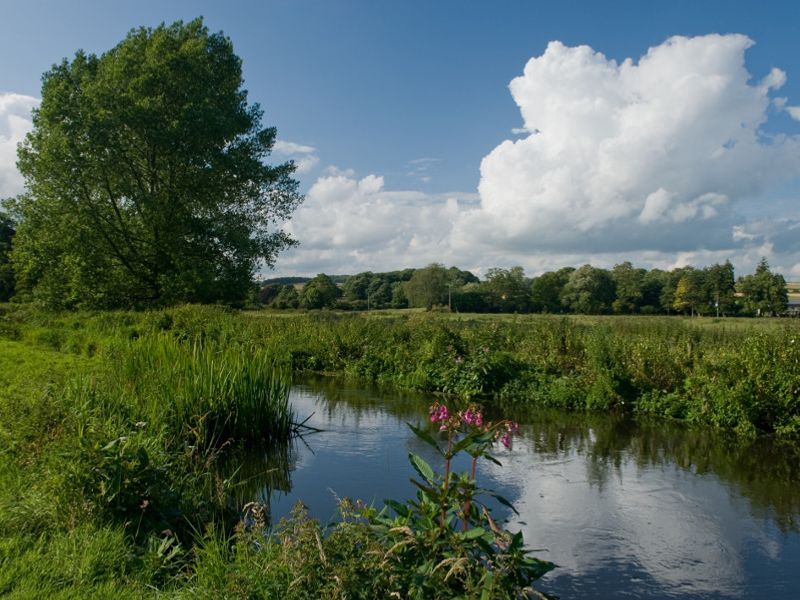
The Bricks Beat
The Bricks Beat occupies the original course of the River Frome — a carrier reduced in flow by a mill diversion — running for half a mile of single-bank water on the Wrackleford Estate just north of Dorchester, Dorset. The channel is narrow but deceptively deep, with tight twisting bends that make for a sporting stretch demanding accurate presentation and careful reading of the water. A fishing hut sits at the midway point on the left bank, useful when Dorset weather turns. The Frome is less affected by abstraction than any other chalk stream, which means consistent flows and reliable hatches throughout the season. The season opens with a grannom hatch, followed by hawthorn, mayfly and blue-winged olives as the season progresses, with sedges rounding off the year. Mayfly hatches are excellent from mid-May until mid-June, and the high summer evenings fish well with hatches of pale wateries, blue-winged olives and sedges extending well into autumn. The beat is lightly stocked and rated suitable for beginners, making it a practical introduction to chalk stream dry fly and nymph fishing without the pressure of a busier main-river rod. The River Frome has a growing reputation as one of the best rivers in the country to target big grayling, and the long season — 1 April to 31 January — gives ample time to pursue both trout and grayling on the same water. Day tickets run from £80 in April to £140 during the mayfly window, with summer rates at £95. One rod only is permitted, and fishing is from the bank throughout. Day tickets can be booked online through the Wrackleford reservations page, with the estate also offering equipment hire, accommodation, and guiding to complement a day on the water. A short rod — 7 to 8 ft in a 3–4 weight — suits the confined nature of the carrier well.
Stratton Beat
Just under two-thirds of a mile of double-bank dry fly and nymph water on the River Frome, the major chalk stream of southwest England, the Stratton Beat sits on the quiet water meadows south of Stratton village in Dorset. The beat opens with straighter, faster water near the top before the river broadens into long, sweeping bends with deep pools running down to the bottom boundary — a varied character that suits up to two rods without crowding. The Frome and its tributaries provide a rich habitat for wild brown trout and grayling, and stocking is virtually non-existent along much of the river, which allows wild trout and grayling to thrive. The Frome is less affected by abstraction than most chalk streams, and the season opens with fine hatches of upwinged flies in April and early May; mayfly hatches are excellent from mid-May until mid-June, with high-summer evenings producing pale wateries, blue-winged olives and sedges extending well into autumn. The season opens with a grannom hatch, followed by hawthorn, mayfly and blue-winged olives as the season progresses, with sedges rounding off the year. The beat's long trout season runs from 1 April, with grayling fishing continuing through to 31 January — late summer and autumn grayling fishing is primarily sight nymphing, with methods turning to deeper nymphing techniques through winter. Day ticket prices range from £75 for grayling to £190 during the mayfly window, reflecting the beat's seasonal variety. A thatched fishing hut with toilet facilities is on site, and accommodation is available, making Stratton a practical base for a multi-day visit. A 7–9 ft rod with a 3–4 weight floating line and fine tippet down to 6x covers most situations on this accessible, beginner-friendly beat.
England's most westerly major chalk stream, the River Frome rises from St John's Well in the village of Evershot and runs for 35 miles through the heart of Dorset. From Evershot it passes through Cattistock, Maiden Newton, and Dorchester before broadening across a wide flood plain and meandering through West Stafford…
FishingBeats is an independent guide with no affiliation to the fisheries we list. Listings are editorial and unpaid, and are not supplied or approved by the fishery. See our listings policy. Listing details are compiled by FishingBeats and may change or contain mistakes. Some services, such as tuition, ghillies, or accommodation, may only apply to certain packages and not to standard day tickets. Always confirm pricing, fishing details, and what is included directly with the beat before you book. Spotted something wrong? Email hello@fishingbeats.com and we will correct it.
FAQ
Lower Moreton FAQs
Practical questions anglers ask before fishing Lower Moreton, from tickets to tactics.