River Piddle · Wessex Fly Fishing Trout Lakes
School Pool
School Pool is a fishing beat near the River Piddle at Wessex Fly Fishing Trout Lakes. Day tickets from £30.
Pricing and season
Indicative prices only. This calendar does not show whether a beat is bookable or already booked out, and other prices may apply. Always confirm availability and the final price with the booking provider before you travel.
Price calendar
How School Pool compares on the River Piddle
Typical, lowest and highest full-day rod, from 10 beats with published day rates
Day tickets on the River Piddle run from £30 to £85. The typical full-day rate is around £30, peaking in April.
Compare with other riversFishing details
School Pool at a glance
- Rods
- –
- Difficulty
- Explorer (2/5)
- Length
- –
- Water type
- stillwater
Fishing methods
Fly methods
School Pool is one of the mid-sized waters at Wessex Fly Fishing Trout Lakes, at half an acre: small enough to cover in an afternoon's steady fishing, but with enough room to work a fish carefully once you've found one. It sits between the two smallest pools and Meadow Lake in scale, and it fishes like a good compromise between the two: close enough for careful stalking, big enough that a longer cast still has its uses.
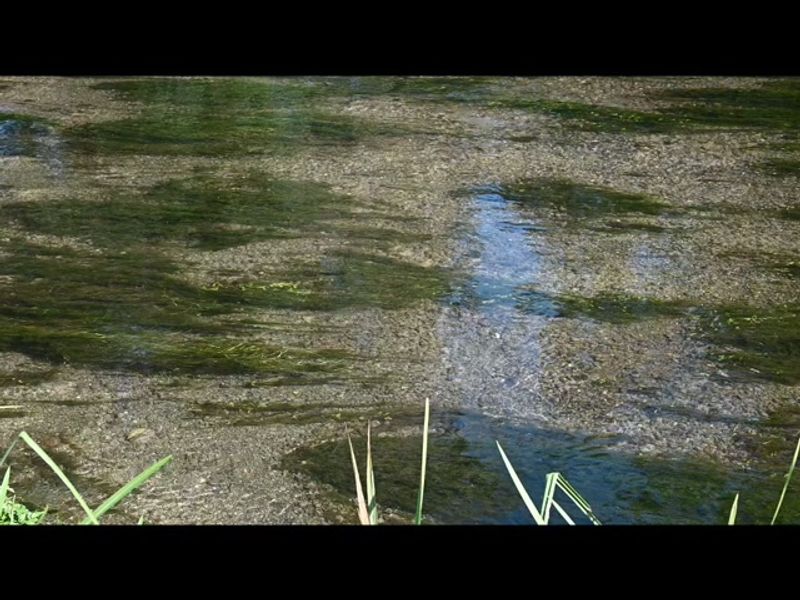
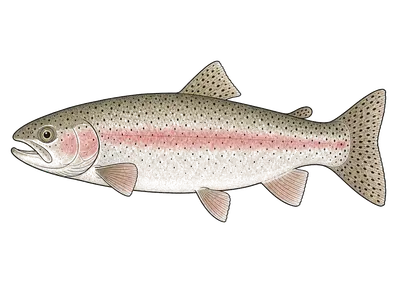
The water is usually beautifully clear, and at this size you'll often see the fish you're casting to rather than fishing blind. Buzzers, pond olives, sedges and damsel flies all hatch well, and buzzers, goldhead nymphs, damsel nymphs and small lures are all worth having on. Rainbow Trout are stocked regularly from 1¾ lb to well over 4 lb, averaging around 2½ lb, with the occasional much larger fish among them.
Tickets start from £30.
Stocking and fish species
Rules and policies
Where School Pool is
The beat's boundary, with parking where we have it.
50.74473, -2.29575
The fishery and river

Similar beats on the River Piddle
Briantspuddle Beat
Briantspuddle Beat runs for about 1 mile of the River Piddle, two miles downstream of Tolpuddle, where the river gathers a little more size. It's a long, attractive beat and a favourite with the regular rods, running through and around water meadows whose old hatches and sluices are still visible along this stretch, in . A Wild Trout Trust advisory visit in April 2022 found the beat showing the classic character of a chalk stream in good health: an intact gravel bed, good gradient, and beds of water crowfoot over clean gravel substrate. A thick marginal fringe lines both banks, and a mosaic of riparian trees, mostly ash, casts dappled shade across the water. Parts of the reach were straightened historically and lack sinuosity as a result, but a deep pool below a set of hatches holds some of the beat's largest fish, and long, shallow gravel runs are where salmon have been known to cut redds. Brown Trout, Grayling make up the fishing here, mostly wild with a few stocked trout, and the same April grannom hatch as the rest of the river. Fishing is lightly keepered and strictly catch and release, ten fish a day maximum, barbless hooks or barbs pinched down. Day tickets start from £60 during the main season.
Throop Beat
Throop Beat lies further down the River Piddle again, downstream of Briantspuddle, and covers about 1 mile of classic Piddle water: chalk-clear, gravel-bedded, running through the water meadows that line this stretch of the valley, in . It's a lovely, varied beat, and only a strictly limited number of bookings are taken on it each season, so it fishes quieter than most. The Piddle's character carries through here as it does on the rest of the river: early olives and hawthorns to open the season, a reliable hatch of grannom through April, and sport often picking up again in autumn on late olives and sedges. Brown Trout, Grayling are both present, with light stocking topping up a good head of wild fish. Fishing is strictly catch and release, ten fish a day maximum, barbless hooks or barbs pinched down, and the beat is lightly keepered throughout the season. Day tickets start from £60 during the main season.
Tolpuddle Beat
Tolpuddle Beat is one of the smaller of the five Piddle beats on offer, running about two thirds of a mile through the water meadows below Puddletown, on the River Piddle in . It starts as two separate carriers, the Mill Stream and the Southover arm, which join to form the main channel roughly halfway down the beat, so a day here begins as narrow, intimate small-river fishing before the two currents come together into something a little more substantial. This is the reach the Game Conservancy chose for its six-year study of the wild brown trout population and for research into habitat improvement on the River Piddle, and it remains some of the most closely observed water on the river as a result. It is the only one of the Piddle beats that is not stocked, so every fish taken here is wild, and the fishing is correspondingly varied and challenging for its size. Expect Brown Trout, Grayling, with a strong hatch of grannom through April on top of the early olives that open the season. One thing worth planning around: Tolpuddle only fishes from 1 April to 30 June, then closes for the rest of the season, so it suits an early-season visit rather than a summer one. As on the rest of the river here, fishing is strictly catch and release, ten fish a day maximum, barbless hooks or barbs pinched down, and the beat is lightly keepered throughout. Day tickets start from £60 during the main season.
Warren Lane Beat 1
Warren Lane Beat 1 is part of the Warren Lane Fishery on the River Piddle, where the river turns picturesque and properly peaceful, meandering through water meadows in a run of pools and gravelly runs that suit dry fly and nymph in equal measure, in . At about a third of a mile it's the shortest beat on the river, which makes for a slower, more considered day than the numbers suggest: there's no ground to cover in a hurry, so it rewards fishing each pool properly rather than working through the water. Brown Trout, Grayling are both present, with a good head of wild trout carrying light stocking, and the same April grannom hatch that brings the rest of the Piddle to life. Early olives and hawthorns open the season, and sport often returns in autumn with late hatches of olives and sedges. As on the rest of the Wessex water here, fishing is strictly catch and release, ten fish a day maximum, barbless hooks or barbs pinched down, and lightly keepered. Day tickets start from £60 during the main season.
Warren Lane Beat 2
Warren Lane Beat 2 covers the neighbouring stretch of the same fishery, about two thirds of a mile of the River Piddle where the river meanders through open water meadows, in . Being twice the length of Beat 1 next door, it gives you more room to move: work down through a longer sequence of pools and gravelly runs rather than settling on one or two, with enough water to search out a rising fish or work a nymph through if the surface stays quiet. The fishing is the same considered dry fly and nymph work that suits this whole reach, over Brown Trout, Grayling, with wild trout carrying a little stocking. Grannom hatch well through April, and early olives and hawthorns get the season started before mayfly arrives. Catch and release is strict across the beat, ten fish a day maximum, barbless hooks or barbs pinched down, and it's lightly keepered like the rest of the Wessex water. Day tickets start from £60 during the main season.
The River Piddle rises from chalk springs near Alton Pancras, high in the Dorset Downs, and runs 18 miles to Poole Harbour, joining the River Frome at Wareham. It flows south at first, then swings east at Puddletown, and runs parallel to the Frome for much of its length, a few miles to the south. Between source and…
FishingBeats is an independent guide with no affiliation to the fisheries we list. Listings are editorial and unpaid, and are not supplied or approved by the fishery. See our listings policy. Listing details are compiled by FishingBeats and may change or contain mistakes. Some services, such as tuition, ghillies, or accommodation, may only apply to certain packages and not to standard day tickets. Always confirm pricing, fishing details, and what is included directly with the beat before you book. Spotted something wrong? Email hello@fishingbeats.com and we will correct it.
FAQ
School Pool FAQs
Practical questions anglers ask before fishing School Pool, from tickets to tactics.